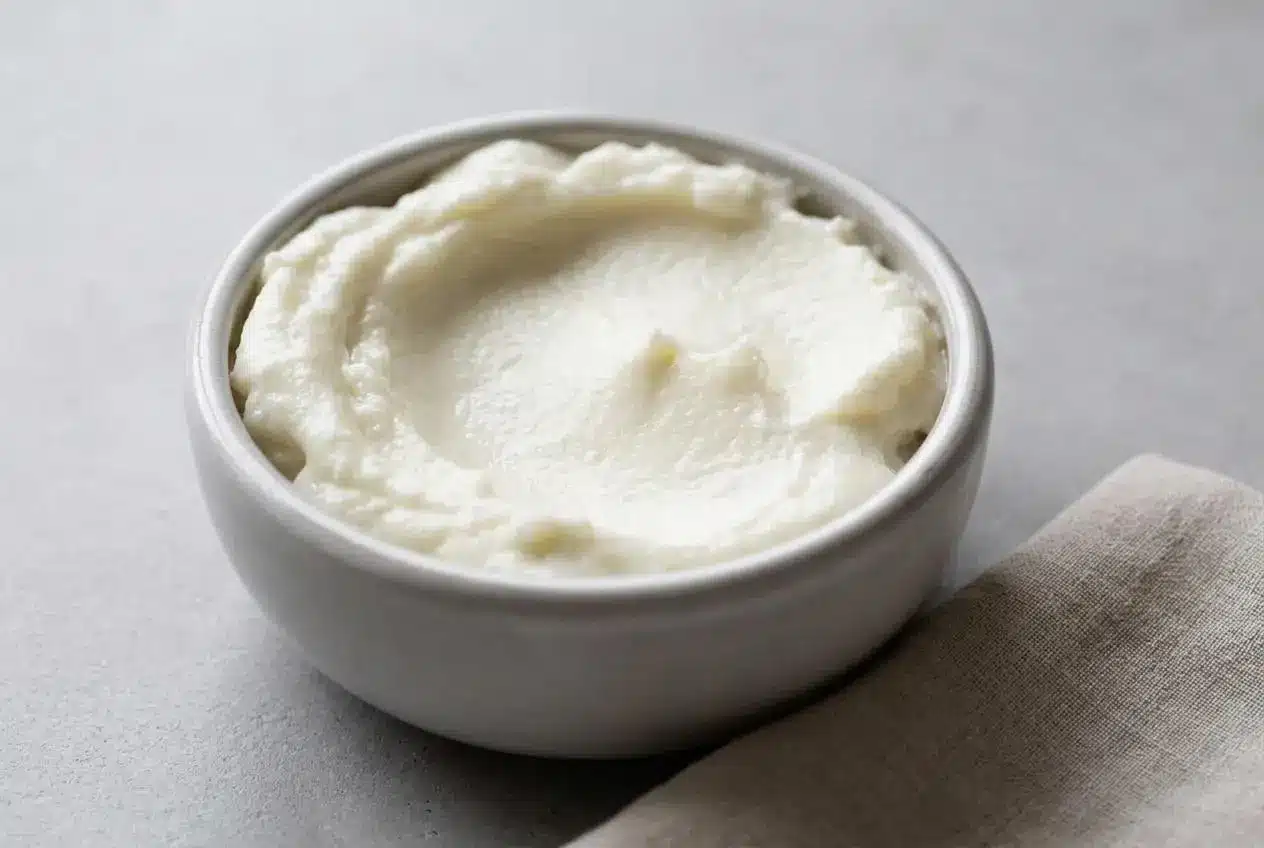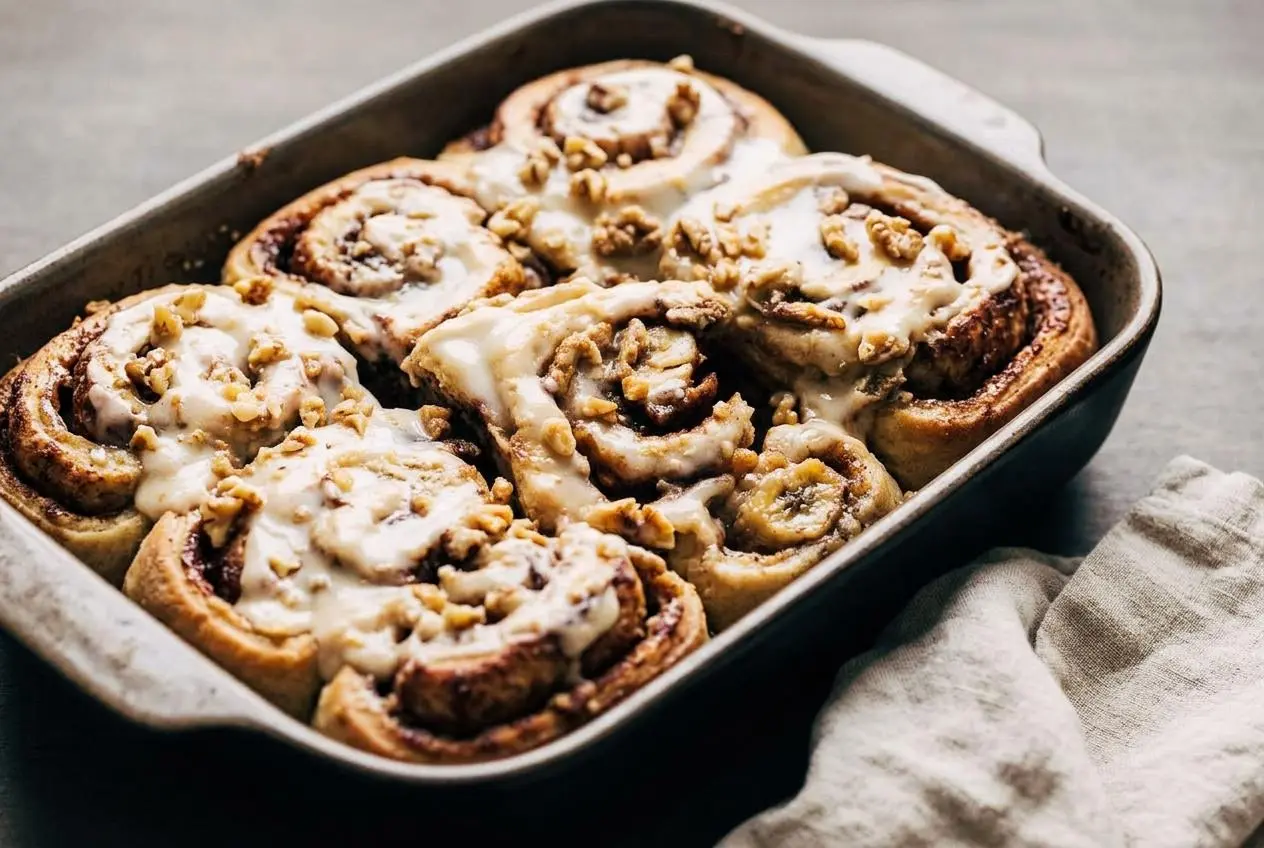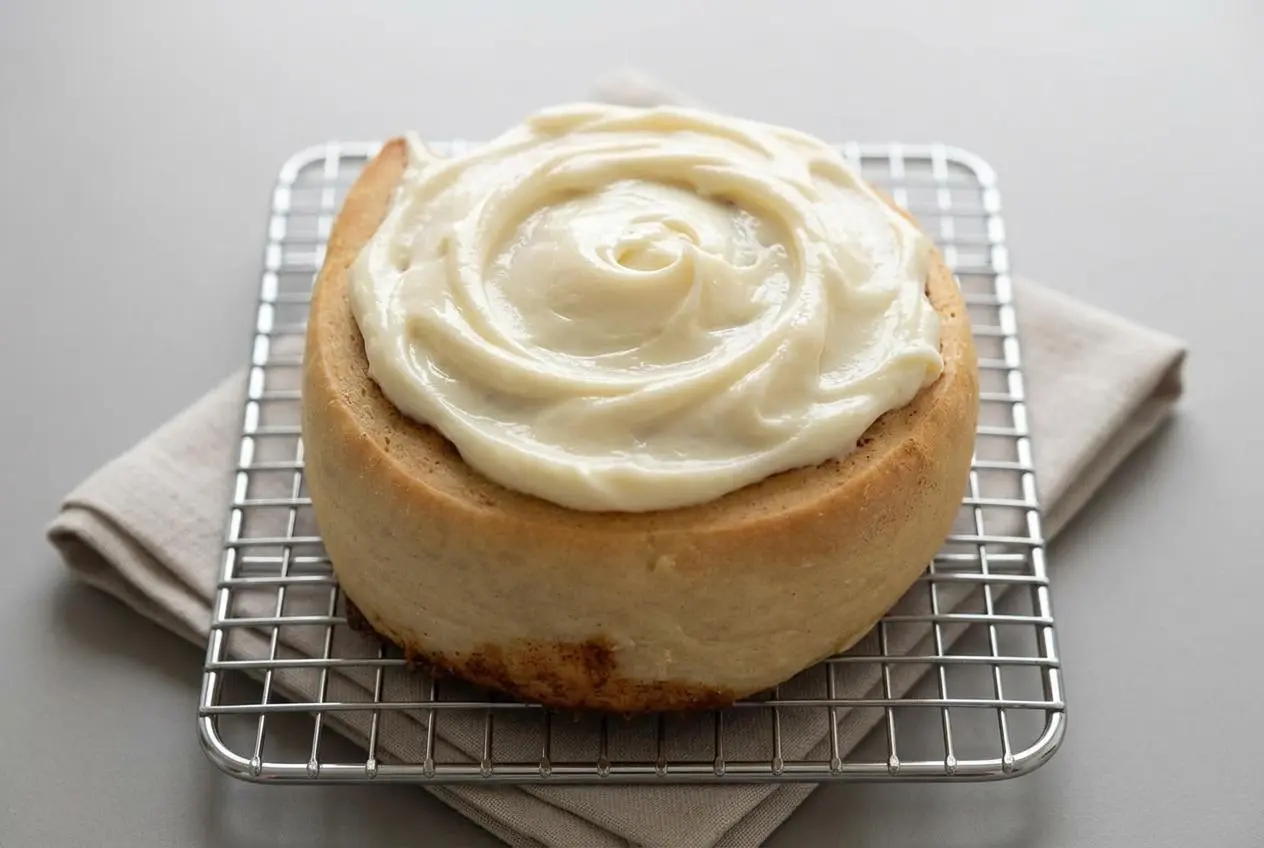
This classic cream cheese frosting for cinnamon rolls blends softened brick cream cheese, unsalted butter, powdered sugar, vanilla extract, and a pinch of salt. Whipped in under five minutes, it yields a satiny, spreadable topping that melts gently into every spiral. Nothing completes warm, freshly baked pastries quite like a luscious cream cheese frosting for cinnamon rolls.
The rich butter balances the signature dairy tang, creating an irresistible bakery-style finish that transforms standard breakfast rolls into a truly decadent treat. Achieving the perfect balance between fluffy spreadability and a glossy, melting glaze comes down to ingredient choice and gentle mixing. Once you master the basic ratio, you can effortlessly customize the sweetness and texture to suit any morning bake.
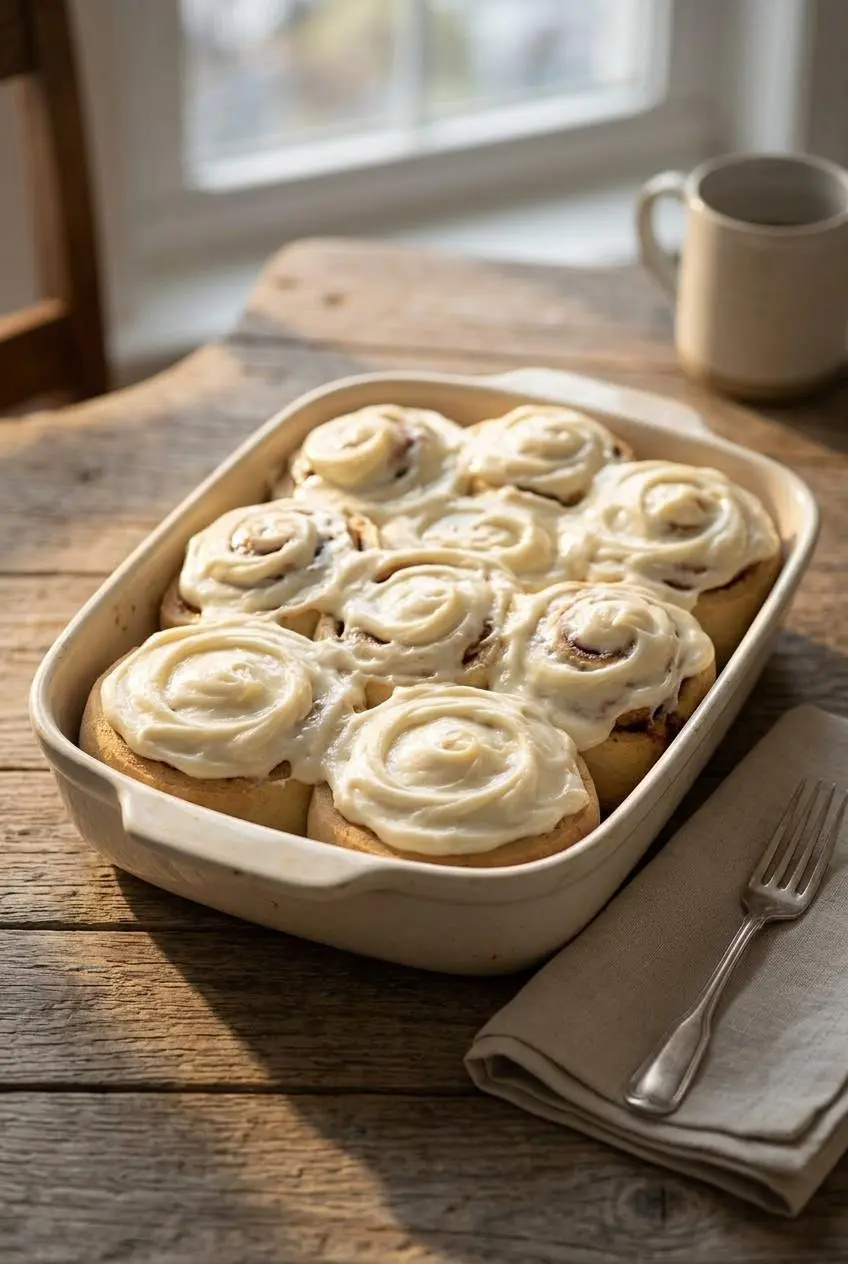
Allow freshly baked rolls to cool slightly so the frosting melts into the warm crevices without completely liquefying into syrup.
Key Ingredients for the Best Cinnamon Roll Frosting
Each component in this frosting plays a precise role in establishing balanced sweetness, smooth spreadability, rich dairy creaminess, and aromatic depth across the warm dough.
- ¼ cup unsalted butter (softened) ((i.e. ½ stick))
- 4 ounces cream cheese (softened, use the cream cheese sold in a brick, not in a tub)
- 1 teaspoon vanilla extract
- ⅛ teaspoon salt
- 1 ½ cups powdered sugar
Unsalted butter provides structure and silky richness while allowing complete control over the total sodium level. Brick cream cheese delivers structure and the signature lactic acidity that cuts through heavy sugar.
Confectioners sugar thickens the mixture into a spreadable emulsion, while vanilla extract and fine salt round out the sweet dairy notes. If preparing a small batch for two to four rolls, simply halve all ingredient amounts.
For the smoothest emulsion, press your thumb gently into the butter and cream cheese blocks to confirm they yield easily without feeling greasy or melting.
Block Cream Cheese vs. Tub Spreads
The foundation of a sturdy, velvety frosting lies in selecting full-fat block cream cheese rather than spreadable varieties packaged in tubs. Brick cream cheese is formulated with higher milkfat and lower moisture content, which allows it to whip into a stable, spreadable emulsion that holds its body.
Spreadable tub cream cheese contains added water, whey liquid, and air to keep it soft straight from the refrigerator. When beaten with powdered sugar, the extra liquid in tub spreads rapidly breaks the emulsion, resulting in a thin, watery mess that runs right off your bakes. Always bring block cheese to cool room temperature before mixing to prevent stubborn lumps.
The Crucial Role of Salt and Quality Vanilla
Pure vanilla extract infuses the dairy base with warm, floral aromatics that complement cinnamon and brown sugar. Using a high-grade pure extract ensures the frosting tastes like a traditional bakery confection rather than artificial sugar paste.
Fine salt is equally vital because it balances the intense sweetness of confectioners sugar. Even an eighth of a teaspoon enhances the rich dairy notes, sharpens the tangy cheese flavor, and keeps the overall profile delightfully balanced.
How to Make Cream Cheese Frosting for Cinnamon Rolls
Follow these straightforward steps to prepare a velvety, lump-free frosting with optimal spreadability.
- Place the softened butter, brick cream cheese, vanilla extract, and salt into a spacious mixing bowl.
Beat the mixture on medium-low speed for 20 to 30 seconds until the dairy fats fully combine into a smooth, uniform base. - Gradually add the powdered sugar while mixing on low speed until completely incorporated, beating for 30 to 60 seconds.
Stop mixing as soon as the frosting looks satiny, fluffy, and completely smooth before spreading over warm bakes.
Troubleshooting Common Mistakes and Fixing Runny Texture

Even with straightforward recipes, temperature fluctuations and mechanical friction can occasionally alter your frosting consistency. Addressing these common pitfalls ensures a velvety spread every time.
Why Overmixing Weakens Dairy Emulsions
Cream cheese has a delicate protein matrix that binds moisture and milkfat together. Beating the frosting on high speed or whipping it for too long generates mechanical friction that shears these proteins apart. Once the protein bonds break, the trapped water separates from the fat, turning an otherwise thick mixture into liquid soup.
To protect the emulsion, keep mixer speeds on medium-low and stop beating as soon as the confectioners sugar incorporates fully. A brief, gentle mix creates a fluffy texture without risking dairy breakdown.
Quick Fixes for Overly Thin Frosting
If your frosting turns out thinner than desired, use these simple techniques to restore body:
- Chill the mixing bowl in the refrigerator for 20 to 30 minutes so the butter fats can firm up naturally.
- Beat in two to four tablespoons of extra sifted powdered sugar on low speed to build extra body.
- Let fresh rolls rest for 10 to 15 minutes after baking so their surface heat drops to a warm temperature, preventing the butter base from liquefying on contact.
Flavor Variations and Consistency Adjustments
You can easily adapt this versatile recipe to create signature bakery flavor profiles or adjust the texture for drizzling over your favorite breakfast bakes. Tangy cream cheese icing pairs wonderfully with homemade doughs, including slow-fermented sourdough cinnamon rolls and classic make-ahead overnight cinnamon rolls. For a bright, fruity breakfast, it also complements sweet blueberry cinnamon rolls.
Cinnabon Style Copycat Twist
Recreate the iconic mall bakery profile by adding a single drop of pure lemon extract or the seeds scraped from half a vanilla bean pod. The subtle citrus note sharpens the dairy tang and balances the sweet dough. You can also mix in a pinch of fresh citrus zest or a drop of pure maple extract for an autumnal flavor profile.
Pourable Drizzle Glaze Ratio
If you prefer an elegant drizzled look over a thick layer, turn this spread into a smooth cream cheese glaze. Whisk in warm milk or heavy cream one teaspoon at a time until the mixture flows smoothly from a spoon while retaining its creamy opacity.
Storage, Make-Ahead, and Reheating Instructions
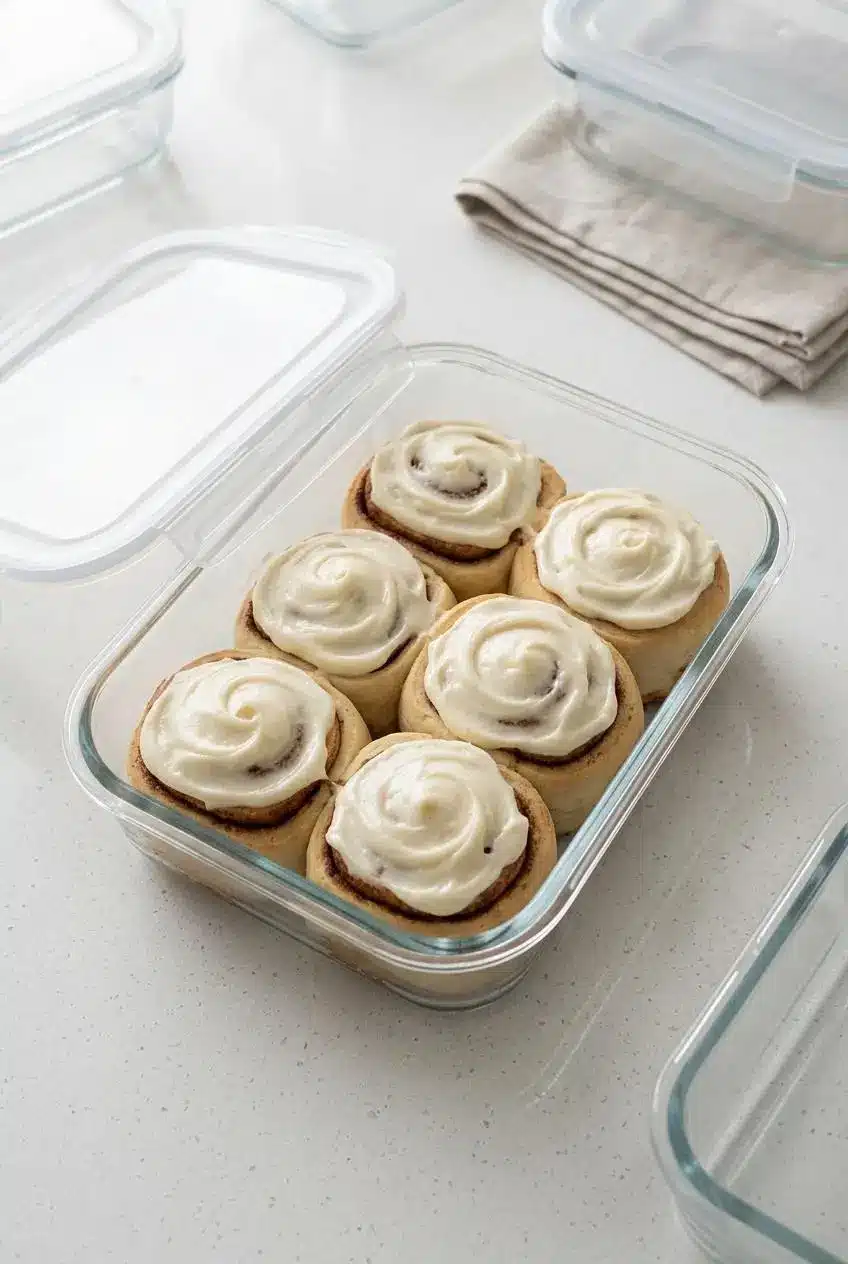
Because cream cheese is a perishable dairy product, food safety requires proper temperature control. Frosted rolls should remain at room temperature for no longer than two hours before going into chilled storage.
Place leftover frosting or frosted rolls in an airtight container and store in the refrigerator. Ensure your refrigerator temperatures remain at or below 40 °F to maintain optimal freshness and safety throughout storage. When preparing frosting in advance, seal it tightly and keep chilled.
Before using, let it rest at room temperature for 15 minutes, then rewhip briefly with a fork to restore its spreadable texture. When reheating chilled frosted rolls, microwave them on medium power for 10 to 15 seconds to soften the dough and gently melt the frosting into the pastry layers.
Conclusion
Mastering homemade cream cheese frosting requires only a few minutes and proper dairy handling. Using full-fat brick cheese, softened butter, and gentle mixing speeds ensures a velvety, stable spread that elevates every sweet roll.
Spread this rich topping generously over comfortably warm bakes to let the sweet dairy glaze settle into each cinnamon-packed swirl. Enjoy sharing this fresh bakery favorite at your next morning gathering.
Frequently Asked Questions
Do cinnamon rolls with cream cheese frosting need to be refrigerated?
Yes. Because the frosting contains real dairy cream cheese and butter, frosted rolls should be chilled in an airtight container after two hours at room temperature. A quick 10-second warm in the microwave easily restores their fresh bakery softness before eating.
Why is my cream cheese frosting runny and how can I fix it?
Frosting usually turns runny due to high mixing speeds, overbeating, or using tub cream cheese with excess water. To fix it, place the bowl in the refrigerator for 20 to 30 minutes to firm the butter fats, or gently mix in a few extra tablespoons of sifted powdered sugar.
Should I frost cinnamon rolls while they are hot or warm?
Apply frosting when the rolls are comfortably warm, roughly 10 to 15 minutes after removing them from the oven. Spreading over warm rolls allows the dairy fats to melt slightly into the spiral crevices without running off completely into the bottom of the baking pan.
Can I make cream cheese frosting in advance and freeze it?
Yes, you can prepare the frosting ahead of time and store it sealed in the refrigerator or freeze it in an airtight freezer-safe container. Thaw frozen frosting overnight in the refrigerator, bring it to room temperature for 15 minutes, and rewhip briefly before spreading.
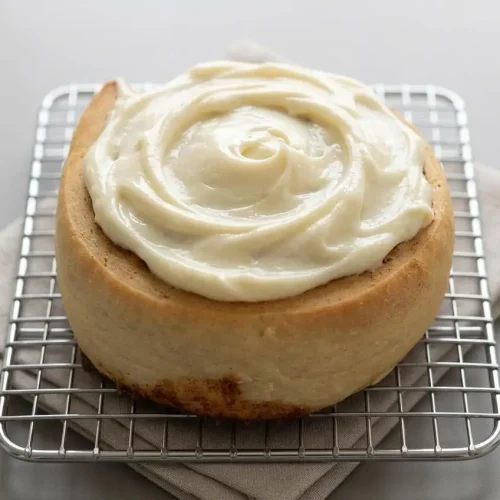
Cream Cheese Frosting for Cinnamon Rolls

Equipment
- Electric Mixer
- Large Mixing Bowl
Ingredients
- ¼ cup unsalted butter (softened) ((i.e. ½ stick))
- 4 ounces cream cheese (softened, use the cream cheese sold in a brick, not in a tub)
- 1 teaspoon vanilla extract
- ⅛ teaspoon salt
- 1 ½ cups powdered sugar
Instructions
- Place the softened butter, brick cream cheese, vanilla extract, and salt into a spacious mixing bowl. Beat the mixture on medium-low speed for 20 to 30 seconds until the dairy fats fully combine into a smooth, uniform base.
- Gradually add the powdered sugar while mixing on low speed until completely incorporated, beating for 30 to 60 seconds. Stop mixing as soon as the frosting looks satiny, fluffy, and completely smooth before spreading over warm bakes.