Skip to content
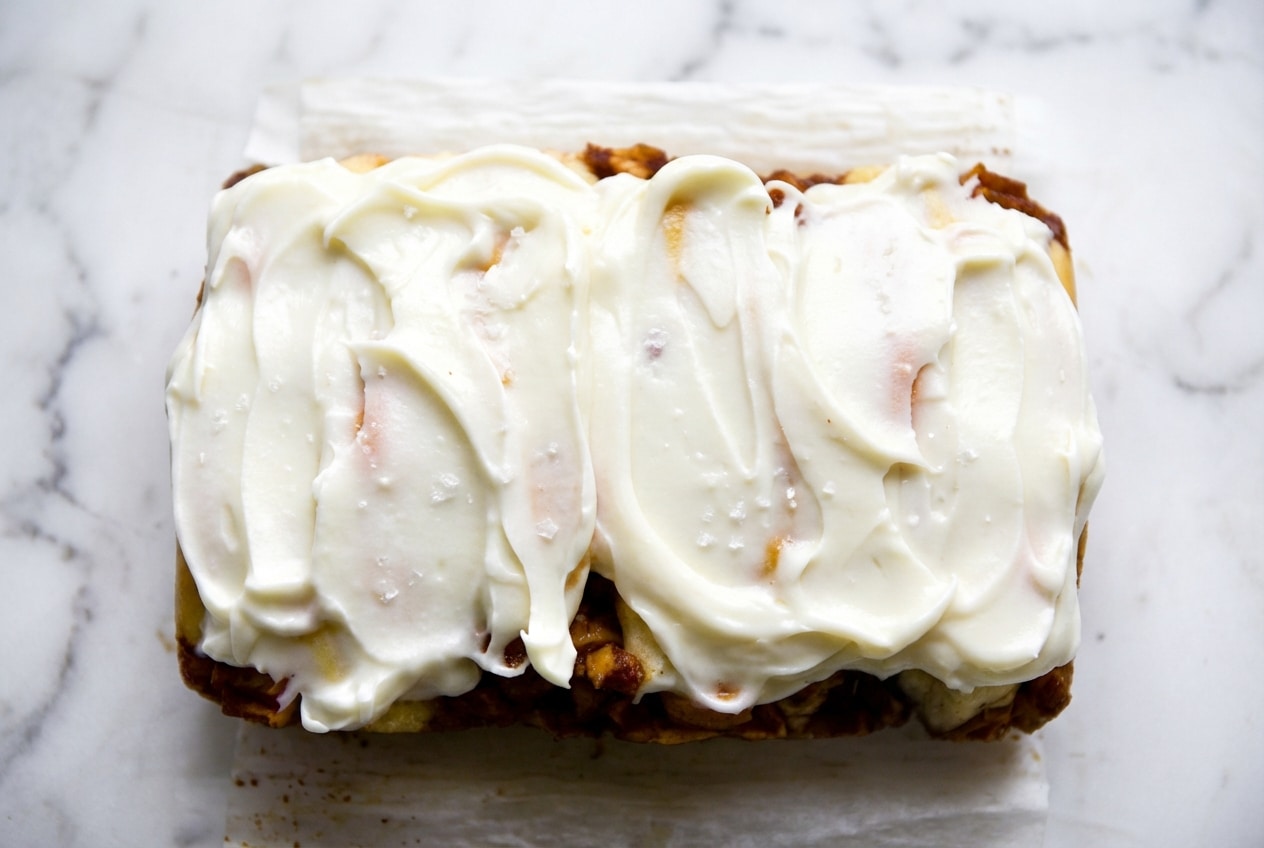
In my bakery days, the difference between a “nice” glaze and a “can’t-stop-eating-it” glaze was never more sugar. It was always balance, temperature, and that little moment when dairy turns silky instead of stubborn.
This cream cheese glaze is my go-to when I want a smooth, ivory finish that tastes bright and tangy, not cloyingly sweet. It’s perfect for cinnamon rolls, bundt cakes, doughnuts, and quick breads, and I’ll show you how to steer the consistency from a thick drip to a delicate drizzle without a single lump.
Why You’ll Love This Recipe
Brown butter depth: Browning the unsalted butter gives that toasted, “beurre noisette” perfume that makes the glaze taste like it came from a pastry case, not a carton of powdered sugar.
Tang meets sweet, on purpose: In my kitchen, a tiny pinch of Diamond Crystal Kosher Salt is the bridge that sharpens the cream cheese tang and keeps confectioners’ sugar from tasting flat.
Silky, not gritty: With room temperature ingredients, sifting, and good emulsification, the texture stays velvet-smooth instead of looking broken or translucent.
Your mixer, your vibe: Stirring by hand keeps it dense and glossy for a clean drizzle, and a hand mixer can whip in a little air when you want a lighter, cloudier finish.
Ingredients and Substitutions
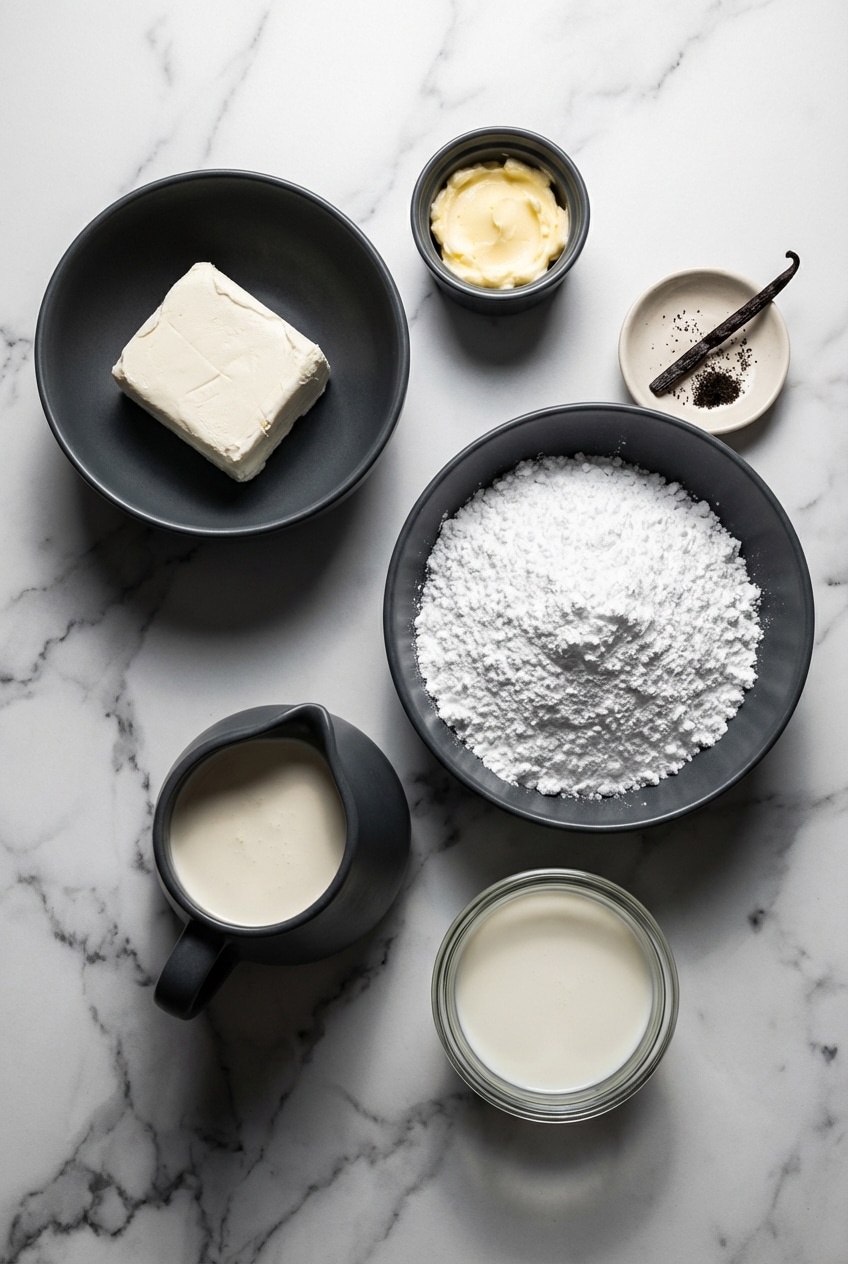
This glaze is built on brick-style cream cheese for body, confectioners’ sugar for structure, and a small splash of cream and milk for a pourable consistency. Vanilla gives warmth, and butter adds that bakery-style roundness.
Ingredients
- 103g (3 1/2 ounces) Cream cheese
- 42g (3 tablespoons) Unsalted butter
- 1/2 Vanilla bean (split & scraped) or 2 teaspoons vanilla bean paste
- 240g (2 cup) Confectioners’ sugar
- 55g (5 tablespoons) Heavy whipping cream
- 15g (1 tablespoon) Whole milk
Ingredient Notes & Substitutions
Cream cheese: Brick-style cream cheese is the one that behaves, it’s dense, low-aeration, and gives you that stable, opaque finish. Tub-style spreads tend to be looser and can push your glaze toward runny and slightly transparent.
Confectioners’ sugar: Sifting matters more than people think, because tiny clumps turn into gritty specks once they hit moisture. If you want a thicker cookie-style glaze later, you’ll adjust with sugar rather than extra chilling.
Vanilla bean paste: Vanilla bean paste (or a scraped bean) adds floral aroma and those pretty specks that read “patisserie.” If you use the bean, rub the scraped pod through the sugar first to capture every bit of fragrance.
Heavy whipping cream and whole milk: This combo keeps the glaze rich and opaque, while still pourable. If you must swap, half-and-half can stand in, but the glaze may look a touch less ivory.
Flavor variations: For pumpkin or apple bakes, I love a pinch of cinnamon and nutmeg. For citrus desserts, lemon or orange juice in place of milk plus a little zest makes the tang sing.
How to make cream cheese glaze
Soften the base for a lump-free start
Set your cream cheese out until it’s truly room temperature, then press it with a spatula, it should smear smoothly like soft clay. This is the unglamorous step that keeps “permanent” tiny lumps from ever forming.
Cream the dairy and vanilla until silky
- In a medium bowl, combine the cream cheese, unsalted butter, and your vanilla. Work it with a silicone spatula (or a hand mixer on low) until it looks glossy, pale, and completely smooth, no little pebble bits along the sides.
- Scrape the bowl well, then keep mixing just until the texture feels satiny and cohesive, like a thick custard. If you’re using a pinch of kosher salt, blend it in now so it dissolves evenly.
Add sugar, then loosen to your perfect pour
- Tip in the confectioners’ sugar and stir slowly at first, so you don’t end up in a powdered cloud. You’re looking for a thick paste that holds ridges and looks totally uniform.
- Stream in the heavy whipping cream and whole milk gradually, stirring vigorously between additions. When the glaze turns ivory, glossy, and ribbons off the spoon in a smooth sheet, it’s ready to use right away.
Secrets for a Perfect Finish
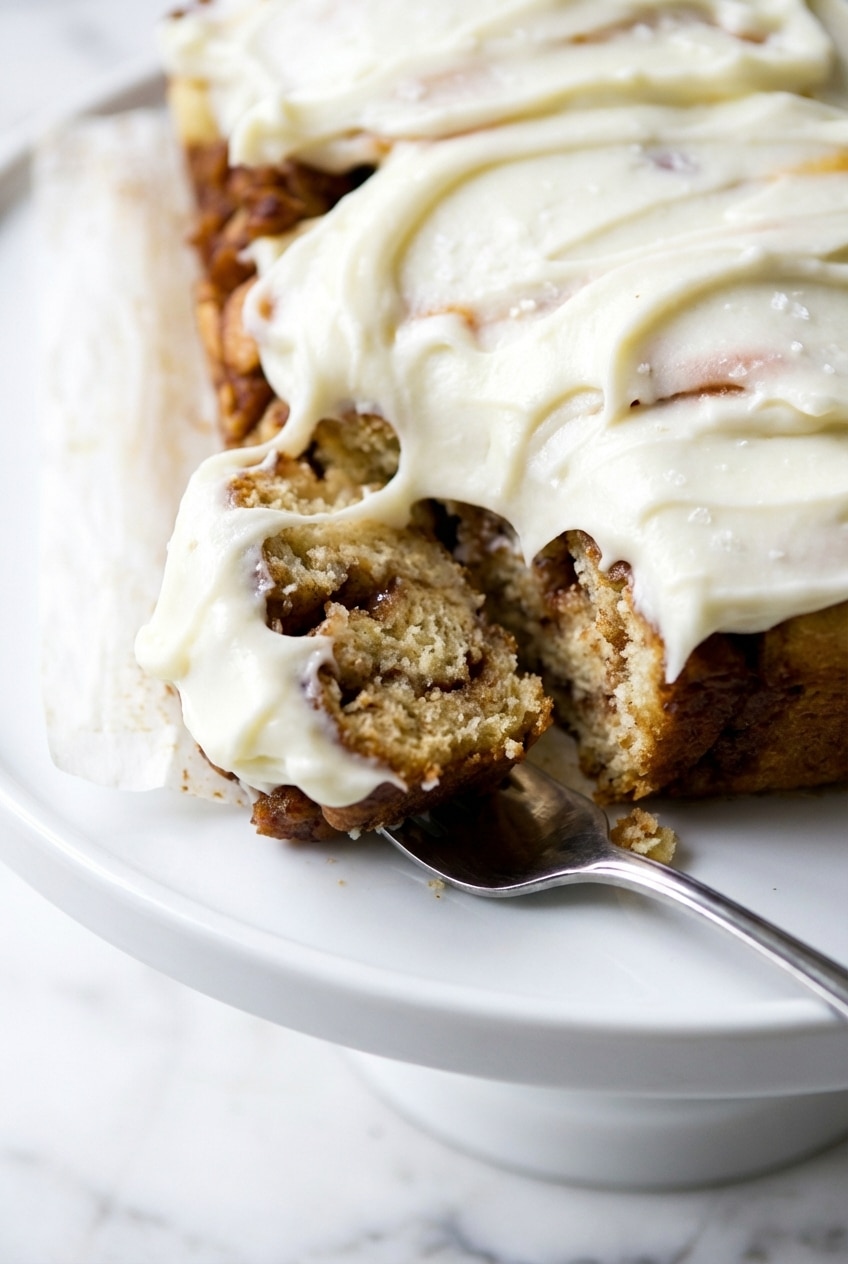
Setting time, without surprises: Once glazed, most bakes become dry to the touch in about 20 to 30 minutes, depending on how warm your kitchen is and how thick you poured. For a faster set, hold back a tiny splash of milk so the glaze has less water to evaporate.
Consistency control: For a thick drip on bundt cake, keep the glaze barely pourable and let it fall in slow ribbons. For a sheer drizzle, add the liquid gradually until it streams easily and settles into a smooth, thin veil.
Aeration is a choice: Stirring by hand keeps the glaze dense and professional-looking, while a hand mixer for about 2 minutes makes it fluffier for cookies. Either way, stop as soon as it looks smooth, overworking can warm it and loosen it too much.
Texture standards matter: Cream cheese is expected to be smooth and lump-free, which lines up with USDA specifications for texture and lumping. When the base starts smooth, the finished cream cheese glaze stays silky.
Pro Tips & Troubleshooting
Pro Tips
- If your glaze thickens as it sits, a gentle microwave warm-up for exactly 10 seconds relaxes it without weakening the set.
- Sift the confectioners’ sugar to protect that velvet mouthfeel, even “smooth-looking” sugar can hide hard little clumps.
- For a clean bundt drip, pipe controlled lines first, then fill the center pool for a polished finish.
- A lighter glaze can replace thick frosting on pumpkin cake for a modern look.
- Brick-style cream cheese gives the best structure, which aligns with FDA standards of identity for cream cheese. That higher-fat, lower-moisture profile helps the glaze stay opaque.
Common Mistakes to Avoid
- Starting with cold cream cheese, those tiny lumps don’t fully disappear once the sugar and liquids go in.
- Using butter that’s melted and oily, it can make the glaze look greasy or slightly separated instead of creamy.
- Pouring liquids in too quickly, which can thin the glaze past the point where it sets neatly.
- Stacking glazed cookies or doughnuts too soon, they smear and compress before the surface dries.
Serving & Storage
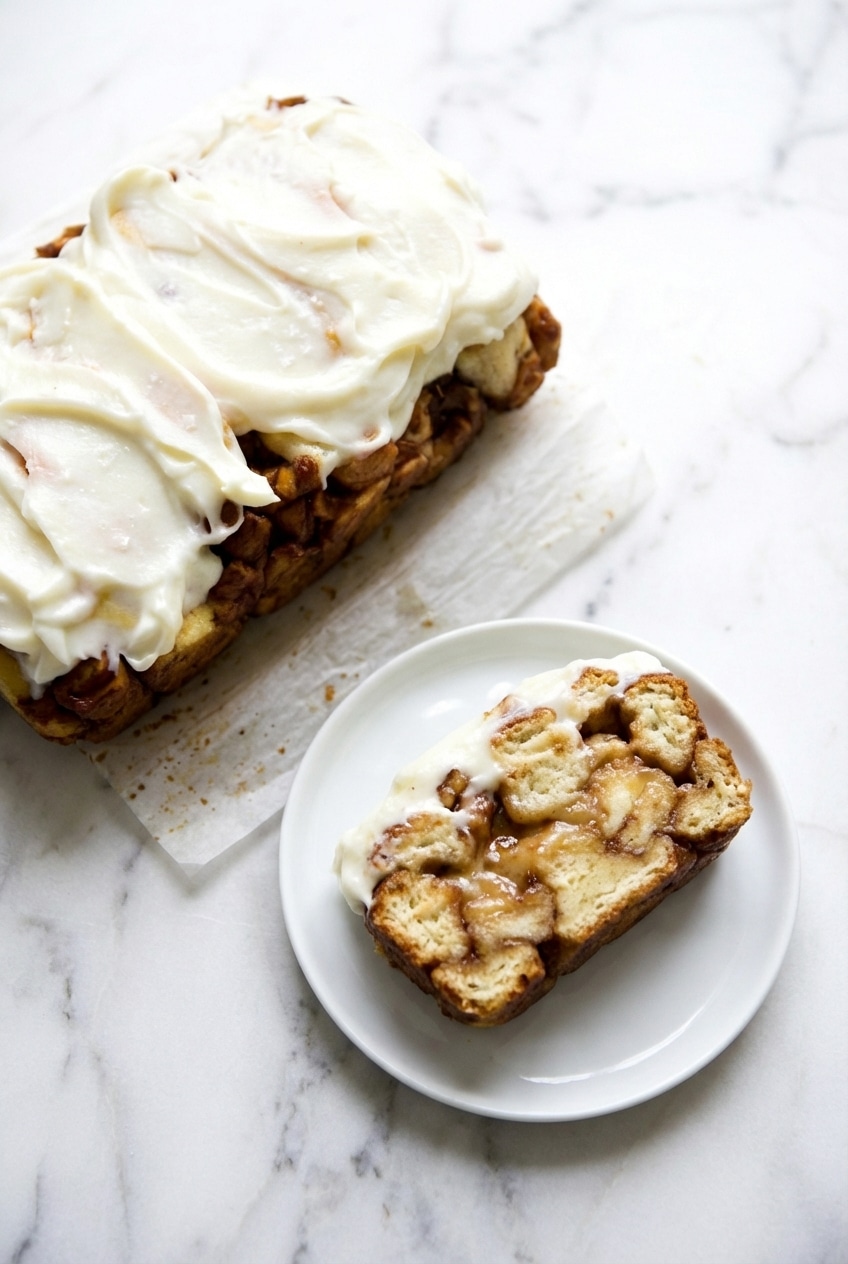
Serving Ideas
- Cinnamon rolls: Spoon it over while the rolls are slightly warm, so it melts into every swirl and crevice.
- Doughnuts: Dip the tops of completely cooled doughnuts for that thick, bakery-style cap.
- Fruit loaves: An ivory drizzle looks gorgeous on a cream cheese loaf once fully cooled.
- Muffins: A warm batch of cream cheese muffins loves a thin, tangy glaze.
Storage & Food Safety
Because this is a dairy-rich glaze, I don’t leave glazed items out all day. For best quality, keep them at room temperature no longer than 4 to 6 hours, then refrigerate in an airtight container.
In the fridge, glazed bakes keep nicely for up to 5 days, and the flavor actually rounds out overnight. You can also freeze cakes that are already glazed, just let the glaze set fully first, then wrap tightly to prevent freezer odors.
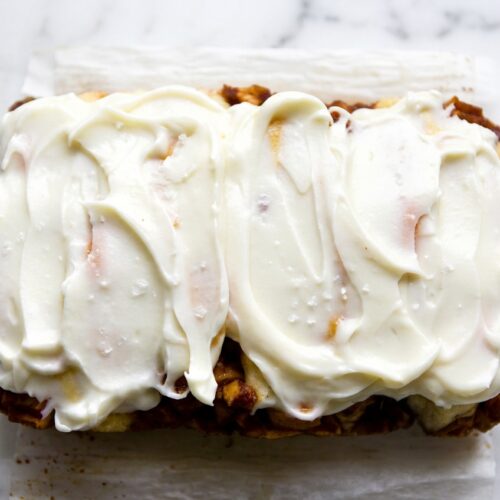
Silky Bakery-style Cream Cheese Glaze

Equipment
- Medium mixing bowl
- Silicone spatula
- Sifter
- Hand mixer (optional)
Ingredients
- 103 g Cream cheese (3 1/2 ounces) brick-style
- 42 g Unsalted butter (3 tablespoons) room temperature
- 0.5 Vanilla bean (split and scraped) or 2 teaspoons vanilla bean paste
- 240 g Confectioners’ sugar (2 cup) sifted
- 55 g Heavy whipping cream (5 tablespoons)
- 15 g Whole milk (1 tablespoon)
Instructions
Soften the base for a lump-free start
- Set your cream cheese out until it reaches true room temperature. Press it with a spatula until it smears smoothly like soft clay to ensure no permanent lumps form.
Cream the dairy and vanilla until silky
- In a medium bowl, combine the softened cream cheese, unsalted butter, and vanilla bean. Work the mixture with a silicone spatula or a hand mixer on low until it is glossy, pale, and free of pebble-like bits.
- Scrape the sides of the bowl well. Continue mixing just until the texture feels satiny and cohesive like a thick custard. Blend in a pinch of kosher salt now if desired.
Add sugar, then loosen to your perfect pour
- Add the sifted confectioners’ sugar. Stir slowly at first to avoid a sugar cloud until a thick paste forms that holds visible ridges.
- Gradually stream in the heavy whipping cream and whole milk. Stir vigorously between each addition until the glaze turns ivory and glossy, and ribbons off the spoon in a smooth sheet.
Notes
Nutrition
Conclusion
The magic in this cream cheese glaze is small but mighty, smooth room temperature dairy, careful mixing, and that bakery-style balance that keeps sweetness in check. Once you taste it on a warm roll or a cool doughnut, you’ll start dreaming up your own twists, citrus, spice, even a little cocoa.
When I want a more structured finish, I reach for butter cream frosting, but for glossy drips and easy drizzles, this glaze is the one I keep in my back pocket.