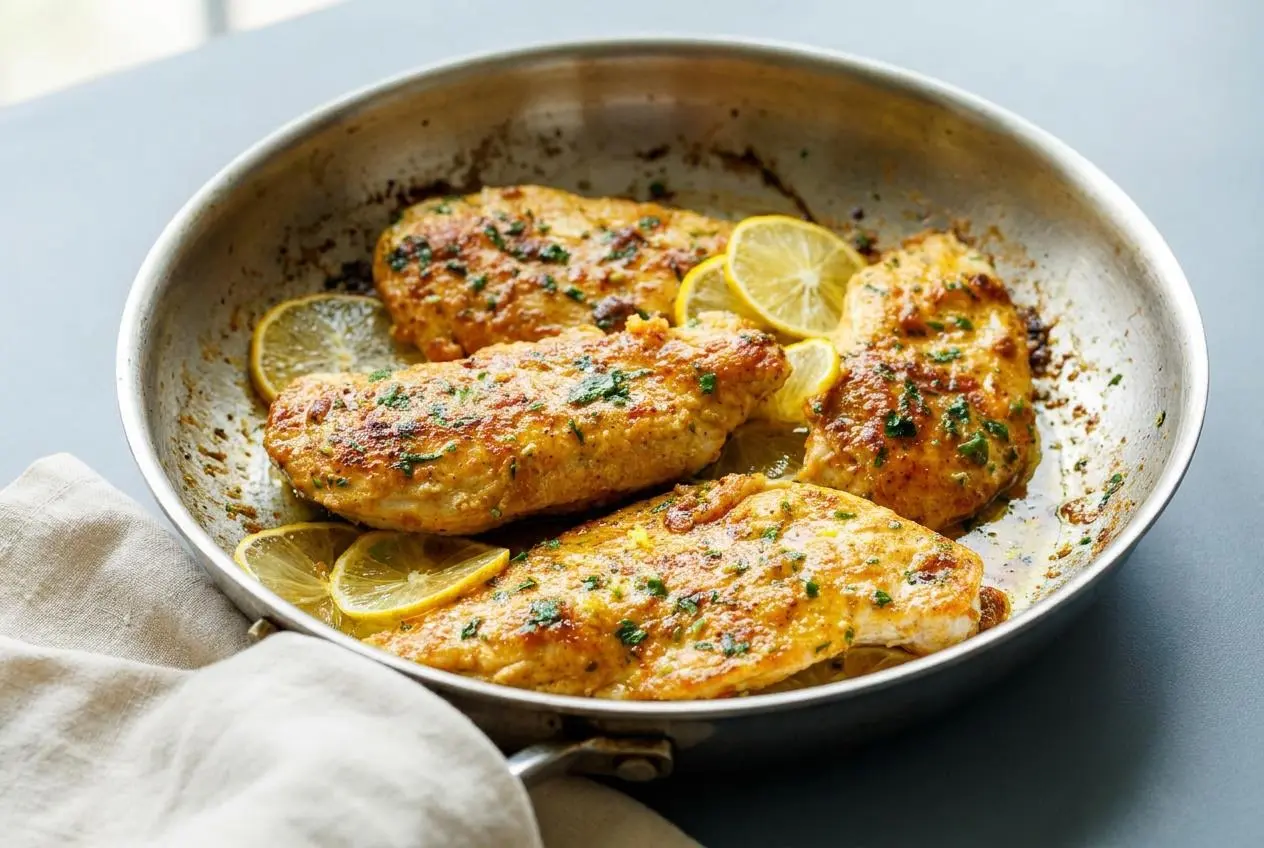
Lemon pepper chicken is a fast skillet dinner made by searing thin chicken cutlets, then finishing them in a buttery sauce with fresh lemon zest, lemon juice, and parsley.
This version keeps the method quick but gives you the little details that matter, like why the flour coating helps and when to add the butter so the sauce stays glossy.
The fresh zest hits the pan first, the butter softens the peppery edge, and the whole thing tastes brighter than the clock suggests. The sauce is the part to watch.
Zest the lemon before you squeeze it, or you’ll be wrestling a slippery citrus half for no good reason.
Ingredients Explained by Role
Each ingredient pulls its weight here, building sear, aroma, richness, freshness, and the sharp citrus-pepper balance that makes the sauce taste lively instead of heavy.
For the Lemon Pepper Chicken
- 2 boneless skinless chicken breasts
- 1 Tbsp all-purpose flour
- 2 tsp lemon pepper seasoning
- 1 tsp garlic powder
- 1/2 tsp fine sea salt
- 2 Tbsp extra virgin olive oil
For the Lemon Pepper Butter Sauce
- 4 Tbsp unsalted butter
- Zest of 1 medium lemon
- 2 tsp lemon juice
- 1 tsp lemon pepper seasoning
- 2 tsp freshly chopped parsley
Chicken breast works well here because it cooks quickly once sliced into thin cutlets. That thinner shape gives you more browning and makes it easier to cook the center through before the outside dries out.
The all-purpose flour matters more than it seems. It creates a light coating that turns golden in the skillet and gives the sauce something to cling to, much like the delicate crust you get with crispy chicken milanese.
Lemon pepper seasoning brings the backbone of the dish, but blends can vary a lot. Some are salt-heavy and some are much sharper from added citric acid, so taste your seasoning blend mentally before you season the chicken too aggressively with extra salt.
Fresh lemon zest and lemon juice do different jobs. The zest carries the fragrant citrus oils, which smell bright and rounded, while the juice brings the tart edge. If you use bottled juice alone, you get sourness without that same fresh lemon aroma.
Unsalted butter softens the pepper bite and turns the pan drippings into a silky glaze. Because it is unsalted, it also gives you better control when your lemon pepper blend already contains salt.
Parsley finishes the sauce with a clean, fresh note and a little color. It keeps the lemon butter from tasting flat or one-note.
I always zest the lemon onto a small plate before anything hits the skillet, because once the pan is hot, that prep step feels oddly urgent.
How to Make Your Own Seasoning
If you want more control over the flavor, make a quick homemade version instead of relying fully on a store-bought blend. Mix finely grated lemon zest with cracked black pepper, a pinch of salt, garlic powder, and onion powder, then rub it between your fingers so the citrus oils wake up the pepper.
For a paste-like rub, stir the zest and pepper with a few drops of olive oil until it looks damp and aromatic. This gives the chicken a fresher lemon profile than blends built mostly around citric acid.
Store-bought blends are convenient, but they can range from mild to very salty. If yours tastes bold and salty straight from the jar, reduce any extra seasoning around it so the finished chicken stays balanced.
How to Make Perfect Lemon Pepper Chicken Step by Step
This method moves fast, so the goal is simple: thin cutlets, steady medium heat, a golden sear, and butter added off the heat so the sauce stays smooth.
Searing the Chicken
- Slice each chicken breast lengthwise to make 4 thin cutlets.
Work with your hand flat on top and keep the knife parallel to the cutting board so the pieces cook evenly instead of puffing thick in the center. - Stir the flour, lemon pepper seasoning, garlic powder, and salt together in a small bowl, then coat both sides of the chicken and press the mixture on gently.
The surface should look lightly dusted rather than heavily breaded, which helps it brown instead of turning pasty. - Warm a large skillet over medium heat, add 2 Tbsp olive oil, then cook the chicken for 4 to 5 minutes per side until browned and the thickest part reaches 165 °F.
You want a lively sizzle, a deep golden crust, and a cutlet that feels springy with slight resistance when pressed.
Making the Pan Sauce
- Turn off the heat, add the butter to the hot skillet, and scrape the browned bits from the pan as it melts, then stir in the lemon zest, lemon juice, lemon pepper seasoning, and parsley.
The sauce should look glossy and lightly thickened, with tiny browned bits suspended in the butter instead of a greasy layer floating on top. - Return the chicken to the skillet and turn each piece in the sauce before spooning the extra over the top.
Once coated, the cutlets should shine and smell bright, buttery, and peppery right before serving.
When you cut thick breasts into cutlets, you solve the biggest weeknight chicken problem before it starts. Thin pieces cook at the same pace from edge to center, so you get browning without leaving the middle underdone or drying the outside while you wait.
Medium heat is the sweet spot for this skillet method. Too hot, and the coating scorches before the chicken cooks through. Too low, and the chicken steams instead of sears. On an electric stove, give the pan an extra moment to settle after adding the oil if it tends to run hot.
The pan should sound active, not furious. A sharp steady sizzle means the crust is forming. If the chicken barely hisses, the pan is not ready. If oil spits hard and the coating darkens too quickly, lower the heat a bit before the second side goes too far.
Mastering the Pan Sauce Emulsion
A good lemon butter sauce should look smooth and lightly creamy, not split into oily puddles. The trick is residual heat. Once the burner is off, the skillet still has enough warmth to melt butter and loosen the browned bits without breaking the sauce.
If your skillet has a lot of dark drippings stuck to the bottom, add a tiny splash of low-sodium chicken broth first, then swirl or scrape to lift them before the butter goes in. That gives you the savoriness of a pan sauce with a lighter feel.
After that, stir in the butter off the heat. As it melts, it should turn glossy and coat the back of a spoon in a thin film. If the sauce ever looks greasy or separated, the pan was likely too hot. Pull it off the burner completely and swirl in the remaining butter more slowly.
Pro Tips for Ultra-Juicy Skillet Chicken
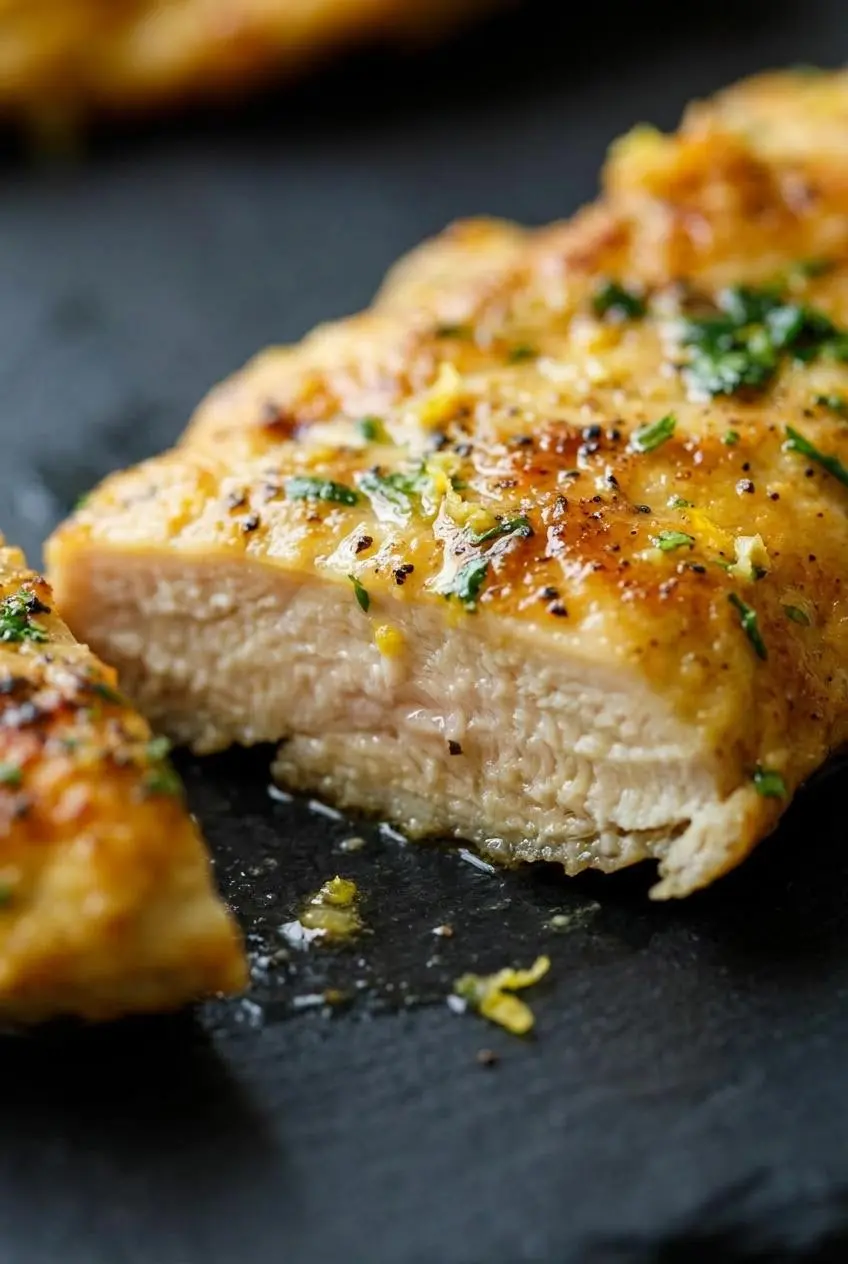
Most dry chicken breast problems come down to thickness, overcooking, or rough handling. These tips fix all three.
- Slice the breasts into thin cutlets before cooking. Thin pieces sear faster and more evenly, which makes juicy chicken much easier to hit.
- Use an instant-read thermometer instead of guessing by color alone. Pull the chicken once the thickest part reaches 165 °F, which aligns with USDA chicken cooking guidance at 165 °F.
- Let the chicken rest for 5 minutes before cutting into it. That short pause helps the juices settle back into the meat instead of running onto the plate.
- Use tongs, not a fork, when turning the cutlets. Fewer punctures means fewer juices escaping into the pan.
- If your sauce splits, the butter got too hot. Take the skillet off the heat and swirl gently until it comes back together.
- If the flavor tastes too sharp, add a little extra butter from the sauce already in the pan rather than more lemon juice. The richness rounds out the pepper and acidity.
Easy Lemon Pepper Chicken Variations
Once you know the skillet version, it is easy to nudge the flavors in a different direction without changing the core dish. If you enjoy bright, saucy citrus dinners with a slightly different profile, saucy lemon chicken is another good route.
Oven-Baked Lemon Pepper Chicken
For a more hands-off dinner, coat the chicken with olive oil and the same lemon pepper style seasoning, then roast it on a baking sheet at 450 °F. Thin breasts or cutlets will cook faster, while thicker breasts need more time, so use thickness as your guide and cook until the center reaches the same doneness as the skillet version.
For chicken tenders, a 400 °F oven works well and usually needs less time than full breasts. Keep them in a single layer so they roast instead of steaming.
If you want meal prep convenience, you can season the raw chicken ahead and keep it chilled until ready to cook. For marinated poultry handling and cold storage, follow safe marinating and leftover poultry practices.
Creamy Lemon Pepper Chicken
For a richer finish, make the skillet chicken as written, then stir a splash of heavy cream and a little Worcestershire sauce into the pan after the butter has melted. Keep the heat low or off so the sauce stays smooth and does not tighten up.
This version is especially good with pasta or mashed potatoes because the cream turns the quick pan glaze into more of a spoonable sauce. The lemon should still taste bright, so keep the cream as an accent rather than the main flavor.
If you need a dairy-free option, swap the butter for olive oil or vegan butter. The sauce will be a bit lighter and less creamy, but still bright and peppery.
Grilled Lemon Pepper Chicken
For grilling, marinate the chicken in olive oil, lemon juice, minced garlic, and lemon pepper seasoning, then cook over the grill until the center is done. Thin cutlets cook quickly and can dry out fast, so watch them closely and pull them once they reach the same internal temperature used for the skillet version.
This variation gives you more smoke and char, while the skillet version gives you the buttery pan sauce. Both work, so it really depends on whether you want crisp browned edges or grill marks and a looser outdoor dinner vibe.
A Budget-Friendly Pan Sauce Alternative
If you want a lighter sauce that stretches a bit farther, replace part of the buttery richness with low-sodium chicken broth. Add a small splash to loosen the browned bits, then finish with less butter than the main version for a savory glaze that still carries the lemon and pepper well.
This is also useful if your seasoning blend is very strong. Broth softens the intensity without muting the whole dish.
If citrusy skillet dinners are your thing, classic chicken piccata is another great option when you want a briny caper twist.
Storage, Reheating, and Make-Ahead Guide
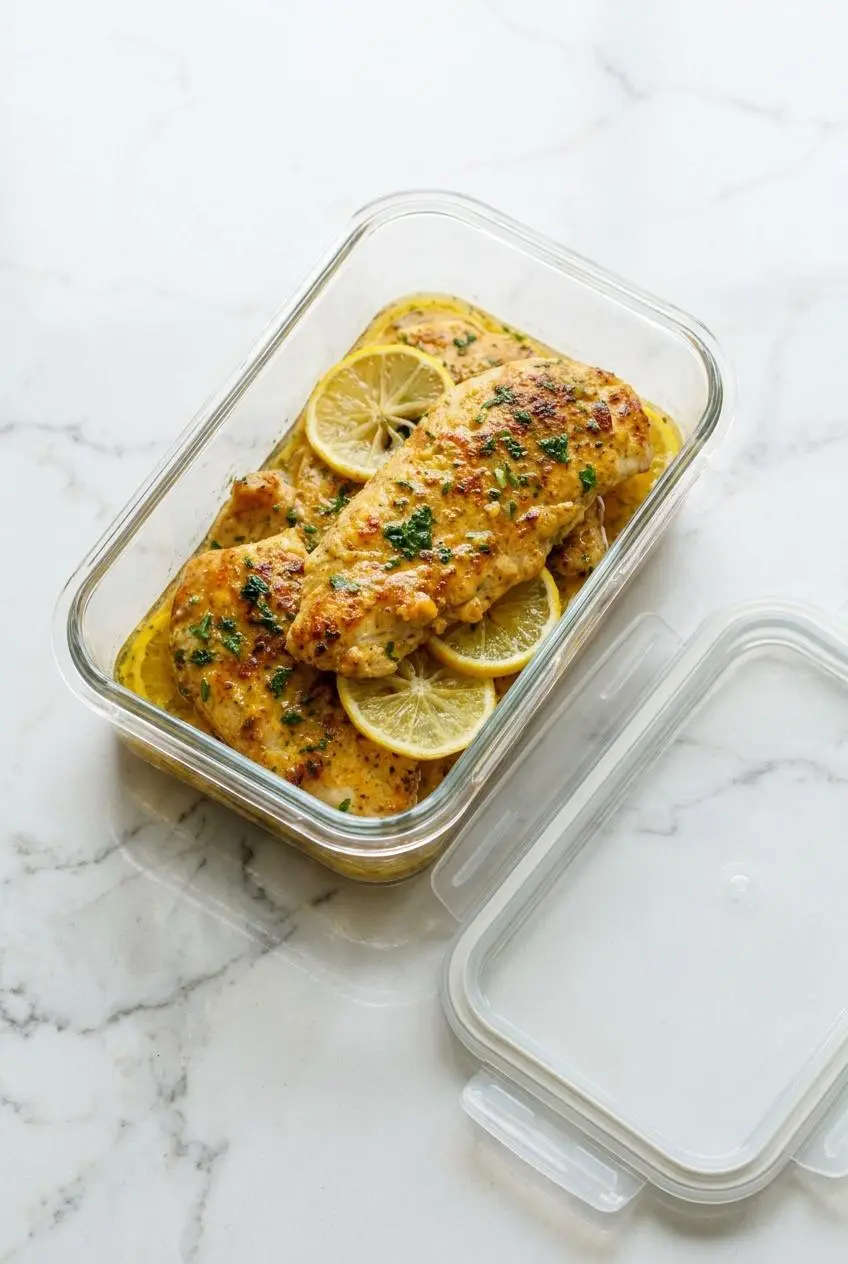
This chicken keeps best when cooled and packed well so the sauce stays with it instead of drying into the container.
Store leftovers in an airtight container in the refrigerator for up to 4 days. For broader chicken handling, chilling, and leftover food safety, see USDA food safety basics for poultry and leftovers.
To reheat, place the chicken and any extra sauce in a skillet over low heat with a small splash of broth. Cover loosely if needed and warm just until heated through, turning once so the cutlets stay moist.
The microwave works in a pinch, but it is more likely to make the chicken rubbery and push the sauce toward separation. The stovetop is gentler and keeps the texture much nicer.
For make-ahead prep, slice the chicken breasts and mix the dry seasoning blend in advance so dinner comes together faster later. If you want to marinate a variation instead, keep it refrigerated and cook it while the chicken is still in good condition rather than leaving it sitting around too long.
What to Serve with Lemon Pepper Chicken
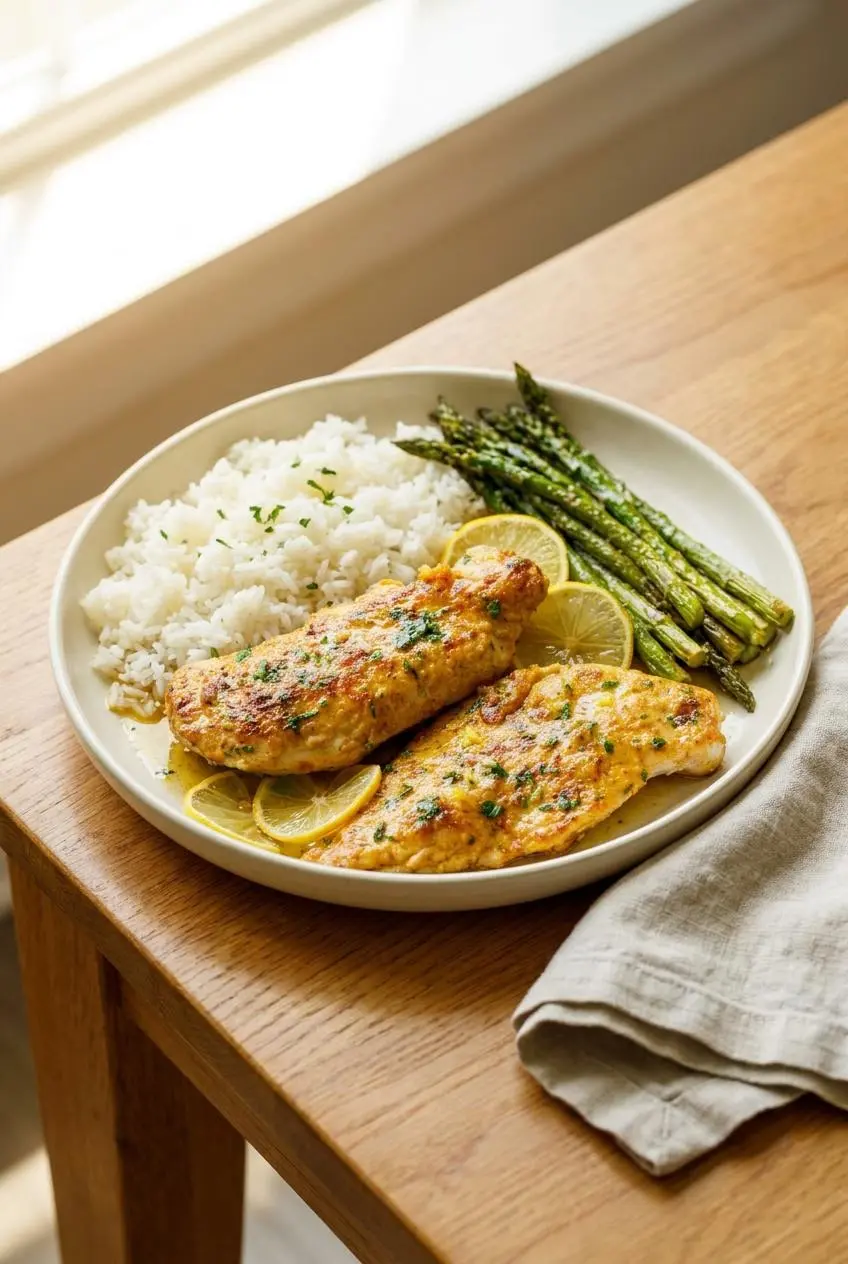
This dish really shines with sides that catch the sauce and balance the bright, peppery finish.
- Buttered pasta or lemon chicken pasta makes the pan sauce feel like part of the whole meal instead of an afterthought.
- White rice or fluffy quinoa soaks up the lemon butter without competing with it.
- Garlic mashed potatoes turn it into comfort food fast.
- Roasted asparagus, charred broccoli, or steamed broccolini add the green bite that the buttery sauce likes.
- Zucchini noodles or cauliflower rice keep things lighter while still giving you a base for the extra sauce.
If you want the quickest dinner path, pair the chicken with rice and one green vegetable. If you want something a little more dinner-party-ish without extra fuss, pasta is hard to beat.
Conclusion
This is the kind of fast chicken dinner that tastes bigger than its timeline, thanks to the golden crust, fresh lemon zest, and glossy butter sauce.
Keep the cutlets thin, check for doneness instead of guessing, and give the chicken a brief rest before serving. That small bit of patience pays off at the plate.
Frequently Asked Questions
What is lemon pepper seasoning made of?
It is usually a blend of dried lemon zest, cracked black pepper, salt, garlic powder, onion powder, and citric acid. Some brands lean saltier, while others taste sharper and more lemony. If you want more control, make a homemade version with fresh zest and cracked pepper.
Can I make this recipe dairy-free?
Yes. Replace the butter in the sauce with olive oil or vegan butter. The finish will be less creamy, but the lemon and pepper still come through well. Use a lemon pepper blend you know is dairy-free if you are cooking for a specific dietary need.
How do I prevent my lemon pepper chicken from drying out?
Slice the breasts into thin cutlets so they cook evenly. Cook only until the thickest part reaches 165 °F. Let the chicken rest for 5 minutes before slicing or serving. Turn the cutlets with tongs instead of piercing them with a fork.
Is storebought lemon pepper seasoning gluten-free?
Most blends are naturally gluten-free, but labels can vary by brand. Check the ingredient list for added starches, anti-caking agents, or wheat-based fillers. If you need full control, mix your own seasoning from scratch.
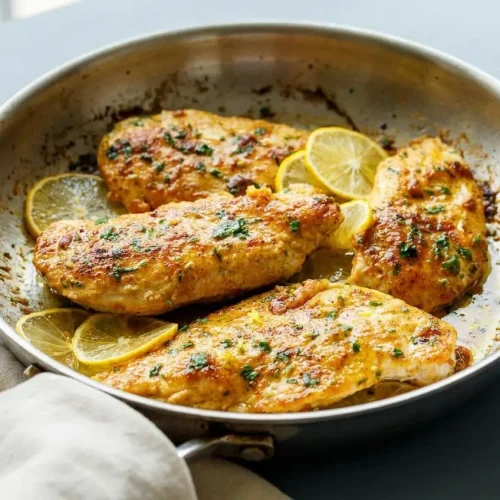
Lemon Pepper Chicken

Equipment
- Large Skillet
- Instant-read thermometer
- Sharp knife
- Tongs
- Small mixing bowl
Ingredients
For the Lemon Pepper Chicken
- 2 boneless skinless chicken breasts
- 1 Tbsp all-purpose flour
- 2 tsp lemon pepper seasoning
- 1 tsp garlic powder
- 1/2 tsp fine sea salt
- 2 Tbsp extra virgin olive oil
For the Lemon Pepper Butter Sauce
- 4 Tbsp unsalted butter
- 1 medium lemon zest of
- 2 tsp lemon juice
- 1 tsp lemon pepper seasoning
- 2 tsp freshly chopped parsley
Instructions
Searing the Chicken
- Slice each chicken breast lengthwise to make 4 thin cutlets. Work with your hand flat on top and keep the knife parallel to the cutting board so the pieces cook evenly instead of puffing thick in the center.
- Stir the flour, lemon pepper seasoning, garlic powder, and salt together in a small bowl, then coat both sides of the chicken and press the mixture on gently. The surface should look lightly dusted rather than heavily breaded, which helps it brown instead of turning pasty.
- Warm a large skillet over medium heat, add 2 Tbsp olive oil, then cook the chicken for 4 to 5 minutes per side until browned and the thickest part reaches 165 °F. You want a lively sizzle, a deep golden crust, and a cutlet that feels springy with slight resistance when pressed.
Making the Pan Sauce
- Turn off the heat, add the butter to the hot skillet, and scrape the browned bits from the pan as it melts, then stir in the lemon zest, lemon juice, lemon pepper seasoning, and parsley. The sauce should look glossy and lightly thickened, with tiny browned bits suspended in the butter instead of a greasy layer floating on top.
- Return the chicken to the skillet and turn each piece in the sauce before spooning the extra over the top. Once coated, the cutlets should shine and smell bright, buttery, and peppery right before serving.