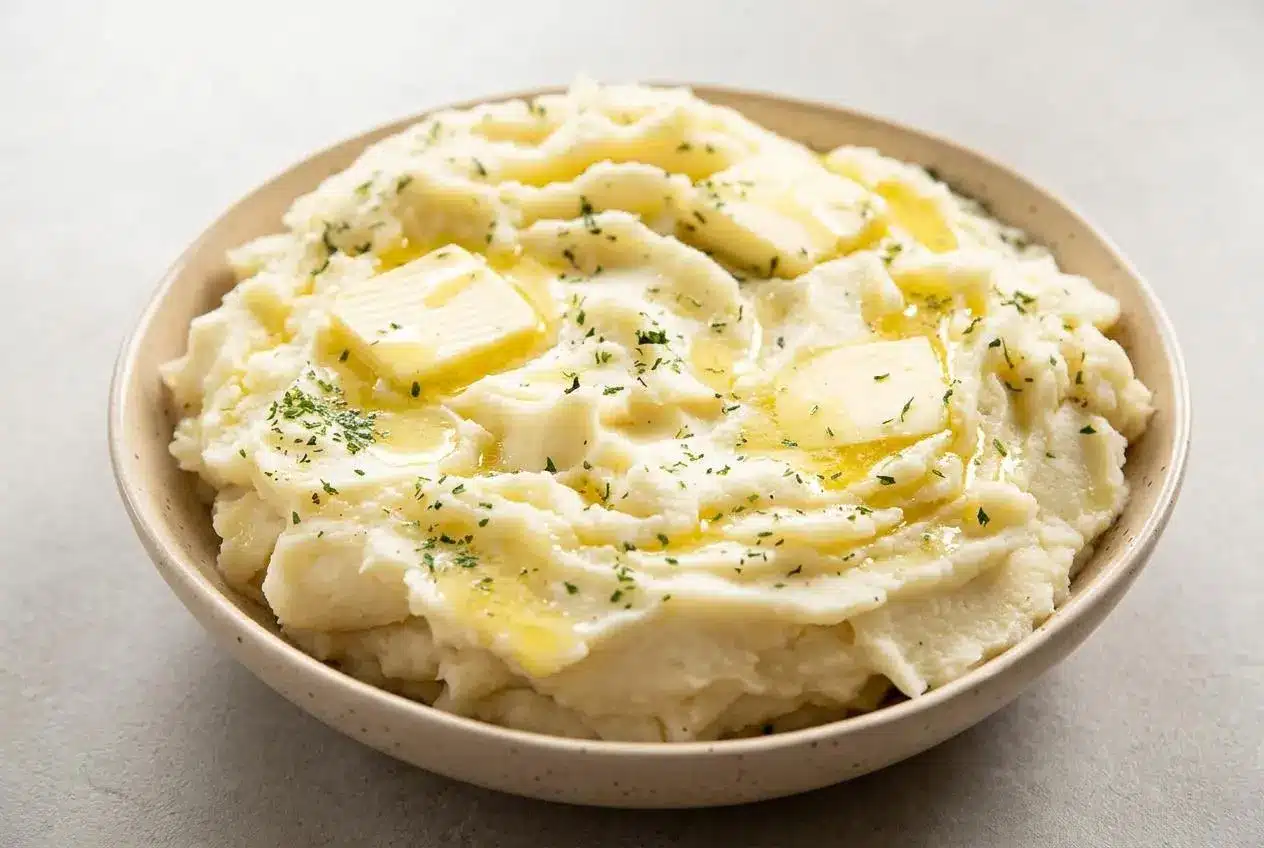
Instant pot mashed potatoes are a fast, reliable way to get creamy, fluffy potatoes in about 20 minutes, with just 8 minutes at pressure plus a quick release and a simple mash at the end.
This is the kind of side dish that earns a permanent spot in weeknight dinners and holiday menus. The Instant Pot handles the cooking, so you get tender potatoes without babysitting a pot on the stove.
You’ll also get two easy methods, clear texture tips, and fixes for the common mashed potato headaches. The buttery finish is worth it.
Cut the potatoes into even pieces so they cook at the same rate and mash smoothly.
Why Use the Instant Pot for Mashed Potatoes?
The biggest win here is convenience. You can get mashed potatoes on the table in about 20 minutes, and the pot does most of the work while you prep the butter, milk, and sour cream.
It also frees up burner space, which is especially helpful on big cooking days. If you usually make mashed potatoes with the classic stovetop method, this version gives you the same cozy result with less pot-watching and less splashing.
One more helpful detail: the Instant Pot needs time to come to pressure before the timer starts. For this recipe, that usually takes about 10 to 15 minutes, so plan for that when dinner timing matters.
Choosing the Best Potatoes
The type of potato changes the final texture more than any other choice, so it helps to decide what kind of mash you want before you start.
Potato Type Comparison: Yukon Gold vs. Russet
| Yukon Gold | Russet |
|---|---|
| Creamier and naturally buttery, with a rich texture that stays smooth easily. | Lighter and fluffier, with more starch for that classic airy mash. |
| A great choice if you want a silky, slightly denser scoop. | A great choice if you want tall, soft peaks and a more whipped finish. |
Red potatoes can work too, but they tend to stay a bit waxier. For the softest, fluffiest bowl, Yukon Gold and Russet potatoes are the most dependable picks.
Ingredients
Each ingredient has a job here, from building a fluffy potato base to adding richness, tang, seasoning, and a smooth finish.
- 3 Pounds Potatoes (6 medium, Peeled and Sliced)
- Water to Cover Potatoes (About 4-5 cups)
- 2 Teaspoons Salt (Divided)
- 1/4 Cup Butter
- 1/4 Cup Sour Cream
- 1/4 Cup Milk
- 1/2 Teaspoon Garlic Powder
- 1/2 Teaspoon Pepper
The potatoes give the mash its structure, while butter adds richness and that savory finish you smell the second it hits the hot potatoes. Sour cream brings tang and body, and milk loosens everything just enough so the texture stays creamy instead of heavy. Salt, garlic powder, and pepper round out the flavor so the potatoes do not taste flat.
I always warm the milk and soften the butter while the potatoes cook so they blend in quickly and keep the mash smooth.
How to Make Instant Pot Mashed Potatoes
There are two solid ways to cook the potatoes in the Instant Pot. Steaming on a rack gives you fluffier, drier potatoes, while boiling and draining follows the classic method used in the main recipe.
If you have ever wondered whether the potatoes need to be submerged, the answer is no. Both methods work well, and the texture is the real difference.
Method 1: Steaming on a Rack (Fluffiest Results)
Steaming keeps the potatoes from soaking up extra water, so the finished mash stays lighter and fluffier.
- Pour water into the Instant Pot and set a steamer basket or rack inside, then arrange evenly cut potato pieces on top.
The potatoes should sit above the water so they steam instead of boil. - Lock the lid, set the valve to sealing, and cook on high pressure for about 8 to 10 minutes, depending on the size of the chunks.
The pot will take time to come to pressure before the cook time begins. - Release the pressure right away and check a piece with a fork.
It should slide in easily, with the potato looking tender but not falling apart into water. - Transfer the hot potatoes back to the empty pot or a large bowl, then add your butter, milk, sour cream, and seasonings.
The butter should melt on contact and give off a warm, nutty aroma as you begin mashing. - Mash just until smooth or pass the potatoes through a ricer first for an extra fluffy finish.
Stop once the texture looks creamy and soft, before it turns sticky.
Method 2: Boiling and Draining (Classic Method)
This is the main recipe method and the most familiar one for many cooks. The potatoes cook directly in salted water, then you drain well and mash while they are still hot.
- Add the peeled, sliced potatoes to the Instant Pot and pour in enough water to cover them, then stir in 1 teaspoon of salt.
The potatoes should be submerged so they cook evenly from edge to center. - Secure the lid, set the valve to sealing, and cook on manual high pressure for 8 minutes.
Once the pot reaches pressure, the timer will begin counting down. - Turn the pot off as soon as the cooking time ends and carefully quick release the pressure.
This keeps the potatoes from sitting in hot water too long and getting overly soft. - Drain the potatoes thoroughly and return them to the hot pot.
A little steam should rise off the potatoes, which helps excess moisture evaporate before mashing. - Add the remaining salt, pepper, garlic powder, butter, milk, and sour cream, then mash until smooth.
The butter should melt quickly and the potatoes should turn creamy, soft, and evenly seasoned. - Serve right away, topped with parsley if desired.
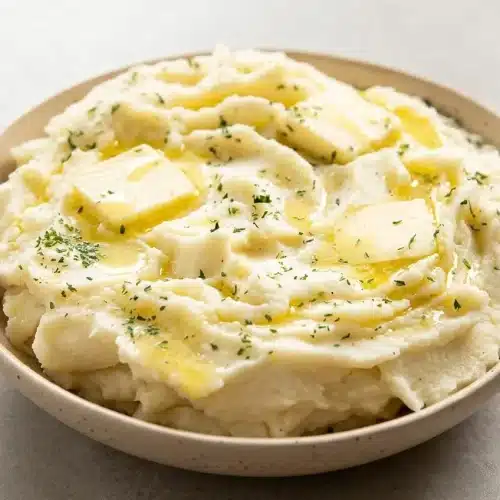
The finished potatoes should look fluffy and hold soft spoon marks.
Boiling is easy and familiar, but the potatoes usually come out a touch wetter than the steamed version. If your goal is the fluffiest texture possible, steaming has the edge.
Tips for the Creamiest, Fluffiest Potatoes
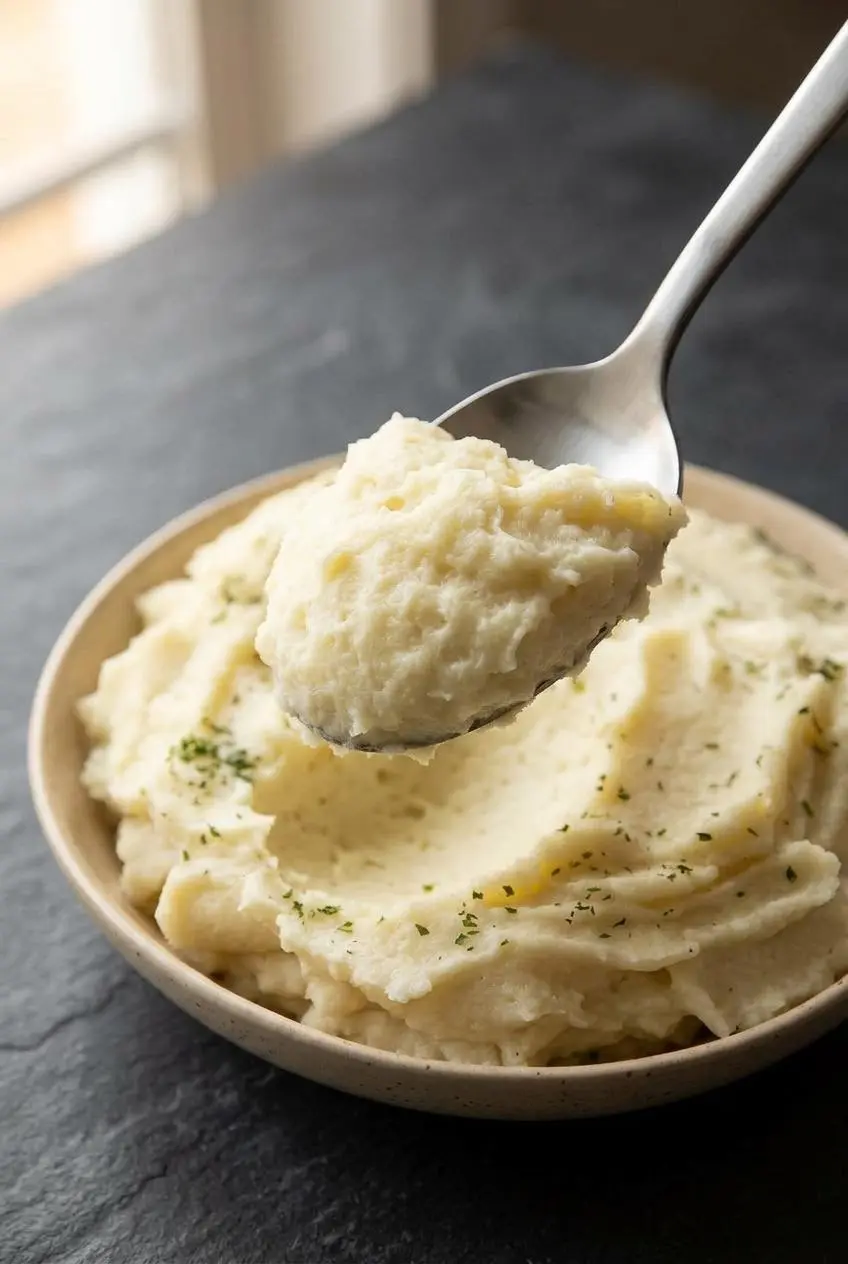
A few small choices make a big difference here, especially if you want to avoid gummy mashed potatoes.
- Pick the texture you want. Yukon Gold potatoes mash into a creamier, richer bowl. Russet potatoes give you a fluffier, more cloud-like finish because they are starchier.
- Warm the dairy first. Cold milk and cold butter cool the potatoes down fast, which can make the mash feel tighter and less smooth. Warm milk and softened butter blend in more easily.
- Mash while the potatoes are hot. Hot potatoes break down more evenly, so you get fewer lumps and a smoother texture with less effort.
- Do not overmix. Once the potatoes are smooth, stop. Too much mixing works the starch and turns the mash gluey.
- Use the right tool. A potato masher gives a classic homemade texture. A ricer makes the fluffiest, smoothest potatoes. A hand mixer can make them extra creamy, but use it briefly so they do not turn gummy.
- Drain well if you boil. Extra water is the fastest path to thin mashed potatoes. Let the drained potatoes sit in the warm pot for a moment so excess moisture cooks off.
- Cut evenly. If some pieces are tiny and others are large, you risk a mix of mushy bits and stubborn lumps.
Troubleshooting Common Issues
If the texture or flavor feels off, the fix is usually simple.
Mashed Potato Problems & Solutions
| Problem | Why it Happened | How to Fix or Prevent |
|---|---|---|
| Gummy or gluey potatoes | The potatoes were overmixed, or a waxier potato was used. | Mash only until combined. Use a masher or ricer instead of a blender or food processor. |
| Watery potatoes | The potatoes were not drained well, or they held too much cooking water. | Return them to the hot pot after draining so some steam can escape before adding dairy. |
| Lumpy potatoes | The pieces cooked unevenly, or the potatoes cooled before mashing. | Cut the potatoes evenly and mash while hot. A ricer helps smooth out stubborn lumps. |
| Bland potatoes | They needed more seasoning in the cooking water or at the end. | Salt the water, then taste after mashing and adjust the final seasoning before serving. |
Variations and Add-ins
The base recipe is rich, savory, and classic, but mashed potatoes are easy to customize once you have the texture right.
| Variation | What It Adds | When to Add It |
|---|---|---|
| Garlic | Deeper savory flavor | During cooking or while mashing |
| Cheese | Extra richness and tang | After mashing, while still hot |
| Fresh herbs | Color and freshness | Right before serving |
| Brown butter and sage | Nutty, deeper flavor | At the end |
| Loaded toppings | A hearty, dinner-style finish | Just before serving |
Creamy Garlic Mashed Potatoes
You already have garlic powder in the base recipe, which gives a mellow, even garlic flavor. If you want a deeper garlic taste, cook a few whole garlic cloves with the potatoes, then mash them right in at the end. They soften beautifully and blend into the potatoes without leaving harsh raw garlic bites.
Rich and Tangy Cheesy Potatoes
For a richer variation, stir in softened cream cheese after draining so it melts into the hot potatoes. You can also fold in shredded cheddar, Gruyère, or Parmesan right at the end until just melted. Goat cheese works too if you want a tangier finish.
Brown Butter & Sage Mashed Potatoes
Brown the butter in a small skillet until it smells nutty and turns golden, then add a few sage leaves if you like. Pour that over the mashed potatoes for a deeper, toastier flavor that feels a little more special without making the process harder.
Loaded Mashed Potatoes
Turn the bowl into a meal-style side by folding in crispy bacon bits, shredded cheddar, and sliced green onions just before serving. If you want more topping ideas, the fully loaded version is a great next step.
How to Scale the Recipe
This recipe scales well, which is why it is such a smart holiday side dish.
How to Make a Large Batch (5 pounds)
For a crowd, increase the potatoes to 5 pounds and use enough liquid for the method you choose. If you steam the potatoes, a modest amount of water under the rack is enough. If you boil them, you still need enough water to cover the potatoes. Add a little more time at pressure if the pot is packed full, then use the same quick release and mash as usual.
Large batches benefit from extra attention during mashing. Work in the butter and warm milk gradually so you can keep the texture creamy instead of heavy.
How to Make a Small Batch
You can halve the ingredients for a smaller dinner. The pressure cook time stays the same, but the Instant Pot will usually come to pressure a little faster because there is less volume inside the pot.
Make-Ahead, Storage, and Reheating Guide
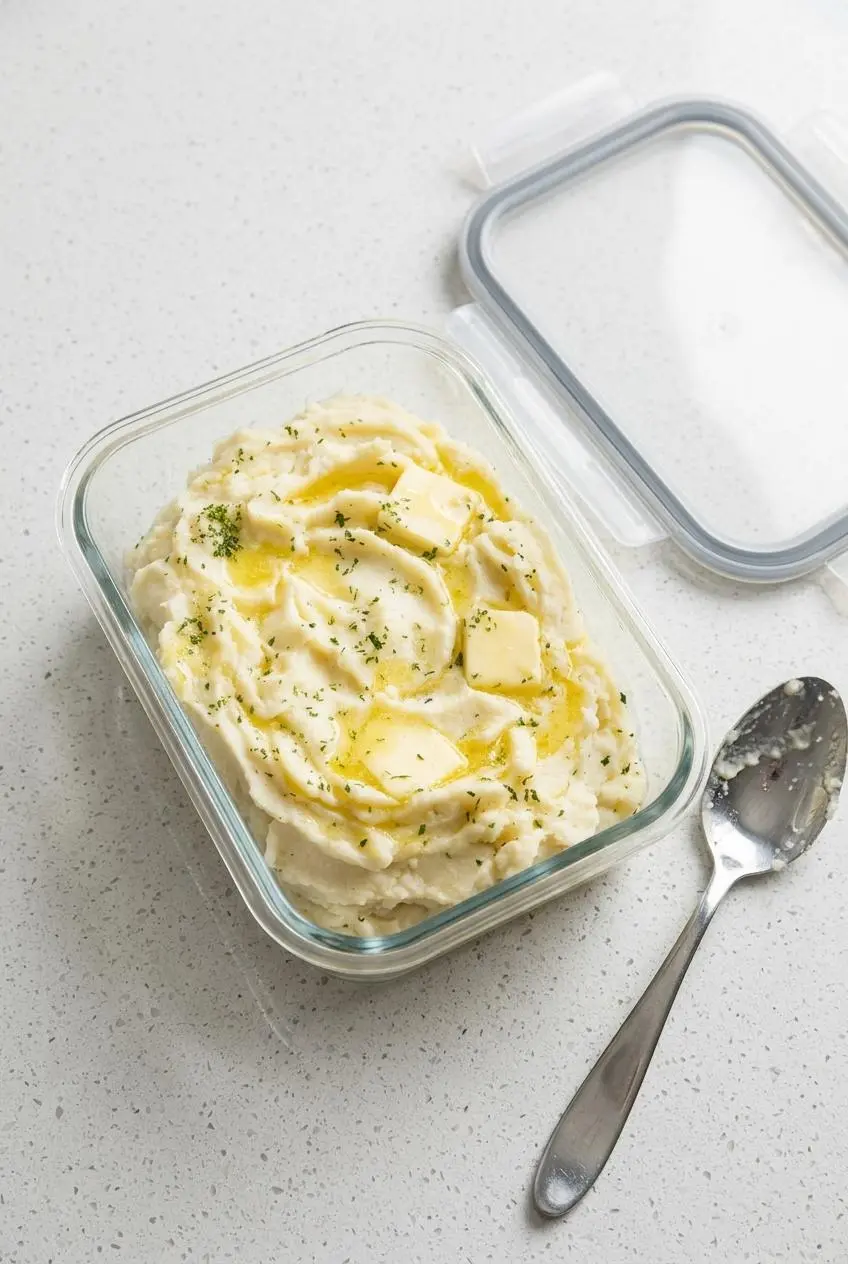
Mashed potatoes are very make-ahead friendly, which is why they show up on so many holiday menus. You can prepare them in advance, keep them covered in the refrigerator, and then reheat gently with a splash of milk to bring back a softer, creamier texture.
If you want to hold them warm for serving, the Instant Pot can help for a short stretch, but stir occasionally and add a little warm milk if the surface starts to dry or tighten. For longer holding, a covered slow cooker on low is often easier to manage.
For leftovers, cool the potatoes and refrigerate them promptly. Since this recipe includes milk, butter, and sour cream, keep them chilled in line with dairy foods that need refrigeration at 40 °F or below.
Reheat gently on the stovetop, in the microwave, or in a covered baking dish until hot throughout, stirring in a little milk or butter as needed to loosen the texture. If leftovers have been sitting out too long at room temperature, it is better to discard them, and reheated side dishes should reach 165 °F for reheating perishable side dishes.
If you end up with extra mashed potatoes, turning them into cheesy mashed potato puffs is a smart way to give leftovers a second life.
What to Serve with Mashed Potatoes
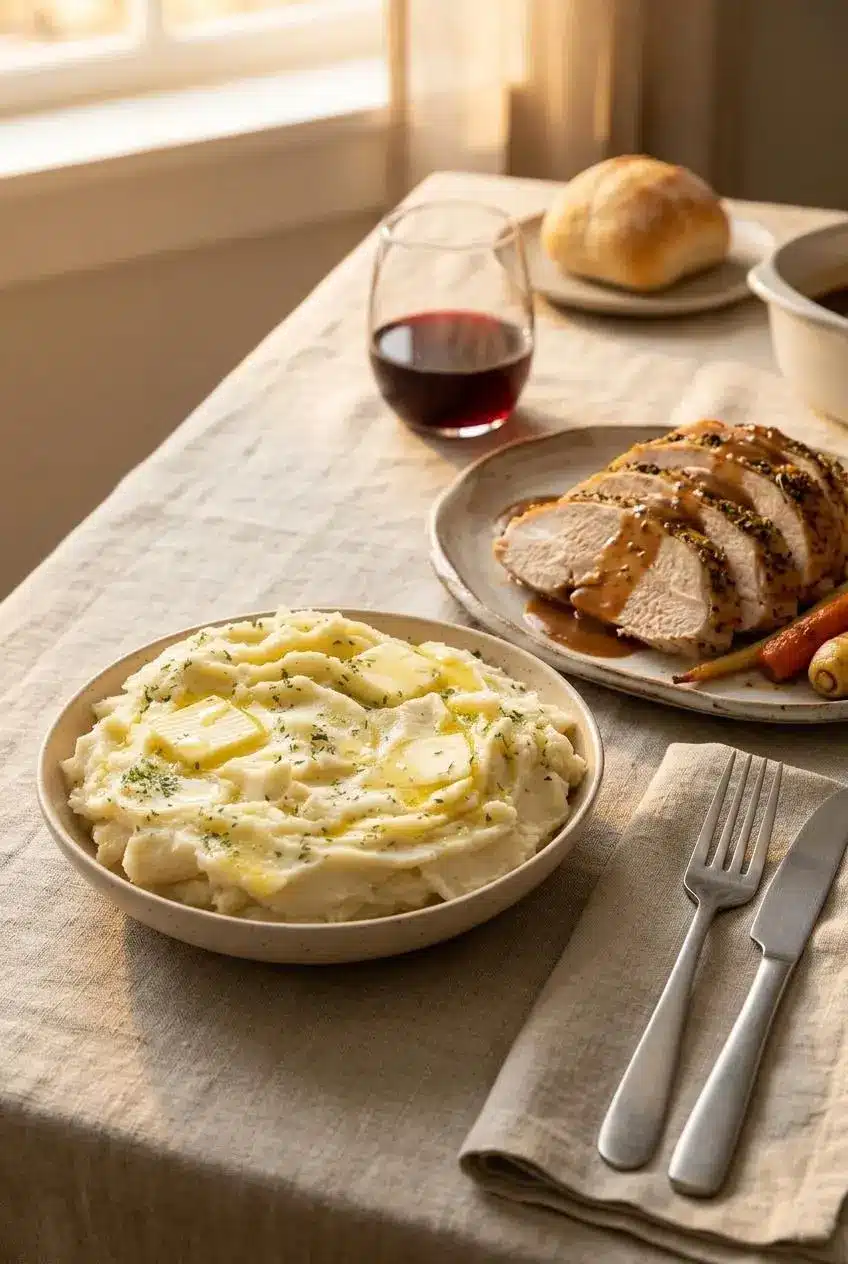
- Roast turkey
- Meatloaf
- Beef stroganoff
- Salisbury steak
- Fried chicken
- Instant Pot Italian Beef
Conclusion
These mashed potatoes are quick, cozy, and reliably creamy, which makes them just as useful for a Tuesday dinner as they are for Thanksgiving. The Instant Pot takes the stress out of the cooking part.
If you remember one thing, make it this: mash the potatoes while hot and stop as soon as they turn smooth. That little bit of restraint keeps them fluffy and ready for an extra pat of butter.
Frequently Asked Questions (FAQ)
What are the best potatoes for Instant Pot mashed potatoes?
Yukon Gold potatoes are great if you want a creamy, buttery texture. Russet potatoes are better if you want a lighter, fluffier mash. Both work well, so the best choice depends on whether you prefer silky or airy potatoes.
How do you avoid gummy mashed potatoes?
The main fix is to avoid overworking the potatoes. Use a potato masher or ricer instead of a blender or food processor. If you use a hand mixer, keep it brief and stop as soon as the potatoes are smooth.
Can I make mashed potatoes ahead of time?
Yes, they hold up well when made ahead and reheated gently before serving. Keep them covered and chilled, then warm them with a little extra milk or butter to bring back the creamy texture. You can also hold them warm for a short time, but stir and refresh the texture if they start to thicken.
Should I steam or boil potatoes in the Instant Pot?
Both methods work, so it comes down to texture and convenience. Steaming on a rack gives you fluffier potatoes because they do not soak up extra water. Boiling directly in water is very straightforward, but you need to drain well before mashing.
Instant Pot Mashed Potatoes

Equipment
- Instant Pot
- Potato masher
- Hand mixer
Ingredients
- 3 Pounds Potatoes (6 medium, Peeled and Sliced)
- Water to Cover Potatoes (About 4-5 cups)
- 2 Teaspoons Salt Divided
- 1/4 Cup Butter
- 1/4 Cup Sour Cream
- 1/4 Cup Milk
- 1/2 Teaspoon Garlic Powder
- 1/2 Teaspoon Pepper
Instructions
- Add the peeled, sliced potatoes to the Instant Pot and pour in enough water to cover them, then stir in 1 teaspoon of salt. The potatoes should be submerged so they cook evenly from edge to center.
- Secure the lid, set the valve to sealing, and cook on manual high pressure for 8 minutes. Once the pot reaches pressure, the timer will begin counting down.
- Turn the pot off as soon as the cooking time ends and carefully quick release the pressure. This keeps the potatoes from sitting in hot water too long and getting overly soft.
- Drain the potatoes thoroughly and return them to the hot pot. A little steam should rise off the potatoes, which helps excess moisture evaporate before mashing.
- Add the remaining salt, pepper, garlic powder, butter, milk, and sour cream, then mash until smooth. The butter should melt quickly and the potatoes should turn creamy, soft, and evenly seasoned.
- Serve right away, topped with parsley if desired. The finished potatoes should look fluffy and hold soft spoon marks.