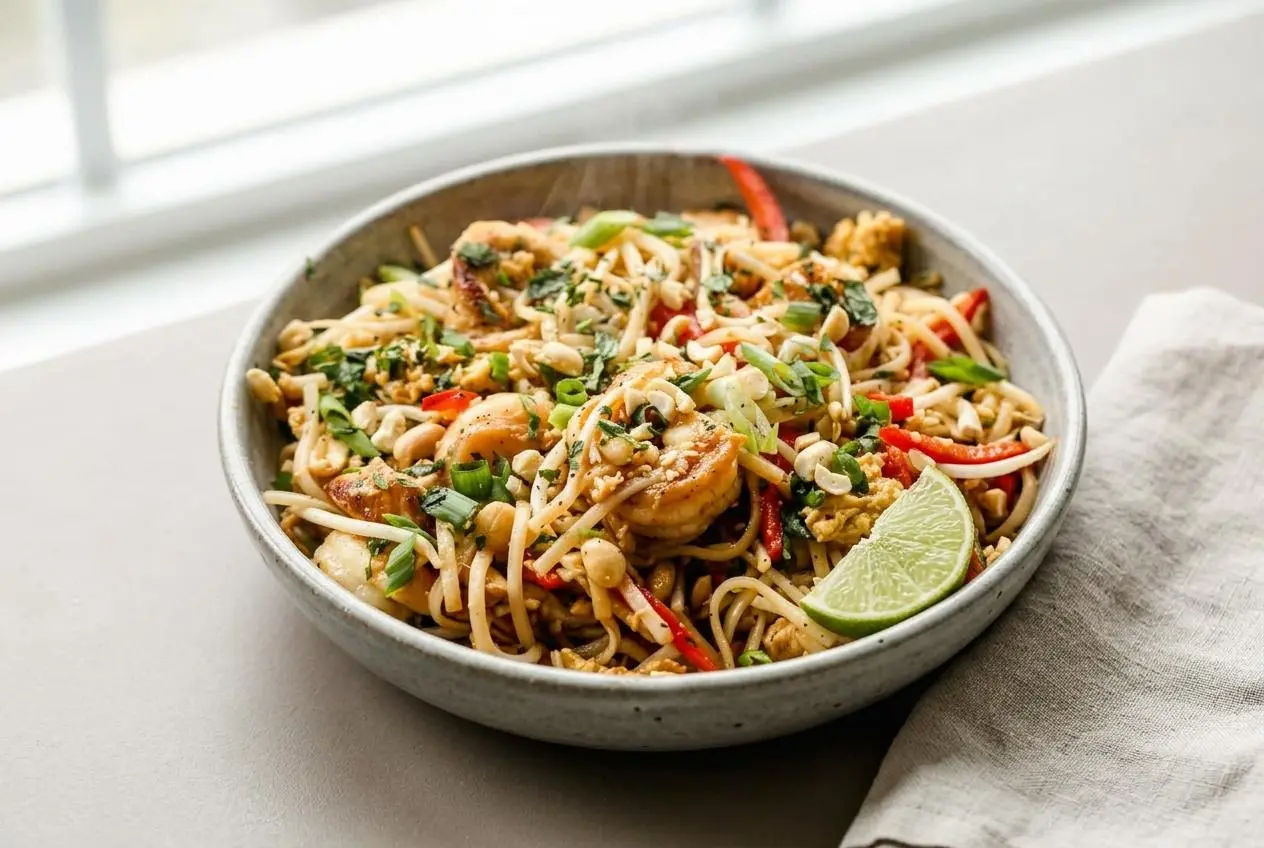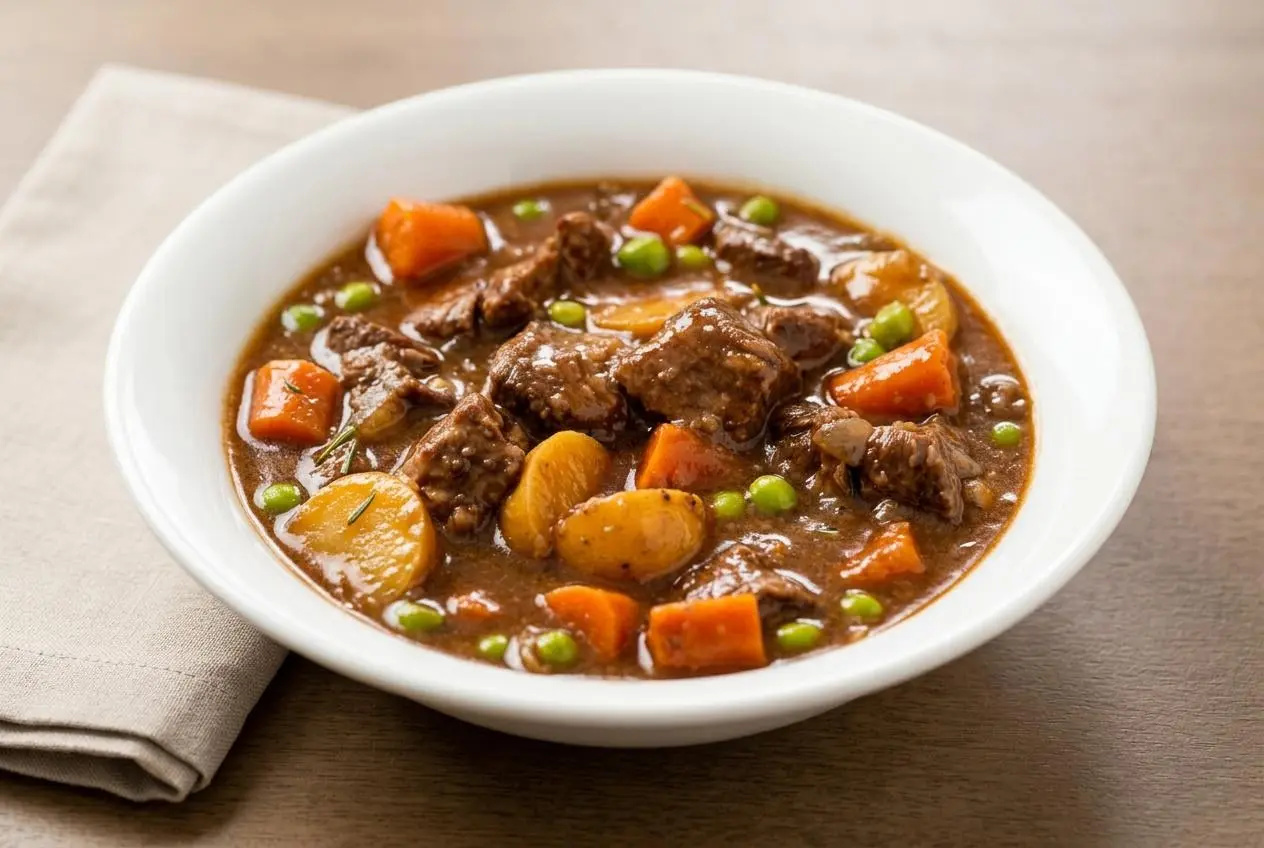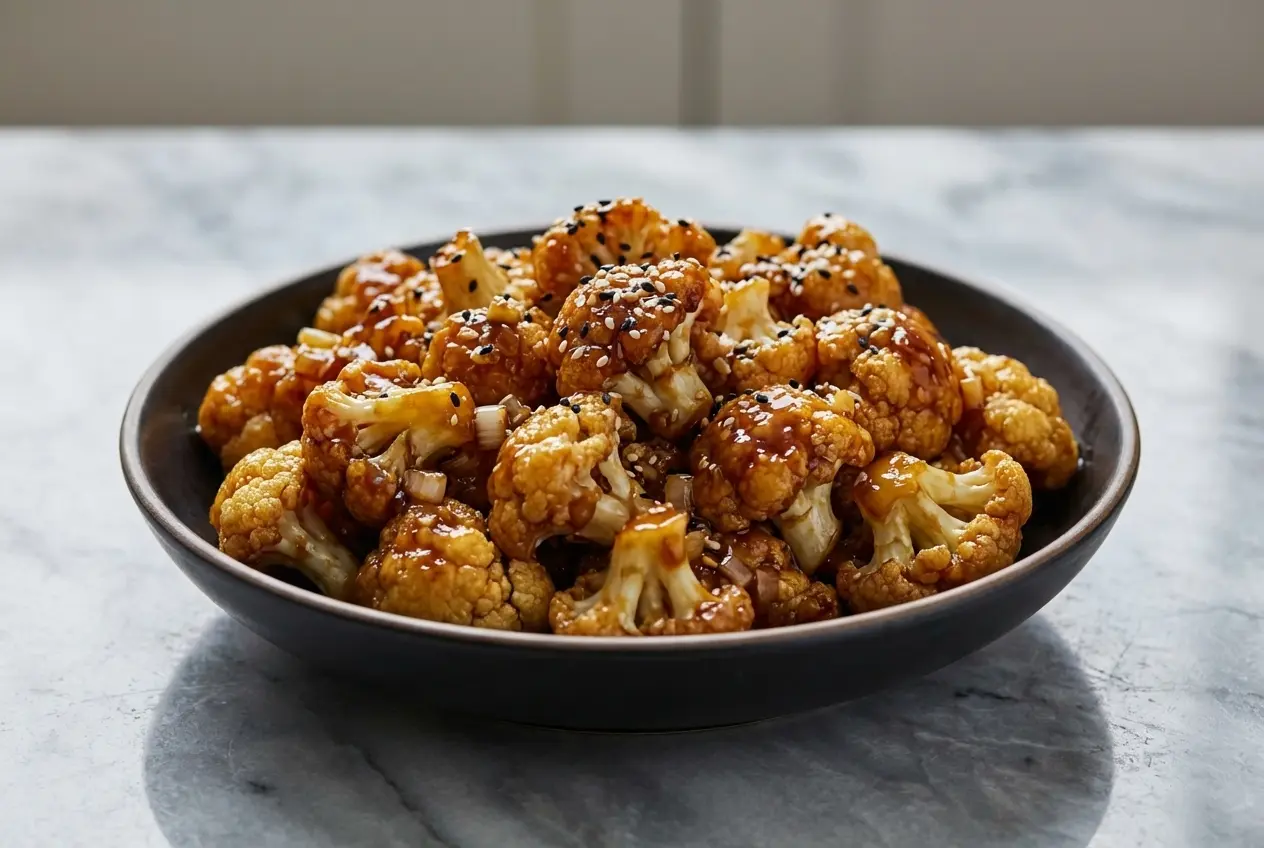
Some nights call for that sweet-savory, glossy takeout kind of dinner, the one that makes the whole kitchen smell irresistible before you even sit down. In my kitchen, Sticky Sesame Cauliflower is the answer when I want bold flavor fast, but still want something plant-based and lighter than delivery.
It has everything people love about Asian-inspired comfort food, a sticky glaze, tender-crisp bites, and plenty of umami, without a long ingredient list or a pile of dishes. If you love the crunch of classic takeout snacks and even crave that same satisfaction you get from crispy egg rolls, this one-pan cauliflower dinner hits that same cozy note in under half an hour.
Why You’ll Love This Recipe
That restaurant-style finish: The glaze turns dark, shiny, and clingy, the kind that settles into every little nook of the cauliflower florets and gives you sweet, savory, umami-rich flavor in every bite.
The velveting trick: I love using a dry cornstarch coating before cooking because it creates a light barrier around the cauliflower. In my kitchen, that simple move keeps the stir-fry from turning watery and helps the florets stay crisp around the edges.
Fast, plant-based comfort: This is the sort of weeknight meal that feels special without asking much from you. It’s naturally plant-based, easy to keep gluten-free with tamari, and comes together in one pan.
Easy to tweak: If you like a little heat, you can nudge the sweetness with chili sauce or fresh ginger. The base recipe is balanced and crowd-friendly, so it’s easy to make it milder or bolder depending on who’s coming to dinner.
Ingredients and Substitutions
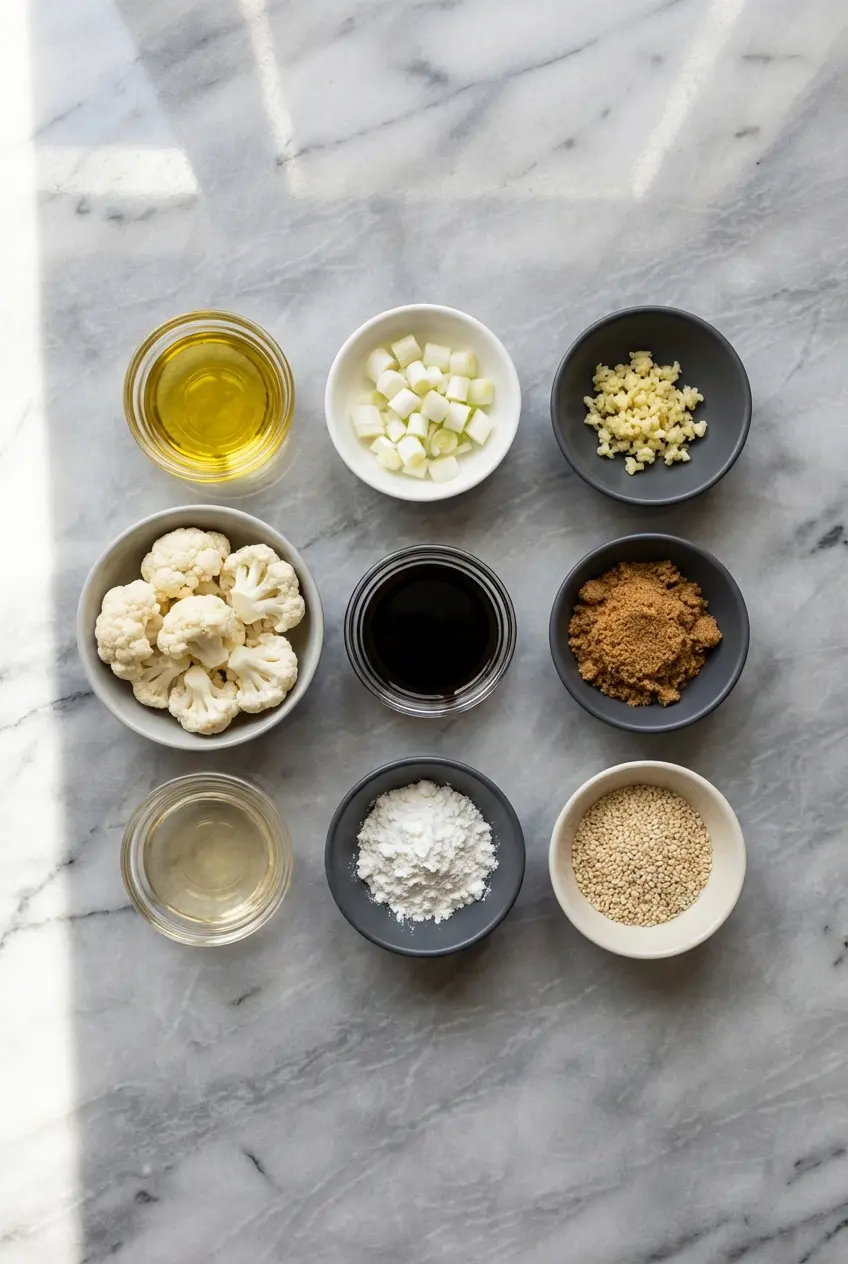
These pantry staples come together into a glossy sesame glaze with plenty of depth, while cauliflower keeps the whole dish light, hearty, and satisfying.
Ingredients
- 3 tablespoon vegetable oil
- 1/4 Cup scallions, chopped (the white part only)
- 2 Garlic cloves, minced
- 4 Cups cauliflower florets
- 1/3 Cup soy sauce, or tamari for gluten free
- 4 tablespoon brown sugar
- 1 tablespoon rice vinegar
- 2 tablespoon cornstarch
- Sesame seeds
Ingredient Notes & Substitutions
Cauliflower: Cut the cauliflower florets into even, bite-sized pieces so they cook at the same pace. If some are tiny and some are large, the small ones will go soft before the bigger pieces reach that ideal fork-tender center with a slight snap.
Soy Sauce vs. Tamari: Soy sauce brings the classic salty, savory backbone, while tamari tastes a bit fuller and less sharp. I often reach for tamari when I want a gluten-free version that still delivers deep umami without losing that takeout-style flavor.
Brown Sugar: Brown sugar gives the glaze warmth and helps with caramelization in the pan. Maple syrup or honey can step in as a 1:1 swap, and honey in particular makes the sauce a little stickier and glossier.
Rice Vinegar: Rice vinegar keeps the sauce balanced without overpowering the cauliflower. If you are out, apple cider vinegar works in a pinch, though it brings a fruitier note and a slightly more pronounced tang.
Cornstarch: This ingredient does double duty here, first for the dry velveting effect and then for thickening the sauce. It is the reason the glaze clings beautifully instead of sliding off the florets.
Sesame Seeds: A final shower of sesame seeds adds contrast and a nutty finish. Toasted seeds are especially good here because they make the whole dish smell fuller and richer the moment they hit the hot cauliflower.
How to Make Sticky Sesame Cauliflower
Prep the Cauliflower
- Before the pan heats up, toss the raw cauliflower florets with 1 tablespoon of the oil and the 2 tablespoon cornstarch until each piece is lightly coated. This dry cornstarch velveting step creates a thin protective layer that helps the outside cook up lightly crisp while keeping the sauce thick later on.
Build the Base
- Warm the remaining oil in a large pan over medium heat. Add the chopped white parts of the scallions and cook for around 2 minutes, stirring now and then, until they soften and smell sweet rather than sharp.
- Add the minced garlic and the coated cauliflower florets. Cook for 6 to 8 minutes, stirring often, until the cauliflower is fork-tender but still has a gentle snap in the middle, with a few golden spots around the edges.
Whisk the Glaze
- While the cauliflower cooks, whisk the soy sauce and brown sugar together in a small bowl until the sugar begins to dissolve and the mixture looks smooth and glossy.
- Whisk in the rice vinegar, then add cornstarch and keep whisking until the sauce is completely smooth. Make sure the liquid is still cold or room temperature at this stage so the cornstarch blends in without forming lumps.
Finish and Glaze
- Pour the sauce into the pan with the cauliflower and keep the heat at medium. Stir constantly as the liquid bubbles and tightens into a thick, shiny glaze that coats each floret instead of pooling at the bottom.
- Once the sauce has thickened and caramelized, take the pan off the heat and finish with sesame seeds. The cauliflower should look glossy, smell sweet and savory, and hold its shape under the sauce.
Secrets for Perfection
The best Sticky Sesame Cauliflower is never mushy. I look for that sweet spot where a fork slides in easily, but the center still gives a gentle little bite, because that slight al dente texture helps the florets carry a heavy glaze without collapsing.
Heat control matters just as much as timing. Keep the burner at medium during the caramelization phase, because brown sugar can go from glossy and delicious to bitter surprisingly fast if the pan gets too hot.
One more small detail makes a big difference, cornstarch should always be mixed into cold or room-temperature liquid. If it hits heat too soon, it can seize into little lumps, and that smooth, lacquered sauce turns patchy instead of silky.
The Science of the Perfect Glaze
Rice vinegar works especially well here because it is milder and slightly sweeter than white wine vinegar. In a sauce built on soy sauce, brown sugar, and garlic, that softer acidity brightens the flavor without bullying the delicate taste of the cauliflower.
As the glaze cooks, the brown sugar starts to caramelize and mingle with the soy sauce, creating deeper color and more layered savory notes. That is where the dish picks up its almost takeout-style depth, a mix of caramelization, umami, and a little Maillard reaction around the edges of the florets.
Achieving the Best Cauliflower Texture
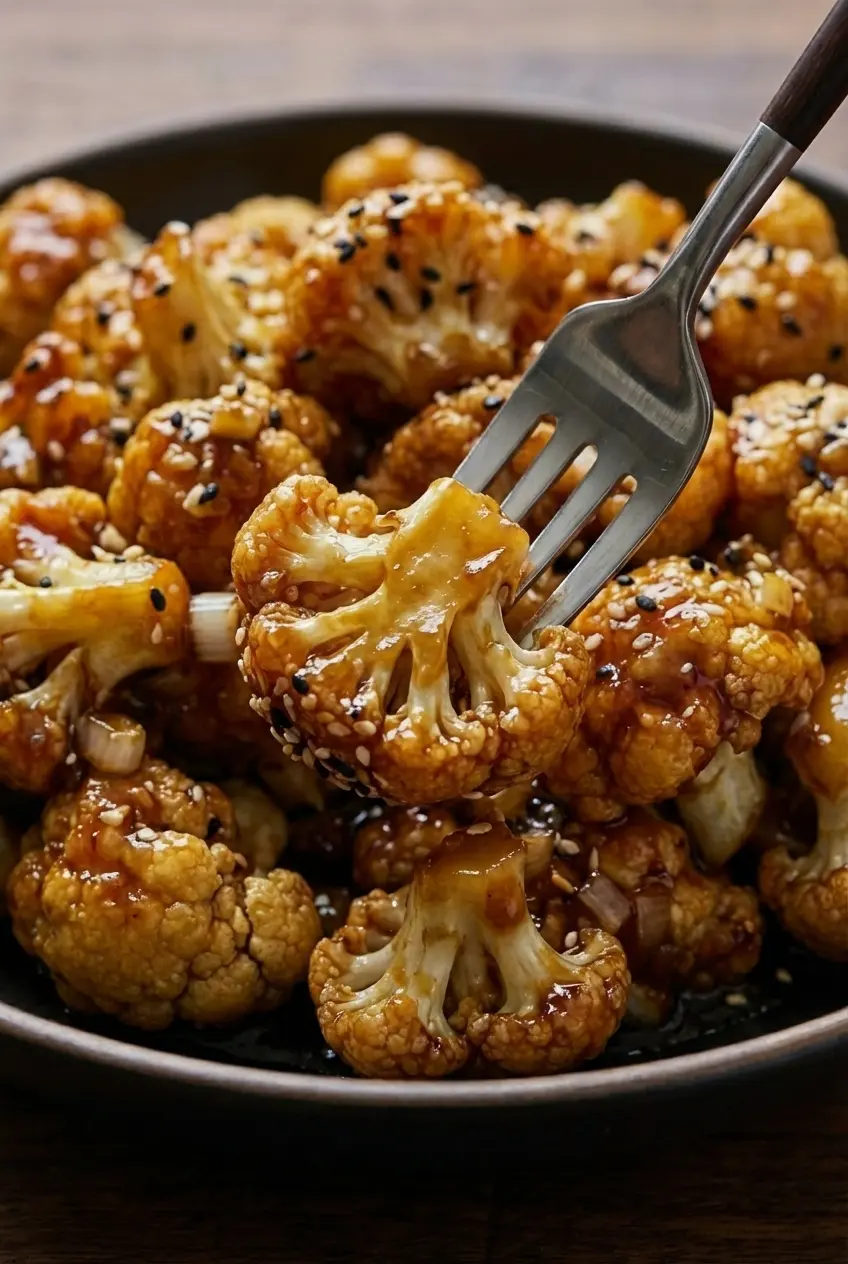
Fresh cauliflower is the best choice when texture is the goal. It stays firmer in the skillet and gives you those tender-crisp centers that make this stir-fry so satisfying.
Frozen cauliflower can still work, but it needs extra care. Thaw it first and pat it completely dry, otherwise the extra moisture will steam the florets and make the sticky sesame sauce slide right off instead of clinging.
Pan size matters more than most people think. Use a wide non-stick skillet so the cauliflower has room to sauté and brown, because crowded florets trap steam and soften too quickly.
Pro Tips & Troubleshooting
Pro Tips
- Toast the sesame seeds in a dry pan for about 1 minute before garnishing, until they smell nutty and fragrant.
- Add freshly grated ginger with the garlic if you want a brighter, more Korean-inspired takeout flavor.
- Use a non-stick pan whenever possible, because a high-sugar glaze is much easier to manage when it is less likely to stick.
- Cut all cauliflower florets into uniform pieces so they reach fork-tender doneness at the same time.
- Keep whisking the sauce mixture until the sugar is dissolved and the cornstarch is fully smooth before it goes into the pan.
Common Mistakes to Avoid
- Overcooking the cauliflower, which leaves it too soft to hold the thick glaze well.
- Overcrowding the pan, which causes the florets to steam instead of sauté.
- Letting the heat climb too high during caramelization, which can burn the sugars and make the sauce taste bitter.
- Rushing the sauce mixing stage, which can leave clumps of cornstarch in the glaze.
- Using frozen cauliflower straight from the bag, which adds too much water and weakens the final texture.
Serving & Storage
Serving Ideas
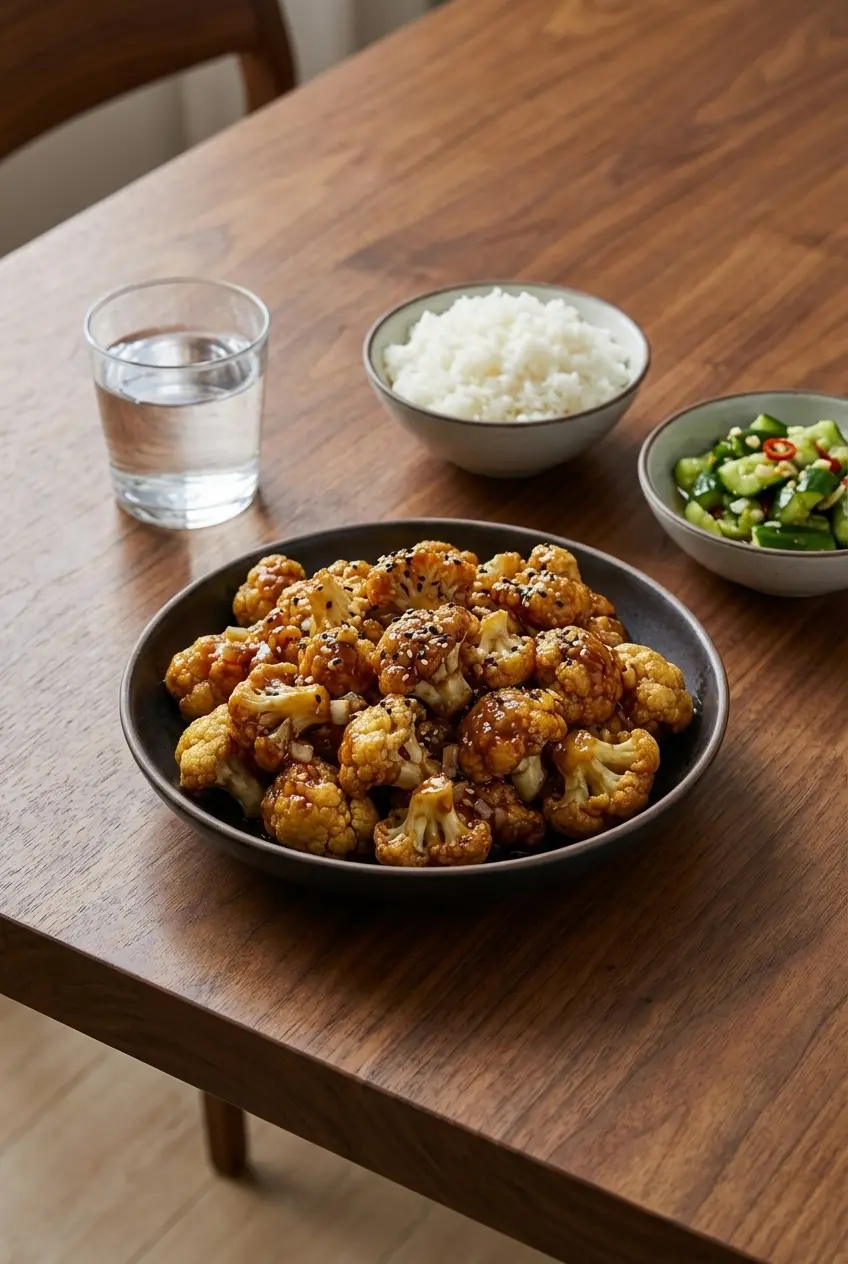
This dish is especially good over fluffy jasmine rice or sticky white rice, where the extra glaze can soak in and season every bite. I also like adding the green parts of the scallions and a little cilantro at the end for freshness and color.
If the sauce feels rich, a cool crunchy side is the perfect balance. Chilled smashed cucumbers with a vinegary dressing bring brightness to the plate and make the sesame flavor feel even more vivid.
For a fuller takeout-style spread, this cauliflower also sits nicely beside noodle dishes and snacky sides. A bowl of chicken ramen can turn dinner into a bigger comfort-food moment, and something like katsu musubi makes a fun savory side for a casual weekend meal.
Storage & Reheating
Leftovers keep well in an airtight container in the fridge for up to 4 days. The cauliflower will soften a little as it sits, but the flavor stays excellent.
The stovetop is the best way to bring it back to life. Reheat it in a skillet over low heat with a teaspoon of water, stirring gently until the glaze loosens and turns glossy again, because the microwave tends to make the cauliflower softer and the sauce a bit flat.
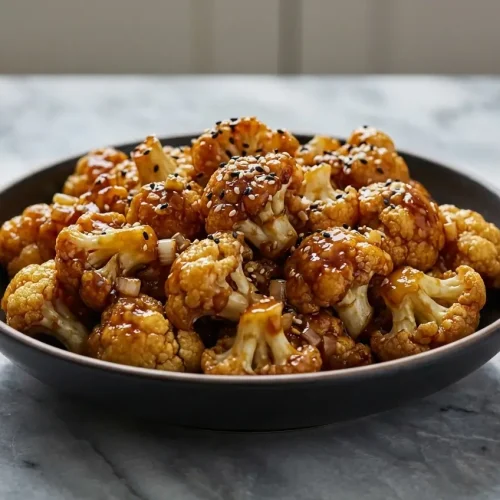
Sticky Sesame Cauliflower

Equipment
- Large Non-Stick Pan
- Small bowl
- Whisk
Ingredients
- 3 tablespoon vegetable oil
- 1/4 Cup scallions, chopped (the white part only)
- 2 Garlic cloves minced
- 4 Cups cauliflower florets
- 1/3 Cup soy sauce, or tamari for gluten free
- 4 tablespoon brown sugar
- 1 tablespoon rice vinegar
- 2 tablespoon cornstarch
- Sesame seeds
Instructions
Prep the Cauliflower
- Toss the raw cauliflower florets with 1 tablespoon of the vegetable oil and 2 tablespoons of cornstarch until each piece is lightly and evenly coated.
Build the Base
- Heat the remaining 2 tablespoons of oil in a large non-stick pan over medium heat. Add the chopped scallion whites and sauté for about 2 minutes until they soften and become fragrant.
- Add the minced garlic and the cornstarch-coated cauliflower florets to the pan. Cook for 6 to 8 minutes, stirring frequently, until the cauliflower is fork-tender but still has a slight snap.
Whisk the Glaze
- In a small bowl, whisk together the soy sauce, brown sugar, and rice vinegar until the sugar begins to dissolve and the mixture is smooth.
Finish and Glaze
- Pour the whisked sauce into the pan with the cauliflower. Stir constantly over medium heat as the liquid bubbles and thickens into a dark, shiny glaze that clings to every floret.
- Once the sauce has fully thickened and caramelized, remove the pan from the heat. Garnish with a generous sprinkle of sesame seeds and serve immediately.
Notes
Nutrition
Conclusion
This recipe proves just how much a small technique can change the whole dish. That dry cornstarch velveting trick gives Sticky Sesame Cauliflower its crisp edges, glossy finish, and restaurant-style texture without deep frying.
Once you make it once, it is easy to riff on with tamari, honey, maple syrup, or a little chili heat. It is fast, cozy, and deeply satisfying, the kind of weeknight dinner that earns a regular spot in the rotation.
Frequently Asked Questions
How do I ensure the cauliflower stays crispy and not mushy?
Can I use frozen cauliflower?
What can I use instead of brown sugar?
How do I store and reheat leftovers?
Can I make sticky sesame cauliflower in an air fryer?
How do I make the cauliflower crispy without deep frying?
What is a good substitute for rice vinegar?
Is this recipe vegan-friendly?