Stress has a sneaky way of settling right around the waistline. In my kitchen, I reach for a calming mug before I reach for a snack, and that is exactly why this Lemon Balm Recipe for Weight Loss has earned a regular spot in my afternoon and evening routine.
This simple herbal infusion is perfect for anyone who wants something soothing, caffeine-free, and genuinely helpful for digestion. With fresh ginger and a spoonful of raw apple cider vinegar, it turns into a brighter, more purposeful drink that supports a steadier metabolism without feeling harsh or trendy.
Why You’ll Love This Recipe
Calm meets function: Lemon balm is a classic nervine herb, and I love how it brings a soft citrusy flavor while helping the digestive system settle down after a tense day.
The secret twist: In my kitchen, 2 thin slices of fresh ginger make the infusion feel more alive and gently warming, and 1 teaspoon of raw Apple Cider Vinegar stirred in at the end gives it a crisp edge that feels especially satisfying.
Gentle metabolism support: Ginger adds a light thermogenic lift, while ACV can help with satiety and steadier energy, so this drink feels more supportive than a plain herbal infusion.
No caffeine crash: Instead of pushing your system hard, this blend works in a softer way, which is one reason I keep coming back to it when stress, bloating, and stress-induced eating start creeping in.
Ingredients and Substitutions
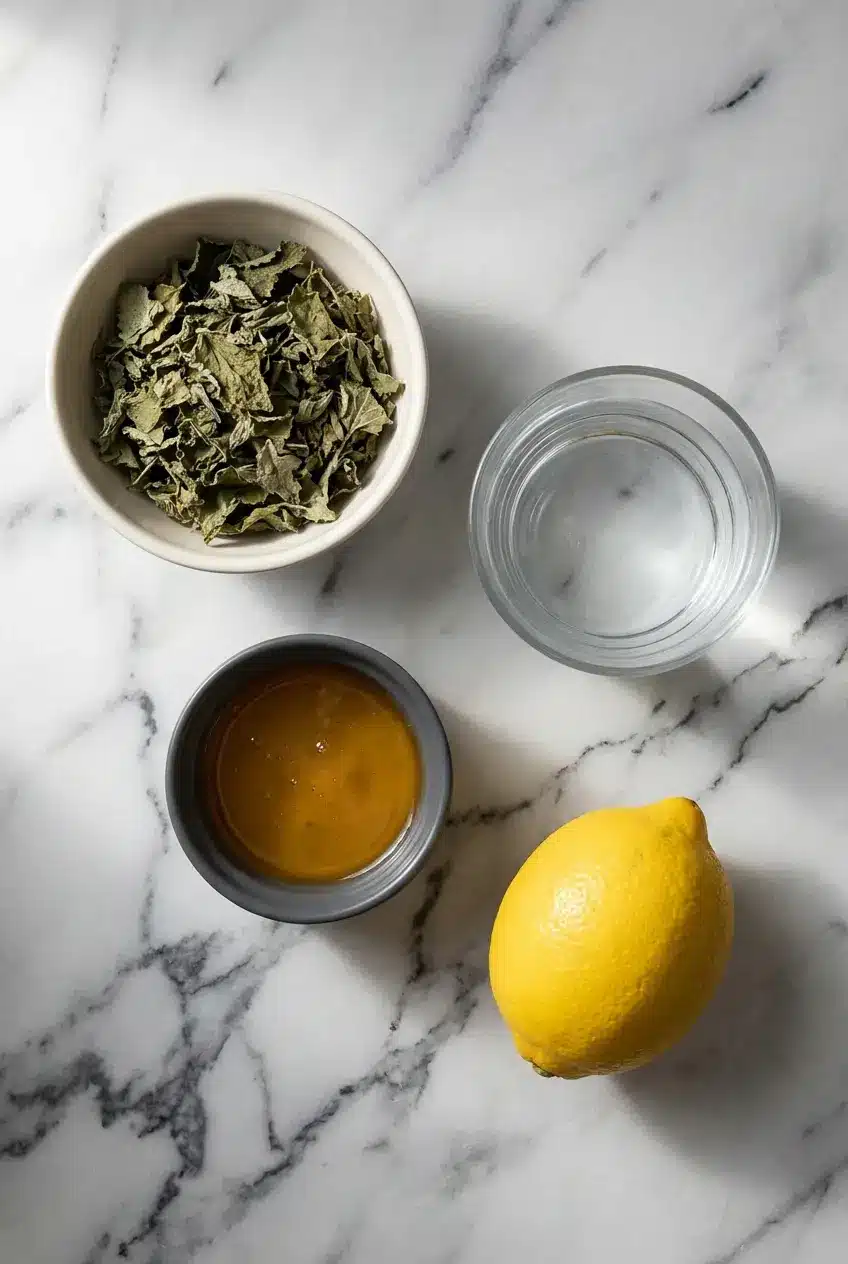
You only need a few basics here, but each one has a clear job, from lemon balm’s soothing aroma to ginger’s warming kick and ACV’s sharp, balancing finish.
Ingredients
- 2–3 teaspoons of dried lemon balm leaves (or 1 tablespoon if using fresh leaves)
- 1 cup of boiling water (around 240 ml or 8 ounces)
- Optional: honey, lemon, or other flavorings for a unique twist
Ingredient Notes & Substitutions
Lemon Balm: Look for true Melissa officinalis, not lemon verbena and not a lemon-scented mint blend. They can smell similar on the shelf, but they do not behave the same way in a cup and they offer different properties.
Fresh vs. dried leaves: Fresh leaves from the garden bring a livelier aroma because their volatile oils are still vibrant, especially if you tear them just before steeping. Dried leaves are more convenient and often a little more consistent, but they should still smell citrusy and green, never dusty or flat.
Sweetener choice: The ingredient list allows honey, but for a strict sugar-free weight loss approach, I prefer a tiny pinch of pure stevia extract. Monk fruit can also work, but use a light hand so it does not overpower the mild herbal flavor.
Fresh ginger: Two thin slices are enough to wake up the cup without stealing the show. If you want a little more digestive warmth, add a pinch of cinnamon alongside the ginger for an extra metabolism-friendly variation.
Raw Apple Cider Vinegar: Stir it in right before drinking rather than steeping it with the herbs. That keeps the tea tasting bright and clean, instead of muddy or overly sharp.
How to Make Lemon Balm Recipe for Weight Loss
Heat the Water and Prepare the Herbs
- Bring the water just to a boil, then take it off the heat right away. Letting it boil aggressively for too long can dull the delicate flavor of lemon balm and drive off some of its most fragrant oils.
- Place the dried lemon balm leaves, or gently torn fresh leaves, into a teapot or heatproof cup. Add the 2 thin slices of fresh ginger so the warming flavor infuses right alongside the herbs.
Steep for Flavor and Aroma
Pour the hot water over the lemon balm and ginger, then cover the teapot or cup with a lid or small saucer. Let it steep for 5–10 minutes, until the aroma turns bright, mild, and citrusy, with a gentle spicy note rising from the ginger.
Strain and Finish the Drink
- Strain the infusion into your mug, especially if you used dried leaves, so the final drink stays smooth and clean.
- Stir in 1 teaspoon of raw Apple Cider Vinegar just before drinking. If you want a sweeter edge, add a small pinch of pure stevia extract, then sip while the tea is warm and deeply soothing.
Chef’s Tips for Success
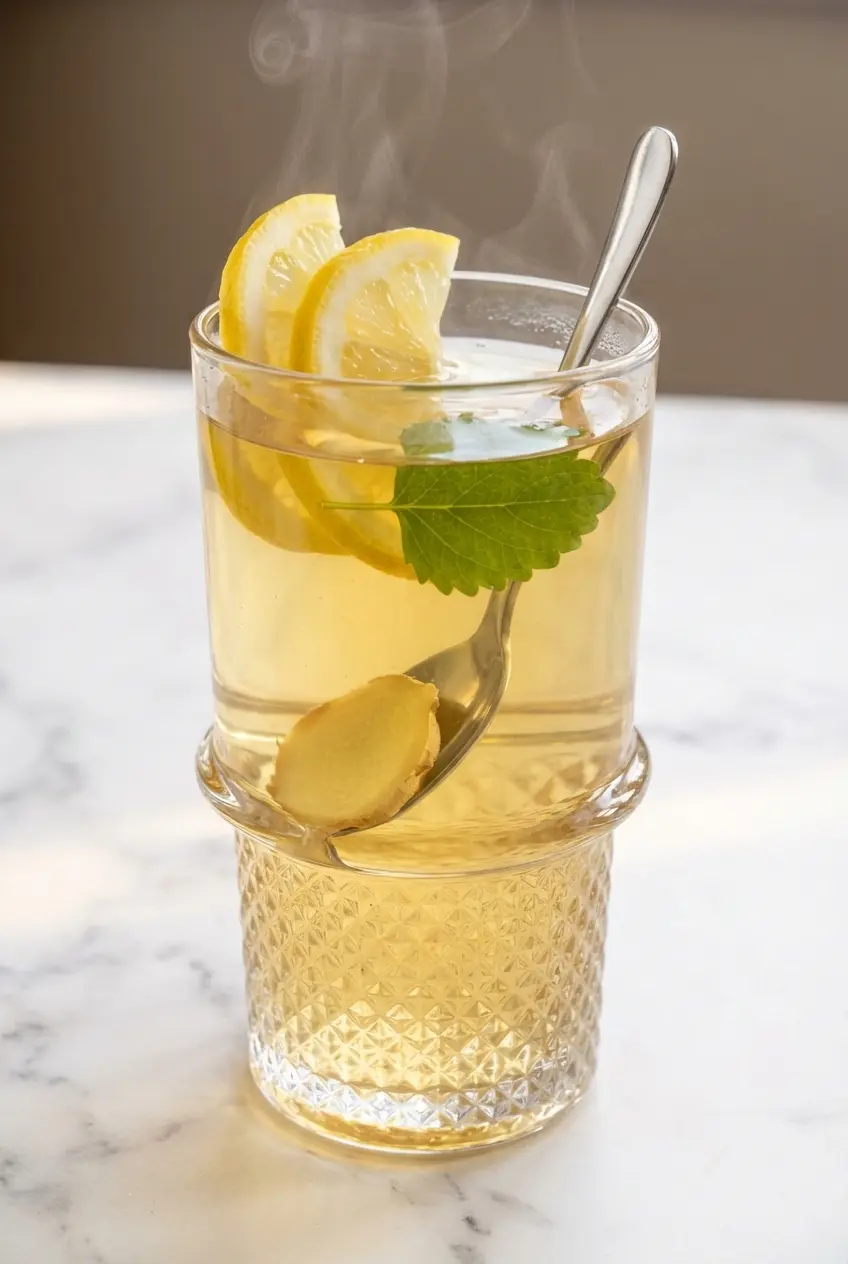
The biggest difference between a lovely cup and a disappointing one comes down to heat control. Lemon balm is delicate, and using water that is hot but just off the boil helps preserve the delicate rosmarinic acid and the fragrant essential compounds that give the tea its fresh, lemony character.
I also never skip covering the cup while it steeps. That trapped steam holds onto the volatile oils, and those aromatic compounds are part of what makes this herbal infusion feel so comforting when bloating, stress, and a cranky stomach show up at the same time.
The Science Behind Lemon Balm and Belly Fat
Lemon balm does not work like a dramatic fat burner, and I think that is important to say plainly. Its real strength is that it may help support lower cortisol levels, and that matters because chronically elevated stress hormones are closely tied to visceral fat, stubborn belly fat, and stress-induced eating.
As a nervine herb, Melissa officinalis is traditionally valued for helping the body settle down. When you feel calmer, it becomes easier to avoid the snack spiral that often comes with fatigue, blood sugar swings, and end-of-day stress.
The digestive side matters too. Lemon balm can be especially helpful when your digestive system feels tight, gassy, or unsettled, and that relaxed feeling often means less bloating and a more comfortable stomach after meals.
That is where the ginger and ACV twist really shines in this Lemon Balm Recipe for Weight Loss. Ginger brings a warming edge that can gently stimulate metabolism and digestion, while pairing this drink with something light and low in sugar, such as a keto lemon dessert, can make it easier to avoid the blood sugar spikes that often feed cravings later on.
Strategic Timing for Optimal Metabolism Support
I find this tea especially useful in the late afternoon, when energy dips and emotional eating tends to creep in. That is often the hour when something soothing, lightly tart, and a little warming can keep you from reaching for sugary snacks or a second coffee.
It is also lovely about 30 minutes before bed. Lemon balm is calming without necessarily knocking you out, so it can support a more restful evening routine, help quiet late-night cravings, and encourage the kind of sleep that gives cortisol levels a better chance to settle.
During the daytime, most people find it gentle enough to drink without feeling foggy. If you are new to lemon balm, start with one cup and pay attention to how your body feels, especially if you are using it as part of a nightly wind-down ritual.
Pro Tips & Troubleshooting
Pro Tips
- Tear or lightly crush fresh lemon balm leaves right before steeping. That quick step releases more volatile oils and gives the cup a much fresher citrus aroma.
- Use hot water that has just come off the boil, rather than boiling the leaves in the pot. It protects the delicate flavor and keeps the infusion from turning harsh.
- Steep the tea covered with a lid or saucer so the fragrant steam stays in the cup, where it belongs.
- For an extra metabolism-friendly variation, add a pinch of cinnamon with the ginger for a warmer, rounder finish.
- A nighttime blend of half lemon balm and half dried chamomile or lavender can be beautifully calming. On evenings when I lean into that floral side, something gently scented like lemon lavender cookies makes the whole wind-down routine feel a little more special.
Common Mistakes to Avoid
- Using old dried lemon balm that has lost its citrusy smell. If the herb smells stale, the tea will taste flat and its soothing character will be noticeably weaker.
- Expecting a magic fat burner. This drink supports weight loss indirectly by helping with stress, digestion, bloating, and appetite patterns, not by torching calories on its own.
- Pouring fiercely boiling water over fresh leaves. That can make the tea bitter and can damage some of the delicate compounds you are trying to keep.
- Adding too much sweetener. Even a healthy drink can drift away from your goals if it turns into a sugary treat.
Serving & Storage
Serving Ideas
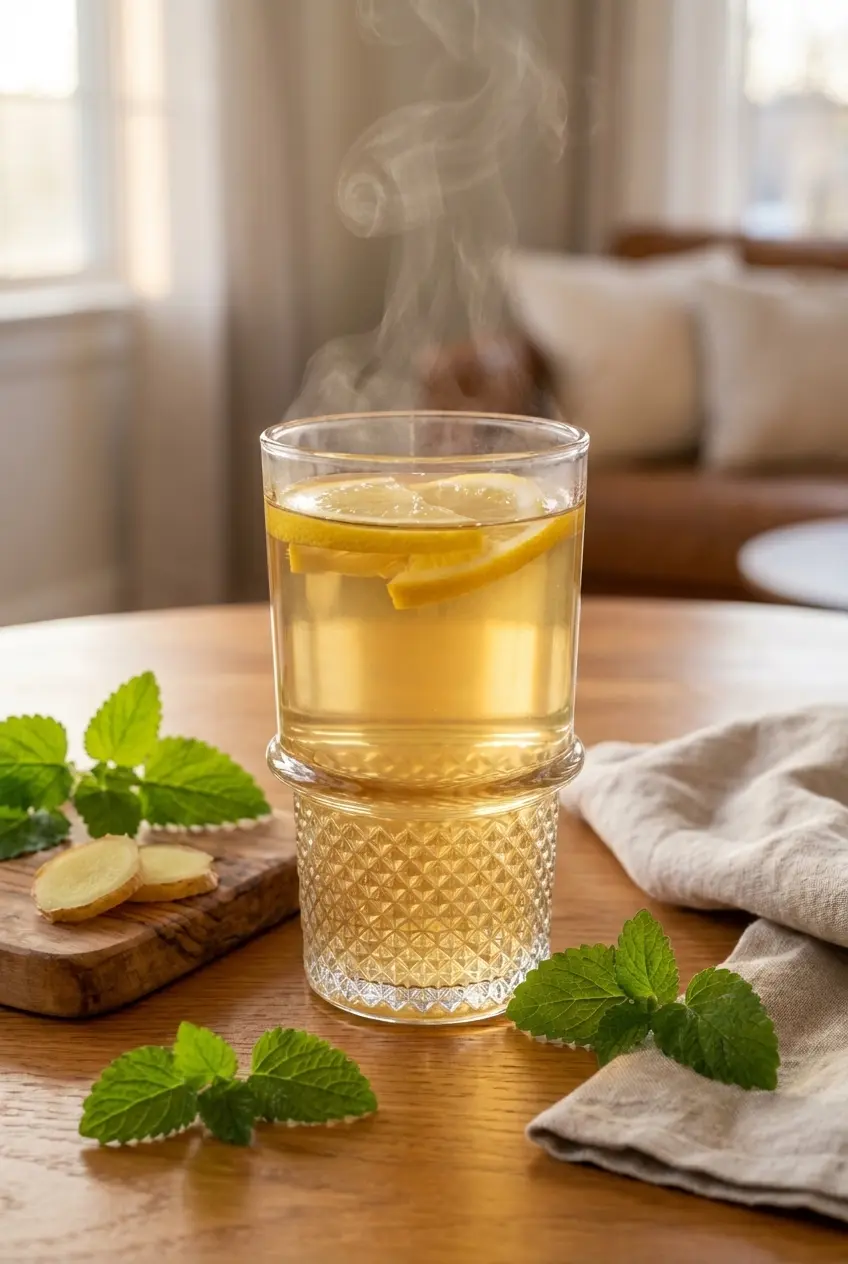
For the coziest version, serve this tea hot in your favorite mug about 30 minutes before bed. The flavor is bright, mild, citrusy, and soothing, with just enough ginger warmth to make it feel comforting instead of sleepy.
For daytime sipping, pour it over ice in a tall glass with lemon wheels and a sprig of mint. If you enjoy botanical drinks as a soda alternative, a glass of butterfly pea lemonade fits that same refreshing, low-fuss mood while keeping the afternoon lineup interesting.
Storage & Make-Ahead
If you are using fresh garden lemon balm, wrap the stems or loose leaves in a lightly damp paper towel and keep them in the fridge. That little bit of moisture helps preserve their potency and keeps the leaves from going limp too quickly.
For a cold brew version, steep 20–25 fresh leaves in 4 cups of cold water in the refrigerator overnight. I sometimes muddle the leaves lightly with cucumber slices first, which gives the drink an especially clean, hydrating flavor by morning.
Prepared hot tea is best fresh, but you can chill leftovers for later in the day. Just keep them refrigerated and give the tea a stir before serving, since the apple cider vinegar can settle a bit as it sits.

Lemon Balm Recipe For Weight Loss

Equipment
- Teapot or heatproof cup
- Strainer
Ingredients
- 2-3 teaspoons of dried lemon balm leaves (or 1 tablespoon if using fresh leaves)
- 1 cup of boiling water (around 240 ml or 8 ounces)
- Optional: honey, lemon, or other flavorings for a unique twist
Instructions
Heat the Water and Prepare the Herbs
- Bring the water just to a boil, then take it off the heat right away. Letting it boil aggressively for too long can dull the delicate flavor of lemon balm and drive off some of its most fragrant oils.
- Place the dried lemon balm leaves, or gently torn fresh leaves, into a teapot or heatproof cup. If using the optional ginger, add 2 thin slices now so the warming flavor infuses right alongside the herbs.
Steep for Flavor and Aroma
- Pour the hot water over the lemon balm, then cover the teapot or cup with a lid or small saucer. Let it steep for 5 minutes, until the aroma turns bright, mild, and citrusy.
Strain and Finish the Drink
- Strain the infusion into your mug, especially if you used dried leaves, so the final drink stays smooth and clean.
- Stir in your optional flavorings like a teaspoon of raw Apple Cider Vinegar or honey just before drinking. Sip while the tea is warm and deeply soothing.
Notes
Nutrition
Conclusion
This is the kind of simple kitchen ritual that earns its place because it feels good and fits real life. Lemon balm, fresh ginger, and a spoonful of raw apple cider vinegar create a gentle, supportive drink that helps you unwind while giving your metabolism a steadier kind of backup.
If your evenings tend to end with cravings or your afternoons drift into stress snacking, this soothing cup is well worth a spot in your routine. Once you make it a few times, small touches like cinnamon, extra lemon, or an iced version can make it feel entirely your own.