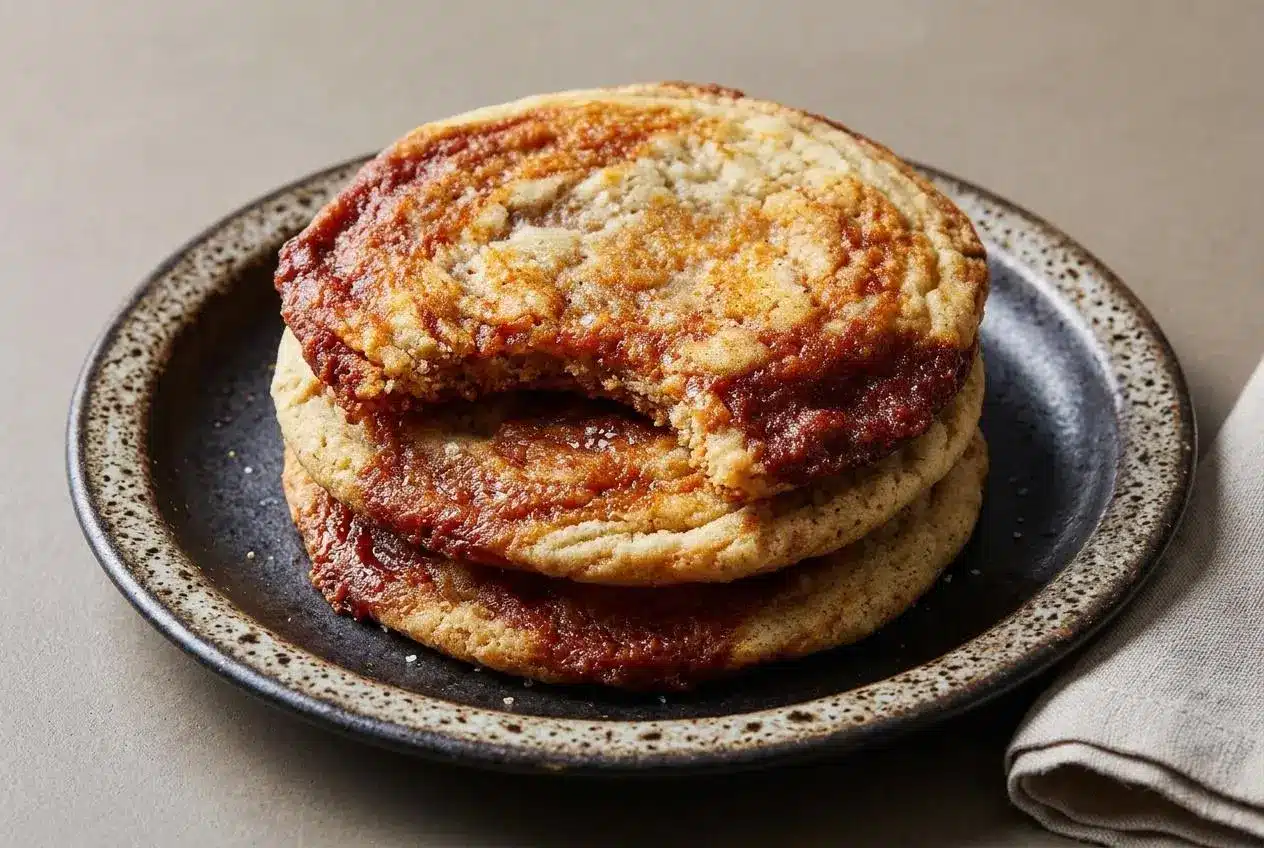
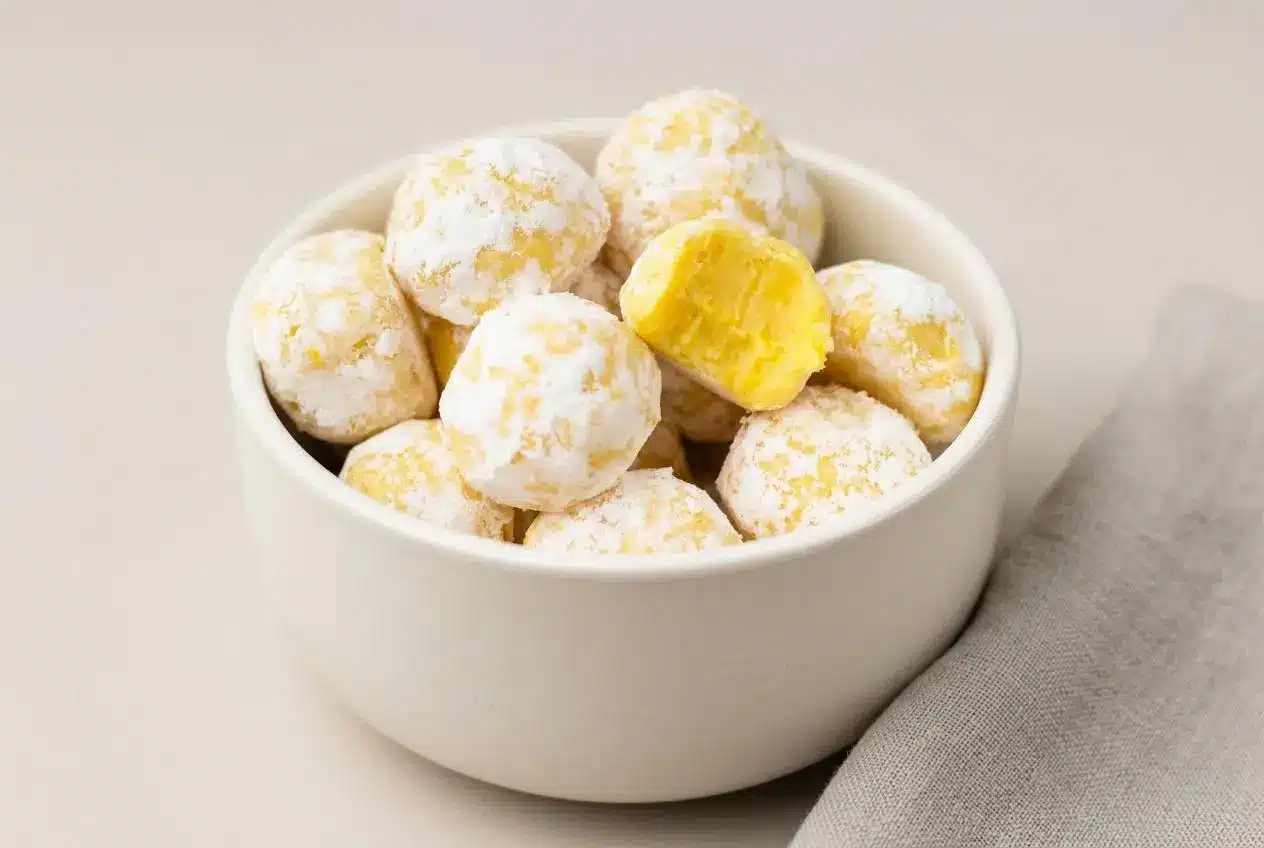
In my kitchen, lemon and lavender always feel like a little celebration, even on an ordinary Tuesday. The moment the zest hits the sugar, the whole room smells like sunshine and a backyard herb garden after rain.
These Lemon Lavender Cookies are soft, chewy, and gently floral, the kind you bring to a brunch and quietly steal the show. They are perfect for spring baking, baby showers, or a simple afternoon tea when you want something buttery, bright, and a touch elegant.
Why You’ll Love This Recipe
The golden twist: I tuck in one tablespoon of honey-infused brown butter, and that toasted, nutty perfume makes the lavender taste luxurious instead of “perfumey.”
Soft for days: A little honey works like a moisture keeper, so the cookies stay tender long after they cool, with that fresh-baked chew you want.
Fragrance without soapiness: Rubbing Culinary Lavender and Lemon Zest into sugar wakes up the essential oils, giving you a clean floral aroma that tastes like dessert, not potpourri.
Reliable lift and texture: The Creaming Method traps tiny air pockets, so each bite feels plush, not cakey and not crunchy.
Ingredients and Substitutions

Simple pantry staples do most of the work here, then lemon and lavender turn them into something special. Measure carefully, because the balance is what keeps the flavor bright and the texture soft.
Ingredients
Lemon Lavender Cookies:
- 226 grams unsalted butter softened
- 298 grams granulated sugar
- 2 large eggs
- 2 teaspoons vanilla extract
- 1 lemon zest
- 1 tablespoon lemon juice
- 330 grams all purpose flour
- 1/2 teaspoon baking soda
- 1/2 teaspoon baking powder
- 3/4 teaspoon salt
- 2 teaspoons dried lavender
Lemon Glaze:
- 57 grams powdered sugar
- 1 tablespoon lemon juice
- heavy cream as needed
Ingredient Notes & Substitutions
Culinary Lavender: Look for English lavender (Lavandula angustifolia) labeled culinary grade, because decorative buds can skew camphorous and read “medicinal” in baked goods.
Unsalted Butter: I prefer a European-style butter for richer butterfat, which helps browning and tenderness, and it plays beautifully with the Maillard reaction aromas.
Lemon Zest: Zest is the soul of the cookie, so use a Microplane and stop as soon as you hit the white pith, because that bitterness lingers.
All Purpose Flour: If your cookies ever come out dry, it is usually flour packed too tightly, so a kitchen scale is the calmest way to hit 330 grams exactly.
Honey-infused brown butter: The “honey” part matters for softness, and the browned butter part matters for depth, so keep it to a small amount and let it cool before it touches the eggs.
How to make Lemon Lavender Cookies
Build the fragrant base
- Cream the softened butter with the granulated sugar until it looks pale and fluffy, about 3 minutes, and you can smell that sweet butteriness blooming.
- Beat in the eggs, then add vanilla extract, lemon zest, and lemon juice, mixing until the batter turns glossy and smooth with no streaks clinging to the bowl.
Mix the dry ingredients and finish the dough
- In a separate bowl, whisk together the all purpose flour, baking soda, baking powder, salt, and dried lavender until the lavender is evenly dispersed and you catch that gentle floral lift.
- Add the dry mixture into the wet mixture and mix only until the flour disappears, because the dough should look plush and cohesive, not overworked or stiff.
Chill, scoop, and bake
- Chill the dough for 30 minutes, and it should feel firmer and easier to portion, not sticky and slack.
- Preheat the oven to 350 degrees, then line a cookie sheet and keep it ready.
- Scoop about 1 to 1 ½ tablespoons of dough per cookie and set them 3 inches apart, so they have room to spread without merging.
- Bake for 10-12 minutes, then pull them when the edges are golden brown and the centers look set and matte, because carryover heat finishes the middle.
- Let the cookies cool completely on the cookie sheet, and you will feel them firm up while staying soft when you press lightly.
Glaze for that lemony finish
- Whisk the powdered sugar with lemon juice, adding heavy cream as needed, until the glaze is smooth and free of lumps.
- A proper glaze should fall in a thin ribbon, so loosen it until it looks runny and drizzles easily.
- Drizzle over each cooled cookie with a fork or spoon, then let it set until the tops look glossy and dry to the touch.
Secrets for the Perfect Floral Cookie

English vs. French lavender: English lavender is naturally sweeter for baking, while many French varieties lean sharp and soapy, especially when heat concentrates the aroma.
If you love the way bright citrus behaves in buttery desserts, the same balance shows up in a classic lemon tart where acidity and richness keep each other in check.
Butter temperature control: Your butter should be soft but still cool to the touch, not shiny or greasy, because overly warm butter makes cookies spread thin before structure sets.
Doneness you can see: Stop waiting for deep browning on top, and look for that matte finish and a slight puff in the center, because these cookies settle into their final chew as they cool.
Pro Tips & Troubleshooting

Pro Tips
- Rub the lemon zest and dried lavender into the granulated sugar first, because that friction releases essential oils and perfumes the dough evenly.
- Pulse the lavender with the sugar if you dislike bud texture, and the flavor will feel smoother without crunchy floral bits.
- Use a kitchen scale for the flour, because a packed cup quietly turns soft cookies dry.
- Bring eggs to room temperature, so they emulsify neatly and the batter stays creamy instead of curdled.
Common Mistakes to Avoid
- Over-mixing after flour goes in, because over-developing gluten makes cookies tough, and this texture shift is well documented in studies on over-developing gluten.
- Skipping the chill, because warm dough spreads fast and bakes up flatter than you want.
- Using decorative lavender, because it can taste metallic or soapy even when the cookie itself is baked perfectly.
- Over-baking until the tops look dark, because the centers will lose that soft chew you came for.
On days when you want the lemon vibe with less prep, those quick-bake lemon cake cookies scratch the same citrus itch in a more shortcut-friendly way.
Serving & Storage
Serving Ideas
I love these with Earl Grey, because the bergamot plays nicely with lavender’s floral notes. For a garden-party look, a glass of butterfly pea lemonade adds that dreamy purple hue beside the pale-yellow glaze.
If you want a little sparkle, finish the wet glaze with a pinch of fresh lemon zest, and the aroma hits first before the buttery crumb follows.
Storage & Make-Ahead
Store the cookies airtight at room temperature for up to 5 days, and place parchment paper between layers to keep the glaze from turning sticky.
For freezing, portion the dough into balls and freeze up to 3 months, then bake from frozen and add 2 minutes to the cook time.

Lemon Lavender Cookies

Equipment
- Microplane
- Kitchen scale
- Cookie sheet
- Parchment Paper
Ingredients
Lemon Lavender Cookies:
- 226 grams unsalted butter softened
- 298 grams granulated sugar
- 2 large eggs
- 2 teaspoons vanilla extract
- 1 lemon zest
- 1 tablespoon lemon juice
- 330 grams all purpose flour
- 1/2 teaspoon baking soda
- 1/2 teaspoon baking powder
- 3/4 teaspoon salt
- 2 teaspoons dried lavender
Lemon Glaze:
- 57 grams powdered sugar
- 1 tablespoon lemon juice
- heavy cream as needed
Instructions
Build the fragrant base
- Cream the softened butter with the granulated sugar for about 3 minutes until the mixture is pale and fluffy.
- Beat in the eggs, then add the vanilla extract, lemon zest, and lemon juice. Mix until the batter is glossy and smooth.
Mix the dry ingredients and finish the dough
- In a separate bowl, whisk together the flour, baking soda, baking powder, salt, and dried lavender until the floral buds are evenly dispersed.
- Add the dry ingredients to the wet mixture and mix only until the flour disappears to ensure a plush texture.
Chill, scoop, and bake
- Chill the dough in the refrigerator for 30 minutes until it is firm and easy to portion.
- Preheat your oven to 350 degrees and line a cookie sheet with parchment paper.
- Scoop about 1 to 1.5 tablespoons of dough per cookie and place them 3 inches apart on the prepared sheet.
- Bake for 10-12 minutes until the edges are golden brown and the centers appear matte and set.
- Allow the cookies to cool completely on the cookie sheet to reach their final soft chew.
Glaze for that lemony finish
- Whisk the powdered sugar with lemon juice and a splash of heavy cream until it forms a smooth, thin ribbon.
- Drizzle the glaze over the cooled cookies using a fork or spoon and let it set until dry.
Notes
Nutrition
Conclusion
When Lemon Lavender Cookies are done right, they taste like sunlight and soft butter, with a floral whisper that never goes soapy. That tiny spoonful of honey-infused brown butter is my favorite trick for depth and lasting tenderness.
If you bake them once, you will start imagining little variations, like a pinch of tea or a handful of white chips, and that is exactly how a house recipe is born.