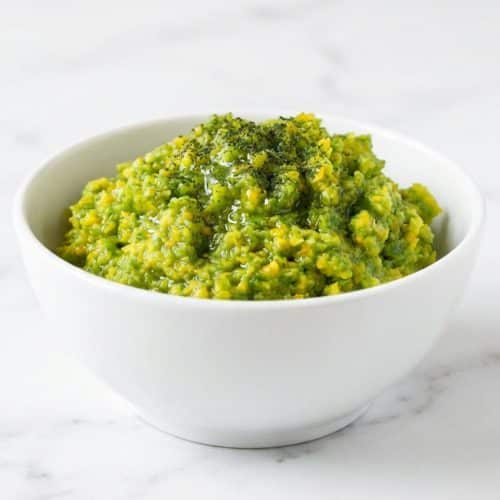
In my kitchen, yuzu kosho is the little jar that wakes everything up, one tiny spoonful and suddenly dinner smells like bright citrus groves and fresh green chiles. This yuzu kosho recipe is tangy, spicy, salty, and downright aromatic, the kind of Japanese condiment that makes your mouth water before it even hits the tongue.
It comes from Kyushu, Japan, where cooks have long balanced fiery heat with yuzu’s electric perfume. I’ll walk you through the true art of lacto-fermentation at home, with the small details that keep the flavor bold, clean, and never bitter.
Why You’ll Love This Recipe
Kyushu-level brightness: The yuzu zest comes through like a punch of citrus oil, and the jalapeno brings a green, lively heat powered by capsaicin.
The secret twist: In my kitchen, adding 1/2 teaspoon of finely powdered kombu (kelp powder) and a tiny splash of fresh yuzu juice right before fermenting makes the paste taste rounder and more complete, not just salty and sharp.
Umami, instantly: Kombu brings natural glutamates, which deepen umami and soften the edges of the citrus and chile heat, so the flavor feels “finished” even early on.
Faster funk, better texture: That splash of juice hydrates the salt quickly, helping lacto-fermentation get moving and giving you a cohesive, spoonable mash that perfumes the whole jar.
Ingredients and Substitutions

This is a minimalist condiment, so each ingredient has a job: aromatic zest for perfume, chiles for heat, and non-iodized salt to drive fermentation and preserve that bright flavor.
Ingredients
- 150g yuzu peel, fine mince
- 150g jalapeno, fine mince
- 30g sea salt
Ingredient Notes & Substitutions
Fresh yuzu sourcing: In the US, I’ve had the best luck with Japanese markets in winter citrus season, and with specialty citrus growers that ship. If you’re a gardener, yuzu trees do well in containers in warmer zones, just give them sun and patience.
Yuzu substitutes: When yuzu is impossible to find, I mimic its flavor by combining Meyer lemon for sweetness, lime for sharpness, and just a touch of grapefruit zest for that slightly bitter, floral lift. It will not be identical, but it lands in the same neighborhood.
Non-iodized salt: Sea salt matters here because iodine can inhibit beneficial lacto-fermentation. If your ferment seems sluggish or “flat,” iodized table salt is often the culprit.
Chiles: Jalapeno gives a friendly, grassy heat and plenty of moisture for a smooth paste. Traditional green Thai chiles run hotter and more direct, so the same bite can feel much fierier.
How to Make yuzu kosho recipe
Prep the Yuzu Peel
- Peel the yuzu by hand, aiming for the fragrant outer zest and as little white pith as possible. The aroma should be intensely floral and citrusy, like you just rubbed the peel between your fingers.
- Use a spoon to scrape away any remaining white pith until the peel looks mostly clean and thin, then mince it very finely. This is where bitterness sneaks in, so take your time and make it neat.
Prep the Jalapeno
- Split the jalapenos and remove the seeds, then mince the flesh finely so it blends evenly with the zest. If you want to keep your hands happy, gloves help, and a thorough soap wash afterward is non-negotiable.
Pound Into a Fermentation-Ready Paste
- Combine the minced yuzu peel and minced jalapeno with the 30g sea salt. At this moment, stir in the 1/2 teaspoon finely powdered kombu and add a tiny splash of fresh yuzu juice, you’ll feel the mixture loosen slightly as the salt begins to dissolve.
- Pound the mixture in a mortar and pestle, ideally a ridged Japanese suribachi, working in batches if needed. You’re looking for a cohesive mash that looks glossy and smells loud, citrus oil up front with a savory ocean whisper from the kombu.
Pack and Store
Spoon the mash into a clean jar and pack it down firmly so it sits tight with minimal air pockets, then store it in the fridge or freezer. The flavor will mellow and knit together as it rests, becoming more rounded and deeply aromatic.
Chef’s Secrets for Fermentation Perfection

Yuzu kosho is at its best when you treat it like a true lacto-fermentation project, clean tools, correct salt, and a little patience. Even though this paste can be stored cold, the magic is in letting the salt pull moisture out, then letting time turn sharp edges into savory depth.
In practice, I like a short, controlled fermentation: pack the paste, keep it tightly covered, and let it sit on the counter just until it starts to smell faintly funky and lively, then move it to the fridge. A week in the fridge allows the harsh flavors to meld and mellow, and the umami becomes more obvious without losing the yuzu’s sparkle.
Want to scale the batch confidently? Weigh your combined zest and chile mixture, then calculate salt as 10% to 20% of that weight. Ten percent gives a brighter, quicker profile, closer to twenty percent pushes it saltier and more stable for longer keeping.
If the heat feels aggressive, remember capsaicin doesn’t disappear, it gets balanced. That’s why the kombu twist matters: glutamates build umami and make the heat feel integrated rather than sharp.
Pro Tips & Troubleshooting
Pro Tips
- A traditional suribachi or a heavy granite mortar and pestle bruises the zest and chiles in a way a food processor rarely matches, releasing more essential oils and making a tighter paste.
- A microplane is faster, but hand-peeling plus careful scraping gives you cleaner citrus oils with less risk of pith bitterness.
- Avoid chopping zest aggressively on a wooden cutting board, because the board drinks up precious yuzu oil that should stay in your paste.
- Aka (red) yuzu kosho is made with ripe, yellow yuzu zest and red Thai chiles or red jalapenos for a deeper, fruitier heat profile, and it slips beautifully into rich dishes like hot honey beef where sweetness and spice love each other.
Common Mistakes to Avoid
- Bitter kosho usually comes from too much white pith, scrape more thoroughly next time and mince the peel finely so no bitter chunks linger.
- Poor fermentation is often traced back to iodized table salt, stick with non-iodized salt to support the beneficial bacteria.
- Touching eyes after handling chiles is brutal, wash hands well with soap or use gloves from the start, especially when working with hotter Thai chiles.
Serving & Storage

Serving Ideas
A small spoonful stirred into miso soup or hot ramen broth just before serving perfumes the whole bowl, keep it gentle at first because the salt and chile hit fast.
Mixed with robust extra virgin olive oil, it becomes a vibrant dipping sauce for grilled steak or sashimi, where the citrusy heat cuts through richness beautifully.
Blended into mayonnaise or aioli, it turns into a spicy, citrusy sandwich spread or fry dip, and that creamy heat is especially satisfying alongside crispy potato waffles when you want something playful but still bold.
Storage & Make-Ahead
Once fermented and kept refrigerated, yuzu kosho stays in great shape for at least 1 to 2 months, and often longer if you keep it clean and tightly covered. Always use a clean spoon, because stray crumbs can dull the flavor and shorten its life.
For long-term storage, freezing is my favorite: press the paste into an ice cube tray, freeze solid, then move cubes to a sealed bag. You can pop out a portion anytime without sacrificing that potent yuzu aroma.
Authentic Yuzu Kosho Recipe

Equipment
- Suribachi or Mortar and Pestle
- Glass jar
Ingredients
- 150 g yuzu peel, fine mince
- 150 g jalapeno, fine mince
- 30 g sea salt
Instructions
Prep the Yuzu Peel
- Peel the yuzu by hand, aiming for the fragrant outer zest and as little white pith as possible. The aroma should be intensely floral and citrusy, like you just rubbed the peel between your fingers.
- Use a spoon to scrape away any remaining white pith until the peel looks mostly clean and thin, then mince it very finely. This is where bitterness sneaks in, so take your time and make it neat.
Prep the Jalapeno
- Split the jalapenos and remove the seeds, then mince the flesh finely so it blends evenly with the zest. If you want to keep your hands happy, gloves help, and a thorough soap wash afterward is non-negotiable.
Pound Into a Fermentation-Ready Paste
- Combine the minced yuzu peel and minced jalapeno with the 30g sea salt. At this moment, stir in the 1/2 teaspoon finely powdered kombu and add a tiny splash of fresh yuzu juice, you will feel the mixture loosen slightly as the salt begins to dissolve.
- Pound the mixture in a mortar and pestle, ideally a ridged Japanese suribachi, working in batches if needed. You are looking for a cohesive mash that looks glossy and smells loud, citrus oil up front with a savory ocean whisper from the kombu.
Pack and Store
- Spoon the mash into a clean jar and pack it down firmly so it sits tight with minimal air pockets, then store it in the fridge or freezer. The flavor will mellow and knit together as it rests, becoming more rounded and deeply aromatic.
Notes
Nutrition
Conclusion
Homemade yuzu kosho is pure electricity, salty, tangy yuzu zest, green chile bite, and that quiet, savory hum of umami when you use the kombu twist. Keep it small-batch and precious, and it will make ordinary meals taste like you cared all day.
Next time, play with different chiles, or even a tiny koji addition for a deeper fermented sweetness. If you enjoy keeping a fridge of bold condiments, something like homemade mango chutney makes a fun counterpoint when you want sweet heat instead of citrus fire.