When my kitchen smells like toasted spices and ripe mangoes melting into something glossy and sweet, I know a good jar of chutney is on the way. This Mango Chutney Recipe is the kind of sweet and spicy sauce that makes even a plain weeknight dinner feel dressed up.
It’s an Indian condiment with big personality, tangy, sticky, and warmly spiced, and it plays beautifully with everything from cheese boards to rich curry pairing favorites. Keep a jar in the fridge and you’ll find excuses to spoon it onto just about anything.
Why You’ll Love This Recipe
The ghee-bloomed spice trick: In my kitchen, blooming the spices in ghee instead of plain oil adds a nutty, almost toasted depth that makes the nigella seeds and cardamom feel alive.
Bright finish, not sharp vinegar: A long simmer tames white vinegar, then a splash of lime juice and a pinch of Kala Namak off the heat brings back sparkle and a gentle, savory edge.
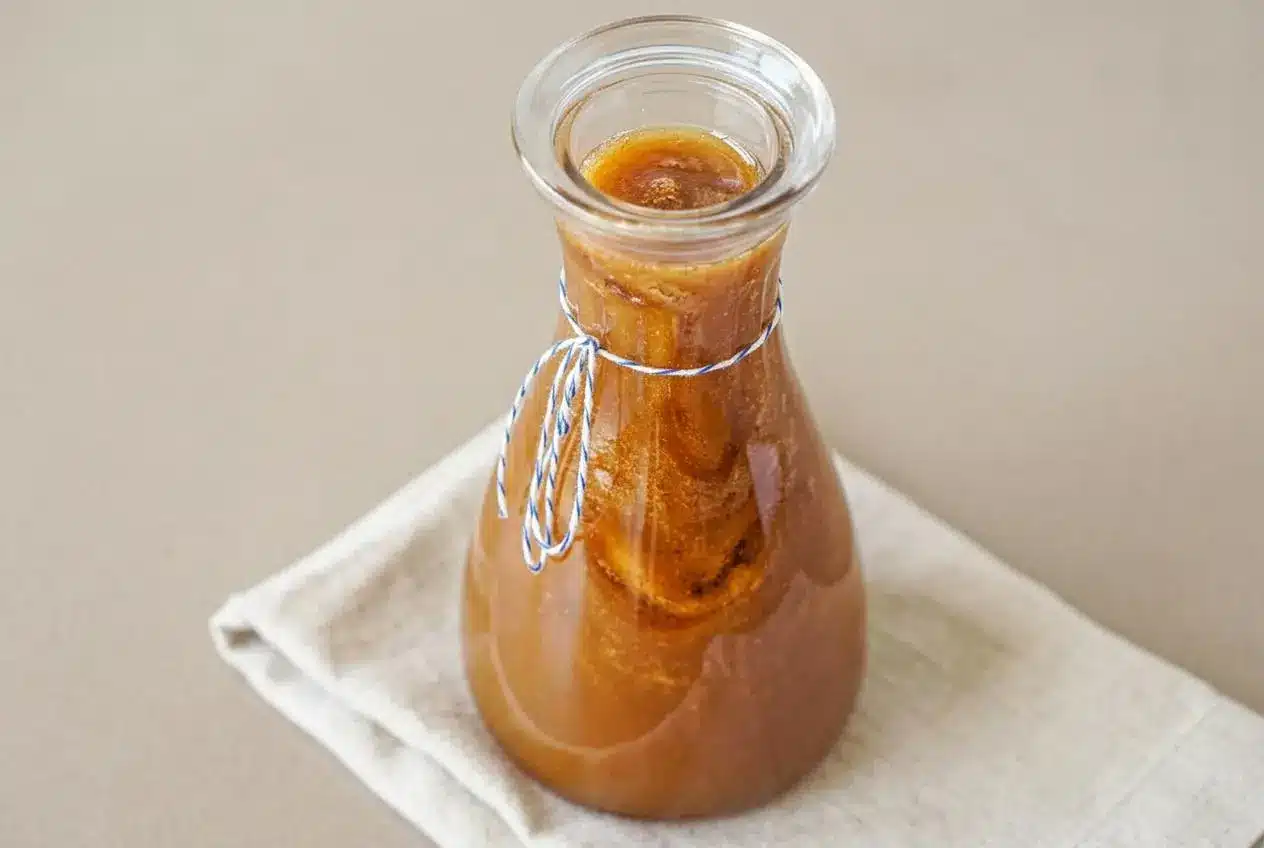
That perfect sticky spoon-coat: When the mango pectin and sugar reduce together, you get a glossy Mango chutney that clings to cheese, roasted meats, and warm naan like it was meant to be there.
Ingredients and Substitutions

These ingredients build layers, aromatics for lift, spices for warmth, mangoes for body, and sugar plus vinegar for that classic sweet-tangy balance.
Ingredients
- 1 tablespoon cooking oil
- 2 teaspoons fresh ginger, finely minced
- 2 cloves garlic, finely minced
- 1 red chili, sliced
- 2 teaspoons whole nigella seeds
- 1 teaspoon ground coriander
- 1/2 teaspoon ground cumin
- 1/4 teaspoon turmeric
- 1/4 teaspoon ground cardamom
- 1/4 teaspoon ground cloves
- 1/4 teaspoon ground cinnamon
- 1/4 teaspoon salt
- 5 large mangoes, peeled and diced
- 2 cups white granulated sugar
- 1 cup white vinegar
Ingredient Notes & Substitutions
Cooking oil: The list says cooking oil, but I highly recommend ghee for the signature twist, it blooms spices with a rich, nutty aroma that neutral oils cannot match.
Mangoes: Champagne (Ataulfo) mangoes give the creamiest, sweetest base, while Tommy Atkins can work but often tastes a bit firmer and less floral.
White vinegar: Apple cider vinegar swaps in nicely for a fruitier tang, and it reads a little softer against the sugar without losing that chutney snap.
Texture add-ins: Golden raisins, dried cranberries, diced red onions, or shallots add little surprises in each bite, especially if you like chutney with chew and crunch.
White sugar: Brown sugar, honey, or agave nectar can bring caramel notes, but keep the balance in mind because sweetness is doing real thickening work here.
Fresh ginger and garlic: These are non-negotiable in my book, they cut through the sweetness and keep the chutney tasting lively instead of cloying.
How to Make Mango Chutney Recipe
Bloom the Aromatics and Spices
- Set a medium stock pot over medium-high heat and warm the oil until it shimmers, if you use ghee, wait for that gentle nutty scent.
- Add the minced ginger, garlic, and sliced red chili, then sauté for 1 minute until fragrant and just starting to soften.
- Stir in the nigella seeds, coriander, cumin, turmeric, cardamom, cloves, and cinnamon, then sauté for another minute until the spices smell toasty and the pot feels intensely aromatic, this is classic tempering spices, or tadka.
Add the Fruit, Sugar, and Vinegar
- Add the diced mangoes, sugar, salt, and vinegar, then stir well so the sugar begins dissolving and the mango gets evenly coated.
- Bring the mixture to a rapid boil, then immediately reduce the heat to medium-low so it settles into a steady, controlled simmer.
Simmer to a Sticky Chutney and Finish Bright
- Let it steady simmer for 1 hour, stirring now and then, you’ll see the mango soften, the bubbles turn glossy, and the sharp vinegar aroma mellow into something rounder.
- Remove from the heat and let it cool slightly, then immediately stir in a splash of fresh lime juice and a pinch of Kala Namak to wake up the acidity and add that subtle, savory umami.
- If you prefer smaller chunks, use a potato masher to mash the mixture to the desired consistency, I like stopping when it’s spoonable with a few mango nuggets left.
Chef’s Secrets for Perfect Consistency

The long simmer is not just tradition, it’s chemistry and patience. You’re cooking off harsh, volatile vinegar notes while sugar concentrates and mango pectin thickens everything into a spoon-coating syrup.
The best doneness cue is visual, not the clock. When you drag a spoon through the pot, the chutney should look glossy and thick, and it should coat the back of the spoon instead of sliding off like juice.
If your chutney seems runny at the 1-hour mark, it usually just needs more reduction, meaning more water has to evaporate so the sugar can do its thickening job. The science behind sugar and natural mango pectin to reduce and thicken properly explains why patience wins here.
For holiday gifting, this recipe scales well if you keep the same heat cues and use a wide pot for faster evaporation. I do big batches in two pots rather than one huge pot, which keeps the simmer steady and prevents scorching on the bottom.
Pro Tips & Troubleshooting
Pro Tips
- That one-minute spice toast in fat is everything, tempering spices (tadka) pulls out fat-soluble flavor compounds you cannot get by simply boiling spices in vinegar.
- A few days in the fridge transforms the flavor, the vinegar mellows, the spices round out, and the chutney tastes more cohesive and “finished.”
- A potato masher gives you control, mash during cooking for a jammy texture, or mash after cooling for a chunkier, more relish-like bite.
Common Mistakes to Avoid
- Using hard, underripe mangoes leads to a flatter, tart batch because there isn’t enough natural sweetness to balance the vinegar.
- Stopping the simmer too early leaves it watery, the goal is sticky, glossy, and syrupy, not soupy.
- Skipping ginger and garlic makes the sweetness feel heavy, those aromatics are the backbone that keeps Mango chutney tasting bright.
If you end up with mangoes that are not quite sweet enough, freezing them for a mango smoothie saves the fruit and keeps breakfast happy.
Serving & Storage

Serving Ideas
Spoon it over warm brie or a block of cream cheese, then add crackers and toasted nuts. The sweet, tangy chutney cuts through rich dairy like a charm.
It’s a natural with Chicken Tikka Masala or biryani, and it also shines next to a savory wild rice pilaf when you want something hearty but balanced.
For weeknight magic, brush it onto roasted pork loin, grilled chicken, or baked salmon in the last minutes of cooking so it turns lacquered and glossy.
Inside a grilled cheese or a chicken wrap, it’s instant flavor, and the warm spices pair beautifully with chicken shawarma flavors too.
Storage & Make-Ahead
Once cooled, store chutney in a clean jar in the refrigerator, and always use a clean spoon to keep it fresh. In my experience it keeps well for about 2 weeks, and the flavor often improves after day two.
For longer storage, freeze it in small containers so you can thaw only what you need. Thaw overnight in the fridge, then stir well because it can look a little separated at first.
If you want pantry-stable jars, water bath canning is the right approach for high-acid preserves like this. The water bath canning instructions and safety tips from the National Center for Home Food Preservation keep the process grounded in safety, especially around jar prep and proper processing.

Mango Chutney Recipe

Equipment
- Medium stock pot
- Potato masher
Ingredients
- 1 tablespoon cooking oil
- 2 teaspoons fresh ginger finely minced
- 2 cloves garlic finely minced
- 1 red chili sliced
- 2 teaspoons whole nigella seeds
- 1 teaspoon ground coriander
- 1/2 teaspoon ground cumin
- 1/4 teaspoon turmeric
- 1/4 teaspoon ground cardamom
- 1/4 teaspoon ground cloves
- 1/4 teaspoon ground cinnamon
- 1/4 teaspoon salt
- 5 large mangoes peeled and diced
- 2 cups white granulated sugar
- 1 cup white vinegar
Instructions
Bloom the Aromatics and Spices
- Set a medium stock pot over medium-high heat and warm the oil until it shimmers. If you use ghee, wait for that gentle nutty scent.
- Add the minced ginger, garlic, and sliced red chili, then sauté for 1 minute until fragrant and just starting to soften.
- Stir in the nigella seeds, coriander, cumin, turmeric, cardamom, cloves, and cinnamon. Sauté for another minute until the spices smell toasty and the pot feels intensely aromatic.
Add the Fruit, Sugar, and Vinegar
- Add the diced mangoes, sugar, salt, and vinegar. Stir well so the sugar begins dissolving and the mangoes get evenly coated.
- Bring the mixture to a rapid boil, then immediately reduce the heat to medium-low so it settles into a steady, controlled simmer.
Simmer to a Sticky Chutney and Finish Bright
- Let it steady simmer for 60 minutes, stirring occasionally. You will see the mango soften, the bubbles turn glossy, and the sharp vinegar aroma mellow into something rounder.
- Remove from the heat and let it cool slightly. Immediately stir in a splash of fresh lime juice and a pinch of Kala Namak to wake up the acidity and add a subtle, savory umami.
- If you prefer smaller chunks, use a potato masher to mash the mixture to your desired consistency, stopping when it is spoonable with a few mango nuggets left.
Notes
Nutrition
Final Thoughts on Your Homemade Chutney
Homemade mango chutney is one of those small kitchen projects that pays you back all week, sweet, tangy, and deeply spiced, with that ghee-bloomed warmth and the bright lime finish.
If you enjoyed the rhythm of fruit and acidity turning into something spoonable, the cranberry relish recipe scratches a similar homemade-condiment itch with a different kind of zing.
If you put your own spin on it, raisins, shallots, a different vinegar, I’d love to hear what you served it with and how that finishing pinch of Kala Namak treated you.