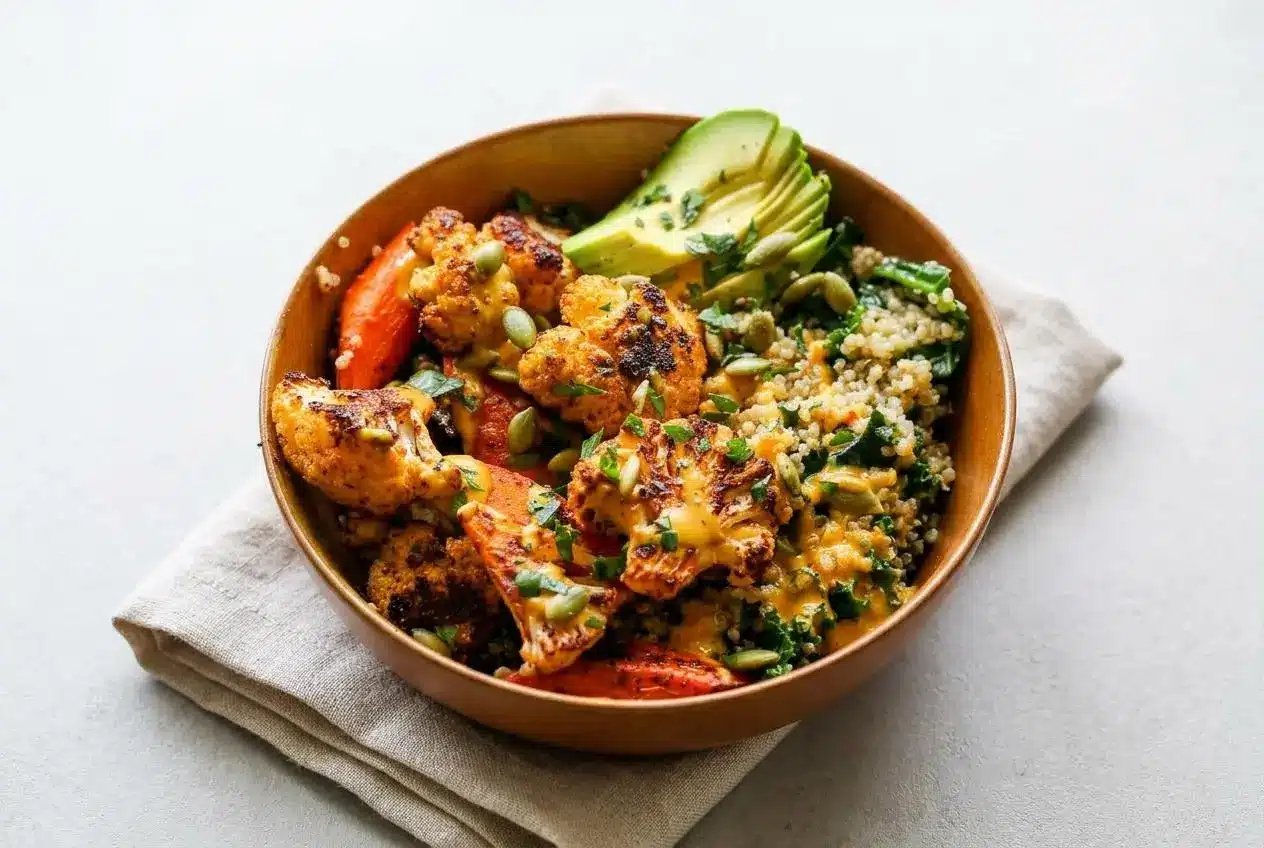
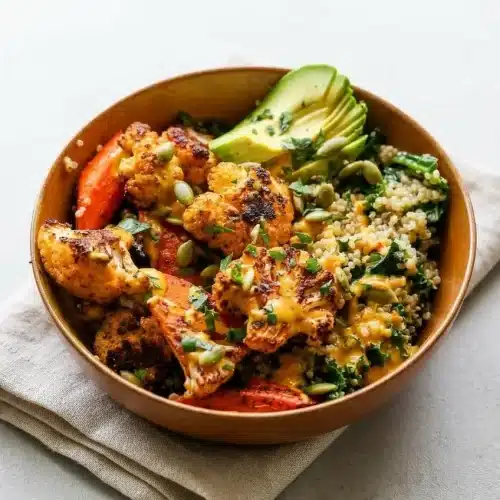
Roasted Veggie Glow Bowls are a customizable bowl meal with fluffy quinoa, caramelized vegetables, tender kale, and a creamy golden tahini dressing, all ready in about 40 minutes.
These bowls are built on the kind of balance that makes dinner feel satisfying: warm roasted vegetables, a hearty grain base, creamy avocado, crunchy seeds, and a sauce that pulls everything together.
They’re great for weeknights, easy to adapt, and especially good when you want a meal that feels both cozy and bright. The browned edges on the veggies are worth paying attention to.
For the best color and caramelization, spread the vegetables in a single layer and use a second pan if they start crowding each other.
What Are Roasted Veggie Glow Bowls?
A glow bowl is an all-in-one meal built from a few smart components: a grain, vegetables, a creamy or punchy dressing, and often something fresh or crunchy on top. It’s very close to what many people call a buddha bowl or nourish bowl.
In this version, quinoa forms the base, roasted cauliflower and carrots bring earthy sweetness, kale adds body, and the golden tahini dressing gives the bowl its creamy, savory finish. You can keep it as written or treat it like a flexible template for lunches and easy dinners.
Ingredients You’ll Need
Each ingredient earns its place here, adding color, texture, creaminess, warmth, crunch, or balance so the bowl tastes layered instead of flat.
For the Roasted Veggies and Quinoa
- 1 medium head cauliflower, cut into florets (about 6 cups total)
- 3 large carrots, peeled and sliced at a diagonal into 1-inch chunks
- 3 Tbsp. extra-virgin olive oil, divided
- 1 tsp. smoked paprika
- 1 tsp. garlic powder
- 1/2 tsp. ground cumin
- 1/2 tsp. kosher salt
- 1/4 tsp. black pepper
- 1 cup dry quinoa
- 2 cups vegetable broth
- 4 packed cups chopped fresh kale
- 1/4 cup roasted pumpkin seeds
- 1 ripe avocado, sliced
- Optional garnishes: chopped fresh parsley, pickled red onion
For the Golden Tahini Dressing
- 1/4 cup tahini, well-stirred
- 1 Tbsp. sherry vinegar (sub apple cider vinegar)
- 1 Tbsp. maple syrup
- 2 tsp. chili garlic sauce
- 1/2 tsp. curry powder
- 1/4 tsp. ground turmeric
- 1/4 tsp. kosher salt, or more to taste
Cauliflower and carrots roast into the hearty part of the bowl, while quinoa keeps it substantial without feeling heavy. Smoked paprika, garlic powder, and cumin give the vegetables a warm, savory edge. Tahini makes the dressing creamy, sherry vinegar brightens it, maple syrup rounds it out, and turmeric gives it that rich golden color.
I always stir tahini really well before measuring because the separated oil can throw off the texture of the dressing.
How to Make Roasted Veggie Glow Bowls (Step-by-Step)
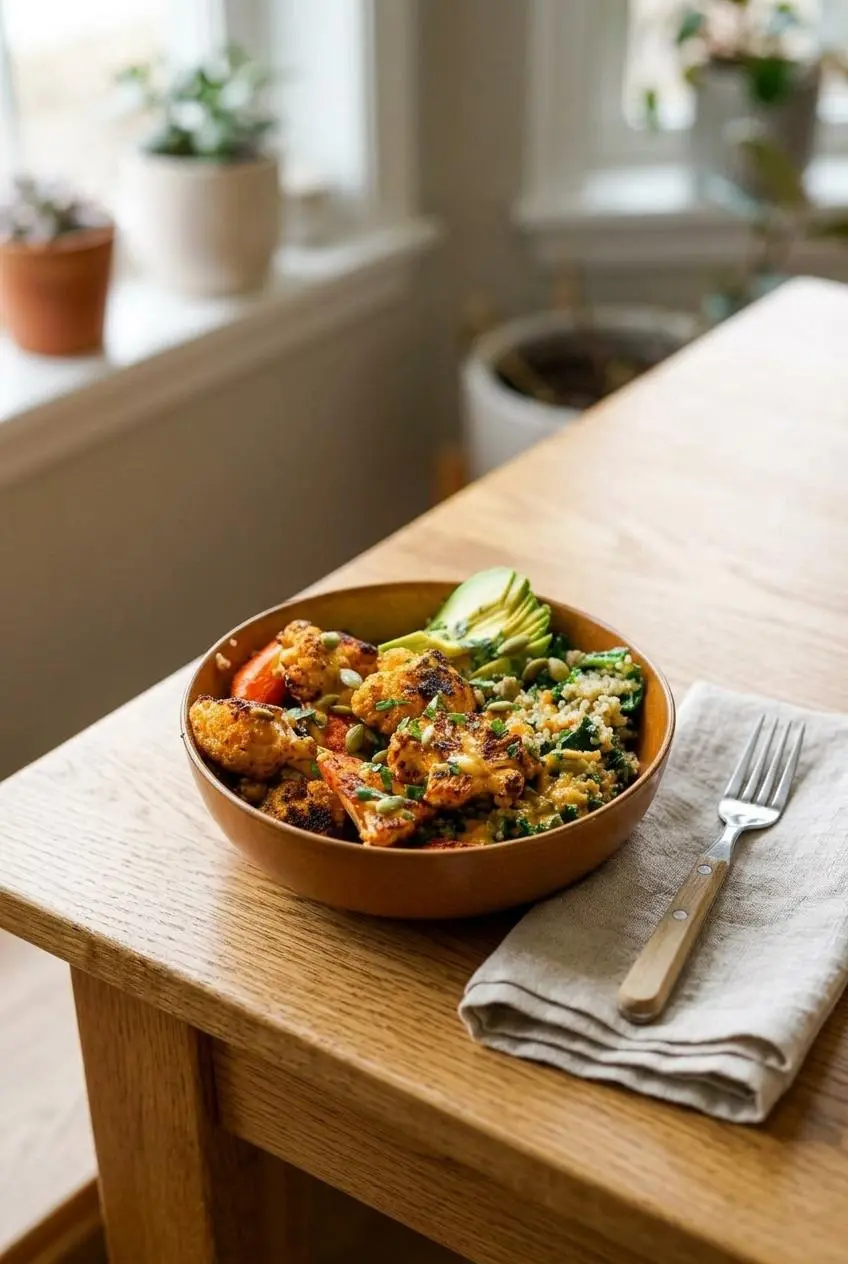
This recipe works best when you think of it in three parts: roast, simmer, whisk. Once those are ready, the bowls come together fast and the aroma of the warm spiced vegetables with the nutty dressing is incredibly comforting.
- Heat the oven to 425°F, then place the cauliflower and carrots on a large rimmed baking sheet and toss them with 2 Tbsp. olive oil, smoked paprika, garlic powder, cumin, salt, and black pepper.
The vegetables should look evenly coated, with spices clinging to the surfaces instead of pooling on the pan. - Roast the vegetables for 25 to 30 minutes, turning them once about halfway through cooking.
Look for deeply browned, caramelized edges and tender centers rather than pale or steamy vegetables. - While the vegetables roast, combine the quinoa and vegetable broth in a medium saucepan over medium-high heat and bring it to a boil, then reduce the heat, cover, and simmer gently for 15 minutes.
When the liquid is absorbed, the grains should look fluffy and separate instead of wet. - Take the quinoa off the heat, stir in the kale and remaining 1 Tbsp. olive oil, then cover and let it stay warm until serving.
The residual heat will soften the kale so it turns tender and glossy without losing all its color. - In a bowl, stir together the tahini, sherry vinegar, maple syrup, chili garlic sauce, curry powder, turmeric, and salt, then whisk in water 1 Tbsp. at a time until the dressing loosens.
It may thicken and look seized at first, but keep whisking and it will turn smooth, creamy, and pourable. - Divide the quinoa and kale mixture among four bowls, top with the roasted vegetables and avocado, then drizzle with dressing and finish with pumpkin seeds and any optional garnishes.
The finished bowl should have a mix of creamy, crunchy, warm, and fresh elements in every bite.
If your quinoa looks done a little early, keep the lid on and let it stand off the heat for a few minutes. That gentle rest helps the grains steam and fluff up nicely.
Tips for the Best Glow Bowls
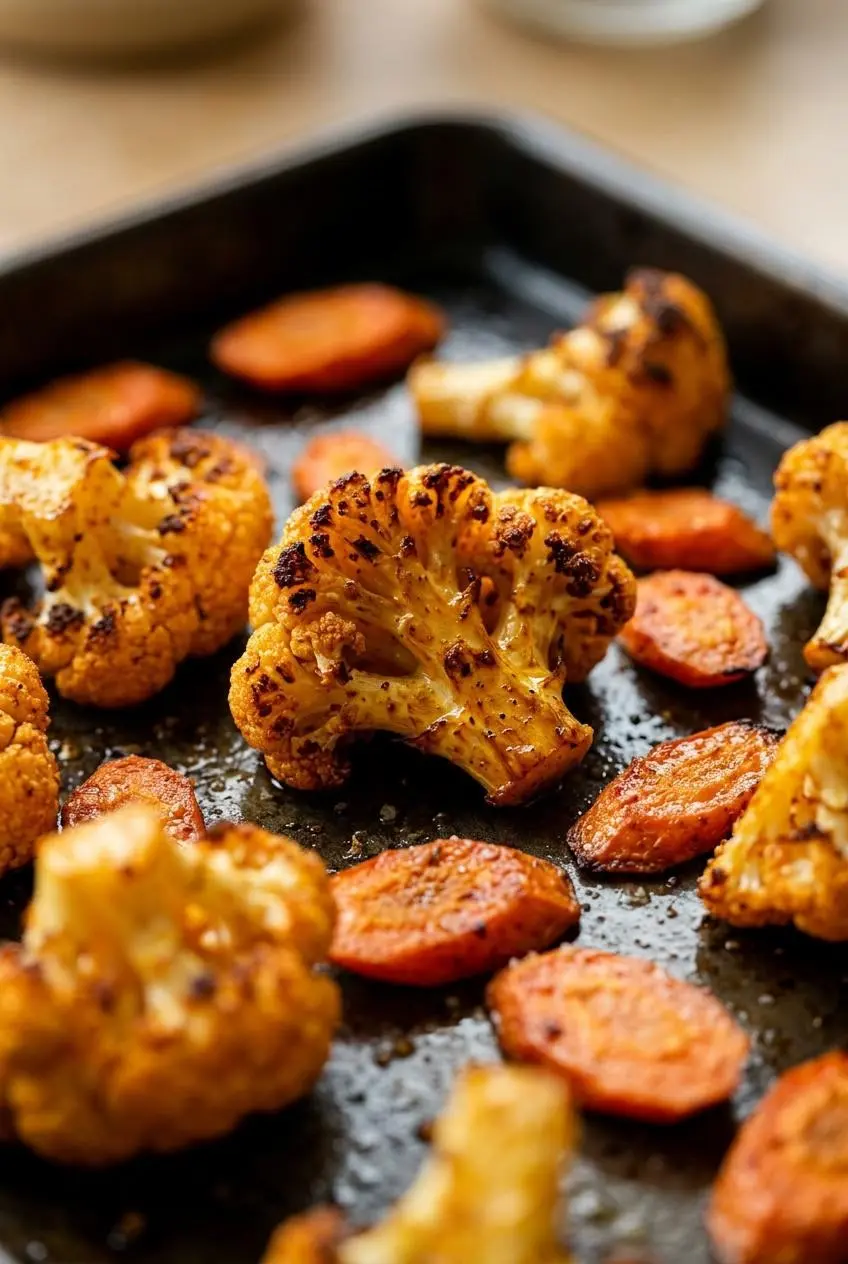
Small technique choices make a huge difference here, especially if you want browned vegetables and a dressing that stays silky instead of stubborn.
The Science of the Perfect Roast
High heat matters because it drives off surface moisture quickly and helps the vegetables brown instead of soften into a dull, watery pile. That’s why 425°F works so well for cauliflower and carrots in this bowl.
Spacing matters just as much. If the vegetables are touching too much, they trap steam and never get those dark, caramelized edges. Use two sheet pans if needed. Also, pat vegetables dry after washing so the oil and spices can coat them properly.
Roasting directly on the metal pan usually gives better browning than lining it, which is helpful when you want a little char and crispness. And don’t skip the halfway toss. It keeps the roast even and prevents one side from doing all the work.
Troubleshooting Your Glow Bowl
| Problem | Likely Cause | Easy Solution |
|---|---|---|
| Soggy vegetables | The pan was crowded or the vegetables were damp. | Spread them out in one layer, pat them dry first, and use a second pan if needed. |
| Mushy quinoa | It cooked too long or sat uncovered while still wet. | Stop cooking once the liquid is absorbed, then let it rest covered so the grains finish steaming gently. |
| Bitter tahini sauce | The tahini brand is stronger or more bitter than expected. | Balance it with a touch more maple syrup or a little extra acid until the flavor tastes rounder. |
| Seized or clumpy tahini sauce | The water went in too quickly. | Keep whisking and add water gradually. Tahini often tightens before it smooths out. |
If kale tastes a bit too sturdy for you, massage it with a little olive oil before adding it, or simply let the hot quinoa wilt it longer under the lid. That softens the leaves and mellows some of the bitterness.
Variations and Customizations
Once you know the structure of the bowl, it becomes easy to adjust based on the vegetables, grain, protein, or sauce you’re in the mood for.
Try Different Vegetables
The best substitutes are vegetables that can handle high heat and still keep some texture. Use this roasting guide to mix things up while keeping the same general feel.
| Vegetable | Prep Tip | Approx. Roasting Time at 425°F |
|---|---|---|
| Sweet potatoes | Cut into 1-inch cubes for even roasting. | 25 to 30 minutes |
| Broccoli | Cut into medium florets and keep stems in smaller pieces. | 20 to 25 minutes |
| Brussels sprouts | Halve them so the cut sides can brown well. | 25 to 30 minutes |
| Red onion | Cut into wedges so it stays tender and jammy. | 20 to 25 minutes |
| Cauliflower | Keep florets similar in size for even caramelization. | 25 to 30 minutes |
| Carrots | Slice on a diagonal into chunky pieces so they don’t dry out. | 25 to 30 minutes |
If sweet potatoes are calling your name, roasted sweet potatoes are an easy fit here and bring a softer, sweeter contrast to the savory dressing.
Sweet Potato and Brussels Sprout Variation
This is one of the most natural swaps for the bowl. Cut sweet potatoes into 1-inch cubes, halve the Brussels sprouts, and roast them on the same pan since their timing lines up well. You’ll get crisp edges from the sprouts and a creamy center from the potatoes, which works beautifully with tahini.
Add More Protein
If you want a more protein-forward bowl, add drained and rinsed chickpeas to the sheet pan during the last 15 minutes of roasting. Pat them dry first so they roast instead of steaming.
Baked tofu and shelled edamame both work well too. For a non-vegan option, grilled chicken fits the flavor profile nicely, and tahini chicken bowls are a good next move if you want to keep that same creamy sauce direction.
Experiment with Grains and Greens
Quinoa is great because it cooks quickly and stays light, but you can swap in brown rice, farro, or sorghum if you prefer a different chew or flavor. Just cook those grains separately according to their package directions, since liquid ratios and timing vary.
For the greens, spinach is the easiest sub and wilts quickly when stirred into a warm grain. You can also keep kale but massage it first if you prefer a softer texture from the start.
Creative Sauce Ideas
The golden tahini dressing is earthy, savory, and lightly sweet, but it can shift in a few directions without losing the spirit of the bowl. Add a little more chili garlic sauce for extra heat, or grate in fresh ginger if you want a brighter, zingier finish.
If you feel like changing course completely, try a creamy chickpea-based sauce in the style of a yumm sauce, or go lighter with a lemon-herb vinaigrette. A honey-mustard style tahini sauce also works well if you want sharper tang and a sweeter edge.
Add a Savory Crunch
For more texture, add an optional seed crumble made from toasted oats, sunflower seeds, hemp hearts, sesame seeds, smoked paprika, and nutritional yeast. It gives the bowl a toasty, savory crunch that contrasts nicely with the soft quinoa and creamy avocado.
The pumpkin seeds in the main recipe already do some of that work, but if you like making components from scratch, roasted pumpkin seeds are a great topping to keep on hand.
Meal Prep, Storage, and Reheating
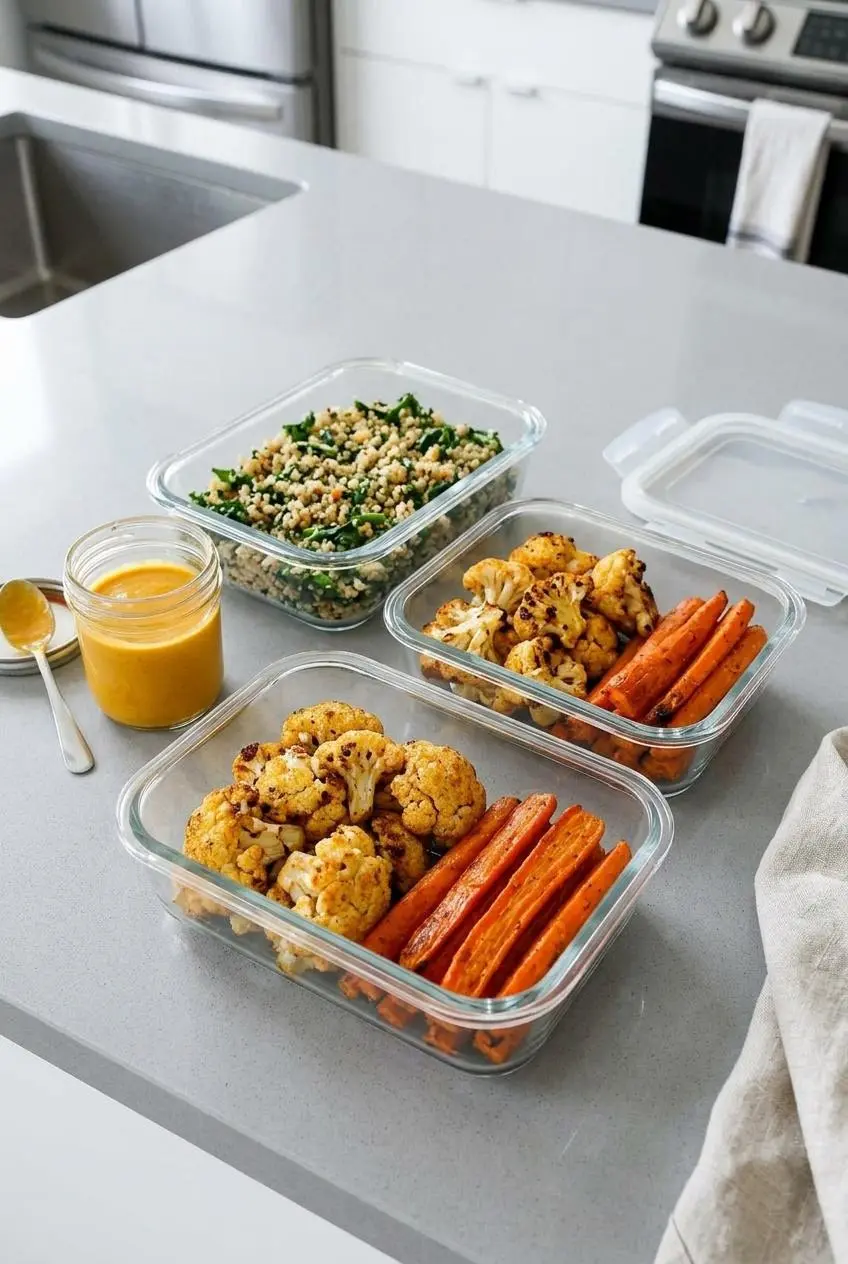
This bowl is especially good for meal prep because the parts hold up better when you keep them separate instead of building everything at once.
Your Weekly Mix-and-Match Meal Prep Plan
Prep the quinoa, roast the vegetables, and whisk the dressing ahead so all that’s left later is assembling. Keeping one fresh element or topping to change each day helps the bowls feel new instead of repetitive.
| Day | Base | Veggies | Protein | Sauce | Daily Twist |
|---|---|---|---|---|---|
| Day 1 | Quinoa and kale | Cauliflower and carrots | As written | Golden tahini | Add avocado and parsley |
| Day 2 | Quinoa and kale | Cauliflower and carrots | Roasted chickpeas | Golden tahini | Add pickled red onion |
| Day 3 | Quinoa and kale | Cauliflower and carrots | Baked tofu or edamame | Golden tahini | Add a scoop of hummus |
| Day 4 | Quinoa and kale | Cauliflower and carrots | Grilled chicken, if using | Golden tahini | Finish with extra herbs |
Storage and Reheating Tips
Store the quinoa and kale mixture, roasted vegetables, and dressing in separate airtight containers in the fridge for up to 4 days, and chill leftovers promptly for safe food storage and reheating. Wait to slice the avocado until serving so it stays fresh-looking and creamy.
For the best texture, reheat the quinoa and vegetables gently in the microwave or in a skillet until warmed through, then add the cold dressing and fresh toppings at the end. Keeping the dressing separate prevents the vegetables from softening too much and helps the bowl keep its contrast.
Conclusion
These bowls work because they hit every good texture at once: fluffy quinoa, tender kale, deeply roasted vegetables, creamy avocado, crunchy seeds, and a dressing that ties it all together.
If you remember one trick, make it this one: don’t crowd the pan. Give the vegetables space, and the whole bowl gets better from the first bite to the last.
Frequently Asked Questions (FAQ)
How do I keep my roasted vegetables from getting soggy?
Use high heat, keep the vegetables in a single layer, and make sure they’re dry before they go on the pan. If the sheet pan looks crowded, split everything between two pans. Roasting directly on the metal pan also helps the edges brown better.
My tahini sauce seized up and got pasty. What did I do wrong?
Probably nothing. Tahini often tightens up the moment liquid is added. Keep whisking and add water slowly, 1 Tbsp. at a time, until the sauce loosens into a smooth, creamy texture.
Can I use frozen vegetables for this recipe?
Yes, though they usually won’t get quite as crisp as fresh vegetables. Roast them straight from frozen and give them plenty of space on the pan so extra moisture can evaporate more easily.
What is the best way to store leftovers for meal prep?
Keep the components separate: grain and kale in one container, vegetables in another, and dressing on its own. Assemble just before eating, and add avocado at the last minute for the best texture and freshness.
My tahini sauce is bitter, how can I fix it?
Tahini brands vary a lot, so some taste more bitter than others. Balance the flavor with a little more maple syrup for sweetness or a bit more vinegar or lemon juice for brightness until the sauce tastes smoother and rounder.
Is a ‘glow bowl’ the same as a ‘buddha bowl’?
Usually, yes. Glow bowl, buddha bowl, and nourish bowl are often used for the same kind of meal. The idea is a bowl built from grains, vegetables, a dressing, and sometimes extra protein or crunchy toppings.
Roasted Veggie Glow Bowls

Equipment
- Large, rimmed baking sheet
- Medium saucepan
- Mixing Bowls
Ingredients
For the Roasted Veggies and Quinoa
- 1 medium head cauliflower, cut into florets (about 6 cups total)
- 3 large carrots, peeled and sliced at a diagonal into 1-inch chunks
- 3 Tbsp. extra-virgin olive oil, divided
- 1 tsp. smoked paprika
- 1 tsp. garlic powder
- 1/2 tsp. ground cumin
- 1/2 tsp. kosher salt
- 1/4 tsp. black pepper
- 1 cup dry quinoa
- 2 cups vegetable broth
- 4 packed cups chopped fresh kale
- 1/4 cup roasted pumpkin seeds
- 1 ripe avocado, sliced
- Optional garnishes: chopped fresh parsley, pickled red onion
For the Golden Tahini Dressing
- 1/4 cup tahini, well-stirred
- 1 Tbsp. sherry vinegar (sub apple cider vinegar)
- 1 Tbsp. maple syrup
- 2 tsp. chili garlic sauce
- 1/2 tsp. curry powder
- 1/4 tsp. ground turmeric
- 1/4 tsp. kosher salt, or more to taste
Instructions
- Heat the oven to 425°F, then place the cauliflower and carrots on a large rimmed baking sheet and toss them with 2 Tbsp. olive oil, smoked paprika, garlic powder, cumin, salt, and black pepper. The vegetables should look evenly coated, with spices clinging to the surfaces instead of pooling on the pan.
- Roast the vegetables for 25 to 30 minutes, turning them once about halfway through cooking. Look for deeply browned, caramelized edges and tender centers rather than pale or steamy vegetables.
- While the vegetables roast, combine the quinoa and vegetable broth in a medium saucepan over medium-high heat and bring it to a boil, then reduce the heat, cover, and simmer gently for 15 minutes. When the liquid is absorbed, the grains should look fluffy and separate instead of wet.
- Take the quinoa off the heat, stir in the kale and remaining 1 Tbsp. olive oil, then cover and let it stay warm until serving. The residual heat will soften the kale so it turns tender and glossy without losing all its color.
- In a bowl, stir together the tahini, sherry vinegar, maple syrup, chili garlic sauce, curry powder, turmeric, and salt, then whisk in water 1 Tbsp. at a time until the dressing loosens. It may thicken and look seized at first, but keep whisking and it will turn smooth, creamy, and pourable.
- Divide the quinoa and kale mixture among four bowls, top with the roasted vegetables and avocado, then drizzle with dressing and finish with pumpkin seeds and any optional garnishes. The finished bowl should have a mix of creamy, crunchy, warm, and fresh elements in every bite.