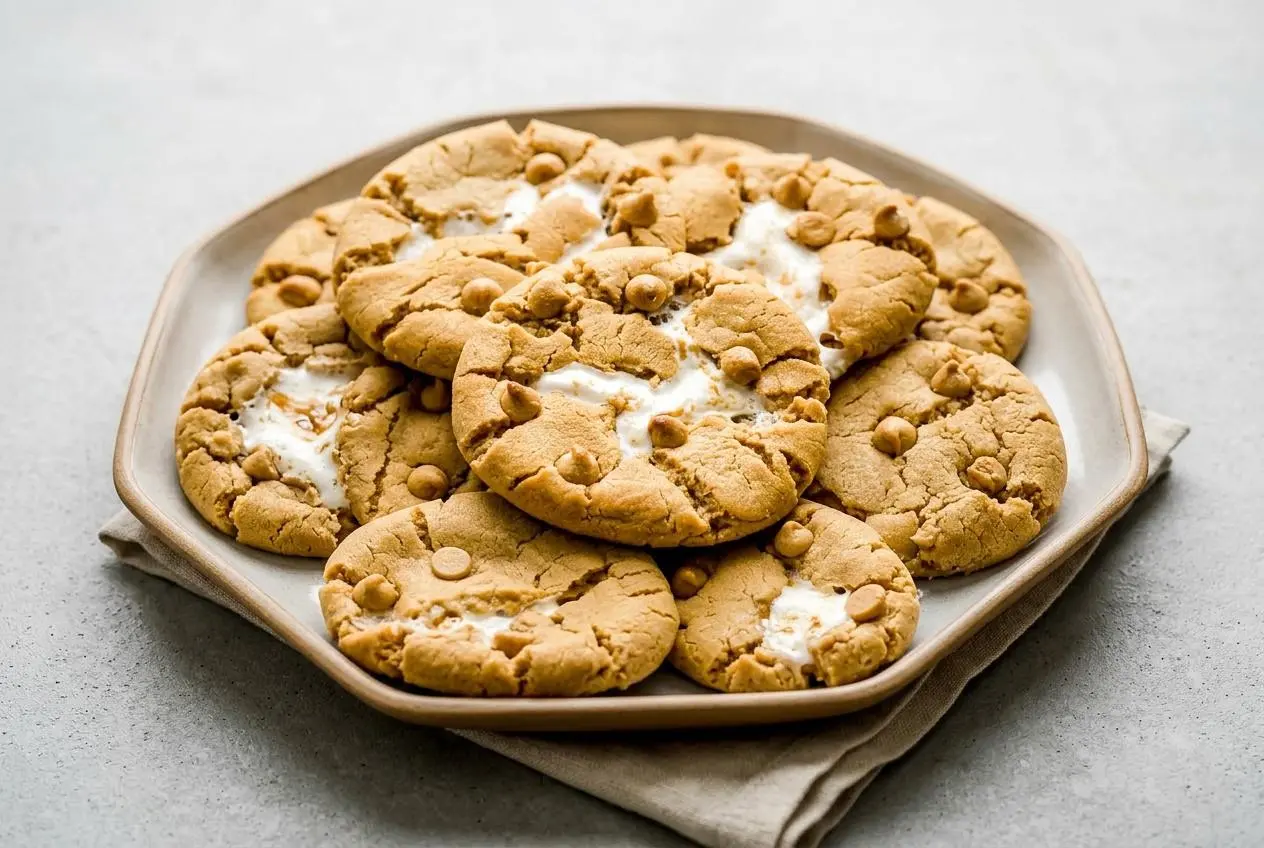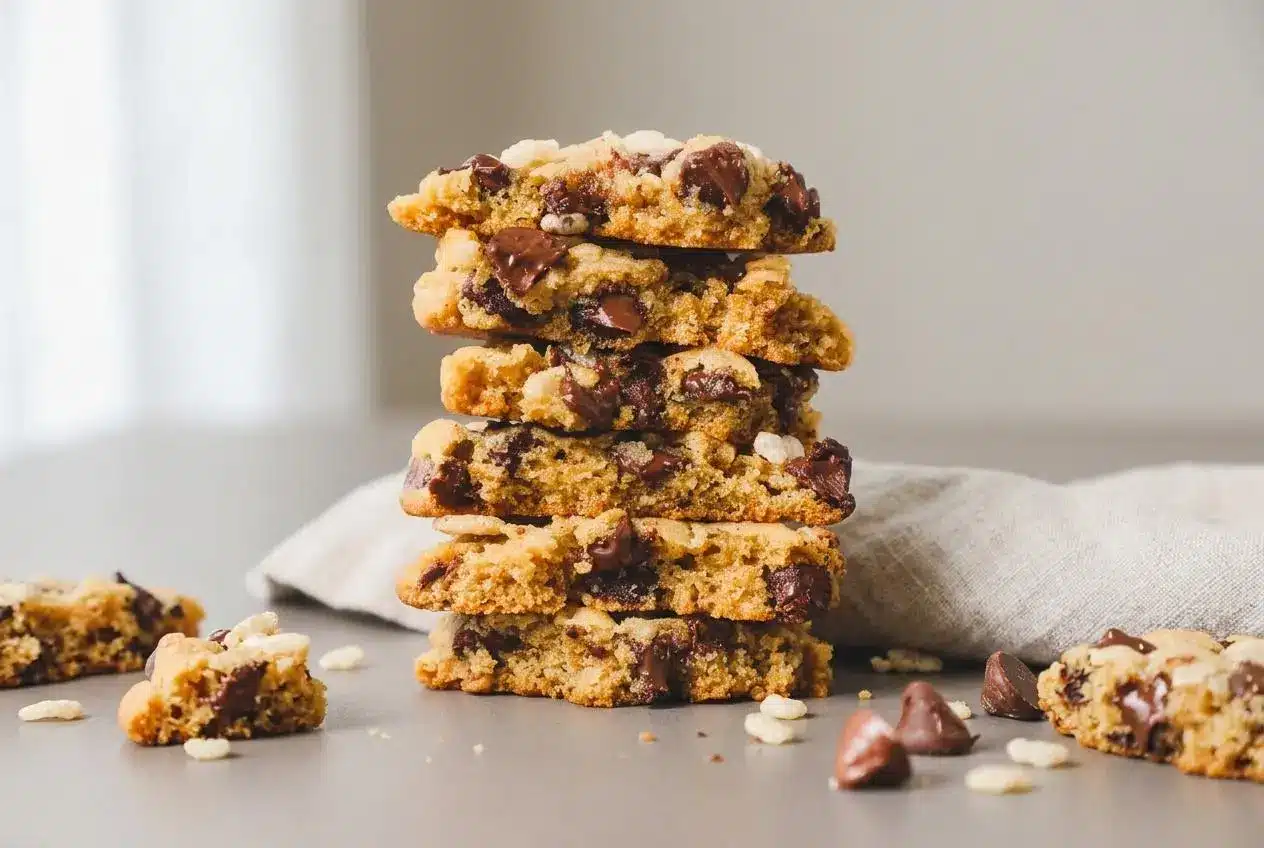
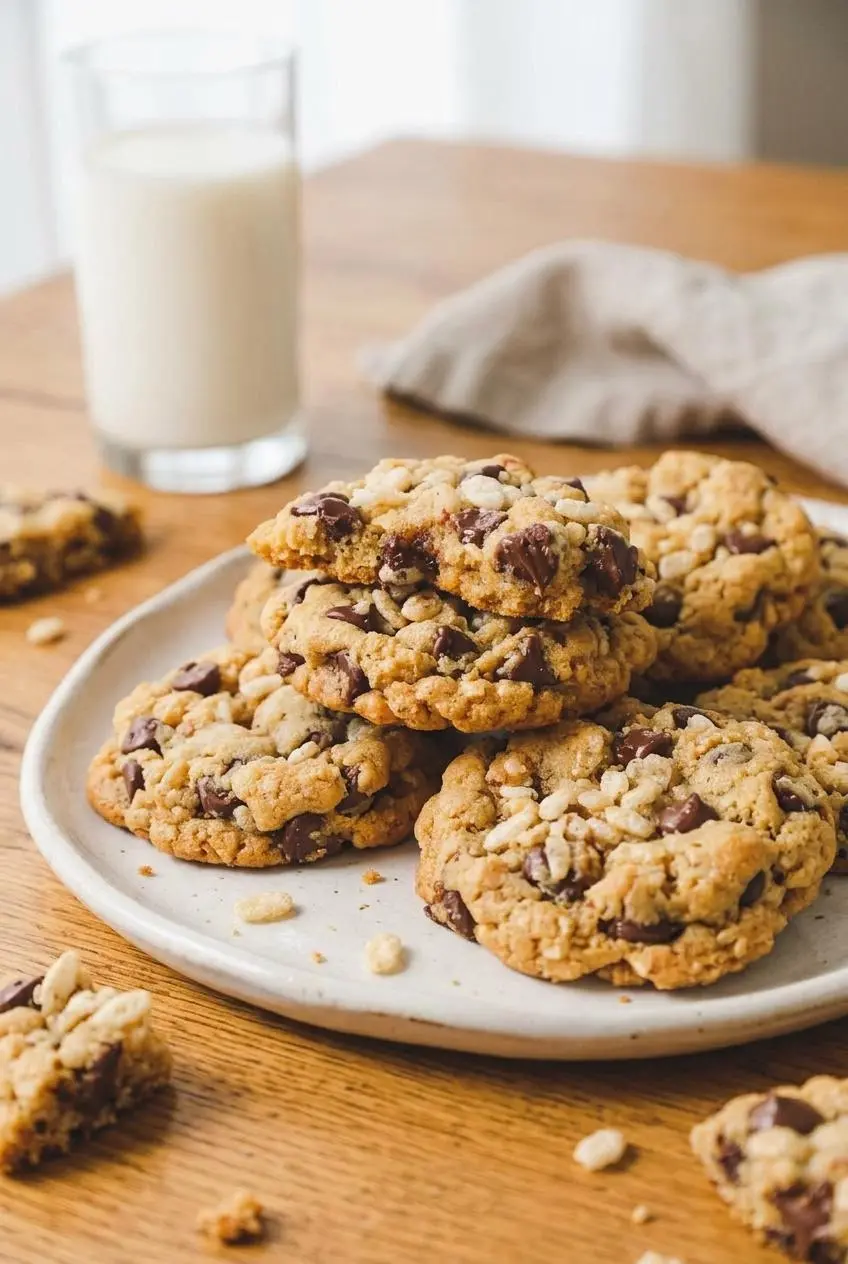
These rice krispie chocolate chip cookies combine buttery cookie dough, semi-sweet chocolate, and crispy rice cereal for chewy centers with a light crunch. Prep takes 10 minutes, and each sheet bakes at 350°F for 8 to 9 minutes.
Warm chocolate pockets and crackly rice cereal give these drop cookies two very different textures in one bite. The dough follows a familiar chocolate chip cookie method, with the cereal folded in at the end.
You don’t need to wait for deeply browned cookies to get that satisfying contrast. A barely golden rim and a soft center are the cues that matter. Watch those edges.
Set out a large spoon before mixing so you can switch to gentle folding as soon as the cereal goes into the bowl.
Key Ingredients and Why They Work
Butter brings richness, the sugars balance chew and crispness, and flour and egg give the dough structure. Vanilla and salt round out the chocolate flavor, while the leaveners lift the crumb and crispy rice cereal adds airy crunch.
- ½ cup butter, softened
- ½ cup brown sugar
- ¼ cup granulated sugar
- 1 large egg
- ½ tsp vanilla extract
- ¾ tsp baking powder
- ½ tsp baking soda
- ½ tsp salt
- 1¼ cups all-purpose flour (175 grams)
- 1¼ cups Rice Krispies cereal
- 1 cup semi-sweet chocolate chips
Softened butter controls the starting texture. It should hold its shape while yielding to pressure. That consistency lets you blend it evenly with the sugars without turning the dough greasy. Melted butter changes how the dough behaves and can encourage excessive spreading.
Brown sugar and granulated sugar work together. The larger proportion of brown sugar contributes moisture and a mellow caramel flavor. Granulated sugar helps the edges develop a crisper bite. Keep both amounts as listed rather than replacing one with the other.
Fresh cereal makes a noticeable difference. Taste a piece before adding it. It should snap lightly, not bend or feel leathery. Baking won’t reliably restore stale cereal, and the cookie dough can’t hide a tired crunch.
Flour, egg, and leaveners build the cookie around the cereal. Flour provides structure, while the egg helps bind the dough. Baking soda contributes to spread and browning; baking powder adds lift. Measure the flour carefully, using the provided gram weight if you prefer a scale.
Chocolate, vanilla, and salt provide balance. Semi-sweet chips give rich chocolate pockets without making every bite overwhelmingly sweet. Vanilla supports the buttery flavor, and salt keeps the sugars and chocolate from tasting flat.
I look for a shallow fingertip dent in softened butter, with a little resistance underneath. If the butter collapses or looks oily, it’s softer than this dough needs.
How to Make Rice Krispie Chocolate Chip Cookies Step-by-Step
Mix the dough thoroughly before adding flour, then ease off. The final stage is about distributing the chocolate and cereal, not beating the dough smoother.
Yield: about 20 cookies. Prep: 10 minutes. Baking: 8 to 9 minutes per sheet. Have a large mixing bowl, cookie sheet, cookie scoop, large spoon, and wire cooling rack ready. If you bake the sheets separately, allow additional time for the remaining cookies.
- Set the oven to 350°F before beginning the dough.
Let it reach temperature so the cookies start baking in consistent heat. - Work the butter and both sugars together in a large mixing bowl until creamy.
The mixture should look evenly blended and slightly lighter, with no separate lumps of butter. - Mix the egg, vanilla, baking powder, baking soda, and salt into the butter mixture.
Scrape through the bowl as needed until the mixture looks uniform. - Stir in the flour, stopping as soon as it disappears into the dough.
The dough should hold together without visible dry patches. - Use a large spoon to fold the chocolate chips and Rice Krispies cereal through the dough.
Lift dough from the bottom and turn it over gently until the additions look evenly distributed and the cereal pieces remain mostly intact. - Arrange roughly 2-tablespoon portions on a cookie sheet, fitting about 12 with room between them, press each slightly flatter, and bake for 8 to 9 minutes.
Remove the sheet when the rims first show a faint light-brown color but the middles still look pale, soft, and unset.
Listen for a faint crackle as the spoon moves through the cereal. Use broad, gentle turns rather than pressing the dough against the bowl. Some pieces will break, but you don’t want to grind the cereal into crumbs.
The edge color should be subtle: a narrow, pale golden-brown rim rather than an evenly browned top. Chocolate chips may look glossy while the surrounding center still appears soft. Check near the earlier end of the baking range, especially if your oven tends to brown cookies quickly.
Leave the cookies on the hot sheet while they firm enough to move without folding or tearing, then transfer them to a wire rack. Residual heat continues setting the centers after the sheet leaves the oven. Moving them immediately can break them; leaving them on the pan until completely cool can make the bottoms firmer than intended.
Pro Tips and Troubleshooting
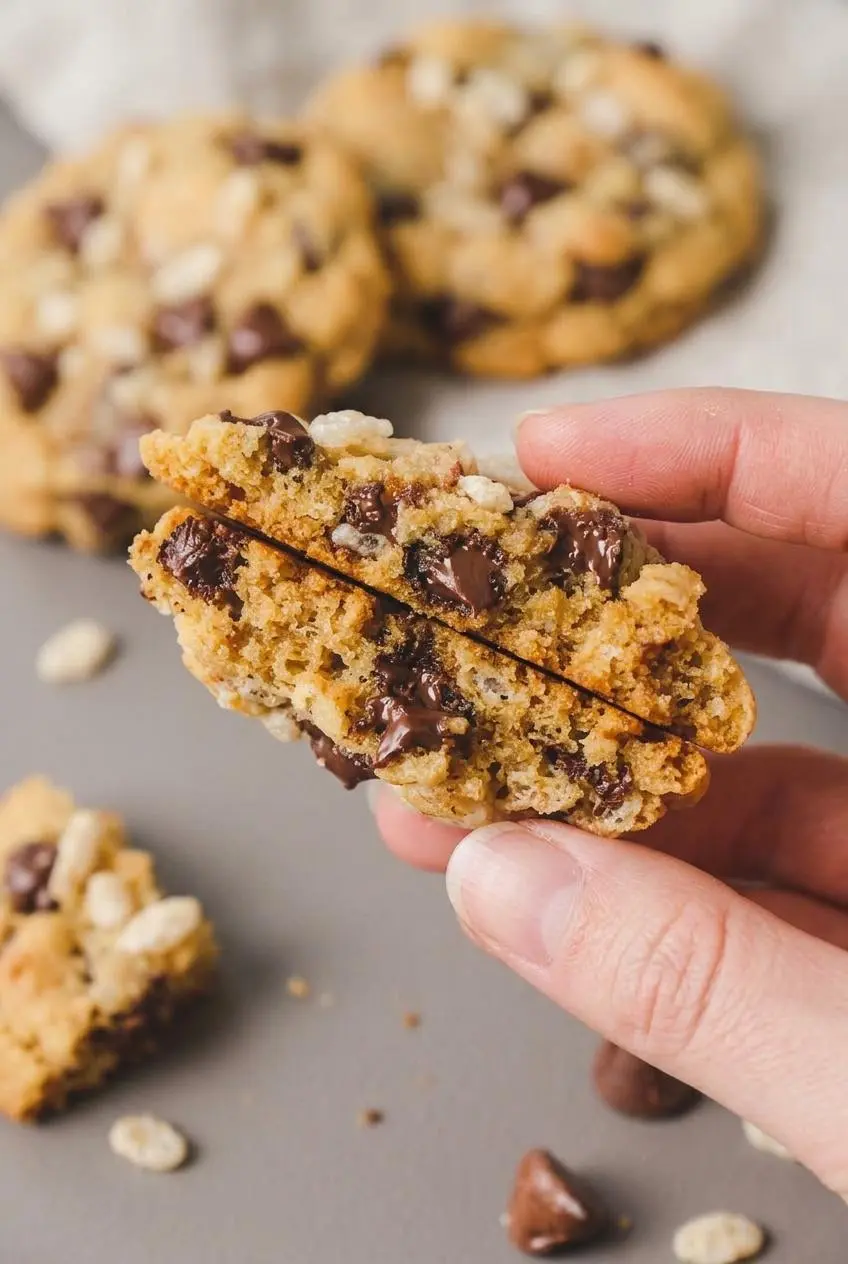
When the texture misses the mark, check butter consistency, flour measurement, and edge color before changing the recipe. Those details often explain more than adding extra ingredients.
- Dry or hard cookies: Waiting for the centers to look fully set can overbake the edges. Use the faintly browned rim as your stopping cue.
- Dense, floury dough: Packed flour can upset the balance. Spoon flour into the measuring cup and level it, or use the listed weight.
- Uneven chocolate and cereal: Folding only across the top leaves additions clustered together. Bring dough up from the bottom of the bowl with each turn.
- Cookies that tear during transfer: The centers are still too delicate to lift. Let them gain enough structure on the sheet before moving them.
How to Prevent Flat Cookies
Start with butter that feels pliable, not fluid. It should blend easily with sugar but shouldn’t leave an oily puddle in the bowl. If the dough looks shiny and unusually slack, avoid compensating by adding unmeasured flour, which can produce dry cookies.
- Thin cookies from the first sheet: Overly soft or melted butter can encourage excess spread. Check the butter’s consistency before mixing the next batch.
- Later batches spread more: A still-hot cookie sheet starts melting the dough before it enters the oven. Let the sheet cool before loading it again.
- Cookies run together: Crowded portions leave no room for spread. Fit about 12 only when the sheet allows clear space around each scoop.
Keep the portions consistent, too. A cookie scoop helps each cookie reach the same stage of doneness at roughly the same time. Flatten lightly rather than pressing the dough into thin disks.
Protecting Cereal Crispness
The cereal gives these cookies a delicate crunch, not a hard, brittle bite. Fresh pieces and gentle handling preserve that contrast best. Crushing the cereal removes its airy structure, while moisture from the surrounding cookie can gradually soften it.
- Little noticeable crunch: Stale cereal or aggressive mixing may be the cause. Start with crisp cereal and fold it in by hand.
- Soft cereal after storage: Trapped warmth can create condensation. Cool the cookies completely before closing the container.
- Crunchy but tough cookies: Extra baking won’t selectively crisp the cereal. Pull the cookies at the pale-edge stage rather than browning the whole cookie.
For an optional toasted flavor, gently stir the cereal in a dry skillet and watch closely for a warmer aroma. Let it cool completely before folding it into the dough. Think of this as a flavor variation, not a fix for stale cereal.
Tasty Flavor Variations
Keep the scratch version as written for the intended chewy-and-crisp balance. These optional alternatives change the character of the cookie, so treat them as separate experiments rather than required additions.
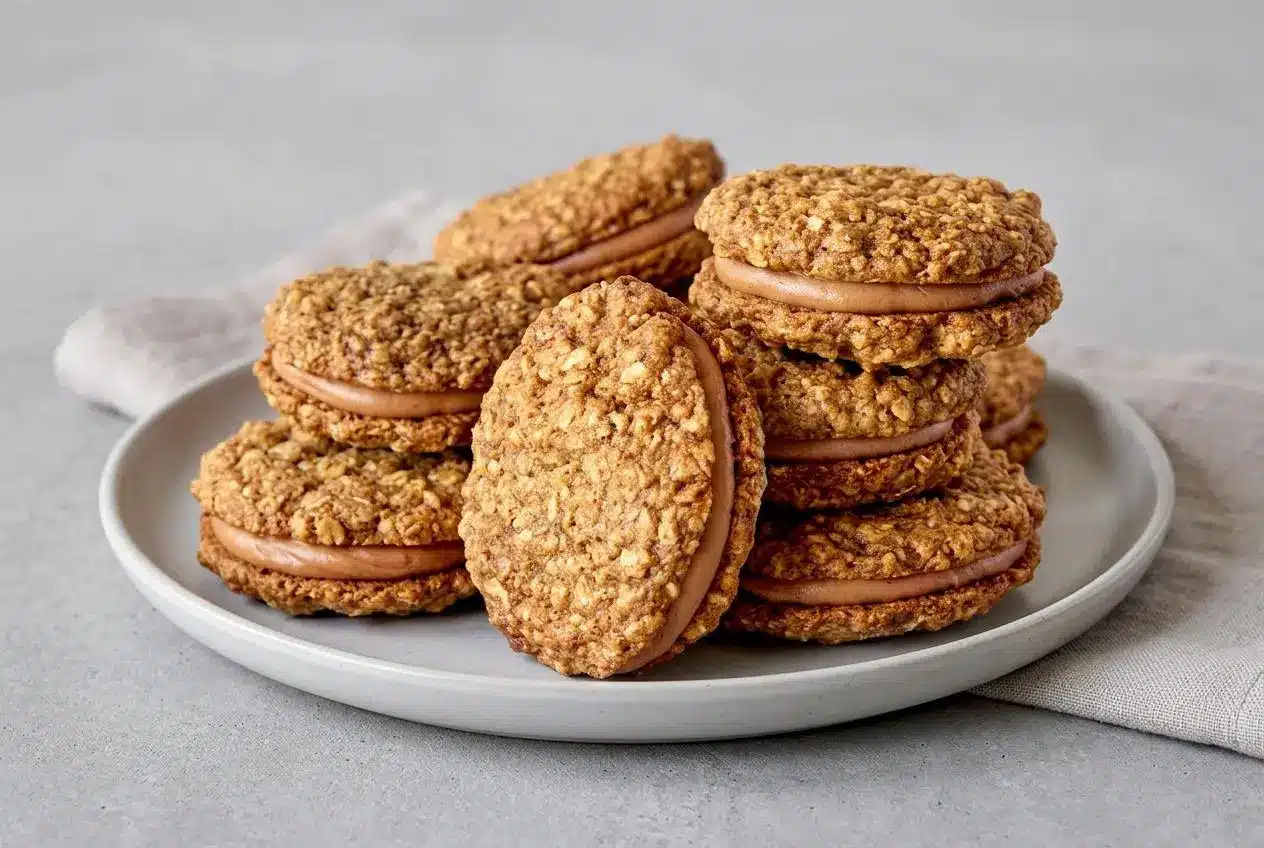
Hearty Oatmeal Crisp Variation
Rolled oats bring a more substantial chew alongside the light cereal crunch. They also absorb moisture and don’t behave like flour, so a casual cup-for-cup replacement can make the dough dry or alter its spread.
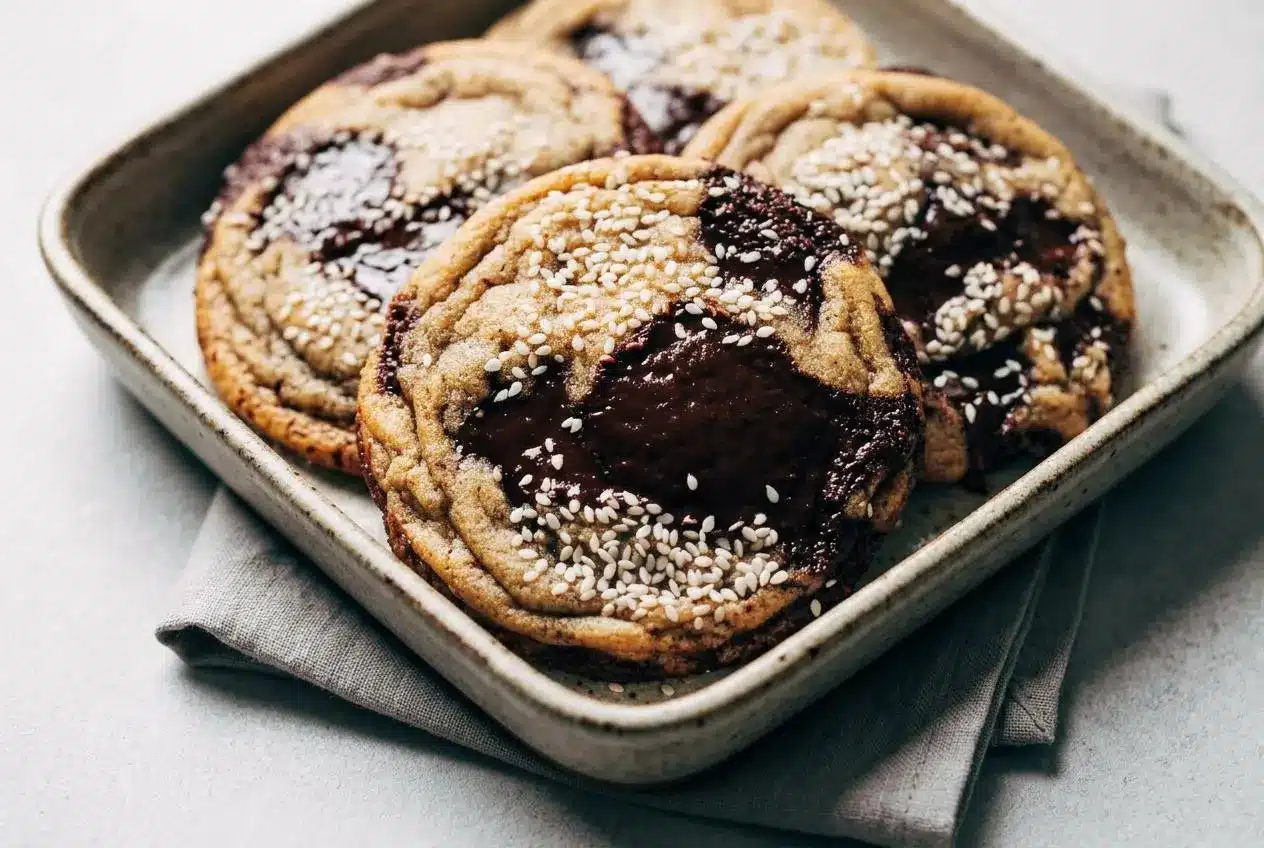
For a measured oat-based approach, use oatmeal chocolate chip cookies as your starting point rather than guessing at a flour swap here. Fold any cereal addition gently so the oats don’t encourage you to overwork the dough.
Two-Ingredient Prepared Dough Shortcut
Prepared refrigerated chocolate chip cookie dough and crispy rice cereal offer a quicker route when you don’t want to mix dough from scratch. Work the cereal in gently, keeping enough dough around the pieces for each portion to hold together.
Prepared doughs differ in firmness, sweetness, and spread, so there isn’t one dependable cereal ratio for every package. Follow the package’s portioning, oven temperature, and baking directions. The shortcut saves measuring, while the scratch version gives you control over the butter and sugar balance.
Toasted Pecan Crunch Edition
Finely chopped toasted pecans add a deeper nutty flavor and a firmer crunch than the airy cereal. Let them cool before adding them, then fold them in gently with the chocolate and cereal.
Keep the addition restrained so the dough can still hold together around the mix-ins. Large nut pieces make portioning awkward and can dominate the lighter cereal texture.
Storage and Prep Tips
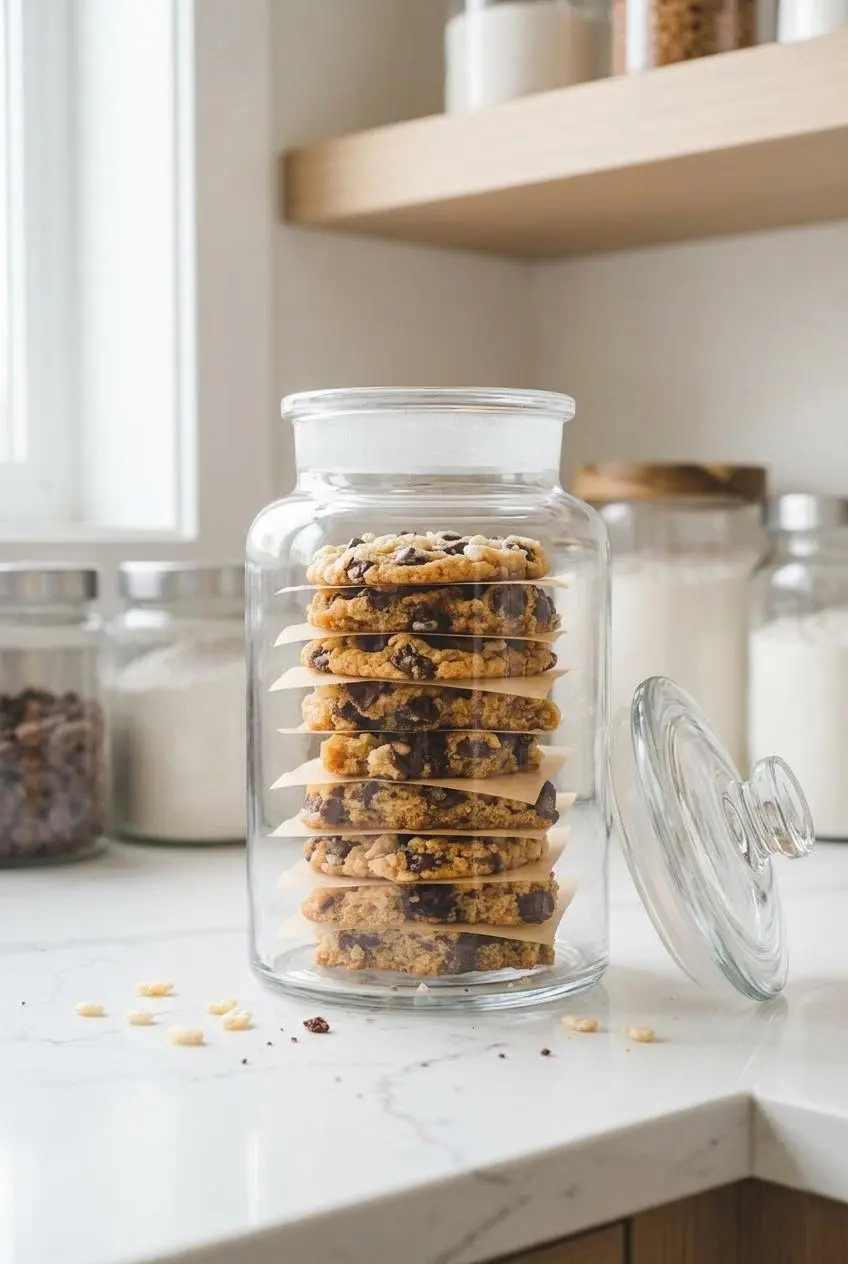
Cool the cookies completely before packing them. A closed container traps steam from warm cookies, which works against the cereal’s crisp texture.
Use a well-sealed container at room temperature, away from heat and moisture. If you stack the cookies, parchment between layers helps keep the chocolate from sticking to neighboring cookies. Keep them separate from moist baked goods that could soften the cereal.
For smoother preparation, measure the dry ingredients and set out the equipment before mixing. Keep the cereal separate until the final folding stage, and keep the egg refrigerated until needed. Wash hands and surfaces after contact with raw egg to reduce cross-contamination.
Serve warm cookies with cold milk, or let them cool enough to hold their shape before pairing them with vanilla bean ice cream. The cooler cookie gives you a clearer contrast between chewy crumb, chocolate, and cereal crunch.
Conclusion
These cookies bring buttery chew, melted chocolate, and a light cereal crunch together in a familiar drop-cookie dough. Gentle folding keeps the cereal from disappearing into crumbs.
Watch for that faintly golden rim, then let the hot sheet help the soft centers finish setting. Give them time to hold together, and enjoy the contrast in every bite.
Frequently Asked Questions
Do Rice Krispies Stay Crunchy After Baking in Cookies?
Yes, fresh Rice Krispies can keep a light crunch after baking. Fold them gently to preserve their airy structure, and cool the cookies completely before storing them in a sealed container. The crunch can soften as moisture moves through the cookie.
What Can I Prep Before Mixing the Dough?
Measure the ingredients, set out the mixing bowl and spoon, and get the cookie sheet ready. Keep the cereal separate until the final folding step and the egg refrigerated until needed. This keeps preparation organized without changing the dough’s texture.
Why Should I Pull the Cookies Out Before Centers Look Set?
The hot sheet continues setting the centers after baking. Waiting for the middles to look firm in the oven can leave the edges dry and hard. Follow the faintly browned edge cue, then allow the cookies to firm before transferring them.
Can I Use Store-Brand Crispy Rice Cereal Instead?
Yes, store-brand crispy rice cereal works here. Choose crisp, airy rice pieces rather than dense puffed grains, and check that they taste fresh before adding them. Freshness matters more than the name on the box.
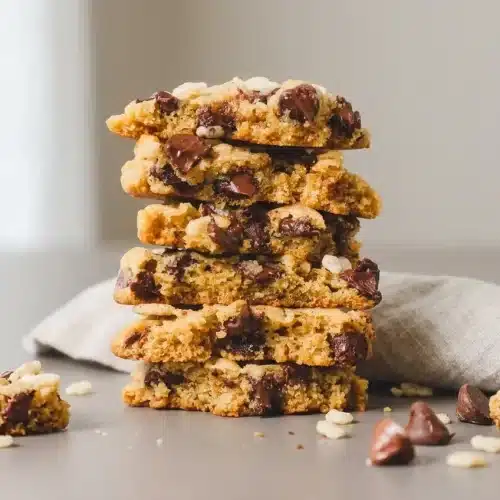
Rice Krispie Chocolate Chip Cookies

Equipment
- Large Mixing Bowl
- Cookie sheet
- Cookie Scoop
- Wire cooling rack
Ingredients
- ½ cup butter softened
- ½ cup brown sugar
- ¼ cup granulated sugar
- 1 large egg
- ½ tsp vanilla extract
- ¾ tsp baking powder
- ½ tsp baking soda
- ½ tsp salt
- 1¼ cups all-purpose flour (175 grams)
- 1¼ cups Rice Krispies cereal
- 1 cup semi-sweet chocolate chips
Instructions
- Set the oven to 350°F before beginning the dough. Let it reach temperature so the cookies start baking in consistent heat.
- Work the butter and both sugars together in a large mixing bowl until creamy. The mixture should look evenly blended and slightly lighter, with no separate lumps of butter.
- Mix the egg, vanilla, baking powder, baking soda, and salt into the butter mixture. Scrape through the bowl as needed until the mixture looks uniform.
- Stir in the flour, stopping as soon as it disappears into the dough. The dough should hold together without visible dry patches.
- Use a large spoon to fold the chocolate chips and Rice Krispies cereal through the dough. Lift dough from the bottom and turn it over gently until the additions look evenly distributed and the cereal pieces remain mostly intact.
- Arrange roughly 2-tablespoon portions on a cookie sheet, fitting about 12 with room between them, press each slightly flatter, and bake for 8 to 9 minutes. Remove the sheet when the rims first show a faint light-brown color but the middles still look pale, soft, and unset.