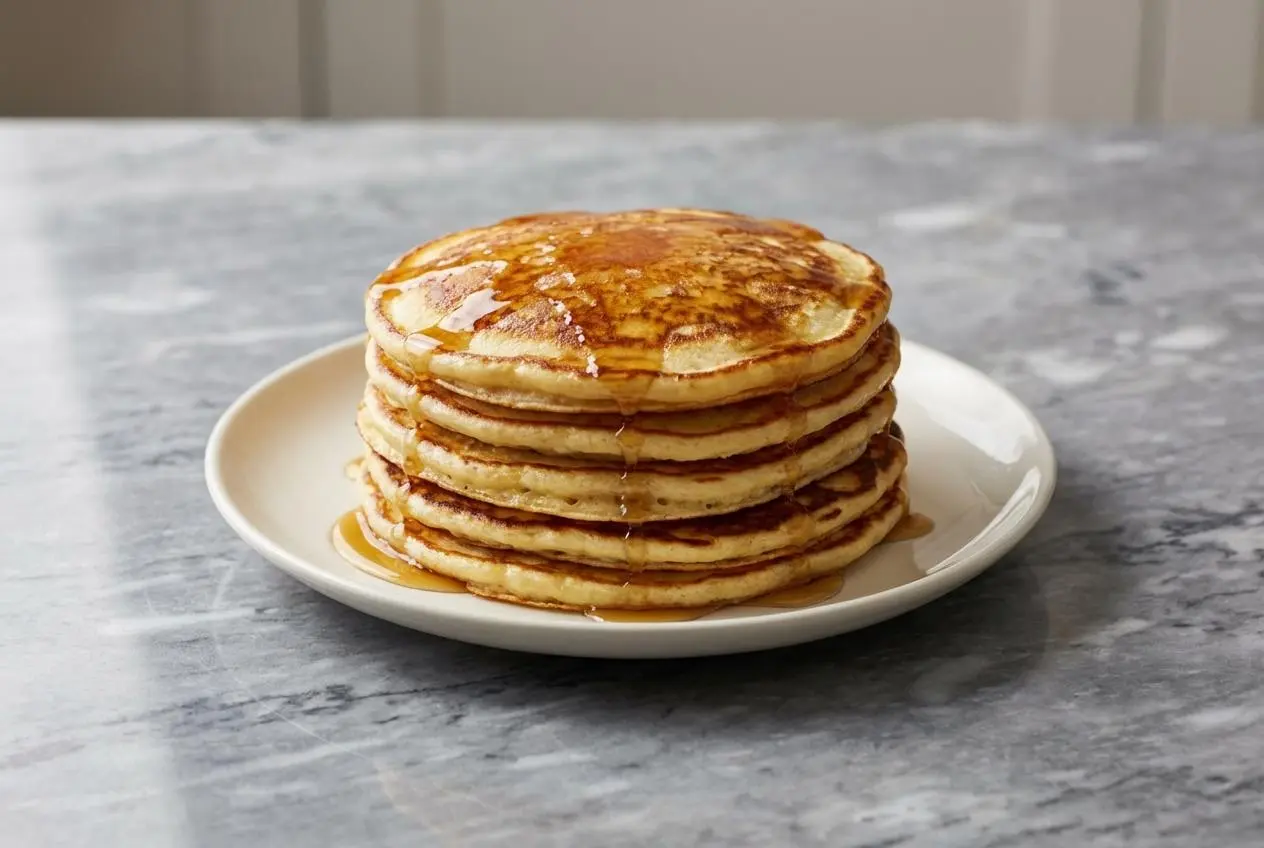
Some mornings call for a breakfast that feels cozy and indulgent, but still keeps you going well past your first cup of coffee. That is exactly why I keep these protein cottage cheese pancakes in my back pocket, because they deliver a high-protein breakfast that tastes like something you would order at a favorite brunch spot.
They are quick, blender-friendly, and wonderfully satisfying, with a fluffy edge and a soft, custardy middle. If you want a breakfast that works for busy weekdays, lazy weekends, or meal prep alike, this is the kind of stack that earns a permanent place in your rotation.
Why You’ll Love These Pancakes
Big breakfast flavor: In my kitchen, the real game-changer is cooking these in browned butter instead of plain oil. That nutty, toasty aroma turns simple protein pancakes into something warm, rich, and downright memorable.
Fluffy, never rubbery: Cottage cheese gives these cottage cheese pancakes a tender lift and a moist center. The texture stays light and almost custardy, which is a welcome surprise if you have ever had dense high-protein pancakes before.
Protein that actually satisfies: Between the eggs and cottage cheese, this recipe brings real staying power to the breakfast table. I find they keep me full much longer than a standard short stack.
Easy enough for busy mornings: This is very much a dump-and-blend kind of recipe. A blender and a non-stick pan do most of the heavy lifting, so breakfast feels simple instead of fussy.
Made for meal prep: These reheat beautifully, which makes them one of my favorite healthy breakfast ideas for the week ahead. A batch in the fridge or freezer can rescue even the sleepiest morning.
Ingredients and Substitutions
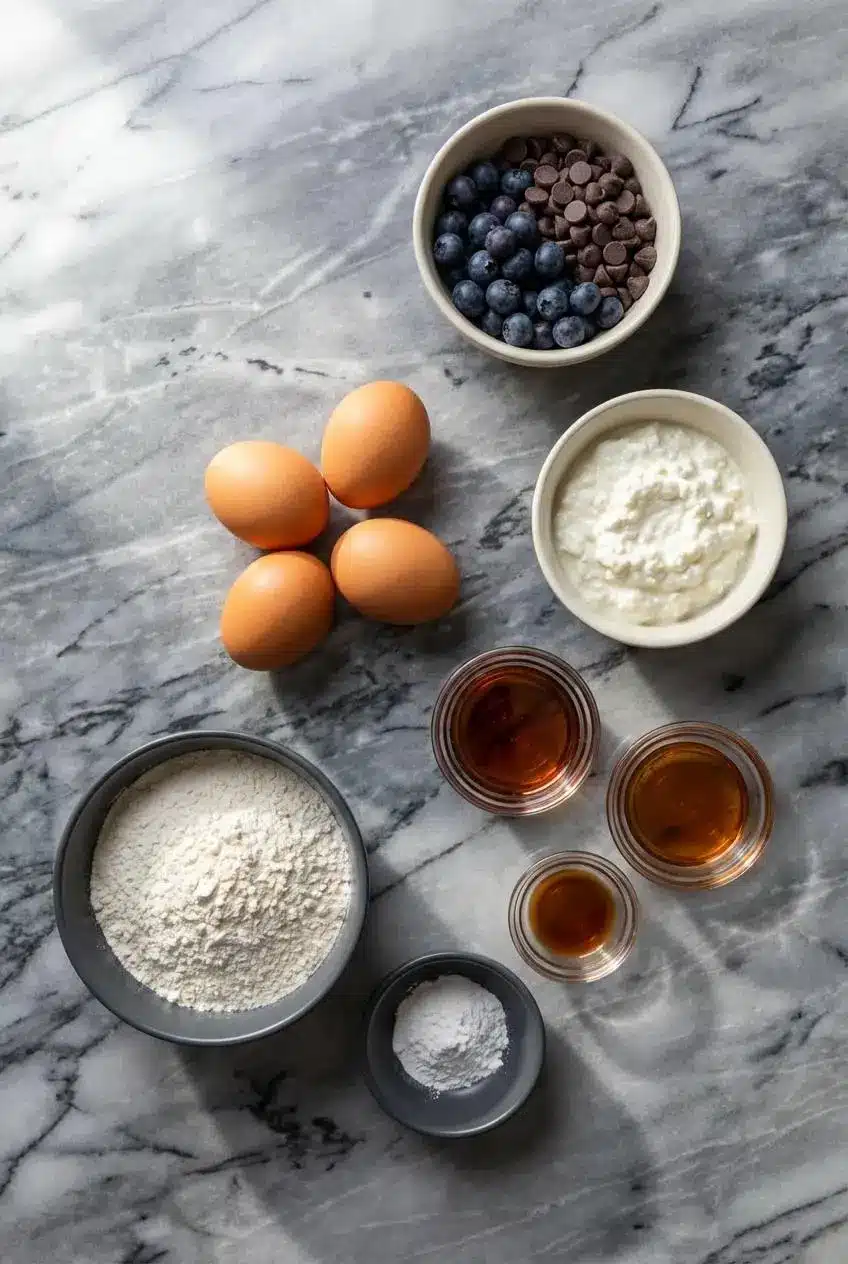
A short list of familiar ingredients is all it takes to make pancakes that are tender, flavorful, and packed with protein. Each one plays a part in the fluffy texture and rich taste.
Ingredients
- 4 eggs
- 1 1/2 cups cottage cheese
- 3 tablespoons pure maple syrup, plus more for serving
- 1 teaspoon vanilla extract
- 1 cup gluten-free all purpose flour or regular flour
- 1/2 tablespoon baking powder
- Any desired mix-in’s like blueberries, chocolate chips
Ingredient Notes & Substitutions
Cottage cheese: Full-fat cottage cheese is my first choice here because it gives the pancakes a richer flavor and a softer, moister crumb. Low-fat cottage cheese works just fine, but the finished pancakes can be a little less luscious and slightly drier.
Flour: Regular all-purpose flour and a good 1-to-1 gluten-free blend both give reliable results. If you like using rolled oats, you can blend them into oat flour first, though the pancakes usually come out a bit heartier and more rustic.
Maple syrup: This adds gentle sweetness and helps round out the tang of the cottage cheese. You can reduce it, leave it out for a more savory direction, or adjust it depending on the toppings you plan to use.
Mix-ins: Blueberries and chocolate chips are easy favorites, but cinnamon and lemon zest are lovely too. Fold any add-ins in at the end so the batter stays light and the pieces do not get overworked.
How to Make protein cottage cheese pancakes
Blend the wet base
- In a large bowl, whisk together the eggs, cottage cheese, maple syrup, and vanilla until everything is evenly combined. If you prefer the smoothest possible blender pancakes, blend this mixture for about 30 to 60 seconds until creamy and no visible curds remain.
- Add the flour and baking powder, then mix just until the batter comes together. It should look thick, spoonable, and smooth enough to scoop, not thin like classic pancake batter.
Finish the batter
- If you are using blueberries, chocolate chips, or another mix-in, fold them in gently so the batter stays airy. A light hand here helps keep the pancakes tender instead of tough.
- Let the batter sit for 5 minutes before it hits the pan. This short rest gives the flour time to hydrate, which helps the pancakes cook more evenly and hold their fluffy shape.
Cook in browned butter
- Set a large skillet or non-stick pan over medium heat and melt the butter. Let it continue cooking until it foams, the milk solids turn golden brown, and the kitchen smells nutty and fragrant, this is the browned butter magic that gives these pancakes their signature flavor.
- Lower the heat to medium-low, then scoop about 1/4 cup batter per pancake into the skillet, leaving about 2 inches between each one. The batter will be thick, which is exactly what you want.
- Cook for 3 to 5 minutes on the first side over medium-low heat, until the edges look set and the bottoms are golden. Flip carefully and cook the second side for another 3 to 5 minutes, until the centers are cooked through and the pancakes feel springy when lightly pressed.
Serve warm
Transfer the pancakes from the skillet and serve right away with extra maple syrup and any toppings you love. Fresh fruit, a spoonful of Greek yogurt, or a little nut butter all fit beautifully here.
Secrets for Perfectly Fluffy Pancakes
The blender is your best friend if you want a silky batter and no curdy texture. It completely smooths out the cottage cheese, which is the same reason it works so beautifully in creamy treats like this cottage cheese ice cream, where texture matters just as much as flavor.
Once the flour goes in, less mixing is better. Overworking the batter can make even gluten-free pancakes feel tight and heavy instead of soft and fluffy.
Medium-low heat is the sweet spot for this recipe because the batter is rich in moisture and protein. If the pan is too hot, the outside browns too fast while the middle stays wet.
I also love using weight-based measurements when I want the same result every time. Cups can vary depending on how generously someone scoops flour, but grams remove the guesswork.
If your pancakes are especially thick and the centers need a little help, add a teaspoon of water to the empty part of the skillet and cover it with a lid for 30 to 60 seconds. That quick burst of steam gently finishes the middle without overbrowning the outside.
The Science of Cottage Cheese in Pancakes
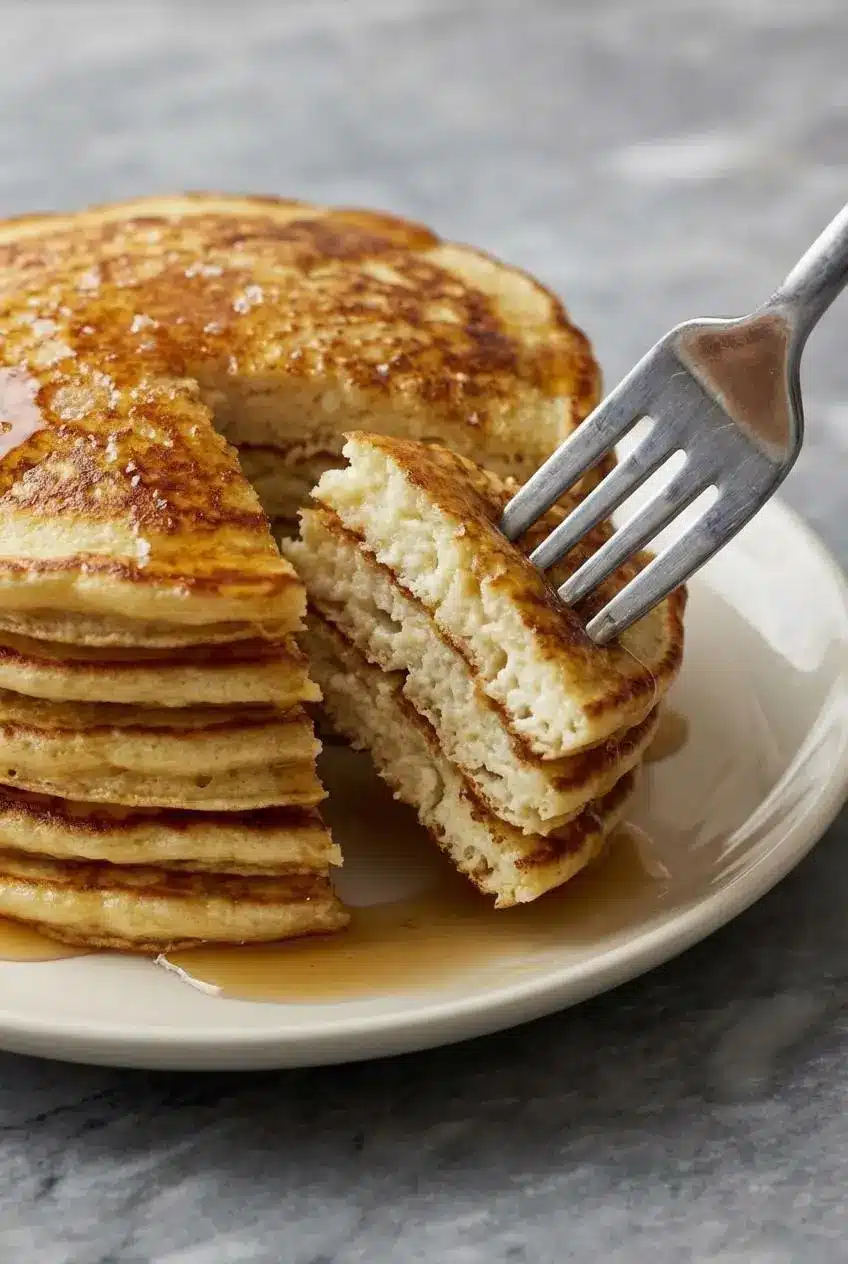
Cottage cheese brings more to the pan than protein alone. It is full of moisture and milk solids, so as the pancakes cook, that water turns to steam and helps create a tender rise while the dairy fat keeps the crumb soft.
The protein in cottage cheese also gives the batter structure in a different way than flour does. That is what creates the signature texture so many people love in cottage cheese pancakes, a little hearty, very fluffy, and softly custardy in the center.
Then there is the flavor. Cottage cheese adds a gentle tang that balances maple syrup beautifully, which makes the finished pancakes taste more layered and interesting than many standard pancake recipes.
Understanding the Nutrition: Protein Power Explained
For a serving of about 2 to 3 pancakes, you can expect roughly 220 to 290 calories, 14 to 18 grams of protein, 18 to 24 grams of carbs, and 9 to 13 grams of fat, depending on your flour, cottage cheese, and mix-ins. Since brands vary, I like using the USDA nutritional breakdown for cottage cheese as a reliable reference point when estimating more closely.
What makes this such a great high-protein breakfast is the staying power. Meals with more protein are often associated with better satiety (feeling full longer), which is one reason I reach for these on busy mornings when I want steady energy instead of a quick crash.
The eggs and cottage cheese are the primary protein sources in this recipe, and they do most of the heavy lifting nutritionally as well as structurally. If you like to calculate things more precisely, the USDA data for eggs helps confirm why they are one of the primary protein sources in a breakfast like this.
If you are adjusting the recipe to fit specific goals, there is some flexibility. A sugar-free syrup can lower the carb count a bit, and a scoop of protein powder can work in small amounts, though you may need a splash more liquid because it tends to thicken the batter.
Pro Tips & Troubleshooting
Pro Tips
- Use a blender if you want the smoothest batter and the most custardy texture. It makes a noticeable difference with cottage cheese.
- Full-fat cottage cheese gives the best flavor and the moistest pancake. In my experience, it is worth it for both texture and taste.
- Do not worry if the batter seems very thick. It should look more substantial than traditional pancake batter.
- These freeze beautifully, so they are excellent for meal prep breakfast routines. When I am stocking the freezer, I often make a second protein-rich batch like protein waffles for a little variety during the week.
Common Mistakes to Avoid
- Do not cook them over high heat. Medium-low heat gives the center enough time to set before the outside gets too dark.
- Avoid flax eggs here, since they do not create the same structure and can leave the pancakes gummy.
- Do not overmix after adding the flour. Stir only until combined so the pancakes stay light and tender.
- If melted butter ever clumps when it meets the batter ingredients, they are likely too cold. Let the eggs and cottage cheese sit out for 15 to 20 minutes first if you want everything to blend more smoothly.
Serving, Storage, and Meal Prep
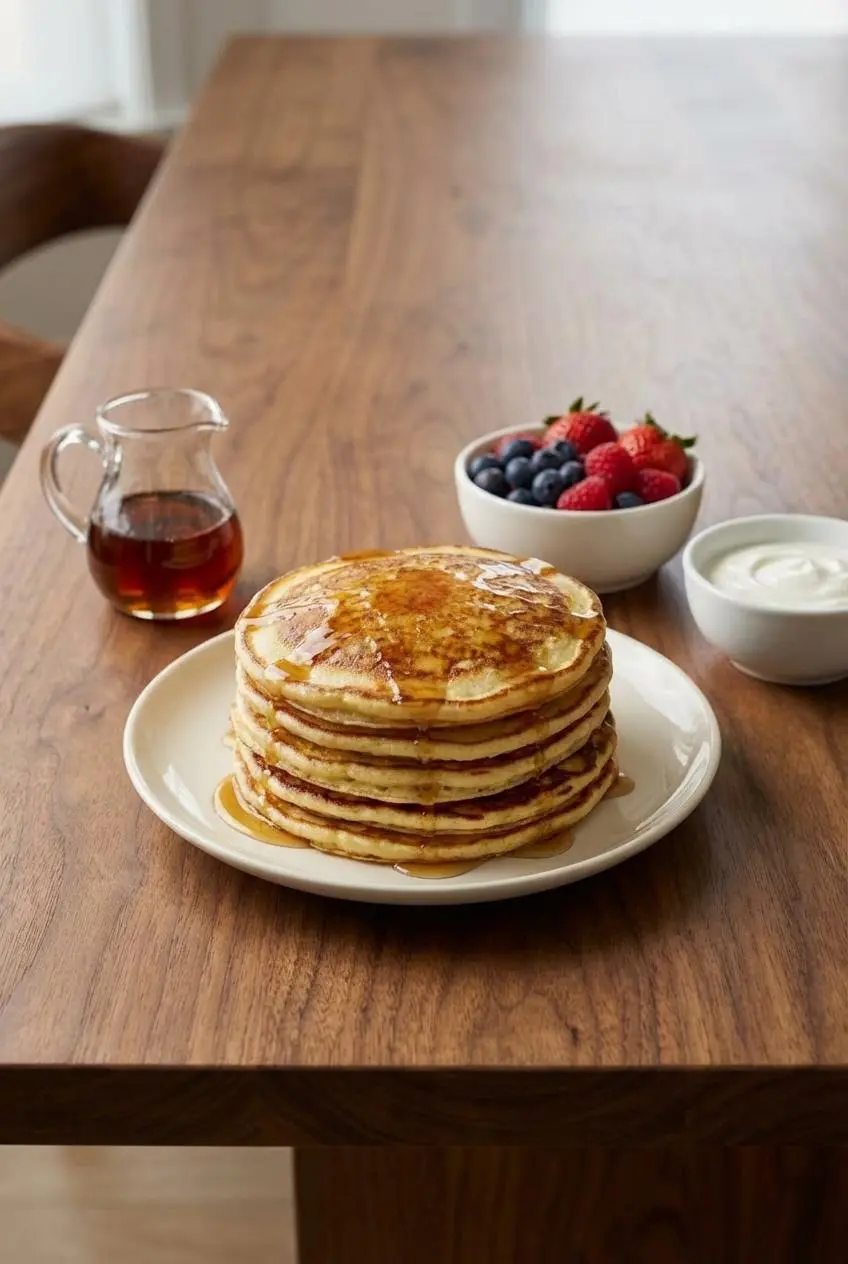
Serving Ideas
For extra protein, I love serving these with a dollop of Greek yogurt or even a spoonful of extra cottage cheese on the side. Fresh berries, sliced bananas, and a drizzle of maple syrup make the whole plate feel bright and balanced.
If you want a richer finish, peanut butter, almond butter, or a shower of chopped pecans adds great contrast to the soft texture. And if your breakfast routine leans toward grab-and-go options, something like blueberry protein muffins fits beautifully alongside these pancakes in a weekly prep plan.
For a savory version, leave out the maple syrup and vanilla, then top the pancakes with sautéed spinach, mushrooms, or a swipe of cream cheese and chives. It is a cozy diner-style twist that works surprisingly well.
Storage & Make-Ahead Tips
You can make the batter ahead and keep it in an airtight container in the refrigerator for up to 24 hours. It may thicken as it sits, and the pancakes are usually fluffiest when the batter is cooked fresh, but it still works well for a next-day breakfast.
Cooked pancakes keep nicely in the fridge for up to 3 days in a sealed container. Let them cool first so steam does not get trapped and soften the edges too much.
For longer storage, cool the pancakes completely, then stack them with parchment paper between each layer in a freezer-safe bag or container. They keep well for up to 3 months and reheat best in a toaster, toaster oven, or a quick pan warm-up, while the microwave tends to leave them softer.
Fluffy Protein Cottage Cheese Pancakes

Equipment
- Blender
- Large Skillet or Non-stick Pan
- large bowl
Ingredients
- 4 eggs
- 1 1/2 cups cottage cheese
- 3 tablespoons pure maple syrup, plus more for serving
- 1 teaspoon vanilla extract
- 1 cup gluten-free all purpose flour or regular flour
- 1/2 tablespoon baking powder
- Any desired mix-in’s like blueberries, chocolate chips
Instructions
Blend the Wet Base
- In a blender or large bowl, combine the eggs, cottage cheese, maple syrup, and vanilla. Blend for 30-60 seconds or whisk until the mixture is smooth and creamy.
- Add the flour and baking powder, then mix just until the batter comes together. Do not overmix.
Finish the Batter
- If using, gently fold in any mix-ins like blueberries or chocolate chips.
- Let the batter rest for 5 minutes. This helps hydrate the flour and makes the pancakes fluffier.
Cook the Pancakes
- Set a large non-stick pan or skillet over medium heat. You can use butter or cooking spray.
- Lower the heat to medium-low. Scoop about 1/4 cup of the thick batter per pancake into the skillet, leaving about 2 inches between each one.
- Cook for 3-5 minutes on the first side, until the edges look set and the bottom is golden brown. Flip carefully and cook for another 3-5 minutes, until the centers are cooked through and feel springy to the touch.
Serve Warm
- Transfer the cooked pancakes to a plate and serve immediately with extra maple syrup and your favorite toppings.
Notes
Nutrition
Conclusion
These protein cottage cheese pancakes really do deliver the best of both worlds, comfort-food flavor and a breakfast that keeps you satisfied. Between the custardy texture, the boost from eggs and cottage cheese, and that nutty browned butter finish, they taste far more special than the short ingredient list suggests.
Once you make a batch, it is easy to see why they become a repeat breakfast. Add berries, chocolate chips, or a savory twist, and let them become your own house favorite.
Frequently Asked Questions
Do these pancakes taste like cottage cheese?
Why are my cottage cheese pancakes wet or dense in the middle, and how do I fix it?
Can I use a different flour, like oat or almond flour?
How much protein is in this pancake recipe?
Can I make the batter ahead of time?
What’s the best way to store and reheat leftover pancakes?