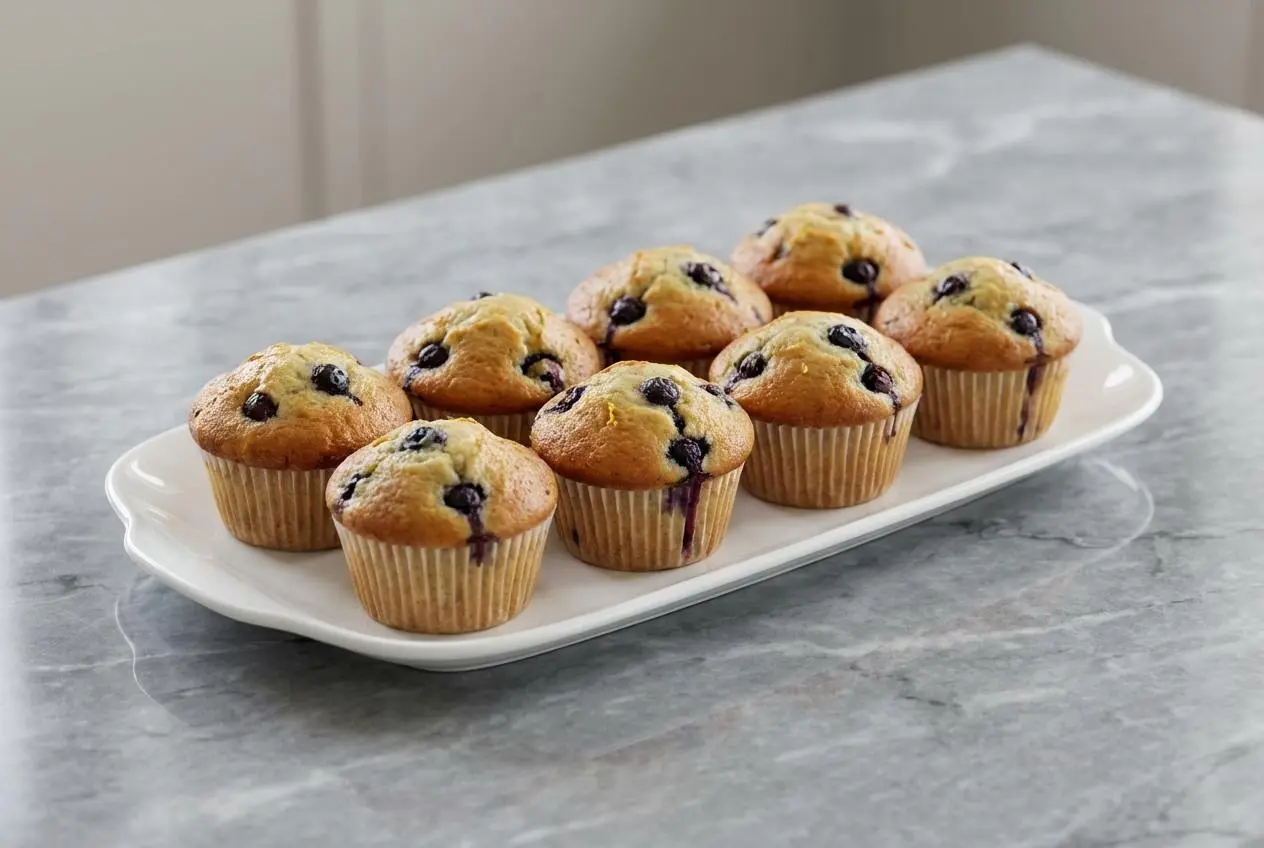
I’ve baked plenty of protein muffins that looked promising going into the oven, then came out dry, heavy, and strangely chalky. These blueberry protein muffins are the ones I keep coming back to because they solve that problem the delicious way, with a tender crumb, juicy berries, and a bright little pop of lemon.
They’re perfect for a quick breakfast, a healthy snack, or that midweek meal prep moment when you want something satisfying without feeling like you’re chewing on gym food. If you’ve been hunting for blueberry protein muffins that are actually moist, fluffy, and full of flavor, this batch is the one worth saving.
Why You’ll Love These Blueberry Protein Muffins
Bakery-style flavor: The fresh lemon zest is the little trick that changes everything. In my kitchen, that lemon and blueberry pairing always makes baked goods taste brighter and more polished, much like this lovely lemon and blueberry breakfast idea.
Moist and fluffy: Coconut yogurt and cashew butter do the heavy lifting here, keeping these healthy muffins soft and tender instead of dense. The texture stays rich enough to feel like a real bakery muffin, not a compromise.
No weird protein taste: Vanilla protein powder can sometimes leave a noticeable finish, but lemon zest softens that edge beautifully. I discovered that the citrus aroma makes every bite taste fresher and sweeter.
Weekday easy: One bowl, simple ingredients, and a short prep make these gluten-free muffins a reliable meal prep breakfast. They’re the kind of thing I like having on the counter when mornings get busy.
Satisfying and nourishing: With protein, healthy fats, and fruit in the mix, these muffins hold you longer than a standard coffee shop muffin. They work just as well for breakfast as they do for a post-workout healthy snack.
Ingredients and Substitutions
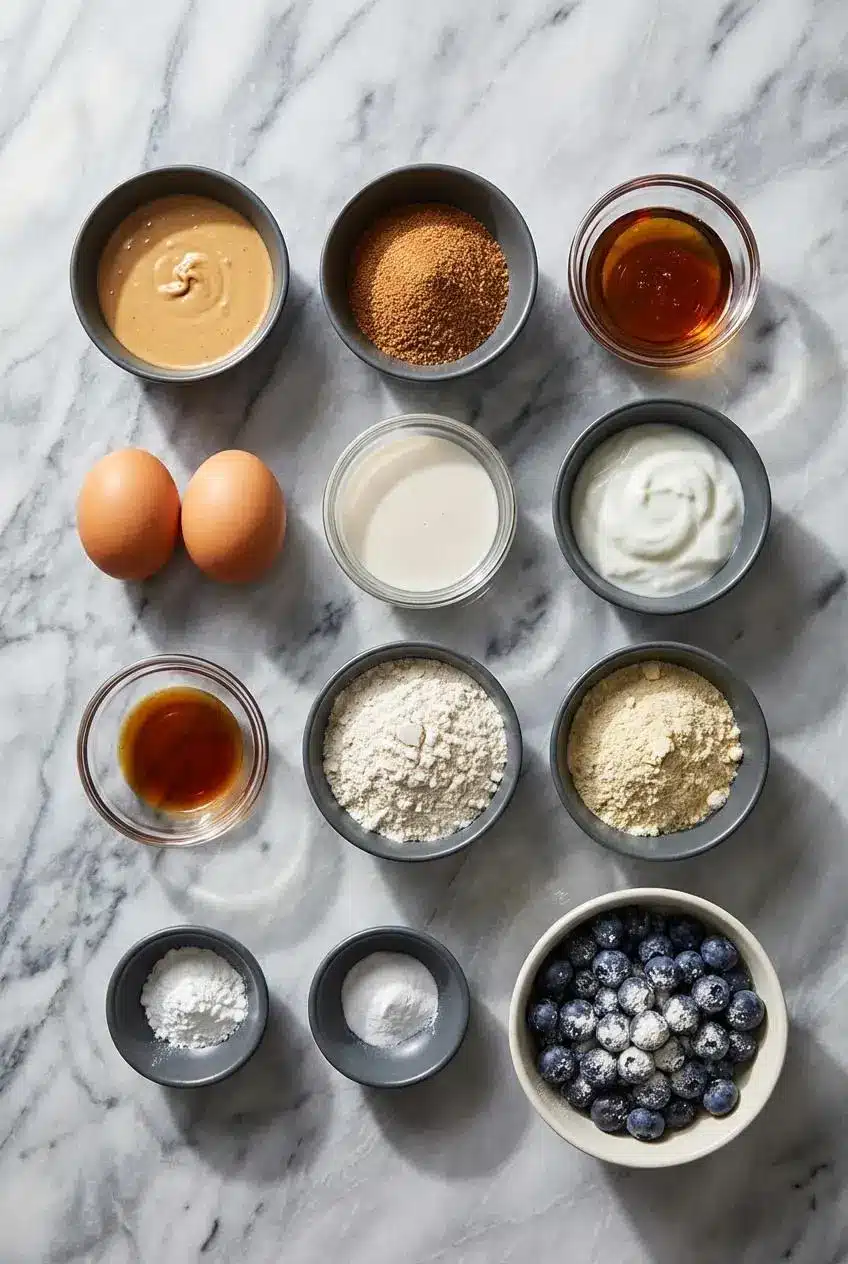
These ingredients work together to create muffins that are soft, flavorful, and sturdy enough for everyday baking, with just enough sweetness and a bright blueberry finish.
Ingredients
- ½ cup creamy cashew butter (or almond butter)
- ½ cup coconut sugar
- ¼ cup maple syrup
- 2 eggs, at room temperature preferably
- ¼ cup nut milk, at room temperature
- ¼ cup coconut yogurt (or Greek yogurt)
- 1 teaspoon vanilla
- ⅓ cup gluten-free flour blend (I used King Arthur Baking flour)
- ⅓ cup vanilla plant-based protein powder (I used Ritual)
- 1 teaspoon baking powder
- ½ teaspoon baking soda
- ¼ teaspoon salt
- 1 heaping cup fresh or frozen blueberries (lightly tossed in gluten-free flour so they don’t sink)
Ingredient Notes & Substitutions
Lemon zest: This recipe’s signature touch is 1 tablespoon of fresh lemon zest whisked into the wet ingredients. It wakes up the blueberries, helps mask any protein powder aftertaste, and gives the muffins that fresh-baked, bakery-style aroma.
Nut butter: Creamy cashew butter gives the mildest flavor and a very soft crumb, but almond butter works beautifully too. If you need a nut-free option, sunflower seed butter is a solid swap, though the flavor will be a little earthier.
Yogurt: Coconut yogurt keeps these dairy-free muffins tender and moist, while Greek yogurt is a great substitute if dairy is fine for your table. I often use Greek yogurt when I want an extra boost of protein and a slightly richer batter.
Sweeteners: Coconut sugar adds gentle caramel notes, and maple syrup brings moisture along with sweetness. Honey can stand in for the maple syrup, and if you want a lower-sugar version, you can reduce the coconut sugar slightly, though the texture may be a bit less soft.
Flour: A gluten-free flour blend, including King Arthur flour, keeps the crumb light and easy. All-purpose flour can be swapped in at the same measurement, but the muffins may bake up with a slightly different texture and a touch more structure.
Protein powder: Vanilla protein powder is the best fit here because it adds flavor as well as protein. Different powders behave very differently in the oven, so I talk through whey, casein, and plant-based protein in more detail in the guide below.
Eggs: Room temperature eggs blend more smoothly into the batter and help create a better rise. For a vegan batch, use two flax eggs, made with 1 tablespoon ground flaxseed plus 2.5 tablespoons water per egg, and keep the yogurt plant-based.
Blueberries: Fresh or frozen blueberries both work well, but frozen berries should go in straight from the freezer. A light toss in flour helps keep them suspended so you get berries throughout the muffin instead of a blue layer at the bottom.
How to Make blueberry protein muffins
Prep the Oven and Pan
Set your oven to 350°F (175°C) so it’s fully heated before the batter is ready. Line a 12-cup muffin tin with paper liners, which makes cleanup easy and helps these tender muffins release without sticking.
Mix the Batter
- In a large mixing bowl, whisk together the cashew butter, eggs, maple syrup, nut milk, coconut yogurt, coconut sugar, vanilla, and 1 tablespoon of fresh lemon zest. Keep going until the mixture looks smooth, creamy, and well blended, with no separated streaks. A hand mixer works nicely if you want an especially silky batter.
- Add the gluten-free flour blend, vanilla plant-based protein powder, baking powder, baking soda, and salt right into the same bowl. Stir gently with a spatula just until the dry pockets disappear, because overworking the batter is the fastest way to lose that soft, fluffy texture.
Fold in the Blueberries and Bake
- Place the blueberries in a small bowl and coat them lightly with a bit of gluten-free flour. Fold them into the batter with a light hand so the berries stay whole and the batter doesn’t turn streaky.
- Spoon about 1/3 cup of batter into each prepared muffin cup. This recipe makes about 10 muffins, and they should bake for 28 to 30 minutes, until the tops have deepened in color and feel springy when lightly pressed.
Cool for the Best Texture
Let the muffins rest in the pan for 5 to 10 minutes after baking so they can set up properly. Then move them to a wire rack and cool completely, which keeps the bottoms from trapping steam and turning soggy.
The Secret to Perfectly Moist Protein Muffins
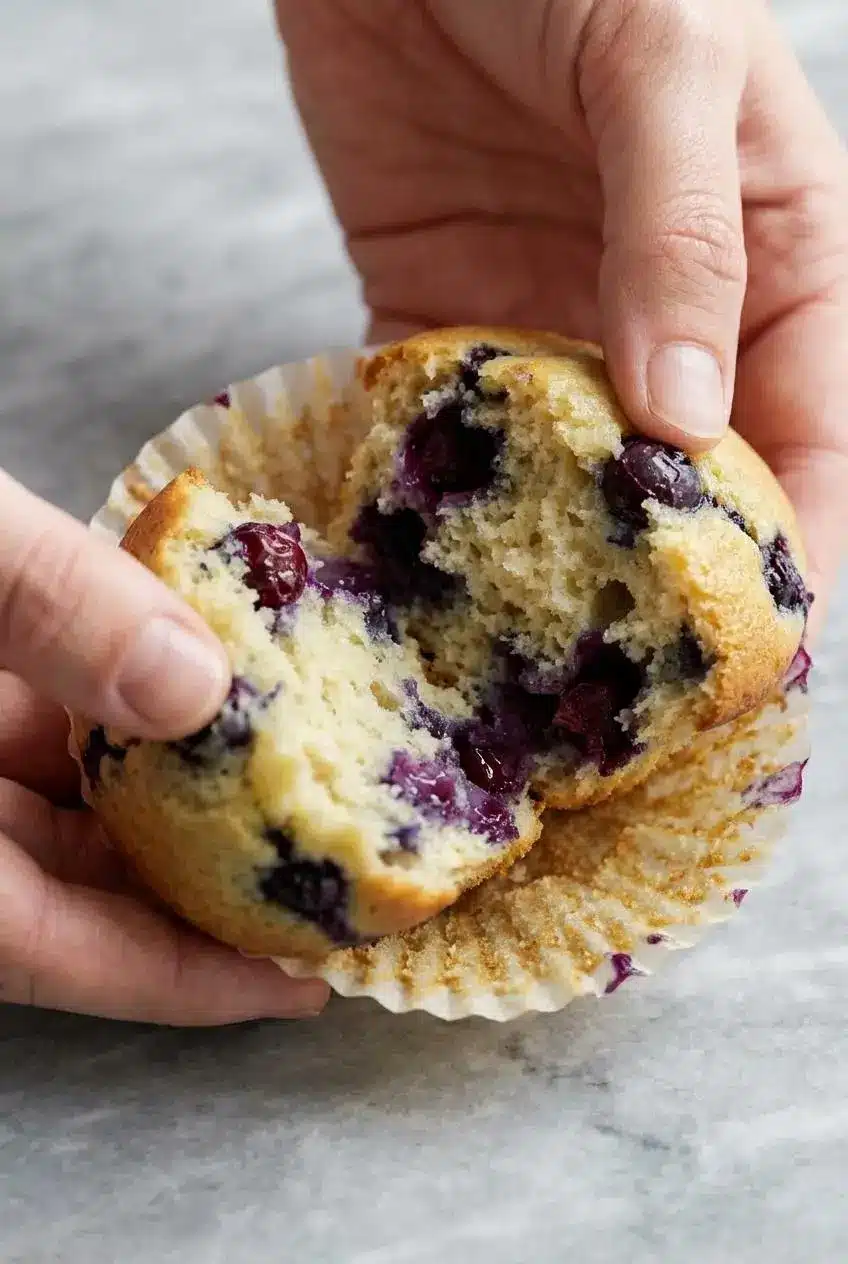
The lemon zest advantage: The oils in fresh zest do more than add a citrus note. They make the muffins smell brighter and taste sweeter, which helps balance the heavier character that protein powder can sometimes bring.
The power of two leaveners: Baking soda reacts with the acidity in the yogurt for quick early lift, while baking powder keeps that rise going in the oven. That combination is one of the reasons these blueberry protein muffins stay fluffy instead of compact.
Room temperature matters: Eggs and milk that aren’t fridge-cold blend into the batter more evenly, which helps the fat and liquid come together smoothly. Professional baking guidance shows that ingredients emulsify better at room temperature, and that small detail often means a more even crumb.
Don’t overmix: Once the flour and protein powder go in, stir only until combined. That’s the point where a gentle hand keeps gluten-free muffins tender instead of gummy, and regular flour versions tender instead of tough.
A Baker’s Guide to Protein Powder
The kind of protein powder you use has a huge effect on texture, moisture, and even flavor. I’ve tested enough batches to say this with confidence, more than almost any other ingredient, protein choice determines whether your muffins come out plush or painfully dry.
Whey, casein, and plant-based all behave differently: Whey often bakes up lighter, but it can also dry things out quickly, so an extra tablespoon of yogurt or nut milk may help. Some baking references note that whey can be drying, which lines up exactly with what I see in the oven.
Casein absorbs more liquid: If you use casein, expect a thicker batter and a denser final crumb. It can still work, but the muffins usually need a little extra moisture and a careful eye so they don’t overbake.
Plant-based blends are often the easiest for muffins: A good plant-based protein usually creates a soft, steady structure, though brands vary quite a bit. Once you find one that bakes well, it opens the door to more than just muffins, including breakfast ideas and another protein recipe that fits the same wholesome routine.
Vanilla versus unflavored: Vanilla protein powder earns its place here because it brings sweetness and aroma at the same time. If unflavored is what you have, increase the vanilla to 1.5 teaspoons and taste the batter for sweetness balance before baking.
How to calculate protein per muffin: Use this simple formula, total grams of protein from the powder, plus protein from eggs and yogurt, divided by the number of muffins. It’s an easy kitchen math trick that gives you a realistic number based on the exact ingredients you used.
Pro Tips & Troubleshooting
Pro Tips
- If you’re using frozen blueberries, fold them in straight from the freezer. That keeps the batter from turning purple and helps the berries hold their shape.
- Tossing the blueberries in a little flour really does help them stay suspended in the batter. It’s a tiny step that makes a big difference in the final muffin.
- For more texture, stir in ½ cup chopped walnuts or pecans along with the berries. The crunch plays especially well with the soft crumb and juicy fruit.
- Let the muffins cool completely on a wire rack before storing. Trapped steam is the reason so many otherwise perfect muffins turn damp by the next day.
Common Mistakes to Avoid
- Dry and dense muffins: This usually comes from too much protein powder, too much mixing, or leaving them in the oven too long. Start checking at 28 minutes, and make sure your yogurt and milk measurements are accurate.
- Tough or rubbery texture: That almost always points to overmixing after the dry ingredients went in. Stir only until the batter comes together, even if it still looks a little lumpy.
- Blueberries sinking: If the berries drop to the bottom, they likely weren’t coated in flour first. That light dusting gives them grip so they stay distributed through the muffin.
Serving & Storage
Serving Suggestions
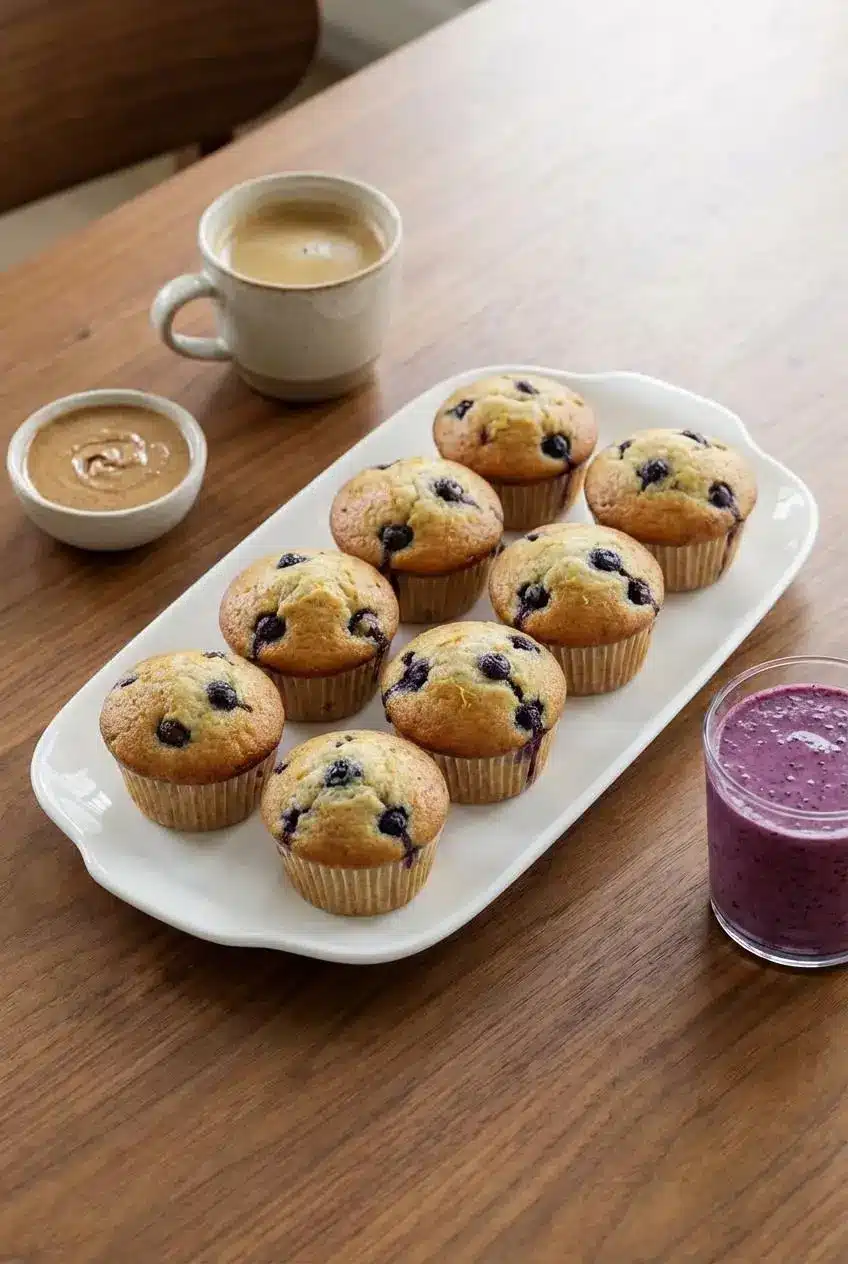
These muffins are especially good served warm and split open with a little butter or a swipe of almond butter. The centers stay soft and tender, and the warm blueberries taste almost jammy.
For a practical meal prep breakfast, I like one of these muffins with coffee and a blueberry smoothie. If you love blueberry baking in general, a cozy weekend option like this blueberry breakfast cake hits that same comforting note in a more leisurely way.
They also make a great post-workout healthy snack because they’re easy to pack and satisfying without being too heavy. A little extra nut butter on the side makes them feel even more substantial.
Storage and Freezing Instructions
Store cooled muffins in an airtight container at room temperature for up to 3 days. I like to add a paper towel to the container to catch excess moisture, and food safety guidance for baked goods also supports the idea to Store cooled muffins properly before sealing them up.
For longer storage, freeze the muffins in a single layer on a baking sheet for 1 hour first. Once firm, transfer them to a freezer-safe bag or container, where they’ll keep well for up to 3 months.
To reheat, microwave a room temperature muffin for 15 to 20 seconds. From frozen, 45 to 60 seconds usually brings back that just-baked warmth and soft texture.
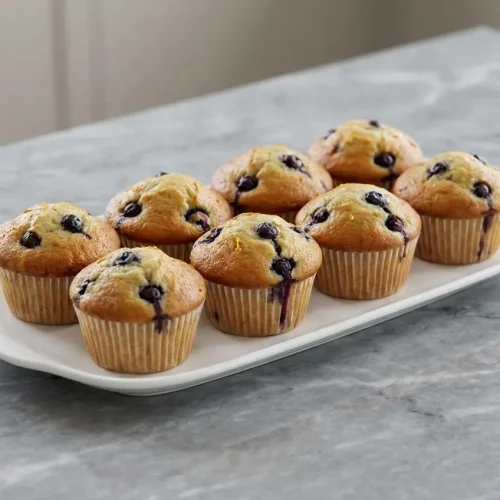
Moist And Fluffy Blueberry Protein Muffins

Equipment
- Muffin Tin
- Paper liners
- Large Mixing Bowl
- Spatula
- Wire rack
Ingredients
- ½ cup creamy cashew butter (or almond butter)
- ½ cup coconut sugar
- ¼ cup maple syrup
- 2 eggs at room temperature preferably
- ¼ cup nut milk, at room temperature
- ¼ cup coconut yogurt (or Greek yogurt)
- 1 teaspoon vanilla
- ⅓ cup gluten-free flour blend I used King Arthur Baking flour
- ⅓ cup vanilla plant-based protein powder I used Ritual
- 1 teaspoon baking powder
- ½ teaspoon baking soda
- ¼ teaspoon salt
- 1 heaping cup fresh or frozen blueberries lightly tossed in gluten-free flour so they don’t sink
Instructions
Prep the Oven and Pan
- Preheat your oven to 350°F (175°C). Line a 12-cup muffin tin with paper liners.
Mix the Batter
- In a large mixing bowl, whisk together the cashew butter, eggs, maple syrup, nut milk, coconut yogurt, coconut sugar, vanilla, and 1 tablespoon of fresh lemon zest until the mixture is smooth and creamy.
- Add the gluten-free flour blend, vanilla protein powder, baking powder, baking soda, and salt to the bowl. Stir gently with a spatula just until the dry ingredients are combined. Do not overmix.
Fold in the Blueberries and Bake
- In a separate small bowl, toss the blueberries with a little extra gluten-free flour. Gently fold the coated blueberries into the batter.
- Spoon about 1/3 cup of batter into each prepared muffin cup. Bake for 28 to 30 minutes, or until the tops are golden and spring back when lightly touched.
Cool for the Best Texture
- Let the muffins cool in the tin for 5 to 10 minutes before transferring them to a wire rack to cool completely. This prevents them from becoming soggy.
Notes
Nutrition
Conclusion
These blueberry protein muffins are the kind of healthy snack that actually tastes like something you’d look forward to eating. The yogurt, cashew butter, and fresh lemon zest work together to keep them moist, fluffy, and full of bright flavor.
If protein baking has let you down before, this is the batch I’d start with. Bake them once, then make them your own with small swaps and add-ins that fit your kitchen.
Frequently Asked Questions
How much protein is in each blueberry muffin?
What is the best protein powder for baking muffins?
How do you keep protein muffins from being dry and dense?
Can I use frozen blueberries instead of fresh?
What is the best way to store and freeze these muffins?
Can this recipe be made vegan or with regular flour?