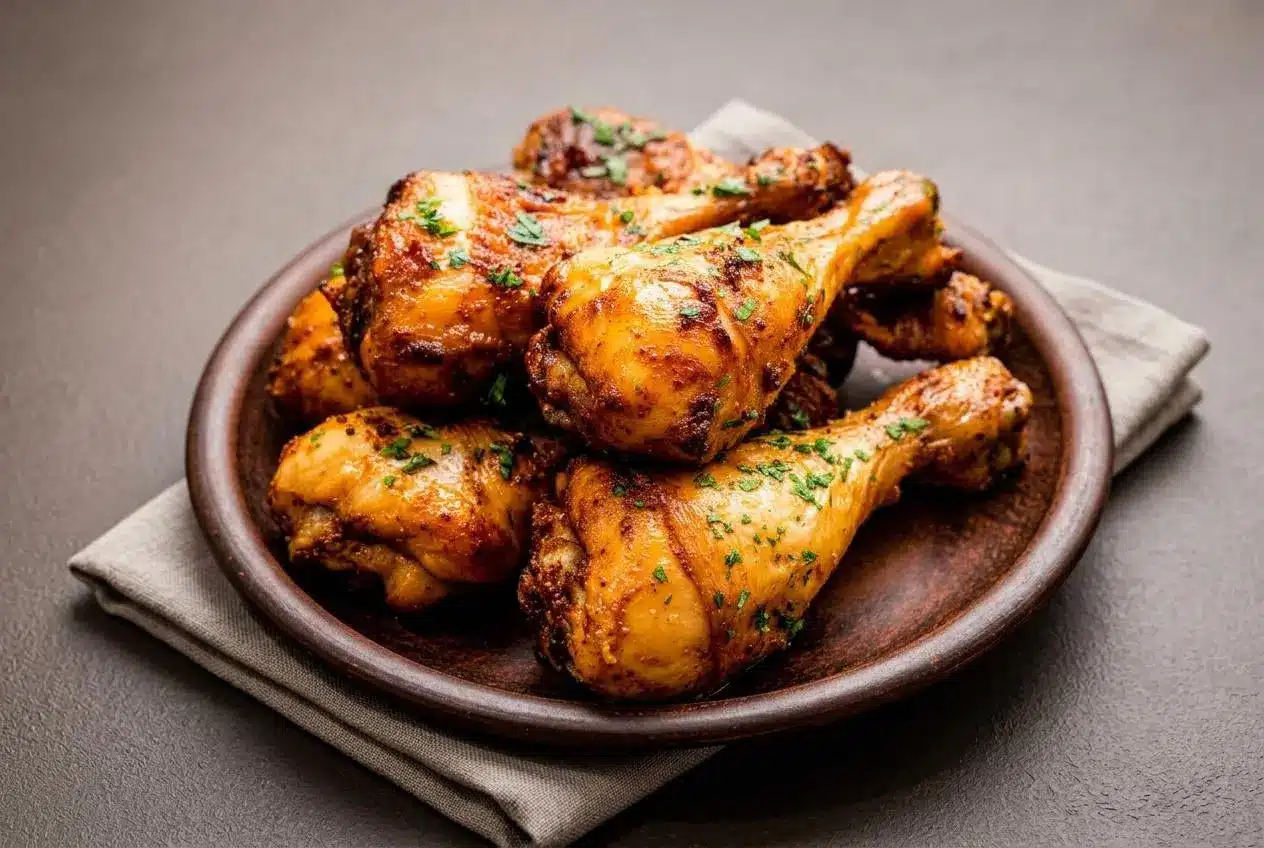
Roast chicken legs uncovered at 425°F for 40 to 45 minutes, until the skin is deeply golden and a thermometer registers 175°F to 185°F for especially tender dark meat.
These baked chicken legs deliver crackly, savory skin and juicy meat right down to the bone. A bold smoked paprika rub and hot oven do most of the work, but drying and spacing the drumsticks make the real difference.
They suit an easy weeknight dinner, yet the browned edges feel special enough for a casual gathering. That first sizzle from the pan is a very good sign.
Set the drumsticks out with at least 1 to 2 inches between them so steam can escape instead of softening the skin.
Ingredients and Seasoning by Role
Each ingredient supports the final texture and flavor: chicken provides rich dark meat, olive oil helps the spices cling and brown, and the seasoning blend creates a smoky, savory crust.
- 8 chicken drumsticks (about 2 lb)
- 2 Tbsp olive oil
Seasonings
- 1 tsp sea salt
- ½ tsp ground black pepper
- 1 tsp garlic powder
- 1 ½ tsp smoked paprika
- ¼ tsp chili powder
- 1 tsp onion powder
Bone-in, skin-on drumsticks stay moist during high-heat roasting because the dark meat has more connective tissue and fat than breast meat. Olive oil lightly coats the skin, helps the dry rub adhere, and encourages browning without weighing down the chicken.
Smoked paprika brings warm color and gentle smokiness, while garlic powder and onion powder round out the savory flavor. Black pepper adds bite, and chili powder supplies a mild background warmth rather than a fiery finish. The high oven heat renders fat beneath the skin while the seasoning dries into a flavorful crust.
I pat every drumstick very dry with paper towels before adding oil because dry skin holds the seasoning better and browns far more evenly.
How to Make Crispy Baked Chicken Legs
- Heat the oven to 425°F before preparing the chicken.
A fully hot oven starts rendering the skin quickly instead of letting the drumsticks sit in gentle heat. - Cover a baking sheet with aluminum foil and lightly coat it with nonstick cooking oil.
The foil catches rendered fat, while the light coating helps the browned skin release cleanly from the pan. - Dry the drumsticks thoroughly, then place them in a large bowl or resealable plastic bag and toss with the olive oil.
The skin should look dry before oiling, with only a thin, even sheen afterward. - Stir the salt, pepper, garlic powder, smoked paprika, chili powder, and onion powder together, then coat the oiled drumsticks with the mixture.
Keep tossing until the spices cover the skin evenly, with no bare oily patches. - Arrange the drumsticks on the prepared sheet with 1 to 2 inches of space between them and roast uncovered for 40 to 45 minutes.
Look for taut, deep golden skin and active sizzling; check the thickest part with a meat thermometer, reaching at least 165°F and preferably 175°F to 185°F for tender dark meat.
Rest the chicken for 5 minutes before serving so the juices settle back into the meat. The skin will stay crispest when the drumsticks come straight from the pan to the plate.
Best Oven Temperature and Baking Time
For crisp skin without frying, 425°F is the strongest choice for drumsticks. It browns the outside efficiently while the dark meat has enough time to become tender around the bone.
Comparing 375°F, 400°F, and 425°F
- 375°F: Expect about 50 to 55 minutes. It cooks the chicken gently, but the skin is more likely to stay soft unless finished under the broiler.
- 400°F: Plan on about 45 to 50 minutes. This is a solid middle ground, especially if your oven runs hot.
- 425°F: Roast for 40 to 45 minutes. The hotter temperature renders surface fat faster and gives the skin its best chance to turn crisp.
- Convection ovens: Reduce the setting by 25°F and begin checking the chicken toward the earlier end of the cooking window, since circulating heat browns more aggressively.
Chicken legs are drumsticks, while whole leg quarters include both a drumstick and thigh. Leg quarters need more time because of their larger size. For another bone-in dark-meat dinner, these baked chicken thighs use the same useful principle: high heat improves browning, but a thermometer decides doneness.
Internal Temperature Guide for Dark Meat
The first reliable thermometer checkpoint for poultry is 165°F. For drumsticks, though, continuing to 175°F to 185°F usually gives a better eating texture. At that higher range, the connective tissue around the bone softens into gelatin, so the meat feels tender and juicy instead of chewy.
Insert the thermometer into the thickest part of the meat without touching bone. Bone can throw off the reading. If one leg cooks faster than the others, remove it when ready and let the larger pieces continue roasting.
Troubleshooting and Pro Tips for Maximum Crispness
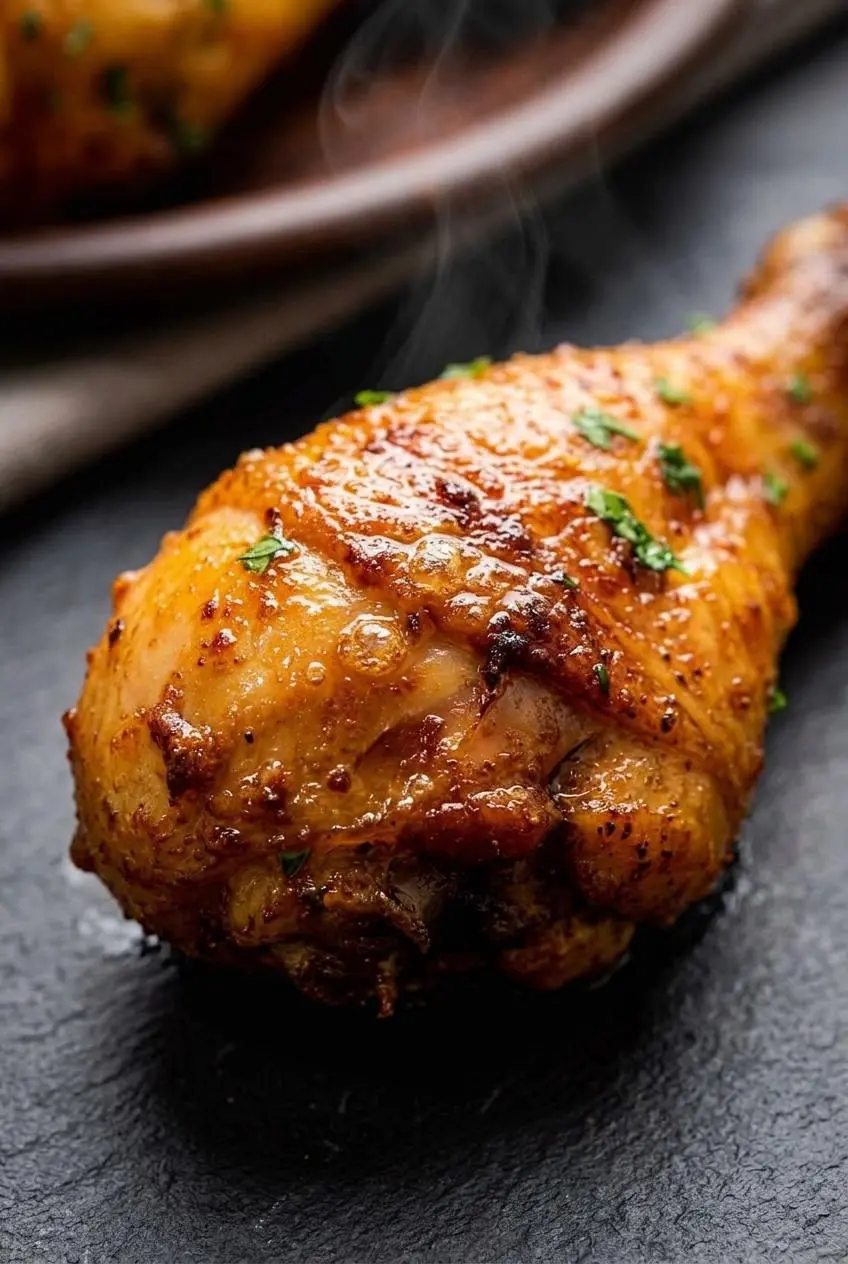
Crispy skin comes from dry surface moisture, enough space, and enough heat. When something goes wrong, the fix is usually straightforward.
- Rubbery skin: The pan was crowded, the chicken was damp, or the oven was not fully heated. Dry the drumsticks thoroughly, give them space, and roast uncovered at the higher temperature.
- Pale skin: The chicken needs more browning. Let it roast until the skin turns deep gold, or use the broiler briefly at the end while watching closely.
- Stuck drumsticks: The pan lacked a light oil coating, or the chicken was moved too soon. Use greased foil or a rack, then let the skin brown before trying to lift it.
- Smoke or splatters: Rendered chicken fat can collect on the pan at high heat. Use a rimmed baking sheet and carefully remove excess fat only after the pan has cooled enough to handle.
- Redness near the bone: Color near the bone can come from natural hemoglobin and does not confirm doneness. Check the thickest part of the meat with a thermometer instead.
The Baking Powder Crispness Technique
For an optional extra-crisp finish, toss thoroughly dried drumsticks with a light pinch of aluminum-free baking powder before adding the oil and seasonings. Baking powder raises the skin’s pH slightly, which promotes browning and helps surface moisture evaporate faster.
Use a restrained amount because too much can leave a metallic taste. This method gives the skin a shattering crunch closer to fried chicken wings, while keeping the drumsticks oven-roasted.
Wire Rack vs Direct Sheet Pan Roasting
A greased foil-lined sheet pan is convenient and gives the underside of each drumstick contact with hot rendered juices, which can create flavorful caramelized spots. Keep the chicken spaced apart so those juices do not turn into steam around the skin.
An oven-safe wire rack set inside the baking sheet lifts the drumsticks above the rendered fat. Air reaches more of the underside, which can make the skin more evenly crisp. Either setup works well, so choose the pan arrangement that fits your cleanup preference.
Finishing Under the Broiler for Extra Crunch
If the meat is cooked but the skin needs more color, broil the drumsticks for 2 to 3 minutes. Position the pan where you can monitor it closely, because smoked paprika and garlic powder can scorch quickly under direct heat.
Turn on the broiler only after the chicken has finished roasting. Pull the pan as soon as the skin darkens and blisters in spots, rather than waiting for the spices to become very dark.
Flavor Variations and Easy Glazes
The smoky seasoning rub is the everyday version, but the same roasting method welcomes different flavor directions. Keep these changes optional and add sauces at the right moment.
Honey Barbecue Glaze Timing
For honey barbecue drumsticks, roast the chicken with the original seasoning first, then brush on honey barbecue sauce during the final 10 minutes. The sauce has enough time to become sticky and glossy without burning at 425°F.
Do not glaze the chicken at the beginning of cooking. Sugar-rich sauce can scorch before the drumsticks finish roasting. For a saucier version, try this baked BBQ chicken approach for serving ideas and extra glaze inspiration.
Garlic Herb and Lemon Pepper Blends
- Garlic herb: Replace the chili powder with dried thyme and rosemary for a woodsy, savory flavor that works especially well with mashed potatoes.
- Lemon pepper: Replace the chili powder with cracked black pepper and fresh lemon zest for a brighter finish. Add the zest near the end so its aroma stays fresh.
- Smoky heat: Use smoked chili pepper in place of the chili powder for a deeper, warmer spice profile. Keep the rest of the seasoning blend unchanged for balance.
What to Serve With Baked Chicken Drumsticks
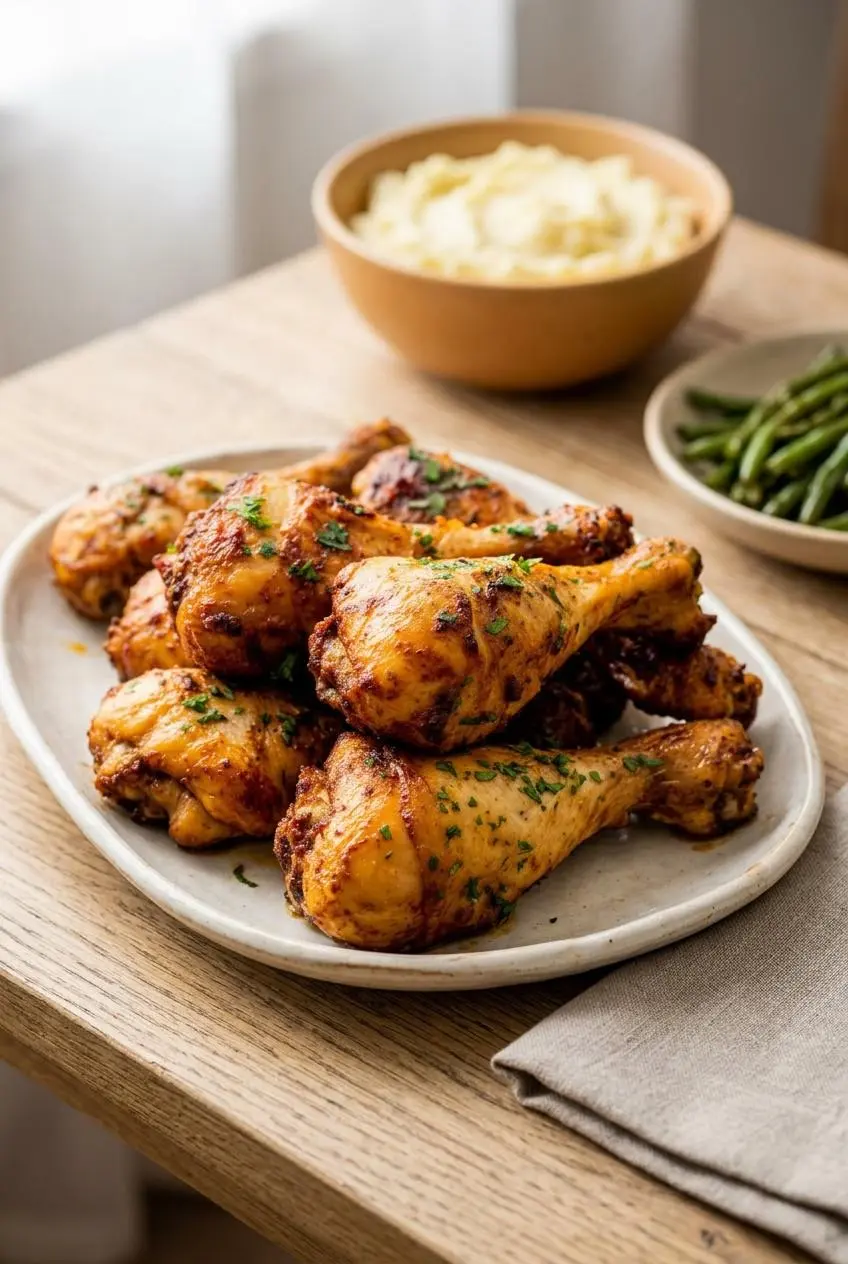
Chicken drumsticks pair well with sides that either catch the savory pan juices or bring a fresh contrast to the rich dark meat.
- Hearty comfort sides: Creamy garlic mashed potatoes, baked macaroni and cheese, or seasoned roasted sweet potato wedges make the meal feel especially cozy.
- Vegetable sides: Roasted green beans, corn on the cob, or crisp garden salad add color and a lighter counterpoint to the seasoned chicken.
- Easy family-style plates: Serve the drumsticks with warm rolls and a simple vegetable for a relaxed dinner where everyone can help themselves.
If the chicken rests for a few minutes before serving, use that pause to bring the sides to the table. It keeps the meal moving while the meat finishes settling.
Storage and Reheating Instructions
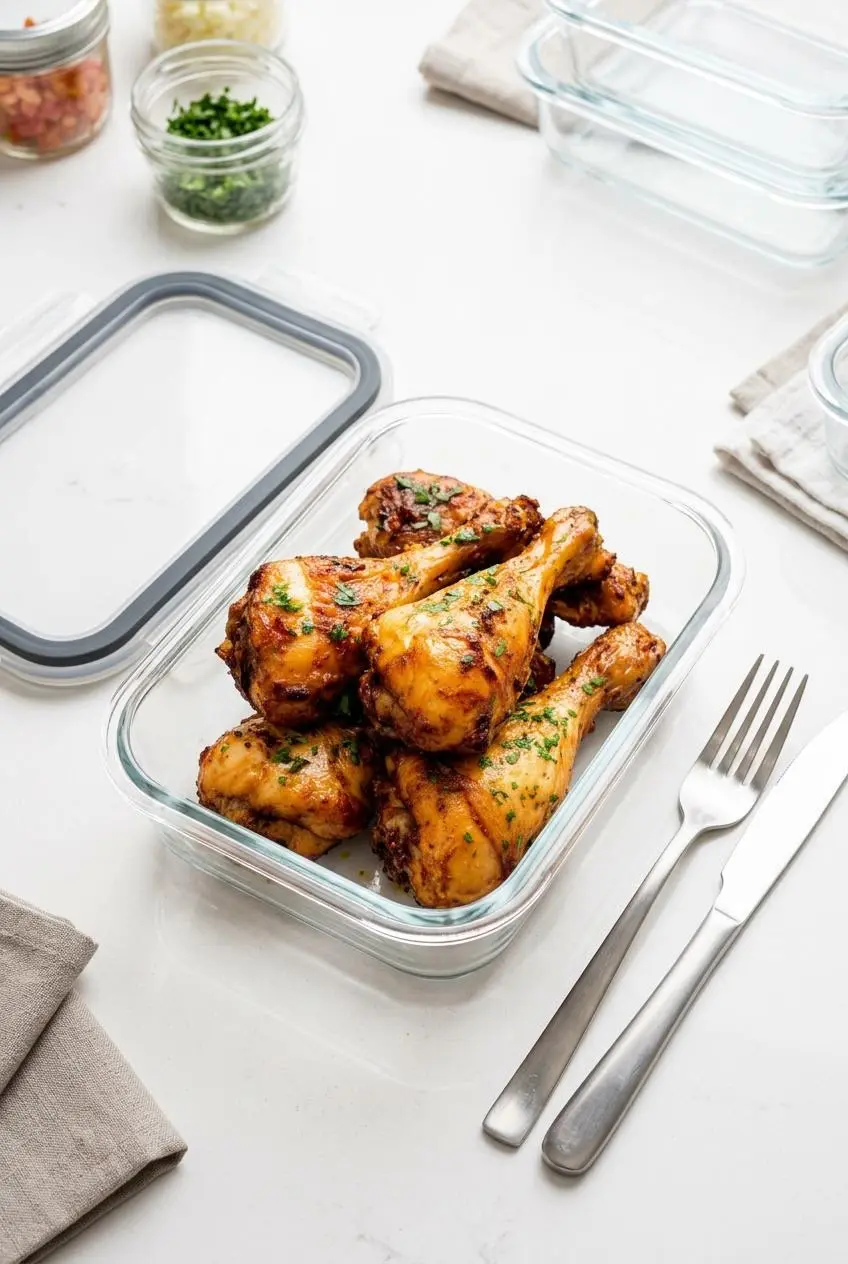
Cool leftover drumsticks promptly, then keep them in an airtight container in the refrigerator. Store the chicken away from moisture-heavy sides when possible, since condensation softens the skin.
For the best texture, reheat drumsticks in a hot oven or air fryer until heated through and the skin is crisp again. Arrange them in a single layer so hot air can reach the surface. A microwave can warm the meat, but it tends to leave the skin rubbery.
Reheat only the portion you plan to eat, rather than repeatedly warming the entire container. This protects the texture and helps the leftover chicken stay more enjoyable.
Conclusion
High heat, dry skin, and generous spacing turn chicken drumsticks into a dependable dinner with crackly skin and tender meat. Roast uncovered at 425°F, then use a thermometer instead of relying on time alone.
Keep the smoky seasoning as written or change the flavor with a late barbecue glaze, herbs, or lemon pepper. The same solid technique will keep dinner deliciously uncomplicated.
Frequently Asked Questions
What Is the Best Oven Temperature for Baking Chicken Legs?
425°F is the best temperature for crispy baked chicken legs. It renders fat beneath the skin quickly and usually cooks drumsticks in 40 to 45 minutes. Use a thermometer to confirm doneness, especially when drumsticks vary in size. For the most tender dark meat, aim for 175°F to 185°F.
Do You Bake Chicken Legs Covered or Uncovered?
Bake chicken legs uncovered. Covering the pan traps steam, which softens the skin instead of allowing it to brown and crisp. For the best result, dry the drumsticks first and leave space between each piece on the baking sheet.
What Internal Temperature Should Chicken Drumsticks Reach?
Check that drumsticks reach at least 165°F in the thickest part of the meat. For a softer, more tender texture around the bone, continue cooking to 175°F to 185°F. Keep the thermometer away from bone, then look for deeply golden skin and meat that feels tender when pierced.
How Do You Reheat Leftover Chicken Legs So They Stay Crispy?
Use an oven or air fryer rather than a microwave. Arrange the drumsticks in one layer and heat them until the meat is hot and the skin crisps again. Reheating a smaller portion helps the skin recover its texture without drying the chicken unnecessarily.
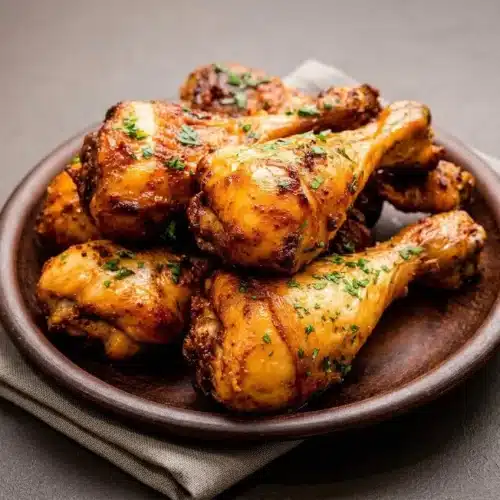
Baked Chicken Legs

Equipment
- Baking Sheet
- Aluminum Foil
- Paper towels
- Mixing bowl or resealable plastic bag
- Meat Thermometer
Ingredients
- 8 chicken drumsticks (about 2 lb)
- 2 Tbsp olive oil
Seasonings
- 1 tsp sea salt
- ½ tsp ground black pepper
- 1 tsp garlic powder
- 1 ½ tsp smoked paprika
- ¼ tsp chili powder
- 1 tsp onion powder
Instructions
- Heat the oven to 425°F before preparing the chicken. A fully hot oven starts rendering the skin quickly instead of letting the drumsticks sit in gentle heat.
- Cover a baking sheet with aluminum foil and lightly coat it with nonstick cooking oil. The foil catches rendered fat, while the light coating helps the browned skin release cleanly from the pan.
- Dry the drumsticks thoroughly, then place them in a large bowl or resealable plastic bag and toss with the olive oil. The skin should look dry before oiling, with only a thin, even sheen afterward.
- Stir the salt, pepper, garlic powder, smoked paprika, chili powder, and onion powder together, then coat the oiled drumsticks with the mixture. Keep tossing until the spices cover the skin evenly, with no bare oily patches.
- Arrange the drumsticks on the prepared sheet with 1 to 2 inches of space between them and roast uncovered for 40 to 45 minutes. Look for taut, deep golden skin and active sizzling; check the thickest part with a meat thermometer, reaching at least 165°F and preferably 175°F to 185°F for tender dark meat.