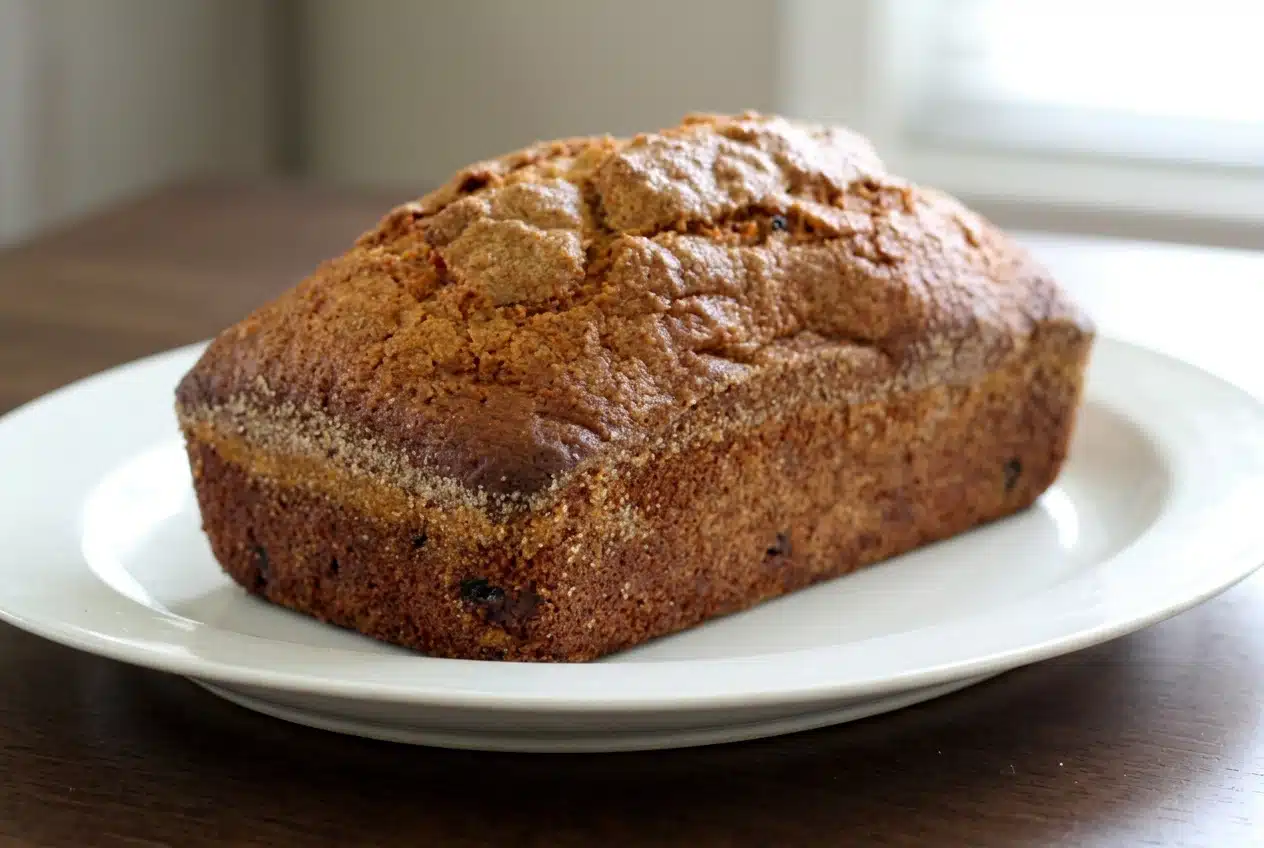
Made with a sweet fermented starter, amish friendship bread is a moist, cake-like cinnamon loaf with a cinnamon-sugar crust. Baking powder and baking soda lift the rich batter, while greased, sugar-dusted pans give the edges their sweet crunch.
This is a stir-together quick bread, not a dough you knead and shape. You’ll need a prepared friendship bread starter before beginning the batter.
The finished loaf fits breakfast, coffee breaks, and homemade gifts equally well. Its tender middle contrasts beautifully with the spiced outer crust. The pan coating makes the difference.
When dusting the greased pans, tilt them so cinnamon-sugar reaches the corners and sidewalls, not just the bottom.
Ingredients
The starter supplies fermented flavor, eggs and flour build structure, and oil, milk, and pudding mix help create a moist crumb. Cinnamon and vanilla add warmth, salt balances sweetness, and the leaveners provide lift.
- 1 cup Amish Friendship Bread Starter
- 3 eggs
- 1 cup oil
- ½ cup milk
- 1 cup sugar
- ½ teaspoon vanilla
- 2 teaspoons cinnamon
- 1½ teaspoon baking powder
- ½ teaspoon salt
- ½ teaspoon baking soda
- 2 cups flour
- 1 small box vanilla instant pudding
- 1 cup nuts (chopped (optional))
- 1 cup raisins ((optional))
Use the measurements above for the batter. The separate cinnamon-sugar coating appears in the method below, so set aside sugar and cinnamon for that step as well.
Starter and wet ingredients: The sweet starter contributes a gentle fermented tang. Eggs help the crumb hold together, oil keeps it tender, and milk supplies moisture. A neutral-flavored oil lets the cinnamon and vanilla remain prominent.
Flour and lift: Use all-purpose flour with the listed baking powder and baking soda rather than substituting self-rising flour. Baking powder supplies lift, while baking soda also reacts with acidity in the starter. Keep the eggs and leaveners as written rather than making untested adjustments.
Flavor and texture: Sugar sweetens and contributes to browning; cinnamon, vanilla, and salt round out the flavor. Instant vanilla pudding mix contributes sweetness, vanilla flavor, and body. Use the instant mix dry, not prepared pudding. Optional nuts add crunch, while raisins add chewy sweetness.
How to Make Amish Friendship Bread
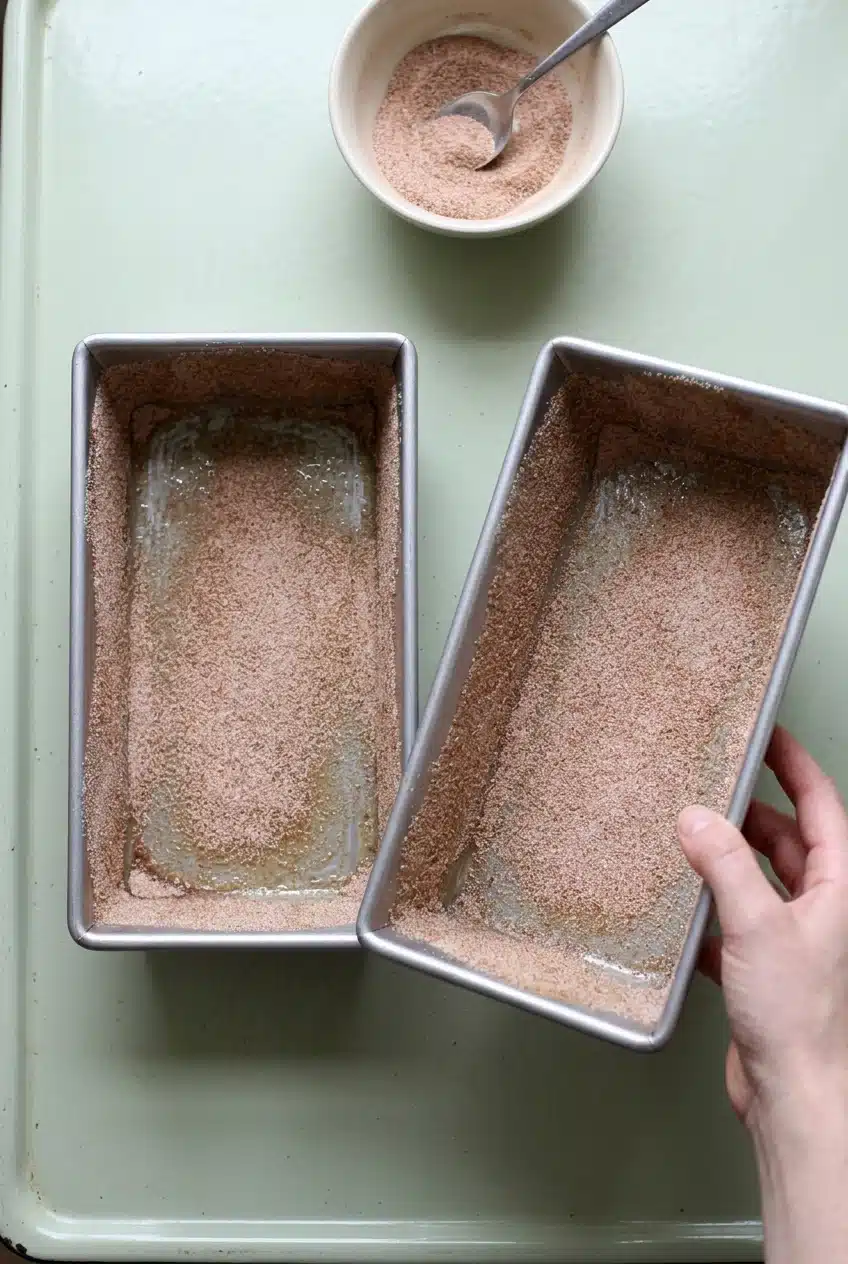
Prepare the batter in the listed order, then give the pan coating some attention. Use the exact temperature and baking time below, with the center toothpick check as your final doneness cue.
Prep: 10 minutes | Cook: 60 minutes | Total: 70 minutes
Yield: 18 slices, or 2 loaves. Timing begins with prepared starter.
- Set the oven to 325°F (165°C) before starting the batter.
A fully heated oven helps the loaves begin rising evenly. - Work through the ingredient list from top to bottom, combining everything in a large mixing bowl.
Mix gently until the batter looks uniform and no dry flour remains. - Coat the inside of two large loaf pans with grease.
Check the corners and sidewalls for any bare patches that could stick. - Stir together ½ cup sugar and 1½ teaspoons cinnamon, then use part of this mixture to coat the greased pan interiors.
A thin, even layer should cling to the bottoms and sides, leaving some mixture for the topping. - Divide the batter evenly between the prepared pans and scatter the reserved cinnamon-sugar over both surfaces.
Keep the batter levels similar so the loaves bake at a comparable pace. - Bake for about 1 hour, checking the center of each loaf with a toothpick before removing it.
Look for a clean toothpick and edges that have drawn away evenly from the pan walls.
I pay particular attention to the pan corners when coating them; an even layer gives every edge a little cinnamon crunch.
Understanding the Sweet Starter Tradition and Fermentation Cycle
The starter connects baking day to the sharing tradition, but it isn’t interchangeable with every sourdough culture.
What Makes the Sweet Starter Different From Sourdough
Friendship bread typically uses a sweet starter fed with flour, sugar, and milk. Its role here is flavor and batter contribution, alongside chemical leaveners that produce a cake-like crumb.
By contrast, classic sourdough bread generally starts with flour and water and relies on fermentation to raise a shaped dough. Expect a different crust, structure, and baking process.
The Amish name doesn’t establish a documented origin. Treat its connection to Amish communities as uncertain rather than a settled historical fact.
How the Multi-Day Feeding and Sharing Tradition Works
The tradition resembles a friendly chain letter: maintain a starter through its feeding cycle, use a portion for baking, and share portions with instructions.
Typical routines involve gently mashing or stirring the starter, feeding it at designated stages, and mixing the final batch in a nonmetal bowl before dividing. If using a bag, manage accumulated gas as directed by the starter’s care instructions. Follow the schedule that belongs to your particular starter rather than guessing at feeding amounts or cycle stages.
Baker Tips and Troubleshooting Common Issues
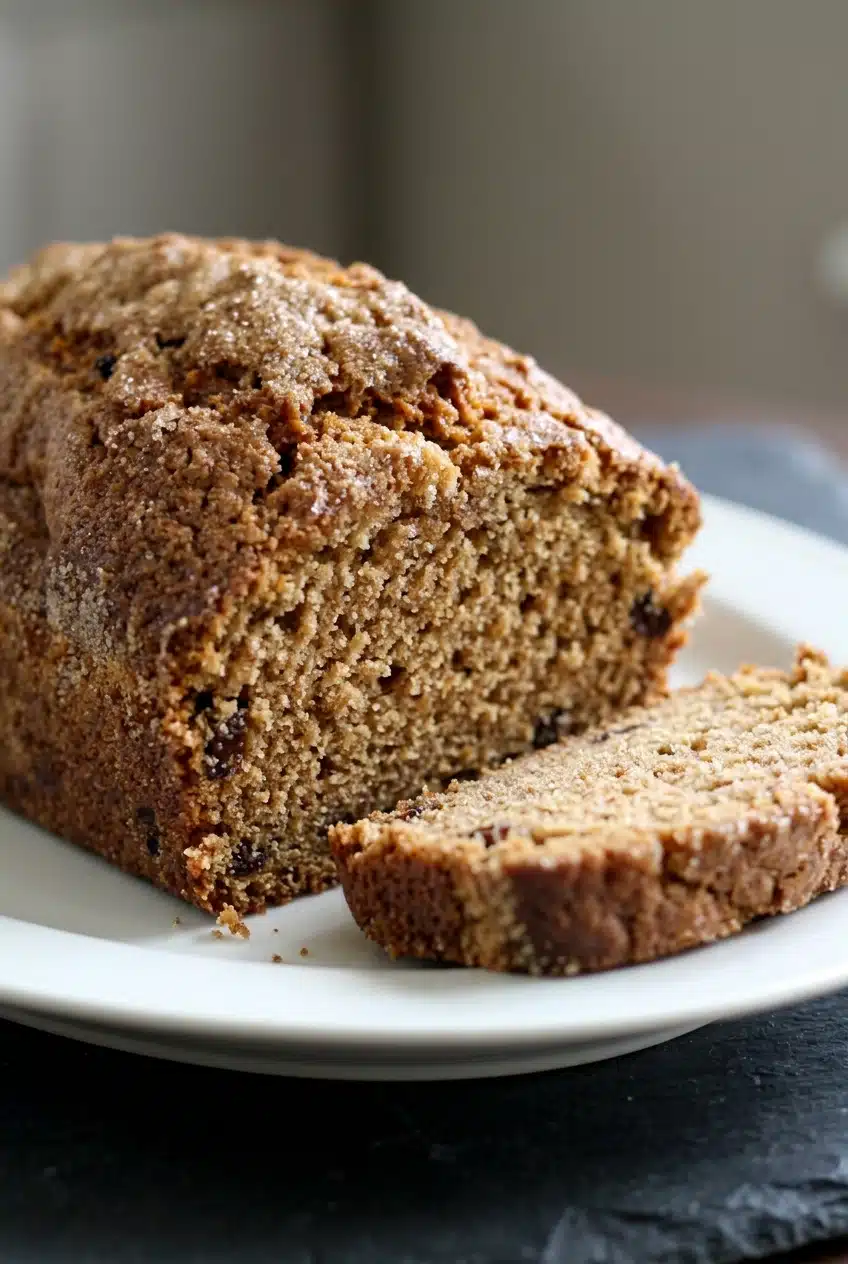
A browned crust can hide an unset center. Careful mixing and a center check matter more than color alone.
Why Loaves Sink in the Middle and How to Prevent It
- A gummy, collapsed center: Underbaking can leave the middle without enough structure; check each loaf’s deepest center before taking it out.
- A tough crumb with a dipped top: Overmixing after adding flour can contribute to poor texture; stop once the batter is evenly combined.
- Too little or uneven rise: Missing or inaccurately measured leaveners can upset the batter; include both baking powder and baking soda as listed.
- A loaf that rises, then falls: Inaccurate oven heat or opening the door too early can interfere with setting; preheat fully and avoid unnecessary peeking.
- Different results in a different pan: Batter depth affects how the center bakes; don’t assume a smaller, deeper pan will finish on the same schedule.
Recognizing an Active Starter and Baked Doneness
Surface bubbles, gentle expansion, and a tangy-sweet aroma can indicate fermentation activity. Their intensity varies during the feeding cycle, and they aren’t proof of safe handling or a substitute for knowing the starter’s care history.
For the baked loaf, combine the edge-release cue with the center toothpick test. Test both loaves independently. A toothpick that hits a raisin may look sticky, so check another nearby spot if the result is unclear.
Flavor Variations and Starter-Free Alternatives
Keep flavor experiments separate from the ingredient list above. These are optional directions, not tested replacements with identical baking behavior.
- Fruit-forward: Blueberry and walnut flavors offer a juicy, nutty direction, though fresh fruit changes the batter’s moisture.
- Seasonal spice: Nutmeg or allspice can shift the cinnamon profile toward a warmer holiday flavor.
- Glazed loaf: A citrus glaze adds bright sweetness that contrasts with the cinnamon crumb.
Mixed Raisins and Candied Nuts
For an optional twist on the listed mix-ins, golden, Thompson, and red flame raisins offer contrasting fruity notes and chew. Chopped candied pecans or walnuts add a sweeter crunch than plain nuts. Both directions make an already sweet loaf taste richer.
Starter-Free Amish Cinnamon Bread Alternative
A starter-free cinnamon quick bread skips the feeding cycle and fermented flavor. Some versions use buttermilk or sour cream for moisture and tang, but they need their own balanced formula.
If you don’t have starter, choose a dedicated recipe such as cinnamon donut bread rather than simply leaving the starter out of this batter.
Starter Care, Storage, and Gifting Guidelines
Clear records make a shared starter more useful than an unlabeled bag and a hopeful guess.
Sharing Extra Starter and Labeling Gifts
Label each portion with its current cycle stage, last feeding, ingredients, and the next scheduled action. Include the complete care instructions and baking recipe so the recipient doesn’t have to reconstruct the process.
Ask whether the recipient wants a live starter before passing it along. If maintaining one doesn’t suit them, a baked loaf makes a thoughtful alternative without an ongoing feeding commitment.
Food-Safety Precautions and Baked Bread Storage
For a milk-containing starter, seek specific, validated handling instructions rather than treating a general countertop tradition as a safety guarantee. If a shared starter’s handling history is unclear, it’s better not to bake with or pass it along.
Cool baked loaves completely before wrapping or placing them in a well-sealed container. Trapped warmth creates condensation that softens the cinnamon-sugar crust. This recipe doesn’t establish a validated storage duration for either the starter or finished bread, so avoid assigning either a guaranteed shelf life.
Serving Ideas and Pairing Suggestions
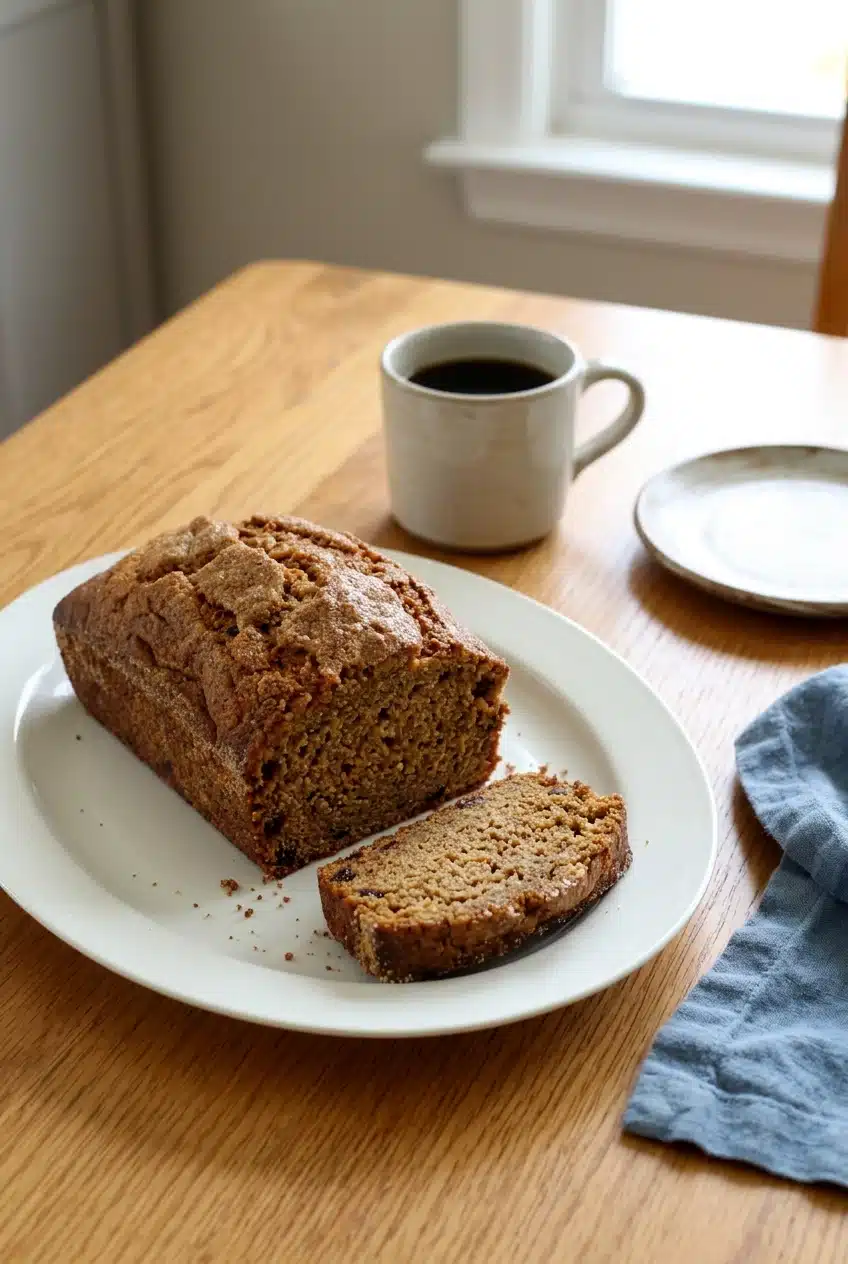
Serve this loaf much like a cinnamon coffee cake, with portions suited to the occasion.
- Offer slightly warm slices with morning coffee or tea.
- Lightly toast a thick slice and spread it with softened butter for an afternoon snack.
- Wrap a completely cooled loaf as a gift, with an ingredient card and, if sharing starter too, its labeled care instructions.
Conclusion
A tender crumb, warm cinnamon flavor, and sweet crust make this bread especially inviting to bake and share. Even pan coating gives those edges their character.
Follow the ingredient measurements and baking method above, then check the center before calling the loaf done. Share a slice, and send clear instructions along with any starter.
Frequently Asked Questions
Is Amish Friendship Bread Actually Amish?
Its direct connection to Amish communities remains uncertain. The name is closely associated with a starter-sharing tradition, but it shouldn’t be treated as proof of origin.
What Is the Difference Between Amish Friendship Bread and Sourdough?
Friendship bread uses a sweet starter in a cake-like batter with chemical leaveners. Traditional sourdough generally uses a flour-and-water starter to ferment and raise bread dough.
Why Does Amish Friendship Bread Need Baking Powder and Baking Soda if It Uses a Fermented Starter?
The rich batter goes into the oven without a long dough-rising stage, so chemical leaveners provide its quick-bread lift. Baking soda also reacts with acidity from the starter; don’t omit either leavener.
Why Did My Amish Friendship Bread Sink in the Middle?
Likely causes include underbaking, overmixing, inaccurate oven heat, or opening the oven too early. Mix gently, measure the leaveners carefully, and check each loaf’s center rather than judging by its crust.
Can You Make Amish Friendship Bread Without a Starter?
You can make a similar cinnamon quick bread using a dedicated starter-free recipe. Don’t omit the starter from this formula; doing so changes its moisture, acidity, and structure.
How Long Can You Keep an Amish Friendship Bread Starter and Baked Loaves?
No validated keeping duration is established here; follow specific care instructions for your starter. For baked loaves, cool completely before wrapping and keep covered to protect texture, without assuming a guaranteed shelf life.
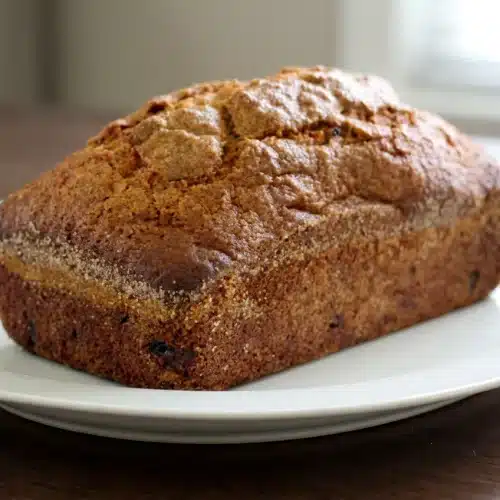
Amish Friendship Bread

Equipment
- Oven
- Large Mixing Bowl
- Two large loaf pans
- Toothpick
Ingredients
- 1 cup Amish Friendship Bread Starter
- 3 eggs
- 1 cup oil
- ½ cup milk
- 1 cup sugar
- ½ teaspoon vanilla
- 2 teaspoons cinnamon
- 1½ teaspoon baking powder
- ½ teaspoon salt
- ½ teaspoon baking soda
- 2 cups flour
- 1 small box vanilla instant pudding
- 1 cup nuts (chopped (optional))
- 1 cup raisins ((optional))
Instructions
- Set the oven to 325°F (165°C) before starting the batter. A fully heated oven helps the loaves begin rising evenly.
- Work through the ingredient list from top to bottom, combining everything in a large mixing bowl. Mix gently until the batter looks uniform and no dry flour remains.
- Coat the inside of two large loaf pans with grease. Check the corners and sidewalls for any bare patches that could stick.
- Stir together ½ cup sugar and 1½ teaspoons cinnamon, then use part of this mixture to coat the greased pan interiors. A thin, even layer should cling to the bottoms and sides, leaving some mixture for the topping.
- Divide the batter evenly between the prepared pans and scatter the reserved cinnamon-sugar over both surfaces. Keep the batter levels similar so the loaves bake at a comparable pace.
- Bake for about 1 hour, checking the center of each loaf with a toothpick before removing it. Look for a clean toothpick and edges that have drawn away evenly from the pan walls.