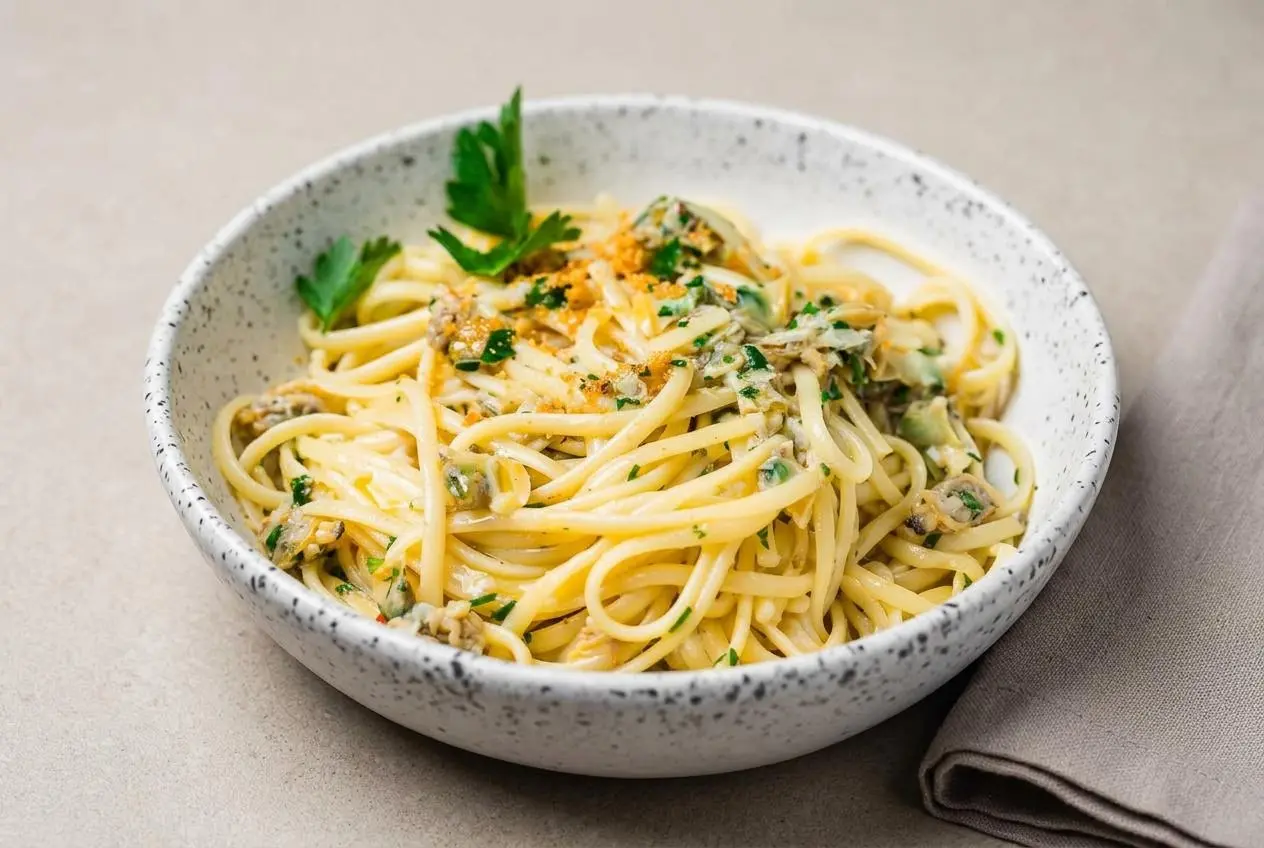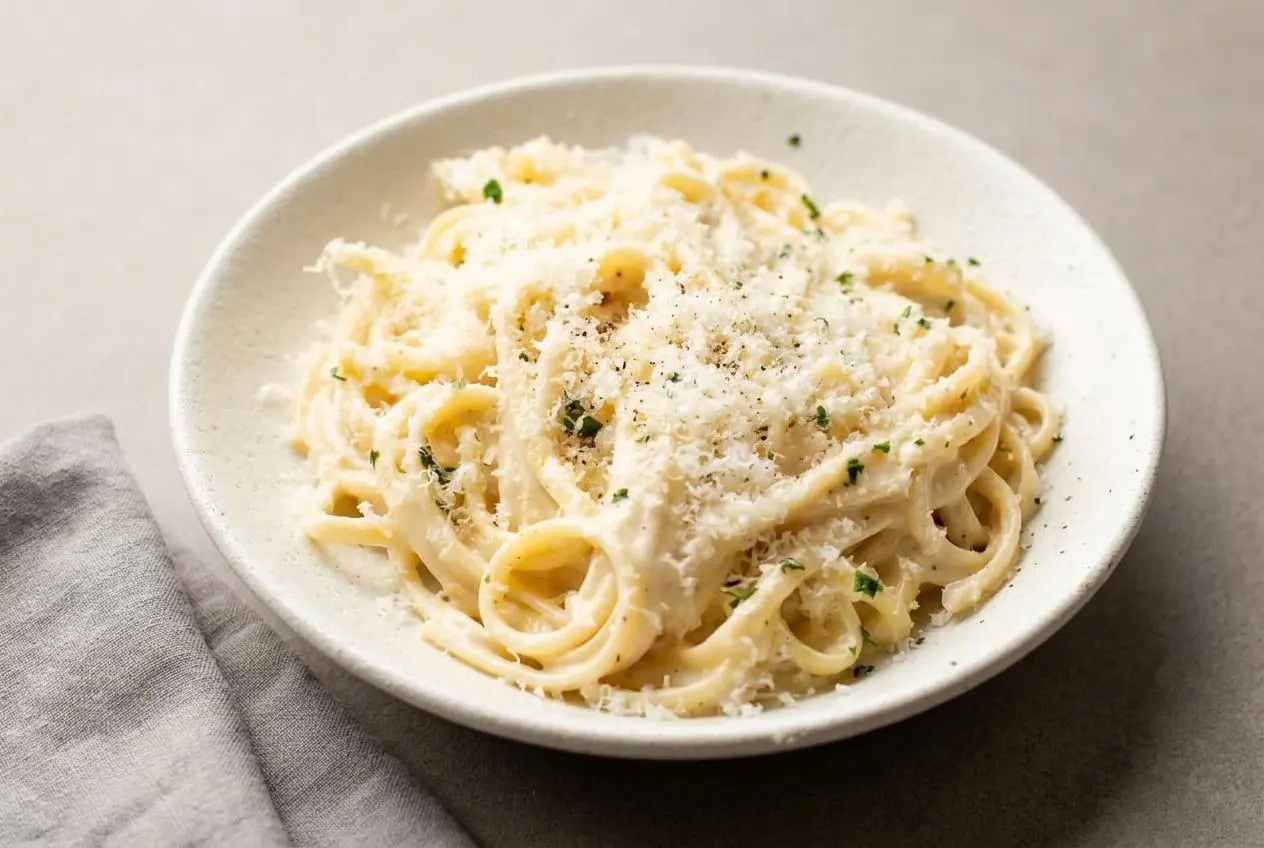
Make this creamy garlic pasta recipe in 15 minutes by cooking pasta while you build a light butter and flour roux, gently simmer it with broth and cream, then toss everything with parmesan.
This is the kind of quick dinner that fills the kitchen with the nutty aroma of warm butter and garlic. Linguine catches the rich sauce beautifully, while parmesan gives every strand a savory finish.
The key is gentle heat and freshly grated cheese, so the sauce stays smooth instead of oily or grainy. A little pasta water makes all the difference.
Set aside some cloudy pasta water before draining, even if the sauce looks perfect at first.
Ingredients for Creamy Garlic Pasta
Each ingredient supports the sauce in a different way: butter brings richness, flour gives structure, cream adds body, parmesan adds savory depth, and pasta water helps everything cling to the noodles.
- 8 ounces uncooked pasta (I used linguine)
- 1 tablespoon butter
- 1 teaspoon flour
- 2-3 cloves garlic (minced)
- 1/4 cup chicken broth
- 1 cup heavy/whipping cream
- 1/3 cup freshly grated parmesan cheese
- Salt & pepper (to taste)
- Chopped fresh parsley (optional, to taste)
Butter and flour form a small skillet roux that gives the sauce enough structure to coat pasta without becoming heavy. Chicken broth loosens that roux, while heavy cream brings the silky texture. Taste for salt only after adding parmesan, since both the cheese and salted pasta water contribute seasoning.
I grate parmesan from a wedge on the fine side of a box grater because the small shreds melt quickly and disappear into the sauce.
Garlic Selection and Preparation
Fresh cloves give this pasta a cleaner, sweeter garlic flavor than jarred minced garlic, which can taste sharp or acidic after sitting in liquid. Mince the cloves very finely with a sharp knife or garlic press so they soften quickly in the skillet instead of leaving crunchy bits in the cream sauce.
Garlic should smell fragrant and mellow, not dark or toasted. It cooks briefly with the broth, which stops it from lingering in dry heat long enough to turn bitter.
Cream Choices and Dairy Balance
Heavy cream or whipping cream gives the sauce its stable, luxurious body. The butter-and-flour base also helps the broth and cream come together into a smooth sauce rather than separating around the pasta.
Lower-fat options such as skim milk or half-and-half behave differently and can make a thinner, less forgiving sauce. For this method, stick with the cream listed and keep it at a gentle simmer instead of a hard boil.
The Power of Freshly Grated Parmesan
Freshly grated parmesan melts into the warm cream with a velvety finish and a pleasant salty bite. Pre-shredded bagged cheese often contains anti-caking coatings, which can keep the cheese from melting evenly and leave a gritty texture.
Remove the skillet from direct high heat before adding the cheese. When the sauce coats the back of a wooden spoon in a thin, even layer, it is ready for parmesan.
How to Make Creamy Garlic Pasta
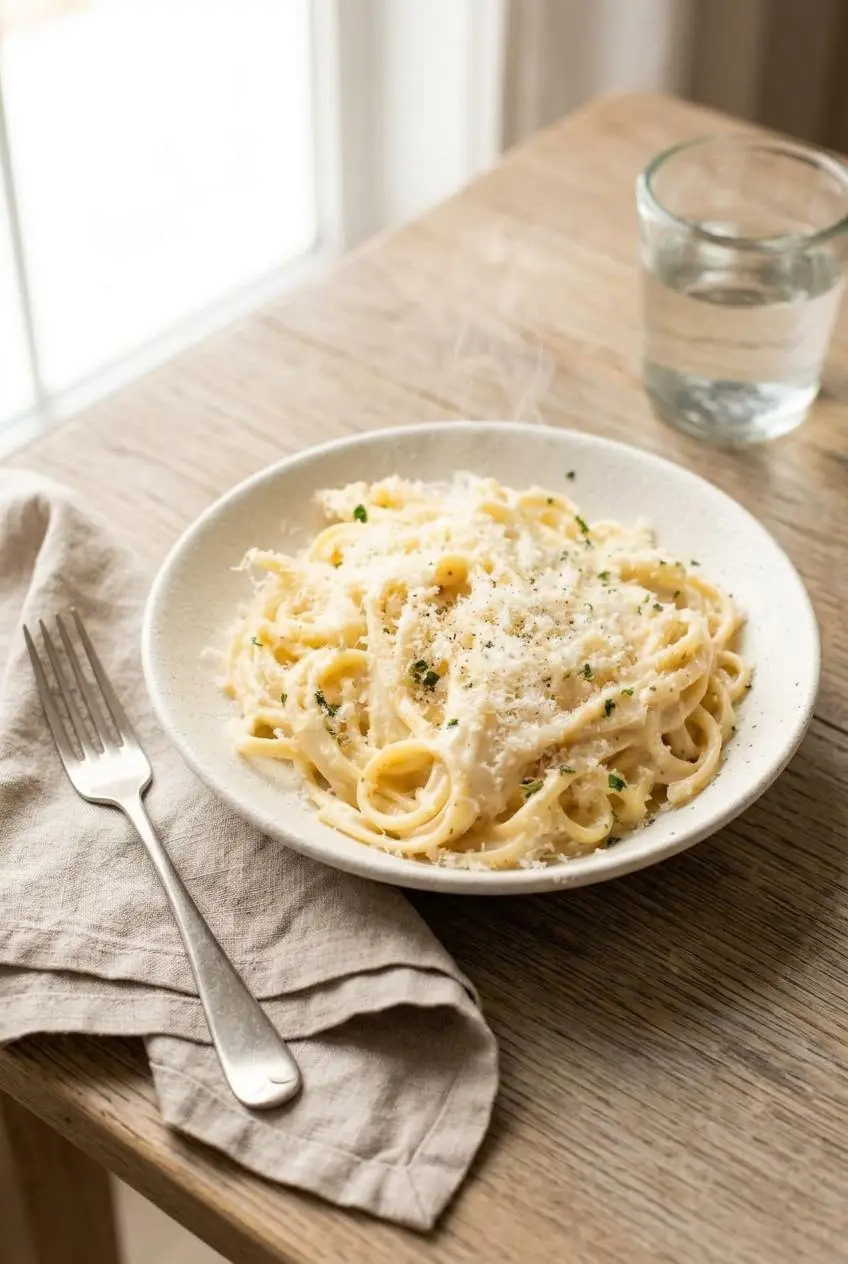
Cook the pasta and sauce at the same time so the noodles arrive hot and ready to absorb the creamy garlic sauce.
- Bring a pot of salted water to a boil and cook the pasta until al dente, following the package directions.
The noodles should be tender with a firm center, since they will finish coating in the hot sauce. - While the pasta nears doneness, melt the butter in a skillet over medium-high heat and stir in the flour for about 2 minutes.
Keep stirring until the roux looks pale and smooth with no dry flour visible. - Add the minced garlic and chicken broth, then let the mixture simmer for about a minute.
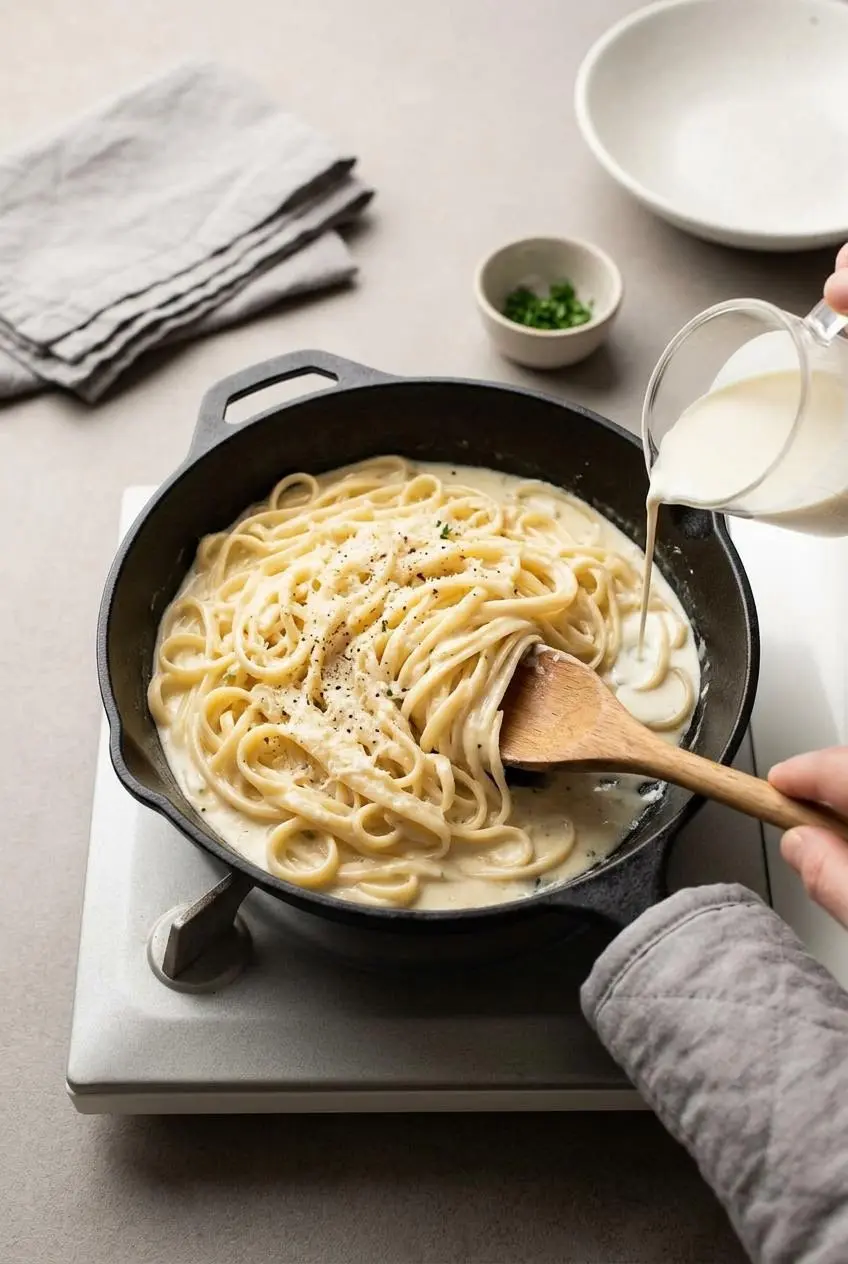
The skillet should smell warmly garlicky as the broth loosens the roux into a glossy base. - Whisk in the heavy cream and cook for a few more minutes, stirring occasionally, until the sauce thickens to your liking.
Look for small, lazy bubbles rather than a fast boil, and stop when the sauce lightly coats a spoon. - Take the skillet off the strongest heat, stir in the parmesan, and season with salt and pepper as needed.
The cheese should melt into a smooth sauce without clumps or oily streaks. - Drain the pasta and toss it thoroughly with the sauce, adding a little reserved pasta water if needed.
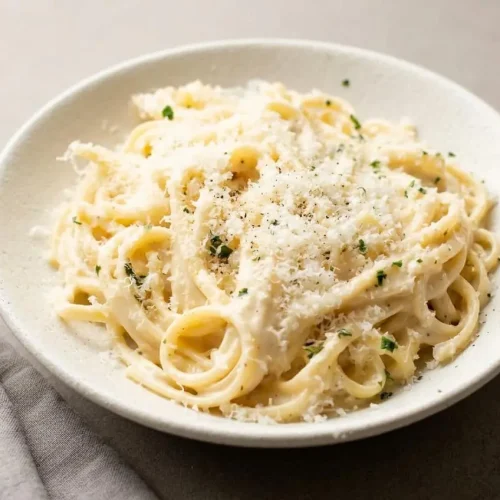
Serve immediately with parsley and extra parmesan if desired, while the sauce is still glossy and fluid.
Recipe Success Tips and Troubleshooting
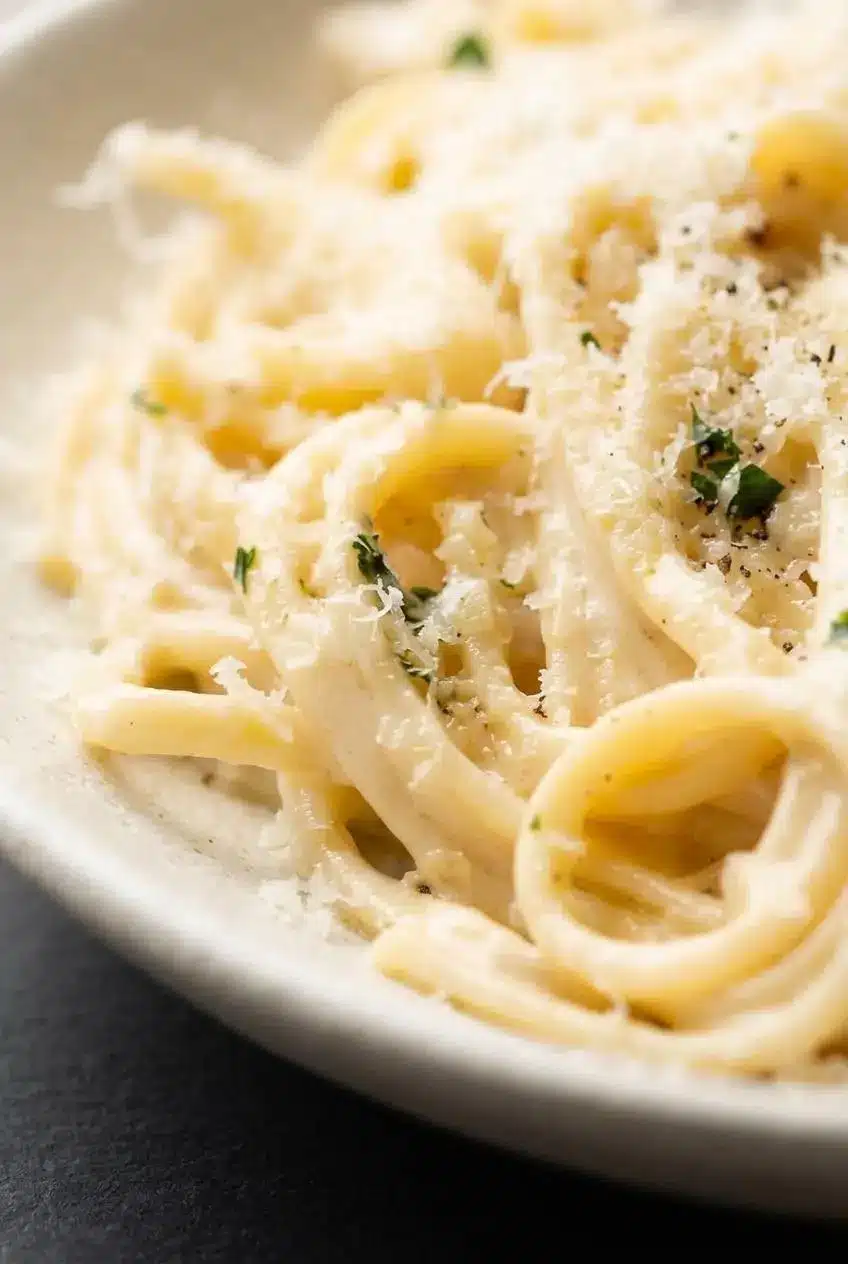
Most creamy pasta problems come down to heat, cheese, or sauce thickness. Small adjustments fix them quickly when you catch them early.
Controlling Stove Temperature
Keep an eye on the skillet after the garlic goes in. If the garlic begins to brown before the broth is added, lower the heat and move the pan briefly off the burner. Dark garlic brings harsh bitterness that cream cannot hide.
Once the cream is in the skillet, aim for a gentle simmer. Rapid bubbling can make the butterfat separate, leaving shiny pools around a sauce that should look smooth and unified.
Rescuing a Broken or Gritty Sauce
- Oily or separated sauce: Remove the skillet from the heat and whisk in hot reserved pasta water a spoonful at a time. The starch helps pull the butterfat and liquid back together.
- Grainy sauce: The cheese may have been added over excessive heat or may have contained anti-caking additives. Take the pan off the burner and stir gently rather than continuing to boil it.
- Too-thick sauce: Add more warm pasta water gradually while tossing. The sauce should loosen enough to glide over the linguine, not sit in a heavy puddle.
Mastering Pasta Water Emulsion
Reserve about half a cup of the cloudy cooking water before you drain the pasta. That water contains starch released from the noodles, and the starch helps bind the cream, butter, and parmesan into a sauce that holds to each ribbon.
Add it gradually. A small splash can transform a tight, sticky sauce into one that looks glossy and moves easily when you toss the pasta. Plain water can thin the sauce, but starchy pasta water improves its cling.
Variations and Easy Add-Ins
Keep the main pasta method as written, then add cooked extras at the end so the cream sauce stays balanced and the add-ins do not overcook.
Creamy Garlic Chicken Pasta
For a heartier meal, season chicken breast, sear it in a separate pan until fully cooked, slice it, and fold it gently into the finished pasta just before serving. For a dedicated chicken version, try this garlic parmesan chicken pasta.
Adding cooked chicken at the end keeps the sauce from becoming crowded and helps the slices stay juicy rather than simmering until dry.
Seafood and Vegetable Options
- Garlic butter shrimp: Sear shrimp separately, then place them over the finished pasta so they stay tender and distinct.
- Spinach and mushroom garlic pasta: Sauté cremini mushrooms separately for deeper flavor, then fold them in with baby spinach. The spinach wilts quickly from the warmth of the sauce.
- Sweet peas: Stir tender peas into the finished skillet for small pops of sweetness and color.
- Lemon zest and thyme: Add a pinch of fresh lemon zest and minced thyme at the table for a bright aroma that cuts through the dairy richness.
Storage and Gentle Reheating
Cool leftovers promptly, transfer them to an airtight container, and keep them chilled. Creamy pasta thickens as it sits, so it benefits from slow reheating rather than strong direct heat.
Warm a portion in a skillet over low heat with a splash of milk, broth, or water, stirring often until the sauce turns smooth again. Avoid high-power microwave reheating, which can make the noodles tough and encourage the sauce to separate.
If cream-based leftovers have been held above 40°F for more than two hours, discard them to reduce food-safety concerns around refrigerated dairy and cooked pasta.
Conclusion
This 15-minute pasta turns butter, garlic, cream, broth, and parmesan into rich comfort food with very little fuss. Freshly grated parmesan and steady heat are the two details that keep the sauce silky.
Adjust the garlic to suit your taste, reserve that pasta water, and bring the skillet straight to the table while the sauce is at its glossiest.
Frequently Asked Questions
How Do I Prevent the Minced Garlic From Burning?
Keep the heat moderate once the garlic enters the skillet. Stir it through the warm roux, then add the broth promptly so it softens rather than browns. If it starts turning dark, lower the heat immediately. Burnt garlic tastes bitter in a cream sauce.
Can I Use Pre-Shredded Bagged Parmesan Cheese?
Freshly grated parmesan works much better for a smooth sauce. Bagged shredded cheese can contain anti-caking coatings that interfere with melting. Use a fine grater or Microplane to create small pieces that melt quickly off the heat.
How Do I Fix a Creamy Garlic Sauce That Has Separated?
Take the skillet off the burner as soon as you see oily streaks. Whisk in hot reserved pasta water gradually until the sauce comes back together. Keep the heat low when returning the pan to the stove, and avoid boiling it again.
What Is the Best Way to Reheat Leftover Creamy Garlic Pasta?
Use a skillet over low heat instead of blasting it in the microwave. Add a small splash of milk, broth, or water while stirring to loosen the sauce. Stop heating as soon as the pasta is warm and glossy again.
What Pasta Shapes Hold Creamy Garlic Sauce Best?
Linguine and fettuccine offer broad surfaces for a smooth cream sauce. Penne rigate and rigatoni catch sauce inside their ridges and hollow centers. Choose a shape you enjoy, but cook it al dente so it holds up during tossing.
Creamy Garlic Pasta Recipe

Equipment
- Garlic Press
- Skillet
- Microplane
Ingredients
- 8 ounces uncooked pasta (I used linguine)
- 1 tablespoon butter
- 1 teaspoon flour
- 2-3 cloves garlic (minced)
- 1/4 cup chicken broth
- 1 cup heavy/whipping cream
- 1/3 cup freshly grated parmesan cheese
- Salt & pepper (to taste)
- Chopped fresh parsley (optional, to taste)
Instructions
- Bring a pot of salted water to a boil and cook the pasta until al dente, following the package directions. The noodles should be tender with a firm center, since they will finish coating in the hot sauce.
- While the pasta nears doneness, melt the butter in a skillet over medium-high heat and stir in the flour for about 2 minutes. Keep stirring until the roux looks pale and smooth with no dry flour visible.
- Add the minced garlic and chicken broth, then let the mixture simmer for about a minute. The skillet should smell warmly garlicky as the broth loosens the roux into a glossy base.
- Whisk in the heavy cream and cook for a few more minutes, stirring occasionally, until the sauce thickens to your liking. Look for small, lazy bubbles rather than a fast boil, and stop when the sauce lightly coats a spoon.
- Take the skillet off the strongest heat, stir in the parmesan, and season with salt and pepper as needed. The cheese should melt into a smooth sauce without clumps or oily streaks.
- Drain the pasta and toss it thoroughly with the sauce, adding a little reserved pasta water if needed. Serve immediately with parsley and extra parmesan if desired, while the sauce is still glossy and fluid.