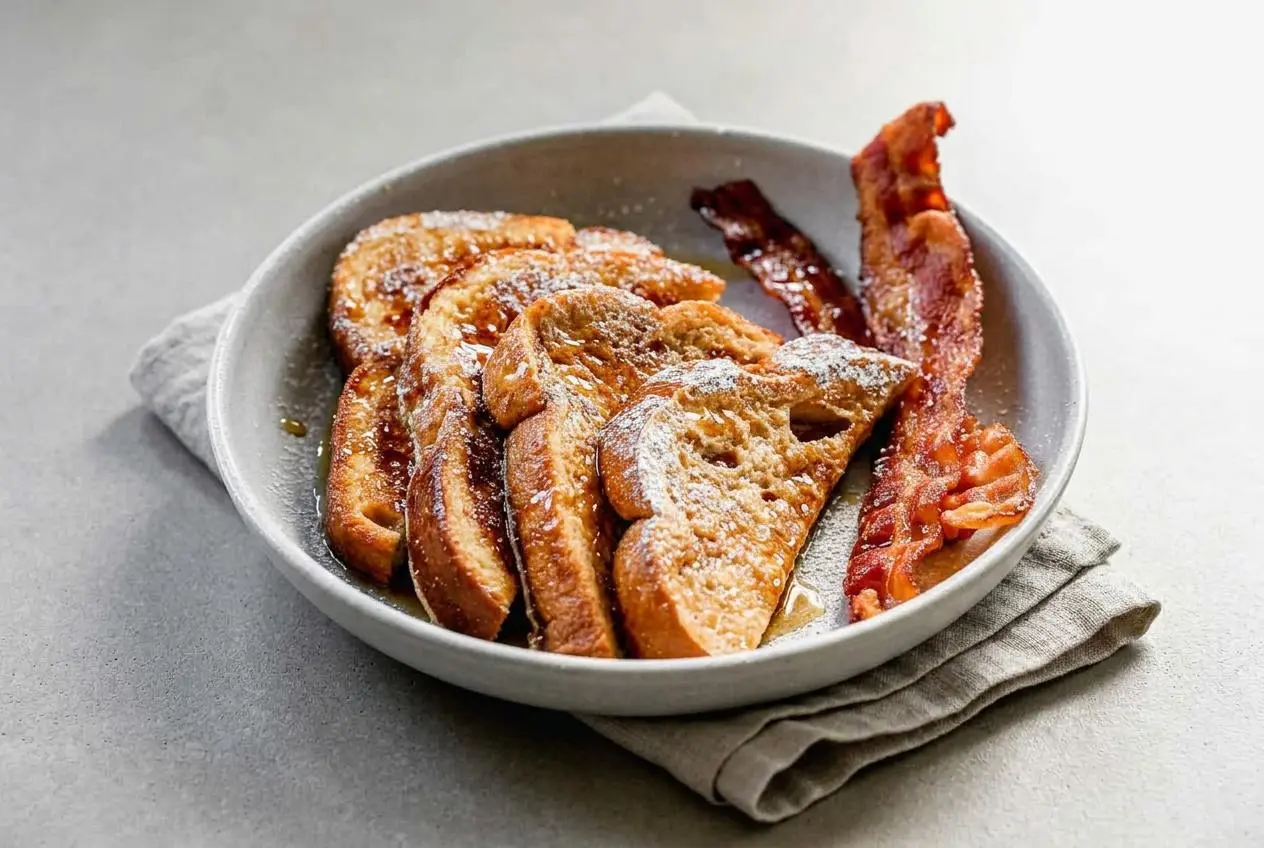
Perfect French toast starts with a smooth egg, milk, cinnamon, vanilla, flour, and sugar custard. Dip thick bread for 15 to 20 seconds per side, then cook it on a greased griddle or skillet over medium heat until both sides are golden.
This french toast recipe makes eight warmly spiced slices with crisp-edged, custardy centers. The small amount of flour gives the coating more body, so it clings to the bread instead of pooling in the pan.
When warm vanilla and cinnamon hit the heat, the kitchen starts smelling like breakfast is already handled. The flip is where the magic happens.
Keep a clean plate nearby for finished slices so they do not sit in the skillet and soften.
Essential Ingredients for Fluffy French Toast
Each ingredient builds the finished texture: eggs set the custard, milk adds moisture, flour gives the coating body, and cinnamon and vanilla bring warm aroma and balanced sweetness.
- 4 large eggs
- 2/3 cup milk ((160 ml))
- 1/4 cup all-purpose flour ((30 grams))
- 1/4 cup granulated sugar ((50 grams))
- 1/4 teaspoon salt
- 1 teaspoon ground cinnamon
- 1 teaspoon vanilla extract ((5 ml))
- 8 thick slices bread
Eggs create the rich structure that turns the soaked bread tender rather than wet. Milk loosens that egg mixture into a dip-able custard, while sugar encourages a deeper golden color. The flour thickens the coating slightly, helping it stay on the bread and form lightly crisp edges.
Cinnamon and vanilla work together for that familiar breakfast flavor. Salt keeps the sweetness from tasting flat. Mix the flour and cinnamon thoroughly into the eggs before adding the liquid if whisking by hand, since that prevents stubborn flour pockets and cinnamon specks from floating on top.
I prefer whole milk here because its fuller texture gives the custard a rounder finish and helps the cinnamon taste less sharp.
The Best Bread and How to Prepare It
Sturdy, slightly dry bread is the difference between a plush center and a slice that falls apart in the custard. Thickness matters because the bread needs enough structure to take in flavor without becoming saturated all the way through.
Top Bread Choices: Brioche, Challah, and Texas Toast
Brioche and challah are excellent choices because their enriched crumb has enough richness to complement the egg custard while still holding its shape. For an especially buttery brunch-style option, try brioche French toast with slices that are slightly stale.
- Brioche: Soft, buttery, and rich. Use day-old slices so they absorb custard without collapsing.
- Challah: A little sturdier than brioche, with a gentle eggy flavor and a lovely pull-apart center.
- Texas toast: Thick-cut and practical, with a neutral flavor that lets the cinnamon vanilla custard stand out.
- Sturdy sandwich bread: It can work when cut thick, but avoid thin, very fresh slices that turn soggy quickly.
A slice about 3/4 inch to 1 inch thick gives you the best balance. It can soak up custard near the surface while keeping a bread-like center that puffs slightly as it cooks.
How to Dry Fresh Bread Quickly in the Oven
If your loaf is very fresh, dry the slices before dipping. Arrange them in a single layer on a baking sheet and warm them at 300 degrees F for 8 to 10 minutes. Turn them once if needed, and remove them when they feel dry on the surface but have not browned.
This brief drying step gives the bread room to absorb the custard evenly. It is especially helpful with soft bakery loaves that would otherwise go mushy after a long soak.
How to Make French Toast Step by Step
A steady medium heat cooks the custard through before the outside gets too dark. Work in batches with room between slices so the pan stays hot and the bread can brown instead of steam.
- Heat a griddle to 350 degrees F, or set a skillet over medium heat and grease the cooking surface.
The pan is ready when a drop of custard sizzles gently rather than smoking. - Blend the eggs, milk, flour, sugar, salt, cinnamon, and vanilla until the custard is completely smooth.
If mixing by hand, beat the flour into the eggs first, then whisk in the remaining ingredients until no dry streaks remain. - Dip each bread slice into the custard for 15 to 20 seconds per side, then place it on the hot greased surface.
The coating should cling to the bread without dripping off in thick puddles. - Cook the slices for 2 to 3 minutes, turn them over, and cook the second side until golden brown.
Look for soft bubbling around the edges, a toasted vanilla scent, and a center that springs back slightly when pressed with a spatula. - Transfer the cooked slices to a plate and serve them warm.
The exterior should be golden with a tender, lightly puffed middle.
Pro Tips for Golden, Fluffy French Toast
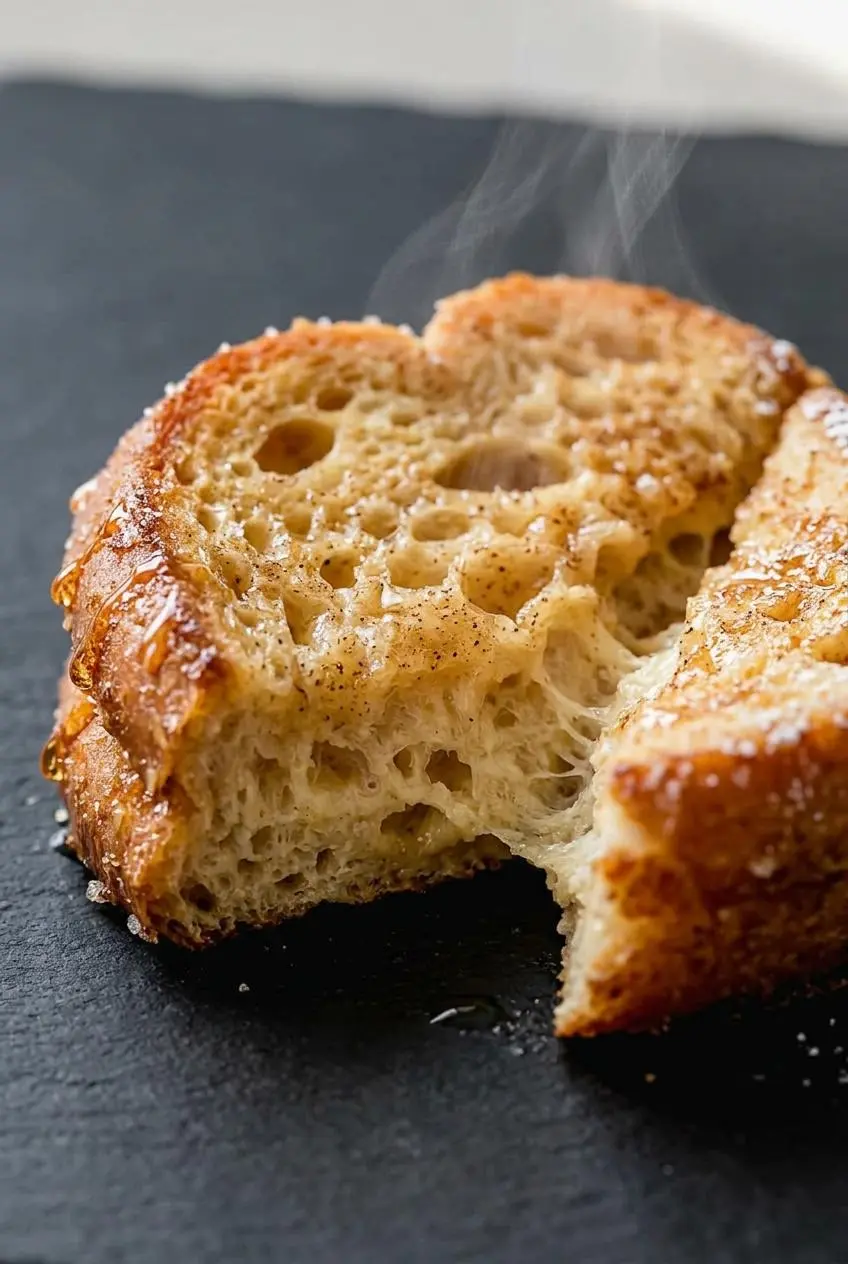
Small adjustments keep each batch evenly browned and prevent the custard from turning pasty or the butter from scorching.
- Start with a smooth custard: Blend the mixture, or whisk flour into eggs before adding milk. This makes it easier to dissolve the flour and distribute the cinnamon.
- Keep the heat steady: A 350 degrees F griddle, or a skillet set over medium heat, gives the center time to cook while the surface turns golden.
- Do not press the bread: Pressing with a spatula squeezes out the soft custardy interior and can make the slices dense.
- Reset the skillet between batches: Wipe away dark butter residue with a paper towel, then lightly grease the pan again. Fresh fat browns better than burnt bits.
- Use the aroma as a cue: When the cinnamon vanilla scent smells toasted rather than raw, check the underside for color before flipping.
For an optional citrusy finish, add a pinch of freshly grated nutmeg and a little orange zest to the custard. It brightens rich brioche or challah without changing the character of the dish.
Troubleshooting Common French Toast Mistakes
Most French toast problems come down to bread moisture, custard consistency, or pan heat. These fixes target the issue before breakfast turns into a rescue mission.
- Soggy middle: The bread was too fresh, too thin, or soaked too long. Use thicker day-old bread, limit the dip to 15 to 20 seconds per side, and keep the pan at medium heat so the center has time to set.
- Dark outside with a wet center: The skillet is too hot. Lower the heat slightly and give each side time to cook through rather than chasing quick color.
- Pale, soft slices: The pan is not hot enough or the skillet is crowded. Let the surface return to temperature between batches and leave space around each slice.
- Burnt butter flavor: Brown residue has built up in the pan. Carefully wipe it away between batches before greasing the skillet again.
- Cinnamon clumps or floating spice: Whisk cinnamon with the flour and sugar, then incorporate that mixture into the eggs. A blender makes the custard especially smooth.
- Rubbery texture: The slices have cooked too long. Remove them when both sides are golden and the center feels softly set, not firm and dry.
For egg-based dishes, cooking the center to 160 degrees F helps reduce food-safety risk. Cooking egg dishes to 160 degrees F is especially useful when making very thick slices.
Delicious French Toast Variations
Keep the main method as written, then use these optional ideas when you want a different flavor or a smaller breakfast.
Small-Batch French Toast for One or Two
For one or two servings, use one egg and a small pour of milk, then whisk in just enough of the remaining custard ingredients to keep the same cinnamon vanilla balance. Make only the amount of batter you need, and use two thick slices of bread so nothing lingers in the dish.
Cook the slices in a smaller skillet over the same medium heat. A small batch browns quickly because the pan temperature recovers faster between slices, so watch the first side closely.
Cinnamon Swirl and Stuffed Variations
Use cinnamon swirl bread for a more pronounced spiced flavor, but dip it briefly because sweet swirled bread can soften faster than challah. For a richer brunch plate, spread a thin layer of cream cheese between two slices before dipping, then cook gently so the center warms through.
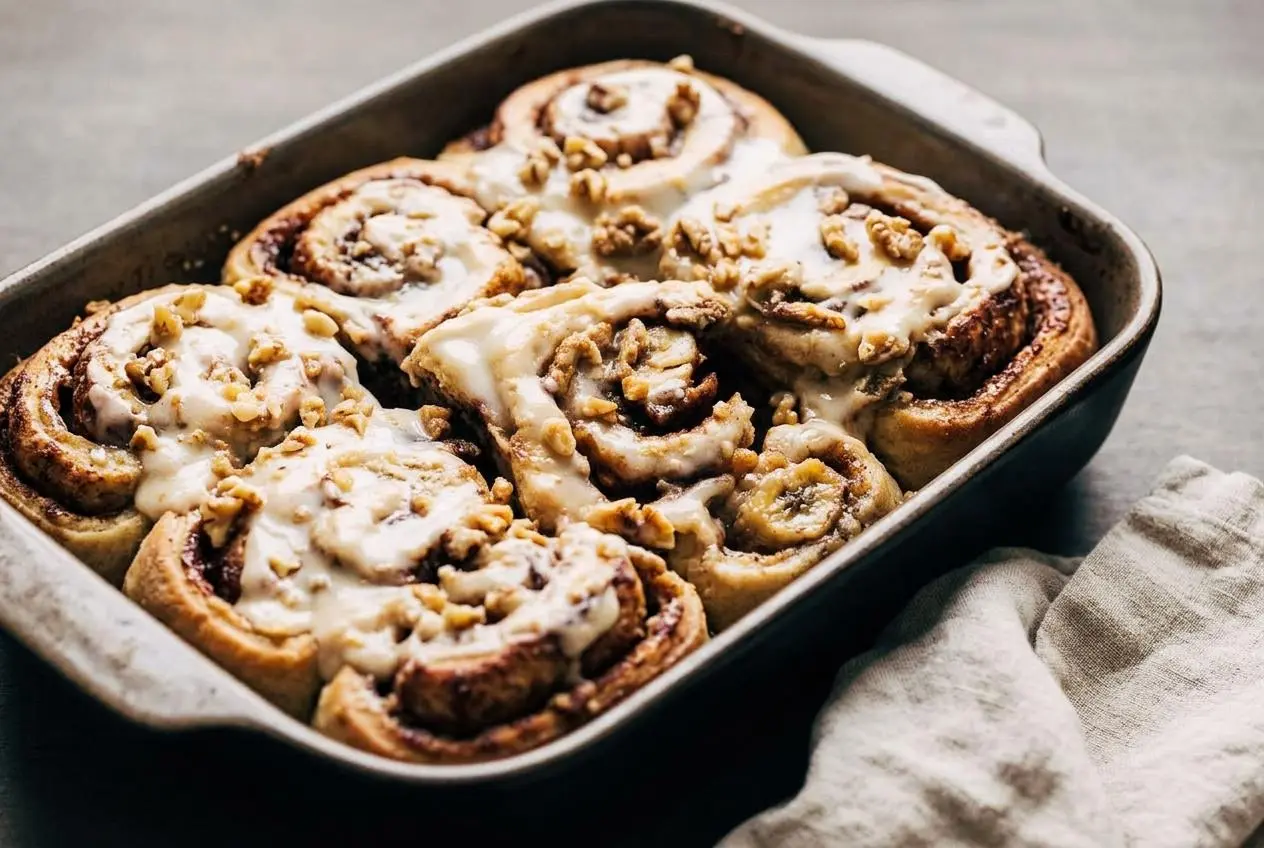
If you want a more dessert-like version with a spiced, bakery-style finish, make cinnamon roll French toast instead.
- Dairy-free option: Replace the milk with an unsweetened non-dairy milk. The custard will be less rich, so choose thick bread and avoid over-soaking.
- Orange brioche option: Add orange zest to the custard for a fresh citrus fragrance that pairs well with buttery bread.
- Challah option: Use challah when you want a slightly chewier slice with a sturdy, custardy interior.
Holding and Reheating French Toast
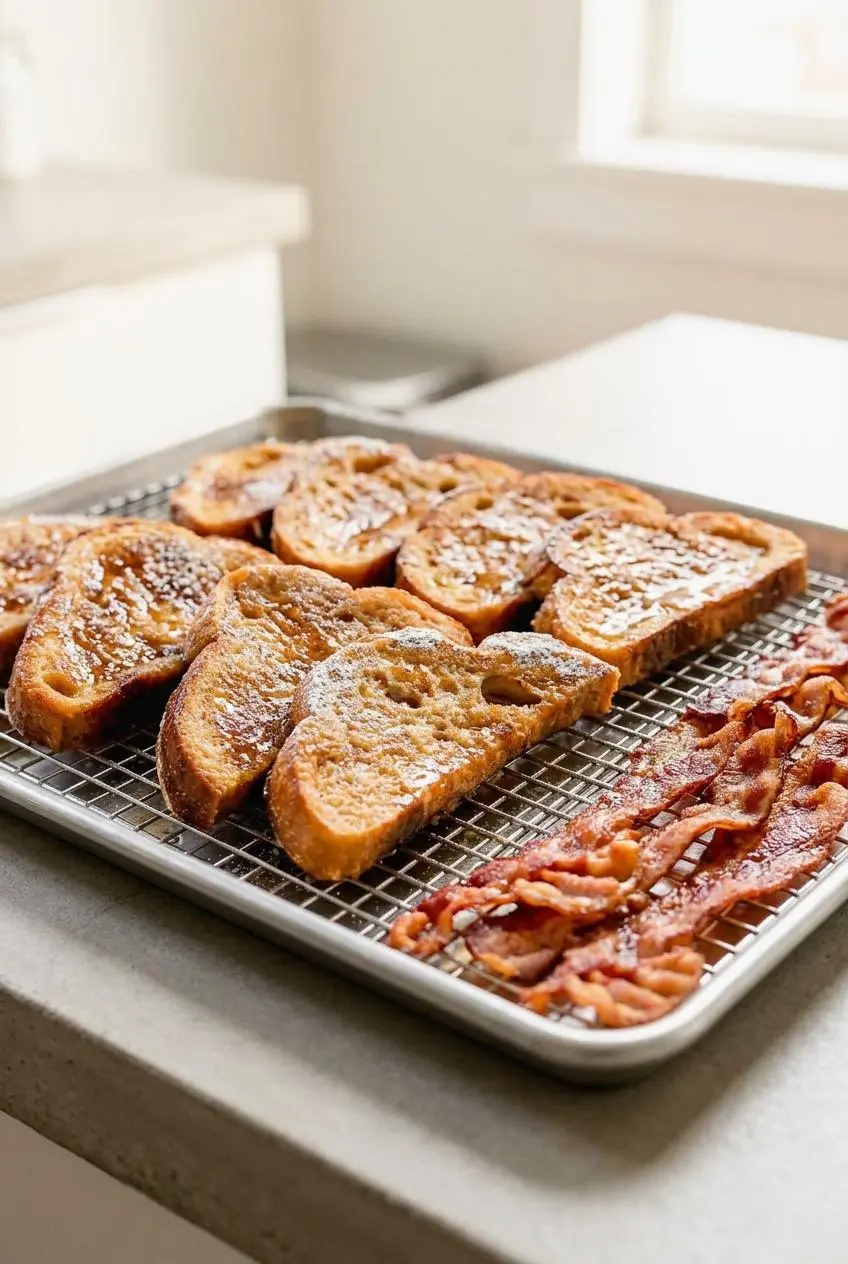
When cooking for a group, keep early batches warm in a 200 degrees F oven. Set the slices on a wire rack over a baking sheet so hot air can circulate and the bottoms stay firmer while you finish the remaining bread.
For leftovers, let the slices cool completely on a wire rack before placing them in a covered container in the refrigerator. Reheat them in a toaster or in the oven until the outside feels crisp again. A microwave will warm them, but it tends to soften the browned surface.
For a make-ahead breakfast that is designed for assembling in advance, a baked French toast casserole is a useful alternative to skillet batches.
Serving Suggestions and Toppings
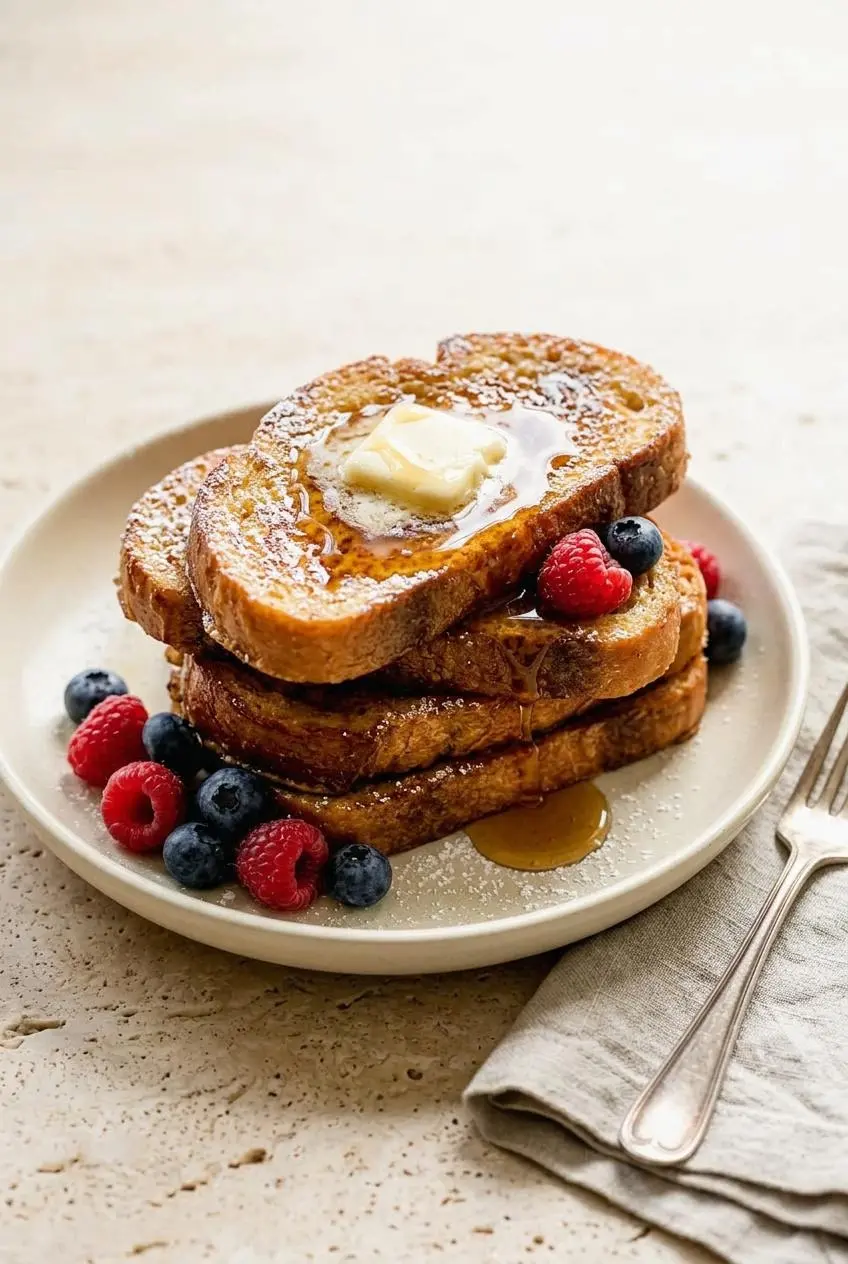
Serve French toast right away while the outside still has a little crispness. Mix sweet toppings with a savory side if you want a breakfast that feels satisfying rather than overly sugary.
- Warm pure maple syrup and salted butter make the cinnamon vanilla flavor shine.
- Fresh berries and a light dusting of powdered sugar add brightness and color.
- A spoonful of homemade peach jam brings a fruity, tangy contrast to buttery brioche or challah.
- Crispy bacon or breakfast sausage links add a savory, salty counterpoint.
- Sliced bananas, toasted nuts, or softly whipped cream turn the plate into a more brunch-worthy treat.
Conclusion
Golden French toast is wonderfully dependable when you begin with sturdy bread, whisk the custard until smooth, and cook each slice over steady medium heat. That combination gives you browned edges and a soft, warmly spiced center.
Keep the soak brief, give each batch room in the pan, and serve the slices while they are hot. A calm skillet makes a better breakfast.
Frequently Asked Questions
What Is the Best Bread for French Toast?
Thick-sliced day-old brioche or challah is a top choice because its enriched crumb absorbs custard without falling apart. Texas toast works well when you want a sturdy, neutral-flavored option with plenty of surface area. Choose slices about 3/4 inch to 1 inch thick for a custardy middle and a crisp golden exterior.
How Do You Prevent French Toast from Getting Soggy in the Middle?
Use stale or oven-dried bread instead of very fresh, thin sandwich slices. Dip the bread for only 15 to 20 seconds per side so the custard coats it without saturating the center. Cook over medium heat, around 350 degrees F on a griddle, so the interior sets before the outside burns.
Can You Make French Toast Batter the Night Before?
You can whisk the custard ahead, cover it tightly, and refrigerate it until you are ready to cook. Whisk it again before dipping the bread because flour and cinnamon may settle as it rests.
How Do You Reheat Leftover French Toast So It Stays Crisp?
Use a standard toaster for individual slices, or reheat them in the oven on a rack over a baking sheet. Both methods restore a firmer exterior more effectively than microwaving, which can leave the bread soft.
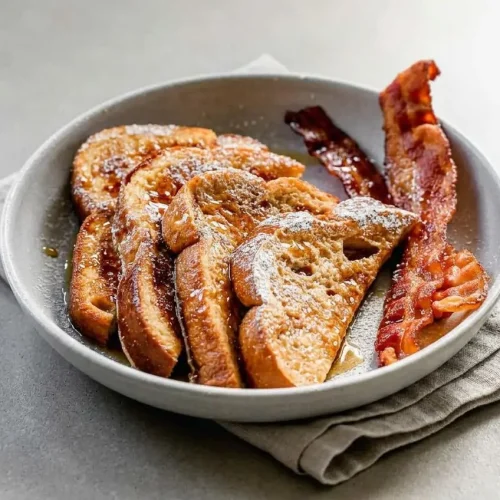
French Toast Recipe

Equipment
- Griddle or skillet
- Blender or shallow dish
- Whisk
Ingredients
- 4 large eggs
- 2/3 cup milk (160 ml)
- 1/4 cup all-purpose flour (30 grams)
- 1/4 cup granulated sugar (50 grams)
- 1/4 teaspoon salt
- 1 teaspoon ground cinnamon
- 1 teaspoon vanilla extract (5 ml)
- 8 thick slices bread
Instructions
- Heat a griddle to 350 degrees F, or set a skillet over medium heat and grease the cooking surface. The pan is ready when a drop of custard sizzles gently rather than smoking.
- Blend the eggs, milk, flour, sugar, salt, cinnamon, and vanilla until the custard is completely smooth. If mixing by hand, beat the flour into the eggs first, then whisk in the remaining ingredients until no dry streaks remain.
- Dip each bread slice into the custard for 15 to 20 seconds per side, then place it on the hot greased surface. The coating should cling to the bread without dripping off in thick puddles.
- Cook the slices for 2 to 3 minutes, turn them over, and cook the second side until golden brown. Look for soft bubbling around the edges, a toasted vanilla scent, and a center that springs back slightly when pressed with a spatula.
- Transfer the cooked slices to a plate and serve them warm. The exterior should be golden with a tender, lightly puffed middle.