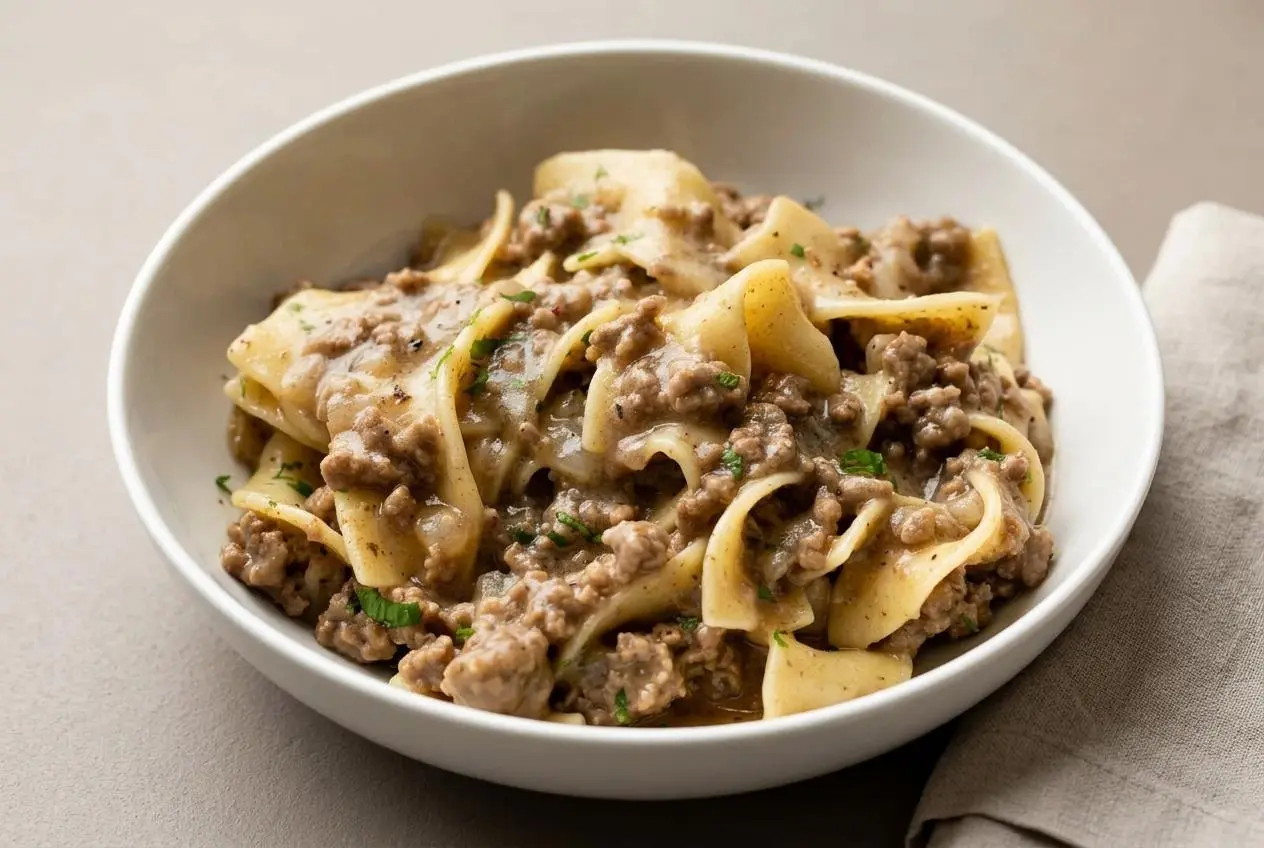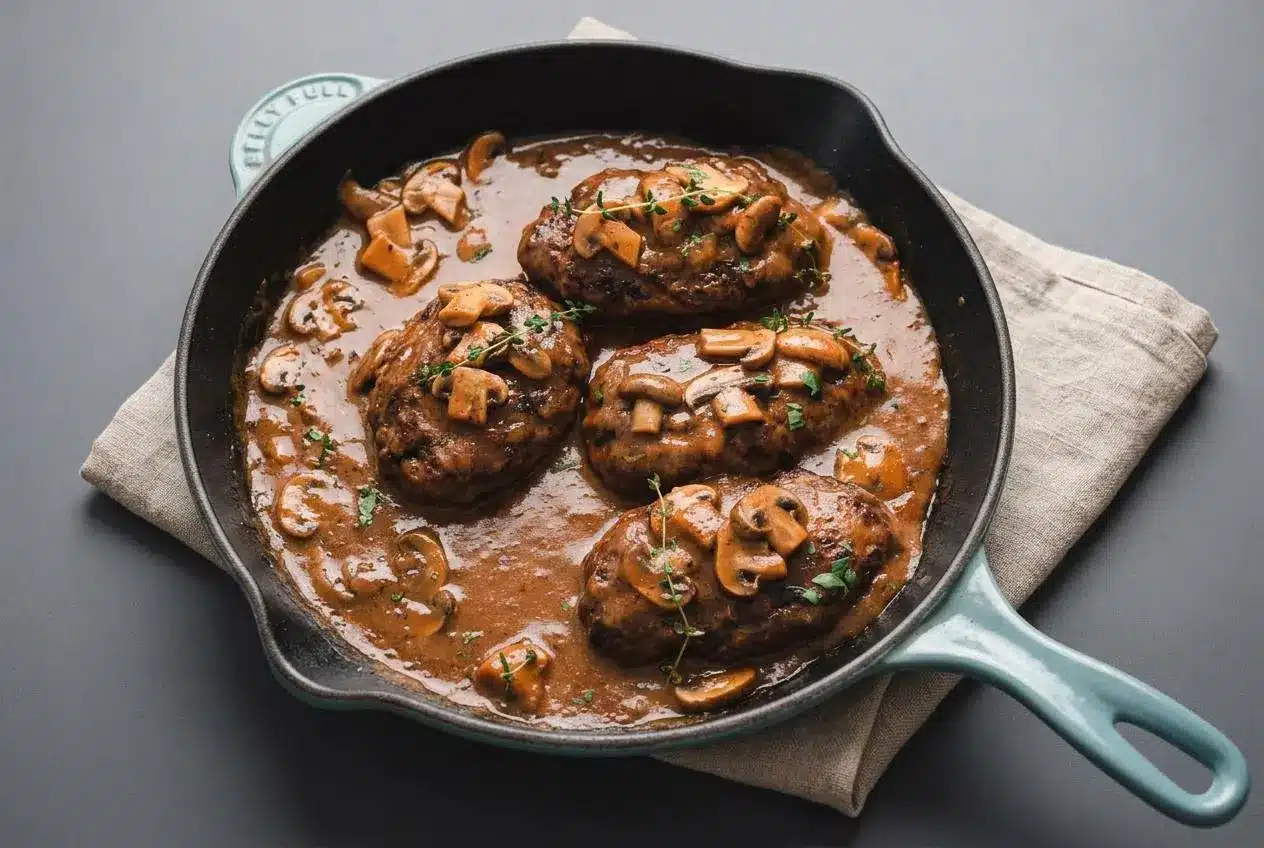
The key to tender Salisbury steak is a soft panade made with panko and egg, plus onion juices for moisture, then a hard sear for flavor before the patties finish gently in mushroom gravy.
A salisbury steak recipe is more than hamburger patties with gravy. The beef is seasoned, lightly bound for tenderness, and simmered in a savory mushroom sauce that tastes like classic diner comfort made at home.
It comes together in about 30 minutes, makes great use of one skillet, and gives you glossy gravy instead of anything dusty from a packet. The fond in the pan does a lot of the heavy lifting.
Have your thermometer, whisk, and serving plate ready before the patties hit the skillet.
Why This Salisbury Steak Recipe Works
This dish works because the patties are built for tenderness from the start. Salisbury steak uses binders and seasonings, so it stays softer and more flavorful than a plain burger patty when simmered in gravy.
The texture lands somewhere between a juicy meatball and a diner-style beef steak. You get savory ground beef patties, mushroom gravy, and plenty of pan drippings flavor in every bite.
It also has that nostalgic, fork-tender comfort food feel people love in gravy-smothered classics. If you usually think of classic cube steak as the benchmark for cozy skillet dinners, this recipe gives you a different kind of comfort with seasoned ground beef instead of tenderized whole cuts.
Ingredients and Key Substitutions
Each ingredient pulls its weight here, from keeping the patties tender to building a gravy with depth, body, and that rich brown color you want in the skillet.
For The Steaks
- 1 lb. lean ground beef
- 1/4 cup panko breadcrumbs
- 1 large egg, beaten
- 2 tsp ketchup
- 1 tsp Dijon mustard
- 1/2 tsp dried oregano
- 1 tsp kosher salt
- 1 tbsp extra-virgin olive oil
For The Gravy
- 2 tbsp unsalted butter
- 2 tbsp flour
- 1 1/2 cups beef stock
- 1 tbsp ketchup
- 1 tsp Worcestershire sauce
- 1/2 tsp onion powder
- 6 oz. sliced cremini mushrooms
- salt and pepper, to taste
Panko breadcrumbs and egg act as a panade, which helps hold moisture in the beef and keeps the patties from tightening up as they cook. Ketchup, Dijon mustard, and Worcestershire sauce bring the savory tang that makes Salisbury steak taste like Salisbury steak, not meatloaf in disguise.
For the best texture, use 85/15 ground beef if you can. It has enough fat to stay juicy and flavorful without turning greasy. Very lean beef tends to cook up firmer and can make the patties feel dry around the edges.
If you need a gluten-free version, use gluten-free breadcrumbs or crushed potato chips in the patties, and thicken the gravy with cornstarch instead of flour. Keep those changes optional so the base recipe stays true to the skillet method above.
I always wipe cremini mushrooms with a damp paper towel instead of rinsing them under water, because they brown better and release less liquid into the gravy.
The Perfect Beef-to-Fat Ratio
Fat matters here. Ground beef around 85/15 gives the patties enough richness to stay tender through searing and simmering, while still holding their oval shape. Go much leaner and the proteins tighten more quickly, which can push the texture toward dry and bouncy.
That bit of extra fat also helps the skillet develop better browning. Those caramelized bits left behind become the flavor backbone of the mushroom gravy.
Selecting Your Mushrooms
Cremini mushrooms are the best fit for this gravy because they taste deeper and earthier than white button mushrooms. They also hold their shape better while simmering, so the finished sauce keeps some texture instead of turning watery and flat.
If white button mushrooms are what you have, the recipe will still work. The gravy will just be a little milder and less robust.
How to Make Salisbury Steak Step-by-Step
The method is straightforward, but the little details matter. Build a tender meat mixture, brown the patties deeply, then turn the pan drippings into a silky mushroom gravy that finishes the job.
Salisbury Steaks
- Combine the ground beef, panko breadcrumbs, beaten egg, ketchup, Dijon mustard, dried oregano, and kosher salt in a large bowl, leaving the olive oil out for the skillet.
The mixture should look evenly blended and slightly pasty, but stop mixing as soon as it holds together so the patties stay tender instead of dense. - Divide the meat mixture into 4 equal portions and shape each one into an oval patty about 3/4-inch thick.
Keep the thickness even so the steaks finish at the same pace and do not crack at the edges. - Heat the olive oil in a large nonstick skillet over medium-high heat, then lay in the patties and sear for about 3 minutes per side before moving them to a plate.
Wait for a steady dark-golden crust and a slightly quieter sizzle before flipping, which tells you the first side has released and browned properly.
Mushroom Gravy and Finishing
- Lower the heat to medium, melt the butter in the same skillet, and whisk in the flour until you have a smooth paste with no dry spots.
When the roux smells lightly nutty and turns pale golden, it is ready to thicken the gravy without tasting raw. - Reduce the heat to medium-low and slowly whisk in the beef stock, then add the ketchup, Worcestershire sauce, and onion powder until fully combined.
Pouring the stock in gradually keeps lumps from forming and helps the sauce turn smooth and glossy. - Stir in the sliced cremini mushrooms and let the gravy simmer for about 5 minutes, then season with salt and pepper to taste.
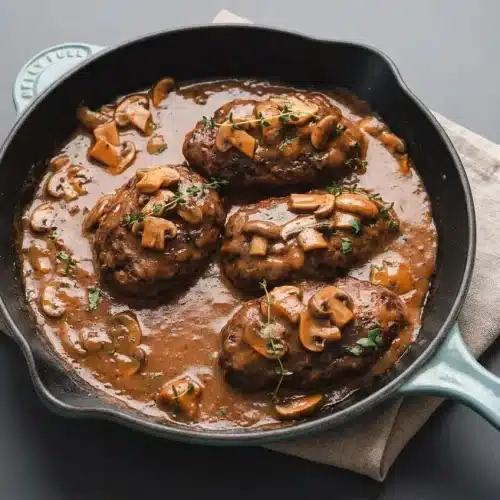
The sauce should thicken enough to coat a spoon while the mushrooms soften but still keep their shape. - Return the patties and any juices to the skillet, nestle them into the gravy, cover, and cook for about 10 minutes more until the beef is cooked through and reaches 160 °F on an instant-read thermometer.
The patties should feel firm but still springy, and the gravy will look darker and richer after the final simmer. - Spoon the steaks over mashed potatoes and finish with plenty of mushroom gravy from the skillet.
The sauce should fall in a glossy ribbon, not a thin splash.
One optional trick makes these even softer. Grate a small sweet onion over the panko and let the crumbs soak up those juices before mixing them with the beef. That onion-heavy panade cushions the meat proteins, helps the patties stay moist, and reduces the chance of them breaking apart in the pan.
The Grated Onion Panade Method
If you have two extra minutes, this is the upgrade worth taking. When panko absorbs grated onion juices along with egg, it forms a soft binder that keeps the beef mixture loose enough to stay tender while still holding together during searing.
That matters because overworked ground beef tightens as its proteins link up. A moist panade interrupts that tough, rubbery texture and gives you patties that cut easily with a fork.
Once mixed, the meat should feel slightly sticky rather than crumbly. That is the sweet spot for shaping sturdy patties without packing them too tightly.
Building a Silky Brown Roux
The gravy starts with the best thing in the pan, which is the browned beef drippings. When you whisk butter and flour into those drippings, you create a roux that thickens the stock and carries that deep skillet flavor through the whole sauce.
Cook the flour just long enough to lose its raw smell and turn golden. Then add the stock slowly while whisking. If you dump it in too fast, you can end up chasing lumps around the pan longer than you want on a weeknight.
If lumps still sneak in, keep whisking over gentle heat until the sauce smooths out. A splash more stock can loosen a gravy that gets too tight.
Deglazing Options for Ultimate Depth
If your skillet has a dark amber layer of fond after the patties come out, that is flavor waiting to be used. A splash of beef stock loosened with your whisk is the easiest way to lift those browned bits and fold them into the gravy.
You can also use a small splash of dry white wine if that suits the meal, but stock keeps the flavor classic and family-friendly. Either way, scrape gently and keep the heat moderate so the fond dissolves into the sauce instead of scorching.
Why Scratch-Made Gravy Beats Packet Mixes
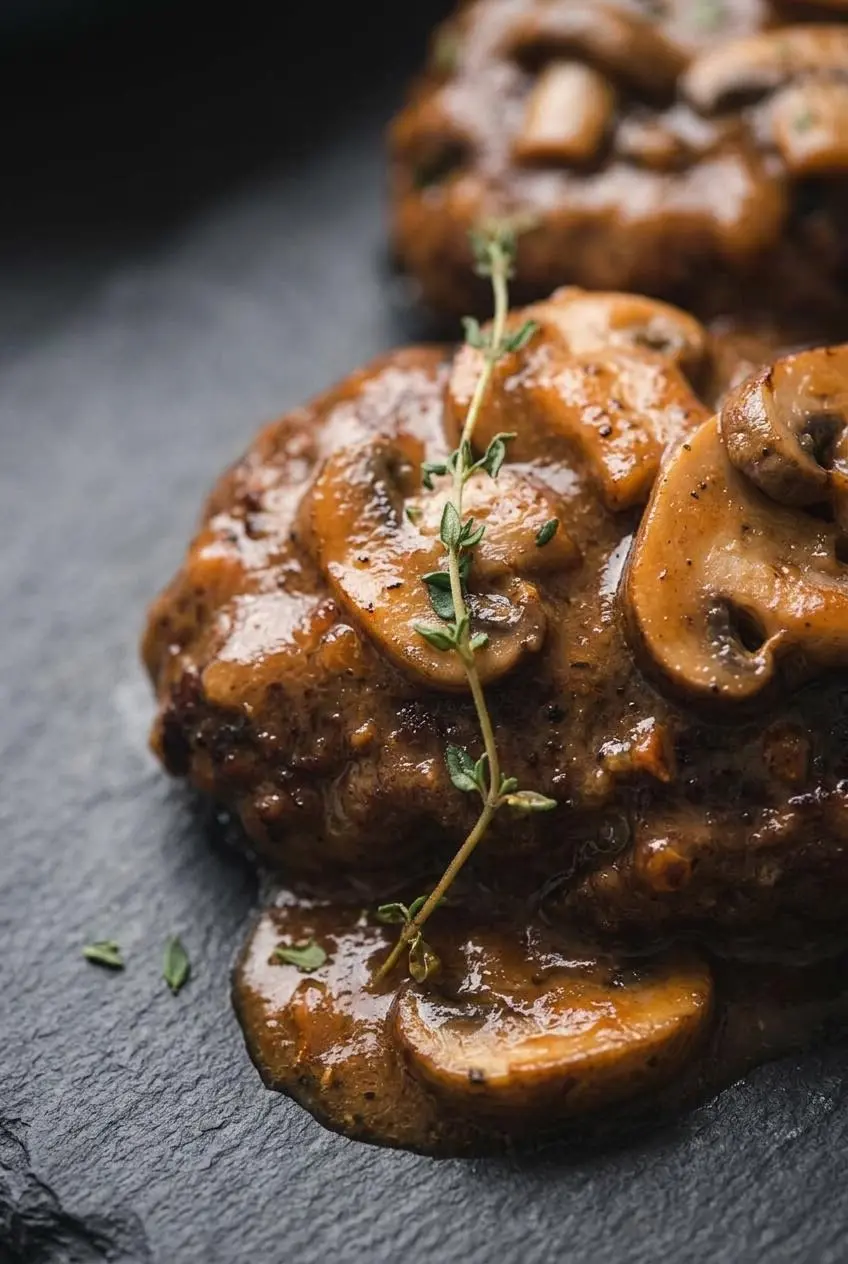
Homemade gravy gives you something packet mixes rarely do, which is real skillet flavor. The flour roux picks up the browned beef drippings, the mushrooms add earthy depth, and the Worcestershire and ketchup round everything out without tasting one-note.
You also control the seasoning. That means you can use a lower-sodium stock if you want a little more balance, then salt the gravy at the end once the mushrooms and pan drippings have done their work.
The payoff is texture, too. Scratch gravy can be glossy, silky, and spoon-coating instead of oddly slick or overly salty.
Essential Culinary Tips for Salisbury Steak Success
This is where small fixes save dinner. If your patties seem dense or your gravy looks off, the problem is usually easy to trace and easy to correct.
- If the patties turn out tough, the usual cause is overmixing or beef that is too lean. Mix only until combined and use beef with enough fat to stay moist.
- If the patties fall apart, the mixture was likely too loose or they were flipped before the crust formed. Shape them evenly and wait until the sizzle softens and the underside releases cleanly.
- If chilling fits your timing, refrigerate the shaped patties for 15 minutes before cooking. That helps them firm up and hold their shape better in the hot skillet.
- If the gravy gets too thick, whisk in a small splash of stock until it loosens. Add it gradually so the sauce stays glossy instead of turning thin.
- If the gravy is too thin, let it simmer a bit longer before adjusting anything. If it still needs help, whisk in a little cornstarch slurry until the texture coats the back of a spoon.
- If the gravy looks lumpy, lower the heat and whisk steadily around the edges and center of the pan. Slow stock addition next time will prevent most of that.
- If the gravy looks separated or greasy, the heat was likely a little too aggressive. Pull the pan down to a gentler simmer and whisk until the sauce comes back together.
How to Store and Reheat Salisbury Steak
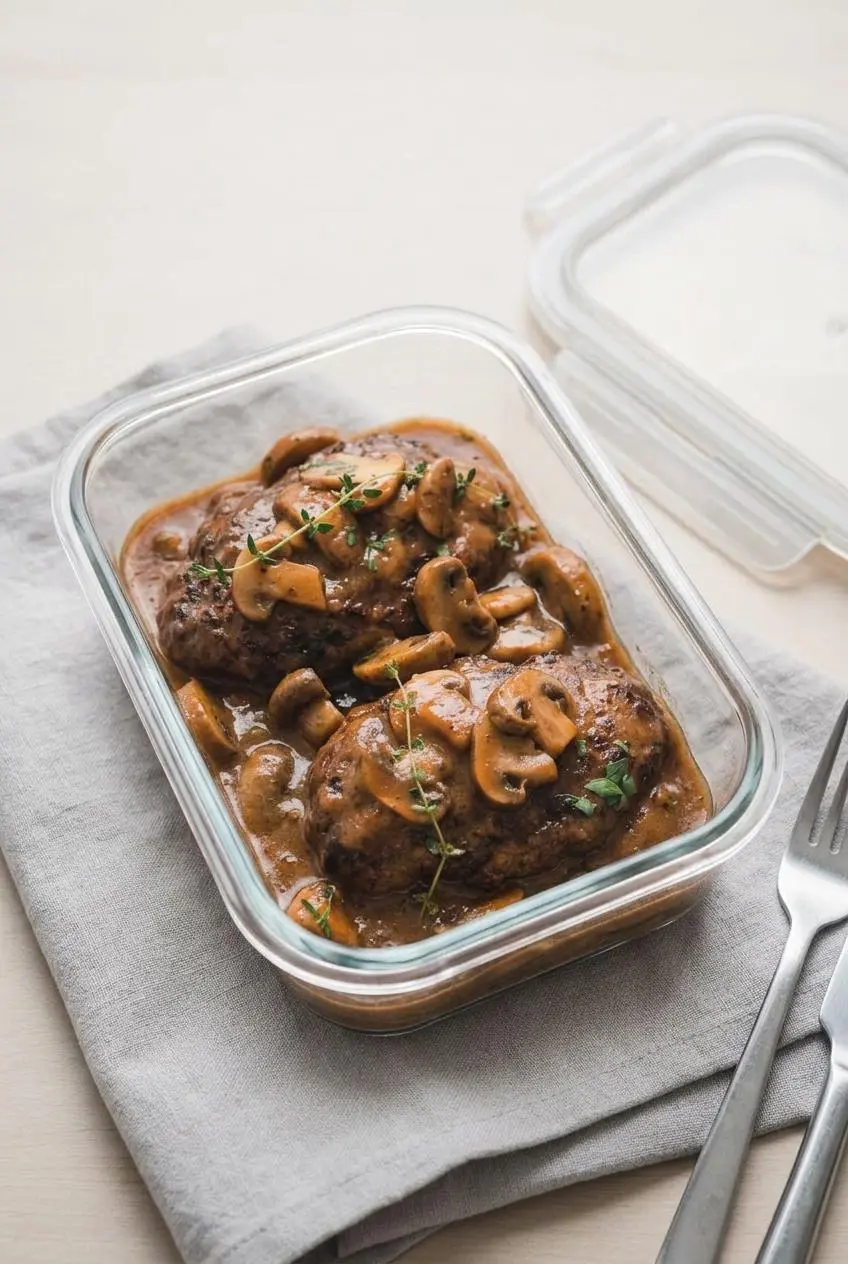
Leftovers hold up well because the gravy protects the patties from drying out. Once cooled, store them in an airtight container in the refrigerator for up to 4 days for cold food storage.
To reheat, warm the patties and gravy slowly on the stovetop over low heat. Add a small splash of broth if the sauce has tightened in the fridge, and spoon the gravy over the top as it heats so the beef stays juicy.
You can also portion the leftovers before chilling, which makes lunch a lot easier. Keep the potatoes or noodles separate if you want the best texture the next day.
Delicious Salisbury Steak Variations
The classic skillet version is the one to learn first, but there is room to riff once you know how the patties and gravy should feel.
Salisbury Meatballs
For a kid-friendly variation, shape the beef mixture into small meatballs instead of oval patties. Brown them in the skillet the same way, then let them finish simmering in the mushroom gravy until cooked through.
This version is especially good over noodles because the smaller pieces catch more sauce in each bite.
Turkey Salisbury Steak
You can swap the beef for 85/15 ground turkey if you want a lighter variation. Because turkey is usually less rich, mixing in a spoonful of cream cheese can help the patties stay moist and less prone to drying out.
The flavor will be a little milder, so keep the Worcestershire and gravy in the mix to preserve that classic Salisbury steak character.
What to Serve with Salisbury Steak
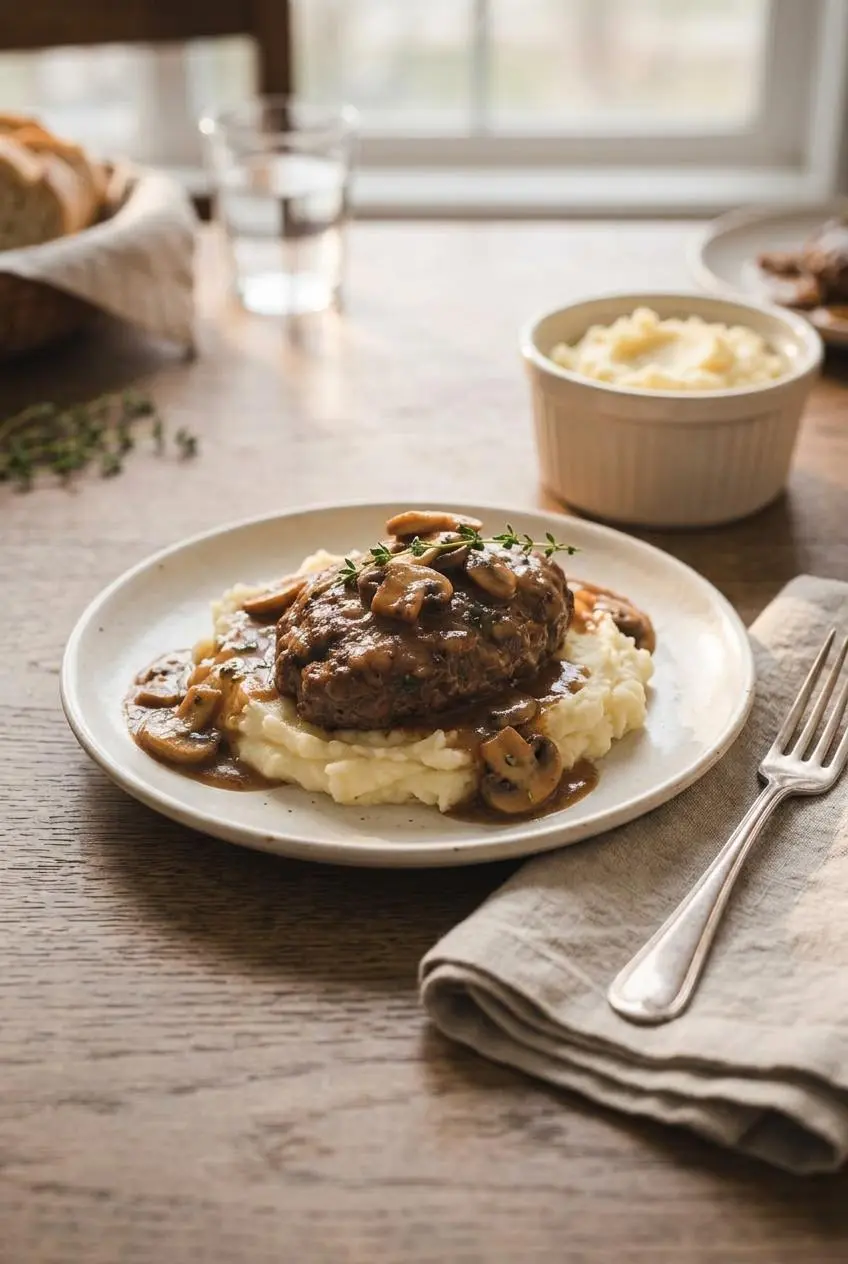
The best sides catch gravy or cut through its richness. Think soft, buttery, or roasty, with a little contrast on the plate.
- Garlic mashed potatoes are the classic choice because they soak up every bit of mushroom gravy.
- Buttered egg noodles make a fast, cozy alternative and pair especially well with the extra sauce.
- Roasted green vegetables add contrast and keep the meal from feeling too heavy.
- Roasted cabbage steaks are a great side if you want something savory, crisp-edged, and sturdy enough for a little gravy on the side.
- Warm dinner rolls work nicely when you do not want a single drop of sauce left behind.
Conclusion
This 30-minute skillet dinner hits all the right notes: tender beef patties, rich mushroom gravy, and enough comfort to make a regular weeknight feel a little better.
If you make it, share how it turned out and what you served with it. The onion-panade trick and that glossy gravy are worth coming back to.
Frequently Asked Questions
Why is my Salisbury steak tough?
Overmixing is the most common cause because it tightens the ground beef and makes the patties dense. Very lean beef can also dry out and feel firmer after simmering. Mix gently, stop once the meat holds together, and use 85/15 beef when possible.
Can I make Salisbury steak ahead of time?
Yes, you can shape the patties ahead and keep them covered in the refrigerator until you are ready to cook. You can also make the full dish ahead and reheat it gently with a splash of broth if the gravy thickens. If you are planning ahead, storing the patties in the gravy helps protect their texture.
What kind of mushrooms work best for the gravy?
Cremini mushrooms are the best choice for deeper flavor and a meatier texture. They hold their shape better than white button mushrooms during simmering. White buttons still work, but the gravy will taste a little lighter.
Can I freeze Salisbury steak with the gravy?
Yes, you can freeze the patties in the gravy, which helps protect them from drying out. Let the dish cool before packing it into a freezer-safe container. Freeze for up to 2 months, then thaw in the refrigerator before reheating gently.
Salisbury Steak Recipe

Equipment
- large bowl
- Large nonstick skillet
- Whisk
- Spatula
- Instant-read meat thermometer
Ingredients
For The Steaks
- 1 lb. lean ground beef
- 1/4 cup panko breadcrumbs
- 1 large egg beaten
- 2 tsp ketchup
- 1 tsp Dijon mustard
- 1/2 tsp dried oregano
- 1 tsp kosher salt
- 1 tbsp extra-virgin olive oil
For The Gravy
- 2 tbsp unsalted butter
- 2 tbsp flour
- 1 1/2 cups beef stock
- 1 tbsp ketchup
- 1 tsp Worcestershire sauce
- 1/2 tsp onion powder
- 6 oz. sliced cremini mushrooms
- salt and pepper to taste
Instructions
Salisbury Steaks
- Combine the ground beef, panko breadcrumbs, beaten egg, ketchup, Dijon mustard, dried oregano, and kosher salt in a large bowl, leaving the olive oil out for the skillet. The mixture should look evenly blended and slightly pasty, but stop mixing as soon as it holds together so the patties stay tender instead of dense.
- Divide the meat mixture into 4 equal portions and shape each one into an oval patty about 3/4-inch thick. Keep the thickness even so the steaks finish at the same pace and do not crack at the edges.
- Heat the olive oil in a large nonstick skillet over medium-high heat, then lay in the patties and sear for about 3 minutes per side before moving them to a plate. Wait for a steady dark-golden crust and a slightly quieter sizzle before flipping, which tells you the first side has released and browned properly.
Mushroom Gravy and Finishing
- Lower the heat to medium, melt the butter in the same skillet, and whisk in the flour until you have a smooth paste with no dry spots. When the roux smells lightly nutty and turns pale golden, it is ready to thicken the gravy without tasting raw.
- Reduce the heat to medium-low and slowly whisk in the beef stock, then add the ketchup, Worcestershire sauce, and onion powder until fully combined. Pouring the stock in gradually keeps lumps from forming and helps the sauce turn smooth and glossy.
- Stir in the sliced cremini mushrooms and let the gravy simmer for about 5 minutes, then season with salt and pepper to taste. The sauce should thicken enough to coat a spoon while the mushrooms soften but still keep their shape.
- Return the patties and any juices to the skillet, nestle them into the gravy, cover, and cook for about 10 minutes more until the beef is cooked through and reaches 160 °F on an instant-read thermometer. The patties should feel firm but still springy, and the gravy will look darker and richer after the final simmer.
- Spoon the steaks over mashed potatoes and finish with plenty of mushroom gravy from the skillet. The sauce should fall in a glossy ribbon, not a thin splash.