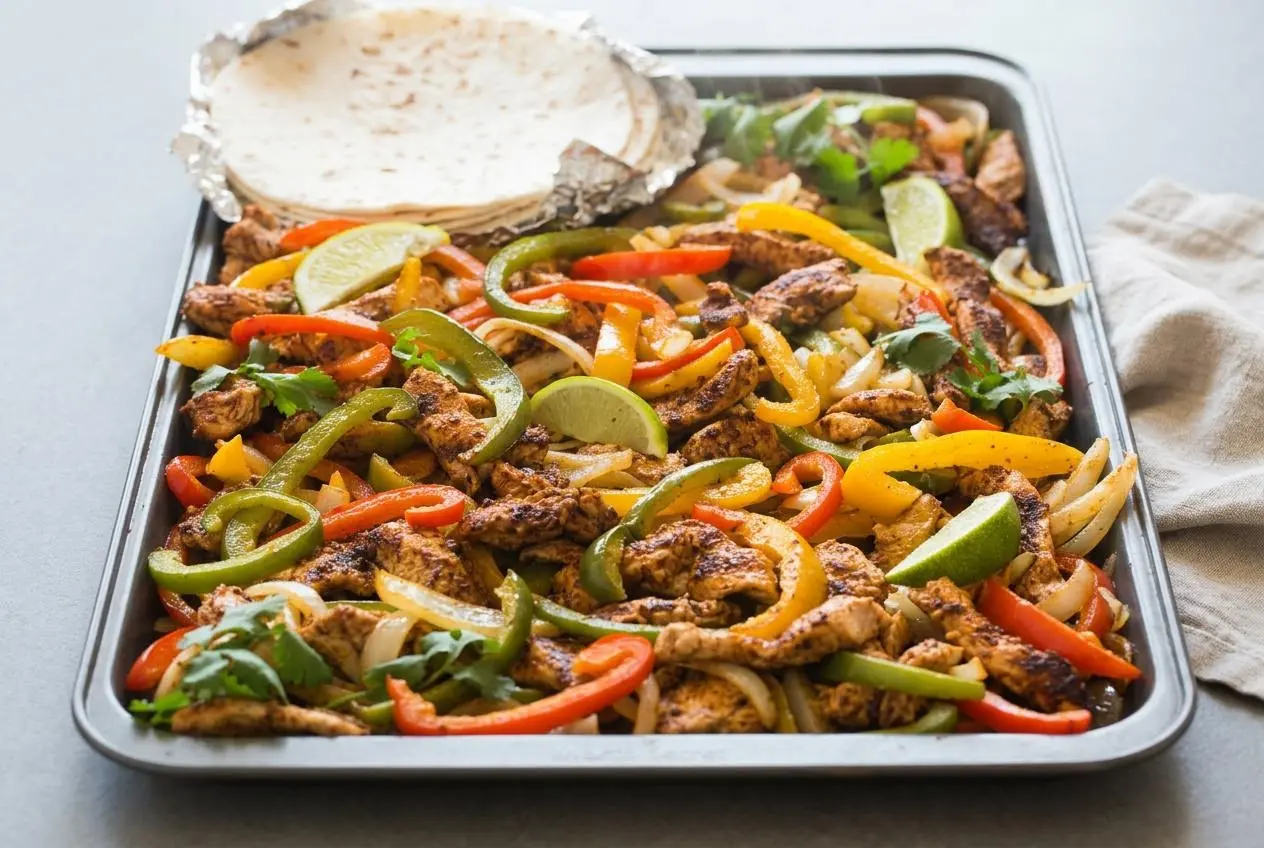
Toss sliced chicken, peppers, and onions with oil and fajita seasoning, spread them in a single layer on a preheated sheet pan, and bake at 425 degrees F for 15 to 20 minutes until the chicken reaches 165 degrees F.
This sheet pan chicken fajitas recipe turns a weeknight dinner into something smoky, zesty, and deeply satisfying without standing over the stove. As the cumin and chili powder toast in the oven, the peppers soften at the edges and the chicken stays tender.
It works because the method is straightforward and the details do the heavy lifting, especially pan size, slicing, and high heat. That sizzling first hit on the hot pan is the whole game.
Preheat the empty sheet pan while the oven heats so the chicken and peppers start searing the moment they land.
Essential Ingredients for Sizzling Fajitas
Each ingredient has a real job here, from building smoky depth and bright acidity to keeping the chicken juicy and the vegetables sweet, colorful, and tender at the same time.
- 1 1/2 pounds boneless skinless chicken breasts, sliced against the grain into 1/2-inch thick strips
- 3 bell peppers (green, yellow and red), cored and sliced into strips
- 1 yellow onion, thinly sliced
- 2 cloves garlic, minced
- 3 Tablespoons olive oil
- 1 lime
- 1/4 cup fresh cilantro, chopped
- 8-10 small flour tortillas
- Desired fajita toppings: Sour cream, sliced avocado or guacamole, pico de gallo, shredded cheese
- 1 Tablespoon chili powder
- 1 1/2 teaspoons paprika
- 1 1/2 teaspoons cumin
- 1/2 teaspoon onion powder
- 1/2 teaspoon garlic powder
- 1/4 teaspoon Dried oregano
- 1/4 teaspoon cayenne pepper (optional)
- 1 1/2 teaspoon salt
- 3/4 teaspoon freshly ground black pepper
Boneless chicken breasts are a smart choice here because they cook quickly and stay easy to slice into neat strips. Cutting them against the grain shortens the muscle fibers, so each bite feels tender instead of stringy or chewy. If you look closely at a raw chicken breast, the grain runs in long lines. Slice across those lines, not with them.
The bell pepper mix matters too. Green peppers bring a slightly earthy bite, while red and yellow peppers add sweetness that balances the smoky spices. The onion softens and caramelizes around the edges, giving the whole pan that classic fajita aroma.
Olive oil helps the seasoning cling and encourages browning, though any neutral high-heat oil like avocado oil works well if you prefer it. Lime wakes up the spices at the end, and cilantro adds a fresh finish that keeps the pan from tasting heavy.
I always slice the chicken against the grain before seasoning because it makes a noticeable difference once those strips roast fast in a hot oven.
Homemade Fajita Seasoning vs. Packets
Homemade fajita seasoning gives you much better control over the final flavor. Chili powder lays down the main savory base, paprika adds warmth and color, cumin brings that unmistakable toasted aroma, and onion powder and garlic powder round everything out so the pan tastes full instead of flat.
Dried oregano adds a slightly herbal edge, black pepper sharpens the blend, and the optional cayenne gives heat without taking over. Packets can work in a pinch, but mixing your own keeps the seasoning balanced and helps avoid the extra saltiness that can bury the flavor of the chicken and peppers.
The Secret to Juicy Chicken: Slicing and Cornstarch Tips
Tender fajitas start before the pan even goes in the oven. Chicken breast has long protein fibers, and slicing against the grain cuts those fibers into shorter lengths. That is why the strips feel easier to bite through after roasting, even with a quick high-heat cook.
If you want to experiment, a very light dusting of cornstarch can help hold on to some natural moisture during baking. Keep it optional. Too much starch can dull browning on a sheet pan, so for this recipe, correct slicing and proper spacing do more of the work.
How to Make Sheet Pan Chicken Fajitas
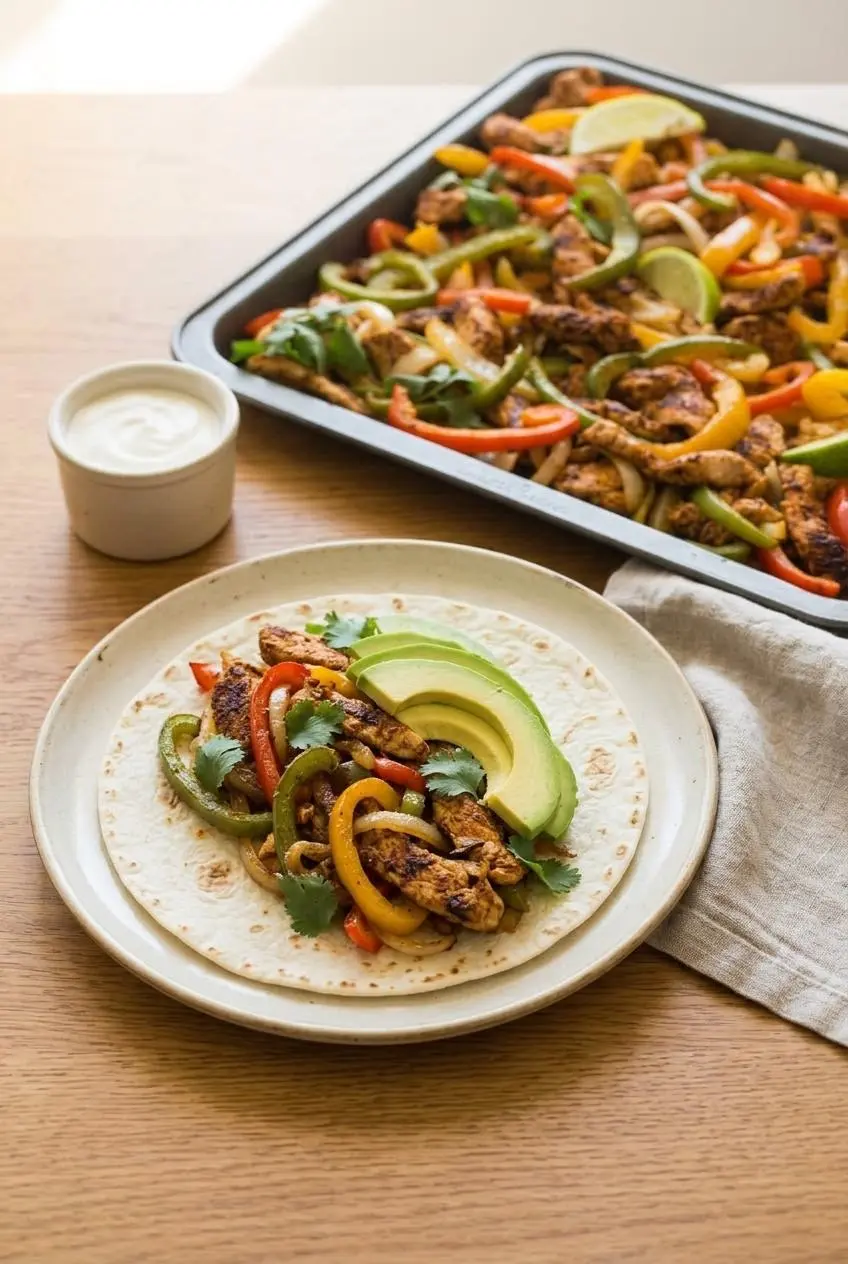
A hot oven and an even layer are what make this method work, so focus on setup first and browning gets much easier.
- Lightly grease a large sheet pan with non-stick cooking spray, then slice the chicken and vegetables into strips and arrange the vegetables across the pan with the chicken over the top.
The pieces should look fairly even in thickness so they cook at the same pace instead of leaving you with dry chicken and underdone peppers. - Heat the oven to 425 degrees F, and if you want more sizzle, place the empty greased pan in the oven briefly while it preheats before arranging the ingredients.
When raw food hits a hot pan, you should hear an immediate soft sizzle rather than seeing moisture pool underneath. - Stir the chili powder, paprika, cumin, onion powder, garlic powder, Dried oregano, cayenne pepper if using, salt, and black pepper in a small bowl, then season the chicken generously and the vegetables lightly before adding the minced garlic and drizzling the olive oil over everything.
Toss well until the strips are evenly coated, then spread them out so the pan looks open rather than piled up. - Bake for 15-20 minutes, and during the last 5 minutes wrap the flour tortillas in foil and warm them in the oven.
The pan should smell like toasted cumin and chili powder near the end, and the chicken should be cooked through and reach 165 degrees F if you check it with a thermometer, a temperature supported by a safe minimum internal temperature of 165 degrees F for poultry. - Take the pan out, squeeze the lime over the chicken and vegetables, and scatter the cilantro on top before serving in the warm tortillas with any toppings you like.
The lime should smell bright right away, and the peppers should look glossy and lightly browned around the edges.
The Preheated Pan Technique for Perfect Sizzle
This is the closest a sheet pan gets to skillet fajita energy. A preheated pan starts browning the food right away, which helps the surface moisture evaporate quickly instead of lingering and turning the vegetables soft and watery.
That first contact matters more than it seems. Cold ingredients on a cold pan release moisture before the metal gets hot enough to evaporate it, so the food starts steaming. A hot pan flips that order. You get faster evaporation, better caramelization, and more of those browned edges that make oven fajitas taste like they came off a restaurant flat-top.
If you love the deeper sear you get in classic chicken fajitas, this sheet pan trick is the easiest way to get closer without dirtying another pan.
Why Sheet Pan Size and Material Matter
If your fajitas ever came out pale, watery, or oddly soft, the pan was probably the problem. A large 13×18-inch sheet pan gives the chicken and vegetables enough room to sit in a single layer, which is essential for roasting instead of steaming.
Here is the simple food science. As chicken, peppers, and onions cook, they release water. In a crowded pan, that moisture gets trapped between pieces because the hot air cannot move around them well enough to evaporate it. Once water starts collecting, the food effectively boils in its own juices. That is why crowded fajitas taste softer and look glossy instead of charred.
A larger pan creates open space, and open space means drier heat can circulate. Drier heat encourages caramelization, which is where the sweet, browned flavor develops on the peppers and onions.
Pan material changes the result too. Dark metal pans absorb heat faster and often brown the edges more aggressively, while lighter aluminum gives a slightly gentler roast. Glass dishes are less ideal for fajitas because they hold heat differently and do not promote the same quick, direct surface browning you want here.
Expert Tips for the Best Oven Fajitas
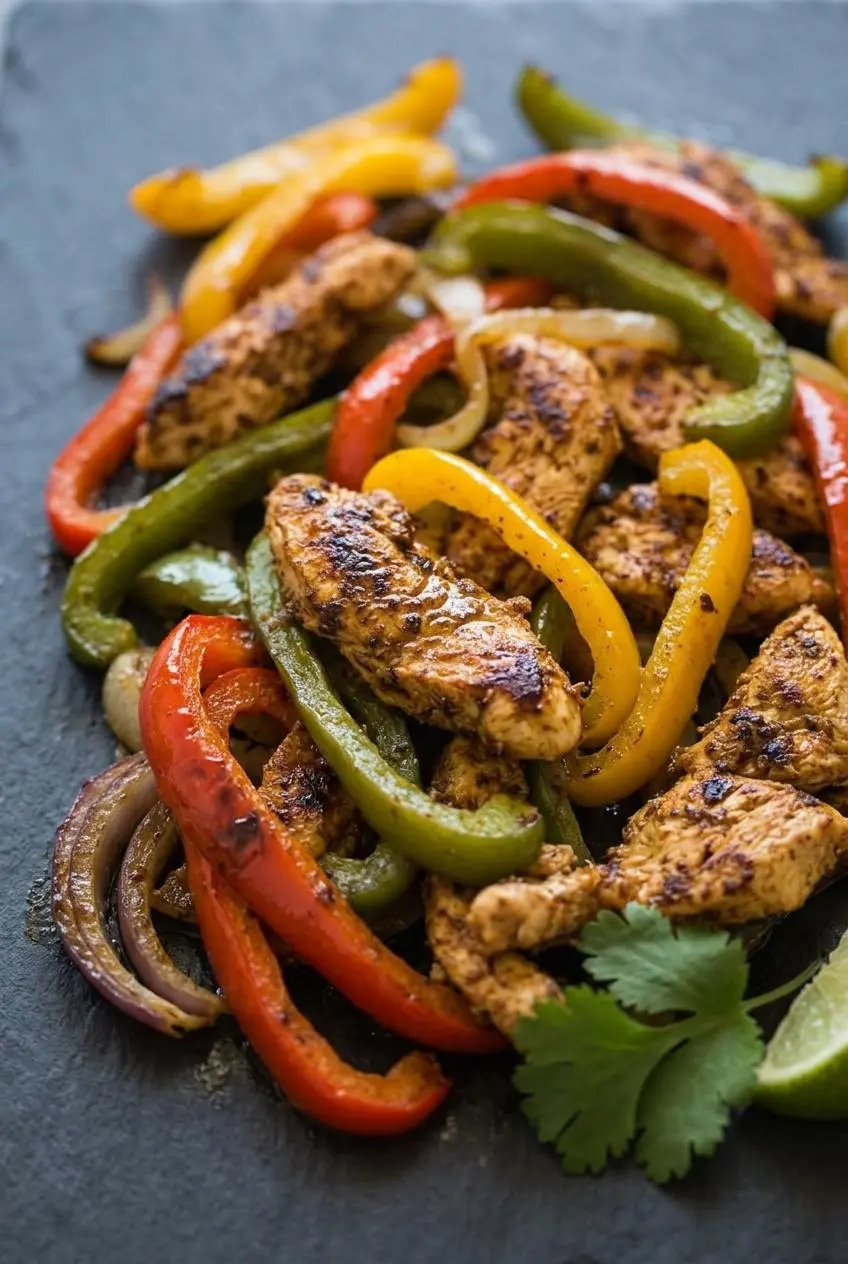
These are the details that keep sheet pan fajitas from sliding into steamed dinner territory.
- If the pan looks crowded, split everything between two pans. One crowded pan traps steam. Two roomy pans give you better color and better texture.
- Keep the slices close in thickness. Thin onions cook quickly, while thick chicken strips need more time. Matching sizes helps everything finish together.
- Skip parchment if you want maximum char. A directly greased metal pan browns better than a lined one.
- Do not overload the vegetables with seasoning. Most of the spice blend should go on the chicken, with some on the peppers and onions, so the whole pan stays balanced.
- Finish with lime after baking. Fresh acidity brightens the roasted spices and wakes up the whole tray.
If you peek into the oven near the end and catch that fragrant cumin and chili powder aroma, you are in the sweet spot. The onions should be soft with browned tips, and the peppers should bend easily while still keeping a little shape.
The Broiler Method for Crispy Charred Edges
If you want more restaurant-style color, use the broiler for the final 2 to 3 minutes. It is a fast finish, not a second cooking stage, so stay close and watch the pan carefully.
The broiler blasts high top heat onto the exposed edges of the chicken and peppers, which helps them blister and char a bit more. That extra browning can make oven fajitas taste much bolder, especially if your vegetables released more moisture than expected during the bake.
Fresh Citrus and Herb Finishing Touches
Lime juice and cilantro do their best work after the pan comes out. High heat softens their brightest flavors, so adding them at the end keeps the fajitas fresh, sharp, and lively instead of flat.
A squeeze of lime also balances the sweetness that develops as the peppers roast. Cilantro brings a cool green note that cuts through the smoky spice blend and keeps each bite tasting lighter.
Meal Prep, Storage, and Reheating
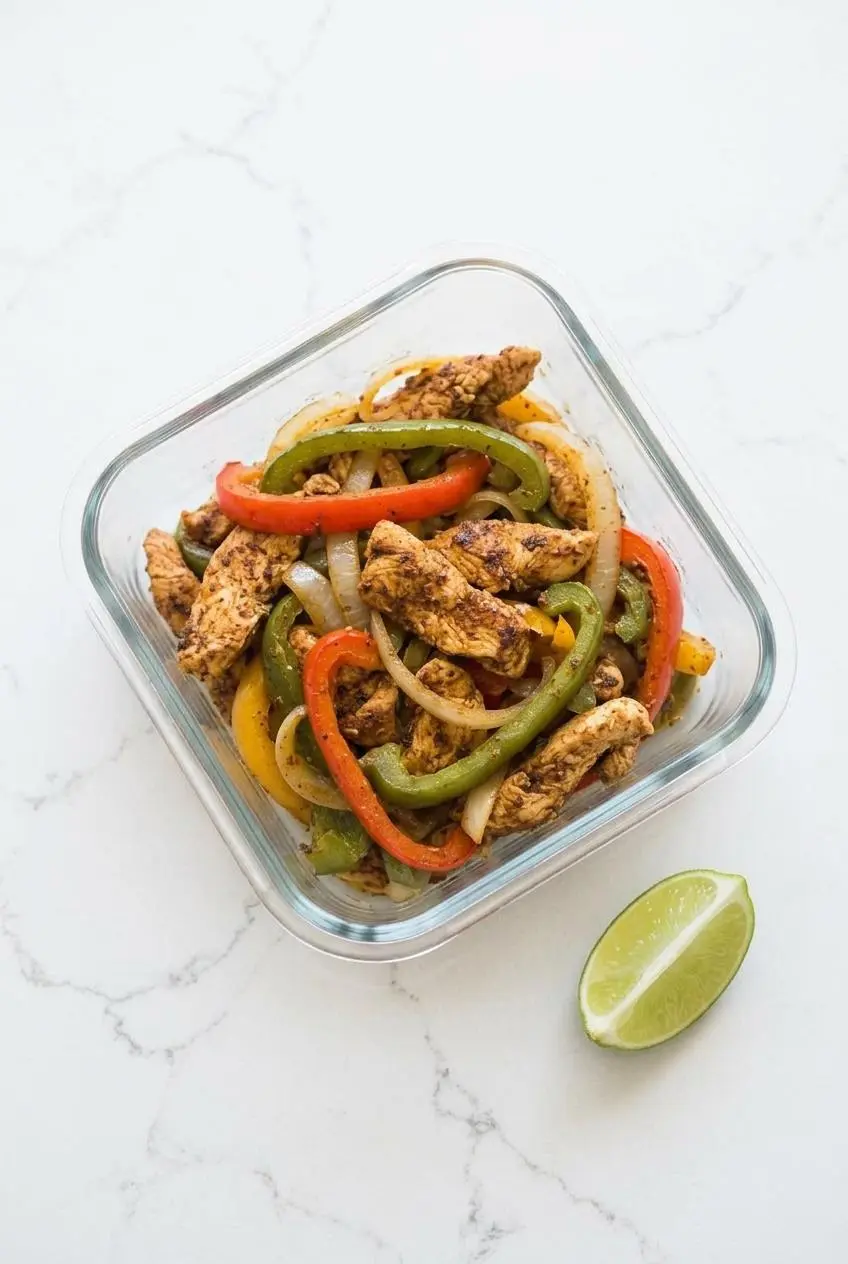
This recipe fits real weeknights well because you can prep the raw components ahead, cook them fast, and handle leftovers without losing too much texture.
For raw meal prep, slice the chicken, peppers, and onion, then combine them with the oil and seasoning in a zip-top freezer bag. Press out the extra air before freezing. This makes a handy cook-later fajita kit, and you can freeze it for up to 3 months. Thaw it fully in the refrigerator before baking.
For leftovers, keep the cooked chicken and vegetables separate from the tortillas so the tortillas do not turn damp. If you have extra filling, it also works well tucked into crispy chicken quesadillas for lunch the next day.
Try not to freeze the cooked pepper and onion mixture on its own if texture matters to you. Once thawed, the vegetables tend to soften too much and lose that just-roasted edge.
How to Store, Reheat, and Freeze Your Fajitas
Store the cooked fajita mixture in an airtight container and keep the tortillas separate. Cooked chicken and vegetables can be refrigerated for up to 4 days, which is supported by safe refrigerator storage guidance for cooked chicken.
For the best texture, reheat leftovers in a hot skillet instead of the microwave. A skillet helps drive off surface moisture, rewakes the spices, and keeps the chicken from tasting rubbery.
If you are reheating only one portion, use medium-high heat and stir just until hot. The peppers should loosen and gloss back up without turning mushy.
Fajita Variations and Substitutions
This base method is flexible, so you can tweak the serving style or protein without changing what makes the pan work.
Low-Carb Fajita Bowls
For a lower-carb dinner, spoon the hot chicken, peppers, and onions over cauliflower rice or chopped greens. Add avocado, sour cream, or pico de gallo on top, and you still get all the smoky fajita flavor without the tortillas.
If bowl-style meals are more your speed during the week, chicken taco bowls make another easy option with a similar build-your-own feel.
Protein Variations
Boneless skinless chicken thighs are a great swap if you want even juicier meat. Slice them thinly and bake them at the same temperature and time, checking that the chicken is fully cooked before serving.
Thin beef strips also work well for a steak-style version. Keep the strips narrow so they roast quickly, and expect the flavor to turn a little richer and more savory than the original chicken version.
A few optional twists work especially well here:
- Poblano and citrus: Add sliced poblano and a little orange zest for a smoky, slightly sweet variation.
- Thigh swap: Choose thighs if you want a bit more forgiveness and richness.
- Steak swap: Use thin beef strips when you want a heartier, steakhouse-style finish.
Optional Sauces to Improve Your Fajitas
If you want a little extra punch, serve the fajitas with a quick jalapeño crema or simple green sauce on the side. Keep it optional so the one-pan ease stays intact.
A creamy sauce cools the spice and adds richness, while a brighter green sauce leans fresh and sharp. Either one works best spooned on at the table rather than baked with the chicken.
Healthy Adaptations: Gluten-Free and Low-Carb
For a gluten-free version, use certified corn tortillas instead of flour tortillas. Crisp lettuce cups or coconut wraps also work if you want something lighter and more flexible.
For an easy lower-carb plate, skip the tortillas completely and serve the fajita mix over greens, cauliflower rice, or shredded lettuce. The key flavors stay the same, and the toppings still do plenty of heavy lifting.
Conclusion
These fajitas are fast, colorful, and full of smoky flavor, which is exactly what a sheet pan dinner should be on a busy night.
If you remember one thing, make it this: give the pan enough space. Try your favorite toppings and make the plate your own.
Frequently Asked Questions
How do I prevent my sheet pan fajitas from getting watery?
Use a large sheet pan so everything can sit in one layer. If the ingredients look crowded, split them between two pans. Preheating the pan helps moisture evaporate faster instead of pooling underneath the chicken and vegetables. Avoid piling the strips on top of each other, or they will steam instead of roast.
Can I use chicken thighs instead of breasts?
Yes, boneless skinless chicken thighs work very well here. They stay especially juicy and are a little more forgiving if the strips are not perfectly even. Slice them thinly and bake them at the same temperature and time, checking that they are cooked through before serving.
How do I get charred edges in the oven?
Use a large metal sheet pan and keep the ingredients spread out. Preheat the pan first so the food starts sizzling on contact. For extra color, switch on the broiler for the final 2 to 3 minutes and watch closely so the edges char without burning.
Can I freeze raw sheet pan fajitas?
Yes. Combine the raw sliced chicken, peppers, onion, oil, and seasoning in a freezer bag, press out the air, and freeze it for up to 3 months. Thaw it fully in the refrigerator before baking. This works better than freezing the cooked vegetable mixture, which tends to lose its texture after thawing.
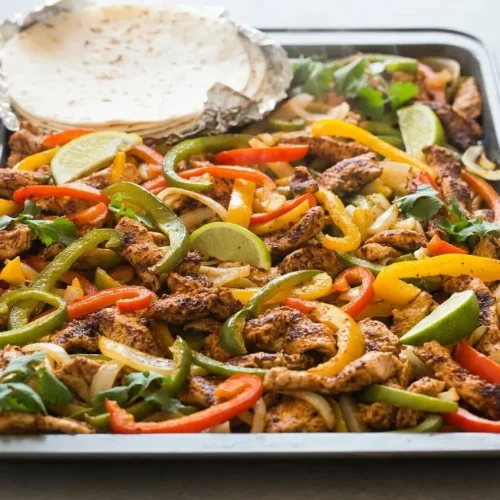
Sheet Pan Chicken Fajitas Recipe

Equipment
- Large sheet pan
- Small bowl
- Meat Thermometer
- Aluminum Foil
Ingredients
- 1 1/2 pounds boneless skinless chicken breasts sliced against the grain into 1/2-inch thick strips
- 3 bell peppers (green, yellow and red) cored and sliced into strips
- 1 yellow onion thinly sliced
- 2 cloves garlic minced
- 3 Tablespoons olive oil
- 1 lime
- 1/4 cup fresh cilantro chopped
- 8-10 small flour tortillas
- Desired fajita toppings Sour cream, sliced avocado or guacamole, pico de gallo, shredded cheese
- 1 Tablespoon chili powder
- 1 1/2 teaspoons paprika
- 1 1/2 teaspoons cumin
- 1/2 teaspoon onion powder
- 1/2 teaspoon garlic powder
- 1/4 teaspoon Dried oregano
- 1/4 teaspoon cayenne pepper (optional)
- 1 1/2 teaspoons salt
- 3/4 teaspoon freshly ground black pepper
Instructions
- Lightly grease a large sheet pan with non-stick cooking spray, then slice the chicken and vegetables into strips and arrange the vegetables across the pan with the chicken over the top. The pieces should look fairly even in thickness so they cook at the same pace instead of leaving you with dry chicken and underdone peppers.
- Heat the oven to 425 degrees F, and if you want more sizzle, place the empty greased pan in the oven briefly while it preheats before arranging the ingredients. When raw food hits a hot pan, you should hear an immediate soft sizzle rather than seeing moisture pool underneath.
- Stir the chili powder, paprika, cumin, onion powder, garlic powder, Dried oregano, cayenne pepper if using, salt, and black pepper in a small bowl, then season the chicken generously and the vegetables lightly before adding the minced garlic and drizzling the olive oil over everything. Toss well until the strips are evenly coated, then spread them out so the pan looks open rather than piled up.
- Bake for 15-20 minutes, and during the last 5 minutes wrap the flour tortillas in foil and warm them in the oven. The pan should smell like toasted cumin and chili powder near the end, and the chicken should be cooked through and reach 165 degrees F if you check it with a thermometer, a temperature supported by a safe minimum internal temperature of 165 degrees F for poultry.
- Take the pan out, squeeze the lime over the chicken and vegetables, and scatter the cilantro on top before serving in the warm tortillas with any toppings you like. The lime should smell bright right away, and the peppers should look glossy and lightly browned around the edges.