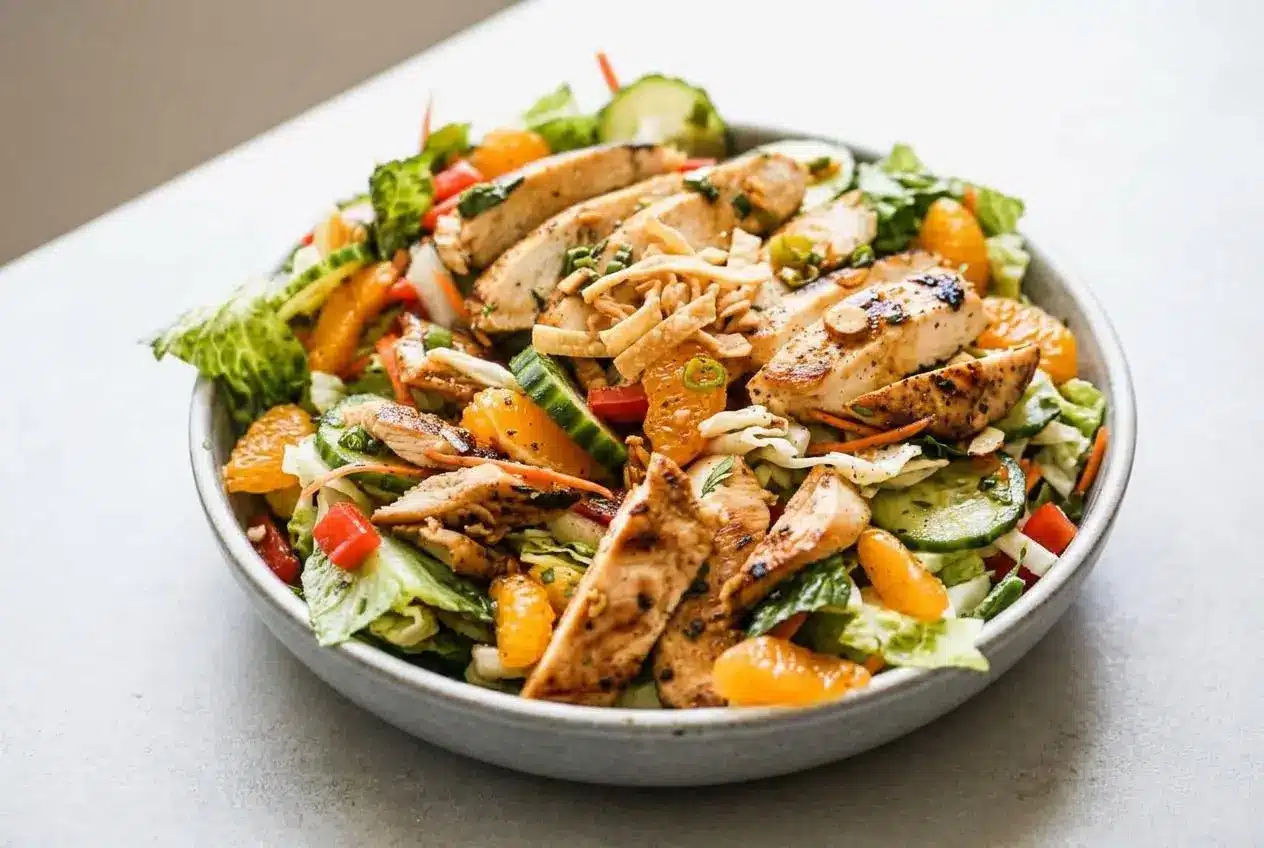
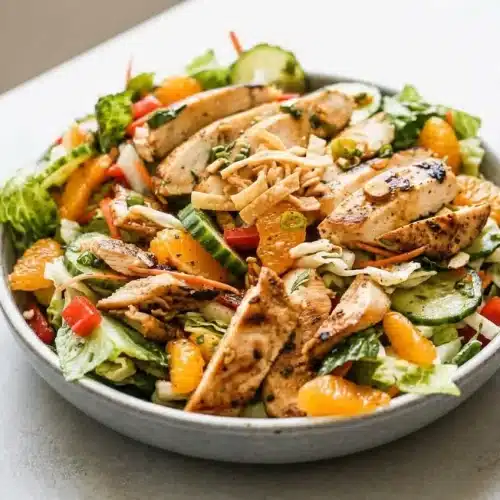
Asian chicken salad is a vibrant mix of crisp cabbage, chopped romaine, sweet mandarin oranges, sliced almonds, and tender grilled chicken tossed in a sesame ginger vinaigrette.
This asian chicken salad hits all the right notes: cool crunch, juicy citrus, savory chicken, and a dressing that tastes bright instead of heavy. It’s a reliable main dish salad that actually feels satisfying.
The contrast is what makes it work. You get crisp vegetables, rich sesame aroma, and sweet bursts of orange in every bite. The dressing trick is worth knowing.
Pat the cucumber dry before it goes in the bowl so the dressing clings to the vegetables instead of turning watery.
Essential Ingredients and Raw Roles
Each ingredient here has a real job, from building crunch and structure to balancing sweetness, acidity, aroma, and savory depth.
Marinade and Dressing
- 1/4 cup low-sodium soy sauce
- 2 Tablespoons fresh chopped ginger
- 1/4 cup olive oil
- 2 Tablespoons hoisin sauce
- 1 Tablespoon sesame oil
- 1/2 teaspoon Sriracha hot sauce, or more, to taste
- 1/2 teaspoon salt
- 1/4 cup red wine vinegar
- 2 green onions, finely chopped
Chicken and Salad
- 2 boneless, skinless breasts
- 1 large head romaine or green leafy lettuce, chopped
- 2 cups chopped red, green or napa cabbage
- 1/2 english cucumber, sliced
- 1 carrot, shredded
- 1/2 cup sliced almonds or cashews
- 1 bell pepper (any color), chopped
- 11 ounce can mandarin oranges, drained
- 1/2 cup chopped fresh cilantro
- Handful Crunchy chow mein noodles or wonton strips, optional
The backbone of this salad is the mix of greens and cabbage. Romaine brings a light, leafy crunch, while cabbage gives the bowl structure so it holds up better once dressed. Green cabbage stays firm and crisp, red cabbage adds a slightly sturdier bite and extra color, and napa cabbage is softer and more delicate with a gentler crunch. If you want the salad to stay especially crisp, lean more on green or red cabbage. If you want a lighter, almost slaw-like texture, napa is great.
If you enjoy crisp, cabbage-forward salads, a crunchy Asian salad uses that same sturdy texture to great advantage.
Low-sodium soy sauce matters more than it looks like it should. Hoisin already brings sweetness and salt, and the finished dressing gets more punch from vinegar, ginger, and green onions. Regular soy sauce can push the whole bowl too far into salty territory fast, especially once the dressing coats every leaf and piece of chicken.
Fresh chopped ginger is one of the main flavor drivers here. It gives the dressing a lively heat and a clean finish that powdered ginger can’t quite match. The green onions soften that sharpness and add a fresh onion note without taking over.
Sesame oil is the ingredient to respect. This recipe works best with toasted sesame oil, the dark, aromatic kind with a deep nutty smell. Light untoasted sesame oil is much paler and behaves more like a neutral cooking oil. It does not deliver the same roasted flavor, so swapping it in makes the dressing taste flatter and less distinctive.
The mandarin oranges do more than add sweetness. Canned mandarins are dependable, tender, and juicy, so they spread little pockets of citrus throughout the salad without much prep. Fresh clementines taste brighter and slightly firmer, which can be lovely, but canned segments usually blend more smoothly into the overall texture. Drain them well either way so they don’t water down the bowl.
The almonds or cashews add a richer crunch than the vegetables alone. Bell pepper and carrot keep the salad colorful and sweet, cilantro adds a fresh herbal edge, and cucumber cools everything down. If you want the cleanest texture, scrape out the watery cucumber seeds with a spoon before slicing. That small step helps the salad stay crisp longer.
I like hand-shredded rotisserie-style chicken for a softer, feathered texture, but neatly sliced grilled chicken gives this salad a more satisfying bite and a cleaner look in the bowl.
How to Make Asian Chicken Salad
Preparation
- Whisk the soy sauce, chopped ginger, olive oil, hoisin sauce, sesame oil, Sriracha, and salt in a large bowl until the mixture looks glossy and well combined.
The oil should stop floating in separate streaks, and the dressing base should smell nutty, savory, and strongly gingery. - Transfer 3 tablespoons of the marinade to a bowl or large ziplock bag, then cut the chicken breasts in half lengthwise to make 6 thin pieces and add them to the marinade.
Thin pieces cook quickly and evenly, and the chicken should be fully coated before it goes into the refrigerator for at least 30 minutes, or up to 3 to 4 hours. - Stir the red wine vinegar and sliced green onions into the remaining marinade, then refrigerate it as the salad dressing.
Once the vinegar goes in, the mixture should look slightly lighter and more fluid, with a sharp ginger aroma rising from the bowl. - Place the lettuce, cabbage, cucumber, carrots, almonds, bell peppers, mandarin oranges, and cilantro in a large bowl.
Keep the ingredients loose and dry so they stay crisp and are easier to toss evenly later.
Cooking and Assembly
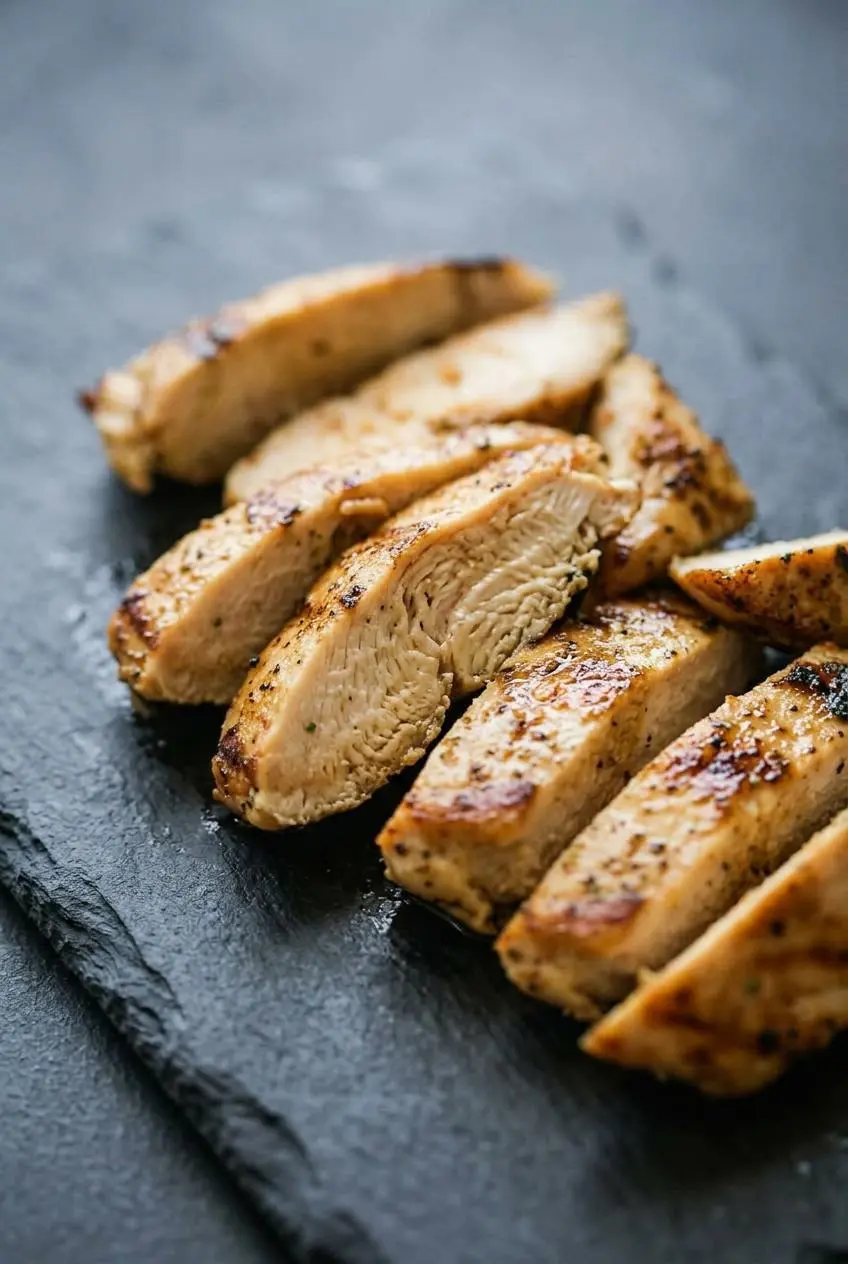
- Grill the chicken over medium high heat for about 3 minutes per side, turning once, until cooked through, then move it to a cutting board and let it rest for 5 minutes.
The outside should show light grill color, and resting helps the juices settle before slicing. - Slice the chicken against the grain, add it to the salad, then toss the salad with as much dressing as you like and finish with crunchy wonton strips or chow mein noodles, if desired.
Add the crisp topping right before serving so it stays crackly instead of softening in the dressing.
Butterflying the chicken is the small technique that makes the cooking feel easy. Thinner cutlets hit the heat, cook fast, and are much less likely to dry out at the edges while the center catches up. After the short rest, slice against the grain so each piece stays tender instead of chewy.
For food safety, cook the chicken through and check the thickest part if you use a thermometer. Poultry is considered done at 165°F minimum internal temperature.
One last timing tip matters here: toss only the portion you plan to eat. Once the salted, acidic dressing hits the greens, the clock starts on that fresh crunch.
Perfecting the Sesame Ginger Dressing
This dressing works because the same base seasons both the chicken and the salad, so the whole dish tastes connected instead of layered from separate parts.
Start by making the marinade first, then reserve part of it for the chicken before adding the vinegar and green onions to the rest. That double-duty setup gives the meat and the vegetables the same savory sesame-ginger profile, but the vinegar sharpens the reserved portion into a true vinaigrette. It’s efficient and it tastes intentional.
Fresh ginger makes the biggest difference, and fresh garlic would also be a natural fit in this style of dressing if you like a stronger aromatic edge. Powdered ginger and garlic powder are workable in a pinch, but they taste flatter and more one-note. The fresh version smells brighter, especially once the vinegar wakes everything up.
When the dressing is properly emulsified, it changes appearance. Instead of looking like oil sitting on top of darker liquid, it turns slightly cloudy and unified, almost silky. If you shake it in a jar, it should move as one mixture for a bit before slowly separating. If you whisk it in a bowl, whisk fast enough that the oil breaks into tiny droplets and suspends through the vinegar and soy base.
The aroma tells you a lot here too. You should get roasted sesame first, then the warm sharpness of ginger, followed by the sweeter background note from hoisin. If it smells mostly sour, it needs more whisking before tasting. If it tastes too sharp, make sure the oil was fully blended before deciding anything is off.
If the dressing separates in the fridge, that’s normal. Shake or whisk it again right before serving. A cold vinaigrette often firms up a little, then smooths back out once agitated.
If you’re making this for a larger group, scale the dressing ingredients in the same ratio rather than guessing. That keeps the soy, hoisin, vinegar, and sesame oil balanced, which is especially important in a salad where every leaf gets coated.
Preventing a Soggy Salad
The biggest texture problem with this salad is water, and it usually shows up from wet greens, juicy cucumbers, or dressing added too early.
Salt and acid pull moisture out of raw vegetables through osmotic pressure. In plain kitchen terms, once the dressing hits the cabbage, lettuce, and cucumber, those vegetables start releasing water. That liquid thins the dressing and softens the crunch. It’s why a salad that starts snappy can turn limp if it sits around already dressed.
The easiest fix is to dry everything very well. After washing produce, spin it dry or blot it thoroughly with clean towels. Dry leaves grip the vinaigrette so you get flavor on the surface rather than a puddle at the bottom of the bowl. Washing produce under running water is also the recommended approach for fresh fruits and vegetables in safe produce handling guidance.
Cucumbers deserve a little extra attention. English cucumbers are less seedy than standard ones, but the center can still carry a lot of water. If you want the driest salad base, cut the cucumber lengthwise and scrape out the middle with a spoon before slicing. Then pat the slices dry. It takes about a minute and saves the crunch.
- If the salad tastes watery, the likely cause is damp greens or under-drained mandarins. Dry the vegetables more thoroughly next time and drain the fruit until no extra liquid drips out.
- If the cabbage softens too fast, the dressing probably sat on it too long. Toss only what you plan to serve right away.
- If the dressing seems thin, it may have separated or been diluted by vegetable moisture. Whisk or shake it again just before using and keep wet ingredients as dry as possible.
- If leftovers lose their crunch, refresh them with a handful of new dry greens or extra crisp topping right before eating. That won’t fully reset the salad, but it helps.
Crunchy toppings need their own timing too. Wonton strips, chow mein noodles, toasted nuts, or ramen crunch should always go on at the end. Add them early and they absorb moisture fast.
Storage and Meal Prep Strategy
This salad meal preps well when you store the parts separately, because texture falls apart long before flavor does.
Keep the grilled chicken, chopped vegetables, dressing, and crunchy toppings in separate airtight containers. Undressed components hold up much better than a fully tossed salad. Once the greens are dressed, they start to wilt, so it’s better to combine only what you plan to eat that day.
The grilled chicken can be refrigerated as leftovers, and the USDA notes safe storage practices for cooked poultry and leftovers in this guide to storing cooked chicken leftovers. For this salad, cool the chicken, cover it well, and keep it chilled until you’re ready to assemble.
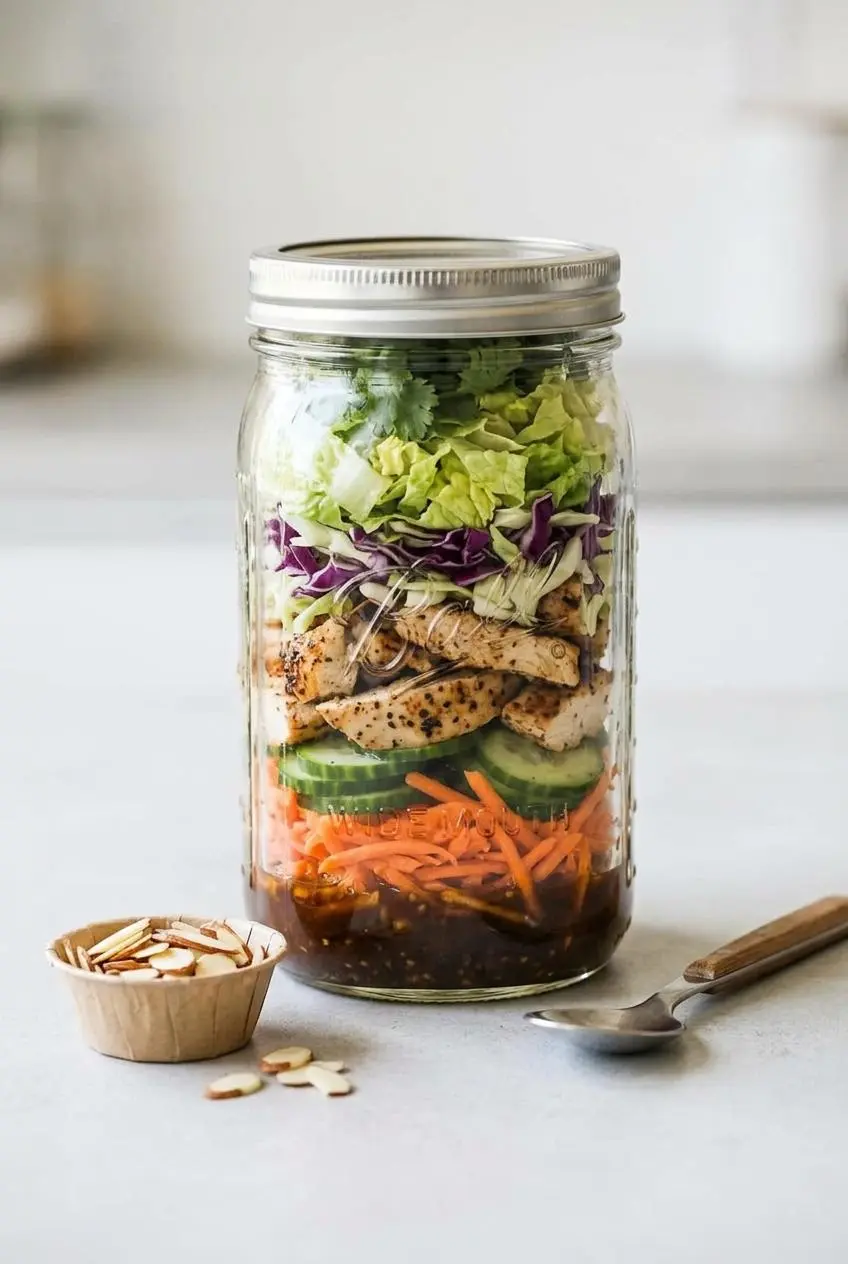
If you’re packing lunches, mason jars are a smart option because they keep the wet ingredients away from the greens. For more ideas on layering mason jar salads, the same bottom-to-top order works beautifully here.
Use this order for the jars:
- Dressing goes on the very bottom.
- Add dense vegetables next, especially carrots and cucumbers.
- Layer in the sliced grilled chicken after that.
- Add the cabbage above the heavier ingredients.
- Finish with romaine or leafy lettuce at the top so it stays away from the liquid.
- Pack almonds, chow mein noodles, or wonton strips separately and add them just before eating.
That layering works because the sturdy vegetables can handle contact with the dressing for longer, while leafy greens cannot. It’s the same reason dressed cabbage overnight tends to lose its lively snap even when it still tastes fine.
If you want to prep ahead without jars, use flat containers instead. Keep the dressing in a small separate container, the chicken in another, and the crisp toppings in a dry bag or lidded cup. Assembly takes a minute and the salad tastes much fresher.
Alternative Crunchy Toppings
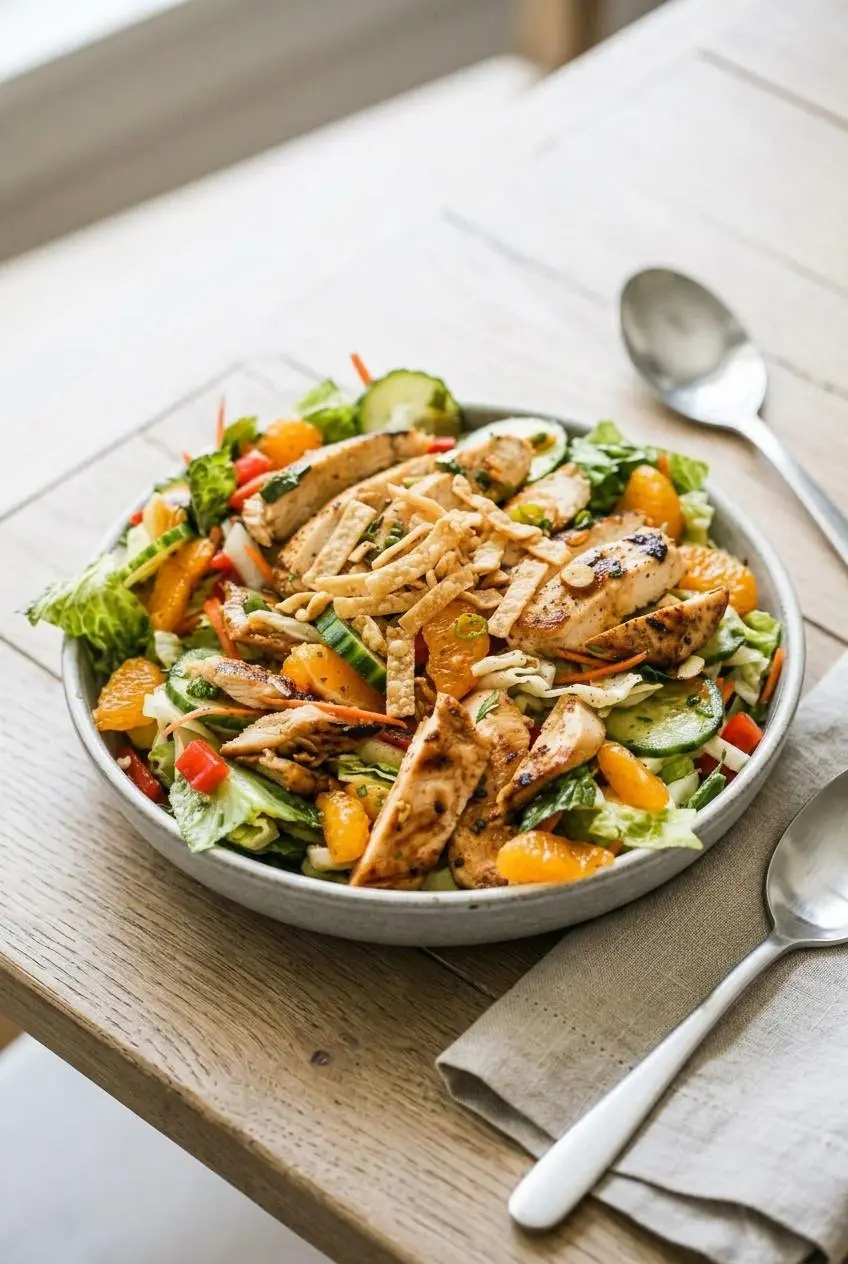
This salad is flexible, and the crunchy finish is the easiest place to change the texture without changing the main recipe.
Crunchy chow mein noodles and wonton strips bring the classic restaurant-style bite, but they’re not the only good option. Toasted black sesame seeds add a little visual contrast and a light nutty crunch, while sliced snap peas keep the topping section feeling fresh and clean rather than extra rich.
Crushed Ramen Noodle Crunch
Dry instant ramen noodles make a great budget-friendly substitute for wonton strips. Crush them lightly so you get small shards rather than powder, then toast them in a dry skillet with a touch of butter or oil until they turn golden and smell nutty. Let them cool fully before adding them to the salad.
The texture is a little denser and toastier than wonton strips, which makes them especially nice if you want a more substantial crunch. Add them at the last second so they stay crisp.
Homemade Baked Wonton Strips
If you want the flavor of wonton strips with a lighter feel, slice wonton wrappers into thin strips, mist them lightly with cooking spray, and bake them at 375°F until golden and crisp. Watch closely near the end because the thin edges color quickly.
These stay more delicate and airy than ramen crunch. They’re a nice choice when you want the topping to shatter lightly instead of crack hard.
Creamy Peanut or Cashew Dressing
For a richer variation, whisk a spoonful or two of creamy peanut butter or cashew butter into the sesame ginger dressing base until smooth. The result is thicker, more satiny, and a little less sharp, with a coating texture that clings more heavily to the greens and chicken.
Cashew butter tastes slightly sweeter and softer. Peanut butter brings a bolder savory note. If that style is what you’re craving, a Thai chicken salad is another good direction to explore.
Conclusion
This salad works because every bite balances something different: cool lettuce, sturdy cabbage, sweet mandarin oranges, savory grilled chicken, and that nutty sesame ginger dressing tying it together.
Keep the dressing and crunchy toppings separate until the last minute, and the whole bowl stays lively instead of limp. That one habit makes this salad feel fresh every time.
Frequently Asked Questions
Can I make this salad ahead of time?
Yes. Keep the vegetables, grilled chicken, dressing, and crunchy toppings in separate airtight containers. Assemble and toss just before serving so the lettuce and cabbage stay crisp. If you’re packing lunches, jar layering or separate containers both work well.
How do I keep the cabbage and lettuce crisp?
Dry them thoroughly after washing. Extra moisture makes the dressing slide off and speeds up wilting. Deseed watery cucumbers if needed, and pat them dry before slicing into the salad. Dress only the portion you plan to eat right away.
What is a good substitute for wonton strips?
Crushed dry instant ramen noodles are a great swap if you want an inexpensive, crunchy topping. Chow mein noodles, toasted sliced almonds, cashews, and sunflower seeds also work well. If you want a seed-based option, sunflower seeds bring crunch without nuts.
Can I use rotisserie chicken for this recipe?
Yes. Rotisserie chicken is a very good shortcut for busy nights. Shred or slice it, then toss it with a little dressing before adding it to the salad so it picks up the sesame and ginger flavor. Hand-shredded rotisserie chicken gives a softer texture than sliced grilled chicken, but both work nicely.
Asian Chicken Salad

Equipment
- large bowl
- Ziplock bag
- Grill or grill pan
- Cutting board
Ingredients
Marinade and Dressing
- 1/4 cup low-sodium soy sauce
- 2 Tablespoons fresh chopped ginger
- 1/4 cup olive oil
- 2 Tablespoons hoisin sauce
- 1 Tablespoon sesame oil
- 1/2 teaspoon Sriracha hot sauce, or more, to taste
- 1/2 teaspoon salt
- 1/4 cup red wine vinegar
- 2 green onions, finely chopped
Chicken and Salad
- 2 boneless, skinless breasts
- 1 large head romaine or green leafy lettuce, chopped
- 2 cups chopped red, green or napa cabbage
- 1/2 english cucumber, sliced
- 1 carrot, shredded
- 1/2 cup sliced almonds or cashews
- 1 bell pepper (any color) chopped
- 11 ounce can mandarin oranges, drained
- 1/2 cup chopped fresh cilantro
- Handful Crunchy chow mein noodles or wonton strips, optional
Instructions
Preparation
- Whisk the soy sauce, chopped ginger, olive oil, hoisin sauce, sesame oil, Sriracha, and salt in a large bowl until the mixture looks glossy and well combined. The oil should stop floating in separate streaks, and the dressing base should smell nutty, savory, and strongly gingery.
- Transfer 3 tablespoons of the marinade to a bowl or large ziplock bag, then cut the chicken breasts in half lengthwise to make 6 thin pieces and add them to the marinade. Thin pieces cook quickly and evenly, and the chicken should be fully coated before it goes into the refrigerator for at least 30 minutes, or up to 3 to 4 hours.
- Stir the red wine vinegar and sliced green onions into the remaining marinade, then refrigerate it as the salad dressing. Once the vinegar goes in, the mixture should look slightly lighter and more fluid, with a sharp ginger aroma rising from the bowl.
- Place the lettuce, cabbage, cucumber, carrots, almonds, bell peppers, mandarin oranges, and cilantro in a large bowl. Keep the ingredients loose and dry so they stay crisp and are easier to toss evenly later.
Cooking and Assembly
- Grill the chicken over medium high heat for about 3 minutes per side, turning once, until cooked through, then move it to a cutting board and let it rest for 5 minutes. The outside should show light grill color, and resting helps the juices settle before slicing.
- Slice the chicken against the grain, add it to the salad, then toss the salad with as much dressing as you like and finish with crunchy wonton strips or chow mein noodles, if desired. Add the crisp topping right before serving so it stays crackly instead of softening in the dressing.