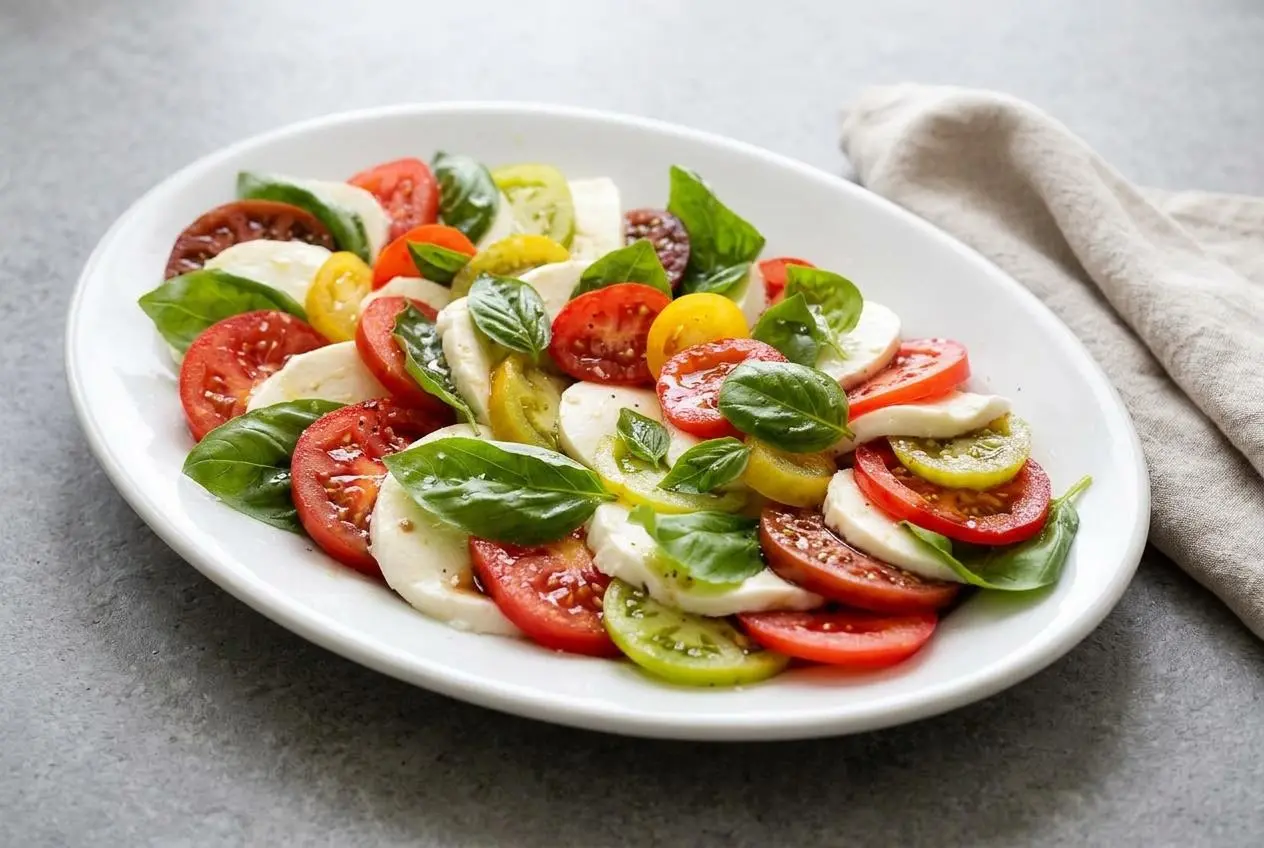
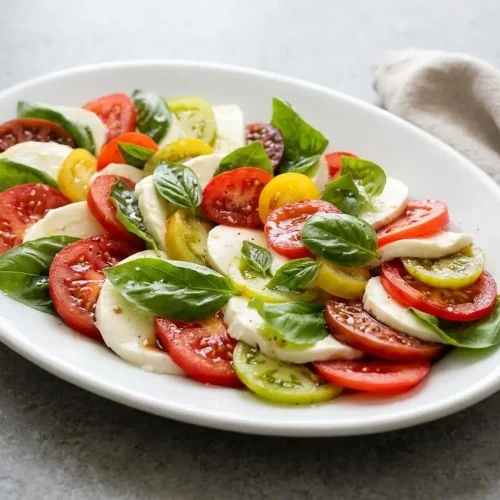
A classic Caprese salad is an Italian dish of ripe tomatoes, fresh mozzarella, and basil, finished with olive oil, salt, pepper, and sometimes balsamic glaze.
Caprese Salad is one of those recipes that tastes like summer the moment it hits the plate. When the tomatoes are ripe and the mozzarella is truly fresh, you barely need to do anything else.
It’s quick, no-cook, and surprisingly easy to get wrong if the ingredients are cold or the salad sits too long. A couple of small choices make all the difference.
Use a sharp knife and slice the tomatoes and mozzarella to a similar thickness so every bite stays balanced.
The 3 Key Ingredients for a Perfect Caprese Salad
This salad lives or dies by ingredient quality. Since there are so few moving parts, each one needs to bring real flavor, texture, and aroma to the plate.
Choosing the Best Tomatoes
Tomatoes do most of the heavy lifting here, so ripe, in-season ones matter more than any fancy finishing touch. Heirloom tomatoes usually bring the most character: sweet, acidic, juicy, and sometimes a little floral. Vine-ripened tomatoes are also a good choice when heirlooms are not at their peak. Standard round tomatoes can work, but they tend to be firmer and less fragrant.
At the store, look for tomatoes with rich color and a little give when you press gently. They should smell like tomatoes, especially near the stem. If they have no aroma, they usually have less flavor too. A good ripe tomato also gives that clean, satisfying sound when a sharp knife slips through the flesh instead of crushing it.
Try not to refrigerate them before serving. Cold temperatures can dull their flavor and leave the texture mealy, which is the opposite of what you want in a tomato and mozzarella salad.
The Right Mozzarella (and Burrata)
Fresh mozzarella packed in water is the classic choice for Insalata Caprese. It’s soft, milky, and moist, so it blends into the tomatoes instead of fighting them. Look for a ball that feels tender and yields to gentle pressure.
Burrata is an easy upgrade when you want a creamier, richer version. It has a soft shell with a lush center, so the salad feels a little more dramatic and dinner-party ready. It is delicious, but it is not the traditional pick.
Low-moisture block mozzarella is the wrong texture here. It’s firmer, saltier, and a bit rubbery when served cold. That style is great for pizza. For Caprese, it makes the salad feel heavy instead of fresh.
Balsamic Vinegar vs. Balsamic Glaze
Plain balsamic vinegar is thin and sharp. Balsamic glaze, sometimes called balsamic reduction, is thicker, sweeter, and more concentrated. That thicker texture helps it cling to the tomatoes and cheese instead of pooling underneath them.
Many people prefer glaze for modern Caprese because it adds tang without making the plate watery. If you buy one, choose a glaze that tastes balanced, not sugary in a candy-like way. If you want a more traditional finish, you can skip it and use only good extra-virgin olive oil, salt, and pepper.
How to Make Homemade Balsamic Glaze
If you’d rather make your own, it’s very straightforward.
- Pour balsamic vinegar into a small saucepan and bring it to a gentle simmer over medium to medium-low heat.
The bubbles should stay steady but not aggressive, so the vinegar reduces evenly instead of scorching. - Cook until it thickens enough to lightly coat a spoon, then let it cool before drizzling.
It will look slightly loose in the pan and thicken more as it stands.
Ingredients for Caprese Salad
Each ingredient has a job here, from juicy sweetness and creamy richness to peppery freshness and a bright, balanced finish.
- 3 to 4 medium heirloom tomatoes (sliced)
- 1 (8-ounce) ball fresh mozzarella cheese (sliced)
- Fresh basil leaves
- Extra-virgin olive oil (for drizzling)
- Balsamic vinegar or balsamic reduction
- Flaky sea salt and freshly ground black pepper
I like to tear the basil leaves gently instead of chopping them, which helps keep them fragrant instead of bruised and dark.
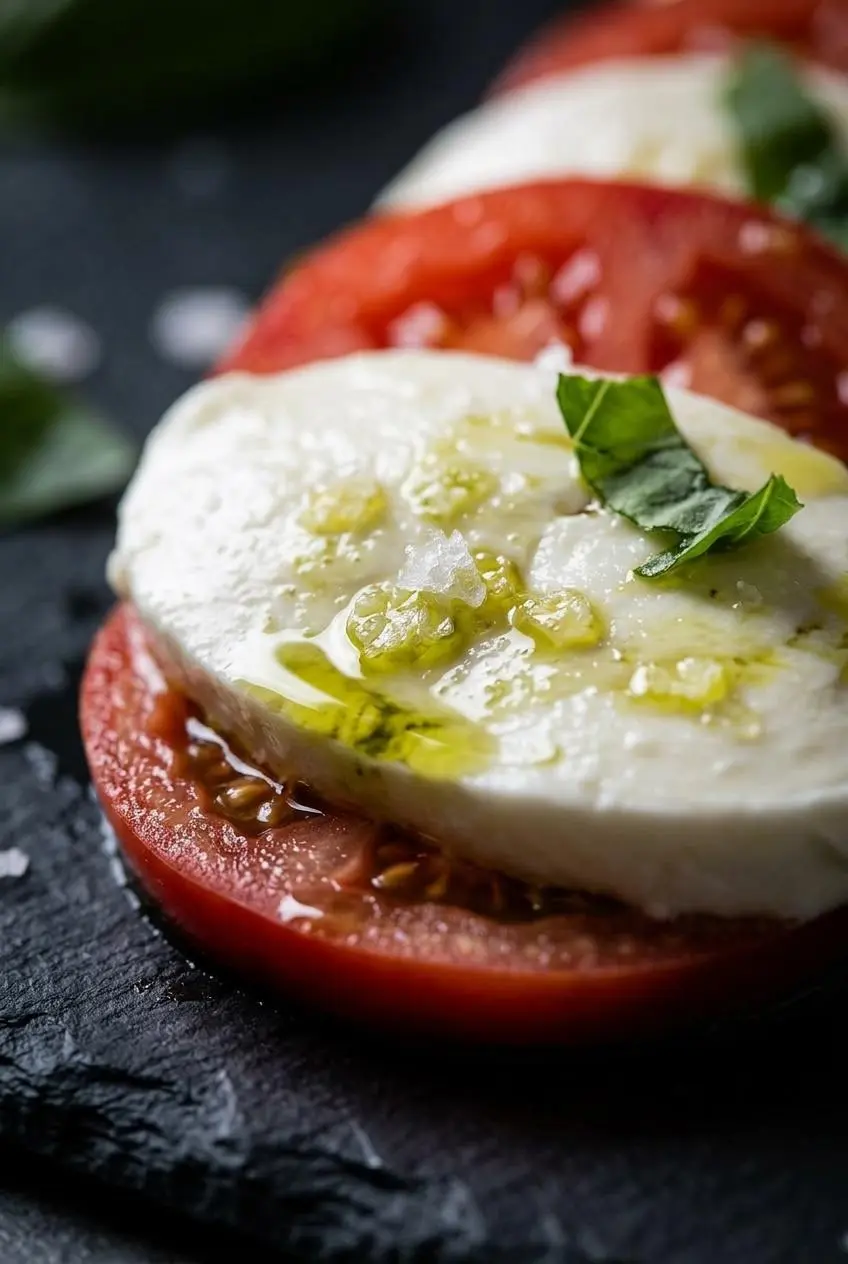
The tomatoes bring sweetness, acidity, and juice. Fresh mozzarella adds that soft, creamy contrast. Basil sharpens everything with its aromatic lift, while olive oil rounds the salad out and carries the flavor across the whole plate. Flaky sea salt is especially useful here because it lands in little bursts rather than disappearing the way table salt often does.
How to Make Classic Caprese Salad
The classic version is all about clean slices, neat layering, and dressing at the very end so the salad stays fresh and glossy.
- Layer the sliced tomatoes, sliced mozzarella, and basil leaves on a serving platter, alternating them so the pieces are evenly distributed.
Keep the slices close but not packed tight, which gives you that classic look and balanced bites. - Drizzle the top with extra-virgin olive oil and balsamic vinegar or balsamic reduction, then finish with flaky sea salt and freshly ground black pepper right before serving.
The salad should look lightly dressed, not soaked, with the basil still bright and the tomatoes holding their shape.
Essential Tips and Common Mistakes to Avoid
Most Caprese problems come down to temperature, moisture, or seasoning. The good news is that each one is easy to fix once you know what to watch for.
Troubleshooting Common Caprese Problems
Here’s a quick way to rescue the most common issues.
| Problem | Likely Cause | Fix |
|---|---|---|
| Watery salad | Dressed too early or mozzarella too wet | Salt and dress just before serving, and pat the mozzarella dry first |
| Bland flavor | Tomatoes served cold or weak olive oil | Let the tomatoes come to room temperature, use flaky salt, and drizzle with good oil |
| Rubbery cheese | Used low-moisture block mozzarella | Choose fresh mozzarella packed in water for a soft, milky bite |
More Tips for Success
- Serve at room temperature. Cold tomatoes and cheese taste muted. Give them time to lose the fridge chill before you assemble the platter.
- Use a sharp or serrated knife. A clean blade slices tomatoes neatly instead of squishing out their juices.
- Reach for flaky sea salt. It adds little pops of seasoning and a better texture than table salt, which can taste harsh and flat here.
- Dress at the last minute. Oil, balsamic, and salt all pull moisture to the surface. That’s great on the plate and less great after the salad has been sitting.
- Try a gentle garlic oil. Let a crushed garlic clove sit in the olive oil for a short time, then remove it before drizzling if you want a subtle savory edge without turning the salad into garlic bread.
- Handle produce with care. For fresh ingredients like tomatoes and basil, a quick rinse under running water and gentle drying is the safest habit for prep, as described in washing fresh fruits and vegetables under running water.
Popular Caprese Salad Variations
The classic sliced version is the standard for a reason, but Caprese is flexible enough to suit parties, cookouts, and more substantial summer meals. These variations keep the same fresh core while changing the texture and serving style.
Classic Sliced vs. Tossed Cherry Tomato Caprese
Both styles work well. The best one depends on where you’re serving it and how you want people to eat it.
| Feature | Classic Sliced | Tossed |
|---|---|---|
| Best For | Elegant appetizer | Parties and potlucks |
| Tomatoes | Large heirlooms or vine-ripened | Cherry or grape tomatoes |
| Cheese | Sliced mozzarella | Mozzarella pearls or bocconcini |
Tossed Cherry Tomato Caprese
For a party-friendly version, halve cherry or grape tomatoes and toss them with mozzarella pearls, basil, olive oil, salt, pepper, and a little balsamic glaze. It’s easier to serve, easier to eat standing up, and it holds its shape better on a buffet table than large slices do.
If you want something more filling for picnics or potlucks, Caprese pasta salad takes the same flavors in a heartier direction.
Caprese with Peaches and Prosciutto
This variation leans sweet and salty in the best way. Tuck ripe peach slices and ribbons of prosciutto between the tomatoes, mozzarella, and basil. The peaches echo the tomato sweetness, while the prosciutto adds savory depth and makes the salad feel more substantial.
You can also swap the mozzarella for burrata here if you want an even creamier finish. If you like fruit-and-cheese salads in general, a watermelon feta salad is another great warm-weather option.
What to Serve with Caprese Salad
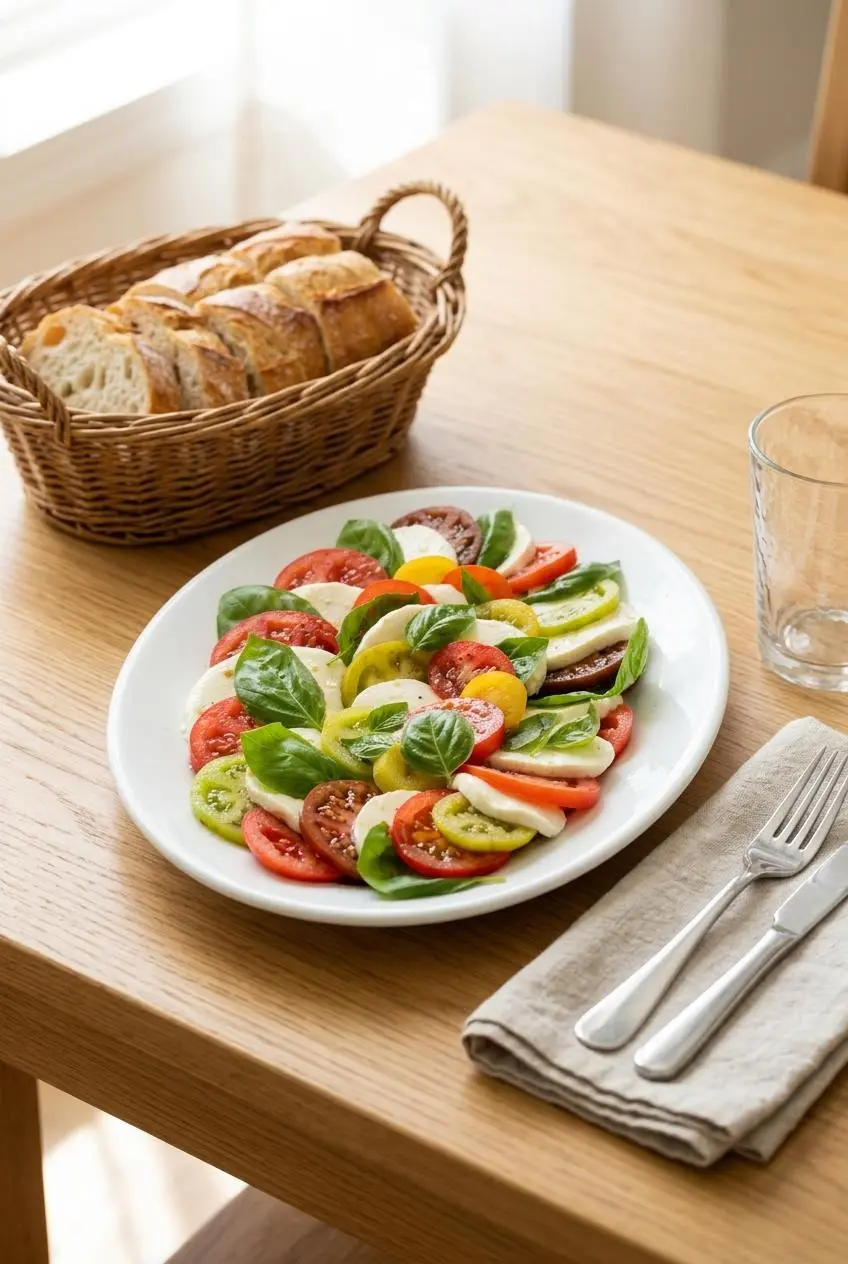
Caprese works with a lot of meals because it’s bright, cool, and rich without being heavy.
- As an appetizer: Serve it with crusty bread for soaking up the juices, or spoon it over crostini.
- As a side dish: Pair it with grilled chicken, steak, or fish.
- As a light lunch: Set it over arugula to make it feel more meal-like.
- For a bigger summer spread: Add another fresh side like cucumber tomato salad.
Make-Ahead and Storage Tips
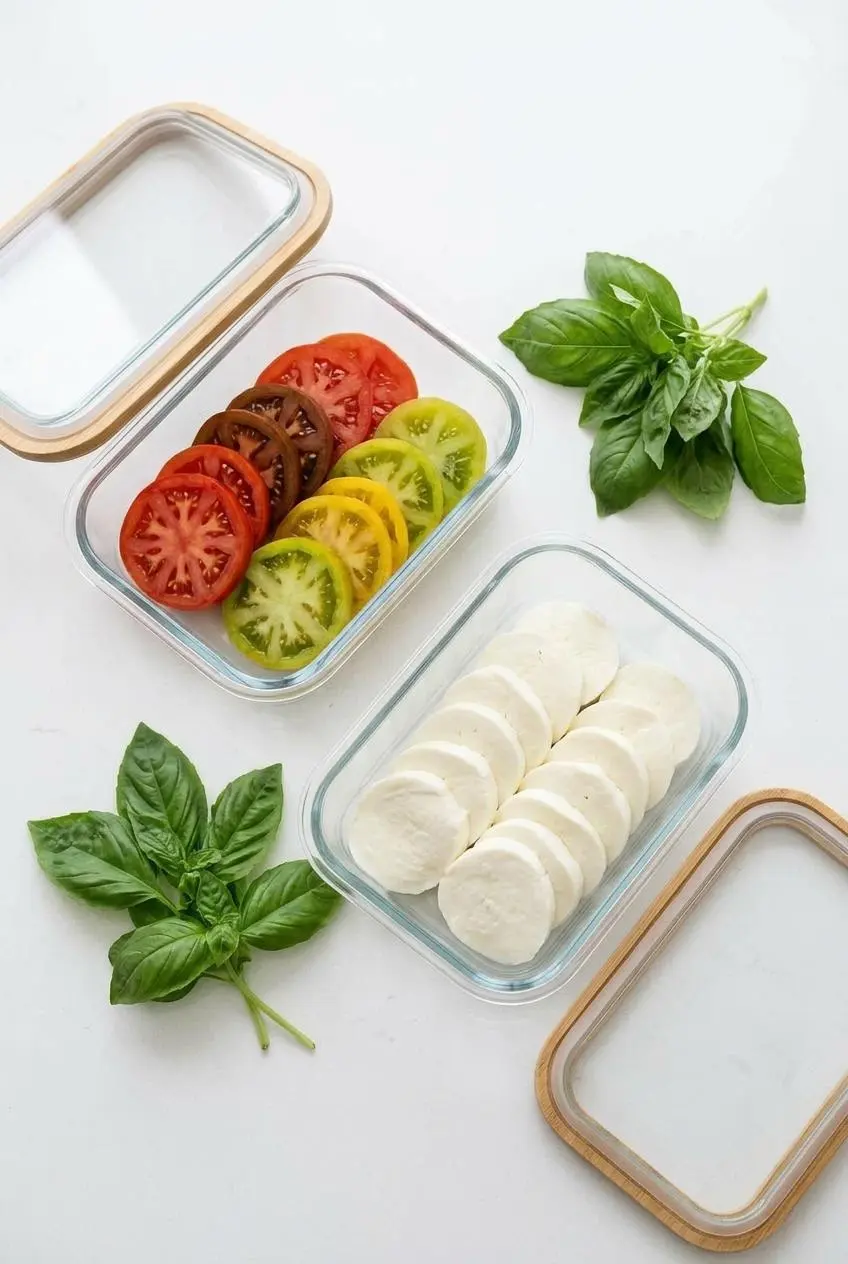
Caprese is best when assembled fresh. If you need a head start, slice the tomatoes and mozzarella separately, keep them covered and chilled, and wait to add the basil, salt, oil, and balsamic until just before serving.
For leftovers, store the salad covered in the refrigerator and expect the texture to soften as it sits. If possible, keep any extra basil separate and add a fresh little handful when serving again. For outdoor meals, fresh mozzarella should stay well chilled until close to serving time.
A Final Word
The beauty of Caprese is that it asks for restraint. Good tomatoes, soft mozzarella, fresh basil, and a careful finish do almost all the work for you.
Once you get the timing and ingredient choices right, it becomes one of the easiest summer dishes to pull off with confidence. Serve it fresh and let the tomatoes do the talking.
Frequently Asked Questions
What is the best cheese for Caprese salad?
Fresh mozzarella packed in water is the classic choice. It has the soft, milky texture that Caprese needs. Burrata works well if you want a richer, creamier version. Low-moisture block mozzarella is too firm and rubbery for this salad.
Can you make Caprese salad the night before?
It’s better not to fully assemble it that far ahead. The tomatoes and mozzarella release moisture as they sit. The basil can wilt and darken. If needed, prep the tomatoes and mozzarella separately, then assemble and dress just before serving.
What main dish goes well with Caprese salad?
Caprese pairs especially well with simple mains. Grilled chicken, steak, and fish are all natural matches. It also works as a starter for pasta night. Add hearty bread if you want the meal to feel a little more relaxed and substantial.
Should you put balsamic vinegar on Caprese salad?
That depends on the style you like. Traditional versions often use only olive oil, salt, and pepper. Balsamic glaze is a popular modern addition because it is thicker and sweeter than plain vinegar. If you use balsamic, glaze usually gives a better texture on the plate than regular vinegar.
Caprese Salad

Equipment
- Sharp knife
- Serving platter
Ingredients
- 3 to 4 medium heirloom tomatoes sliced
- 1 8-ounce ball fresh mozzarella cheese sliced
- Fresh basil leaves
- Extra-virgin olive oil for drizzling
- Balsamic vinegar or balsamic reduction
- Flaky sea salt and freshly ground black pepper
Instructions
- Layer the sliced tomatoes, sliced mozzarella, and basil leaves on a serving platter, alternating them so the pieces are evenly distributed. Keep the slices close but not packed tight, which gives you that classic look and balanced bites.
- Drizzle the top with extra-virgin olive oil and balsamic vinegar or balsamic reduction, then finish with flaky sea salt and freshly ground black pepper right before serving. The salad should look lightly dressed, not soaked, with the basil still bright and the tomatoes holding their shape.