Make Lemon Ginger Tea by steeping fresh grated ginger, lemon juice, turmeric, and honey in hot water for 10 minutes, then strain and serve. It’s warm, zesty, caffeine-free, and easy to customize.
Lemon Ginger Tea is a soothing herbal drink made with fresh ginger, lemon juice, hot water, and honey to taste. This version keeps the flavor bright, the ginger punchy, and the method easy enough for any day of the week.
You’ll like it if you want something warm and comforting that still tastes lively and fresh. It also includes a make-ahead concentrate option, smart variations, and fixes for the most common mistakes. The best part is how quickly it comes together.
Start with less ginger if you’re sensitive to spice, because fresh grated ginger gets bold fast.
Why This Lemon Ginger Tea Is the Best
This version works because it leans on fresh ingredients instead of tea bags or powdered shortcuts. Fresh ginger gives the tea a deeper heat and more aroma, while fresh lemon keeps the flavor sharp and clean rather than flat.
It also goes beyond the basic cup of tea. You’ll get a practical concentrate method for busy mornings, a clear explanation of why grated ginger works better than sliced for stronger flavor, and troubleshooting help for bitterness, weakness, or too much spice.
And yes, it tastes good enough to drink even when you’re not trying to soothe anything. That matters.
Ingredients You’ll Need
Each ingredient has a job here: ginger brings warmth, lemon adds brightness, turmeric deepens the color, honey rounds out the sharp edges, and garnish makes the cup feel finished.
- 1 cup water
- 1 heaping tablespoon fresh grated ginger, start with ½ tablespoon if you want it less spicy
- 1 large lemon, juiced
- Pinch turmeric, less than ¼ teaspoon
- Honey, to your taste
- Lemon slices, for garnish
Optional add ons
- 1 small cinnamon stick
- Fresh mint leaves
I like to grate the ginger on a microplane when I want a stronger, cloudier tea with more body. If I want a gentler cup, I switch to thin slices instead.
How to Make Lemon Ginger Tea (Step-by-Step)
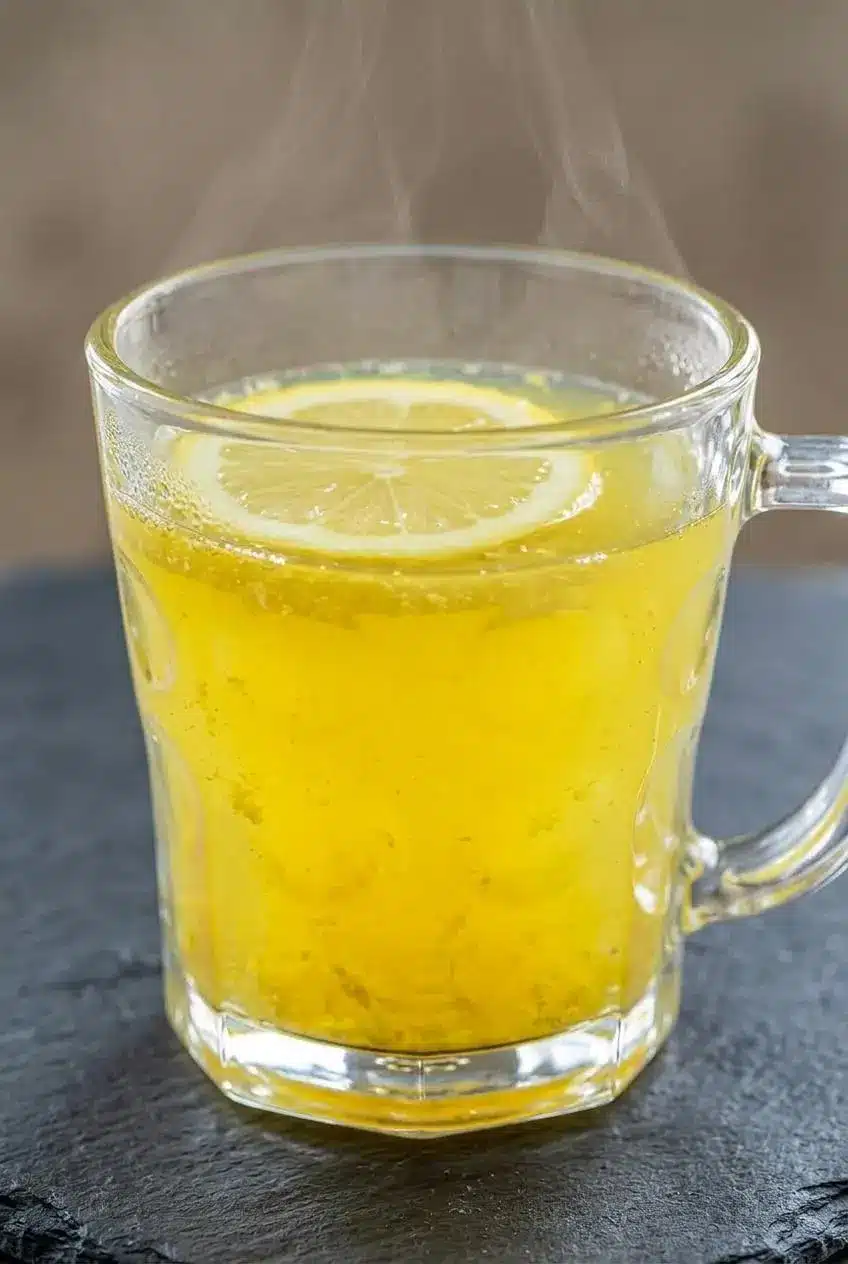
This method is quick, but a couple of small details make a big difference. Wash both the ginger and lemon well first. Peeling the ginger is optional, but if you leave the skin on, scrub it thoroughly. For the strongest flavor, grate the ginger instead of slicing it.
Prepare the Ginger and Lemon
Juice the lemon before you heat the water so everything is ready to go. Grated ginger releases more flavor into the water because it has much more surface area, which means a spicier, fuller-tasting cup.
Simmer and Steep
- Bring the water to a boil in a small saucepan or teakettle, then add the grated ginger, lemon juice, turmeric, and honey to taste.
The mixture should smell bright and spicy right away, with a warm citrus aroma rising from the pot. - Turn off the heat as soon as everything is combined, cover, and let the tea steep for 10 minutes.
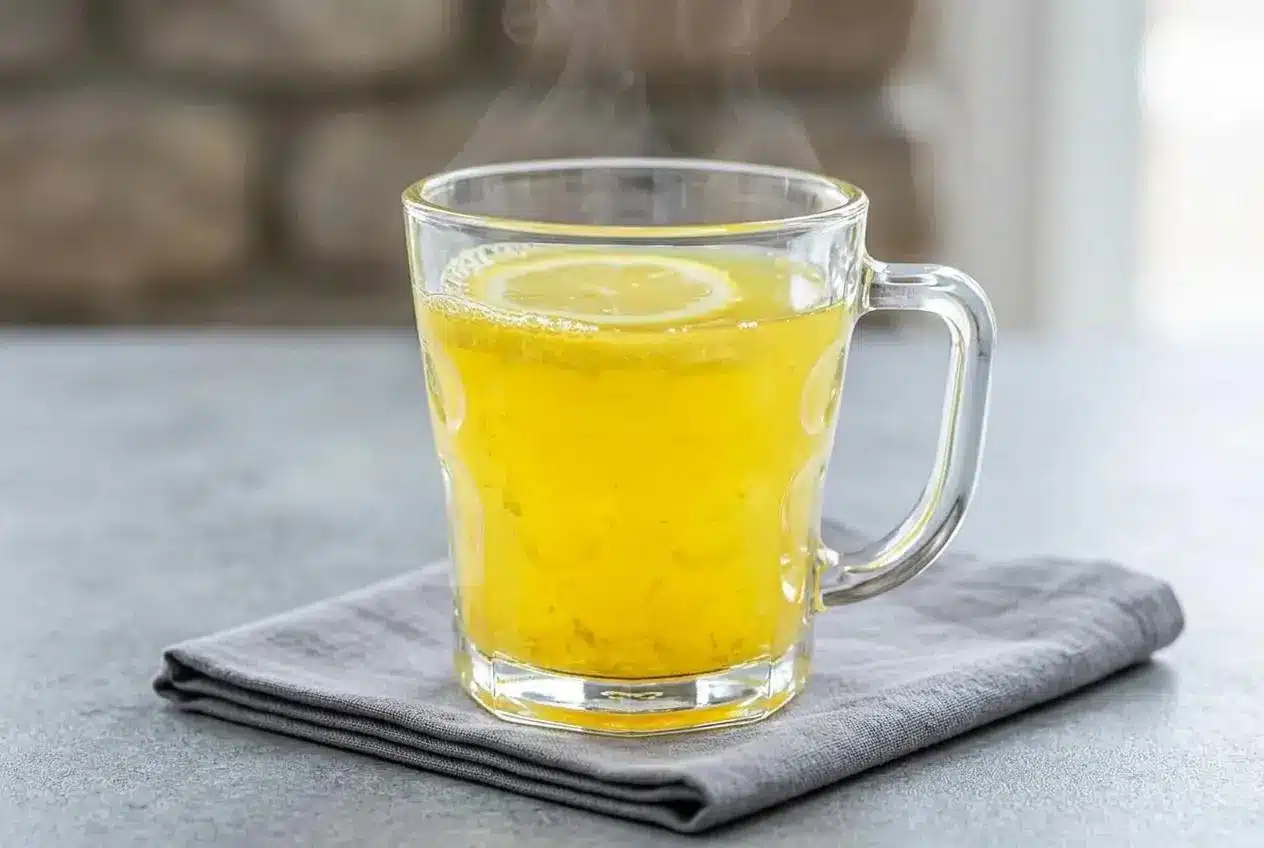
This resting time gives the tea its full flavor, and the liquid will turn a vibrant, lightly cloudy yellow. - Pour the tea through a fine-mesh strainer into your cup and finish with a lemon slice if you like.
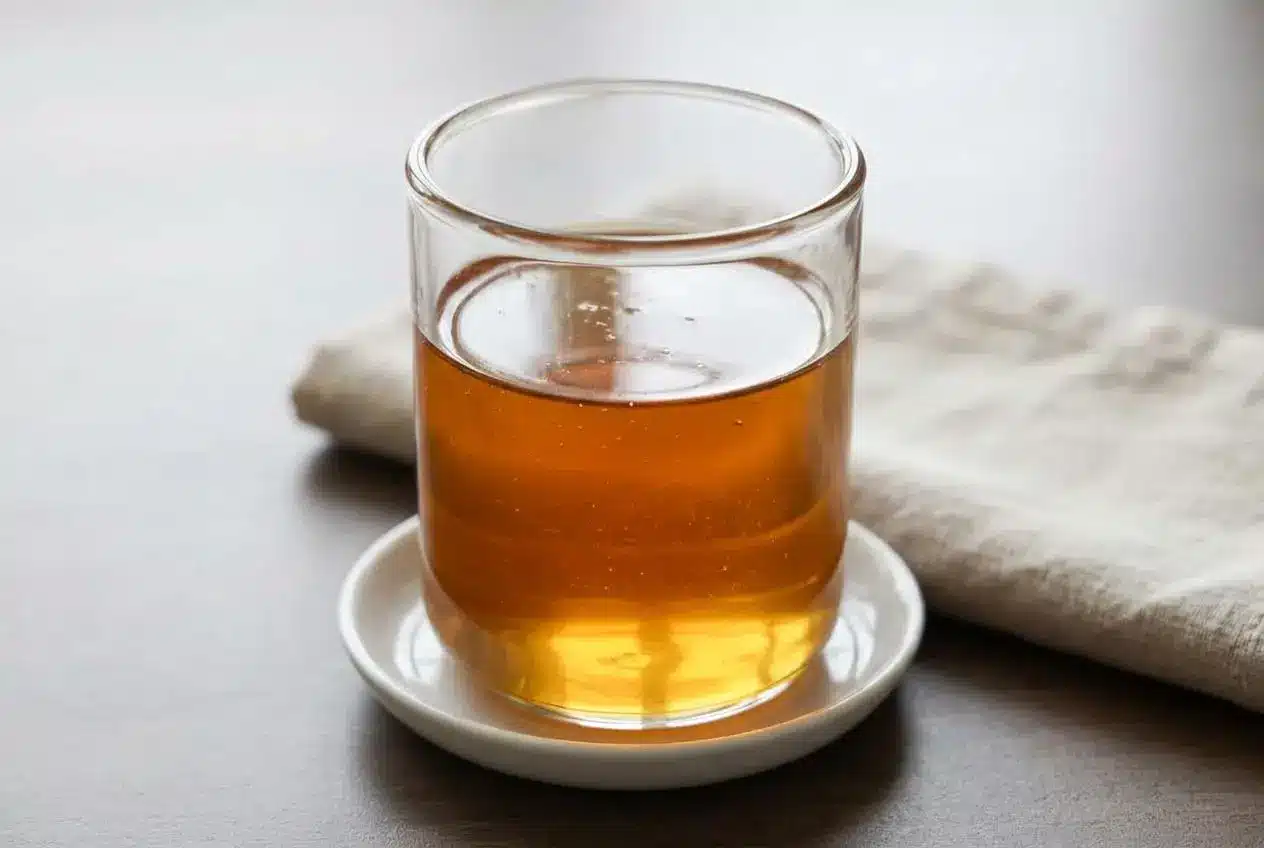
The strained tea should look smooth and golden with a fresh, zesty scent.
For the best flavor, avoid actively boiling the lemon and honey for long. If you want to be extra gentle with the honey, stir in part of it after the tea cools slightly and taste as you go.
Strain and Serve
A fine-mesh strainer gives you the smoothest cup, especially when using grated ginger. If a little cloudiness remains, that’s normal and usually means you’ve extracted plenty of ginger flavor.
Key Health Benefits of Lemon Ginger Tea
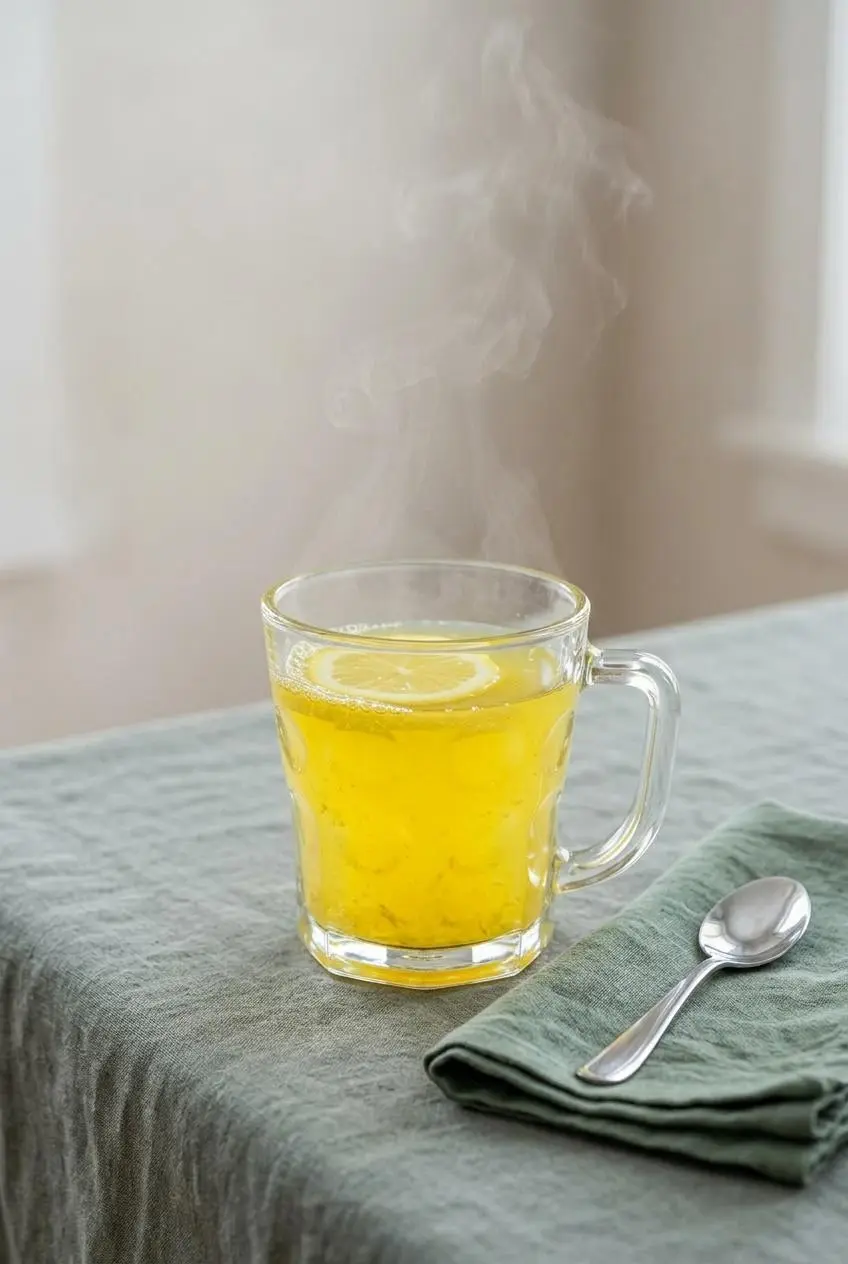
Many people make this tea because it feels good to drink, but it may also support a few everyday wellness goals. Think of it as a comforting helper, not a medical cure.
- Digestion and nausea: ginger is widely used to calm an unsettled stomach and may help ease mild nausea or post-meal heaviness.
- Cold-weather comfort: a warm mug can soothe the throat, and the steam can feel especially nice when you’re stuffy.
- Anti-inflammatory support: ginger and turmeric are often enjoyed for compounds linked with antioxidant and anti-inflammatory activity.
- Hydration: if plain water feels boring, this tea can make staying hydrated a lot more appealing. For an even simpler option, simple lemon water is another refreshing choice.
- Bedtime friendly: this herbal tea is naturally caffeine-free, so it fits nicely into an evening routine when you want something warm without the buzz.
When you’re feeling run down, a warm drink like this can be part of the comfort plan. If you want something more filling alongside it, Greek Lemon Chicken Soup is a cozy match.
Because this tea is often used like a home remedy, a little balance helps. If you’re pregnant, taking medication, or managing a health condition, it’s smart to check with a qualified professional before making strong ginger drinks a daily habit.
Time-Saving Tip: Make a Concentrate
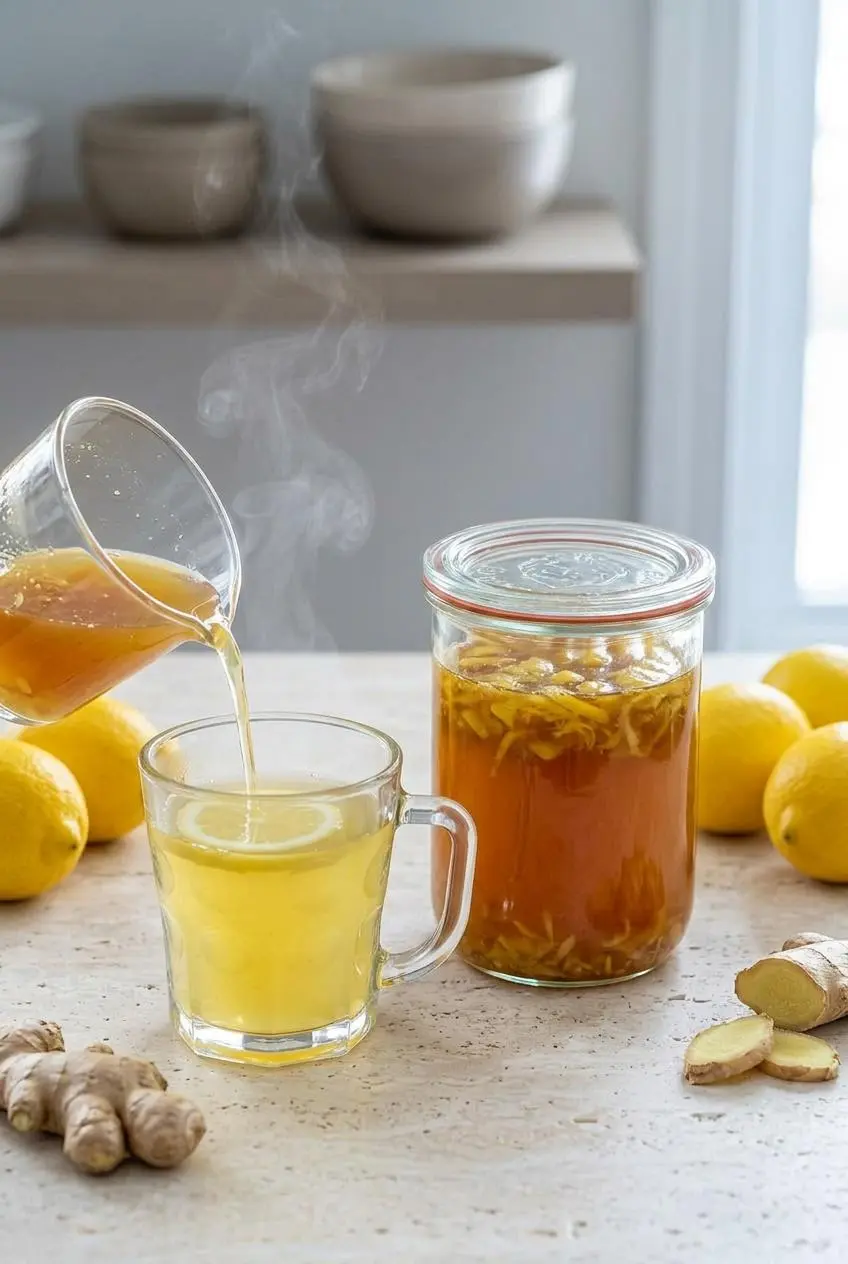
If you drink this often, a concentrate saves time without giving up that fresh flavor. It’s also the easiest way to make a larger batch for the week.
To make it, simmer chopped or sliced fresh ginger in water a bit longer than you would for a single cup until the liquid tastes strong and spicy. Then turn off the heat, stir in lemon juice, let it steep, and strain into a clean jar. Add honey when serving so you can sweeten each cup to taste.
To use the concentrate, spoon some into a mug and top with hot water until the strength tastes right to you. Start small, taste, and add more if needed. Honestly, this is the lazy-smart move.
Keep the concentrate chilled in a sealed glass jar and use it while it still tastes bright and fresh. If you want the cleanest flavor, make the concentrate with ginger and water first, then add lemon juice when you reheat and serve.
Variations and Fun Add-Ins
This tea is easy to customize, and small changes shift the mood of the cup quite a bit. Use these as optional add-ins, not required changes to the main recipe.
| Add-in | Flavor Profile | How to Add It |
|---|---|---|
| Spiced lemon ginger tea | Warmer, deeper, and a little more cozy | Add the optional cinnamon stick while the tea steeps; a tiny pinch of cayenne can add extra heat if you like a bolder cup. |
| Refreshing iced tea version | Bright, brisk, and cooling | Let the tea cool, then pour it over ice. Sweeten before chilling so the honey dissolves easily. |
| Adding fresh mint | Cooler, lighter, and very fresh | Bruise a few mint leaves lightly and add them during the steep or use them as a garnish. |
| Different citrus | Changes the balance of tartness and floral notes | Swap part of the lemon with lime for sharper acidity, or explore other citrus ideas with this Yuzu Lemonade recipe. |
If you’re in the mood for a chilled citrus drink beyond this recipe, Lemony Pineapple Iced Tea is another fun warm-weather option.
Storage, Freezing, and Reheating
Store leftover tea in an airtight glass jar or bottle once it has cooled. It keeps in the refrigerator for up to 3 to 4 days when kept well chilled, which lines up with safe cold-storage guidance for prepared foods.
Reheat it gently on the stovetop over low heat or warm it in the microwave in short bursts. Try not to bring it back to a full boil, especially if the lemon is already in there, because the flavor can turn harsher.
For the concentrate, refrigerate it in a sealed jar and use it while the flavor stays fresh and lively. If you want to store it longer, freezing isn’t covered here with a supported timeline, so chilled storage is the clearest option.
Tips for Success & Troubleshooting
A lot of home cooks ask the same questions here: why one batch tastes fiery, another tastes flat, and another goes bitter. The good news is that all three problems are easy to fix.
Sliced vs. Grated Ginger: Which Is Better?
Grated ginger makes the strongest tea. It exposes much more surface area, so the water pulls out more heat, aroma, and flavor, which gives you a spicier and slightly cloudier cup.
Sliced ginger is milder and cleaner tasting. It’s a good choice if you want a gentler drink or plan to sip it plain without much honey. But for a bold, soothing cup, grated ginger wins almost every time.
Troubleshooting Common Issues
| Problem | Likely Cause | Fix |
|---|---|---|
| Tea is too bitter | The lemon juice or bits of peel stayed on strong heat too long. | Add the lemon after the heat is off, and avoid squeezing in extra pith from the lemon halves. |
| Tea is too spicy | There was more ginger than your palate wanted, especially if it was finely grated. | Use less ginger next time, or dilute the current cup with more hot water and a little extra honey. |
| Tea is too weak | There wasn’t enough ginger, or the steep was too short. | Use grated ginger for stronger extraction and let it steep the full 10 minutes. |
Conclusion
This is one of those drinks that earns a place in your routine because it’s fast, warming, and genuinely satisfying. Fresh ginger and lemon do most of the work, and the honey smooths everything out.
If you end up loving it, make the concentrate and keep a jar ready for quick cups all week. A warm mug is never a bad idea.
Frequently Asked Questions
How often is it safe to drink lemon ginger tea?
For most people, 1 to 2 cups a day is a reasonable amount. More than that can feel a little intense for some people, especially if ginger tends to trigger heartburn.
Should I peel ginger before making tea?
Peeling is optional. The skin is edible, so if you leave it on, scrub the ginger well first. Peeling gives the tea a slightly cleaner, less earthy flavor.
Can I use ginger powder instead of fresh ginger?
You can, but the flavor won’t be the same. Fresh ginger gives the tea a brighter, juicier heat, while powdered ginger tastes flatter and can come across a bit harsh.
Why did my lemon ginger tea turn bitter?
That usually happens when the lemon juice or bits of pith spend too long on high heat. Add the lemon after turning off the heat for a cleaner, fresher taste.
What are the benefits of drinking lemon ginger tea for a cold?
It may help you feel more comfortable by warming the throat, encouraging hydration, and offering a soothing steaminess while you sip. It’s a supportive drink, not a treatment, but it can be very welcome when you feel lousy.
Can I drink lemon ginger tea on an empty stomach?
Usually, yes. Some people even find it settles the stomach, but if ginger feels strong for you first thing in the morning, try it with a little food instead.
Lemon Ginger Tea

Equipment
- Small saucepan or teakettle
- Fine mesh strainer
- Microplane or grater
Ingredients
- 1 cup water
- 1 heaping tablespoon fresh grated ginger start with ½ tablespoon if you want it less spicy
- 1 large lemon, juiced
- 1 Pinch turmeric less than ¼ teaspoon
- Honey, to your taste
- Lemon slices, for garnish
Optional add ons
- 1 small cinnamon stick
- Fresh mint leaves
Instructions
- Bring the water to a boil in a small saucepan or teakettle, then add the grated ginger, lemon juice, turmeric, and honey to taste. The mixture should smell bright and spicy right away, with a warm citrus aroma rising from the pot.
- Turn off the heat as soon as everything is combined, cover, and let the tea steep for 10 minutes. This resting time gives the tea its full flavor, and the liquid will turn a vibrant, lightly cloudy yellow.
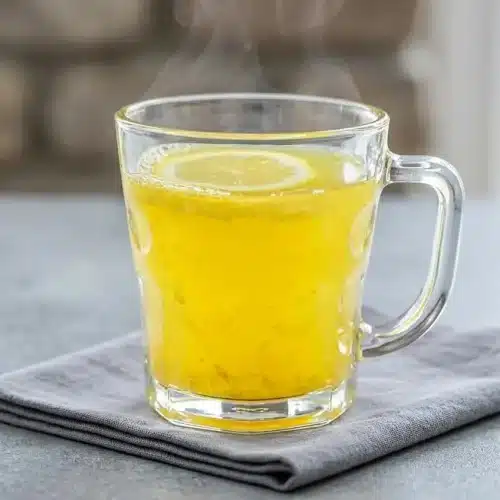
- Pour the tea through a fine-mesh strainer into your cup and finish with a lemon slice if you like. The strained tea should look smooth and golden with a fresh, zesty scent.