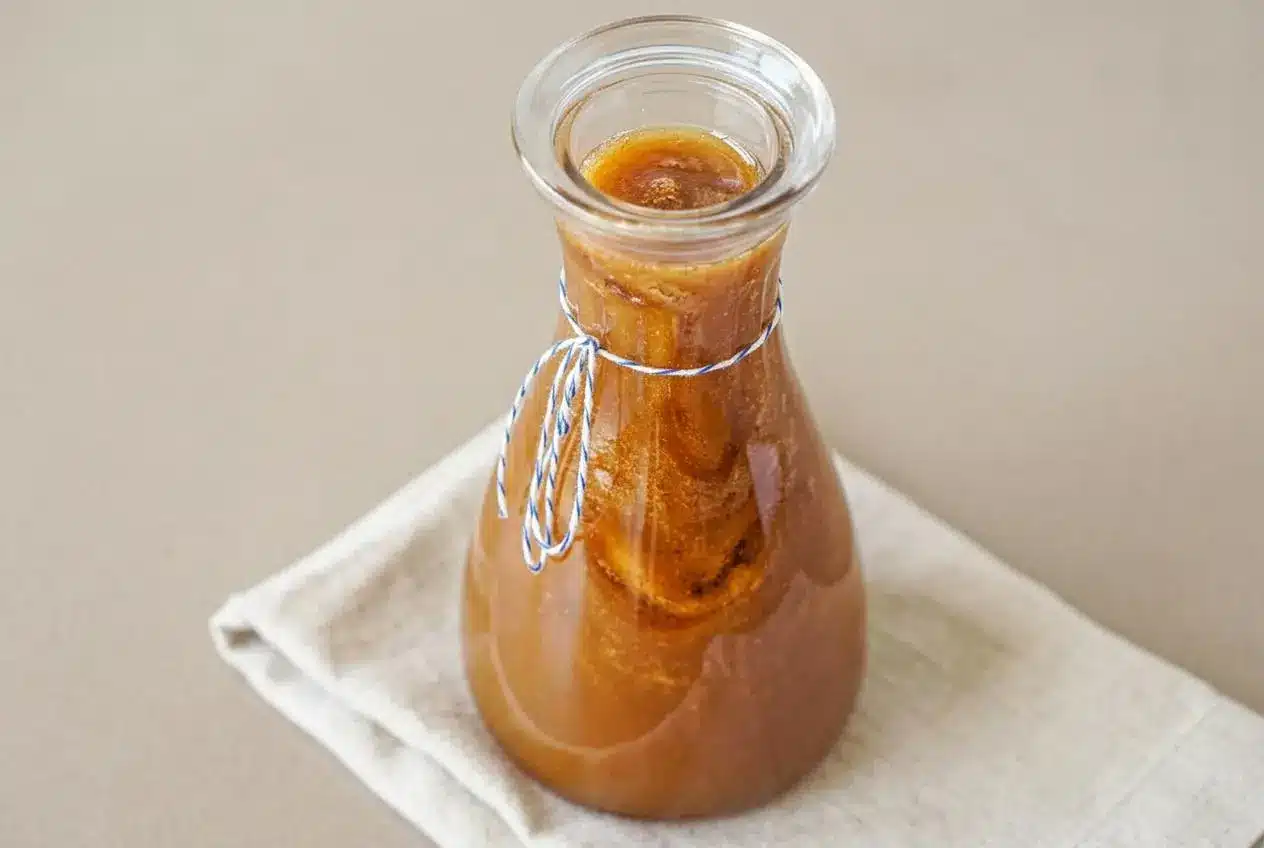
This beurre noisette recipe is the little French staple I lean on when I want a weeknight dinner or a Saturday bake to taste like it had a passport stamp. In my American kitchen, that same deep-golden, nutty butter has rescued everything from chocolate chip cookies to roasted vegetables with one fragrant swirl.
You are about to master a rich, caramelized liquid gold, and you will understand the “why” behind it, not just the “do this.” Once you can read the foam, smell the hazelnut-like aroma, and stop the pan at the right second, brown butter becomes foolproof.
Why You’ll Love This Recipe
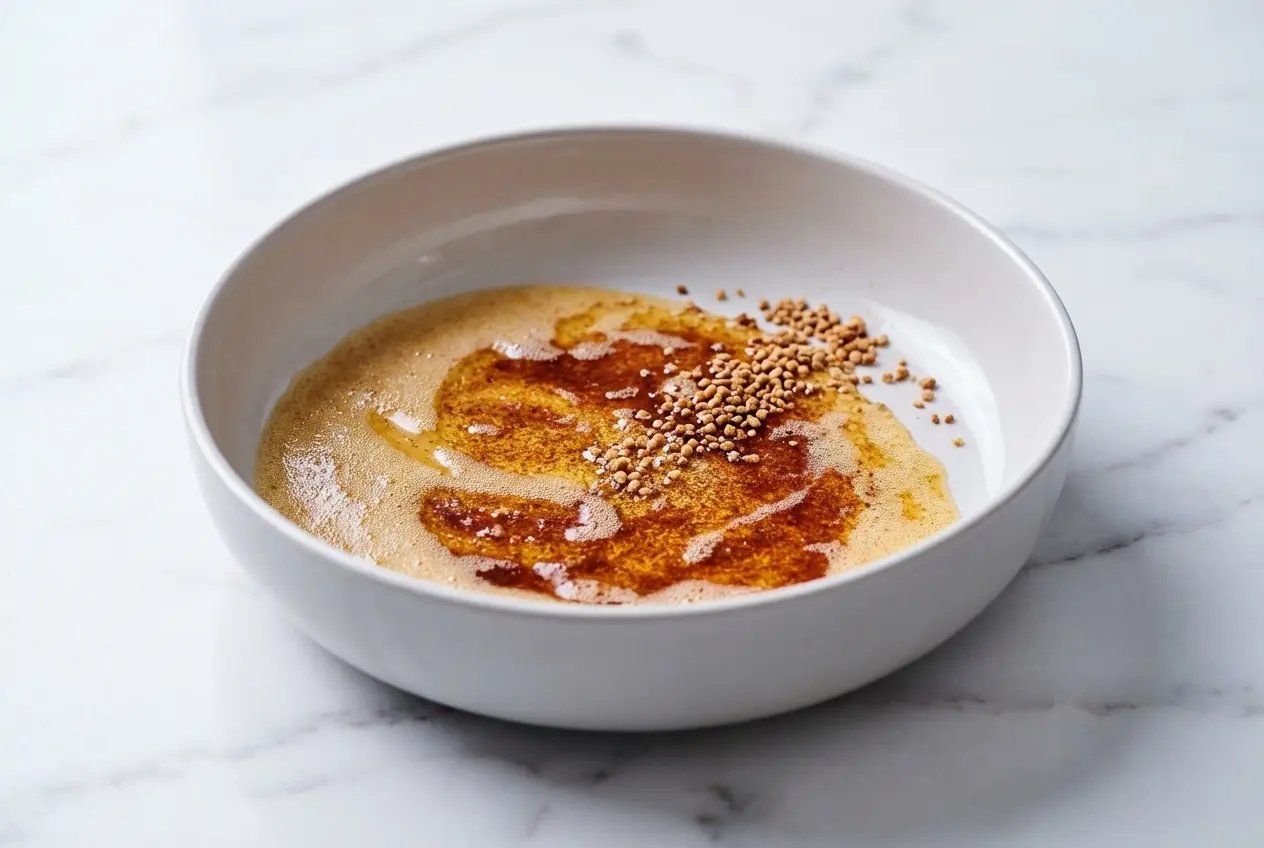
Ultra-brown flavor, not extra fuss: I discovered the “Ultra-Brown Milk Powder Hack” when I wanted more toasted brown bits without cooking longer, and it delivers a bigger, rounder beurre noisette flavor every time.
The Maillard reaction, amplified: Brown butter gets its magic when the milk solids undergo the Maillard reaction, but butter only contains about 1 to 2 percent milk solids, so there is a built-in ceiling on nuttiness.
The genius trick: By whisking in 1 to 2 tablespoons of dry milk powder right at the beginning, you simply increase the milk solids available to toast, which means more caramelization and more of that hazelnut butter aroma.
Baking-friendly: Because dry milk powder adds flavor without adding water, your cookies and cakes stay balanced, with a concentrated nutty depth instead of a wet, heavy crumb.
Ingredients and Substitutions
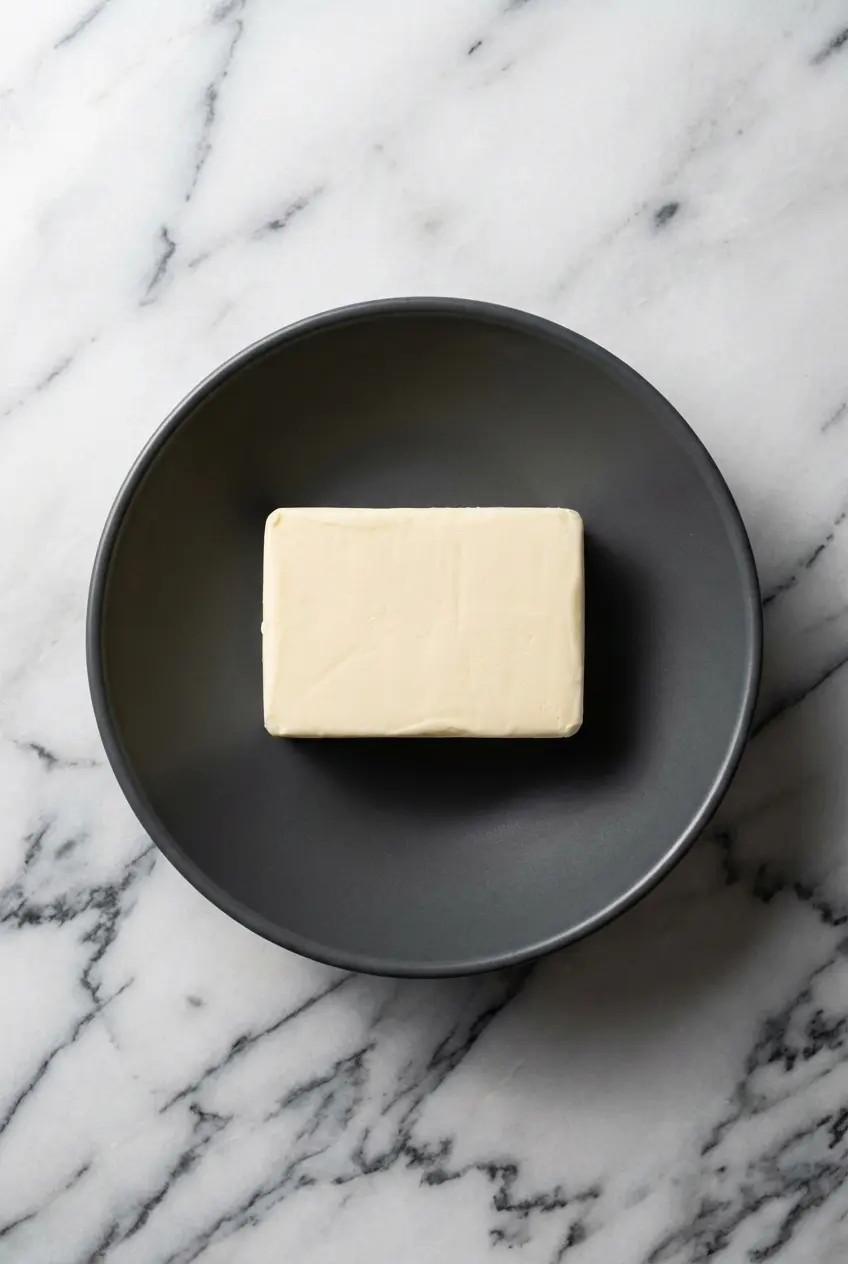
This is a minimalist recipe, because butter is the whole show. The optional milk powder is the backstage hero that boosts the toasted, nutty notes without changing the buttery texture.
Ingredients
- 250 grams unsalted butter
Ingredient Notes & Substitutions
Unsalted butter: High-quality unsalted butter gives you control and consistency, because salted butter can foam unpredictably and the salt concentrates as water evaporates, which can push the final flavor too salty.
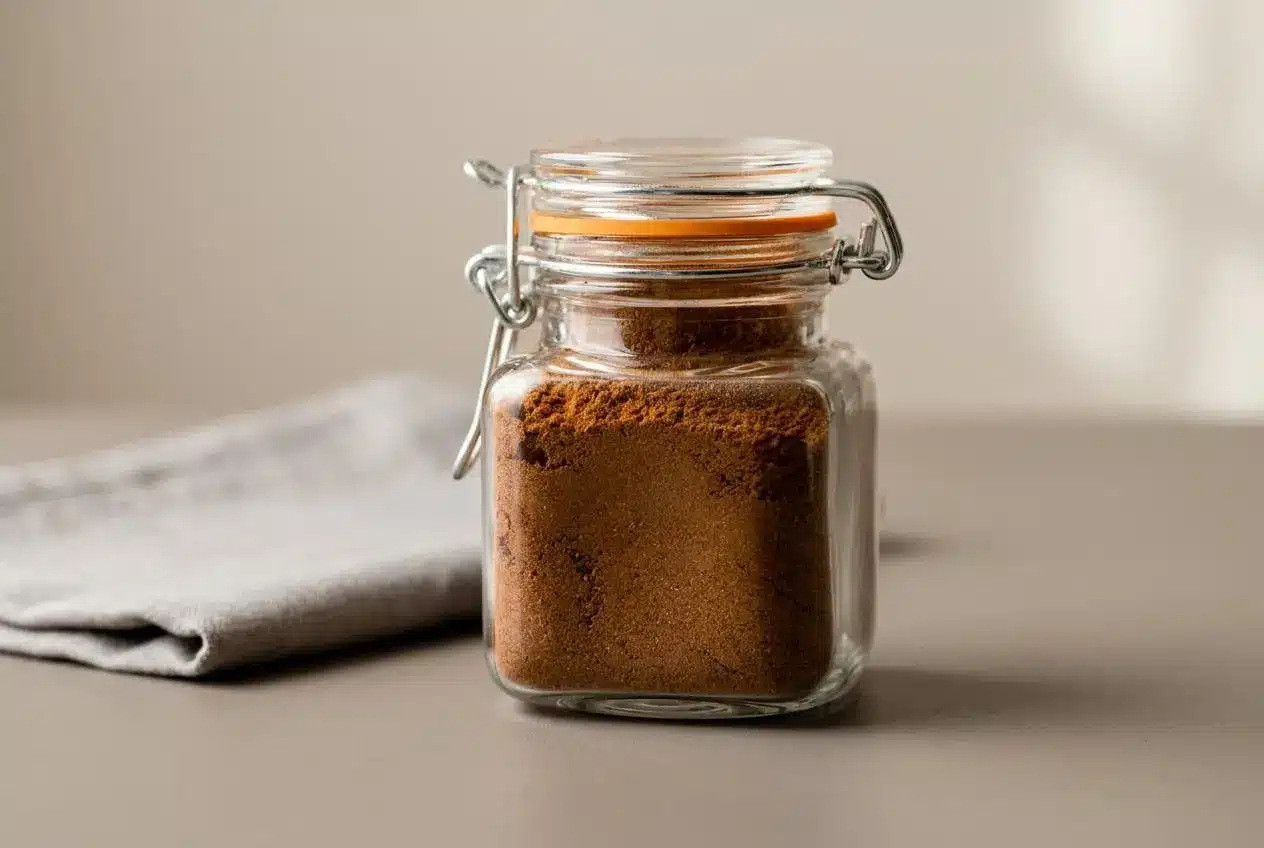
Dry milk powder (optional): Use standard dry milk powder from the baking aisle, the same kind you would keep for pantry baking. Whisk in 1 to 2 tablespoons at the very beginning for an “ultra-brown” beurre noisette with more browned milk solids and a deeper toasted aroma.
How to make beurre noisette recipe
Prep for Even Browning
- Cut the 250 grams of unsalted butter into small, even pieces so it melts at the same pace, and you do not get some bits foaming hard while others are still solid.
Melt, Boost the Milk Solids, and Stir
- Add the butter pieces to a light-colored saucepan, white enamel or pale stainless is ideal, because you can actually see the color shift under the foam.
- Right away, whisk in 1 to 2 tablespoons of dry milk powder if you are using it, then set the pan over medium heat and start stirring constantly with a heatproof silicone spatula or a wooden spoon.
- Let the butter melt gently, scraping the bottom as you go, until everything looks glossy and the foam begins to build, with a buttery, sweet dairy smell rising from the pan.
Read the Foam, Then Stop the Pan Fast
- Keep stirring until you notice the bubbles change, first big and loud as water evaporation happens, then smaller and quieter as the milk solids begin to toast.
- Watch for the color underneath the froth to turn deep golden, and trust your nose, it should smell nutty and warm, like toasted nuts and caramel.
- Remove the pan from the heat just before it looks perfect, because the butterfat holds heat and will keep cooking the milk solids for a moment.
- Pour immediately into a cold heatproof bowl so the browned bits stop darkening, and so your beurre noisette stays rich and fragrant, not bitter.
The Science of Perfect Brown Butter
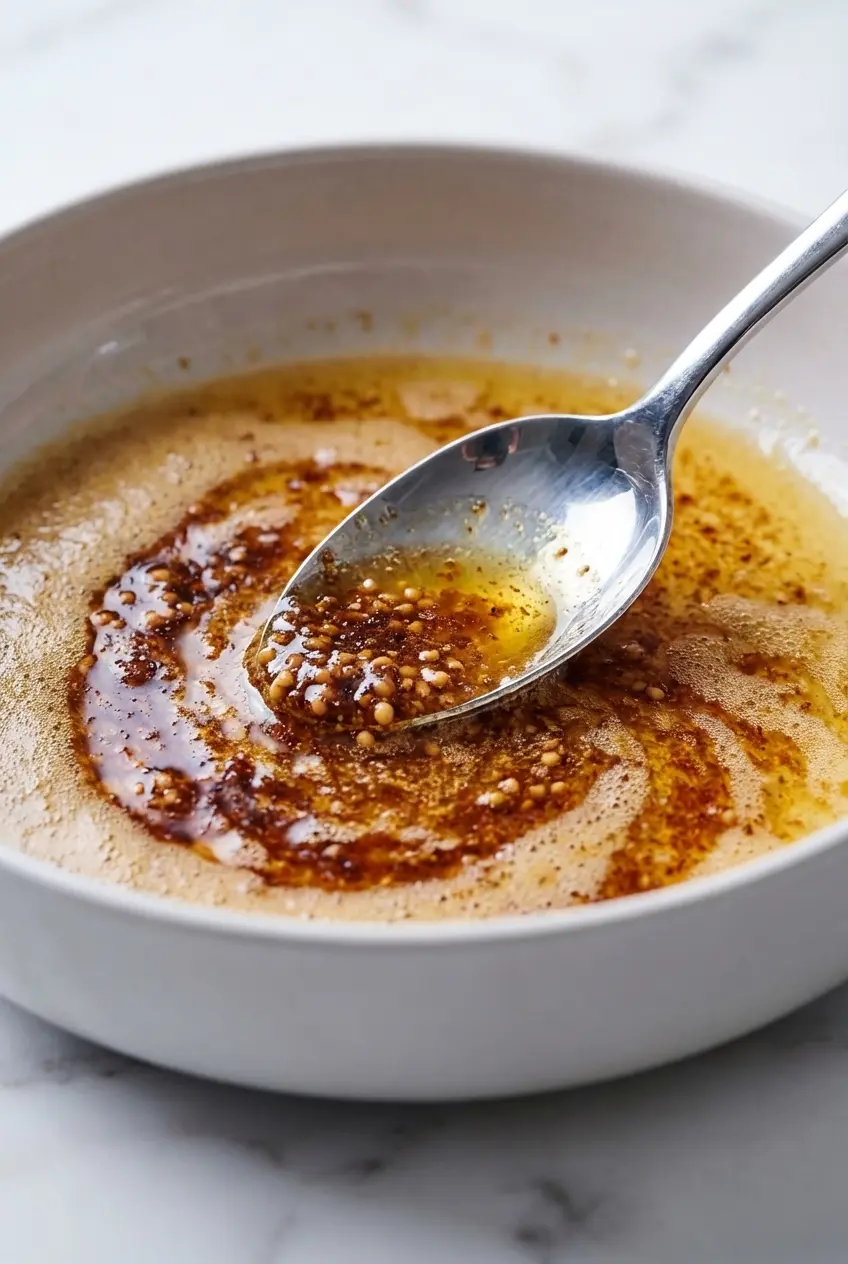
Beurre noisette is a tiny lesson in timing, because you are managing water evaporation, then browning. At first, butter sputters with big, noisy bubbles, that is the water content boiling off.
Once the water is mostly gone, the foam becomes finer and creamier, and the sound calms down. That quieter stage is your cue that the milk solids begin to toast and caramelize, and it is where the Maillard reaction and caramelization build that signature nutty profile.
Those stages are much easier to trust when you understand what is in the pan, butterfat plus water plus milk solids. The Center for Dairy Research explains butter composition and why browning removes about 15-19% of its volume due to water loss.
For bakers, that loss matters, because less water means a drier dough if you swap in brown butter without adjusting. In cookies, banana bread, or financiers, I add a small splash of milk or water back to the recipe to keep the same hydration and the same texture you intended.
If you have ever rendered animal fat, the logic will feel familiar, you are cooking off moisture to isolate a clean, flavorful fat. The technique echoes what happens with rendering beef tallow, just with a delicious extra step here because we intentionally toast, rather than remove, the browned dairy bits.
For a deeper, chef-school explanation of dairy browning, I like the Institute of Culinary Education’s breakdown of how milk solids begin to toast and caramelize as proteins and sugars brown, which is exactly what your nose is picking up in the final moments.
Pro Tips & Troubleshooting
Pro Tips
- Use a light-colored stainless steel or ceramic pan, because dark non-stick pans hide the true color of the browning milk solids.
- Stir constantly, keeping the milk solids moving so they do not stick and scorch on the bottom of the saucepan.
- Set up a cold water bath in the sink, about 1 inch of water, so you can briefly plunge the pan to arrest cooking if you cannot pour right away.
- Pull the pan early, the residual heat in the butterfat finishes the job, and that is the difference between nutty and bitter.
Common Mistakes to Avoid
- Walking away from the stove, because beurre noisette can go from perfect golden to burnt in seconds.
- Leaving the butter in the hot pan after removing from heat, the browned bits keep cooking and can turn black quickly.
- Using salted butter, which can foam chaotically and taste overly salty after the water evaporates and concentrates the salt.
Serving & Storage
Culinary Applications & Variations
For a classic sole meunière vibe, I stir in lemon juice, capers, and chopped parsley right after the heat goes off, then spoon it over delicate white fish like sole or cod. The bright acid lifts the nutty beurre noisette so it tastes rich but not heavy.
In baking, brown butter is a dreamy 1:1 fat replacement, but remember the water loss and add a small splash of liquid back if your dough looks tight. That same caramel depth can transform a cookie crust, and it is especially lovely worked into the base of a biscoff cheesecake recipe for a deeper, toasted-spice finish.
For whipped brown butter, let it cool until solid, then whip until pale and fluffy, it becomes a spreadable, savory-sweet “hazelnut butter” style topping without any nuts. I love it on warm cornbread or tucked into a baked sweet potato.
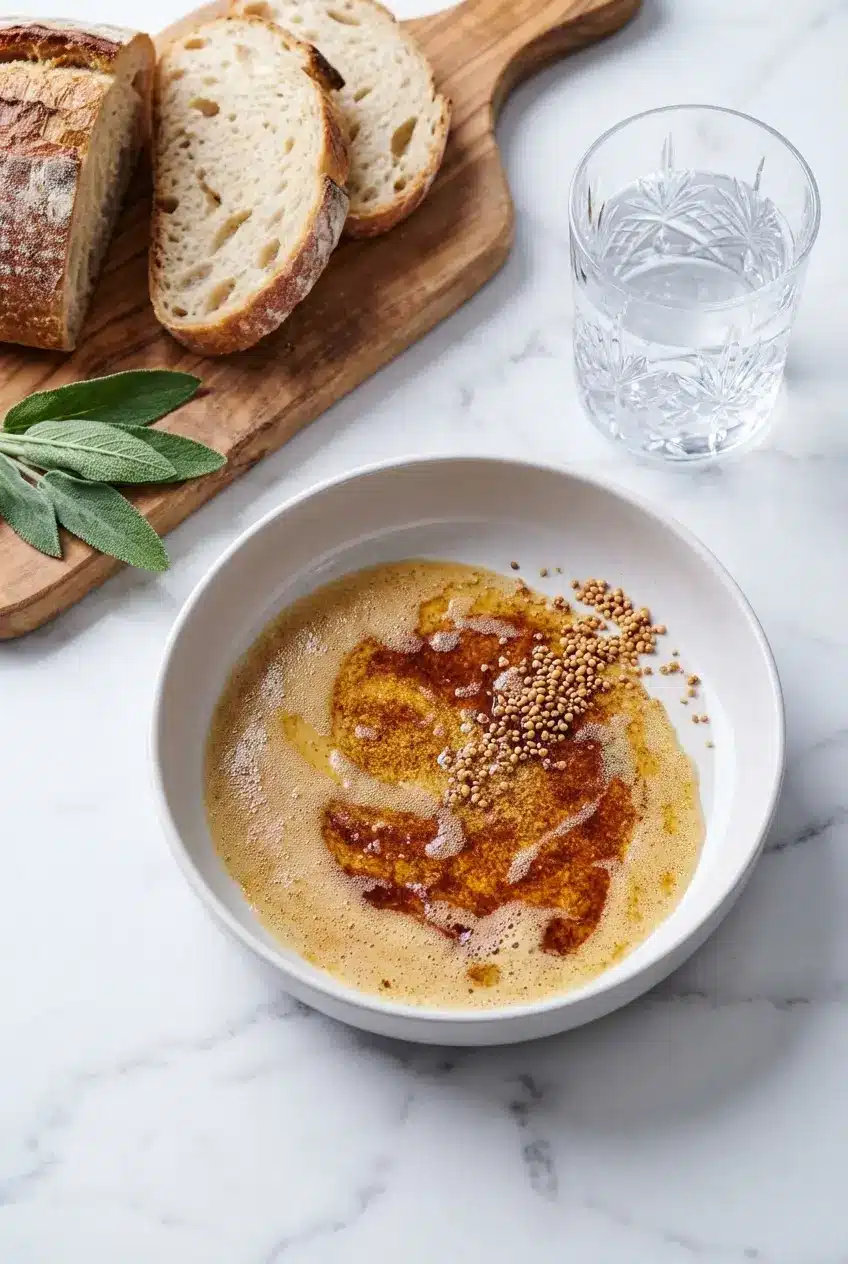
For infused brown butter, add sage leaves or a sprig of thyme during the foaming stage so the butterfat picks up the aromatics. It is gorgeous drizzled on roasted vegetables, and herb-browned butter makes roasted cabbage steaks taste unexpectedly elegant.
Storage Guidelines
Store beurre noisette in an airtight container in the refrigerator for up to 2 weeks. Freeze it in ice cube trays for up to 3 months, then pop out a cube whenever a pan sauce or a batch of cookies needs a flavor upgrade.
Because much of the water has cooked out, browned butter can keep a touch longer than plain melted butter, but the milk solids are still there and can spoil, so I always refrigerate it once it cools.
Perfect Beurre Noisette Recipe

Equipment
- Light-colored saucepan
- Silicone spatula or wooden spoon
- Heatproof bowl
Ingredients
- 250 grams unsalted butter
Instructions
Prep for Even Browning
- Cut the 250 grams of unsalted butter into small, even pieces so it melts at the same pace. This ensures you do not get some bits foaming hard while others are still solid.
Melt, Boost the Milk Solids, and Stir
- Add the butter pieces to a light-colored saucepan. White enamel or pale stainless steel is ideal because you can actually see the color shift under the foam.
- Right away, whisk in 1 to 2 tablespoons of dry milk powder if you are using it to boost the flavor. Then set the pan over medium heat and start stirring constantly with a heatproof silicone spatula or a wooden spoon.
- Let the butter melt gently, scraping the bottom as you go, until everything looks glossy and the foam begins to build, with a buttery, sweet dairy smell rising from the pan.
Read the Foam, Then Stop the Pan Fast
- Keep stirring until you notice the bubbles change. They will be big and loud at first as water evaporation happens, then smaller and quieter as the milk solids begin to toast.
- Watch for the color underneath the froth to turn deep golden. Trust your nose, it should smell nutty and warm, like toasted nuts and caramel.
- Remove the pan from the heat just before it looks perfect, because the butterfat holds heat and will keep cooking the milk solids for a moment.
- Pour immediately into a cold heatproof bowl so the browned bits stop darkening. This ensures your beurre noisette stays rich and fragrant, not bitter.
Notes
Nutrition
Conclusion
Beurre noisette is one of those simple French cuisine techniques that makes everyday food taste intentional, like you planned the flavor from the start. The milk powder trick is my favorite way to push the nutty, caramelized notes even further, with more browned bits and more aroma in the bowl.
If you bake often, give that optional milk powder a go and notice how much deeper the flavor gets. The technique echoes what chefs do in desserts like try the milk powder trick, where browned dairy solids bring a toasty complexity that tastes like caramel and warm nuts.
Leave a comment and tell me what you are drizzling it on first, cookies, fish, or a tray of roasted vegetables, I love hearing where brown butter ends up in your kitchen.