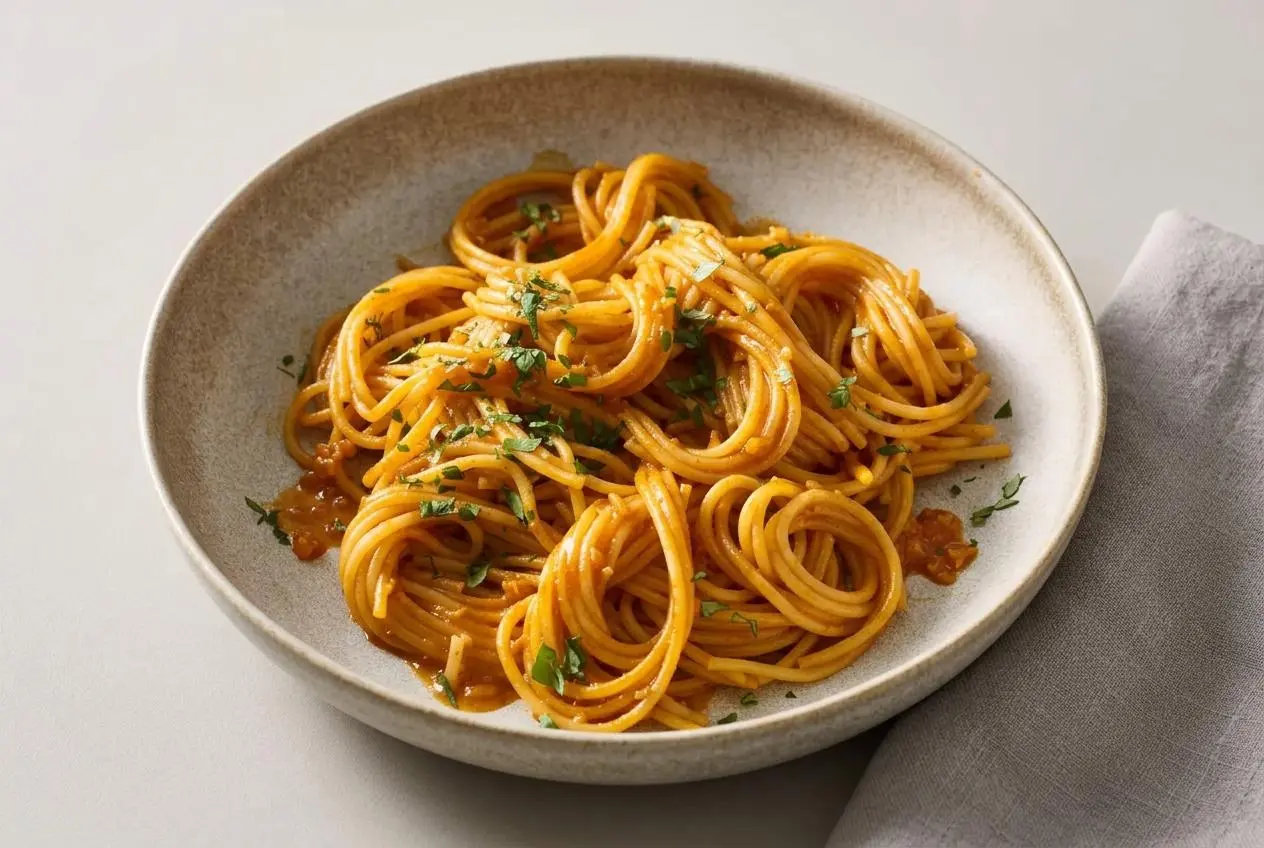
Some weeknights, I want that salty sweet takeout comfort, but I want it faster, hotter, and a little less sugary. That is exactly where mongolian ground beef noodles earn their place in my rotation, because ground beef cooks in minutes and still delivers that deep, savory bite.
Most versions lean cloying, with sauce that tastes like straight brown sugar. In my kitchen, one small twist brings the glaze back into balance, so you get glossy, restaurant-style noodles with real char, not a sticky candy coating.
Why You Will Love This Recipe
The Rice Vinegar Balance: I add 1 tablespoon of rice vinegar to the sauce, and it brightens everything, cutting through beef fat so the brown sugar and hoisin sauce taste complex instead of heavy.
That Savory “Crust”: Letting the beef sit untouched builds the Maillard reaction flavor, so you get those toasty, browned bits that make a skillet dinner taste like it came off a roaring restaurant flat top.
Noodles With Attitude: A quick noodle char gives you tender strands with crisp edges, and that contrast is what keeps each forkful exciting instead of soft and sleepy.
Big Flavor, Small Budget: Lean ground beef like 90/10 gives you the same Mongolian vibe as steak, with a weeknight price tag that feels more like my kind of cooking.
Ingredients and Substitutions

These are simple pantry and fridge staples that build a glossy soy glaze, punchy aromatics, and springy lo mein noodles. Keep everything measured and ready, because once the pan is hot, this moves fast.
Ingredients
- 8 oz lo mein noodles
- 1 lb lean ground beef like 90/10 or 93/7
- 1/2 cup beef broth
- 1/3 cup low sodium soy sauce
- 1/4 cup brown sugar
- 2 tablespoons hoisin sauce
- 1 tablespoon cornstarch
- 5 cloves minced garlic
- 2 teaspoons minced ginger
- 1/2 teaspoon black pepper
- 1 tablespoon high-heat cooking oil like avocado oil
- 3 thinly sliced green onions
Ingredient Notes & Substitutions
Lean ground beef like 90/10 or 93/7: This is the sweet spot for flavor without turning the skillet into a greasy puddle. When the beef is too fatty, the glaze slides right off the noodles instead of clinging.
Low sodium soy sauce: Hoisin sauce already brings salt and sweetness, so low-sodium soy sauce keeps you in control. If your brand still tastes strong, you can lean a little more on beef broth later when adjusting.
Garlic and ginger: Fresh aromatics matter here, because they toast quickly and perfume the oil. Powders cannot give you that same fragrant snap when they hit a hot skillet.
Lo mein noodles: Lo mein gives a tender chew that holds sauce well. If you swap noodles, aim for something sturdy enough to survive tossing and a quick char without turning mushy.
How to make mongolian ground beef noodles
Prep the noodles and whisk the sauce
- Bring a pot of water to a lively boil, then cook the lo mein noodles for 1 to 2 minutes less than the package calls for. You want them just shy of al dente, still a little firm in the center, because they will finish cooking in the pan.
- While the noodles cook, whisk together the beef broth, low sodium soy sauce, brown sugar, hoisin sauce, black pepper, and cornstarch until the cornstarch fully disappears and the sauce looks smooth. Stir in about 75% of the garlic and ginger now, saving the rest for later so it stays bright and fragrant.
- Drain the noodles well and set them aside, giving them a quick shake so water does not dilute your glaze.
Heat the skillet and build the beef crust
- Preheat a griddle to about 400°F, or heat a large skillet over medium heat until it feels properly hot. You should sense a steady heat when you hover your hand above the surface.
- Add the ground beef in small chunks, spaced out so the meat has room to sear. Then do the hard part, do not touch it for 2 to 3 minutes, so the underside browns and develops that savory, slightly crisp crust.
- When the beef is about halfway cooked and you still see pink on top, add the whites of the green onions. Chop and sauté as you go, breaking up the beef and cooking until it is nearly done, then push it to the side of the griddle or transfer it to a bowl if you are using a skillet.
Toast the aromatics, char the noodles, then glaze
- Add about 1 tablespoon of high-heat cooking oil like avocado oil to the open space in the pan. Sprinkle in the remaining garlic and ginger, spreading them out for about 1 minute, just until they smell incredibly fragrant, not browned and bitter.
- Add the drained noodles and toss briefly so they pick up the garlicky ginger oil. Then spread the noodles into an even layer and let them sit untouched for 1 to 2 minutes, so you get a little smoky crisp and some golden spots.
- Return the beef to the noodles and toss briefly to combine. Give your sauce one last whisk so the cornstarch is not sitting at the bottom, then slowly pour it in.
- Toss and sauté for 2 to 3 minutes, until the cornstarch slurry thickens into a glossy glaze that coats every strand. Turn off the heat, sprinkle with the green onion tops, and serve while the noodles are still springy and shiny.
Secrets for the Perfect Glaze and Texture

High heat is not just drama, it is the difference between flat flavor and that faint “wok hei” edge. A griddle at 400°F or a hot skillet helps moisture evaporate quickly, so your beef browns instead of steaming.
Lo mein noodles love a quick char, but they need space to do it. If your pan is crowded, work in batches, because steam is the enemy of crisp edges and caramelized flavor.
Sweetness is personal, and the balance is the point. If you want it less sweet without thinning the sauce, keep the brown sugar as-is and let the rice vinegar do the lifting by making the glaze taste brighter and less heavy.
If your soy sauce brand runs salty, swap 2 tablespoons of beef broth for more of the soy sauce next time. That trick keeps the savory backbone while easing sodium, and the hoisin sauce still makes it taste complete.
Pro Tips & Troubleshooting
Pro Tips
- Set up mise en place before you heat the pan, because once the beef hits, everything moves in minutes and you do not want garlic burning while you search for soy sauce.
- Let the beef sit untouched for a full 2 to 3 minutes, because that browning is where the deep flavor starts. The science behind it is well explained through Maillard reaction chemistry from University of Illinois Extension.
- Whisk the sauce again right before pouring, since cornstarch likes to settle fast. The thickening happens as starch granules swell, and the cornstarch gelatinization process is why the glaze turns glossy so quickly.
- For a strong noodle texture, stop the boil early and finish in the skillet. That al dente center buys you time during tossing, so the noodles stay bouncy, not broken.
Common Mistakes to Avoid
- Overcooking the noodles in water, because soft noodles collapse once they soak up sauce. Keep them just shy of al dente so the skillet finish is your final cook.
- Using fatty beef, especially 80/20, because it releases so much oil the glaze cannot cling. Lean ground beef keeps the sauce shiny and emulsified instead of slick.
- Burning the garlic and ginger by adding them too early, because they go bitter fast. Toast them after the beef is mostly browned, and keep it to about 1 minute.
Serving & Storage

Creative Serving Ideas
I love finishing the bowl with toasted sesame seeds and a pinch of red pepper flakes for heat. A crisp cucumber salad or blanched broccoli on the side keeps the meal feeling fresh against the rich soy glaze.
A bright drink alongside helps the sweet-savory sauce feel lighter, and jamu juice fits beautifully with the ginger notes. The turmeric and citrusy edge are refreshing, especially when the noodles come in hot and glossy.
For dessert, something cool and clean is ideal, and coffee jelly is a fun, lightly bitter finish. It resets your palate after the hoisin glaze without feeling heavy.
Storage and Reheating Instructions
Noodles naturally absorb sauce as they sit, so leftovers can look dry by day two. I store them with a tiny extra splash of beef broth, just enough to keep the glaze loose.
For reheating, a skillet beats the microwave every time. Warm the noodles with a tablespoon of water, tossing gently until the glaze turns glossy again and the noodles loosen without turning mushy.

Quick Mongolian Ground Beef Noodles

Equipment
- Large Skillet or Griddle
- Whisk
- Pasta pot
Ingredients
- 8 oz lo mein noodles
- 1 lb lean ground beef like 90/10 or 93/7
- 1/2 cup beef broth
- 1/3 cup low sodium soy sauce
- 1/4 cup brown sugar
- 2 tablespoons hoisin sauce
- 1 tablespoon cornstarch
- 5 cloves minced garlic
- 2 teaspoons minced ginger
- 1/2 teaspoon black pepper
- 1 tablespoon high-heat cooking oil like avocado oil
- 3 thinly sliced green onions
Instructions
Prep the noodles and whisk the sauce
- Bring a pot of water to a boil and cook the lo mein noodles for 1 to 2 minutes less than the package directions. They should be just shy of al dente.
- In a medium bowl, whisk together the beef broth, low sodium soy sauce, brown sugar, hoisin sauce, black pepper, and cornstarch until smooth. Stir in 75% of the minced garlic and ginger.
- Drain the noodles well and give them a quick shake to remove excess water that might dilute the sauce.
Heat the skillet and build the beef crust
- Preheat a large skillet or griddle to medium-high heat (about 400°F) until very hot.
- Add the ground beef in small, spaced-out chunks. Let it sear untouched for 2 to 3 minutes to develop a savory, browned crust on the bottom.
- Add the white parts of the green onions. Break up the beef and sauté until almost fully cooked, then move the beef to the side of the pan.
Toast the aromatics, char the noodles, then glaze
- Pour 1 tablespoon of cooking oil into the empty space in the pan. Add the remaining garlic and ginger and sauté for 1 minute until fragrant.
- Add the drained noodles to the pan and toss to coat in the aromatic oil. Spread them in an even layer and let sit for 1 to 2 minutes to achieve a slight char.
- Mix the beef back into the noodles. Give the sauce one final whisk and pour it over the mixture.
- Toss and sauté for 2 to 3 minutes until the sauce thickens into a glossy glaze. Garnish with green onion tops and serve immediately.
Notes
Nutrition
Conclusion
The little rice vinegar twist is what makes these mongolian ground beef noodles taste grown-up instead of sugary. Pair that with high-heat searing and a quick noodle char, and you get the kind of savory shine that usually costs you a takeout tip.
If you keep it lean, keep it hot, and keep the sauce whisked, you will have a weeknight staple you can riff on forever. On nights you want another fast comfort bowl, fajita pasta scratches that same quick-dinner itch with a totally different vibe.