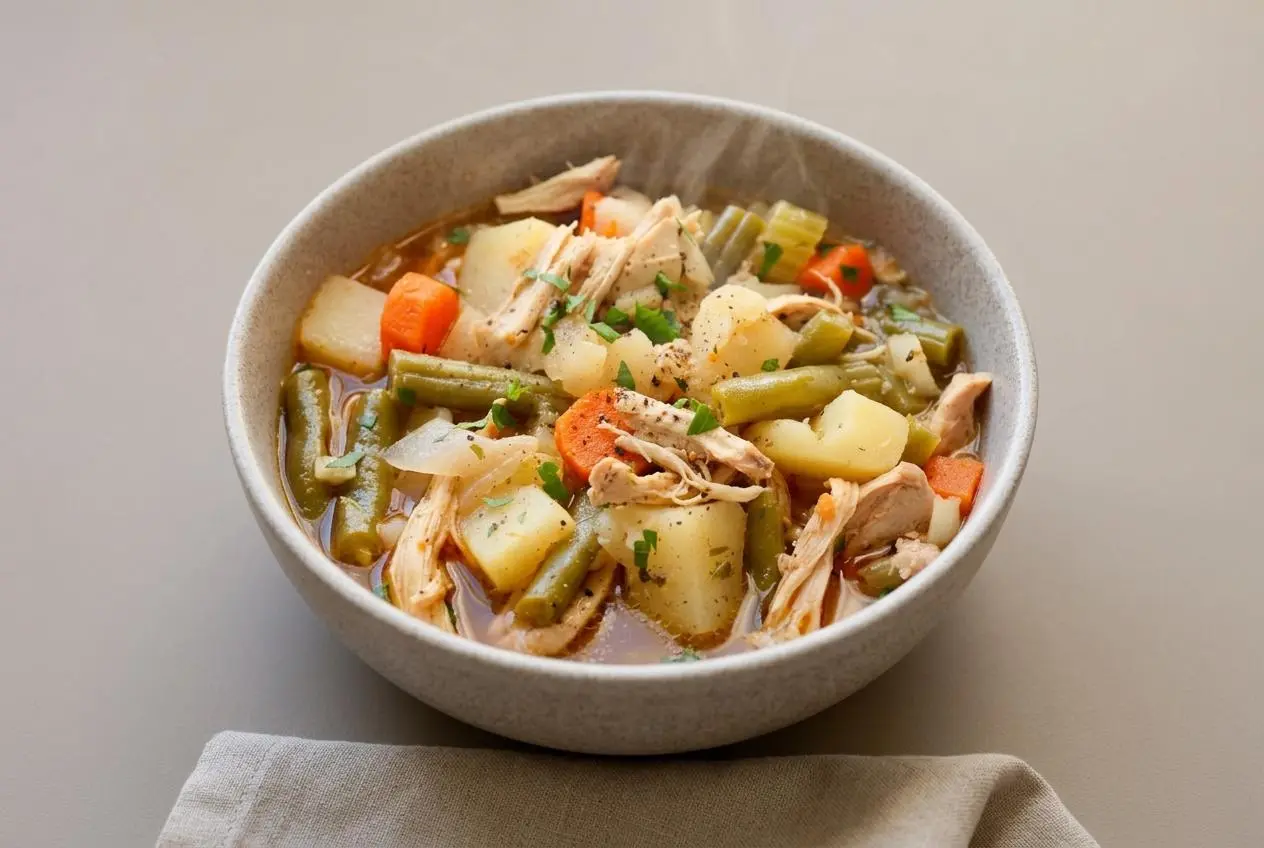
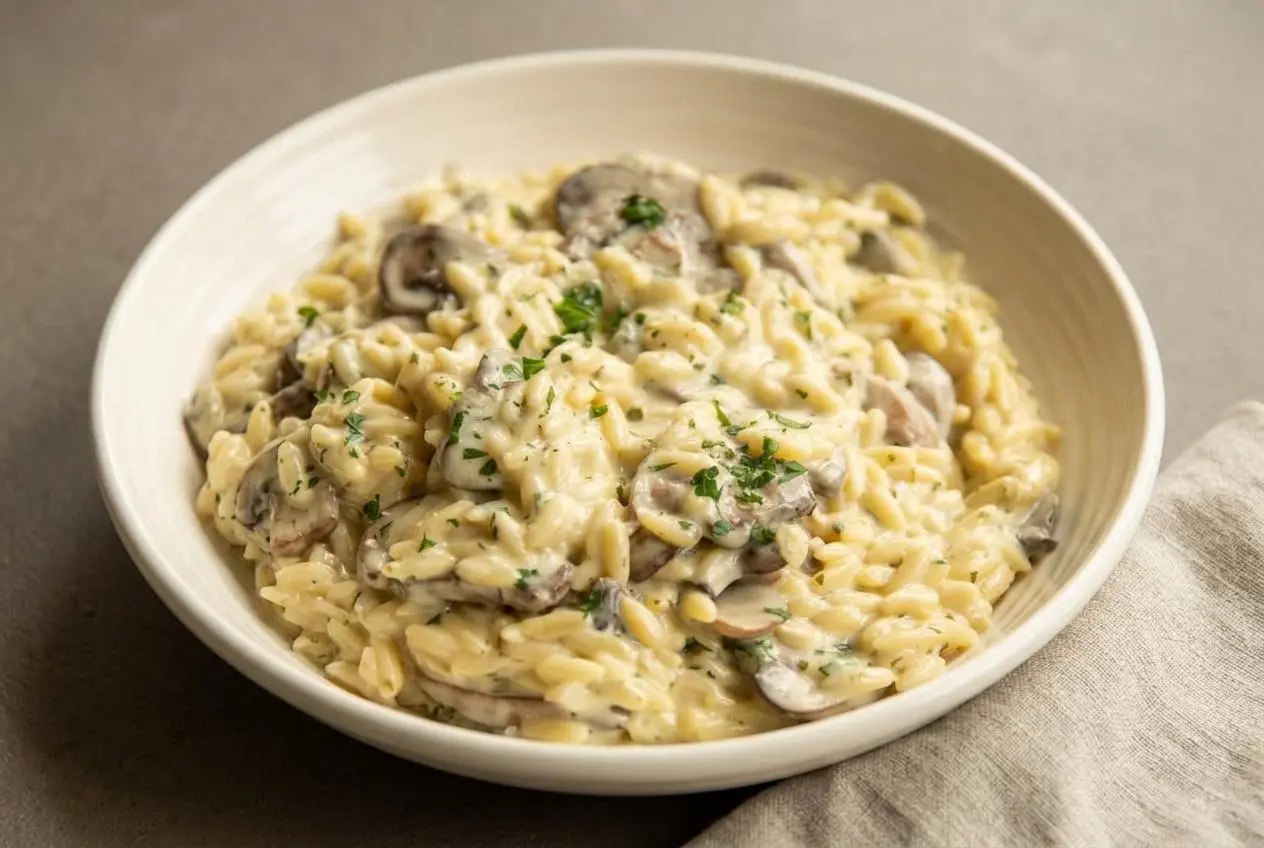
In my kitchen, Chicken Pastina Soup is what I reach for when the house feels a little too quiet and everyone needs something warm in their hands. In Italian American homes, we call it “Italian penicillin”, not because it’s magic, but because a hot bowl seems to soften the sharp edges of a rough day.
This version keeps the cozy simplicity of broth and tiny pasta, then finishes with a Roman-style, silky egg-Parmesan temper that turns the whole pot velvety and rich. It’s fast enough for weeknights, gentle enough for kids, and honestly satisfying enough to serve like a restaurant soup.
Why You’ll Love This Recipe
The Silky Egg-Parmesan Temper: Using the Stracciatella method, I whisk egg with Parmigiano-Reggiano and stream it into hot soup so the broth goes from plain to satin-smooth, almost like a light carbonara in a bowl.
Ultimate Comfort in Tiny Pasta: Stelline (little stars) and Acini di Pepe feel nostalgic, and they make every spoonful soft, cozy, and perfectly “sippable” without needing big chunks.
Protein-Packed and Restorative: Between chicken broth, egg, and cheese, you get a more substantial bowl that still eats gently, the kind of Italian comfort food that feels like it’s doing you a favor.
Flexible for Real Life: Some nights I use prepared Chicken Stock and call it done, and when I have time, I fortify the broth with thighs for that deeper, gelatin-rich body.
Ingredients and Substitutions

This is a short list, but each piece matters, good broth, tiny pastina, butter, and real Parmigiano Reggiano for that glossy finish. The optional fortified broth turns it into Sunday-level comfort without changing the soul of the soup.
Ingredients
- 4 cups prepared chicken broth
- salt to taste
- 1 cup star-shaped pastina, or acini di pepe
- freshly ground black pepper to taste
- 2 tablespoons unsalted butter
- 3/4 cup finely grated Parmigiano Reggiano cheese
- extra-virgin olive oil, for drizzling
Fortified Broth (Optional):
- 4 raw bone-in skin-on chicken thighs
- 1 quart store-bought chicken broth
- 3 cups water
- chopped carrots
- chopped onion
- chopped celery
- 2 cloves garlic
- 1 leaf bay
Ingredient Notes & Substitutions
Pastina varieties: Stelline give that classic “kid soup” nostalgia, while Acini di Pepe feels a touch more grown-up and peppercorn-like. The key is choosing a very small shape so it releases starch quickly and makes the broth naturally creamy.
Cheese quality: Finely grated Parmigiano-Reggiano melts cleanly and perfumes the bowl with a nutty aroma. Pre-grated cheese often fights you, it can turn the soup grainy instead of silky.
Chicken options: Rotisserie chicken is a lifesaver when you need speed, and it pairs beautifully with the buttery, peppery finish. Bone-in thighs, though, make a deeper broth with more body, the kind that clings to the spoon.
Broth vs. stock: A well-seasoned chicken stock gives more natural gel and richness, especially once it cools. If your broth tastes flat, the soup will taste flat, so season early and thoughtfully.
Gluten-free swaps: If you find gluten-free pastina, treat it gently and watch it closely, since small shapes can go from tender to mush fast. The finishing technique still works, and the butter and cheese help the mouthfeel.
How to Make Chicken Pastina Soup
Fortified Broth Option (If You Want That Sunday Depth)
Simmer the chicken thighs with the quart of broth, 3 cups water, carrots, onion, celery, garlic, and bay leaf until the meat is very tender, about 1.5 hours. Lift out the chicken to pick the meat for the soup, then strain the broth so it’s clean, golden, and ready to use.
Build the Broth Foundation
Bring the 4 cups prepared chicken broth to a steady simmer over medium-high heat, then taste right away. If it needs it, add salt until the broth tastes lively and “chicken-y,” not bland.
Cook the Pastina
- Reduce the heat to medium so the simmer is gentle, then stir in the pastina so it doesn’t clump. You want the little stars or pearls to tumble around the pot, not sit in a mound.
- Cook, stirring now and then, for about 30 seconds less than the package directs, 5 to 8 minutes. When it’s ready, the pastina should be tender with the faintest bite, because it will keep softening from the heat.
Finish with the Creamy Emulsion
- Turn off the heat, then stir in the black pepper, butter, and some of the Parmigiano Reggiano. Keep stirring until the butter completely disappears and the surface looks glossy, like the soup just put on a silk jacket.
- Ladle into hot bowls while it still smells toasty and cheesy, then finish with more pepper, the remaining cheese, and a drizzle of extra-virgin olive oil. The final aroma should be nutty and buttery, with a little peppery lift.
Secrets for a Perfectly Silky Soup

Liquid-to-pasta ratio: For a more “soupy” bowl, stick with the 4 cups broth and serve immediately, since pastina keeps drinking liquid as it sits. For a thicker, risotto-style texture, let it stand a minute or two off heat before serving, and expect it to tighten as it cools.
The Windowpane test for vegetables: If you fortify your broth with mirepoix, the carrots and onion should be soft enough to squash against the roof of your mouth with your tongue. They should not crunch, but they also should not melt into total mush.
The science of emulsification: Butter and cheese behave best when the heat is off, because high heat can split the fats and make the top look oily. That off-heat stirring is what keeps Chicken Pastina Soup tasting creamy instead of greasy.
Pro Tips & Troubleshooting
Pro Tips
- A Parmesan rind simmered in the broth adds a deep, savory, nutty backbone.
- A quick puree of some cooked carrots and onions thickens the broth without cream.
- Searing the chicken thighs first builds fond for extra flavor depth.
- Weeknight speed is easy when you already have shredded chicken waiting in the fridge.
That browning step matters because it creates flavor and changes the color. Once you smell that roasted, savory note, you know you’re building real character into the pot.
Common Mistakes to Avoid
- Overcooking pastina even by a minute can turn it from tender to gluey.
- Using pre-grated cheese can lead to clumps and a sandy texture.
- Storing cooked pastina in the broth turns leftovers into a thick paste.
Serving & Storage

Serving Ideas
A thick slice of toasted sourdough is my favorite dipper, especially when the butter and Parmigiano leave that glossy edge on the broth. A little extra black pepper on top makes the aroma bloom right as you lean in.
A squeeze of lemon wakes up rich soups beautifully, the same bright logic I love in lemon chicken pasta. A sprinkle of fresh parsley does the same job, it cuts the richness and makes the bowl taste fresh.
Storage & Make-Ahead
The separation rule: Store the broth in one container and the cooked pastina in another, then combine only when reheating. This keeps the pasta from absorbing every last drop and going soft and bloated overnight.
Reheating: Warm the broth first, then add pastina and stir gently until hot. If it looks too thick, loosen it with a splash of broth or water until it’s spoonable again.
Freezing: The broth freezes beautifully, especially if you made the fortified version with thighs. Cook fresh pastina after thawing so the texture stays tender and distinct.
The Ultimate Italian Penicillin
This is the bowl I make when someone’s tired, chilly, or just needs something uncomplicated and kind. The little pasta brings the nostalgia, and the silky egg-Parmesan finish brings the grown-up luxury that makes you pause after the first spoonful.
If you keep a rotation of cozy soups, this one sits proudly next to a hearty chicken rice soup for cold-weather comfort. And when you want another cheese-forward hug of a dinner, a cozy chicken parmesan pasta scratches a similar itch.

Chicken Pastina Soup

Equipment
- Large pot or saucepan
- Whisk or wooden spoon
- Ladle
Ingredients
- 4 cups prepared chicken broth
- salt to taste
- 1 cup star-shaped pastina, or acini di pepe
- freshly ground black pepper to taste
- 2 tablespoons unsalted butter
- 3/4 cup finely grated Parmigiano Reggiano cheese
- extra-virgin olive oil for drizzling
Fortified Broth (Optional):
- 4 raw bone-in skin-on chicken thighs
- 1 quart store-bought chicken broth
- 3 cups water
- chopped carrots
- chopped onion
- chopped celery
- 2 cloves garlic
- 1 leaf bay
Instructions
Fortified Broth Option (If You Want That Sunday Depth)
- Simmer the chicken thighs with the quart of broth, 3 cups water, carrots, onion, celery, garlic, and bay leaf until the meat is very tender, about 1.5 hours. Lift out the chicken to pick the meat for the soup, then strain the broth so it is clean, golden, and ready to use.
Build the Broth Foundation
- Bring the 4 cups prepared chicken broth to a steady simmer over medium-high heat. Taste immediately and add salt as needed until the broth tastes lively and savory.
Cook the Pastina
- Reduce the heat to medium for a gentle simmer. Stir in the pastina carefully to ensure the stars or pearls do not clump or settle at the bottom.
- Cook, stirring occasionally, for 5 to 8 minutes or about 30 seconds less than the package directions. The pastina should be tender but still have a faint bite.
Finish with the Creamy Emulsion
- Turn off the heat. Stir in the black pepper, butter, and a portion of the Parmigiano Reggiano. Continue stirring until the butter is fully melted and the soup appears glossy and silk-like.
- Ladle the soup into hot bowls and garnish with additional black pepper, the remaining cheese, and a drizzle of extra-virgin olive oil before serving.