Every Thanksgiving, I watch the same little drama unfold, the turkey comes out gorgeous, the sides are ready, and then someone realizes the gravy is either thin, bland, or lumpy. In my kitchen, turkey gravy is not an afterthought, it is the thread that pulls the whole plate together.
This method is built for real home cooks who want something dependable and deeply savory without babysitting a finicky pot. You will use your turkey drippings, a classic roux, and one small chef trick at the end that makes the flavor taste “finished,” not flat.
Why You’ll Love This Recipe
Umami plus brightness, right at the end: I learned that a tiny hit of fermented savory and a touch of acid can lift turkey gravy the way a squeeze of lemon wakes up soup, it keeps the flavor from tasting muddy.
Silky, nappe consistency: With an even roux and steady whisking, the gravy turns velvety and spoon-coating, the kind that drapes over mashed potatoes instead of puddling like broth.
No waste, all flavor: Turkey drippings and pan fond are basically free seasoning, and when you treat them right, you get that deep Maillard reaction taste without adding anything fancy.
Restaurant depth without fuss: The finished gravy has the same cozy richness I love in short rib ragu, but it comes together in minutes, not hours.
Ingredients and Substitutions

These few ingredients do a lot of heavy lifting, the drippings bring roast flavor, the roux gives body, and turkey stock stretches everything into a generous, glossy pour.
Ingredients
- 1/2 cup fat from turkey drippings
- 1/2 cup all-purpose flour
- 1 cup liquid from turkey drippings
- 2 cups turkey stock
- ground black pepper to taste
Ingredient Notes & Substitutions
Fat from turkey drippings: If you come up short, I top it off with unsalted butter or clarified fat so the roux still behaves and the gravy stays smooth.
Liquid from turkey drippings: When you do not have a full cup, I make up the difference with warm turkey stock, and if I want a more grown-up edge, a small splash of dry white wine works beautifully.
Turkey stock: Stock is usually richer than broth because of the gelatin from bones, which helps the gravy feel fuller on the tongue even with the same roux.
Worcestershire sauce and apple cider vinegar: They are my quiet “secret finish” for the umami-acid balance, added off-heat so the aroma stays round and not harsh.
How to make turkey gravy
Build a golden roux
- Set a medium saucepan over medium-low heat and warm the fat from turkey drippings for 2 to 3 minutes, it should look fluid and shimmer, not smoke.
- Whisk in the all-purpose flour a little at a time until you have a smooth paste, then keep whisking as it cooks for about 5 minutes. You are looking for a golden color and a toasty, nutty smell that tells you the raw flour taste is gone.
Whisk in the drippings and stock, then thicken
- Slowly whisk in the liquid from turkey drippings, keeping the mixture moving so it stays lump-free as it loosens.
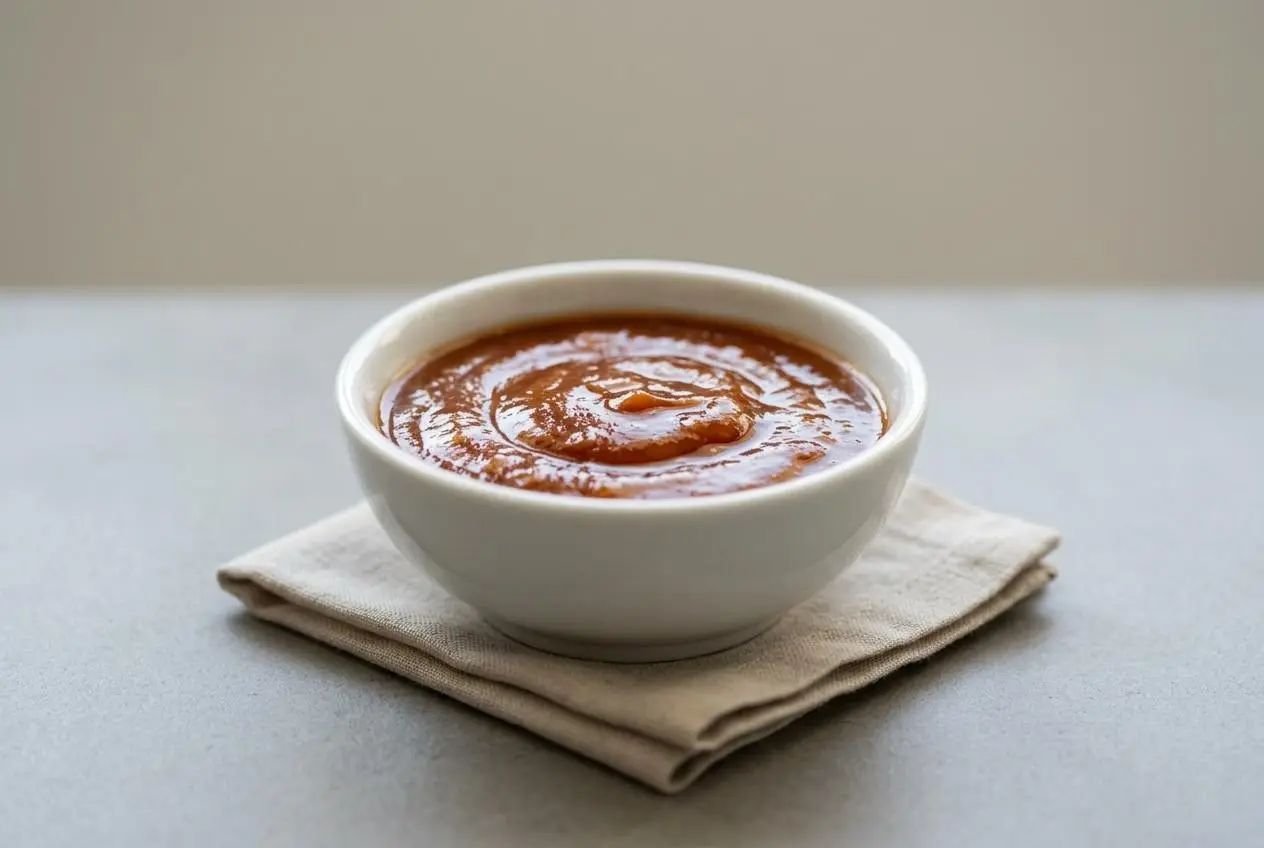
- Gradually pour in the turkey stock and increase the heat to medium, then whisk vigorously as the gravy simmers and thickens, 5 to 10 minutes. It is ready when it looks glossy and coats the back of a spoon.
Season and serve
Turn off the heat, season with ground black pepper to taste, then serve hot while the gravy is silky and pourable.
The Secrets to a Smooth and Rich Finish

Warm stock prevents lumps: I warm my turkey stock until it feels hot but not boiling, and I add it gradually. That temperature control keeps the roux from seizing, which is the most common cause of stubborn lumps.
Fond is flavor: When you pull drippings from the roasting pan, scrape up the browned bits, that pan fond carries concentrated roasted notes from the Maillard reaction and makes the gravy taste like the bird worked harder.
Nappe consistency is the goal: In classic kitchens we call it nappe, the gravy should coat a spoon in a thin velvet layer, and a finger drawn through leaves a clean line.
When drippings are scarce: If you need more liquid, I stretch the drippings with warm turkey stock to reach your total volume, then simmer until it tastes integrated and not watery.
A better bird helps the pot: A well-seasoned roast gives you better drippings, and my go-to turkey brine recipe tends to produce juicier meat and more flavorful juices for gravy.
Why the roux actually thickens: The smooth body comes from starch gelatinization, which is why whisking and gentle heat matter so much.
Pro Tips & Troubleshooting
Pro Tips
- Deglazing the roasting pan with a splash of Chardonnay pulls up flavorful fond, then that liquid can go straight into your measuring cup.
- If you want cleaner drippings, chill them in the freezer for 10 minutes so the fat firms up and separates easily.
- When lumps sneak in, a quick 30-second pulse with an immersion blender smooths the gravy fast without overworking it.
- For a giblet-style vibe, finely mince cooked heart and neck meat and stir it in right at the end.
Common Mistakes to Avoid
- Adding cold stock to a hot roux too quickly, it shocks the starch and invites clumps.
- Letting the fat-to-flour ratio drift, too much fat can leave an oily sheen on top.
- Salting early, reduction concentrates seasoning, so adjust at the end.
- Including the liver in stock, it can turn the gravy bitter and metallic.
Serving & Storage

Serving Ideas
I always warm the gravy boat first, even a quick rinse with hot water helps the turkey gravy stay pourable at the table. A little chopped thyme or parsley on top makes that golden-brown sheen look extra inviting.
For a holiday spread that feels abundant, a creamy appetizer like whipped goat cheese pairs nicely, its tang plays well with rich roast flavors.
Storage & Make-Ahead
Cool gravy quickly, thick sauces hold heat longer than you think. Food safety guidance around cooling within two hours is the standard I stick to in my own kitchen.
In the fridge, store it tightly covered, and reheat slowly over low heat while whisking. If it tightens up overnight, loosen it with small splashes of stock or water until it turns silky again.
Flour-based gravy freezes well for up to 3 months, thaw it overnight in the fridge before reheating gently so it does not break.

Perfect Turkey Gravy

Equipment
- Medium saucepan
- Whisk
- Fine-mesh strainer (optional)
Ingredients
- 1/2 cup fat from turkey drippings
- 1/2 cup all-purpose flour
- 1 cup liquid from turkey drippings
- 2 cups turkey stock
- ground black pepper to taste
Instructions
Build a golden roux
- Set a medium saucepan over medium-low heat and warm the fat from turkey drippings for 2 to 3 minutes until it looks fluid and shimmers but does not smoke.
- Whisk in the all-purpose flour a little at a time until you have a smooth paste. Continue whisking as it cooks for about 5 minutes until it achieves a golden color and a toasty, nutty aroma.
Whisk in the drippings and stock, then thicken
- Slowly whisk in the liquid from turkey drippings, keeping the mixture moving constantly to ensure it remains lump-free as it loosens.
- Gradually pour in the turkey stock and increase the heat to medium. Whisk vigorously as the gravy simmers and thickens for 5 to 10 minutes until it looks glossy and coats the back of a spoon.
Season and serve
- Turn off the heat and season with ground black pepper to taste. Serve immediately while the gravy is hot, silky, and pourable.
Notes
Nutrition
Conclusion
Once you get comfortable with a golden roux and warm stock, turkey gravy stops being stressful and starts being the best part of the plate. That little umami-acid finish is what makes people pause mid-bite and ask what you did differently.
Keep it classic, or nudge it with a wine deglaze or fresh herbs, and let it become your house style. If you end up with extra turkey in the days after, the same love for juicy meat carries right over to juicy turkey burgers for an easy dinner.