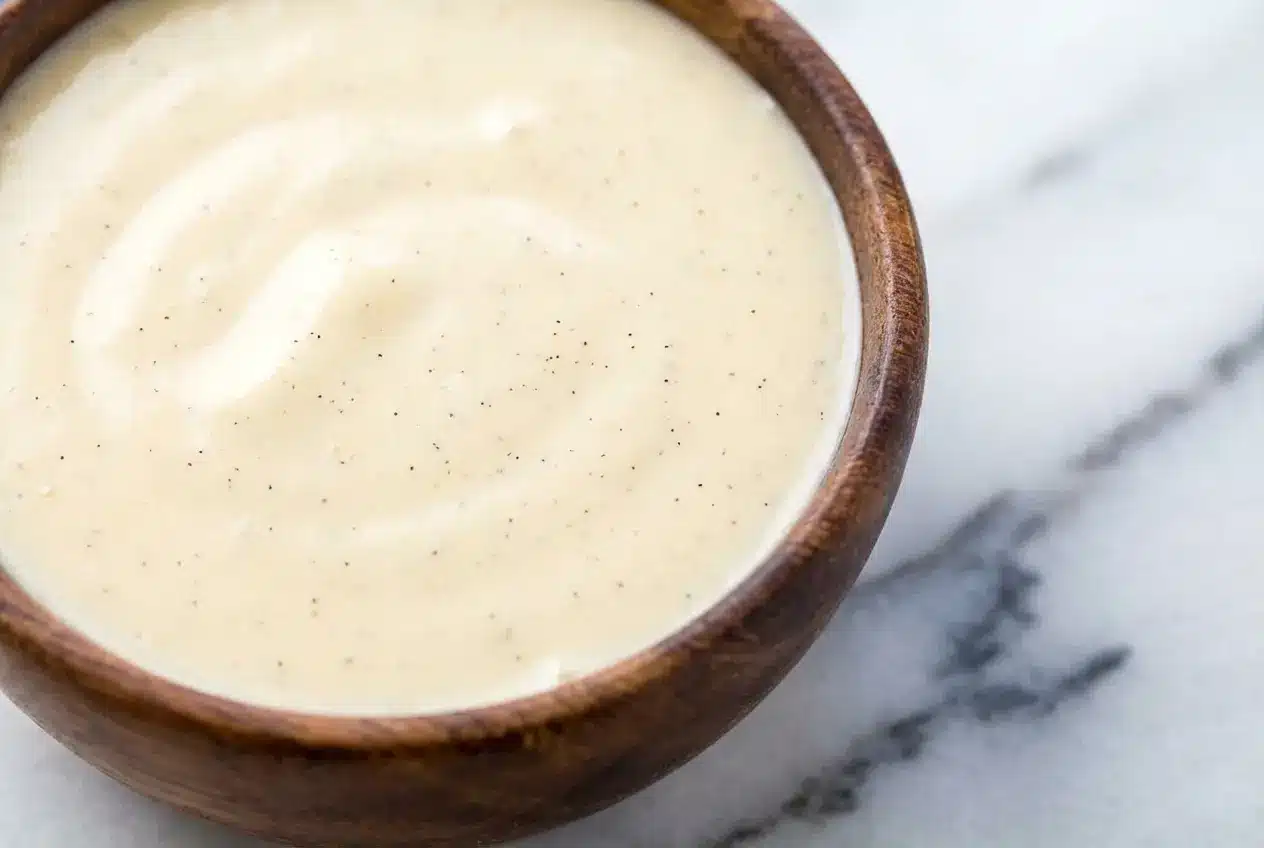
Some dinners feel like a postcard from Bora Bora, even when you are standing at your own stove in socks. The first time I made this Tahitian Vanilla Sauce Recipe for pan-seared fish, the kitchen filled with a soft floral aroma that felt both luxurious and surprisingly savory.
That is the charm of French Polynesian cuisine. Vanilla usually heads straight for dessert, but here it melts into a silky reduction sauce for Mahi Mahi, giving you an island-style meal that feels special enough for guests and simple enough for a confident weeknight cook.
Why You’ll Love This Recipe
Restaurant-worthy texture: This sauce turns velvety and glossy, not heavy or dull. In my kitchen, that final spoon-coating finish is what makes it feel like something you would order at a coastal bistro.
Floral meets savory: A true Tahitian vanilla bean brings a tropical, fragrant lift that plays beautifully with rich coconut milk, heavy cream, and delicate pan-seared fish. The result is savory-sweet, balanced, and unmistakably island inspired.
The secret twist: I finish the warm reduction off the heat with 1 tablespoon of cold unsalted butter, then add a few drops of fresh lime juice. That little monter au beurre moment gives the emulsion a polished shine and brightens every bite.
Reliable and elegant: Once you understand the rhythm of reducing, whisking, and gentle heat, this dark rum sauce becomes surprisingly approachable. It is the kind of recipe that teaches you a real technique while still delivering comfort and wow factor.
Ingredients and Substitutions
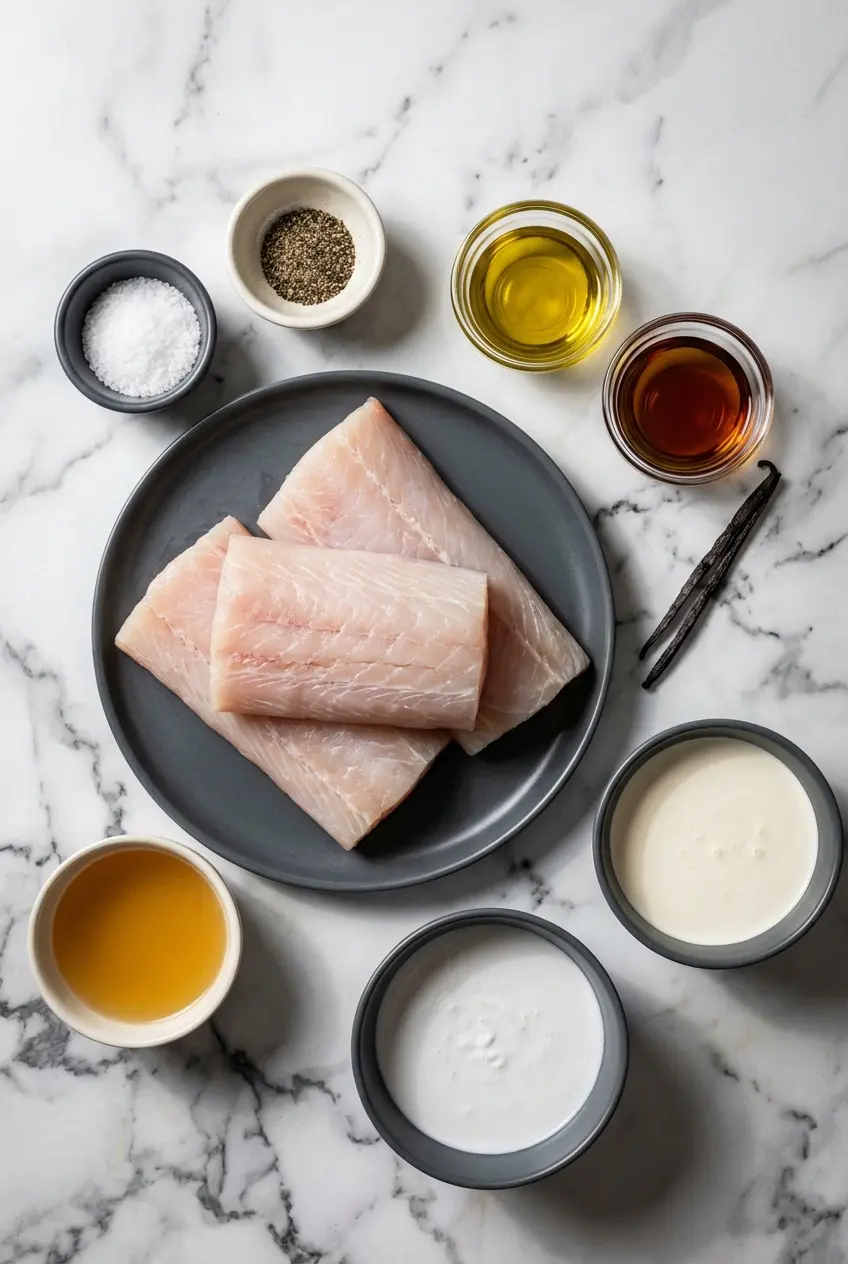
This dish keeps the ingredient list focused, with a few carefully chosen elements doing most of the work. Each one helps build the rich sauce or gives the fish its clean, golden sear.
Ingredients
Mahi Mahi:
- 4 Mahi Mahi fillets
- kosher salt, as needed
- black pepper, as needed
- 3 tablespoons olive oil
Vanilla Sauce:
- 1/2 cup dark rum
- 1 vanilla bean, sliced open lengthwise
- 1/4 cup unsalted chicken stock
- 1 cup heavy cream
- 1 cup coconut milk
- kosher salt, as needed
Ingredient Notes & Substitutions
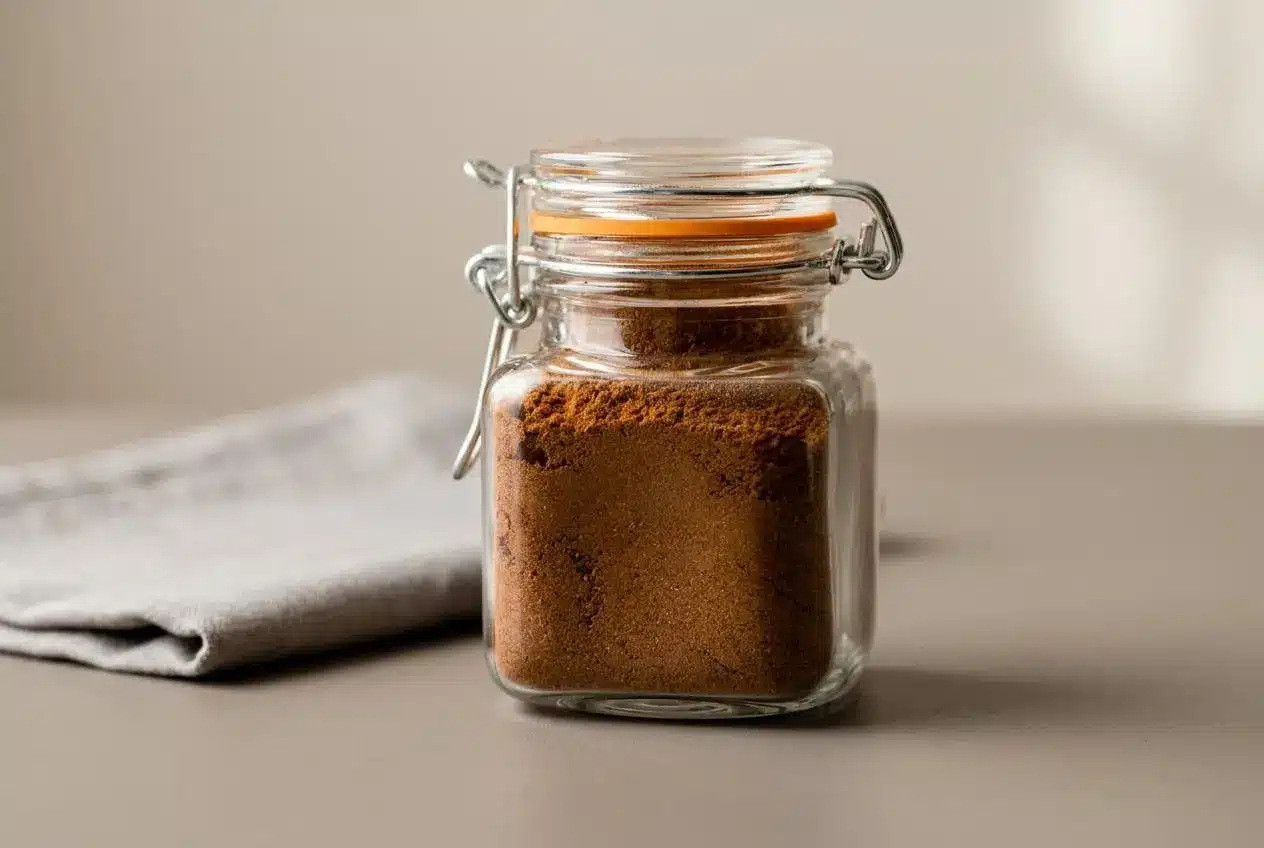
Tahitian vanilla bean: If you can find a real Tahitian vanilla bean, use it. Its floral, fruity character is what gives this sauce its French Polynesian personality, and it is far more expressive in savory cooking than imitation vanilla extract.
Heavy cream: For the fullest, glossiest finish, stick with heavy cream. If you need a dairy-free version, replace it entirely with full-fat coconut milk or coconut cream, but expect the sauce to take a bit longer to reduce and thicken.
Dark rum: Dark rum gives the sauce a subtle caramel warmth once it reduces down. If you want a lighter, more classic seafood-sauce feel, dry white wine or dry vermouth works beautifully and leans closer to a beurre blanc style finish.
Coconut milk: Choose unsweetened coconut milk with a rich body, not a thin refrigerated beverage. It should smell fresh and nutty, and it brings that tropical backbone that makes the sauce taste like an island dinner rather than a standard cream sauce.
Coconut rum: For a sweeter tropical spin, coconut rum is a fun swap for dark rum. I use it when I want the Bora Bora feeling turned up just a notch, especially if I am serving the fish with coconut rice.
Mahi Mahi: Look for fillets that are firm, moist, and close in thickness so they cook evenly. If Mahi Mahi is not available, sea bass, halibut, ocean perch, or large scallops are all strong substitutes for this reduction sauce.
Butter and lime juice: Even though they are finishing touches, they matter. The cold unsalted butter gives the sauce body and sheen, while a few drops of fresh lime juice keep the rich dairy and coconut base from tasting flat.
How to Make Tahitian Vanilla Sauce Recipe
Build the aromatic base
- Set a medium saucepan over medium-high heat and pour in the dark rum with the split vanilla bean. Let it simmer for 3 to 5 minutes until it cooks down to about 2 tablespoons, and the alcohol smell softens into something deeper and more fragrant.
- As it reduces, keep an eye on the pan so the liquid does not disappear too far. You want a concentrated base that pulls the aromatic oils from the vanilla pod without scorching the sugars in the rum.
Whisk and reduce the sauce
- Slowly add the chicken stock, heavy cream, and coconut milk while whisking steadily, so everything blends into one smooth mixture. This gradual addition helps the dairy and rum come together cleanly instead of turning grainy.
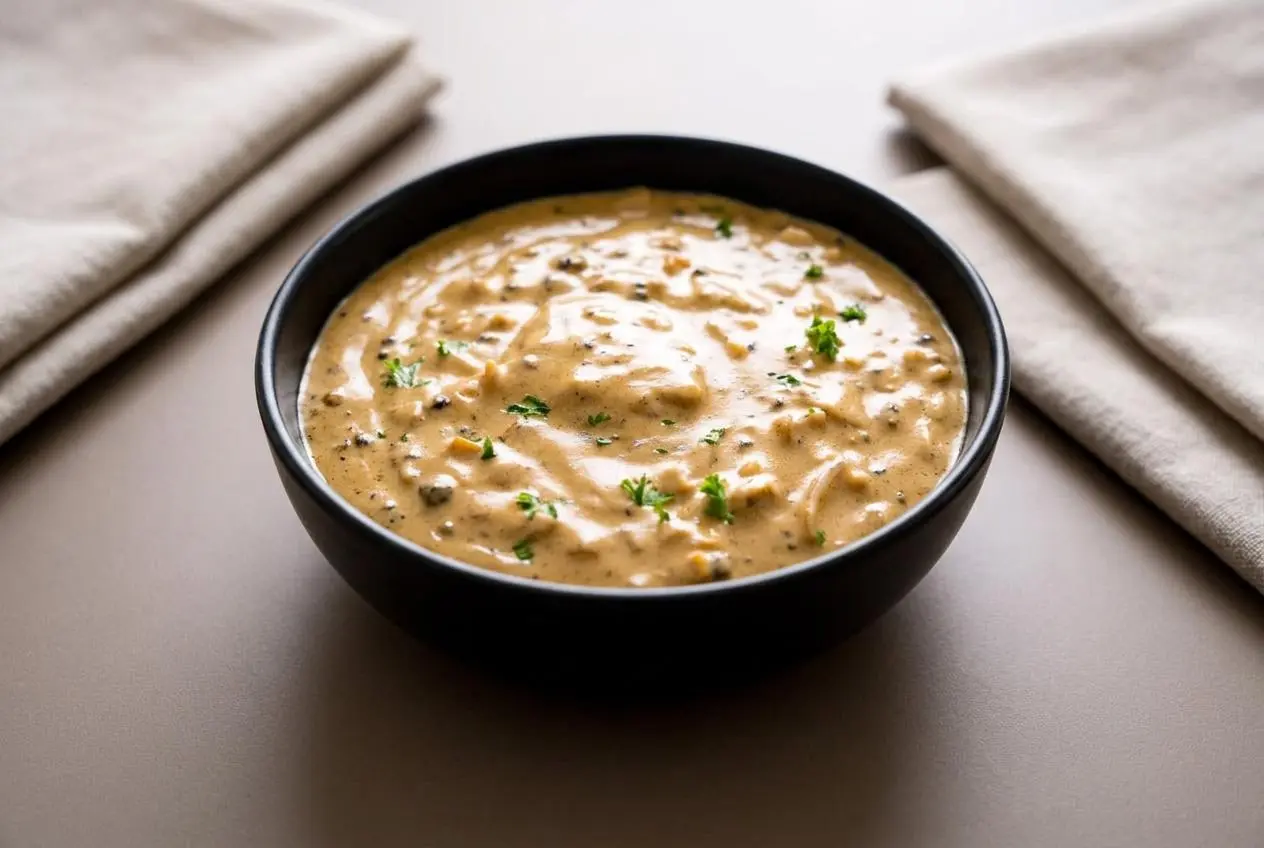
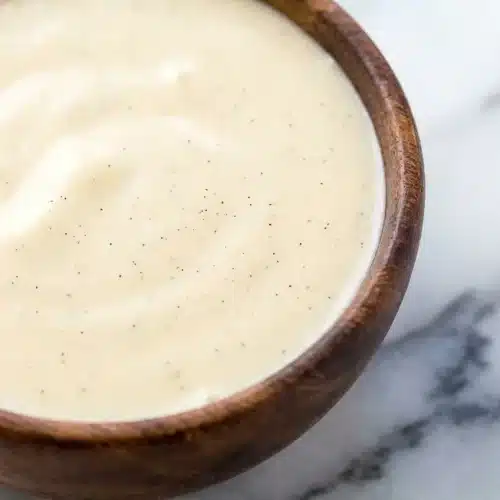
- Lower the heat enough to keep the sauce at a gentle simmer, then whisk continuously for about 15 minutes. When it is ready, the sauce should reduce to a thick, silky consistency that clings to the back of a spoon instead of running off in a thin stream.
Finish the emulsion and cook the fish
- Turn off the heat and lift out the vanilla pod carefully. Scrape the seeds from the pod back into the warm sauce, whisk them in, then immediately whisk in 1 tablespoon of cold unsalted butter until the sauce looks glossy and unified. Add a few drops of fresh lime juice, season with kosher salt to taste, and keep the sauce warm for serving.
- Pat the Mahi Mahi fillets dry, then season both sides with kosher salt and black pepper. Dry fish surfaces sear far better, and that is what gives you the beautiful golden crust.
- Heat the olive oil in a large frying pan over medium-high heat until it looks hot and fluid. Add the fillets and sear for about 3 to 4 minutes per side, turning once, until the outside is golden brown and the flesh is opaque all the way through.
Plate and serve
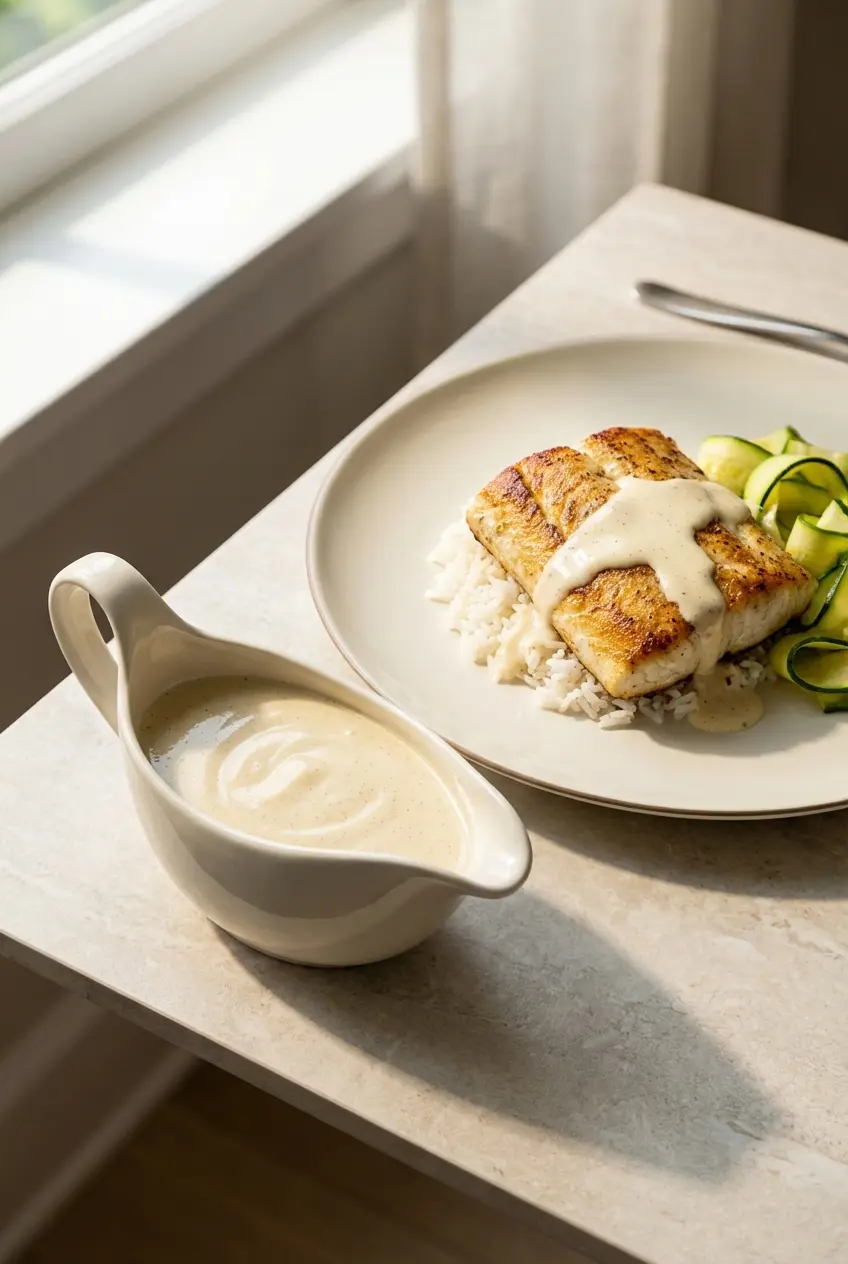
Transfer the pan-seared fish to serving plates and spoon the warm vanilla sauce generously over the top. The finished dish should smell floral and buttery, with a lush sauce that settles around the fish instead of sliding away.
Secrets for a Luxurious Emulsion
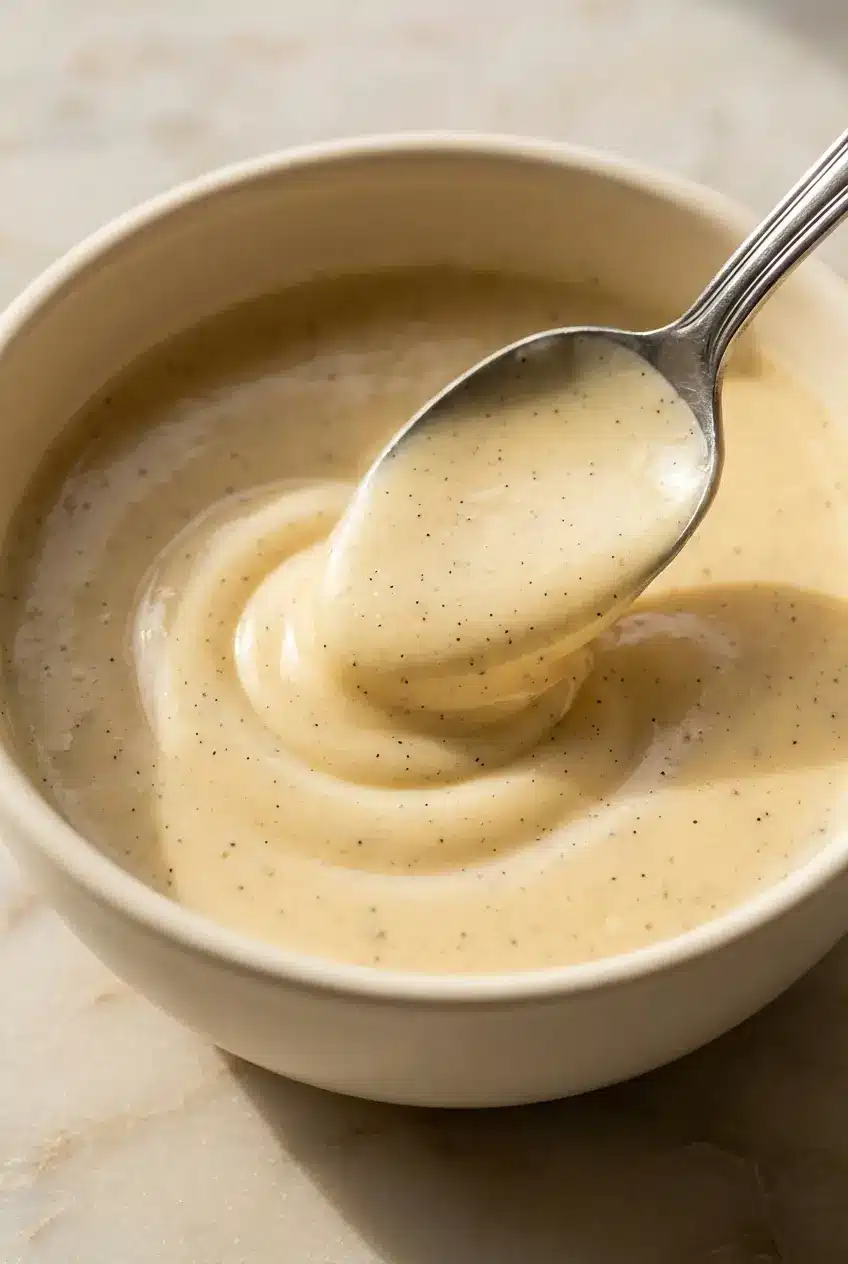
The magic in this sauce happens right at the end. When cold butter hits the hot reduced mixture of heavy cream and coconut milk off the heat, it emulsifies into the sauce and gives it a glossy, clingy texture that coats seafood beautifully rather than pooling under it.
That temperature control matters more than people think. The same kind of attention used in a good beurre noisette technique applies here, because fat behaves best when you guide it gently instead of forcing it with harsh heat.
There is also real scientific logic behind butter emulsions. Butter already contains water, milk solids, and fat, so when it is whisked into a hot reduction at the right moment, it helps create a smoother, more stable sauce.
The lime juice may seem tiny, but it does serious work. Just a few drops cut through the richness of the coconut and cream, sharpen the floral aroma of the vanilla bean, and keep the sauce tasting lively without pushing it into a curdled or overly acidic place.
The Culinary Distinction of Tahitian Vanilla
Not all vanilla tastes the same, and this is where the recipe earns its name. Madagascar Bourbon vanilla is creamy, woody, and familiar, which makes it wonderful in cakes and custards, but Tahitian vanilla has a softer, more perfumed profile with fruitier edges that suit fish far better.
In savory cooking, those floral, fruity, and almost cherry-like top notes matter. They echo the tropical feel of French Polynesian cuisine, and sources discussing vanilla cultivation often note these floral, fruity, and cherry-like notes, which is exactly why the bean feels so natural with coconut milk and a delicate white fish.
A real vanilla orchid pod also behaves differently in the pan than extract. Simmering the split bean in rum and cream lets the pod release aroma slowly, and scraping the seeds back in at the end gives the sauce both deeper flavor and that beautiful speckled look.
If authenticity matters to you, skip imitation vanilla. It can make the sauce taste one-dimensional and overly sweet, while a genuine Tahitian vanilla bean keeps the profile elegant, savory-leaning, and true to the island inspiration behind the dish.
Pro Tips & Troubleshooting
Pro Tips
- Simmer the split vanilla pod directly in the rum first, then in the sauce, so you pull as much aromatic oil from it as possible before scraping in the seeds at the end.
- Pour in the heavy cream slowly while whisking. That steady motion helps the liquid blend smoothly with the reduced rum and chicken stock.
- Keep the sauce at a gentle simmer, not a rolling boil. Slow reduction gives you a more stable emulsion and a silkier final texture.
- Choose Mahi Mahi fillets that are similar in thickness, so they finish cooking at the same pace and stay juicy in the center.
- Have your cold butter and lime juice ready before the sauce is done. Once the reduction reaches the right consistency, the finishing step should happen right away.
Common Mistakes to Avoid
- Boiling the sauce too aggressively after adding the cream and coconut milk, which can cause the fat to separate and leave the sauce looking broken.
- Adding the dairy before the rum has reduced enough. If the rum is under-reduced, the sauce can taste sharp and alcoholic instead of mellow and tropical.
- Using imitation vanilla extract instead of a whole Tahitian vanilla bean, which strips away the floral nuance that makes this dish special.
- Overcooking the fish. Mahi Mahi only needs about 3 to 4 minutes per side, and a minute too long can turn it dry fast.
- Letting the fish steam instead of sear. If the pan is not properly hot, you miss that golden crust and the fillets can stick.
Serving & Storage
Serving Ideas
This dish shines over jasmine rice or coconut rice, where every spoonful of extra sauce has somewhere to go. I also love adding a bright steamed mix of zucchini, squash, and bell peppers for color and contrast on the plate.
If you want a drink pairing that keeps the meal feeling fresh, a citrusy sip works beautifully against the richness of the sauce. Something like a refreshing yuzu lemonade brings just enough brightness to balance the coconut milk, butter, and cream without competing with the floral vanilla.
Mahi Mahi is a natural fit, but this savory-sweet sauce also flatters sea bass, halibut, ocean perch, and large pan-seared scallops. The key is choosing seafood with a clean flavor and enough structure to stand up to the rich reduction sauce.
Storage & Make-Ahead
Leftover cooked fish and sauce can be refrigerated in separate airtight containers for up to 2 days. I prefer storing them apart because the fish keeps its texture better, and the sauce is easier to reheat gently on its own.
To reheat the sauce, place it in a small saucepan over very low heat and whisk constantly until just warmed through. If it seems too thick, add a tiny splash of stock, cream, or coconut milk, and never let it boil or the emulsion can split.
You can make the sauce a little ahead, but it is best the same day. For the smoothest finish, rewarm it slowly, then whisk well before spooning it over freshly cooked fish.
If you have a leftover or unused vanilla pod, wrap it tightly and keep it in a well-sealed container in a cool, dark spot. Proper storage helps prevent volatile oils from escaping, which is exactly what keeps the bean fragrant instead of dry and tired.
Luxurious Tahitian Vanilla Sauce Recipe

Equipment
- Medium saucepan
- Whisk
- Large frying pan
Ingredients
Mahi Mahi:
- 4 Mahi Mahi fillets
- kosher salt as needed
- black pepper as needed
- 3 tablespoons olive oil
Vanilla Sauce:
- 1/2 cup dark rum
- 1 vanilla bean, sliced open lengthwise
- 1/4 cup unsalted chicken stock
- 1 cup heavy cream
- 1 cup coconut milk
- kosher salt as needed
Instructions
Build the aromatic base
- Set a medium saucepan over medium-high heat and pour in the dark rum with the split vanilla bean. Let it simmer for 3 to 5 minutes until it cooks down to about 2 tablespoons, allowing the alcohol smell to soften into a deeper, more fragrant aroma.
- As it reduces, keep an eye on the pan so the liquid does not evaporate completely. You want a concentrated base that pulls the aromatic oils from the vanilla pod without scorching the sugars in the rum.
Whisk and reduce the sauce
- Slowly add the chicken stock, heavy cream, and coconut milk while whisking steadily, ensuring everything blends into one smooth mixture. This gradual addition helps the dairy and rum come together cleanly instead of turning grainy.
- Lower the heat enough to keep the sauce at a gentle simmer, then whisk continuously for about 15 minutes. When it is ready, the sauce should reduce to a thick, silky consistency that clings to the back of a spoon instead of running off in a thin stream.
Finish the emulsion and cook the fish
- Turn off the heat and lift out the vanilla pod carefully. Scrape the seeds from the pod back into the warm sauce, whisk them in, then immediately whisk in 1 tablespoon of cold unsalted butter until the sauce looks glossy and unified. Add a few drops of fresh lime juice, season with kosher salt to taste, and keep the sauce warm for serving.
- Pat the Mahi Mahi fillets dry, then season both sides with kosher salt and black pepper. Dry fish surfaces sear far better, resulting in a beautiful golden crust.
- Heat the olive oil in a large frying pan over medium-high heat until it looks hot and fluid. Add the fillets and sear for about 3 to 4 minutes per side, turning once, until the outside is golden brown and the flesh is opaque all the way through.
Plate and serve
- Transfer the pan-seared fish to serving plates and spoon the warm vanilla sauce generously over the top. The finished dish should smell floral and buttery, with a lush sauce that settles around the fish perfectly.
Notes
Nutrition
Conclusion
This is the kind of dish that proves a few smart techniques can turn simple ingredients into something memorable. The Tahitian vanilla bean brings the floral island character, and the cold butter plus fresh lime juice give the sauce that glossy, balanced finish that makes the whole plate sing.
If you are craving a tropical dinner with a little elegance, this one is worth making. Put your own spin on it with scallops, halibut, or coconut rice, and if it lands on your table the way it does on mine, it will not stay a special-occasion secret for long.