There is something about the smell of butter, apples, and cinnamon in a skillet that makes the whole kitchen feel like a Sunday morning in the South. When I want that cozy, Cracker Barrel style comfort food feeling without fuss, Southern fried apples are one of the first things I make.
This version keeps the old-fashioned heart of the dish, but gives it a richer finish with browned butter and a splash of vanilla at the end. If you have ever wanted apples that are syrupy, glossy, and fork-tender without turning mushy, this guide walks you through every little detail that matters.
Why You’ll Love This Recipe
Big Southern flavor: These apples have that warm, familiar Southern breakfast taste, but the flavor lands deeper and rounder because the butter is browned first. In my kitchen, that one simple step makes the whole pan smell like toasted nuts and caramel.
The secret twist: Taking the butter to the beurre noisette stage gives the tart Granny Smith apples a buttery backbone that balances both the white sugar and brown sugar beautifully. It reminds me of the same cozy, toasty depth you get in a good brown butter bread, especially in cool-weather baking.
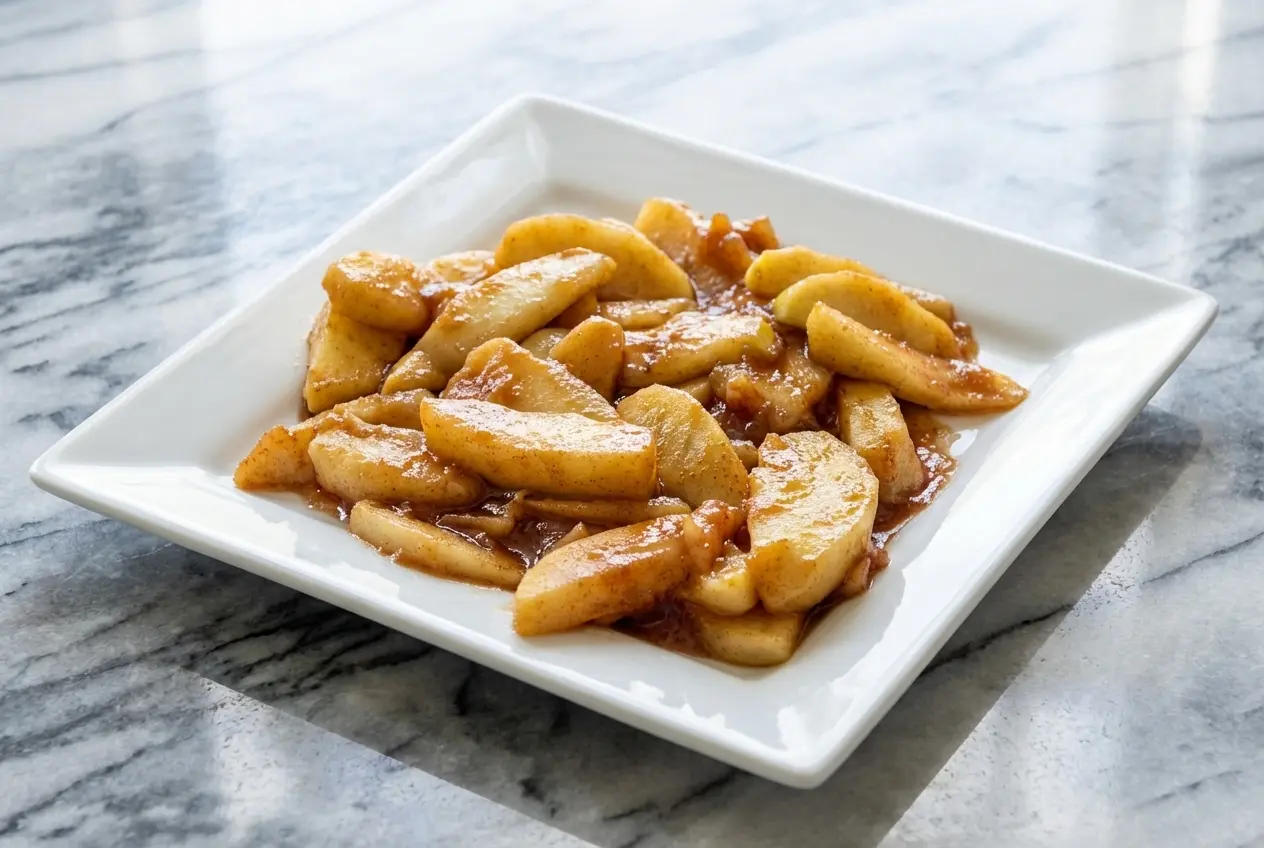
Beautiful texture: The apples stay tender with a little bite, and the skillet turns their juices into an amber-colored cinnamon syrup that clings to every slice. That contrast between fork-tender fruit and glossy sauce is what makes this dish so hard to stop eating.
A smarter finish: I stir in the vanilla off the heat so it keeps its soft, sweet aroma instead of cooking away. It acts like a flavor bridge, tying together the lemon juice, cinnamon, and apples in a way that tastes just a little more special.
Ingredients and Substitutions

You only need a handful of pantry staples here, and each one pulls its weight. The apples bring tart structure, the butter adds richness, and the sugars melt into that classic syrupy finish.
Ingredients
- 2 large granny smith apples
- 4 tablespoons real butter chopped
- 1/2 lemon Juice of
- 2 tablespoons white sugar
- 2 tablespoons brown sugar
- 1 teaspoon cinnamon
Ingredient Notes & Substitutions
Granny Smith apples: These are the gold standard for Southern fried apples because their acidity levels are high and their flesh is firm. That combination helps them hold shape as they cook, so you get slices that stay intact instead of collapsing into applesauce. If Granny Smith is not on hand, Honeycrisp and Braeburn are both solid choices with enough structure for skillet cooking.
Butter: I prefer unsalted butter so I can control the final flavor more precisely, especially once the butter starts browning and those caramel notes deepen. This recipe calls for real butter for a reason, because margarine will not give you the same nutty beurre noisette effect, and a tiny pinch of salt can be added if you want the sweetness to pop a little more.
Lemon juice: This does two jobs at once, and both matter. It slows enzymatic browning after slicing, and it brightens the apples so the finished dish tastes balanced instead of overly sweet.
White sugar and brown sugar: Using both gives you a better syrup than relying on just one. White sugar brings clean sweetness, while brown sugar adds moisture, depth, and that soft molasses note that makes the glaze taste more Southern and a little more luxurious.
Cinnamon: Ground cinnamon is best added at the end in this method, which keeps its flavor warm and fragrant instead of harsh. If you want a variation later, apple pie spice or a whisper of ginger and nutmeg can work, but cinnamon is the classic backbone here.
Vanilla extract: Even though it is part of the special twist rather than the original core list, I highly recommend adding 1/2 teaspoon of pure vanilla extract off the heat. It rounds out the tart apples and gives the syrup a softer, bakery-style aroma.
How to Make southern fried apples
Prepare the Apples
- Peel the apples, remove the cores, and slice them into even pieces. Try to keep the thickness uniform so every slice softens at the same pace and you do not end up with some pieces mushy while others stay too firm.
Build the Brown Butter Base
- Set a cast iron skillet over medium heat and add the chopped butter. Let it melt slowly, then watch for it to foam and turn golden with little brown specks at the bottom, that is when it smells nutty and deep rather than simply buttery.
- Once the butter reaches that browned stage, add the apple slices and drizzle them with the lemon juice. If you enjoy the kitchen science behind that transformation, the chemistry of browning butter helps explain why this step adds such a rich toasted flavor.
Simmer Until Tender
- Let the apples cook gently in the skillet until they have absorbed most of the butter and feel tender when pressed with a fork. You want them firm to the touch with just a little give when you bite in, what I call tender-crisp, not soft enough to fall apart.
- If the skillet seems too hot at any point, lower the heat rather than rushing the process. The goal is a buttery aroma and glossy fruit that still holds its shape.
Finish the Syrup and Seasoning
- Stir the white sugar and brown sugar together, then sprinkle them evenly over the apples. Toss gently so the slices stay whole as the sugars begin to melt.
- Keep cooking until the sugar fully dissolves into a bubbling, syrupy glaze that coats the apples in a shiny amber layer. If needed, lower the heat so the syrup thickens steadily instead of scorching.
- Take the skillet off the heat and add the cinnamon, then toss again so the spice perfumes the whole pan. Stir in 1/2 teaspoon pure vanilla extract at this point as well, because adding it off-heat preserves its delicate aroma.
- Spoon the apples onto a plate or serving bowl and bring them to the table piping hot, while the syrup is still glossy and fragrant.
Secrets for Perfect Caramelization
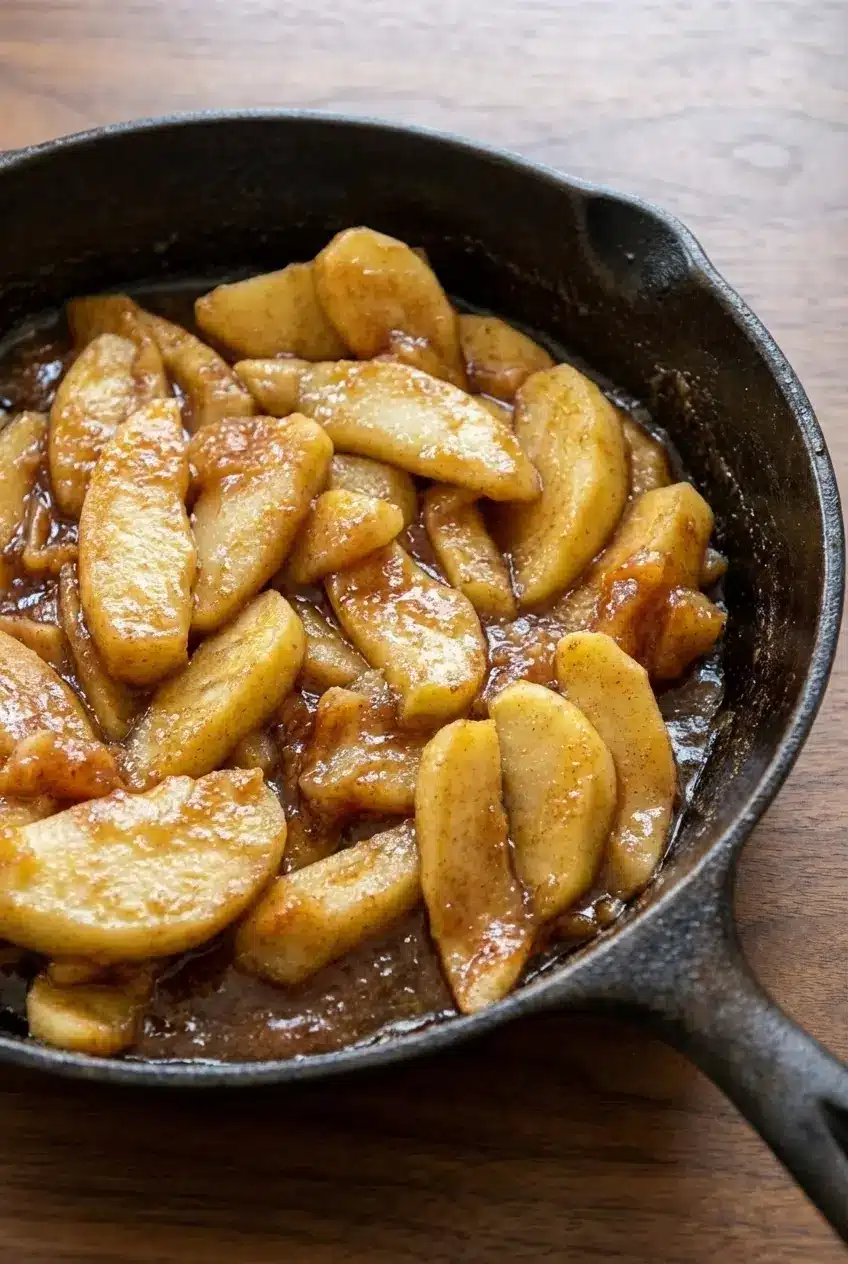
A cast iron skillet makes a real difference here because it holds heat evenly and keeps the apples in steady contact with the pan. That is what helps you build deep caramelization instead of a pale, watery sauce, much like the rich finish people love in desserts such as caramel brownie cheesecake.
One of the biggest mistakes I see is adding water to the pan. It may seem harmless, but it dilutes the natural apple juices and keeps the sugars from tightening into that thick glaze you want.
The best doneness test is simple, use a fork. The slices should be fork-tender with slight resistance, almost the al dente of fruit, rather than soft enough to mash into applesauce.
The Science of Selecting the Best Apples
Firm, tart apples work best because their cell wall stability is stronger during cooking, and that means the slices can soften without collapsing. Granny Smith apples are especially reliable because they have the acidity levels and pectin structure that help them stay shapely in a hot skillet.
As apples mature, starch conversion turns more of their starch into sugar, which changes both flavor and behavior in the pan. Resources on apple variety cooking characteristics back up what many Southern cooks already know by experience, some apples are simply built better for heat than others.
That is why soft varieties like Red Delicious tend to break down too quickly for this dish. When you want true Southern fried apples with bite, a sturdy cooking apple gives you a much better shot every time.
Adjusting Sweetness for Seasonal Fruit
I always taste a slice of raw apple before the pan even hits the stove. If the fruit is especially tart, I lean a touch more on the brown sugar flavor in the finished pan, and if the apples are naturally sweet from peak harvest, the standard balance is usually plenty.
Seasonal changes matter more than most people think. Early-season apples can be firmer and a little less juicy, while later fruit may release more moisture, so you may need a slightly shorter or slightly longer simmer to reach that thick, syrupy finish.
This is one of those recipes that rewards paying attention. When you let the fruit tell you what it needs, the sauce tastes balanced and the texture stays right where it should be.
Pro Tips & Troubleshooting
Expert Tips
- Use an apple corer and slicer if you have one, because uniform pieces cook more evenly and give the pan a much prettier final look.
- A cast iron skillet gives the best heat retention and helps the sugars caramelize into a richer glaze.
- Add a tiny pinch of sea salt to the butter if you want the brown sugar notes to taste deeper and more complex.
- For a softer, more scalloped texture, cover the skillet for the first 2 minutes of cooking, then uncover and finish as directed.
- Spritz the sliced apples with lemon juice right away so they stay bright and fresh-looking while you finish prep.
Common Mistakes to Avoid
- Using soft apples like Red Delicious, which tend to disintegrate before the syrup properly forms.
- Cooking the apples too long, which takes them from fork-tender to mushy in a hurry.
- Adding water to the skillet, which thins the sauce and weakens caramelization.
- Turning the heat too high once the sugars are added, because the syrup can go from glossy to scorched quickly.
- Adding the cinnamon too early, since direct high heat can make ground spices taste bitter instead of warm and fragrant.
Serving & Storage
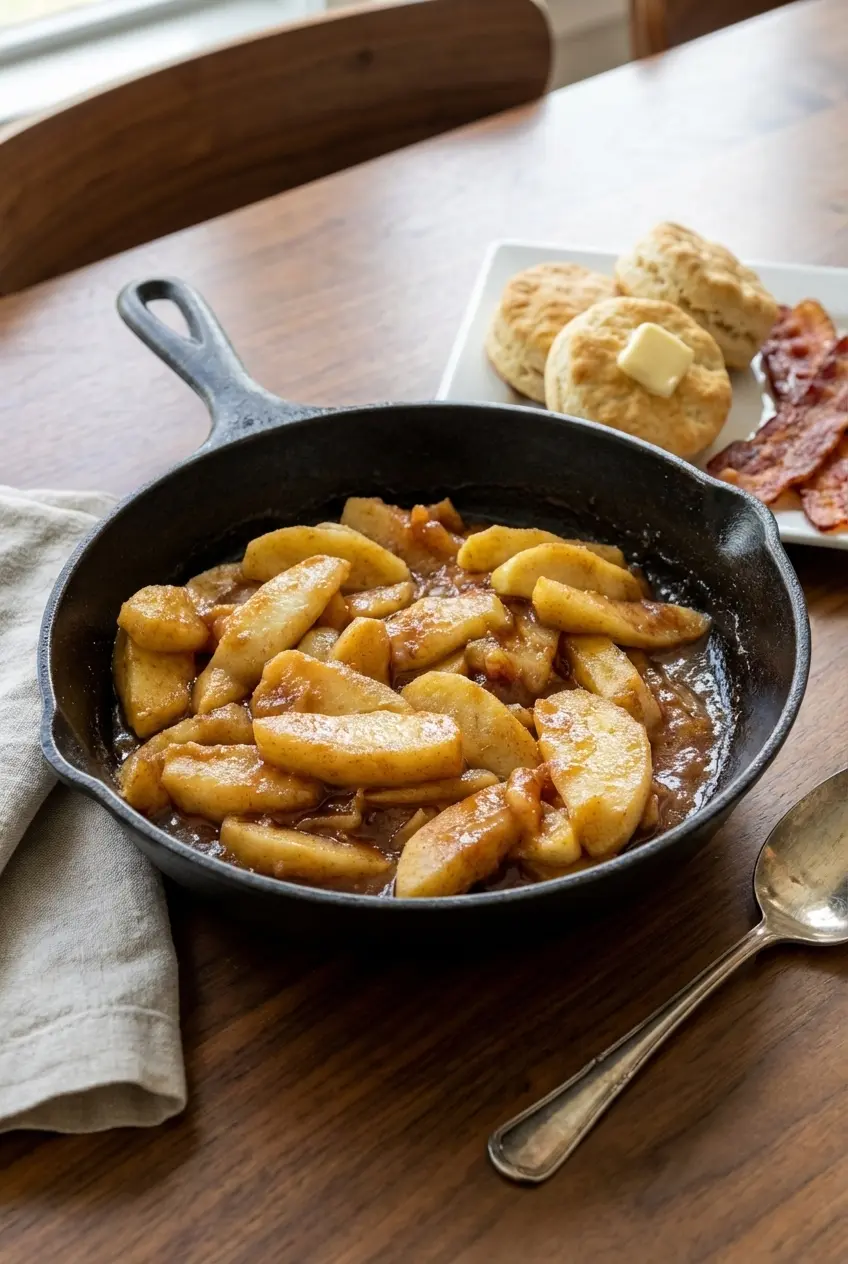
Serving Ideas
These apples are right at home beside warm buttermilk biscuits, sourdough pancakes, or crispy bacon on a Southern breakfast table. I also love spooning them over fluffy brunch favorites, and they make a wonderful topping for Hawaiian French toast when you want something especially cozy and weekend-worthy.
For a savory plate, serve them next to pan-fried pork chops or a ham steak, where their tart-sweet syrup cuts through the salt and richness beautifully. If dessert is more your speed, a scoop of vanilla bean ice cream or a bowl of oatmeal turns them into something downright irresistible.
Storage & Reheating Instructions
Leftovers keep well in an airtight container in the refrigerator for up to 4 days. The syrup will thicken as it chills, which is completely normal.
For the best texture, reheat them in a skillet over low heat with a small pat of butter. That gentle warmth loosens the glaze and brings back the glossy finish without beating up the apples.
If convenience matters more, the microwave works too. Heat in 30-second bursts, stirring between each one, just until warmed through so the slices do not overcook.
Freezing is possible if you want to get ahead for a holiday breakfast, though the texture may soften a little after thawing. I like to cool them completely first, then freeze in a tightly sealed container, and reheat gently on the stove when ready to serve.
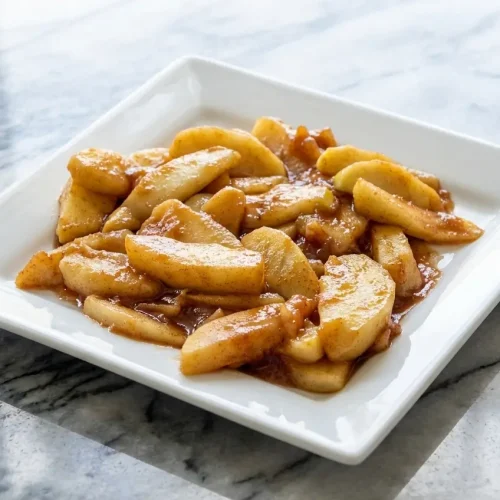
Southern Fried Apples

Equipment
- Cast Iron Skillet
- Apple corer and slicer
Ingredients
- 2 large granny smith apples
- 4 tablespoons real butter chopped
- 1/2 lemon Juice of
- 2 tablespoons white sugar
- 2 tablespoons brown sugar
- 1 teaspoon cinnamon
Instructions
Prepare the Apples
- Peel the apples, remove the cores, and slice them into even, uniform pieces to ensure they cook at the same pace.
Build the Brown Butter Base
- Place a cast iron skillet over medium heat and add the chopped butter. Allow it to melt, foam, and eventually turn golden with nutty-smelling brown specks at the bottom.
- Add the apple slices to the browned butter and drizzle with the fresh lemon juice.
Simmer Until Tender
- Sauté the apples gently until they have absorbed the butter and are tender-crisp. Reduce the heat if the pan becomes too hot to keep the butter from burning.
Finish the Syrup and Seasoning
- Stir the white and brown sugars together, then sprinkle them evenly over the apples. Toss gently to coat without breaking the slices.
- Continue cooking until the sugar dissolves into a bubbling, amber-colored glaze that coats every apple slice.
- Remove the skillet from the heat. Stir in the cinnamon and a half teaspoon of vanilla extract to preserve their warm aromas before serving hot.
Notes
Conclusion
Southern fried apples are already one of the great comfort foods, but the brown butter and vanilla take them somewhere extra special. You still get that homespun, skillet-cooked warmth, just with a deeper aroma and a more polished finish.
If you are planning a holiday breakfast, brunch, or cozy supper side, this is the kind of recipe that earns a place in regular rotation. And when the table is full of classic comforts, something like Southern chocolate cobbler feels right at home beside it.
Frequently Asked Questions
Which apple variety is best for Southern fried apples?
How do I prevent my apples from turning into applesauce?
Can I leave the skins on the apples?
Can I use margarine instead of butter?
How should I store and reheat leftovers?