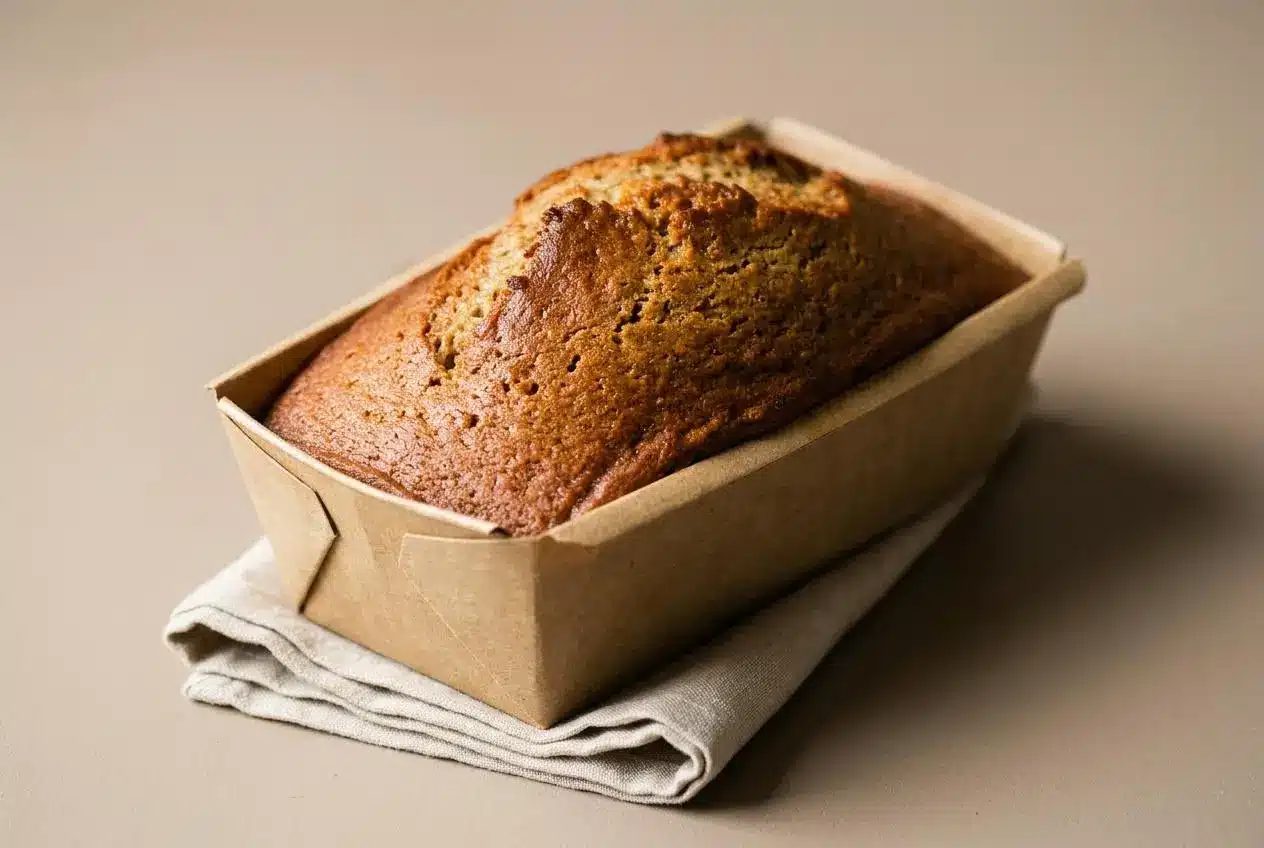
Sourdough discard softens the flour’s gluten structure, giving banana bread a tender crumb and gentle tang that balances sweet, ripe fruit.
This sourdough banana bread turns deeply spotted bananas, brown sugar, and starter into a moist loaf with a mellow caramel flavor. The starter can be active or unfed, so it’s a satisfying way to use discard instead of tossing it.
The kitchen smells especially good as the brown sugar and bananas darken at the edges. The real payoff is a slice that cuts cleanly instead of sticking to the knife.
Set chilled discard on the counter while you gather the other ingredients so it blends smoothly into the batter.
Why Sourdough Makes Better Banana Bread
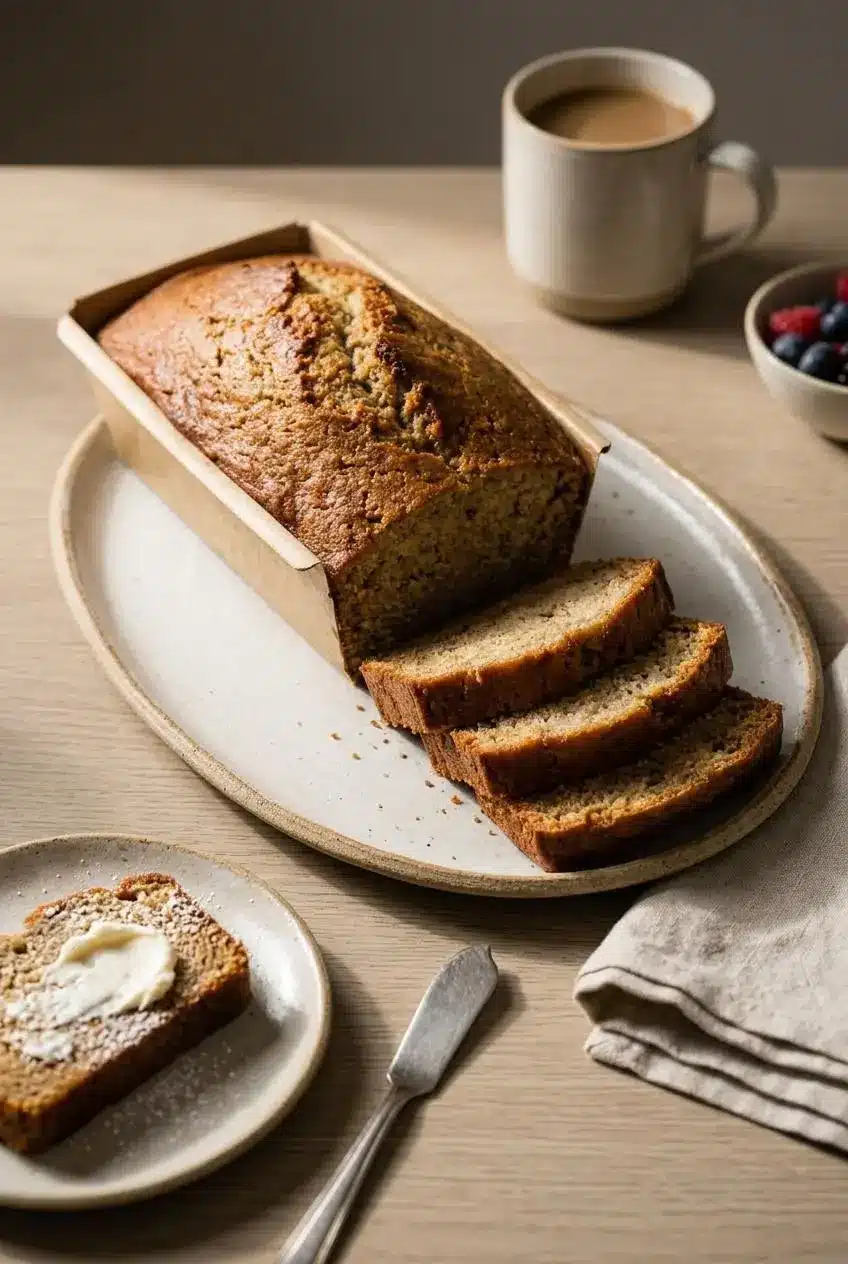
Sourdough gives this quick bread a softer, more rounded character without making it taste sharply sour. The mild lactic acidity in starter relaxes flour proteins, which helps create the velvety, caramelized banana crumb that makes this loaf so satisfying.
Ripe bananas bring concentrated sweetness and moisture, while the starter adds a subtle tang that keeps the flavor from becoming flat. Baking soda reacts with that acidity during baking, helping the loaf rise while softening any pronounced sour edge. The result tastes mellow, rich, and warmly banana-forward.
Discard is especially useful here because this loaf gets its main lift from baking soda rather than a long yeast rise. If you have extra starter after feeding, save it for another bake such as sourdough discard sandwich bread.
Fermented flour can feel gentler for some people, but this is still a sweet quick bread rather than a health food. The biggest benefit is flavor and texture: a tender crumb with a little more depth than a standard banana loaf.
Key Ingredients and Practical Substitutions
Each ingredient supports the loaf’s balance: bananas provide moisture, brown sugar adds caramel richness, starter tenderizes the crumb, and flour and eggs give the batter enough structure to rise and slice neatly.
- Butter, for coating the pan
- 375 g overripe bananas (appx. 1 1/2 cups lightly smashed)
- 225 g (1 1/4 cups lightly packed) light or dark brown sugar
- 1½ tsp pure vanilla extract
- 2 large eggs
- 100 g (appx. 1/2 cup) active sourdough starter or or sourdough discard
- 250 g (2 cups) all-purpose flour
- 1½ tsp baking soda
- 1/4 tsp fine sea salt
- 60 ml (1/4 cup) milk
- 125 ml (½ cup) neutral flavored oil
- Powdered sugar, butter, and mascarpone cheese for serving, optional
Heavily freckled bananas are ideal because their starches have converted to sugar and their flesh mashes into the batter easily. Brown sugar adds a molasses-like depth and helps the crumb stay soft, while neutral oil keeps the banana flavor in front. All-purpose flour gives the loaf enough strength without making it bready.
I prefer dark brown sugar when the bananas are very soft because its deeper molasses flavor keeps the loaf from tasting one-note.
Active Starter vs Unfed Discard
Use active, bubbly starter or unfed discard interchangeably in this batter. Baking soda provides the primary lift, so the starter does not need to be at peak activity. A standard starter at about 100 percent hydration blends best because it has a balanced flour-to-water consistency.
Cold discard can be thick and reluctant to combine with eggs and bananas. Let it lose its refrigerator chill before mixing, then stir it in until no streaks remain. If your starter is unusually loose, the batter may look more fluid, but avoid adding extra flour unless you are deliberately retesting the formula.
Selecting and Ripening Bananas
Choose bananas with heavy brown spotting, or even mostly black skins, for the fullest sweetness and moisture. Yellow bananas with only a few freckles will work, but they bring less banana flavor and a firmer mash.
When your bananas are still firm and yellow, place them unpeeled on a lined baking sheet and bake at 300 °F until the skins darken and the fruit softens. Cool them before peeling, then include all of the softened banana flesh and juices in the mash.
How to Make Sourdough Banana Bread
This mixing order creates a stable banana-and-sugar base before the flour goes in. Work gently once the dry ingredients meet the wet mixture, and the crumb will stay tender rather than chewy.
- Heat the oven to 360 °F.
Give the oven time to fully preheat so the batter begins rising as soon as it goes into the pan. - Butter three 7x3x2 mini loaf pans or one 9×5-inch loaf pan.
Coat the corners and sides well so the baked loaf releases without tearing. - Beat the bananas, brown sugar, and vanilla in a mixing bowl with a hand held mixer or a stand mixer fitted with the paddle attachment for 30 seconds to 1 minute.
The mixture should look glossy and aerated, with a few small banana lumps still visible. - Mix in the eggs one at a time, allowing each egg to disappear before adding the next, then blend in the sourdough starter.
The batter should look cohesive and thick, without separate streaks of egg or starter. - Sift the flour, baking soda, and salt into a separate bowl, then fold the dry mixture into the banana batter in batches.
Stop each fold when the flour begins to disappear, leaving the batter soft with gentle resistance. - Add the milk and neutral flavored oil, then mix only until the batter comes together.
Avoid continued mixing after the last dry pockets vanish, because extra mixing can make the crumb tough. - Scrape the batter into the prepared pan or pans, setting mini loaf pans on a baking sheet before placing them in the oven.
The batter should sit evenly in the pan, ready to rise into a rounded top. - Bake mini loaves for 45 minutes or the 9×5-inch loaf for 60 to 65 minutes.
The crust should be rich golden brown and a tester should come out without wet batter; loosely cover with foil if the top darkens too quickly. - Leave the bread in its pan for 20 minutes before moving it to a wire rack.
This pause lets the fragile interior set so the loaf is less likely to crack or collapse during transfer. - Cool the loaf completely, then finish with powdered sugar if desired.
Wait until the crumb is no longer steaming before slicing for the cleanest, least gummy pieces.
Baking Temperature and Doneness Cues
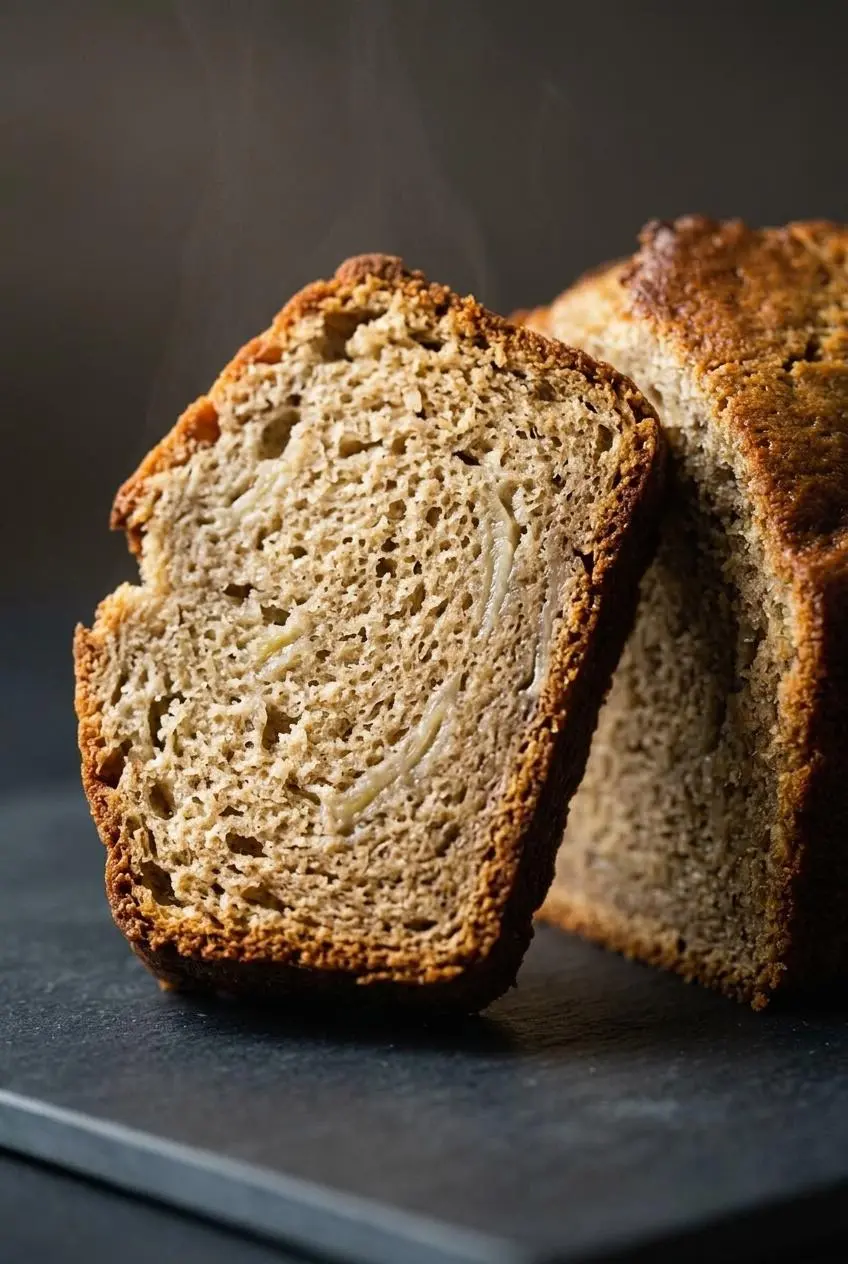
Brown sugar can make the crust look finished before the center has fully set, so color alone is not enough. Look for a rounded top, a crust with gentle resistance when lightly pressed, and a tester that comes out without raw batter.
The Internal Thermometer Test
An instant-read thermometer is a useful backup when banana bread has a thick-looking center or a dark crust. Insert the probe into the middle of the loaf, avoiding the pan, and use it alongside the tester and springy-top cues to confirm that the center has finished baking.
If the probe comes out coated with wet batter, return the loaf to the oven and check again after more baking. A few moist crumbs are fine, but a shiny, paste-like coating signals an underbaked center.
Preventing Premature Crust Browning
Start checking the loaf near the 40-minute mark. If the top has already reached a deep mahogany brown while the center still needs time, loosely tent the pan with aluminum foil.
Keep the foil loose rather than pressing it onto the crust. That small air space shields the surface from additional heat while the middle catches up.
Achieving the Perfect Bakery Loaf Dome
Use the stated pan size and place the pan in the center of the oven for the most even lift. An oversized pan spreads the batter too thin, while an undersized pan can leave the center struggling to set.
For a neat split along the top, draw a shallow line through the batter with a butter knife before baking, or pipe a narrow line of softened butter down the center. Both are optional finishing touches, not required parts of the loaf.
Troubleshooting Common Banana Bread Issues
A banana loaf is forgiving, but moisture-heavy fruit batter needs a little attention. These fixes target the problems that most often lead to a dense, sunken, or dry result.
- Gummy middle: Too much banana, an underbaked center, or slicing while the loaf is hot can leave the crumb wet. Weigh the bananas when possible, use a tester plus a center check, and cool the loaf fully on the rack before cutting.
- Sunken top: Expired baking soda, too much leavener, or opening the oven door early can weaken the loaf’s structure. Measure the baking soda carefully and keep the oven closed during the first part of baking.
- Dry or rubbery crumb: Overmixing after the flour is added develops too much gluten. Fold in the dry ingredients gently, then stop mixing as soon as the milk and oil are incorporated.
- Burning edges: A dark crust can form before the interior is ready because brown sugar browns quickly. Tent loosely with foil once the top is deeply colored.
- Heavy texture: Cold discard may leave small lumps that encourage overmixing. Bring it closer to room temperature and blend it smoothly into the egg mixture before adding flour.
Keeping Banana Bread Fresh and Warm
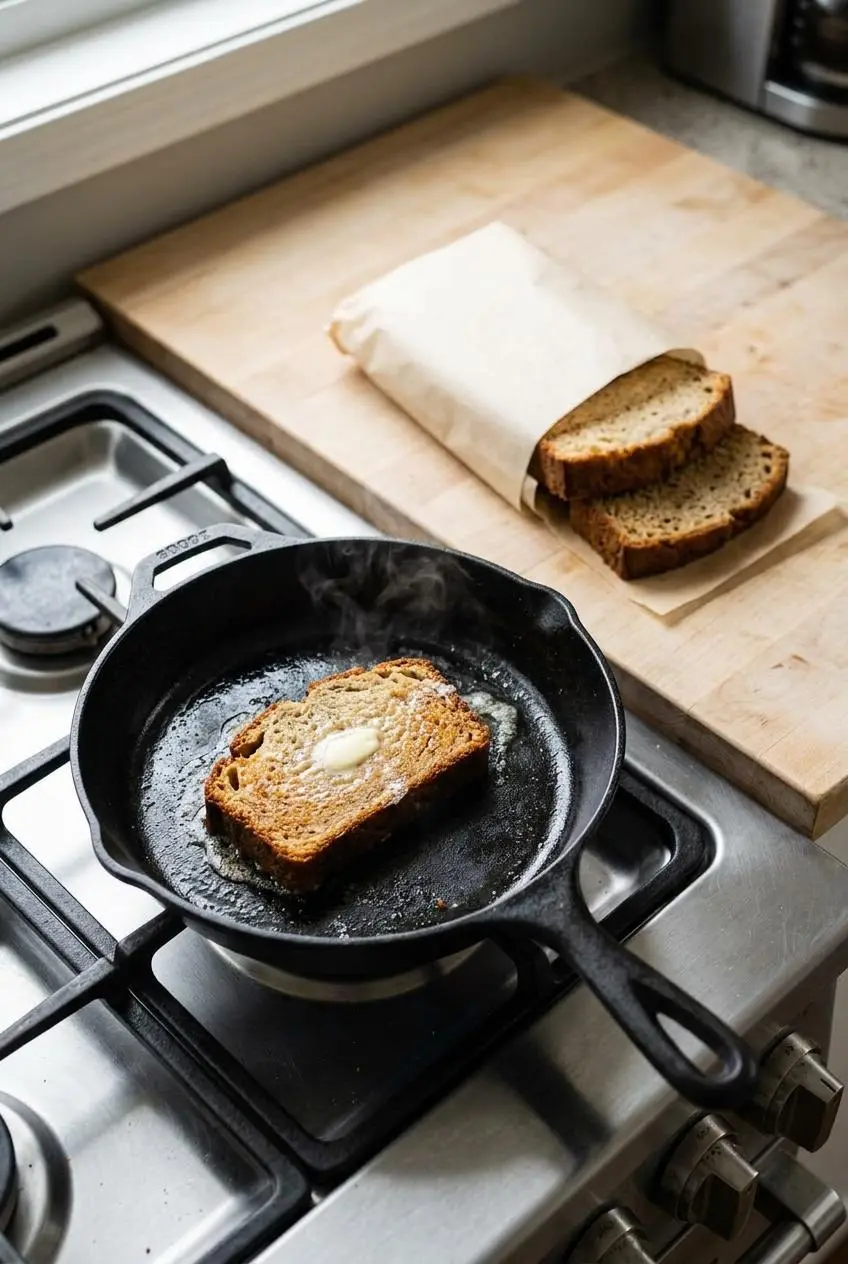
Cool the loaf completely before wrapping it, since trapped steam can make the crust damp. Keep it tightly wrapped in parchment or in an airtight container at room temperature, away from heat and humidity.
Avoid refrigerating the loaf if you want the crumb to stay soft, as cold storage can make quick breads seem dry and firm. For a warm slice later, toast it gently in a toaster oven or heat it in a lightly buttered skillet over medium-low heat until the edges crisp and the center softens.
Flavor Variations and Add-Ins
Keep every add-in optional so the classic caramelized banana flavor remains the foundation. Stir additions in at the end, after the milk and oil have been incorporated, using a light hand.
Classic Chocolate Chip and Nut Fold-Ins
- Fold in dark chocolate chunks or bittersweet chips for a richer, dessert-like loaf. For a dedicated version, try this chocolate chip banana bread.
- Add toasted chopped walnuts or pecans for a nutty contrast against the soft crumb. Toss them with a little flour first so they are less likely to sink.
- Stir in ground cinnamon and a pinch of nutmeg for a warmer, spiced profile that works especially well with dark brown sugar.
For a glossy finish, brush warm maple brown butter over the crust just after baking. It adds a fragrant, toasted richness that plays nicely with the banana and brown sugar.
Same-Day Baking and Deeper Flavor
This batter is designed to bake after mixing, with baking soda added just before it goes into the oven. That timing gives the loaf its intended rise and helps prevent a dense center.
If you want a more pronounced sourdough flavor, use a noticeably tangy discard rather than holding this fully mixed batter for an extended rest. Long rests can change how the chemical leavener behaves and may require a separately tested formula.
Eggless and Dairy-Free Swaps
Mashed banana and starter contribute moisture and some binding, but the eggs still provide important structure in this loaf. An eggless version will need a tested egg replacement rather than simply leaving the eggs out.
For a dairy-free change, replace the milk with unsweetened oat milk or almond milk. Use a neutral plant-based fat for pan coating, and expect the flavor to stay focused on banana, brown sugar, and starter.
Conclusion
Sourdough starter or discard gives this banana bread a mellow tang, a tender texture, and a smart use for extra starter. Ripe bananas, brown sugar, and gentle mixing do the rest.
Let the loaf cool until the crumb has set, then serve thick slices with salted butter or mascarpone. A warm, crisp-edged slice makes a very good breakfast.
Frequently Asked Questions
What Does Sourdough Discard Do to Banana Bread?
Sourdough discard adds mild acidity that relaxes gluten structure and helps create a tender crumb. It also balances the sweetness of ripe bananas with a subtle tang. Because this loaf uses baking soda for lift, discard is a practical way to use leftover starter without waiting for it to become bubbly and active.
Can I Use Active Sourdough Starter Instead of Discard?
Yes. Active starter and unfed discard both work well because baking soda supplies the main lift in this quick bread. Use starter with a typical 100 percent hydration consistency, and let cold discard warm slightly so it blends evenly into the batter.
Why Is the Middle of My Sourdough Banana Bread Gummy?
A gummy center usually comes from excess banana moisture, underbaking, overmixing, or slicing while the loaf is still steaming hot. Use the stated banana weight, bake until the center passes both the tester and springy-top checks, then cool the loaf completely before cutting.
How Do You Freeze Sourdough Banana Bread?
For longer keeping, cool the loaf completely and portion it before wrapping each piece tightly to protect the crumb from drying out. Warm individual portions gently when you are ready to serve them, using a toaster oven or lightly buttered skillet for crisp edges.
Can You Ferment Sourdough Banana Bread Batter Overnight?
This particular batter is best baked after mixing because its baking soda is intended to work promptly in the oven. For deeper sour flavor, choose tangy discard instead of extending the resting time of the prepared batter.
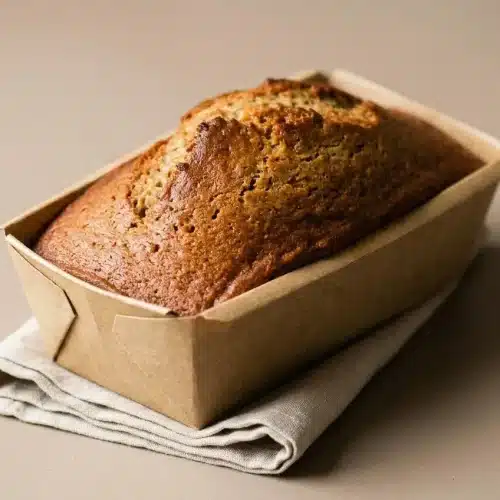
Sourdough Banana Bread

Equipment
- 9×5-inch loaf pan or three 7x3x2 mini loaf pans
- Hand held mixer or stand mixer fitted with paddle attachment
- Mixing Bowls
- Wire cooling rack
Ingredients
- Butter for coating the pan
- 375 g overripe bananas appx. 1 1/2 cups lightly smashed
- 225 g light or dark brown sugar 1 1/4 cups lightly packed
- 1½ tsp pure vanilla extract
- 2 large eggs
- 100 g active sourdough starter or or sourdough discard appx. 1/2 cup
- 250 g all-purpose flour 2 cups
- 1½ tsp baking soda
- 1/4 tsp fine sea salt
- 60 ml milk 1/4 cup
- 125 ml neutral flavored oil ½ cup
- Powdered sugar, butter, and mascarpone cheese for serving, optional
Instructions
- Heat the oven to 360 °F. Give the oven time to fully preheat so the batter begins rising as soon as it goes into the pan.
- Butter three 7x3x2 mini loaf pans or one 9×5-inch loaf pan. Coat the corners and sides well so the baked loaf releases without tearing.
- Beat the bananas, brown sugar, and vanilla in a mixing bowl with a hand held mixer or a stand mixer fitted with the paddle attachment for 30 seconds to 1 minute. The mixture should look glossy and aerated, with a few small banana lumps still visible.
- Mix in the eggs one at a time, allowing each egg to disappear before adding the next, then blend in the sourdough starter. The batter should look cohesive and thick, without separate streaks of egg or starter.
- Sift the flour, baking soda, and salt into a separate bowl, then fold the dry mixture into the banana batter in batches. Stop each fold when the flour begins to disappear, leaving the batter soft with gentle resistance.
- Add the milk and neutral flavored oil, then mix only until the batter comes together. Avoid continued mixing after the last dry pockets vanish, because extra mixing can make the crumb tough.
- Scrape the batter into the prepared pan or pans, setting mini loaf pans on a baking sheet before placing them in the oven. The batter should sit evenly in the pan, ready to rise into a rounded top.
- Bake mini loaves for 45 minutes or the 9×5-inch loaf for 60 to 65 minutes. The crust should be rich golden brown and a tester should come out without wet batter; loosely cover with foil if the top darkens too quickly.
- Leave the bread in its pan for 20 minutes before moving it to a wire rack. This pause lets the fragile interior set so the loaf is less likely to crack or collapse during transfer.
- Cool the loaf completely, then finish with powdered sugar if desired. Wait until the crumb is no longer steaming before slicing for the cleanest, least gummy pieces.