Sour cream brings rich fat and gentle acidity to banana bread, helping tenderize the crumb and react with baking soda for a moist, softly risen loaf.
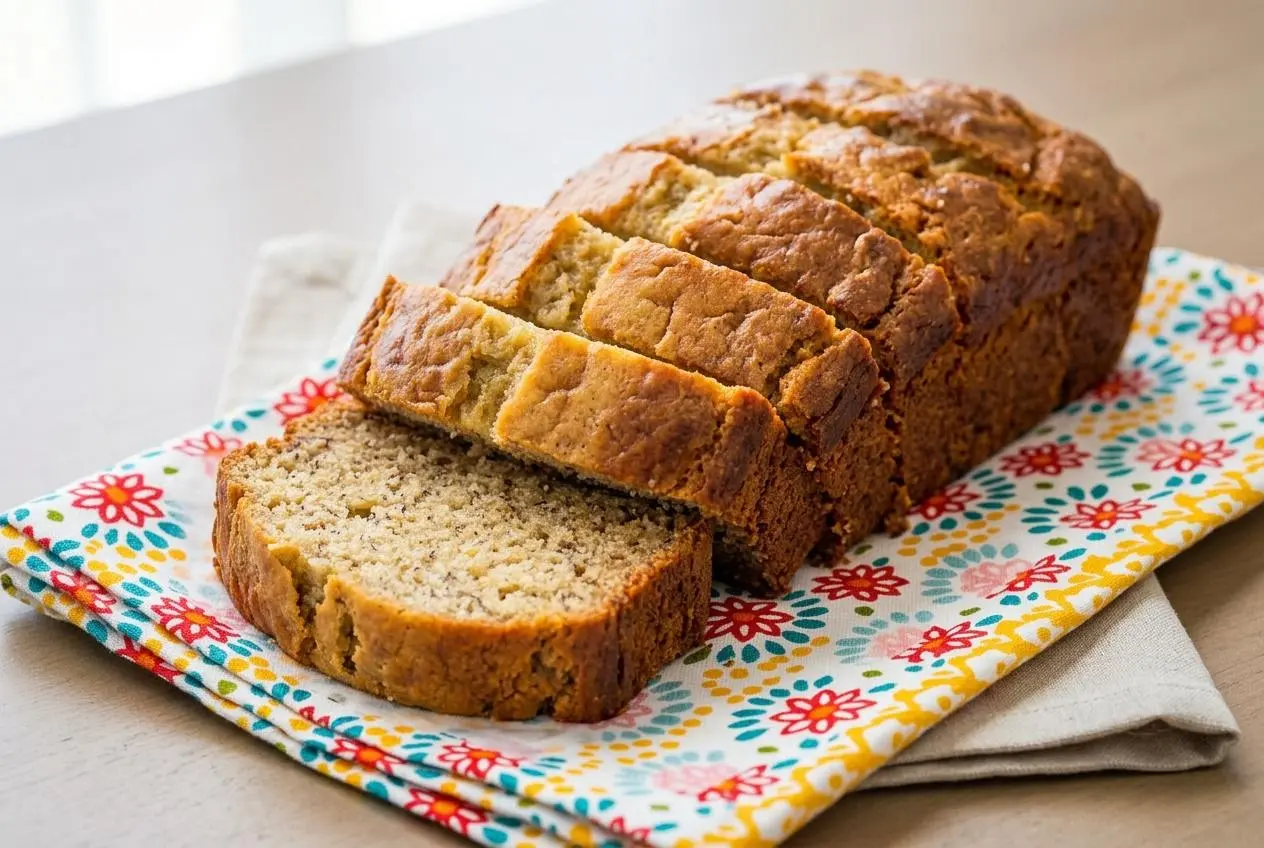
Sour Cream Banana Bread is a classic quick bread with a golden crust, fragrant banana aroma, and a thick, spoonable batter dotted with soft banana flecks.
Ripe bananas, cinnamon, and sour cream create a slice that stays plush rather than chalky. The warm caramelized-banana scent is the payoff.
Set the butter and eggs out before mixing so they combine smoothly with the sugar and sour cream.
Why Sour Cream Creates the Best Banana Bread
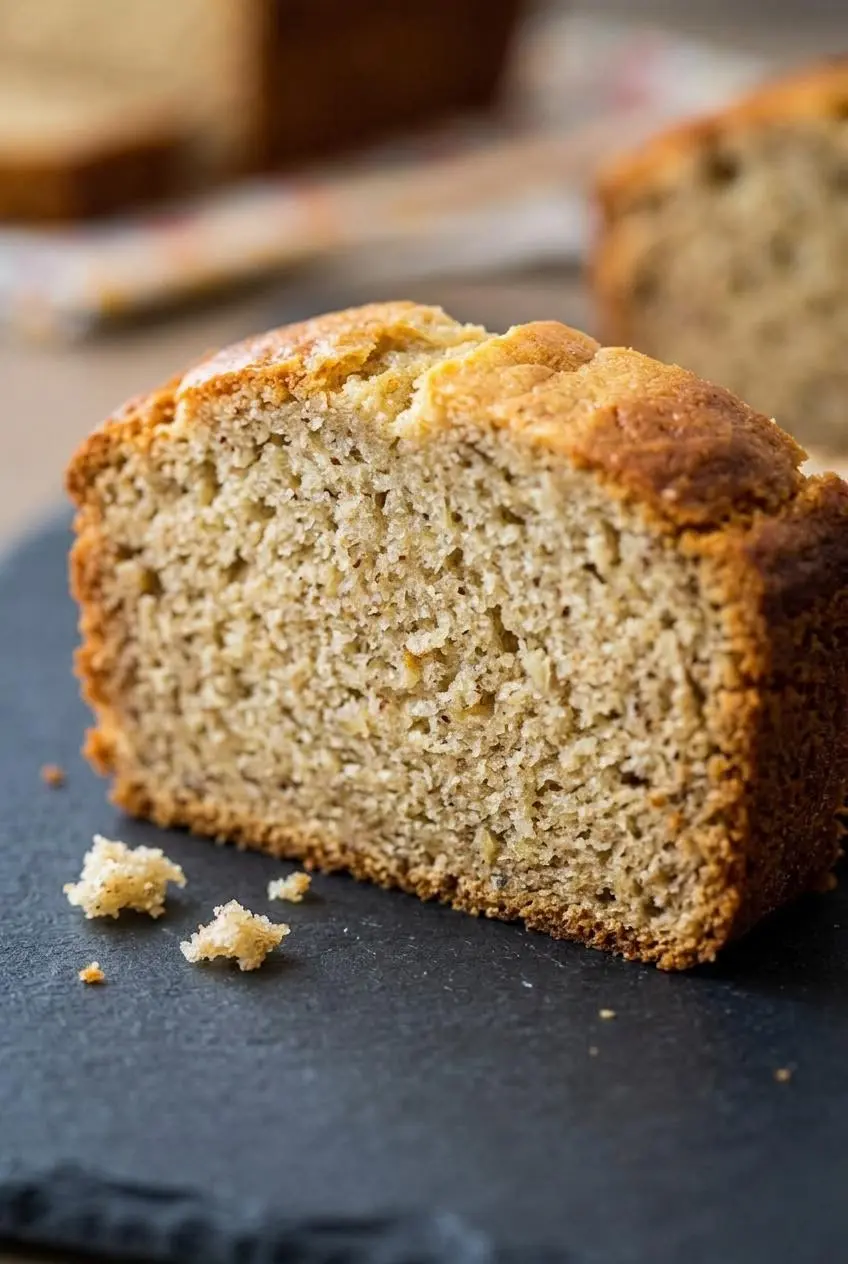
Sour cream changes the texture of this loaf in ways that bananas alone cannot. Its fat softens the flour’s structure, while its acidity supports the baking soda for a lighter rise and a more delicate crumb.
The Chemistry of Lactic Acid and Baking Soda
Sour cream contains lactic acid, which reacts with baking soda once the batter is mixed and heated. That reaction creates tiny bubbles that help lift the dense banana batter without relying on an excessive amount of leavener.
The acid also keeps the baking soda from tasting harsh or soapy when the ingredients are properly balanced. You may notice tiny brown flecks in the baked crumb, especially around mashed banana, which is normal in a banana quick bread made with baking soda.
Mix the batter promptly once the flour and baking soda go in, then get it into the prepared pans. The leavening begins working as soon as it meets the acidic ingredients, so lingering batter can lose some of its lift.
How Dairy Fat Preserves Long-Lasting Moisture
The fat in full-fat sour cream coats flour proteins and limits gluten development, which helps the loaf stay tender. It also gives the crumb a richer mouthfeel than banana bread made with fruit alone.
Use regular full-fat sour cream for the most reliable texture. Reduced-fat or nonfat dairy can make the batter less rich and may leave the finished bread firmer or drier.
Key Ingredients and Easy Substitutions
Every ingredient has a job here: bananas bring sweetness and moisture, sour cream adds richness and acidity, flour provides structure, and cinnamon gives the loaf its warm bakery aroma.
- 1/3 cup butter (softened)
- 1 1/4 cups white sugar
- 2 eggs
- 4 large very ripe bananas (mashed)
- 1 cup sour cream
- 1 tsp vanilla extract
- 2 1/2 cups all purpose flour (or white whole wheat)
- 1 tsp cinnamon
- 2 tsp baking soda
- 1/2 tsp salt
- 1 cup walnuts chopped (optional)
The softened butter and sugar create a richer foundation, while room-temperature eggs help the batter emulsify instead of looking curdled. Very ripe bananas supply deep sweetness and enough moisture for a soft center. All-purpose flour gives the loaf its familiar tender structure, and cinnamon rounds out the banana flavor without overpowering it.
I choose bananas with heavily speckled peels and soft flesh because their concentrated sweetness gives the loaf a fuller banana aroma.
Choosing the Perfect Ripe Bananas
Look for bananas with plenty of brown freckles, not spotless yellow peels. Once the peel is mostly brown or nearly black, the fruit inside is softer, sweeter, and easier to mash into a smooth puree. Green or firm yellow bananas lack the sweetness and moisture this batter needs.
Frozen bananas can work when thawed completely. Mash them thoroughly, and pour off only excess liquid pooling on the surface before adding them, so the batter remains thick rather than loose.
The flour option matters, too. White whole wheat flour can replace all-purpose flour as written, though the crumb may be slightly heartier. For a wheat-free option, use a formula designed specifically for gluten-free banana bread rather than swapping flour in this loaf without further adjustments.
Greek Yogurt and Dairy Swaps
Whole-milk plain Greek yogurt can replace sour cream in an equal amount because it offers similar tang, thickness, and moisture. Choose a full-fat style when possible, since a leaner yogurt can make the bread less tender.
If yogurt is your preferred ingredient, this Greek yogurt banana bread is formulated around that dairy choice from the start. Buttermilk is thinner than sour cream, so it is not an equal swap here without changing the batter’s moisture balance.
How to Make Sour Cream Banana Bread
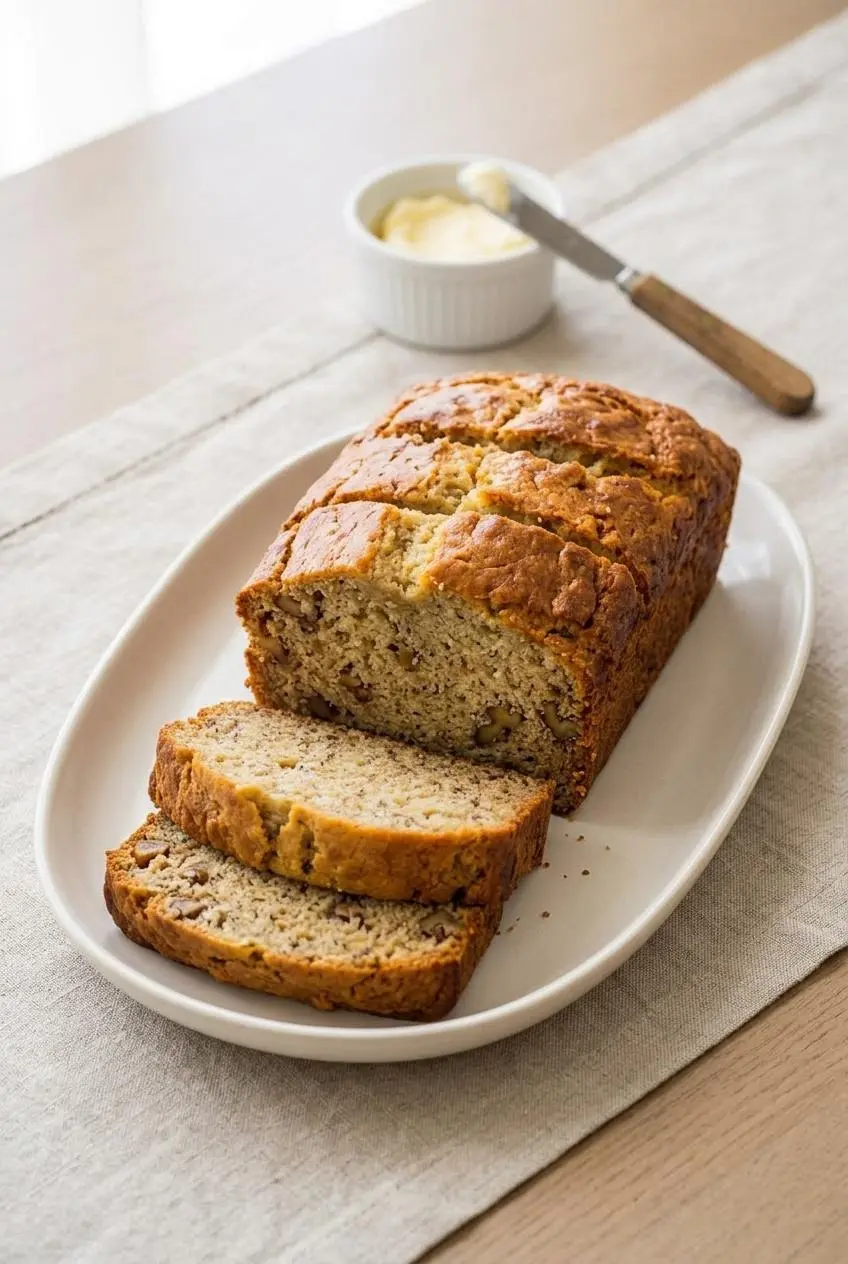
Prepare the pans before the batter comes together so the baking soda can do its work without delay. This formula makes two smaller loaves in 8 1/2 x 4 1/2-inch pans, which helps the centers bake through evenly.
- Heat the oven to 325 °F and generously grease two loaf pans measuring about 8 1/2 x 4 1/2 inches.
Cover the corners and upper sides well so the loaves release cleanly after baking. - Beat the softened butter with the white sugar in a large bowl until the mixture looks lighter in color and fluffy.
Properly creamed butter should look smooth rather than grainy and dense. - Mix in the eggs, then stir in the mashed bananas, sour cream, and vanilla extract until evenly blended.
The mixture will look creamy and loose with visible soft banana flecks. - Add the flour, salt, cinnamon, and baking soda, then fold gently only until the last flour streaks disappear.
The finished batter should be thick and spoonable, not beaten smooth or elastic. - Fold in the walnuts, if using, then divide the batter evenly between the prepared pans.
Level the tops lightly so both loaves bake at a similar pace. - Bake for 1 hour, checking the center with a toothpick before removing the pans from the oven.
The toothpick should come out clean, and the kitchen should smell of warm banana and caramelized sugar.
How to Line the Loaf Pan With a Parchment Sling
For especially easy removal, cut a wide strip of parchment long enough to cover the pan bottom and extend over both long sides. Grease the pan first, press in the parchment, then grease the exposed parchment lightly if desired.
The overhanging ends act as handles once the loaves have cooled enough to hold their shape. This approach is particularly helpful if you plan to wrap or slice the bread neatly.
Troubleshooting Common Banana Bread Issues
Banana bread is forgiving, but its high fruit moisture means small mixing and baking mistakes show up quickly. Use these fixes when the crumb turns dense, the center collapses, or the top browns before the middle is ready.
- Dense or rubbery crumb: Overmixing after the flour goes in develops too much gluten. Fold only until no dry flour remains, then stop.
- Dry, bland loaf: Firm bananas do not provide enough sweetness or moisture. Use heavily speckled, very soft bananas for a fuller flavor and softer crumb.
- Gummy bottom: The loaf likely needed more baking time or was cut while still very hot. Let it cool until the structure firms before slicing.
- Uneven loaves: Batter divided unevenly can cause one pan to finish sooner. Use a spoon to portion the batter gradually between both pans.
- Walnuts sinking: Fold them in gently at the end instead of stirring vigorously through a thin or overmixed batter.
Fixing a Sunken or Gummy Center
A sunken middle usually means the center had not set before the loaf came out of the oven. Opening the oven too early can also interrupt the rise, while extra baking soda can create a lofty structure that collapses as it cools.
Keep the ingredient measurements exact, avoid peeking early, and use a thin toothpick in the deepest part of the loaf. If it emerges with wet batter clinging to it, continue baking and check again rather than judging only by the browned top.
Tenting the Loaf to Prevent Over-Browning
Check the loaves around the 40-minute mark. If the tops have already turned a deep brown while the centers still need time, lay a loose sheet of foil over the pans without pressing it onto the batter.
The foil shields the crust from direct heat while the middle continues to bake. Keep it loose so air can circulate and the loaf can finish rising.
Delicious Mix-Ins and Variations
Keep the main batter unchanged, then choose one optional direction if you want a different texture or flavor. Add-ins work best when folded in with the lightest possible touch.
Chocolate Chip Additions
For a chocolate version, fold 1 cup of semi-sweet or dark chocolate chips into the batter along with the dry ingredients. The chips create soft melted pockets that contrast nicely with the lightly tangy banana crumb.
For a loaf built around that combination, try this chocolate chip banana bread. Use dark chips when you want a less sweet finish, or semi-sweet chips for a more classic bakery-style flavor.
Toasted Walnut and Pecan Options
The optional walnuts already fit beautifully here, but pecans work well too. Toast chopped nuts in a dry skillet over medium-low heat for 3 to 5 minutes, stirring often, until they smell nutty and look slightly darker.
Cool the nuts before folding them into the batter. Toasting deepens their flavor and helps them keep some crunch against the moist crumb.
Baking Sour Cream Banana Muffins
For muffins, line a standard 12-cup muffin pan with paper liners and bake at 350 °F for 18 to 22 minutes. The tops should spring back when lightly pressed, and a toothpick should come out clean.
This batter may make more than one pan depending on how full the cups are. Fill each liner evenly so the muffins bake at the same rate. Smaller mini loaf pans can also work, but begin checking them earlier because their centers set faster than full loaves.
Cinnamon Brown Sugar Ribbon
For a marbled cinnamon center, mix 2 tablespoons of brown sugar with 1 teaspoon of ground cinnamon. Spoon half the batter into the pans, scatter the cinnamon sugar over it, then cover with the remaining batter.
Run a butter knife through the batter in a few gentle curves. Avoid overworking the swirl, or the cinnamon mixture will disappear into the loaf instead of creating a distinct ribbon.
Storage and Gentle Reheating
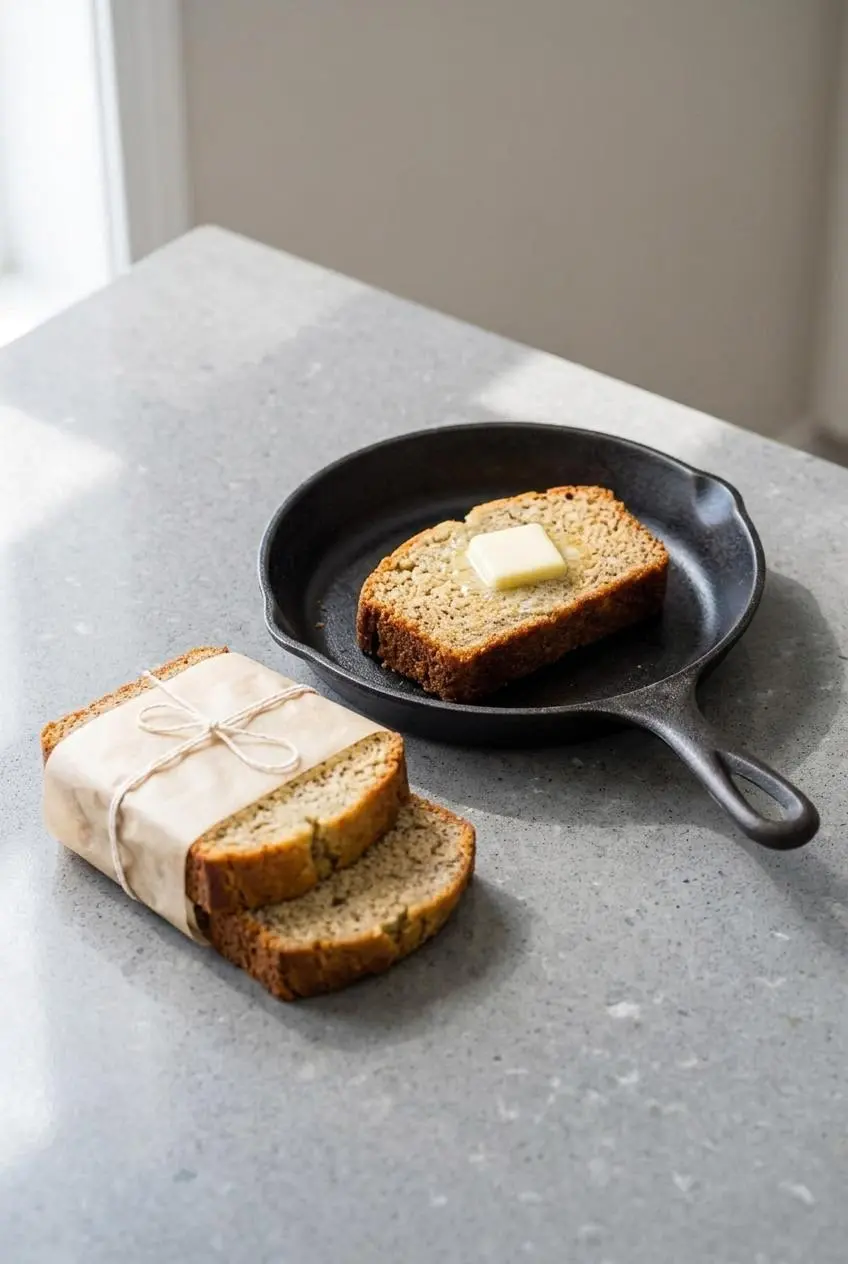
Cool the loaves completely on a wire rack before wrapping them. Trapped warmth creates condensation, which can soften the crust and make the crumb feel damp.
Keeping Loaves Fresh at Room Temperature
Wrap the cooled bread tightly in foil or keep it in an airtight container at room temperature, away from heat and humidity. Avoid refrigerating it when possible, since cold storage can make the crumb feel firmer and less tender.
If you have unused sour cream, keep it chilled at 40 °F or below and avoid leaving it out for extended periods, following safe handling for refrigerated dairy ingredients.
Wrapping and Gentle Reheating
For longer keeping, wrap cooled whole loaves or individual slices tightly in plastic wrap, followed by foil, to protect the crumb from drying out. Portioning slices first makes it easier to warm only what you plan to eat.
Warm a slice briefly in a toaster oven, or toast it on a dry griddle until the edges are lightly crisp. A little salted butter melts especially well into the warm banana crumb.
Conclusion
Sour cream gives this banana bread its soft, rich texture, while deeply ripe bananas and cinnamon deliver the familiar flavor people expect from a great homemade loaf.
Mix gently once the flour is added, bake until the center passes the toothpick test, and let the warm banana aroma tell you that a tender slice is close.
Frequently Asked Questions
What Does Sour Cream Do to Banana Bread?
Sour cream adds fat that keeps the crumb rich and tender. Its acidity also reacts with baking soda, helping the loaf rise while keeping the texture soft rather than tough.
Can I Use Greek Yogurt Instead of Sour Cream?
Yes. Use full-fat plain Greek yogurt in the same amount as the sour cream. It gives the batter similar tang, moisture, and thickness, though the flavor may be slightly more pronounced.
Why Did My Banana Bread Sink in the Middle?
The center may have been underbaked, the batter may have been overmixed, or the oven door may have been opened too early. Check the deepest part with a toothpick and leave the loaf in the oven if wet batter remains.
Can I Freeze Sour Cream Banana Bread?
No tested long-term freezing directions are included here. For the best texture, cool the loaf completely, wrap it tightly, and keep it protected from air and moisture until serving.
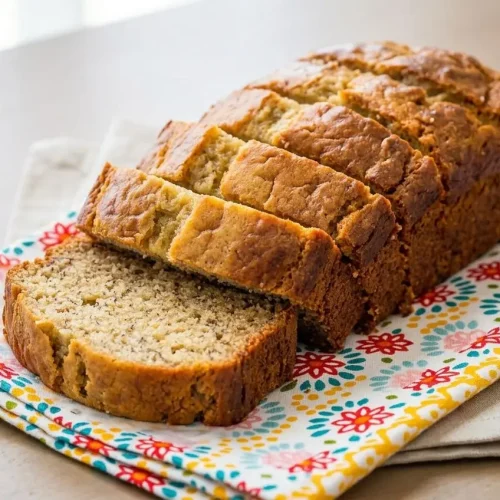
Sour Cream Banana Bread

Equipment
- two loaf pans approximately 8 1/2 x 4 1/2 inches in size
- large bowl
Ingredients
- 1/3 cup butter softened
- 1 1/4 cups white sugar
- 2 eggs
- 4 large very ripe bananas mashed
- 1 cup sour cream
- 1 tsp vanilla extract
- 2 1/2 cups all purpose flour (or white whole wheat)
- 1 tsp cinnamon
- 2 tsp baking soda
- 1/2 tsp salt
- 1 cup walnuts chopped optional
Instructions
- Heat the oven to 325 °F and generously grease two loaf pans measuring about 8 1/2 x 4 1/2 inches. Cover the corners and upper sides well so the loaves release cleanly after baking.
- Beat the softened butter with the white sugar in a large bowl until the mixture looks lighter in color and fluffy. Properly creamed butter should look smooth rather than grainy and dense.
- Mix in the eggs, then stir in the mashed bananas, sour cream, and vanilla extract until evenly blended. The mixture will look creamy and loose with visible soft banana flecks.
- Add the flour, salt, cinnamon, and baking soda, then fold gently only until the last flour streaks disappear. The finished batter should be thick and spoonable, not beaten smooth or elastic.
- Fold in the walnuts, if using, then divide the batter evenly between the prepared pans. Level the tops lightly so both loaves bake at a similar pace.
- Bake for 1 hour, checking the center with a toothpick before removing the pans from the oven. The toothpick should come out clean, and the kitchen should smell of warm banana and caramelized sugar.