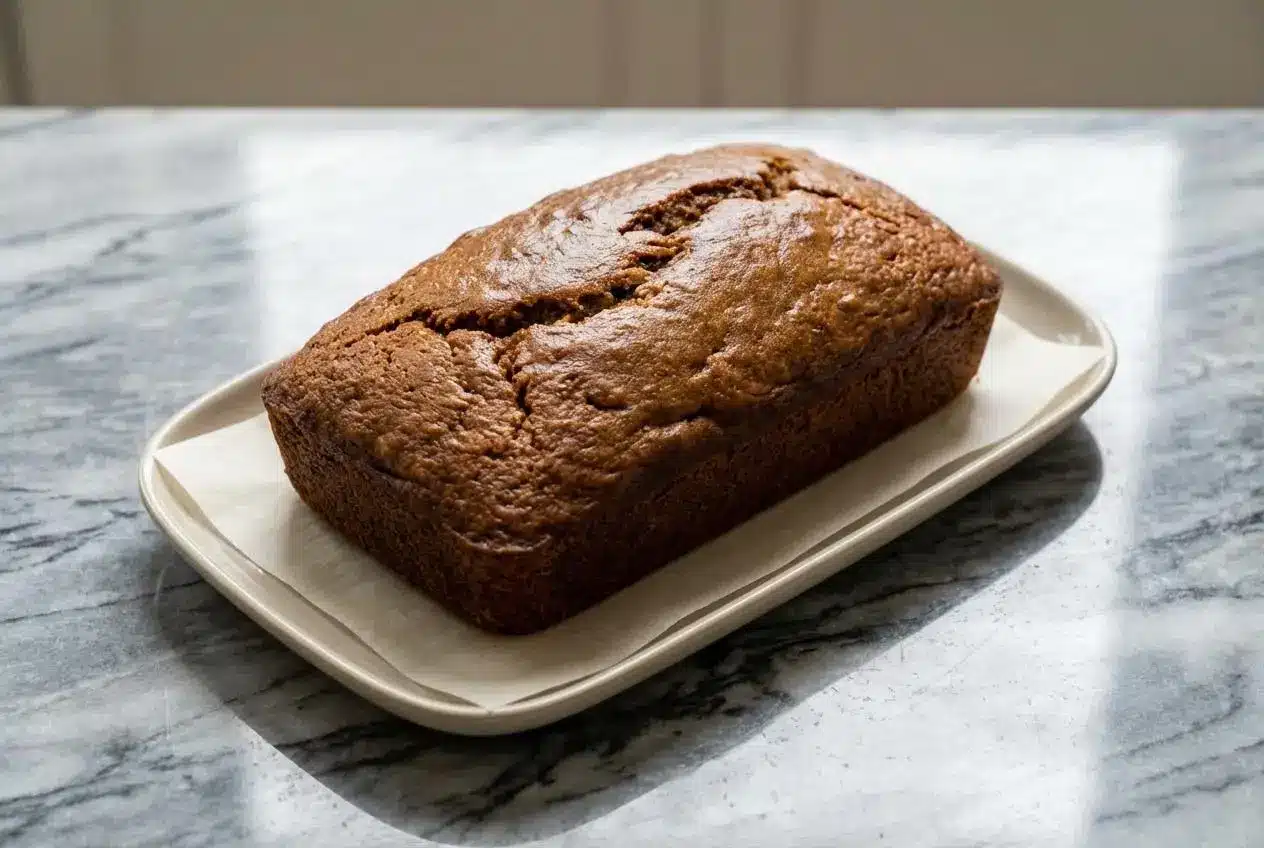
I have baked more disappointing “healthy” loaves than I care to admit, and the usual problem is always the same, dry, dense, and just a little sad. This protein banana bread recipe fixes that in the most satisfying way, giving you a loaf that feels like a treat but still works beautifully as a healthy breakfast or a post-workout snack.
What makes this one special in my kitchen is the balance of comfort and function. You get deep banana flavor, a tender crumb, and enough richness to make each slice feel bakery-worthy, without losing the high-protein baking appeal that makes it so useful during a busy week.
Why You’ll Love This Protein Banana Bread
Moist crumb, every time: I discovered early on that protein banana bread can go from soft to chalky in a hurry. This version stays tender and satisfying, with the kind of moist banana bread texture you actually want to come back to.
The secret twist: In my kitchen, swapping the oil for full-fat Greek yogurt and adding a little brown butter to the wet mixture creates a loaf with better richness, better aroma, and a more balanced bite. It brings depth without making the bread heavy.
Protein without the punishment: The protein powder adds substance and makes this a genuinely filling snack, but the ripe bananas keep the loaf sweet, flavorful, and soft. It tastes like real banana bread first, not like a compromise.
Beginner-friendly and forgiving: Even if you are new to quick breads, this method is easy to follow and dependable. A few small habits, like resting the batter and avoiding overmixing, make all the difference.
Ingredients and Substitutions
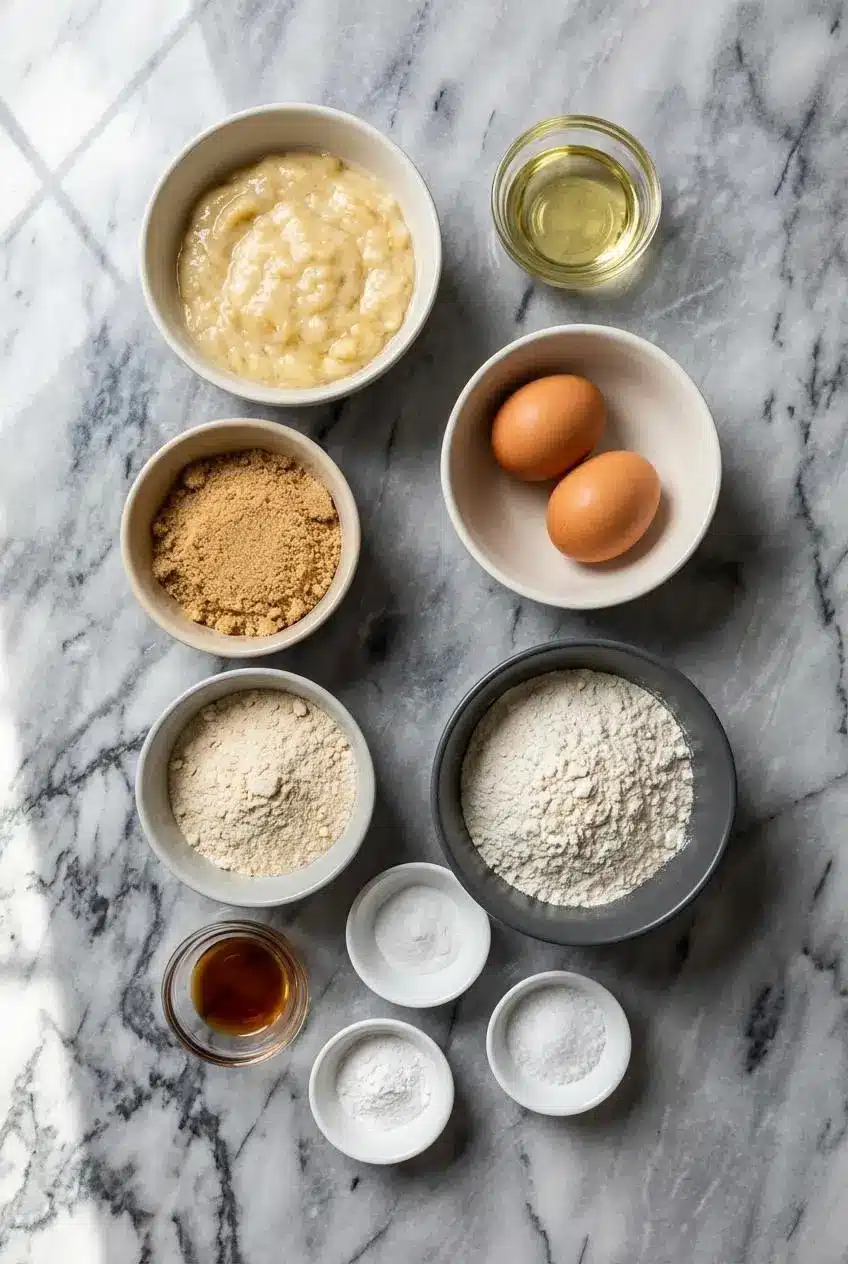
This loaf uses pantry basics, plus a scoop of protein powder, to create a soft, flavorful bread with plenty of banana character. For the most reliable results, I always recommend measuring carefully, especially with flour and protein powder.
Ingredients
- 2 Cups Mashed Bananas
- 1/2 Cup Vegetable Oil
- 2 Large Eggs
- 1 Cup Light Brown Sugar
- 1/2 Cup Protein Powder (Unsweetened)
- 1 1/2 Cups All Purpose Flour
- 1 Teaspoon Vanilla Extract
- 1 Teaspoon Baking Soda
- 1 Teaspoon Baking Powder
- 1 Teaspoon Salt
Ingredient Notes & Substitutions
Protein Powder: Unsweetened protein powder is the safest choice here because it lets you control the final sweetness. Whey protein usually gives a lighter texture, while plant-based protein can absorb more moisture and bake up a bit thicker, so the batter may need a spoonful more yogurt or milk if it looks overly stiff.
Flour: All-purpose flour gives the most dependable crumb for this protein banana bread recipe. Whole wheat flour works if you want more fiber, oat flour creates a softer and slightly more delicate loaf, and a 1:1 gluten-free baking blend is the easiest route for gluten-free banana bread, while almond flour may require more wet ingredients because it behaves very differently.
Sugar: Light brown sugar adds moisture and a gentle caramel note that pairs beautifully with ripe bananas. Coconut sugar is a nice alternative, and maple syrup can work too, though liquid sweeteners may loosen the batter and slightly change the final texture.
Greek Yogurt: For the moistest result, full-fat Greek yogurt is my favorite swap when I want extra richness and protein. Low-fat yogurt can still work, but the loaf tends to lose a little tenderness and that plush bakery-style crumb.
Bananas: Very ripe bananas are non-negotiable in my kitchen. The darker and spottier they are, the sweeter, softer, and more aromatic the loaf becomes.
Mix-Ins: If you like extra texture, fold in 1/2 cup of chocolate chips, chopped walnuts, or pecans. A pinch of cinnamon also plays beautifully with the banana and vanilla flavors.
How to Make Protein Banana Bread recipe
Prep the Oven and Base Ingredients
- Heat your oven to 325°F so it is fully preheated before the batter goes in. While the oven warms, mash the bananas thoroughly with a fork until they are mostly smooth with only a few soft lumps left, and lightly beat the eggs in a separate bowl.
- Get your bread pan ready before mixing the full batter. A nonstick loaf pan works best here, and having it set aside means you can transfer the batter right away once everything is combined.
Mix and Rest the Batter
- In a large mixing bowl, stir together the mashed bananas, vegetable oil, eggs, brown sugar, and unsweetened protein powder. Keep mixing until the batter looks evenly blended, glossy, and thick, with no dry pockets of powder hiding in the bowl.
- Let that mixture sit for at least 5 minutes before adding anything else. This short rest is one of the biggest secrets to a moist banana bread because the protein powder has time to soak up moisture now, instead of pulling it from the loaf later in the oven.
Finish the Batter and Bake
- Add the all-purpose flour, vanilla extract, baking soda, baking powder, and salt after the rest period. Stir just until the batter is fully mixed and thick, then stop as soon as everything looks incorporated so the loaf stays tender instead of tough.
- Spoon the finished batter into your nonstick bread pan and smooth the top so it bakes evenly. Slide it into the oven and bake at 325°F for 60 to 65 minutes, until the top is deeply golden and a toothpick inserted in the center comes out clean.
Cool and Set the Loaf
- Take the banana bread out of the oven and let it rest in the pan for 12 to 13 minutes. That brief cooling time helps the structure firm up so the loaf releases more cleanly.
- After 12 to 13 minutes, lift the loaf from the pan and move it to a wire rack. Let it cool completely for 1 to 2 hours before slicing, because warm protein breads are delicate and can crumble before the interior has fully set.
My Secrets for Perfectly Moist Protein Bread
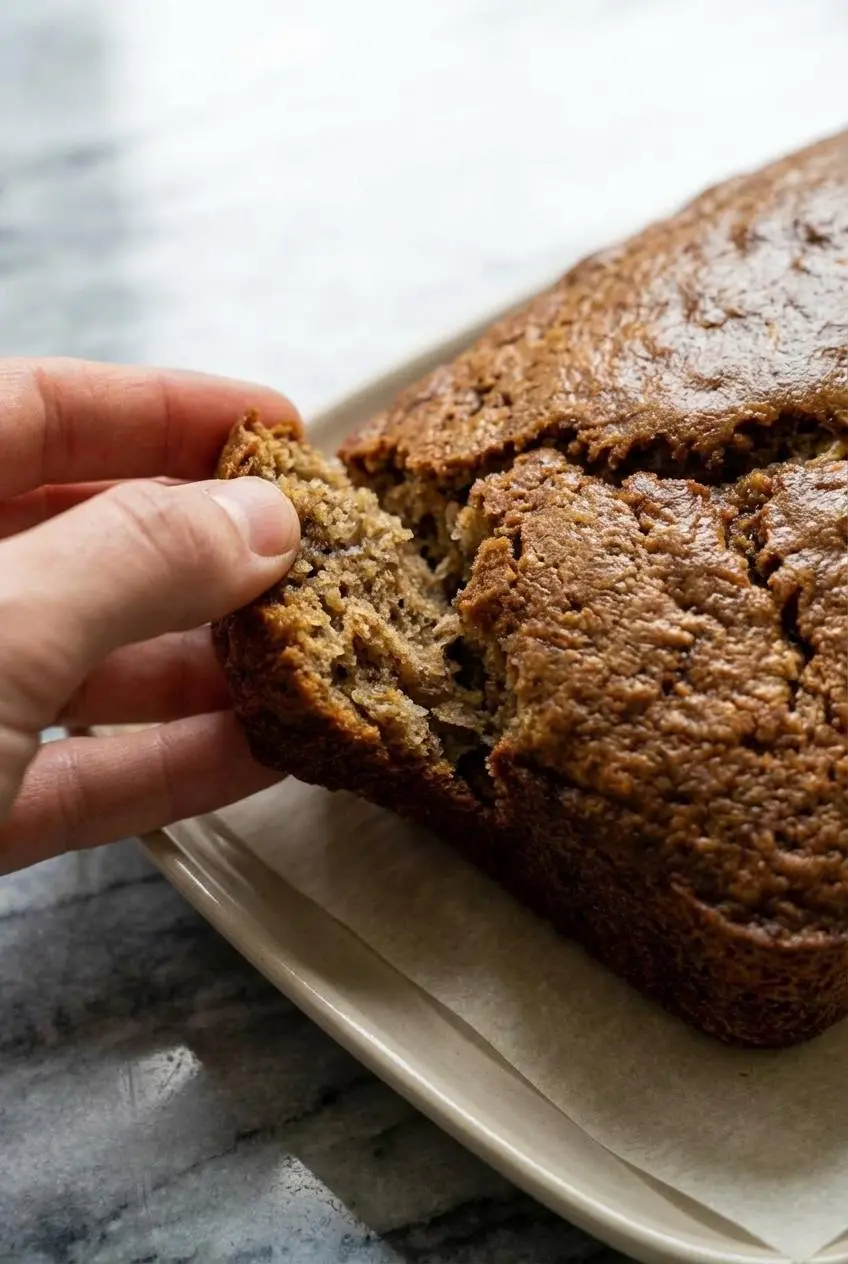
The batter rest is not a fussy extra step, it is the reason this loaf stays soft. Protein powder behaves like a sponge, and if you give it 5 to 10 minutes to hydrate before the flour goes in, it is far less likely to rob the bread of moisture during baking.
I also never trust banana count alone. Measuring mashed bananas by the cup gives you a consistent moisture level, and that is what keeps the crumb from turning dry one week and gummy the next.
Overripe bananas are your best friend here. If you have a few extra sitting on the counter, I often turn the rest into a creamy protein banana smoothie, because the same deeply speckled fruit that makes a great loaf also gives smoothies a sweeter, fuller flavor without needing much else.
The final secret is restraint. Once the flour is added, stir only until the streaks disappear, then let the oven do the rest while your kitchen fills with that unmistakable warm banana and vanilla aroma.
Choosing the Best Protein Powder for Baking
Whey protein is the easiest place to start if you want a lighter texture and a dependable rise. In my experience, whey concentrate tends to bake a touch softer than whey isolate, and that airy result is part of what makes recipes like these and even fluffy protein pancakes feel tender instead of heavy.
Casein protein absorbs more liquid and usually creates a denser batter. That can be helpful for moisture, but if the recipe is not balanced carefully, the finished loaf can feel too tight and a little rubbery.
Plant-based protein can absolutely work in banana bread, especially blends made from pea, soy, or brown rice protein. The main thing I notice is that many plant-based powders drink up more moisture and can leave a slightly grainier crumb, so a little extra yogurt or milk may help if the batter looks unusually thick.
Flavored vs. unflavored matters more than people think. Simple vanilla or unflavored powders tend to bake cleanly, while strongly flavored options can turn artificial once heated and can throw the sweetness off balance.
Your Baking Troubleshooting Guide
| Problem | Potential Cause | Solution |
|---|---|---|
| My bread is dry and crumbly. | Skipped the batter rest, used too much protein powder, or baked it too long. | Let the batter rest for 10 minutes, measure carefully, and start checking for doneness 5 minutes early. |
| My bread is gummy or dense. | Overmixed batter, underbaked center, or sliced before fully cooled. | Stir only until combined, bake until a toothpick comes out clean, and cool at least 2 hours before cutting. |
| My bread sank in the middle. | Opened the oven too early, underbaked the loaf, or used old baking soda or baking powder. | Keep the oven closed for the first 45 minutes, test the center well, and use fresh leavening. |
| My bread has a rubbery texture. | Too much protein powder was added. | Stick to the exact amount in the recipe and avoid adding an extra scoop. |
Adjusting for Your Pan
Glass loaf pans heat more slowly but hold heat longer, so reduce the oven temperature by 25°F and bake at 300°F, keeping an eye on the center as it finishes. Dark metal pans brown faster, which means the crust may color early, so I usually start checking them 5 to 10 minutes ahead of time.
If you would rather turn this into muffins, the batter adapts nicely. Bake about 12 muffins at 350°F for 20 to 25 minutes, until the tops feel springy and a tester comes out clean.
Pro Tips & Troubleshooting
Pro Tips
- Use a spatula or wooden spoon instead of an electric mixer so you do not overwork the batter.
- Let the wet mixture and protein powder rest for 5 to 10 minutes before adding the flour for a softer, moister loaf.
- Measure bananas by the cup rather than by count, because banana size varies more than most people expect.
- For the most consistent bake, weigh your flour and protein powder whenever possible.
- The loaf often tastes even better on day two, when the moisture has had time to settle evenly through the crumb.
Common Mistakes to Avoid
- Using sweetened protein powder, which can make the bread too sweet and leave an odd aftertaste after baking.
- Adding extra protein powder in hopes of boosting the nutrition, because it almost always makes the loaf dry and tough.
- Slicing while the bread is still warm, which causes crumbling and a gummy-looking center.
- Putting the loaf into an oven that is not fully preheated, which can affect rise and lead to a sunken middle.
Serving, Storing, and Freezing
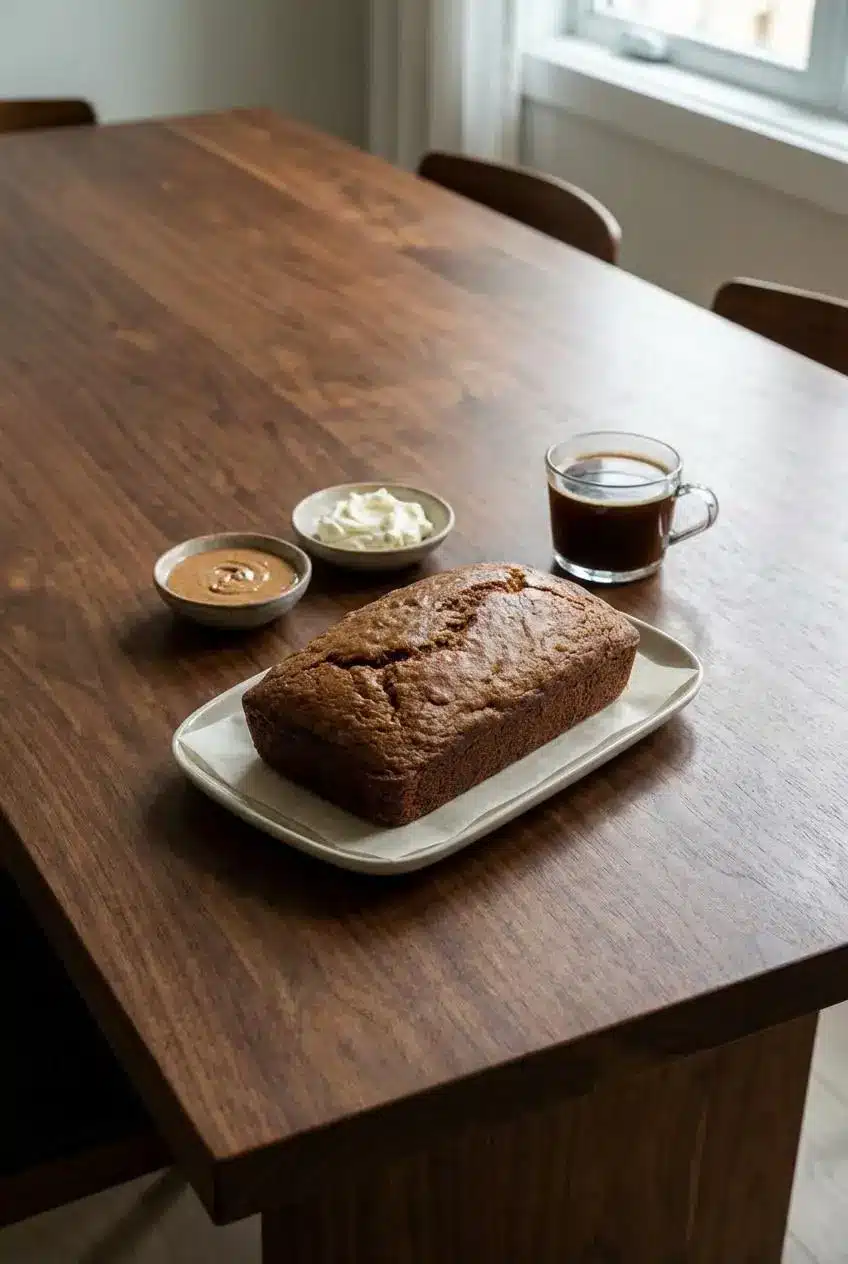
Serving Suggestions
A warm slice with almond butter, peanut butter, or cream cheese is hard to beat, especially with coffee in the morning. When I want something that feels a little more indulgent, I like to pair a lightly warmed slice with a scoop of high-protein ice cream, which turns this loaf into a surprisingly good dessert without losing its wholesome feel.
This bread also makes a great grab-and-go snack for busy afternoons. If you like having a few ready-made options around, I often keep slices of this loaf alongside a batch of no-bake protein balls, because both are easy to stash and even easier to reach for when you need something quick.
Storage and Freezing Instructions
Once the loaf is completely cool, keep it in an airtight container at room temperature for up to 3 days. If your kitchen runs warm, the refrigerator gives you a little more time, usually up to 1 week, though the bread will feel firmer when chilled.
For longer storage, freeze the whole loaf or slice it first for easier portions. Wrap it well in plastic wrap, then foil, and tuck it into a freezer-safe bag, where it will keep nicely for up to 3 months.
To serve from frozen, let slices thaw at room temperature or toast them straight from the freezer. A quick warm-up brings back the aroma and softens the crumb beautifully.
Moist Protein Banana Bread

Equipment
- Loaf pan
- Large Mixing Bowl
- Wire rack
Ingredients
- 2 Cups Mashed Bananas
- 1/2 Cup Vegetable Oil
- 2 Large Eggs
- 1 Cup Light Brown Sugar
- 1/2 Cup Protein Powder (Unsweetened)
- 1 1/2 Cups All Purpose Flour
- 1 Teaspoon Vanilla Extract
- 1 Teaspoon Baking Soda
- 1 Teaspoon Baking Powder
- 1 Teaspoon Salt
Instructions
Prep the Oven and Base Ingredients
- Preheat your oven to 325°F (163°C). Grease and flour a standard loaf pan. In a separate bowl, mash the bananas with a fork until mostly smooth.
Mix and Rest the Batter
- In a large mixing bowl, stir together the mashed bananas, vegetable oil, lightly beaten eggs, brown sugar, and unsweetened protein powder. Mix until the batter is evenly blended and glossy.
- Allow the mixture to rest for at least 5 minutes. This step is crucial for letting the protein powder hydrate, which ensures a moist final loaf.
Finish the Batter and Bake
- After the rest, add the all-purpose flour, vanilla extract, baking soda, baking powder, and salt to the bowl. Stir with a spatula just until the ingredients are combined and no dry streaks remain. Do not overmix.
- Pour the batter into your prepared loaf pan and smooth the top. Bake for 60-65 minutes, or until a toothpick inserted into the center comes out clean.
Cool and Set the Loaf
- Remove the banana bread from the oven and let it cool in the pan for 12-15 minutes. This helps the structure set.
- Carefully transfer the loaf to a wire rack to cool completely for at least 1-2 hours before slicing. Slicing while warm can cause the bread to crumble.
Notes
Nutrition
Conclusion
This is the kind of protein banana bread recipe that actually earns a regular spot in the kitchen, soft, flavorful, and genuinely satisfying. The combination of Greek yogurt and brown butter gives it the richness and moisture that so many high-protein loaves are missing.
Bake it once, and you will see how forgiving and versatile it is. Add walnuts, keep it classic, or tuck in a few chocolate chips and make it your own.
Frequently Asked Questions
How do I prevent my protein banana bread from being dry?
What type of protein powder is best for this recipe?
Can I make this protein banana bread gluten-free?
How should I store protein banana bread and can I freeze it?
Why is it important to let the batter rest?
Can I substitute the oil or sugar in this recipe?