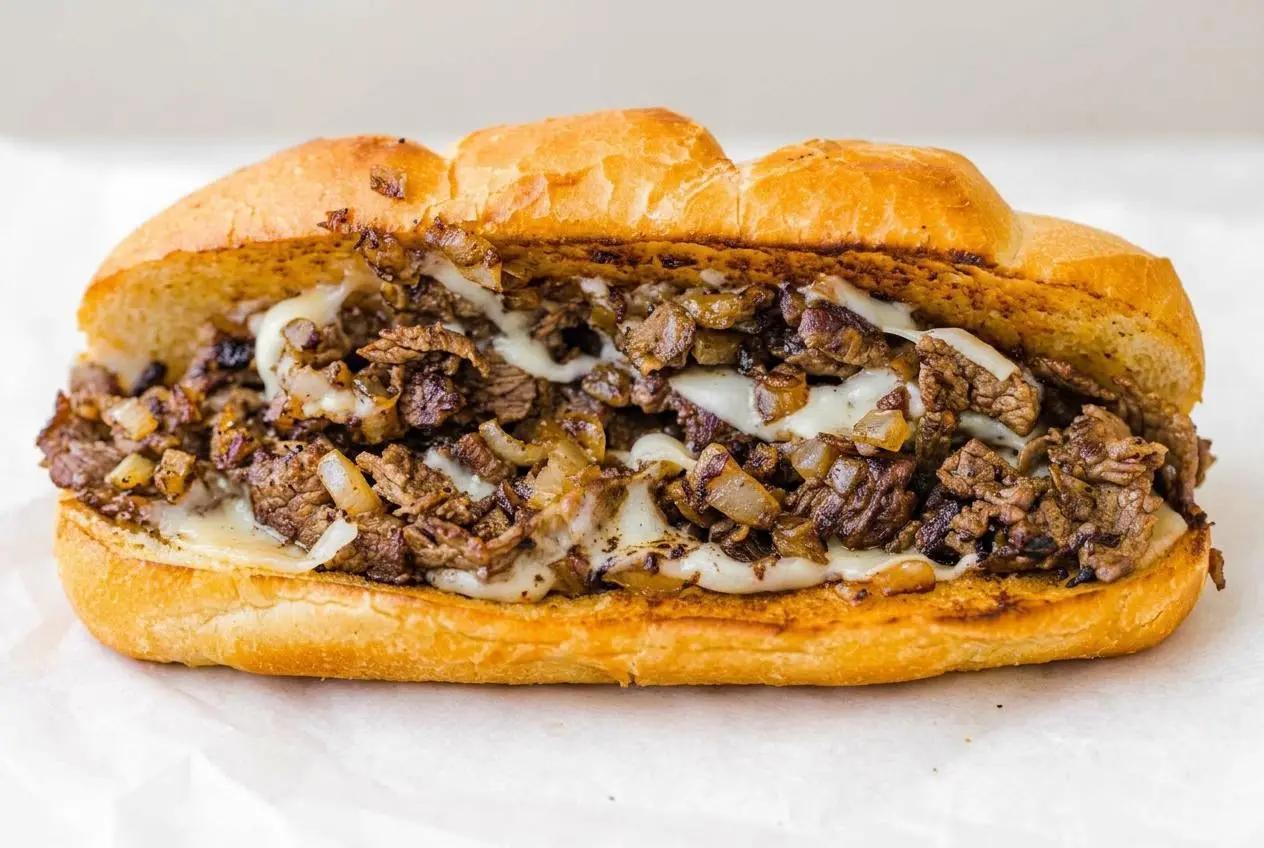
A classic Philly cheesesteak pairs thinly shaved ribeye, caramelized onions, melted cheese, and a soft toasted hoagie roll. The key is hot, fast cooking that browns the beef while keeping the sandwich juicy.
This philly cheesesteak recipe brings the griddle-shop experience to a skillet with sizzling steak, sweet golden onions, and cheese that melts right over the meat.
Garlic butter gives the rolls a crisp, fragrant barrier, while a thin swipe of mayo adds richness without making the bread heavy. That spatula flip is worth mastering.
Set out the rolls, cheese, and mayo before heating the pan so the hot steak can go straight into the sandwiches while the cheese is still melty.
Essential Ingredients for an Authentic Philly Cheesesteak
Great cheesesteaks rely on contrast: rich beef, gentle sweetness from onions, creamy cheese, and a roll sturdy enough to hold the juices without turning tough or soggy.
The Beef: Ribeye vs. Budget Cuts
Ribeye steak is the classic choice because its marbling renders quickly in a hot skillet. Those small streaks of fat keep the shaved beef tender and flavorful, even during a fast sear. Choose boneless ribeye with visible marbling and trim only any thick exterior fat that would stay chewy.
Top sirloin, petite sirloin, and flank steak can work as lower-cost alternatives, but they are leaner and less forgiving. Slice them especially thin across the grain, cook them in a single layer, and avoid leaving them on the heat longer than needed. A little oil in the pan helps the lean meat brown rather than dry out.
If you buy extra steak for another meal, a hearty steak salad is a fresh way to use it without repeating the same rich sandwich flavors.
The Cheese: Provolone, American, or Whiz
Mild provolone is the choice used here. It has a mellow dairy flavor that lets the ribeye and onions stay front and center, and it softens smoothly over the warm meat.
- Mild provolone: Creamy, lightly tangy, and balanced with caramelized onions.
- White American cheese: Very smooth and creamy, with a softer, richer melt.
- Cheez Whiz: A warm, diner-style option with a bold, salty cheese flavor and a silky texture.
Aged provolone is much sharper and can dominate the beef. Its stronger flavor and tendency to release oil make it a less reliable choice for this style of sandwich.
The Bread: Sourcing the Perfect Hoagie Roll
A proper hoagie roll should have a soft, pliable center and a light outer crust. Amoroso-style rolls are the Philadelphia benchmark, but any soft Italian hoagie roll with enough chew to cradle the filling works well. Skip hard baguettes, which fight the filling instead of folding around it.
Garlic butter toasting matters. It creates a lightly crisp interior that slows the steak juices from soaking through the bread, while still leaving the roll soft enough to bite cleanly.
How to Slice Beef Paper-Thin at Home
Thin shaving gives a cheesesteak its tender, chopped-griddle texture. Place the trimmed ribeye in the freezer for 20 to 30 minutes, just until it feels firm under your fingers but is not frozen solid.
Use a sharp chef’s knife and slice across the grain in very thin ribbons. Cutting against the grain shortens the muscle fibers, so each bite stays tender instead of stringy. Keep your fingertips curled back and steady the meat with your non-cutting hand.
After slicing, gather the ribbons into a loose pile and give them a coarse chop. The pieces should still look like shaved steak, not ground beef. This quick chop helps the meat cook evenly and makes it easier to scoop into the roll.
Ingredients
Each ingredient builds the sandwich’s balance: ribeye supplies richness, onions bring sweetness, provolone creates a creamy melt, and garlic butter and mayo protect the roll while adding savory depth.
- 1 lb Ribeye steak, trimmed and thinly sliced
- 1/2 tsp Sea salt, or to taste
- 1/2 tsp Black pepper, or to taste
- 1 sweet onion, (large), diced
- 8 slices provolone cheese, mild (not aged provolone)
- 4 Hoagie Rolls, sliced 3/4 through
- 2 Tbsp unsalted butter, softened
- 1 garlic clove, pressed
- 2-4 Tbsp mayonnaise, or to taste
The sweet onion becomes golden and jammy in the pan, balancing the savory beef. Mild provolone melts into the chopped steak, while garlic butter adds aroma and toasted structure. Mayo brings a cool richness that helps the roll stay pleasantly tender.
I look for rolls that compress easily when pressed, then spring back, since that soft structure holds the filling far better than crusty bread.
How to Make Philly Cheesesteaks
Keep the onion, beef, cheese, and toasted rolls moving in a clear order. Once the skillet reaches high heat, the final cooking and assembly go quickly.
- Use a serrated knife to cut each hoagie roll about three-quarters of the way through, then dice the onion and prepare the thinly sliced ribeye.
The roll should remain connected along one side, creating a pocket that holds the filling. - Mix the softened butter and pressed garlic in a small bowl, then spread it over the cut surfaces of the rolls and toast them on a large skillet, flat cooktop, or griddle over medium heat.
Remove the rolls when the cut sides are golden and smell buttery and garlicky. - Add 1 Tbsp oil to the cooking surface and cook the diced onion with a light sprinkle of salt, stirring as it softens and turns translucent.
Transfer the onion to a bowl once it is golden-amber and sweet smelling. - Raise the heat to high, add 1 Tbsp oil, and arrange the shaved ribeye in an even layer without crowding it.
Leave it untouched for a couple of minutes until the underside browns, then turn it, season with the salt and pepper, cook through, and fold in the onions. - Separate the beef mixture into 4 portions, place 2 slices of provolone over each portion, and turn off the heat.
The residual heat should soften the cheese over the meat without continuing to cook the ribeye aggressively. - Spread mayonnaise over the toasted side of each roll, set one roll over a portion of cheesy steak, and use a spatula to turn the filling up into the bun.
Scrape firmly so the melted cheese and browned bits land inside the roll rather than staying on the skillet.
Pro Tips for Searing, Melting, and Assembly
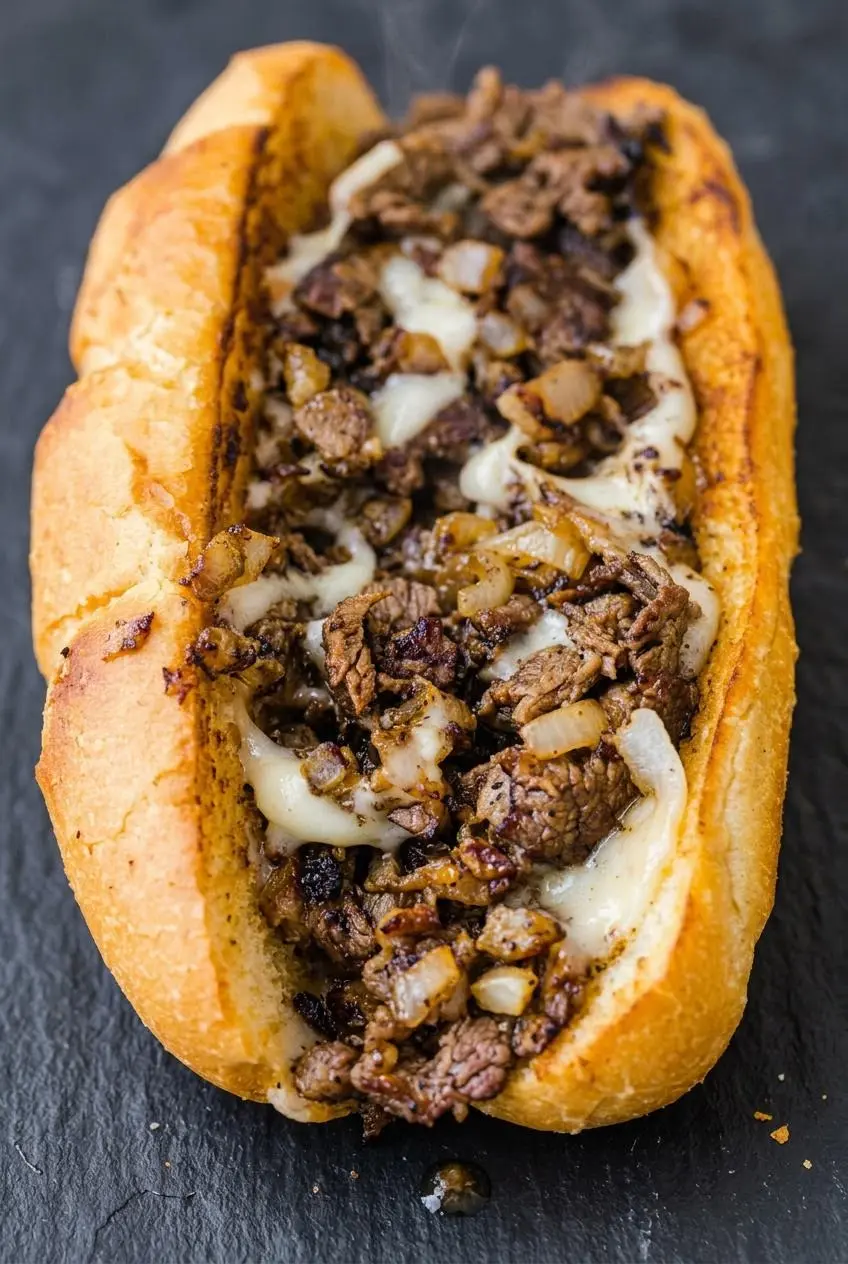
A hot skillet gives shaved steak its savory browned edges, but the pan needs breathing room. These details prevent the most common cheesesteak disappointments.
- Watery beef: The pan was likely crowded. Cook the steak in batches if needed so moisture can evaporate and the meat can sear.
- Pale onions: Give them time before turning up the heat. They should look translucent, then golden-amber, rather than merely softened.
- Tough steak: The slices were probably too thick or cut with the grain. Chill the ribeye until firm and shave it thinly across the grain.
- Greasy cheese: Use mild provolone or American cheese and let residual heat do the melting. High direct heat can make cheese separate.
- Soggy rolls: Toast the garlic-buttered cut sides until golden before adding mayo and filling them.
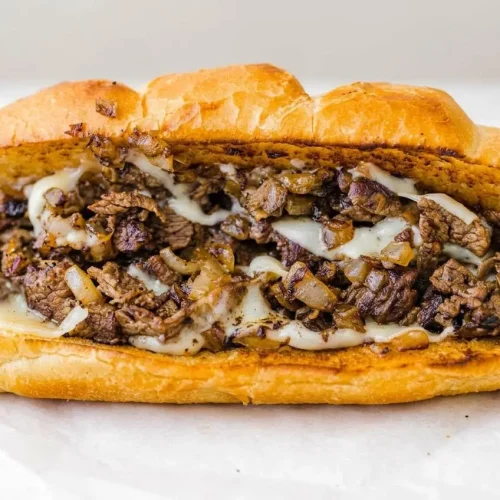
For a clean assembly, lay the roll over the cheese-topped portion and slide the spatula under the meat in one confident motion. The roll catches the cheese, steak, onions, and flavorful pan juices in the same flip.
Popular Cheesesteak Variations and Add-Ins
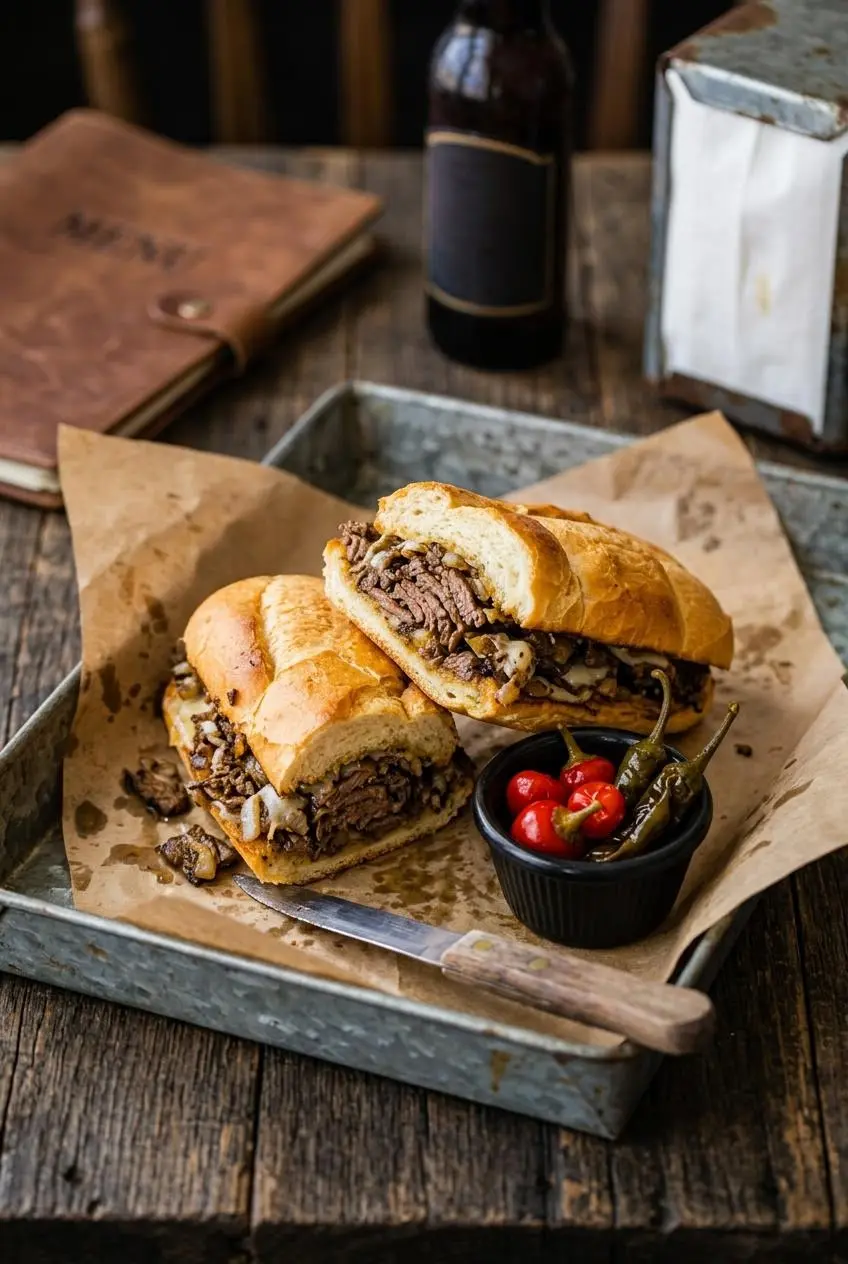
The classic Philadelphia-style combination is steak, onions, cheese, and a soft roll. These optional additions take the sandwich in other tasty directions without changing the core method.
Peppers, Onions, and Mushrooms Style
Green bell peppers and sliced mushrooms create a popular Western-style version. Sauté them separately until their moisture has cooked away, then add them to the finished steak and onions. Starting them in the same crowded pan as the beef can create steam and soften the roll.
For a different comfort-food format, turn those familiar flavors into creamy cheesesteak pasta for a cozy skillet dinner.
Budget-Friendly Sirloin Adaptation
Top sirloin or petite sirloin can replace ribeye when you want a leaner, more economical option. Chill it until firm, shave it thinly, and sear it quickly. Because it has less marbling, a little butter or oil in the pan helps preserve a tender texture.
Flank steak is another workable choice when sliced very thin across the grain, though it has a beefier chew than ribeye. Keep the pieces small and avoid overcooking them.
Spicy Long Hots and Cherry Peppers
Serve sliced hot cherry peppers or roasted Italian long hots alongside the sandwiches for bright acidity and heat. Add them at the table so each sandwich stays true to its preferred level of spice.
For game-day finger food using the same flavor direction, try crispy cheesesteak egg rolls as an optional appetizer.
Storage and Reheating Guide
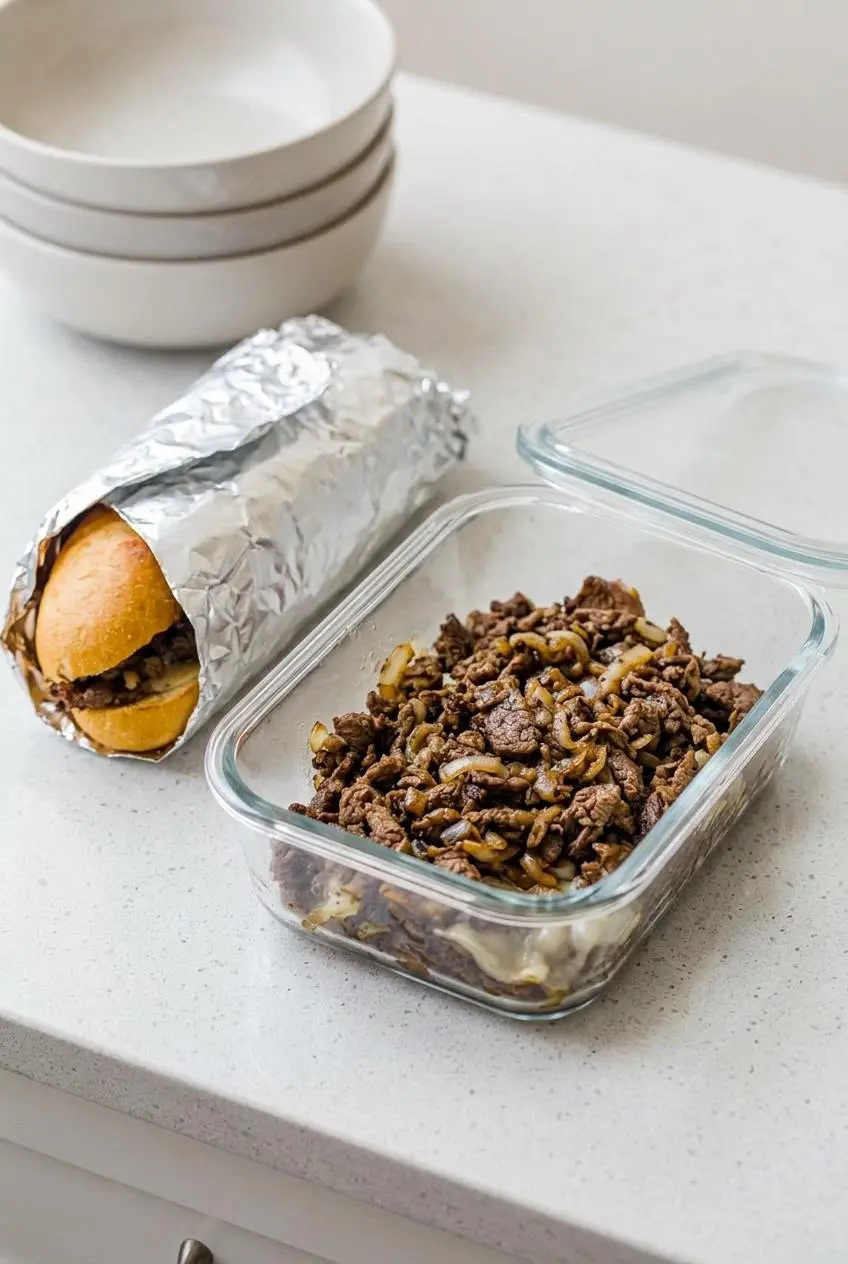
For the best texture, keep cooked steak and onions separate from the rolls whenever possible. Let the filling cool, transfer it to a covered container, and keep it chilled. Store cheese wrapped tightly so it does not dry out or pick up refrigerator odors.
Reheat the filling in a hot skillet until warmed through, then build fresh sandwiches with newly toasted rolls. For an already assembled sandwich, wrap it snugly in foil and warm it in a low oven until the center is hot. Avoid high-power microwave reheating, which can leave the bread rubbery and the beef unevenly heated.
If you want to get ahead before dinner, slice the beef, dice the onion, mix the garlic butter, and keep the components chilled separately until it is time to cook. Toast the rolls and melt the cheese only when you are ready to serve.
Conclusion
A homemade cheesesteak comes down to a few smart choices: shave the ribeye thin, cook the onions until golden, and give the beef enough space to brown in a hot pan.
Toast the rolls, melt the cheese over portioned steak, and scoop every last cheesy bit into the bun. Serve it warm while the bread still has its crisp edge.
Frequently Asked Questions
What Is the Best Cut of Meat for a Philly Cheesesteak?
Boneless ribeye is the top choice because its marbling keeps the thin slices juicy and tender during high-heat cooking. Top sirloin or petite sirloin makes a solid budget option. Slice it paper-thin across the grain and cook it quickly so it stays tender.
Which Cheese Is Most Authentic on a Philly Cheesesteak?
Mild provolone, white American cheese, and Cheez Whiz are all familiar Philadelphia-style choices. Mild provolone has a balanced flavor, American melts extra-creamy, and Cheez Whiz gives the sandwich a richer diner-style finish. Avoid aged provolone if you want the beef to remain the main flavor.
How Do You Slice Steak Thinly Without a Commercial Slicer?
Chill the trimmed steak in the freezer for 20 to 30 minutes until firm but still sliceable. Do not let it freeze solid. Use a sharp chef’s knife to cut paper-thin slices across the grain, then give the ribbons a rough chop for an easy-to-scoop filling.
How Do You Reheat a Leftover Philly Cheesesteak Without Making It Soggy?
Keep the filling and rolls separate when possible. Reheat the steak and onions in a hot skillet, then toast a fresh roll and assemble the sandwich. For an assembled sandwich, wrap it in foil and warm it gently in the oven until hot. Skip high-power microwave reheating to protect the bread texture.
Do Authentic Philly Cheesesteaks Have Bell Peppers and Mushrooms?
Traditional Philadelphia-style cheesesteaks center on beef, onions, cheese, and a soft hoagie roll. Bell peppers and mushrooms are popular additions in many home kitchens and restaurants, especially in Western-style versions. Cook them separately first so their moisture does not dilute the beef’s browned flavor.
Philly Cheesesteak Recipe

Equipment
- Serrated Knife
- Large skillet, flat cooktop or griddle
- Spatula
Ingredients
- 1 lb Ribeye steak trimmed and thinly sliced
- 1/2 tsp Sea salt or to taste
- 1/2 tsp Black pepper or to taste
- 1 sweet onion (large), diced
- 8 slices provolone cheese mild (not aged provolone)
- 4 Hoagie Rolls sliced 3/4 through
- 2 Tbsp unsalted butter softened
- 1 garlic clove pressed
- 2-4 Tbsp mayonnaise or to taste
Instructions
- Use a serrated knife to cut each hoagie roll about three-quarters of the way through, then dice the onion and prepare the thinly sliced ribeye. The roll should remain connected along one side, creating a pocket that holds the filling.
- Mix the softened butter and pressed garlic in a small bowl, then spread it over the cut surfaces of the rolls and toast them on a large skillet, flat cooktop, or griddle over medium heat. Remove the rolls when the cut sides are golden and smell buttery and garlicky.
- Add 1 Tbsp oil to the cooking surface and cook the diced onion with a light sprinkle of salt, stirring as it softens and turns translucent. Transfer the onion to a bowl once it is golden-amber and sweet smelling.
- Raise the heat to high, add 1 Tbsp oil, and arrange the shaved ribeye in an even layer without crowding it. Leave it untouched for a couple of minutes until the underside browns, then turn it, season with the salt and pepper, cook through, and fold in the onions.
- Separate the beef mixture into 4 portions, place 2 slices of provolone over each portion, and turn off the heat. The residual heat should soften the cheese over the meat without continuing to cook the ribeye aggressively.
- Spread mayonnaise over the toasted side of each roll, set one roll over a portion of cheesy steak, and use a spatula to turn the filling up into the bun. Scrape firmly so the melted cheese and browned bits land inside the roll rather than staying on the skillet.