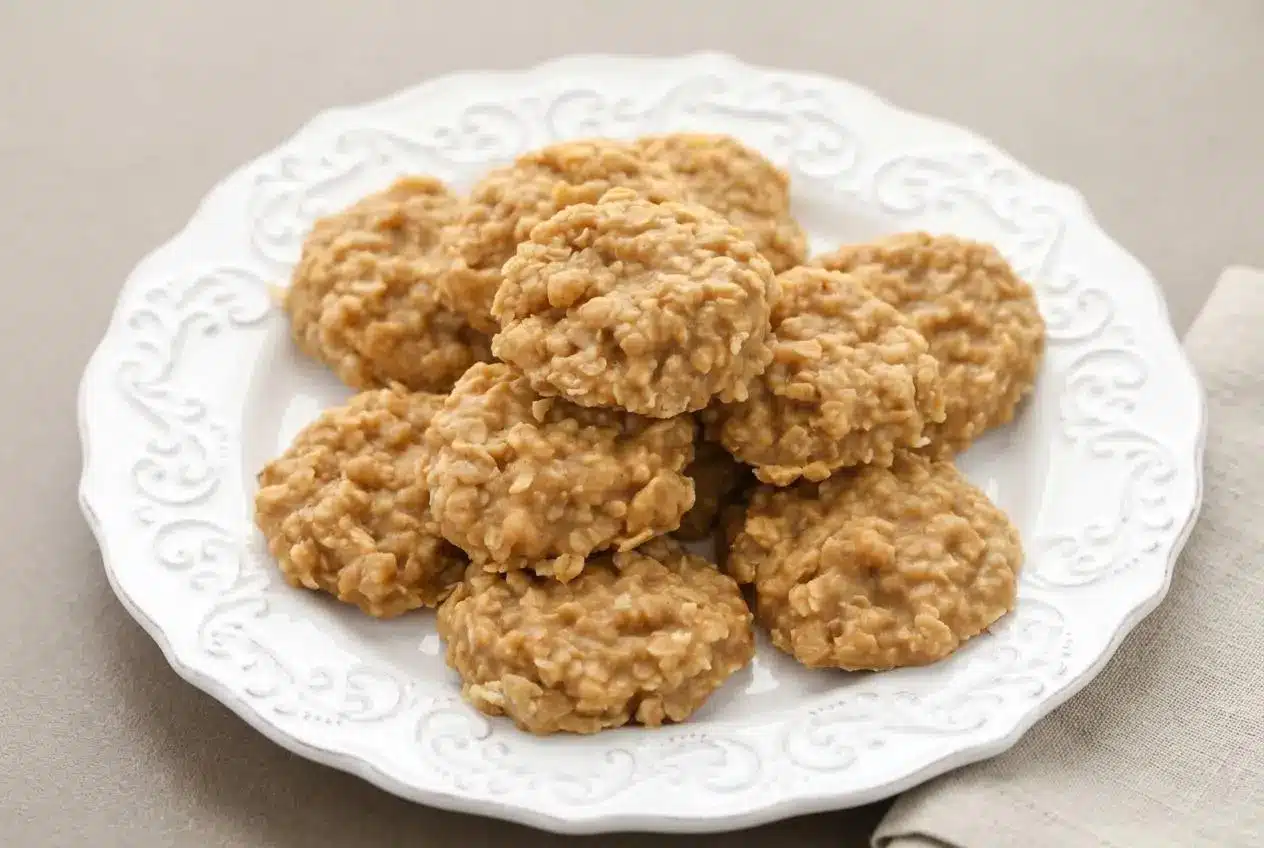
Peanut butter no bake cookies are stovetop oat cookies made by boiling butter, sugar, and milk for 60 seconds, then stirring in peanut butter, vanilla, and quick oats before letting them set.
These cookies fill the kitchen with a warm, sweet peanut aroma and cool into fudgy little mounds with a satisfying chew. The key is treating that brief boil as the structure-building step, not a suggestion.
Once the oats are coated, work promptly while the mixture is glossy and warm. The matte finish comes later.
Set out the parchment and cookie scoop before turning on the burner, because the finished oat mixture thickens quickly once the peanut butter goes in.
Key Ingredients and Why They Work
Each ingredient contributes to the cookies’ rich peanut flavor, chewy structure, smooth texture, or dependable set.
- 1/2 cup (115 grams) unsalted butter (cut into pieces)
- 1 and 3/4 cups (350 grams) granulated sugar
- 1/2 cup (120 ml) milk
- 3/4 cup (190 grams) creamy peanut butter
- 1 teaspoon pure vanilla extract
- 3 and 1/4 cups (325 grams) quick-cooking oats
Butter adds richness and helps the cookies feel fudgy rather than stiff. Granulated sugar and milk form the hot syrup that binds everything together after it reaches a proper rolling boil. The sugar concentration changes during that minute of boiling, allowing the cookies to firm as they cool.
Use conventional creamy peanut butter for the most consistent texture. Its smooth, stable blend mixes evenly into the syrup and helps the cookies set. Natural peanut butter can separate into oil and solids, which can leave the finished cookies greasy, soft, or uneven.
Quick-cooking oats are cut more finely than old-fashioned rolled oats, so they absorb the warm syrup quickly and create a uniform chew. Whole rolled oats can feel more rugged and may not hydrate evenly unless you pulse them briefly first.
Vanilla rounds out the sweetness and keeps the peanut flavor from tasting flat. Unsalted butter gives you a clean flavor base without pushing the cookies toward salty.
I reach for a standard creamy peanut butter here because its consistency keeps the warm mixture smooth and makes scooping much less stressful.
Step-by-Step Preparation and Boiling Technique
The 60-second rolling boil determines whether these cookies set into chewy mounds or stay soft and sticky. Start the timer only when vigorous bubbles cover the entire surface of the saucepan, including the center.
- Measure the ingredients, line large baking sheets with parchment paper, and keep them within reach before heating the saucepan.
The mixture thickens fast after the oats are added, so the prepared pans should be ready before the syrup boils. - Combine the butter, sugar, and milk in a large saucepan over medium heat, stirring often until the butter melts and the mixture looks smooth.
Wait for strong, active bubbling across the full surface, not just small bubbles around the edges. - Once the mixture reaches a full rolling boil, stop stirring and boil it for 60 seconds.
Use a timer, because starting too soon leaves excess moisture behind and boiling longer can make the cookies dry. - Take the saucepan off the heat and stir in the peanut butter and vanilla until the mixture is fully smooth.
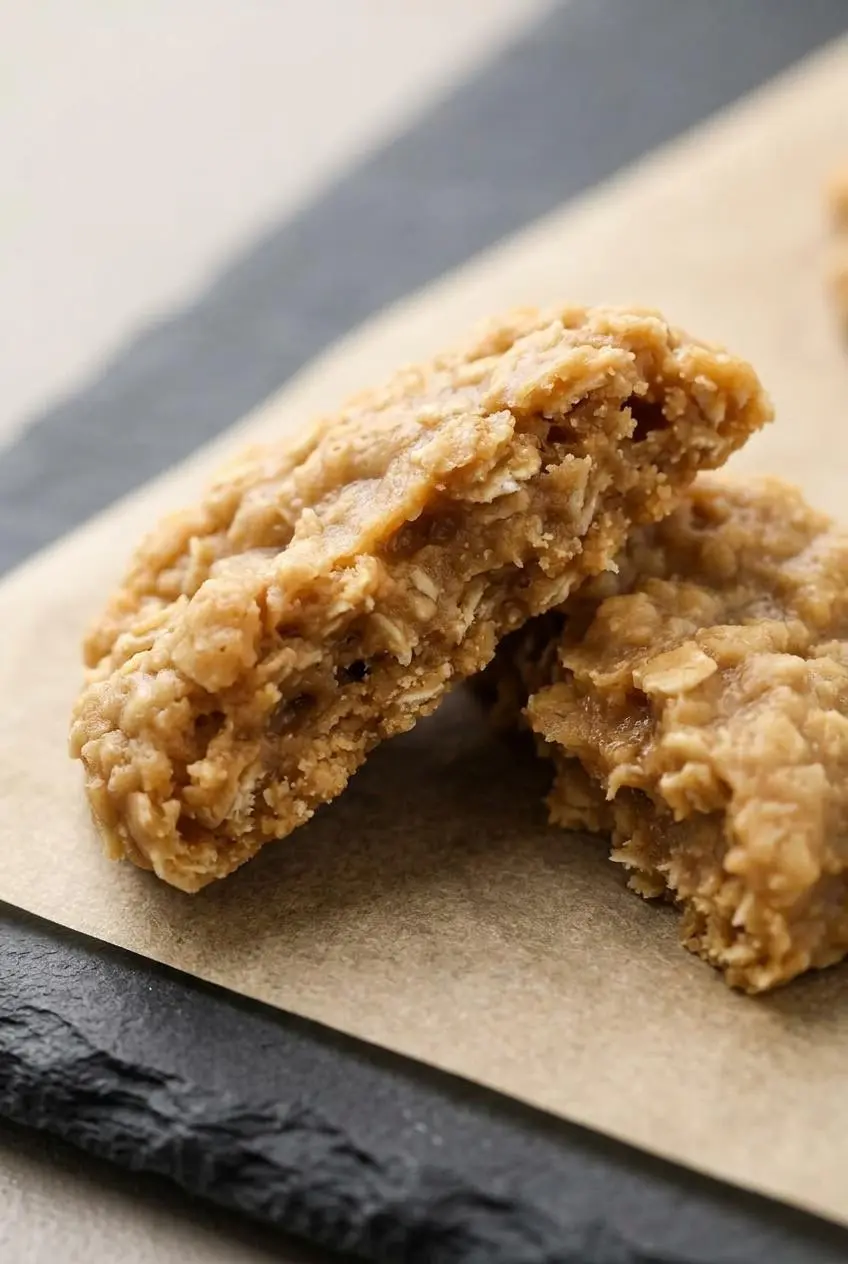
The syrup will thicken noticeably and smell strongly of warm peanut butter. - Fold in the quick-cooking oats until every oat is coated, then scoop mounds onto the parchment-lined baking sheets and gently flatten them if desired.
The oats should look glossy while warm, then turn matte as the cookies cool and firm. - Let the cookies cool for 45 minutes to 1 hour before serving.
They should feel set on the outside and continue to firm as they stand.
Keep the heat at medium during the lead-up to the boil. A fast blast of high heat can scorch the sugar near the bottom before the butter and milk have fully combined. Stirring before the boil keeps the syrup even, while leaving it alone during the timed boil lets the bubbling happen consistently.
If you use a cookie scoop, a 1.5 tablespoon scoop creates tidy portions. A spoon works well too, though the cookies may look more rustic, which is hardly a dessert emergency.
Troubleshooting Common No-Bake Cookie Problems
Most no-bake cookie mishaps come down to the boil, the peanut butter, or the cooling environment. These fixes can help you identify what went wrong without guessing.
- Soft cookies that will not set: The syrup likely did not reach a full rolling boil before the 60-second timer began. Leave the cookies on their parchment, then chill the tray to help the butter and peanut butter firm while you serve them cold.
- Shiny, sticky tops after cooling: Under-boiling leaves more moisture in the syrup, slowing the set. Chilling can improve the texture, though the cookies may remain softer than a correctly boiled batch.
- Dry, crumbly cookies: Boiling beyond 60 seconds drives off too much moisture. For the next batch, begin timing only after bubbles cover the center of the pan and remove it from the heat as soon as the minute ends.
- Oats that seem poorly coated: Stir the peanut butter and vanilla smooth before adding the oats. Then fold steadily until the syrup reaches every oat rather than stirring only around the edges.
- Slow setting on a humid day: Damp air can make cooling feel sluggish. Keep the cookies uncovered on parchment until their surface loses its shine, then refrigerate if you prefer a firmer bite.
A properly cooked mixture changes quickly after the peanut butter goes in. It should look thick but still scoopable, with oats suspended in a shiny coating. If it becomes dry and difficult to portion almost immediately, the syrup likely cooked too long.
Storage and Texture Guidance
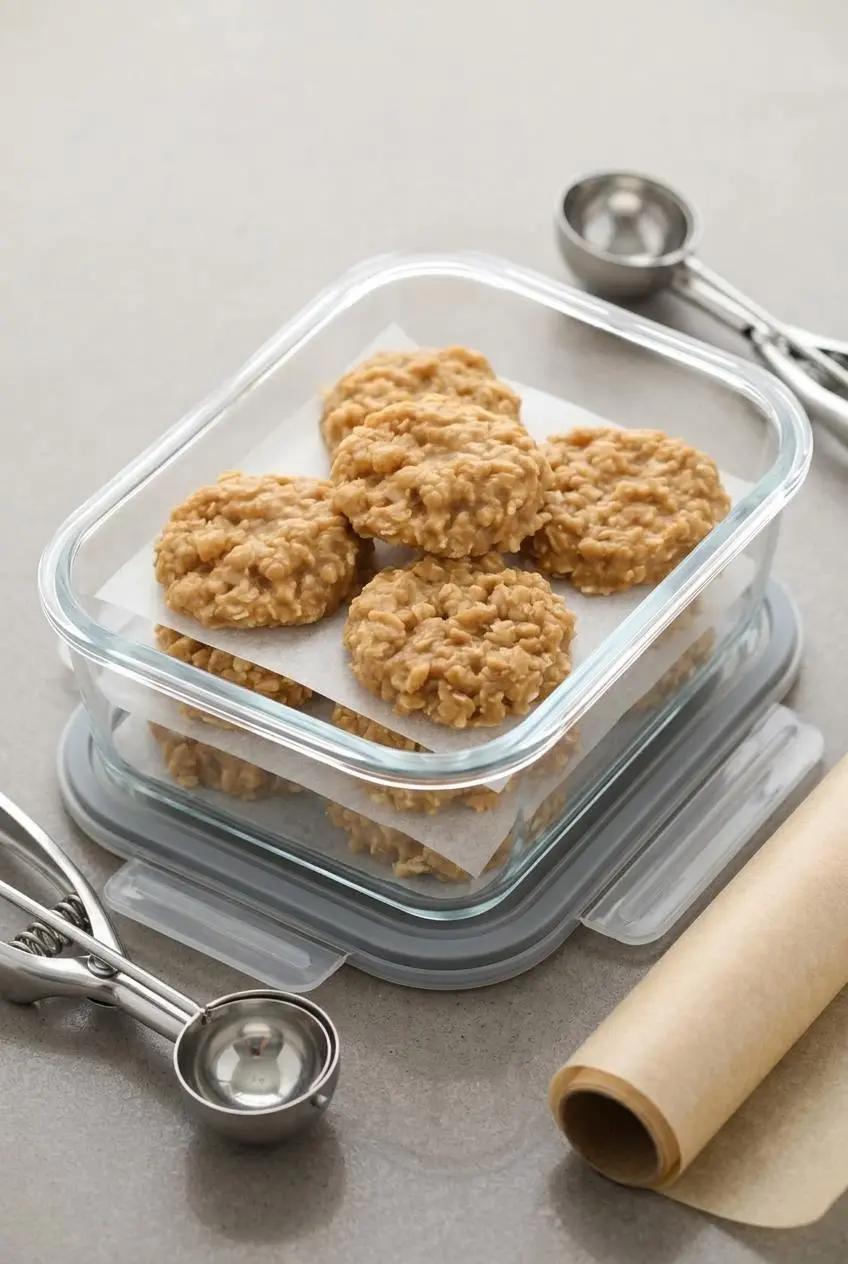
Let the cookies cool completely before transferring them to an airtight container. Store them in a single layer when possible, or separate layers with parchment so their surfaces do not stick together.
They hold their softer, chewier texture at room temperature in a covered container. For a denser, fudge-like bite, refrigerate them and serve them chilled. That cold, firm texture is especially appealing if you enjoy fudgy peanut butter bars.
Keep the container away from heat and humidity, which can make the cookies tacky. If condensation forms after chilling, let the cookies sit uncovered briefly before closing the container again so excess moisture does not collect on their tops.
Popular Recipe Variations
Keep the main method intact, then make one optional change at a time so the texture stays easy to manage.
Chocolate Peanut Butter Variation
For chocolate peanut butter no-bakes, whisk 1/3 cup unsweetened cocoa powder into the sugar, butter, and milk before heating. Continue with the same method and keep the rolling-boil time at exactly 60 seconds. Cocoa adds a deeper, bittersweet edge that balances the sweet peanut flavor.
For another baked chocolate-and-peanut combination, try these peanut butter chocolate cookies.
Brown Sugar and Sea Salt Variation
- Replace half of the granulated sugar with packed brown sugar for a darker color and gentle caramel flavor. The cookies may taste richer while staying firmly in the peanut butter lane.
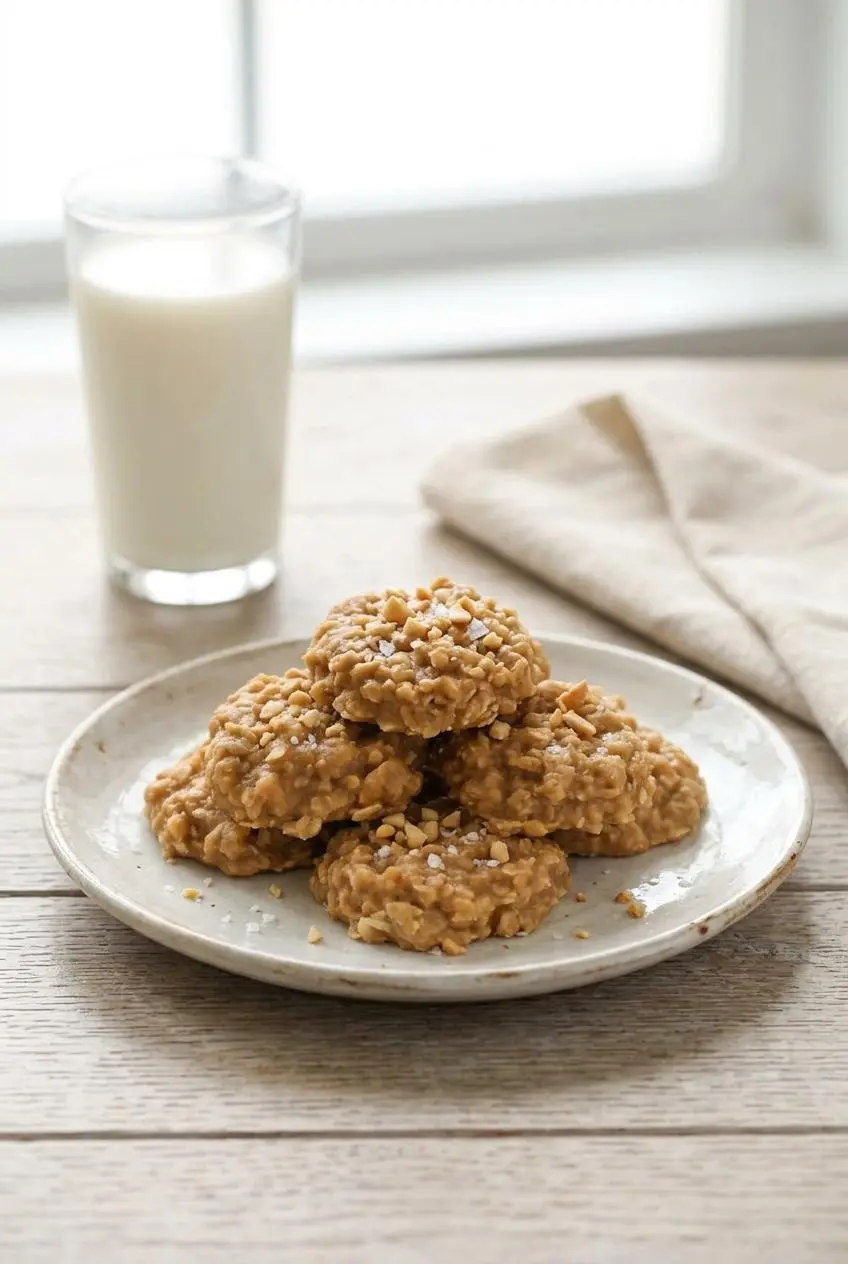
- Sprinkle flaky sea salt over the warm scoops for a sweet-salty finish. Add it right after scooping so it adheres before the surface turns matte.
- Scatter 2 tablespoons finely chopped toasted peanuts over the warm mounds for extra crunch and a more pronounced roasted-peanut flavor.
- For a crunchy contrast, add finely crushed pretzels as an optional topping after scooping. Keep the pieces small so they cling to the warm surface instead of falling off.
For an oven-free cookie platter with a different flavor profile, these no-bake samoa cookies bring caramel-coconut character alongside the peanut butter richness.
Conclusion
These peanut butter no-bake cookies deliver a fudgy, chewy dessert without turning on the oven. Give the syrup its full 60-second rolling boil, then stir and scoop while the oat mixture is glossy.
Let the cookies cool undisturbed until they look matte and feel firm. That small bit of patience gives you the texture you want.
Frequently Asked Questions
Why Did My Peanut Butter No-Bake Cookies Not Set?
The syrup likely did not boil vigorously across the entire pan for the full 60 seconds. Small bubbles at the edge are not enough. When the mixture is under-boiled, it holds extra moisture and the cookies stay shiny and soft. Chill the parchment-lined tray to help a soft batch firm up.
Can I Use Natural Peanut Butter in No-Bake Cookies?
Standard creamy peanut butter works best for this method. Brands with a stable, uniform texture blend smoothly into the hot syrup and help the cookies hold together. Natural peanut butter often separates into oil and solids. That extra loose oil can make the cookies softer or prevent an even set.
Can I Use Old-Fashioned Rolled Oats Instead of Quick Oats?
Yes, but quick-cooking oats give the most even chewy texture because they absorb the syrup faster. Rolled oats are larger and can make the cookies feel coarser. Pulse rolled oats a few times in a food processor before using them. This breaks them into smaller pieces that behave more like quick oats in the warm mixture.
How Long Do Peanut Butter No-Bake Cookies Keep?
Keep fully cooled cookies in an airtight container, with parchment between layers if needed. Room-temperature storage preserves a softer chew, while refrigeration makes them firmer. If the cookies become sticky from warmth or humidity, move them to the refrigerator until the texture firms again. Keep the container tightly closed to protect their fresh peanut flavor.
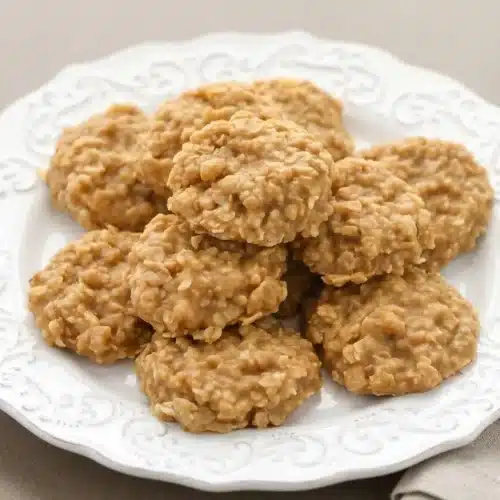
Peanut Butter No Bake Cookies

Equipment
- Large saucepan
- Parchment Paper
- Baking Sheets
- 1.5 tablespoon cookie scoop
Ingredients
- 1/2 cup unsalted butter (115 grams), cut into pieces
- 1 3/4 cups granulated sugar (350 grams)
- 1/2 cup milk (120 ml)
- 3/4 cup creamy peanut butter (190 grams)
- 1 teaspoon pure vanilla extract
- 3 1/4 cups quick-cooking oats (325 grams)
Instructions
- Measure the ingredients, line large baking sheets with parchment paper, and keep them within reach before heating the saucepan. The mixture thickens fast after the oats are added, so the prepared pans should be ready before the syrup boils.
- Combine the butter, sugar, and milk in a large saucepan over medium heat, stirring often until the butter melts and the mixture looks smooth. Wait for strong, active bubbling across the full surface, not just small bubbles around the edges.
- Once the mixture reaches a full rolling boil, stop stirring and boil it for 60 seconds. Use a timer, because starting too soon leaves excess moisture behind and boiling longer can make the cookies dry.
- Take the saucepan off the heat and stir in the peanut butter and vanilla until the mixture is fully smooth. The syrup will thicken noticeably and smell strongly of warm peanut butter.
- Fold in the quick-cooking oats until every oat is coated, then scoop mounds onto the parchment-lined baking sheets and gently flatten them if desired. The oats should look glossy while warm, then turn matte as the cookies cool and firm.
- Let the cookies cool for 45 minutes to 1 hour before serving. They should feel set on the outside and continue to firm as they stand.