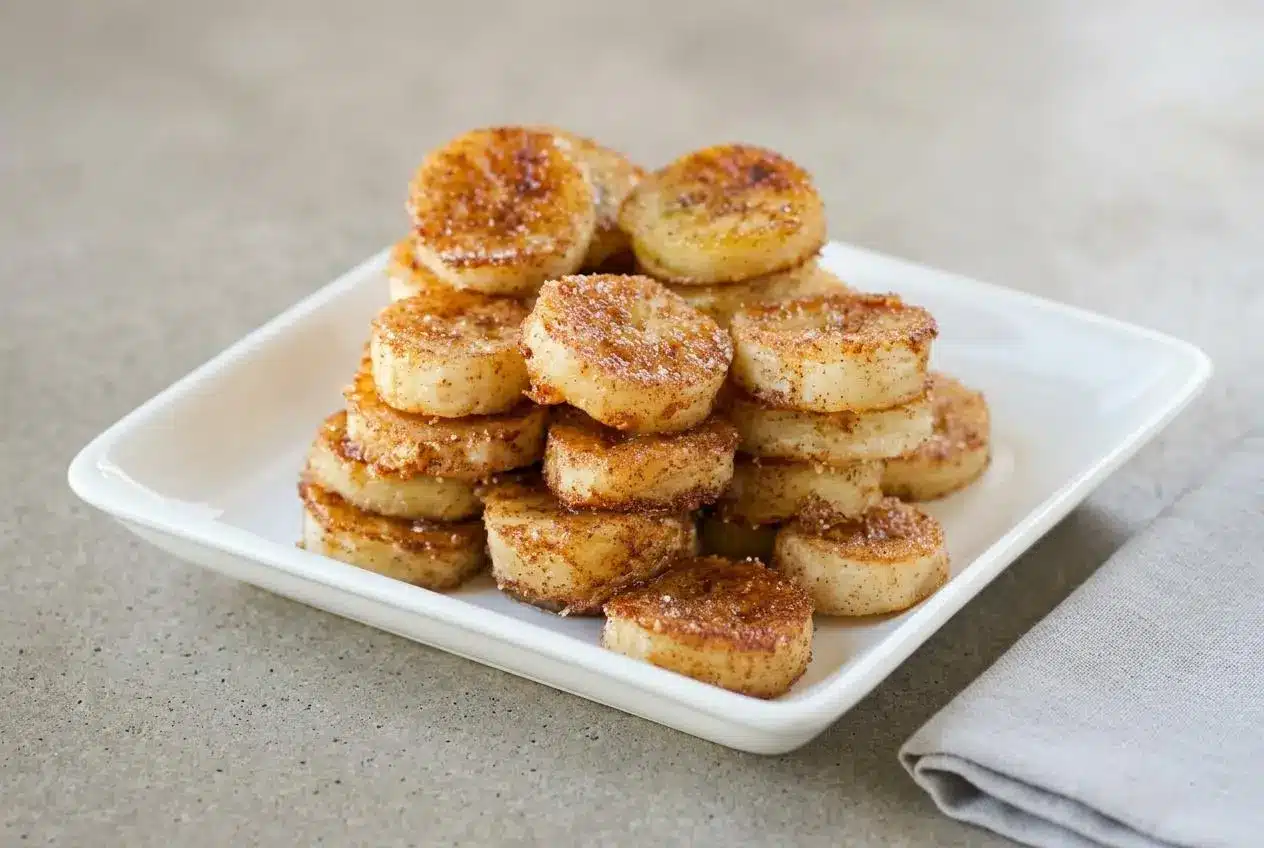
Pan Fried Cinnamon Bananas are a fast 10-minute treat made by cooking banana slices with sugar and warm spices until soft, glossy, and caramelized. They work as dessert, a breakfast topping, or a sweet snack.
Pan Fried Cinnamon Bananas turn ripe fruit into something richer and cozier with very little effort. The bananas soften, the sugar melts, and the cinnamon smells amazing almost right away.
They’re especially handy when your bananas are getting spotty but still firm enough to hold their shape in the pan. The trick is knowing when to flip and when to stop.
Have your serving dish ready before you start, because these are at their absolute best straight from the skillet.
Why This Recipe Is a Go-To Favorite
This recipe earns a regular spot because it’s quick, comforting, and genuinely useful when bananas are a little past their prime but not yet mushy. In about 10 minutes, you get warm caramelized bananas with a soft center and a lightly sticky coating.
It also fits more than one craving. Spoon these skillet bananas over ice cream for dessert, add them to pancakes for breakfast, or eat them warm from the bowl when you want something sweet without turning on the oven.
As the bananas hit the hot pan, you should hear a gentle sizzle. A minute later, the sugar starts to melt and the cinnamon toasts, which makes the whole kitchen smell like dessert is already on the table.
Ingredients You’ll Need
Each ingredient has a clear job here, from sweetness and aroma to the soft texture and caramelized finish that make the bananas so satisfying.
- 2 bananas (slightly overripe)
- 2 tablespoons sugar (or substitute)
- 1 teaspoon cinnamon
- ¼ teaspoon nutmeg (optional)
The bananas provide the body of the dish, and slightly overripe fruit gives you better sweetness while still cooking up tender. Sugar helps create that caramelized coating, cinnamon brings warmth, and nutmeg adds a deeper spiced note if you want a little extra complexity.
I like to stir the sugar, cinnamon, and nutmeg together before the pan gets hot so the spices coat the bananas more evenly.
How to Make Pan-Fried Cinnamon Bananas
- Cut the bananas into rounds about ⅓ inch thick.
Keeping the slices close in size helps them soften at the same rate instead of leaving some firm and others falling apart. - Mix the sugar, cinnamon, and optional nutmeg in a small bowl, then keep it nearby.
This gives you an even spiced coating and makes the cooking process move quickly once the bananas hit the skillet. - Lightly coat a large skillet with nonstick oil spray, warm it over medium-low heat, and arrange the banana slices in the pan.
You should hear a gentle sizzle right away, not a loud aggressive hiss, which means the heat is in the right range. - Scatter half of the cinnamon mixture over the bananas and cook for about 2 to 3 minutes.
Watch for the edges to turn golden and the sugar to start bubbling lightly around the slices. - Turn the banana rounds, add the rest of the cinnamon mixture, and cook for 2 to 3 minutes more.
Take them off the heat when they are soft, warmed through, and lightly caramelized, before the sugar turns dark and bitter.
Medium-low heat matters here. It gives the sugar time to melt and cling to the bananas instead of scorching before the fruit warms through.
If you want to make a larger batch, use a second skillet or cook in batches rather than piling everything into one pan. Crowding traps steam, and steamed bananas never get that same caramelized finish.
Choosing the Best Bananas for Frying
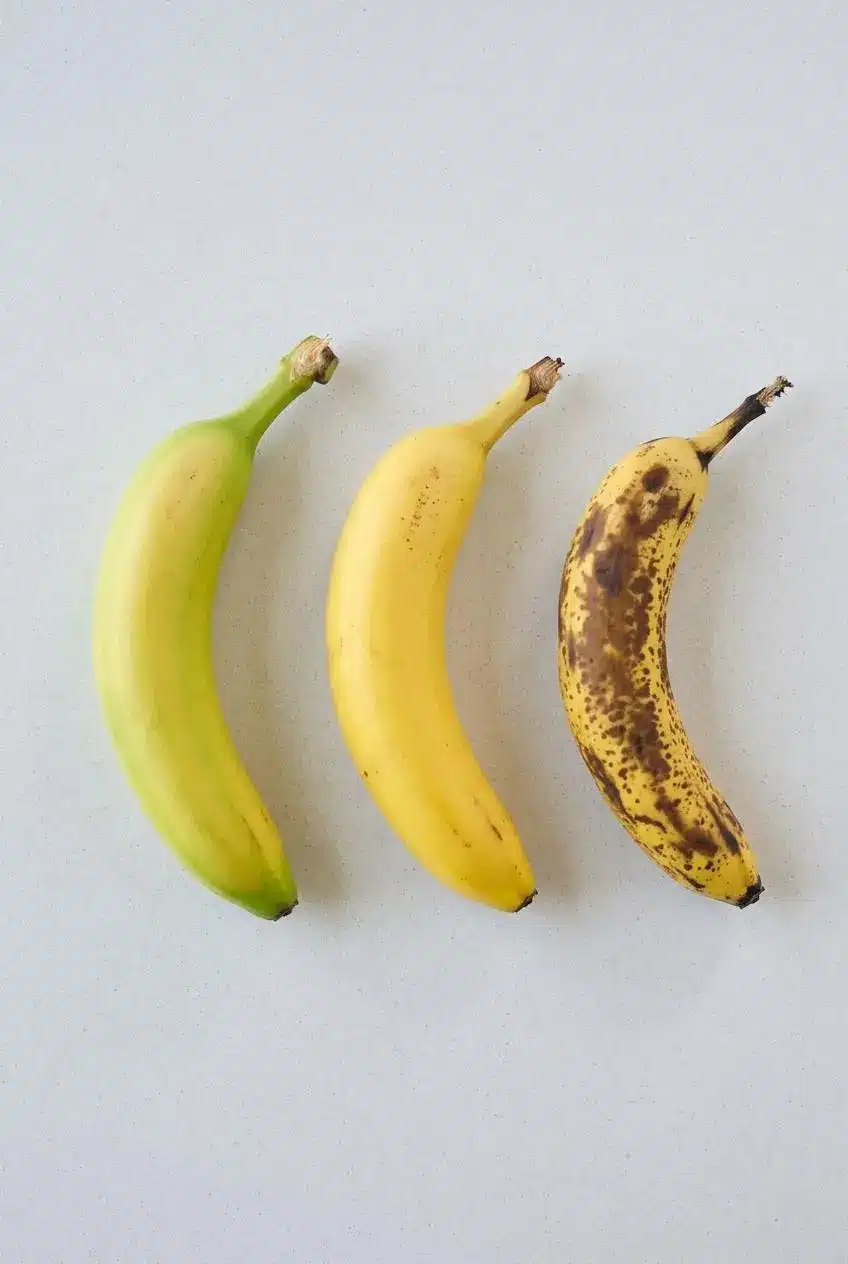
This is the step that makes or breaks the recipe. The best bananas for frying are yellow with a few brown specks and still firm when you press them lightly.
That stage gives you the sweet flavor you want, but the banana still has enough structure to stay in neat slices while it cooks. Once heat hits the pan, the fruit softens quickly, so starting with a firm banana gives you some room for error.
If the bananas are very soft with lots of dark spots, they’ll taste sweet but they’re much more likely to collapse into mush. They’re great for banana bread, less great for pan-fried bananas.
Slightly green bananas can work if that’s what you have. Expect a firmer, more starchy bite and less sweetness, so the final dish will taste a little less dessert-like.
If your bananas are not quite ready, leave them on the counter until the peel turns more fully yellow and the fruit gives just slightly when pressed. You want ripe, not squishy.
Tips for Perfect Caramelized Bananas
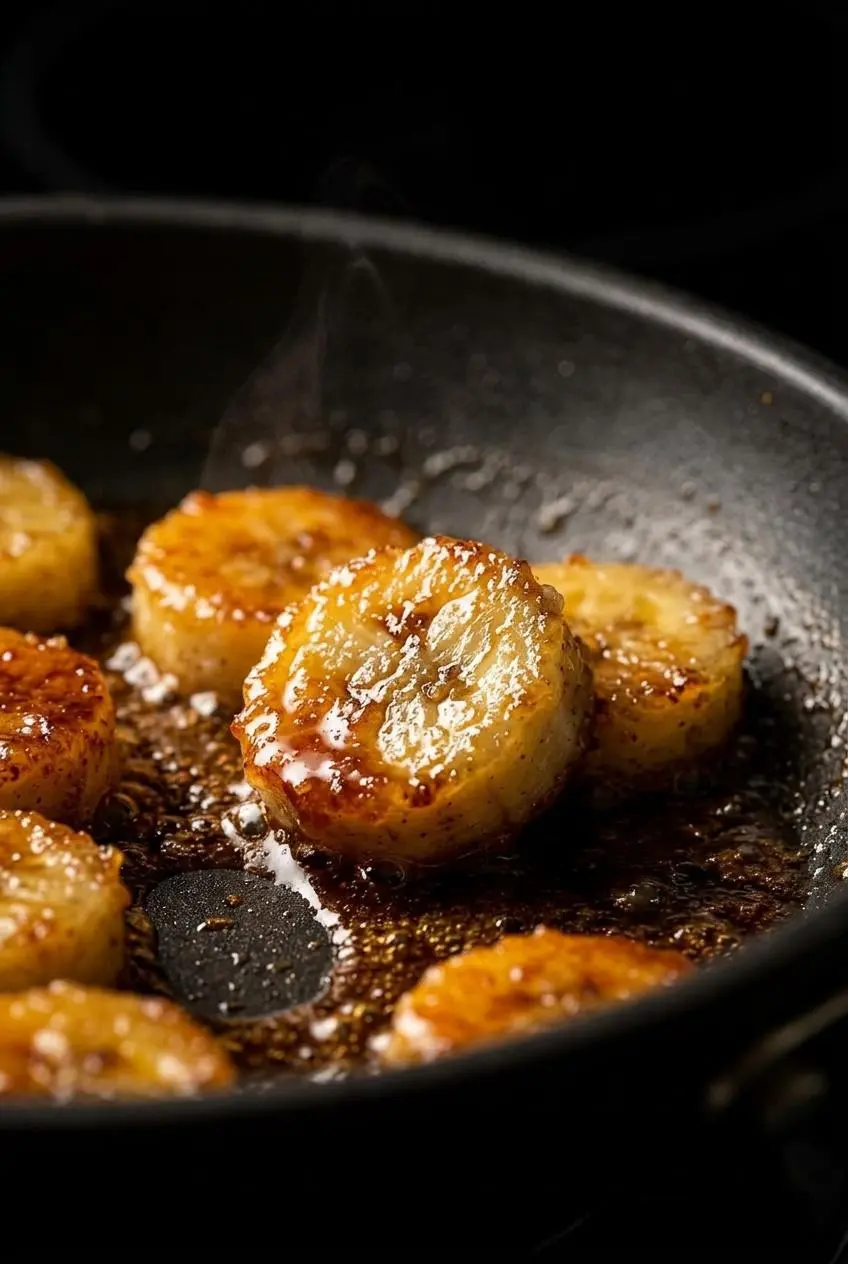
A few small choices make a big difference here. These tips help the bananas stay intact, caramelize properly, and avoid the two classic problems: mushiness and burnt sugar.
- Slice evenly so all the rounds cook at the same pace.
- Keep the heat at medium to medium-low so the sugar caramelizes instead of burning.
- Don’t overcrowd the skillet, or the bananas will steam and soften too fast.
- Pull them from the pan as soon as they are tender and warm through.
- If you want richer flavor, use butter as an optional swap for the spray in a variation, since it browns more deeply and adds a fuller caramel note.
- A tiny pinch of flaky sea salt in the cinnamon sugar can balance the sweetness and make the banana flavor pop a little more.
What happens when you fry a banana? The heat concentrates its natural sweetness, softens the center, and creates a sticky, golden coating on the outside. That sweet spot is brief, so don’t wander off. Sugar can go from caramelized to burnt in seconds.
Troubleshooting Common Problems
| Problem | Likely Cause | Solution |
|---|---|---|
| My bananas got mushy. | The bananas were too ripe, or they stayed in the pan too long. | Start with firm ripe bananas and cook only until soft and warmed through. |
| The sugar burned. | The heat was too high. | Lower the burner to medium-low and keep a close eye on the pan while the sugar melts. |
| My bananas aren’t caramelizing. | The pan wasn’t hot enough, or there wasn’t enough fat or sugar contact. | Preheat the skillet properly and make sure the cinnamon sugar is spread evenly over the slices. |
Variations and Ingredient Swaps
The classic version is warm, sweet, and reliable, but this recipe is also easy to tweak depending on what you have in the kitchen or how you want to serve it.
Sweetener Options: Sugar vs. Honey vs. Maple Syrup
Different sweeteners change both flavor and texture, so choose based on the result you want.
| Sweetener | What It Adds | Result |
|---|---|---|
| White sugar | Clean sweetness | The most classic caramelized crust |
| Brown sugar | Deeper molasses flavor | A darker, richer caramel note |
| Honey | Floral sweetness | A stickier glaze with softer caramelization |
| Maple syrup | Warm maple flavor | A glossy coating with a gentler caramel edge |
If you want the popular honey-butter version, cook the bananas in butter and use honey as the sweetener for a softer, glossier finish. It tastes a little rounder and less crisp-edged than the sugar version.
For very young children, skip honey and use maple syrup instead. For babies under 12 months, avoid honey because CDC guidance links it to the risk of infant botulism.
Fat Options: Butter vs. Coconut Oil
The fat affects flavor more than anything else.
| Fat | Flavor Impact | Best For |
|---|---|---|
| Butter | Rich, classic, and more dessert-like | Deeper browning and fuller flavor |
| Coconut oil | Light tropical note | A dairy-free variation with good browning |
| Neutral oil spray | Very mild | The lightest option and the one used in the main recipe |
You can also add a pinch of cardamom or extra nutmeg to the cinnamon mixture for a warmer spiced profile.
If you enjoy this kind of fruit-forward skillet dessert, Southern Fried Apples use a similar cozy approach with a different texture and flavor.
Air Fryer Cinnamon Bananas
If you’d rather use the air fryer, coat the banana slices lightly with oil, toss them with the cinnamon sugar, and cook them in a single layer at 375 °F until they’re golden and tender. Check early, because bananas go from perfect to overly soft fast in an air fryer too.
This method gives you less saucy coating than a skillet, but it’s convenient and works well when you want easy cleanup.
Filipino-Style with Plantains (Banana-Cue)
For a chewier, denser version, use firm plantains instead of regular bananas. This style is closer to banana-cue, where the fruit holds its shape better and develops a deeper caramelized outside, often with brown sugar.
Expect a heartier bite and less softness in the center. It’s a fun variation when you want something closer to a snacky street-food feel than a spoon-soft dessert.
For a more indulgent finish, you can also make a quick pan sauce after cooking by melting butter with a splash of cream and maple syrup until glossy, then spooning it over the bananas. Keep it optional and serve it warm.
How to Serve Fried Bananas
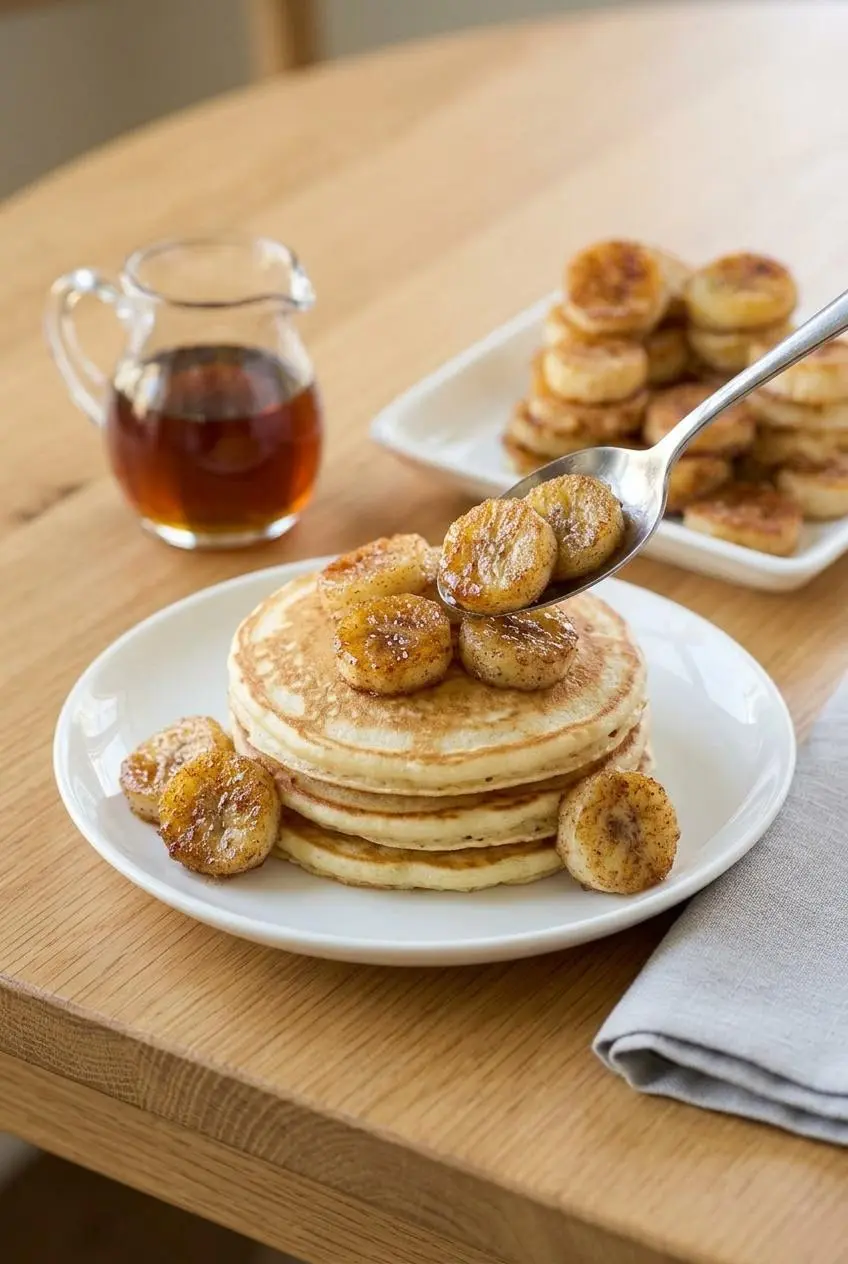
These bananas are flexible enough to land somewhere between breakfast topping and quick dessert, which is part of their charm.
| Serving Suggestion | Best For |
|---|---|
| Over vanilla ice cream | Dessert |
| With whipped cream and nuts | Dessert |
| Alongside pound cake | Dessert |
| On pancakes or waffles | Breakfast or brunch |
| Over yogurt or oatmeal | Breakfast |
For Dessert
Serve them hot over vanilla or caramel ice cream and let the bananas melt into the top a little. A dollop of whipped cream and a handful of chopped walnuts or pecans add a nice cool-creamy-crunchy contrast.
They’re also lovely spooned over pound cake or tucked into a crepe. The warm fruit and cinnamon make even plain cake feel dressed up.
For Breakfast or Brunch
These are excellent on pancakes, waffles, or French toast when you want breakfast to feel a bit more special without much extra work. They pair especially well with Cinnamon Roll French Toast because the cinnamon flavors line up beautifully.
For an easy bowl-style breakfast, spoon them over Greek yogurt or oatmeal. If you’re building a full brunch plate, a drizzle of homemade cinnamon syrup works well on the pancakes or waffles underneath.
For toddlers, cut the cooked bananas into smaller soft pieces for easier eating. For babies under 12 months, avoid honey and check with a pediatric professional before introducing sweetened toppings.
Storage and Reheating Instructions
These are best served fresh, while the coating is still glossy and the bananas are soft but intact. Once chilled, they lose that just-caramelized finish and become much softer.
If you have leftovers, cool them and refrigerate them in an airtight container for up to 2 days, following fruit storage guidance from Purdue Extension. Reheat gently in a skillet over low heat or warm them briefly in the microwave.
Don’t expect the same texture after reheating. They’ll still taste good, but they won’t have the same fresh-from-the-pan contrast between the soft fruit and the caramelized outside.
If you need them for a party, make them as close to serving time as possible. They can be reheated, but they’re much more impressive right out of the skillet.
Conclusion
This recipe is one of the quickest ways to turn bananas into something warm, fragrant, and dessert-worthy. A skillet, a little sugar, and the right ripeness do most of the work.
Stick with firm ripe bananas and watch the pan closely, and you’ll get soft centers with beautifully caramelized edges. Serve them hot and enjoy every last spoonful.
Frequently Asked Questions (FAQ)
How do I keep my pan-fried bananas from getting mushy?
Use bananas that are ripe but still firm, not very soft or heavily spotted. Cut them into thicker even rounds, and stop cooking as soon as they’re tender and warmed through. Extra time in the pan is usually what turns them mushy.
Can I make pan-fried bananas ahead of time?
You can make them a little ahead and reheat them, but they’re best served fresh. After chilling, the texture gets much softer and the caramelized finish loses some of its appeal.
What kind of pan is best for frying bananas?
A good nonstick skillet is the easiest choice because the bananas release cleanly and the sugar is less likely to stick. A well-seasoned cast iron pan or a good stainless steel skillet can also work well if you control the heat carefully.
Can I use frozen bananas for this recipe?
No. Once frozen bananas thaw, they release too much water and become too soft to hold their shape in the skillet, so they won’t fry or caramelize well.
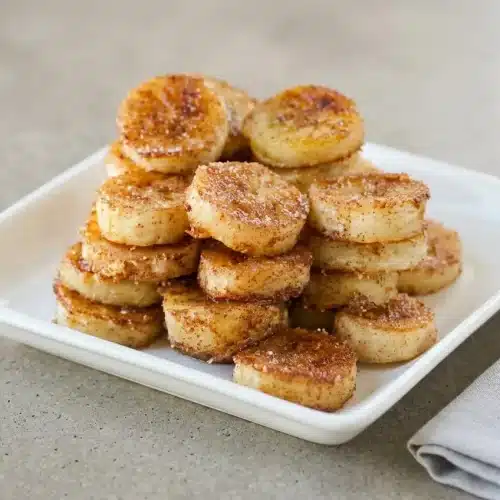
Pan Fried Cinnamon Bananas

Equipment
- Large Skillet
- Small bowl
Ingredients
- 2 bananas (slightly overripe)
- 2 tablespoons sugar (or substitute)
- 1 teaspoon cinnamon
- ¼ teaspoon nutmeg (optional)
Instructions
- Cut the bananas into rounds about ⅓ inch thick. Keeping the slices close in size helps them soften at the same rate instead of leaving some firm and others falling apart.
- Mix the sugar, cinnamon, and optional nutmeg in a small bowl, then keep it nearby. This gives you an even spiced coating and makes the cooking process move quickly once the bananas hit the skillet.
- Lightly coat a large skillet with nonstick oil spray, warm it over medium-low heat, and arrange the banana slices in the pan. You should hear a gentle sizzle right away, not a loud aggressive hiss, which means the heat is in the right range.
- Scatter half of the cinnamon mixture over the bananas and cook for about 2 to 3 minutes. Watch for the edges to turn golden and the sugar to start bubbling lightly around the slices.
- Turn the banana rounds, add the rest of the cinnamon mixture, and cook for 2 to 3 minutes more. Take them off the heat when they are soft, warmed through, and lightly caramelized, before the sugar turns dark and bitter.