For soft and chewy cookies, use more brown sugar than white sugar, cream the butter well, and bake at 375 F just until the edges are golden and the centers still look soft.
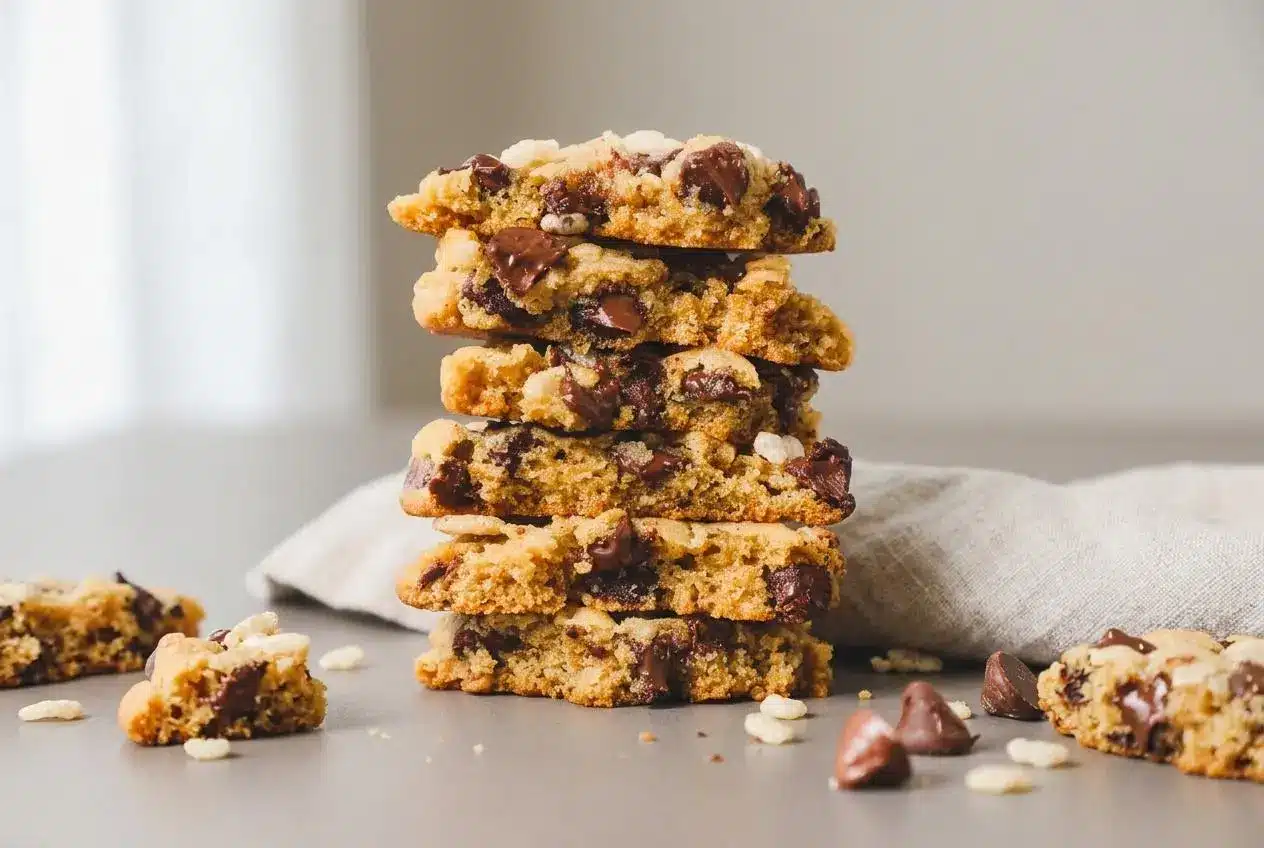
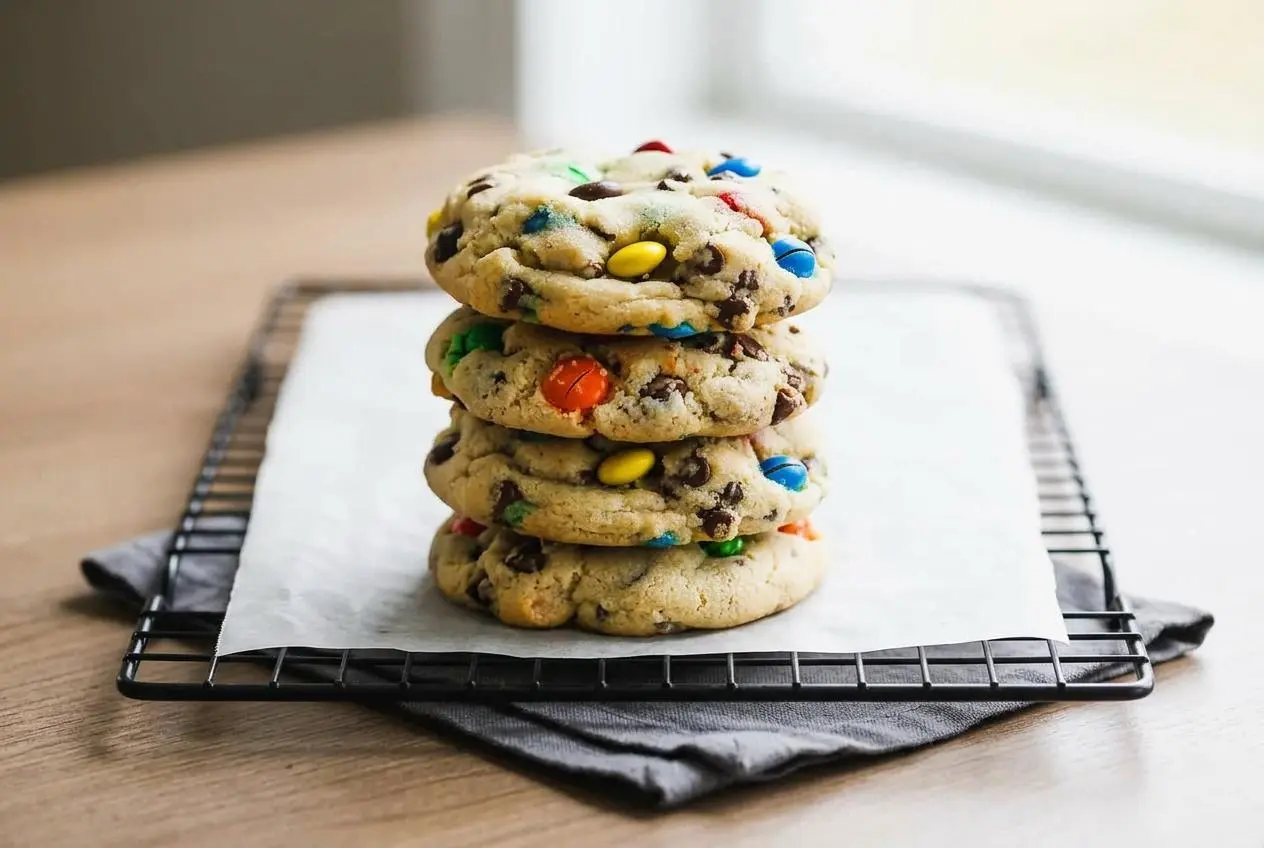
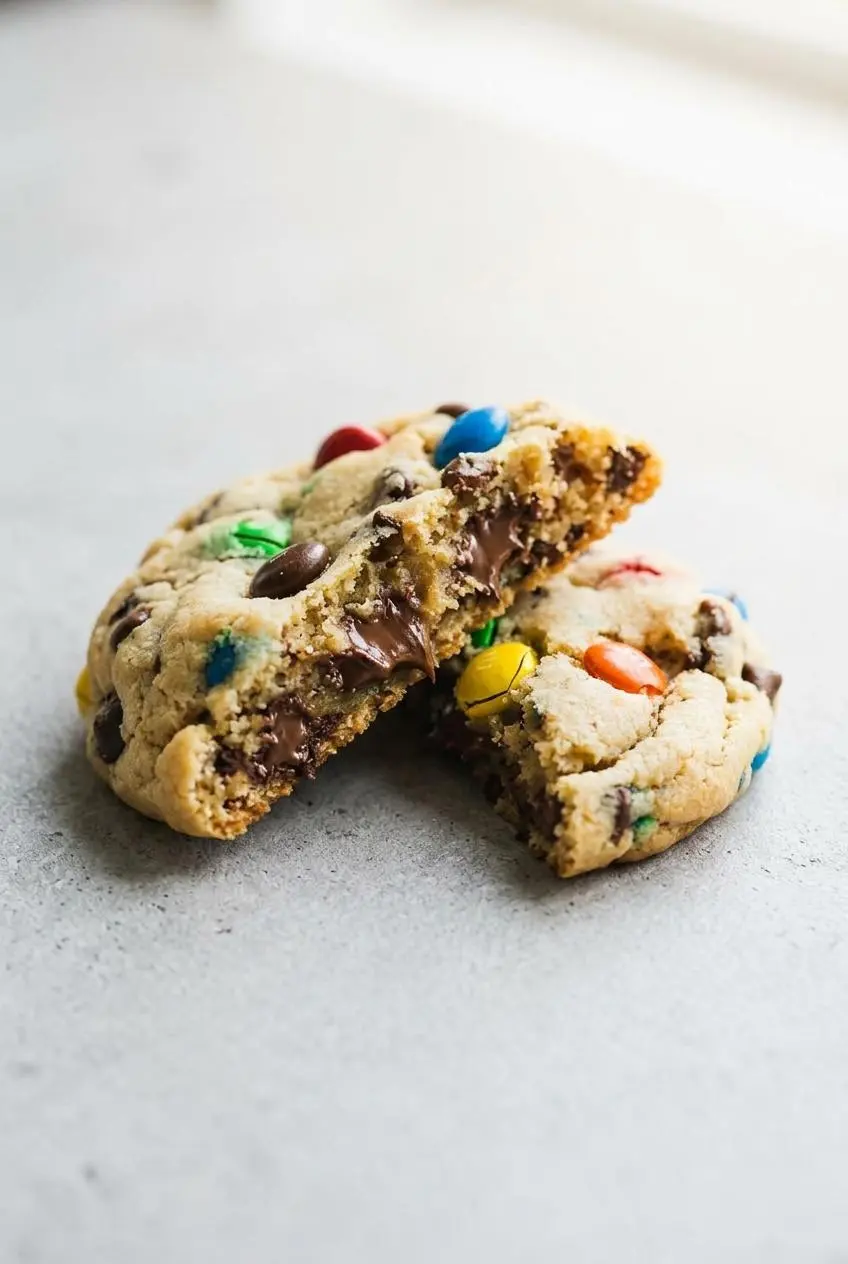
M&M Chocolate Chip Cookies are the kind of treat that checks every box: crisp edges, gooey centers, chocolate crunch, and bright candy shells tucked into every bite.
The dough comes together quickly, and a few small technique choices make the difference between flat cookies and thick bakery-style ones. The shaping trick alone is worth it.
If your kitchen runs warm, scoop the dough and bake the first tray right away while it is still cool to help control spreading.
Key Ingredients and Why They Matter for M&M Chocolate Chip Cookies
Each ingredient here has a job, from building structure and chew to adding richness, color, and that classic chocolate candy crunch.
- 2 cups all-purpose flour (240 g)
- 1/2 teaspoon baking powder (2 g)
- 1/2 teaspoon baking soda (2 g)
- 1/2 teaspoon salt (2.5 g)
- 3/4 cups butter, softened (170 g)
- 1/2 cup granulated sugar (100 g)
- 3/4 cups light brown sugar, firmly packed (150 g)
- 1 egg, room temperature
- 1/2 Tablespoon vanilla extract (7.5 ml)
- 1 cups mini chocolate chips (175 g)
- 1 cup m&m’s (200 g)
Flour gives the cookies structure, while baking powder and baking soda work together so the centers lift a little instead of baking up dense. Salt keeps all that sweetness from tasting flat. Vanilla softens the edges of the chocolate flavor and makes the dough smell warm and buttery as it bakes.
The room-temperature egg matters more than it gets credit for. It blends into the butter mixture more smoothly, which helps the dough stay evenly mixed instead of turning streaky or slightly curdled. Mini chocolate chips are especially good here because they spread through the dough more evenly than larger chips, so every bite gets chocolate without weighing the cookies down.
I look for softened butter that gives under a fingertip but still feels cool. If it looks shiny or slumpy, it is already too warm for this dough.
The Chewiness Secret: Brown vs. White Sugar
This recipe leans heavier on light brown sugar for a reason. Brown sugar contains molasses, which adds moisture and helps the centers stay soft and chewy. It also gives the cookies a slightly deeper flavor, with a mild caramel note that works beautifully with milk chocolate candy shells.
Granulated sugar plays a different role. It helps the cookies spread a bit more and encourages those crisp, lightly golden edges. Together, the two sugars create contrast: chewy in the middle, lightly crisp around the rim. If the balance shifts too far toward white sugar, the cookies usually bake thinner and crisper.
Why Butter Temperature Is Everything
Softened butter traps air during the creaming step. That trapped air gives the dough some lift and keeps the cookies from collapsing into thin disks in the oven. Melted or overly warm butter cannot hold that air, so the dough loosens fast and spreads before it has time to set.
When the butter and sugars are mixed properly, the texture should look pale, fluffy, and a little whipped after about 2 to 3 minutes. That is the stage that builds better height. If the mixture looks greasy and slick instead, the butter was likely too warm from the start.
The Instant Pudding Mix Secret
If you like an even softer crumb, a spoonful of instant vanilla pudding mix is a fun optional tweak. It adds extra starch, which can help the cookies stay tender and plush. Keep it as a variation rather than a requirement, because this dough already has the right balance for soft centers without it.
Should You Add Molasses?
Usually, no extra molasses is needed. Light brown sugar already brings that mellow molasses flavor and moisture to the dough. If you want a darker color and a slightly deeper toffee note, a tiny amount can work as an optional experiment, but it is not necessary for chewiness.
Step-by-Step Instructions with Visual Cues
- Heat the oven to 375 F and line a cookie sheet with parchment paper or a silpat mat.
The lined pan helps the cookies bake evenly and release cleanly once the edges turn golden. - Whisk together the flour, baking powder, baking soda, and salt in a medium bowl, then set it nearby.
An even dry mix prevents salty spots and helps the leaveners distribute through the dough. - Beat the softened butter with the granulated sugar and brown sugar in a large bowl or stand mixer until the mixture turns pale and fluffy, scraping the bowl as needed.
After 2 to 3 minutes it should look lighter in color and feel airy rather than dense or greasy. - Mix in the egg and vanilla until the dough base looks smooth and fully blended.
You should not see streaks of egg, and the batter should smell sweet and warm from the vanilla. - Add the dry ingredients gradually and mix just until the flour disappears.
Stop as soon as the dough comes together so the cookies stay tender instead of turning heavy. - Stir in the mini chocolate chips and m&m’s until they are evenly scattered through the dough.
The finished dough should feel thick and soft, and a pressed scoop should resist your fingertip a little instead of collapsing flat. - Scoop the dough into large balls, about 3 Tablespoons each, and place them on the prepared baking sheet about 2 inches apart.
Leave the tops rounded rather than flattened so the cookies keep more height as they bake. - Bake for 8 to 10 minutes, pulling the pan when the edges are light golden brown and the centers still look soft and slightly underdone.
The aroma should be buttery with a clear vanilla note, and the middles should look set at the edges but not fully browned. - Let the cookies rest on the baking sheet for 1 minute, then move them to a cooling rack to finish cooling.
That short rest helps them firm up enough to lift without losing their soft centers.
Serve them warm with cold milk if you want the full fresh-from-the-oven effect. They are also excellent crumbled over ice cream or packed into gift tins once fully cool.
How to Shape Perfectly Round Cookies
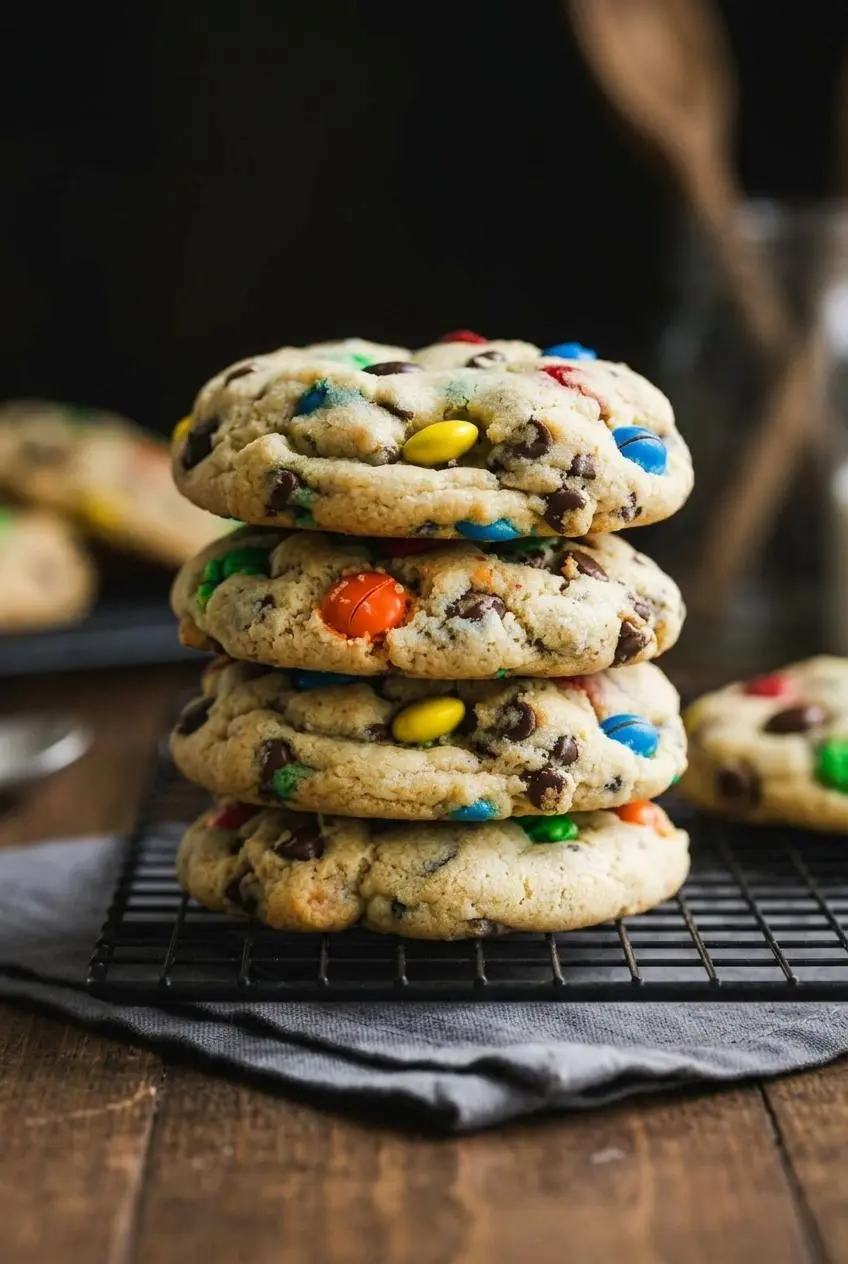
If you want that bakery-style look, shaping matters almost as much as the dough itself. Start by placing the dough balls with enough room around them so they can spread naturally without running into each other.
Right before baking, gently press a few extra M&Ms onto the tops of the scooped dough balls. Do not push hard enough to flatten them. You just want the candies visible on top so the finished cookies keep their color and look more polished.
As soon as the cookies come out of the oven, place a round glass or a large cookie cutter over one hot cookie and swirl it gently in a small circle. This nudges any uneven edges inward and creates a cleaner, rounder shape. If one side still sticks out, use the back of a spoon to push that edge in while the cookie is still soft.
This trick works best in the first moments after baking, while the cookies are still pliable. Once they cool, the edges set and the shape stays put.
Common Baking Mistakes and Troubleshooting
Most cookie problems come down to butter temperature, flour measurement, or bake timing. The good news is that each one has a pretty clear fix.
Why Did My Cookies Spread Too Thin?
- Butter too warm: If the butter was melty, shiny, or very soft, the dough will spread fast. Start with properly softened butter, or chill the dough briefly if it already feels greasy.
- Hot baking sheet: Dough placed on a warm pan starts melting before the oven can set the edges. Always use a cool sheet for each batch.
- Too little flour: Scooping straight from the flour bag can pack in extra or inconsistent amounts. Spoon flour into the measuring cup and level it off, or use the gram weight for better accuracy.
- Pressed dough balls: If you flatten the scoops before baking, the cookies lose height and spread wider. Keep the dough mounded.
How to Fix Dry, Cakey, or Heavy Cookies
- Too much flour: This is the most common cause of dry or cakey texture. Measure carefully and mix just until the flour disappears.
- Overbaking: If the centers are fully browned in the oven, the cookies will firm up too much as they cool. Pull them when the middle still looks soft.
- Overmixing after flour goes in: Too much mixing can make the dough tougher and heavier. Fold or mix on low only until combined.
- Cold ingredient imbalance: The egg should be room temperature so it blends smoothly. A cold egg can make the dough less even and a bit heavier.
If the dough ever looks oily before baking, the butter has likely gotten too warm. Pop the bowl in the refrigerator just until the dough feels firmer and easier to scoop. That small pause can save a whole batch.
Storage, Freezing, and Make-Ahead Guide
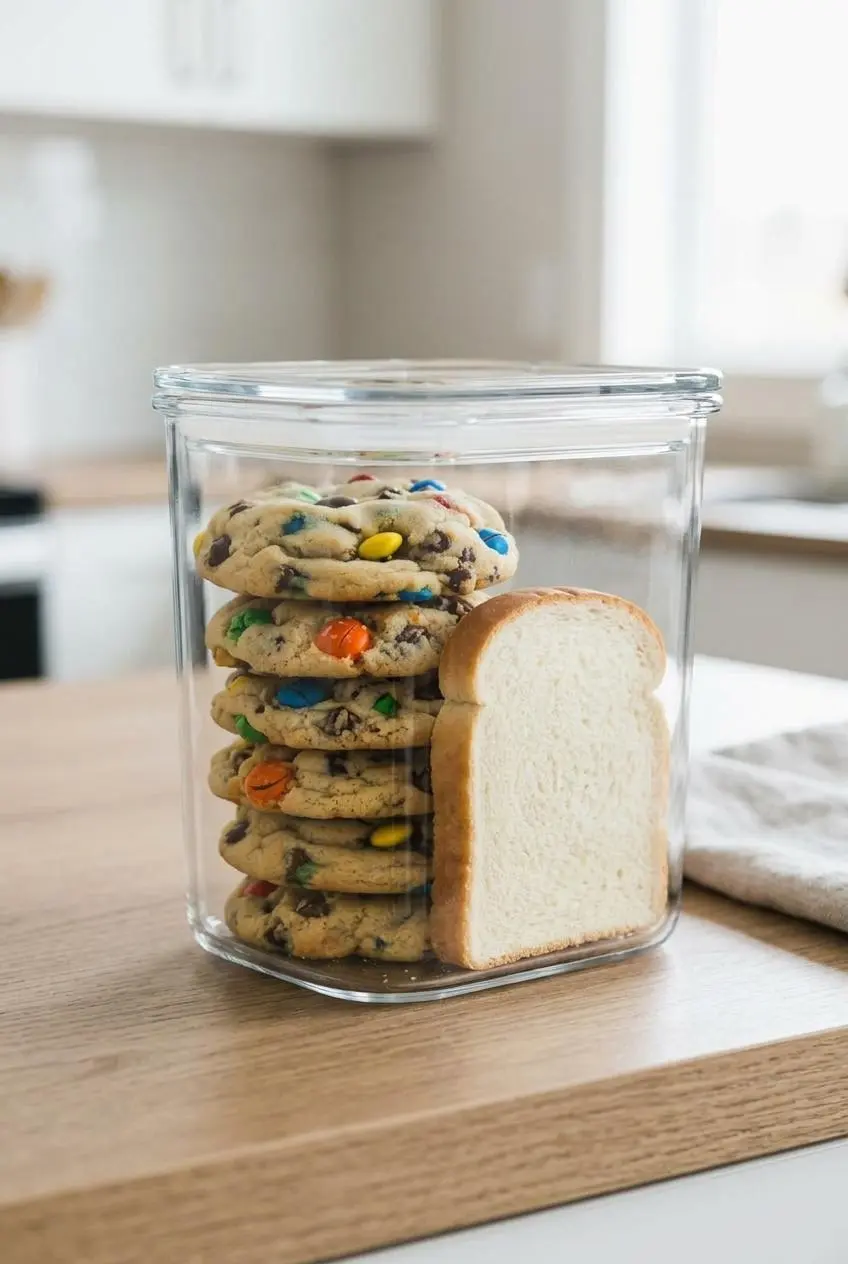
Once baked, let the cookies cool completely before storing them so extra steam does not soften the edges too much. Keep them in an airtight container, and if you like a softer texture, tuck in a slice of white bread to help the cookies hold onto moisture a little better.
This dough also works well for baking in stages. Scoop the dough balls onto a tray, place the tray in the freezer until the dough is firm, then transfer the pieces to a freezer-safe bag or container. You can bake straight from frozen by adding 1 to 2 minutes to the bake time, and it helps to let the dough sit on the baking sheet while the oven finishes preheating so the outside is not rock hard.
If you would rather skip storing extra dough altogether, small-batch cookies can be a better fit for a quieter cookie craving.
For the ingredients themselves, keep butter and eggs properly chilled before baking, since both are perishable and benefit from careful handling. The USDA explains safe egg handling and storage in detail here: safe handling and storage of eggs and egg products.
Festive Variations for Holidays and Events
This recipe is easy to dress up without changing the core method. Keep the base dough the same and make the fun changes at the candy or finishing stage.
Holiday Festive M&M Cookies
Swap the standard candy colors for seasonal ones to match the occasion. Use red and green for Christmas, orange purple and brown for Halloween, or soft pastels for Easter. Red, pink, and white also make a sweet batch of Valentine’s Day cookies, while spring bakers might also like the idea behind Cadbury egg cookies.
Speedy No-Chill Option
If you want to bake immediately, use cold, cubed butter instead of very soft butter and mix just until the dough comes together. The dough stays cooler, which helps limit spreading even without a chill step.
This version can be slightly less fluffy during creaming, so watch the dough texture closely. It should still feel thick and hold a rounded scoop well before it goes into the oven.
Why You Should Add Flaked Sea Salt
A tiny pinch of flaked sea salt on the hot cookies adds contrast to the sweet candy shells and chocolate chips. It does not make the cookies salty. It simply sharpens the chocolate flavor and balances the sweetness.
Conclusion
Fresh from the oven, these cookies deliver exactly what most people want: crisp edges, soft centers, melted mini chips, and that little candy-shell crunch in every bite.
If you make them for a holiday tray or party table, try matching the M&M colors to the season and make the batch your own. Warm cookies with a bit of personality are hard to beat.
Frequently Asked Questions
How do I make my M&M cookies soft and chewy?
Use more light brown sugar than white sugar for extra moisture and chew. Cream the butter and sugars until pale and fluffy so the dough holds better structure. Mix the flour in just until combined so the cookies stay tender. Pull them from the oven when the edges are golden and the centers still look soft.
Can I freeze M&M cookie dough?
Yes. Scoop the dough into balls first so you can bake only what you want. Freeze the dough balls on a tray until firm, then move them to a freezer-safe container. Bake directly from frozen and add 1 to 2 minutes to the baking time. Press a few extra candies on top right before baking if you want a fresher look.
Why did my M&M cookies turn out completely flat?
The butter was likely too warm or partly melted. A warm baking sheet can also make the dough spread too fast. Too little flour, often from inconsistent measuring, is another common cause. Keep the dough cool and the scoops rounded for thicker cookies.
Can I use margarine instead of butter?
You can, but butter gives better flavor and a stronger cookie structure. Margarine usually contains more water, which can increase spreading. If you use margarine, expect a softer dough and a less rich finish. For the best bakery-style texture, butter is the better choice.
Why did my M&M cookie shells crack and bleed?
High heat can crack some candy shells as the cookies expand. That color bleed is mostly a visual issue, not a flavor problem. Mix most of the candies into the dough, then press a few fresh ones on top right after baking. That gives you brighter color and fewer split shells on the surface.
How do I make my cookies perfectly round?
Shape the dough into rounded scoops instead of flattening it. As soon as the cookies come out of the oven, place a round glass or large cookie cutter over one. Swirl gently in a circle to tuck the edges inward. Use the back of a spoon for any stubborn lopsided spots.
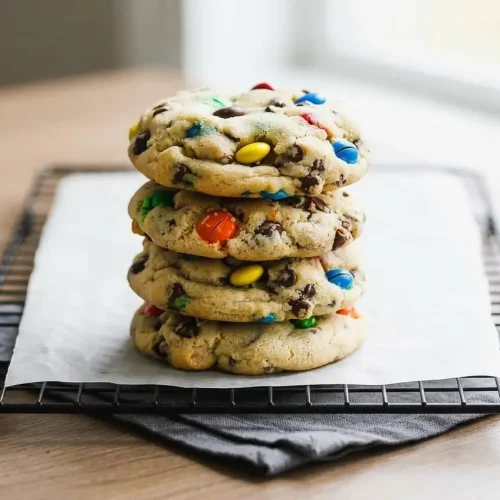
M&M Chocolate Chip Cookies

Equipment
- Cookie sheet
- Parchment Paper
- Stand Mixer or Hand Mixer
- Medium mixing bowl
- Large Mixing Bowl
- Cookie Scoop
Ingredients
- 2 cups all-purpose flour (240 g)
- 1/2 teaspoon baking powder (2 g)
- 1/2 teaspoon baking soda (2 g)
- 1/2 teaspoon salt (2.5 g)
- 3/4 cups butter, softened (170 g)
- 1/2 cup granulated sugar (100 g)
- 3/4 cups light brown sugar, firmly packed (150 g)
- 1 egg room temperature
- 1/2 Tablespoon vanilla extract (7.5 ml)
- 1 cups mini chocolate chips (175 g)
- 1 cup m&m’s (200 g)
Instructions
- Heat the oven to 375 F and line a cookie sheet with parchment paper or a silpat mat. The lined pan helps the cookies bake evenly and release cleanly once the edges turn golden.
- Whisk together the flour, baking powder, baking soda, and salt in a medium bowl, then set it nearby. An even dry mix prevents salty spots and helps the leaveners distribute through the dough.
- Beat the softened butter with the granulated sugar and brown sugar in a large bowl or stand mixer until the mixture turns pale and fluffy, scraping the bowl as needed. After 2 to 3 minutes it should look lighter in color and feel airy rather than dense or greasy.
- Mix in the egg and vanilla until the dough base looks smooth and fully blended. You should not see streaks of egg, and the batter should smell sweet and warm from the vanilla.
- Add the dry ingredients gradually and mix just until the flour disappears. Stop as soon as the dough comes together so the cookies stay tender instead of turning heavy.
- Stir in the mini chocolate chips and m&m’s until they are evenly scattered through the dough. The finished dough should feel thick and soft, and a pressed scoop should resist your fingertip a little instead of collapsing flat.
- Scoop the dough into large balls, about 3 Tablespoons each, and place them on the prepared baking sheet about 2 inches apart. Leave the tops rounded rather than flattened so the cookies keep more height as they bake.
- Bake for 8 to 10 minutes, pulling the pan when the edges are light golden brown and the centers still look soft and slightly underdone. The aroma should be buttery with a clear vanilla note, and the middles should look set at the edges but not fully browned.
- Let the cookies rest on the baking sheet for 1 minute, then move them to a cooling rack to finish cooling. That short rest helps them firm up enough to lift without losing their soft centers.