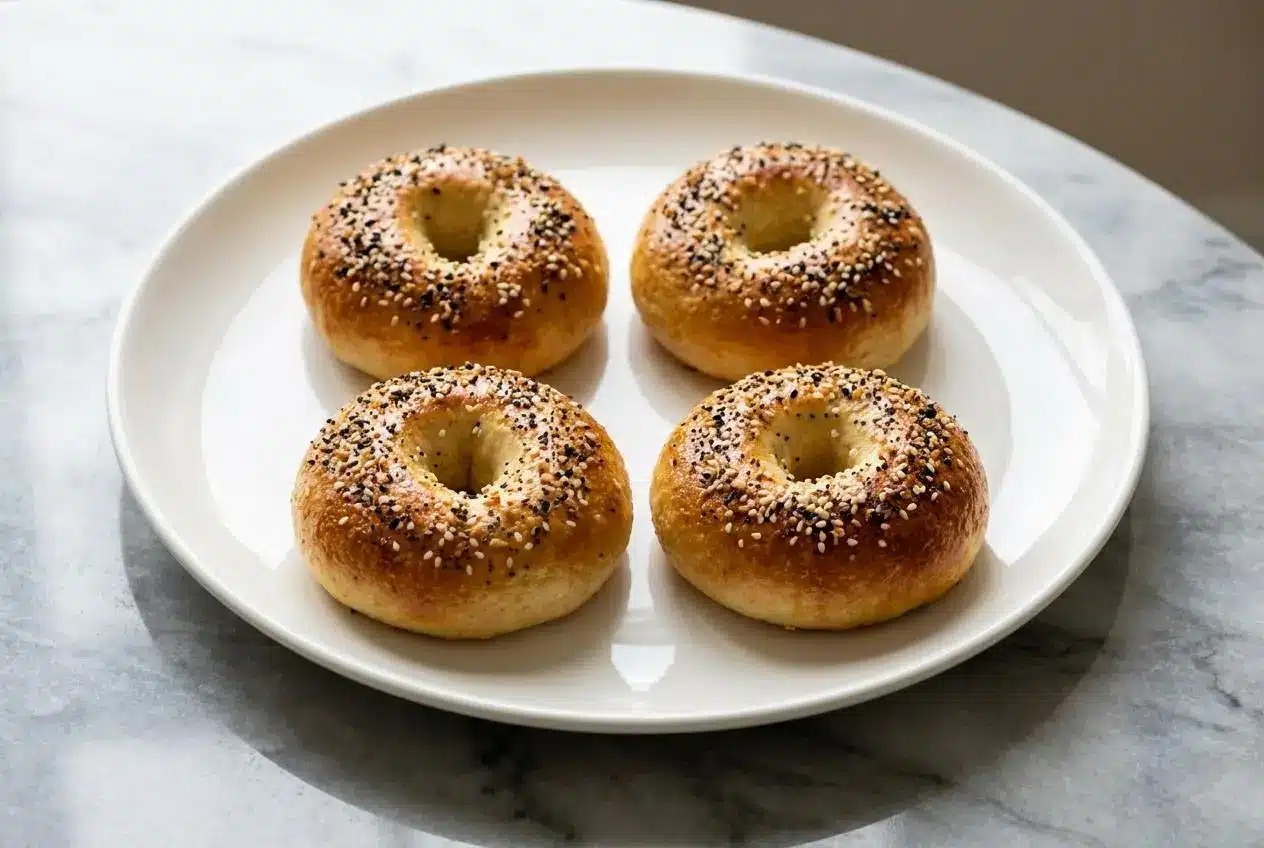
Some mornings, I want a bagel that feels like a New York deli treat, but I do not want to fuss with yeast, boiling water, or a sink full of dishes before coffee. These high protein cottage cheese bagels are the kind of kitchen shortcut I keep coming back to because they taste hearty, savory, and satisfyingly chewy.
They are quick enough for a weekday breakfast, sturdy enough for meal prep, and friendly to whatever toppings are hanging out in your pantry.
Why You’ll Love This High-Protein Bagel Recipe
No Yeast, No Waiting: These are no-yeast bagels, so you skip proofing and still get a warm, homemade breakfast that feels special without taking over your morning.
The Chewy Secret: In my kitchen, 1 tablespoon of vital wheat gluten makes all the difference, giving the dough more stretch and a more bagel-like bite instead of the cakey texture some cottage cheese doughs can have.
Protein That Sticks With You: Cottage cheese brings a creamy, mild flavor and helps turn a simple bagel into a high-protein breakfast that keeps you full longer than a plain slice of toast.
Easy to Customize: Everything bagel seasoning is the classic move, but sesame seeds, poppy seeds, dried onion, or a little garlic all work beautifully. You can cook them in the air fryer for speed or the oven for a classic bake.
Ingredients and Substitutions
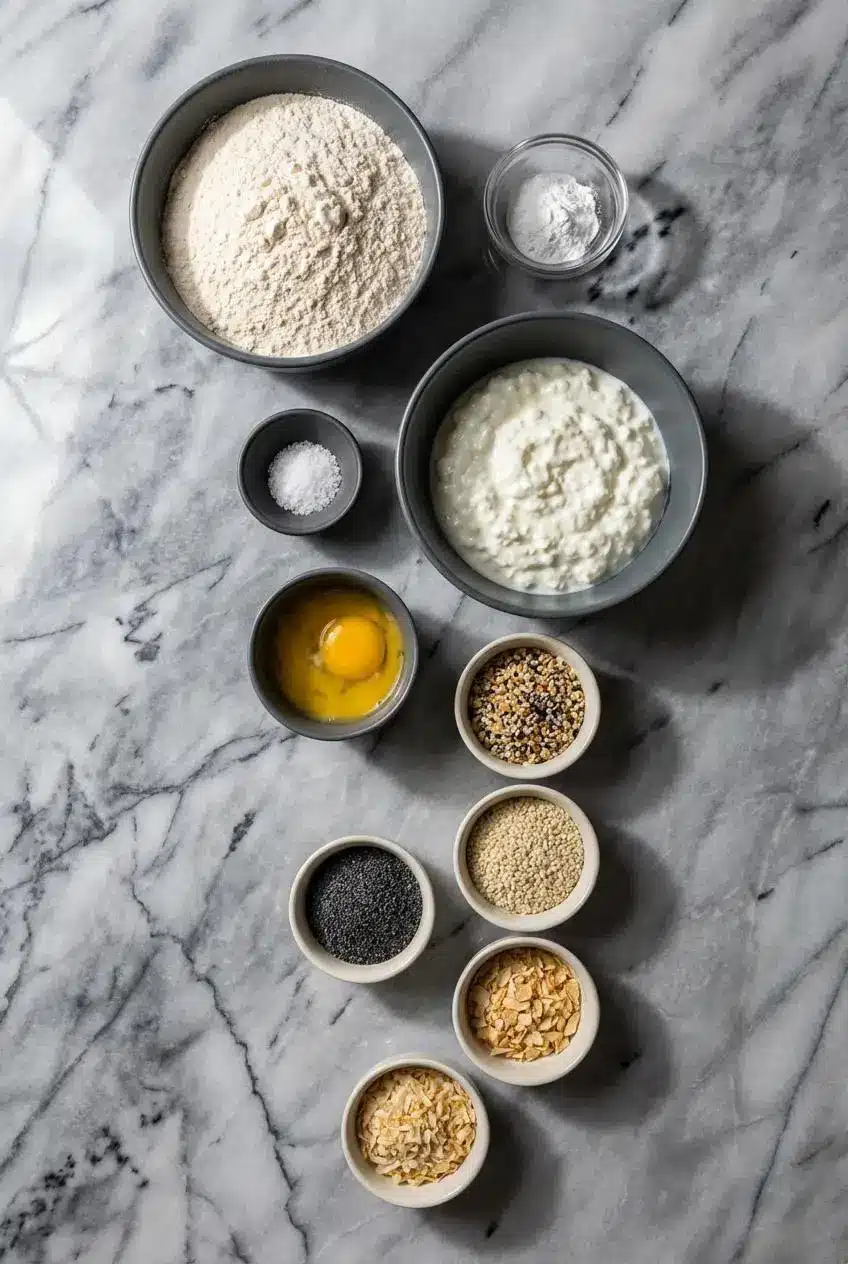
This short ingredient list works because each item has a job: structure, lift, moisture, flavor, and that glossy golden finish every good bagel deserves.
Ingredients
- 1 cup unbleached all purpose flour, or whole wheat or gluten-free mix like cup4cup, (5 oz total in weight)
- 2 teaspoons baking powder, make sure it’s not expired or it won’t rise
- 3/4 teaspoon kosher salt, use less if using table salt
- 1 cup 2% cottage cheese, excess liquid strained well (I like Good Culture)
- 1 egg white, or 1 large egg, beaten
- optional: everything bagel seasoning, sesame seeds, poppy seeds, dried garlic flakes, dried onion flakes
Ingredient Notes & Substitutions
Cottage Cheese: A thick, good-quality 2% cottage cheese gives the best dough. I like Good Culture cottage cheese because it tends to be creamy and not overly watery, but whatever brand you use, strain off excess liquid before measuring so the dough does not turn gluey.
All-Purpose Flour: Unbleached all-purpose flour gives these bagels the most balanced texture, soft inside with enough chew to feel like a real bagel. Whole wheat flour works too, though the bagels will taste nuttier and bake up a little denser.
Gluten-Free Flour: A 1-to-1 gluten-free blend such as Cup4Cup flour can be used in place of all-purpose flour. If you go gluten-free, omit the vital wheat gluten because it is pure gluten, and expect a slightly more tender, less stretchy bagel.
Vital Wheat Gluten: This is the little bakery-style trick I use for a chewier finish. Think of vital wheat gluten as a protein boost for flour, it strengthens the dough so these bagels feel less like biscuits and more like the bagels you actually crave.
Baking Powder: Since there is no yeast here, baking powder does the lifting. If it is old or weak, the bagels can bake up flat and heavy, so fresh baking powder is not a small detail.
Kosher Salt: Salt is not only there for flavor. It also helps tighten and strengthen the gluten structure, which gives the dough better shape and a more satisfying bite.
Self-Rising Flour: For a shortcut version, you can use self-rising flour in place of the all-purpose flour and baking powder. Just remember that self-rising flour already contains salt, so the final flavor may be a touch saltier.
Almond Flour: Almond flour is not a direct swap for this dough because it has no gluten and behaves very differently. It can make a lower-carb version, but the bagels will be flatter, more fragile, and much less chewy.
How to make High protein cottage cheese bagels
Mix and Knead the Dough
- In a large mixing bowl, whisk together the flour, 1 tablespoon vital wheat gluten, baking powder, and kosher salt until the mixture looks evenly blended. This quick whisking step helps the baking powder and gluten distribute through the dough, so every bagel rises and chews consistently.
- Add the well-strained cottage cheese and stir with a fork or spatula until the mixture turns into small, shaggy bits. It should look crumbly at first, almost like damp biscuit dough, before it starts coming together.
- With clean hands, knead the mixture right in the bowl for about 2 minutes, pressing and folding until it forms a smooth dough. The dough should feel tacky, like a sticky note, but it should not leave clumps on your fingers when you pull away.
Shape and Season
- Divide the dough into 4 equal pieces and shape each one into a ball. Roll each ball into a rope about 3/4-inch thick, then bring the ends together and pinch firmly so the seam holds.
- If you prefer the poke-and-stretch method, shape each portion into a ball, make a hole in the center with your finger, and gently widen it. Brush the tops and sides with the beaten egg white or egg, then coat with everything bagel seasoning or your favorite seeds and aromatics.
Air Fryer Method
Lightly spray the air fryer basket with oil, then arrange the bagels in the basket without crowding them. Air fry at 280°F for 15 to 16 minutes, working in batches if needed, until the tops are golden and the bagels feel set, with no flipping required.
Transfer the bagels to a wire rack and let them cool for at least 15 minutes before slicing. This resting time is essential because the crumb firms as it cools, and cutting too early can make the center seem gummy.
Oven Method
- Preheat the oven to 375°F and set parchment paper or a silpat on a baking sheet. If you are using parchment, give it a light spray of oil so the bottoms release cleanly.
- Place the bagels on the prepared baking sheet and bake on the top rack for 25 minutes, until golden brown and firm to the touch. Let them cool for at least 15 minutes before cutting so the inside sets into a chewy, sliceable texture.
The Secrets to Perfectly Chewy Cottage Cheese Bagels
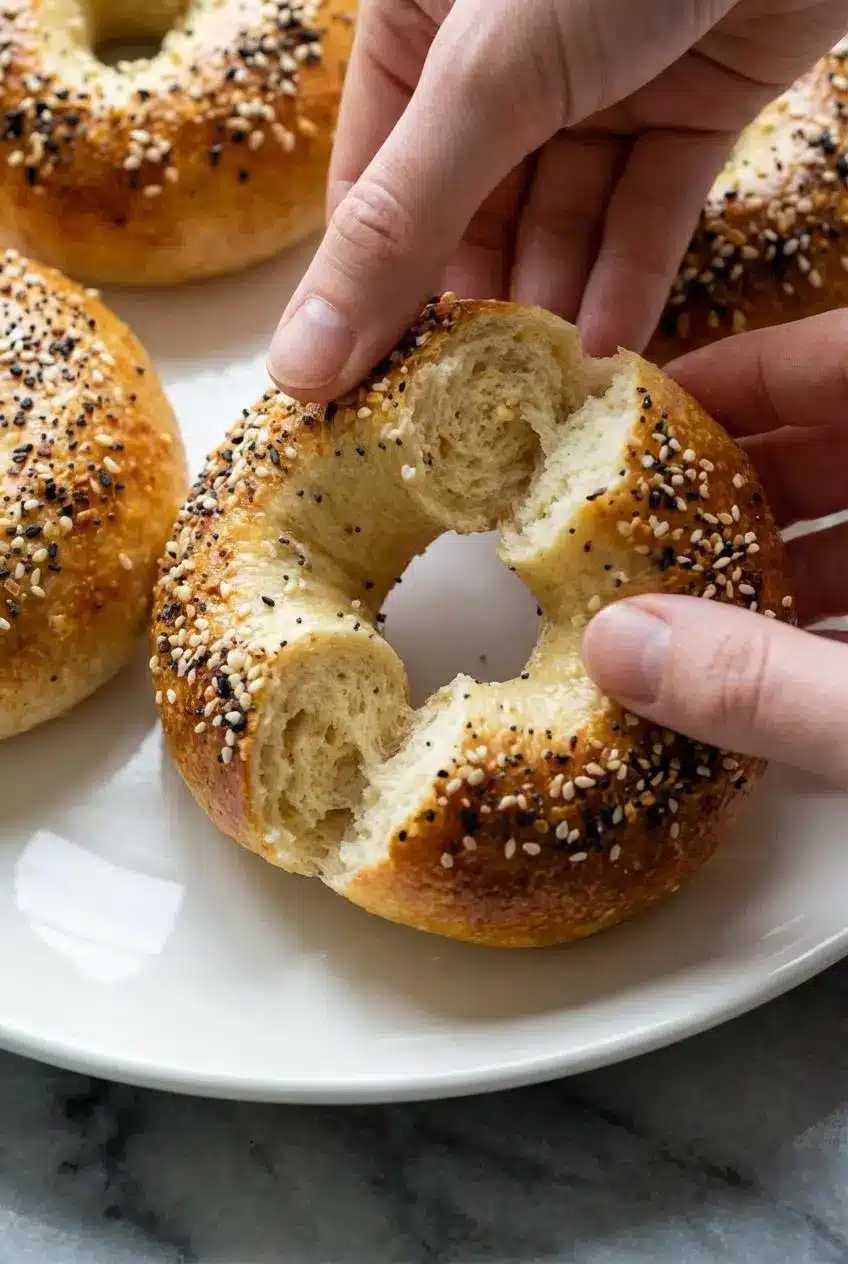
Traditional bagels get their signature chew from a boil before baking, which changes the surface starches and helps create that dense, springy bite. These bagels skip the boiling pot, so the vital wheat gluten steps in to build stronger structure right inside the dough.
That 1 tablespoon may look modest, but it gives the flour more elasticity and helps the bagels hold their shape as they bake. I notice the difference most when I slice them after cooling, the knife meets a soft crumb with gentle resistance instead of a cakey crumble.
Straining the cottage cheese is just as important. Too much liquid turns the dough wet and sticky, and once that happens, people often add too much flour, which can lead to a dense bagel.
A tacky dough is actually what you want. Lightly flour your hands and the work surface, but do not keep dusting until the dough feels dry, because a little moisture is what keeps the interior tender.
To Blend or Not to Blend? The Cottage Cheese Texture Guide
Leaving the cottage cheese unblended is the fastest path, and it gives the bagels a rustic, homemade texture. You may notice tiny soft pockets of curd in the crumb, which I find pleasantly tender, especially with savory toppings.
Blending the cottage cheese first creates a smoother dough and a more even bagel texture. This is the move I recommend for anyone who loves the protein boost but does not want to see or feel curds in the finished bagel.
The same blending trick is what makes cottage cheese disappear into creamy recipes beyond breakfast breads. If you enjoy that smooth, high-protein approach, this style of blending also works beautifully in desserts like high-protein ice cream, where the cottage cheese turns silky instead of curdy.
Air Fryer vs. Oven: Which Method Is Best for You?
The air fryer is my pick when I want breakfast fast and just a bit crisp around the edges. The circulating heat helps the outside firm up nicely, though you may need to cook in batches depending on the size of your basket.
The oven gives you a softer, more traditional baked crust and a more even golden color. It is also the better choice when you want all 4 bagels done at once without babysitting multiple rounds.
If you like a crisp finish, especially for a toasted breakfast sandwich, go with the air fryer. If you are meal prepping for a few days or making a double batch, the oven is the calm, practical route.
Pro Tips & Troubleshooting
Pro Tips
- Flour your hands lightly: This dough is meant to be tacky, so a small dusting of flour makes kneading and shaping easier without drying it out.
- Cool before slicing: Wait at least 15 minutes before cutting into the bagels. The center continues to set as it cools, which prevents a gummy interior.
- Keep the hole open: If the center hole starts closing as the bagels bake, gently widen it with the greased end of a wooden spoon about halfway through.
- Blend for a smoother crumb: If curds bother you, blend the cottage cheese until smooth before mixing. The dough will look more uniform and feel closer to a classic bakery-style bagel.
- Use fresh baking powder: The lift in these no-yeast bagels depends on it. If the container has been sitting in the cabinet for ages, replace it before baking.
Common Mistakes to Avoid
- Problem: My dough is a wet, sticky mess. Solution: The cottage cheese probably had too much liquid. Next time, strain it through a fine-mesh sieve or cheesecloth before measuring, and for the current batch, knead in 1 tablespoon of flour at a time just until manageable.
- Problem: My bagels are flat and dense. Solution: Expired baking powder is the usual culprit. Fresh baking powder should give the dough visible lift and a lighter bite.
- Problem: The bagels taste dry. Solution: Too much extra flour can steal moisture from the dough. Use just enough flour on your hands and counter to prevent sticking.
- Problem: The inside seems gummy. Solution: The bagels were likely sliced too hot. Let them rest at least 15 minutes so the crumb can firm up before you cut them open.
Serving Suggestions and Storage
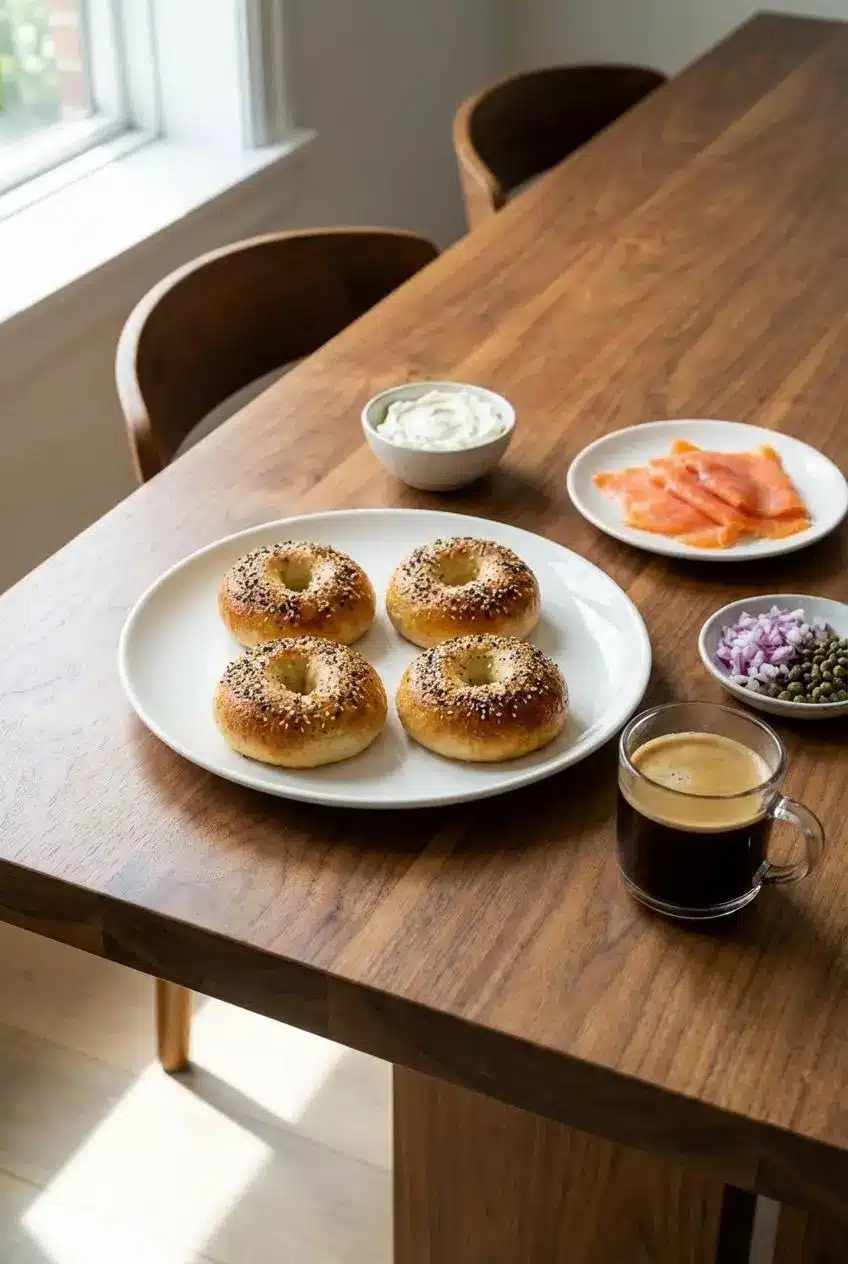
How to Serve Your Protein Bagels
For a classic breakfast, toast a bagel and swipe it with cream cheese, butter, or mashed avocado. When I want the full deli-counter moment, I add smoked salmon, red onion, capers, and a crack of black pepper.
These also make a sturdy base for a high-protein breakfast sandwich with egg and cheese, or a lunch sandwich with turkey, tuna salad, chicken salad, or egg salad. If cottage cheese has become your favorite way to add staying power to breakfast, protein pancakes are another cozy option for mornings when you want something soft, warm, and filling.
For a sweet-leaning snack, toast a bagel and spread it with butter, jam, or a sprinkle of cinnamon-sugar. It is not traditional, but it is the kind of quick kitchen treat that disappears faster than you expect.
Storage, Freezing, and Make-Ahead
Store cooled bagels in an airtight container at room temperature for up to 3 days. They are best toasted before serving, which wakes up the crust and brings back that fresh-baked feel.
For freezing, let the bagels cool completely, then tuck them into a freezer-safe bag for up to 3 months. Reheat them in the toaster, air fryer, or oven until warm, lightly crisp, and fragrant.
You can also make the dough ahead and refrigerate it tightly wrapped for up to 24 hours before shaping and baking. I like this kind of simple meal prep because it makes breakfast feel effortless, much like keeping easy snacks such as brownie protein bites ready for busy afternoons.

High Protein Cottage Cheese Bagels

Equipment
- Large Mixing Bowl
- Baking sheet or Air Fryer
- Wire rack
Ingredients
- 1 cup unbleached all purpose flour, or whole wheat or gluten-free mix like cup4cup, (5 oz total in weight)
- 2 teaspoons baking powder make sure it’s not expired or it won’t rise
- 3/4 teaspoon kosher salt use less if using table salt
- 1 cup 2% cottage cheese, excess liquid strained well I like Good Culture
- 1 egg white, or 1 large egg, beaten
- optional: everything bagel seasoning, sesame seeds, poppy seeds, dried garlic flakes, dried onion flakes
Instructions
Mix and Knead the Dough
- In a large mixing bowl, whisk together the flour, baking powder, and kosher salt until well combined.
- Add the well-strained cottage cheese. Stir with a spatula until a shaggy, crumbly dough forms.
- Using your hands, knead the dough in the bowl for about 2 minutes until it forms a smooth, tacky ball. It should not be overly sticky.
Shape and Season
- Divide the dough into 4 equal pieces. Roll each piece into a 3/4-inch thick rope and pinch the ends together to form a circle.
- Brush the tops of the bagels with the beaten egg white. Sprinkle generously with everything bagel seasoning or your desired toppings.
Air Fryer Method
- Lightly spray the air fryer basket with oil. Arrange the bagels in a single layer, ensuring they don’t touch.
- Air fry at 280°F (140°C) for 15-16 minutes, or until golden brown and firm. No flipping is needed.
Oven Method
- Preheat your oven to 375°F (190°C). Line a baking sheet with parchment paper.
- Place the bagels on the prepared baking sheet and bake for 25 minutes, or until golden brown and cooked through.
Cooling
- Transfer the baked bagels to a wire rack and let them cool for at least 15 minutes before slicing. This is crucial to allow the crumb to set and prevent a gummy texture.
Notes
Nutrition
Conclusion
These high protein cottage cheese bagels are proof that a homemade bagel does not need yeast, boiling, or a whole morning of work. The vital wheat gluten gives them that chewy little edge that makes every bite feel more satisfying.
Start with everything bagel seasoning, then play with seeds, cheese, or sweet toppings once you have the method down. Warm, toasty, and packed with protein, they are the kind of recipe that earns a permanent spot in the breakfast rotation.
Frequently Asked Questions
Why was my bagel dough so sticky?
Can I use Greek yogurt instead of cottage cheese?
How do I get a chewier bagel texture?
What’s the difference between the air fryer and oven methods?
How do I store and reheat these protein bagels?
Can I make this recipe gluten-free?