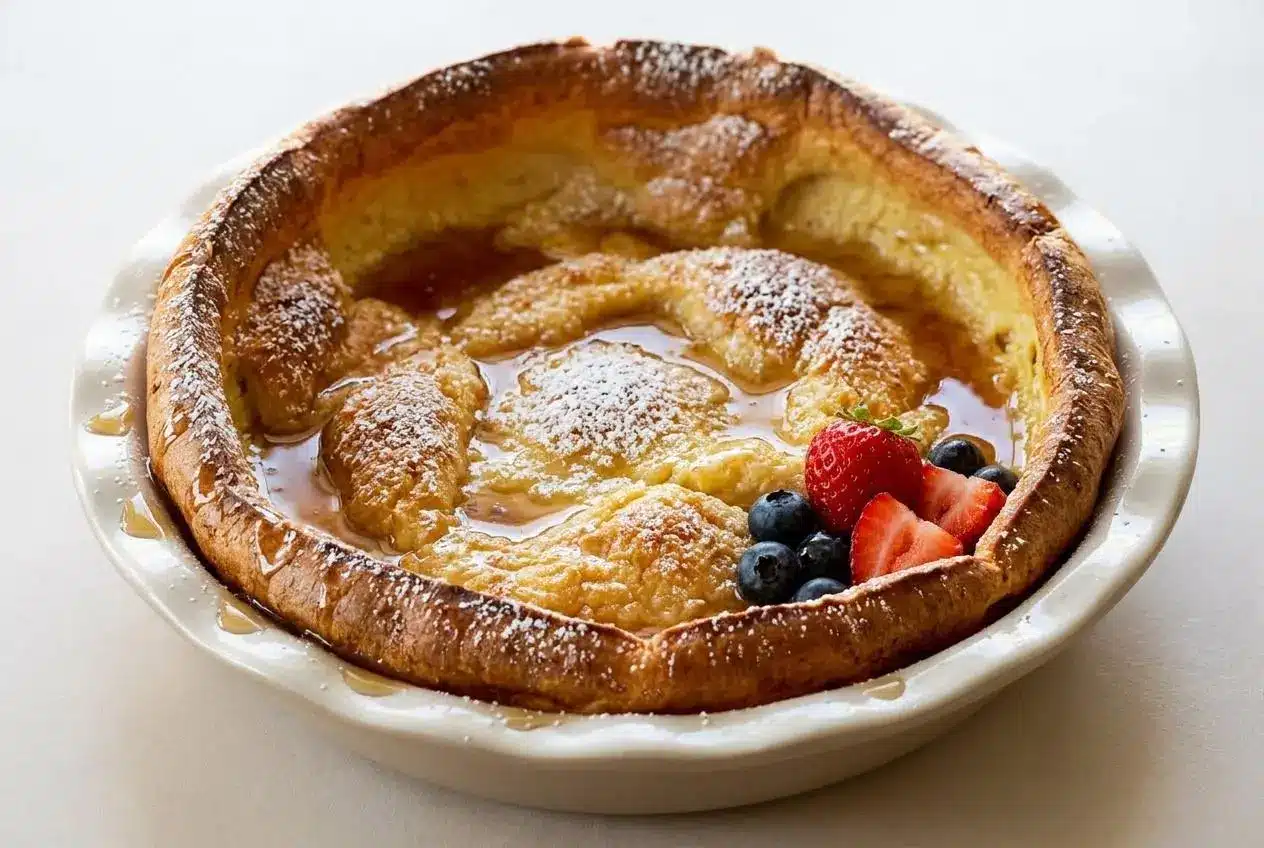
German pancakes are large oven-baked pancakes with crisp, golden edges and a soft, custardy center. The key to a big puff is pouring smooth batter into a very hot, buttered pan.
If you’ve ever watched one balloon up around the edges in the oven, you already know the fun part. German pancakes are quick to blend, easy to bake, and much more dramatic than the effort suggests.
You get crispy edges, a tender middle, and lots of room for toppings from powdered sugar and lemon to syrup and fruit. The hot pan does most of the magic.
Set the baking dish in the oven with the butter while the oven heats so the pan is fully hot when the batter goes in.
What Are German Pancakes? (And Are They a Dutch Baby?)
The short answer is yes. In the US, German pancakes and Dutch baby pancakes usually mean the same thing: a puffy oven-baked pancake made with eggs, milk, flour, and butter.
The name “Dutch baby” is widely thought to come from “Deutsch,” meaning German, which gradually shifted in American usage. So while the names sound different, they point to the same style of breakfast here.
They are very different from traditional German Pfannkuchen, which are thinner and more like crepes or skillet pancakes than a dramatic oven puff. They also don’t resemble traditional fluffy pancakes, which are cooked on a griddle and rise in a very different way.
This recipe is for the beloved American-style German pancake: big, puffy, golden, crisp at the edges, and softly custardy in the center.
Ingredients
Each ingredient has a job here, from building the lofty structure to creating rich flavor, steam, browning, and that signature crisp edge.
- 6 large eggs
- 1 cup milk (240 ml)
- 1 cup all-purpose flour (120 g)
- dash salt
- 1 teaspoon vanilla extract (5 ml)
- 5 Tablespoons butter (70 g)
The eggs do most of the heavy lifting in this recipe. They give the pancake its structure and help it rise high around the edges while keeping the center tender. Milk and flour create the batter body, the salt keeps the flavor from tasting flat, and vanilla adds a little warmth.
Butter matters twice. It adds richness, and when it gets hot in the pan, it helps the batter puff fast and form those crisp golden edges.
I find that letting the eggs and milk lose their chill before blending helps the batter come together more smoothly and puff more evenly.
How to Make German Pancakes
- Heat the oven to 425 °F.
The oven needs to be fully hot before the batter goes in so the pancake can rise quickly. - Place the butter in an un-greased 9×13-in. metal baking dish and set it in the oven just until the butter melts.
You want melted butter and a hot pan, not browned butter or a smoking dish. - Blend the eggs, milk, flour, salt, and vanilla until the batter is completely smooth, then pour it into the hot dish over the melted butter.
The batter should hit the pan with a soft sizzle and smell lightly buttery right away. - Bake for 22 to 27 minutes, until the edges are deeply puffed and golden brown.
Within the first part of baking, the batter should start climbing the sides of the pan and the center should look set by the end. - Serve with a generous shower of powdered sugar and syrup.
The pancake will deflate quickly once it leaves the oven, and that dramatic collapse is completely normal.
Variations and Substitutions
- Gluten-Free: Use a 1-to-1 gluten-free baking flour blend. The texture can be slightly different, but it still bakes up nicely.
- Dairy-Free: Swap the milk for almond or oat milk and use a dairy-free butter substitute. Expect a small change in browning and flavor.
- Warm Spices: Add a pinch of cinnamon or nutmeg to the batter for a warmer breakfast flavor.
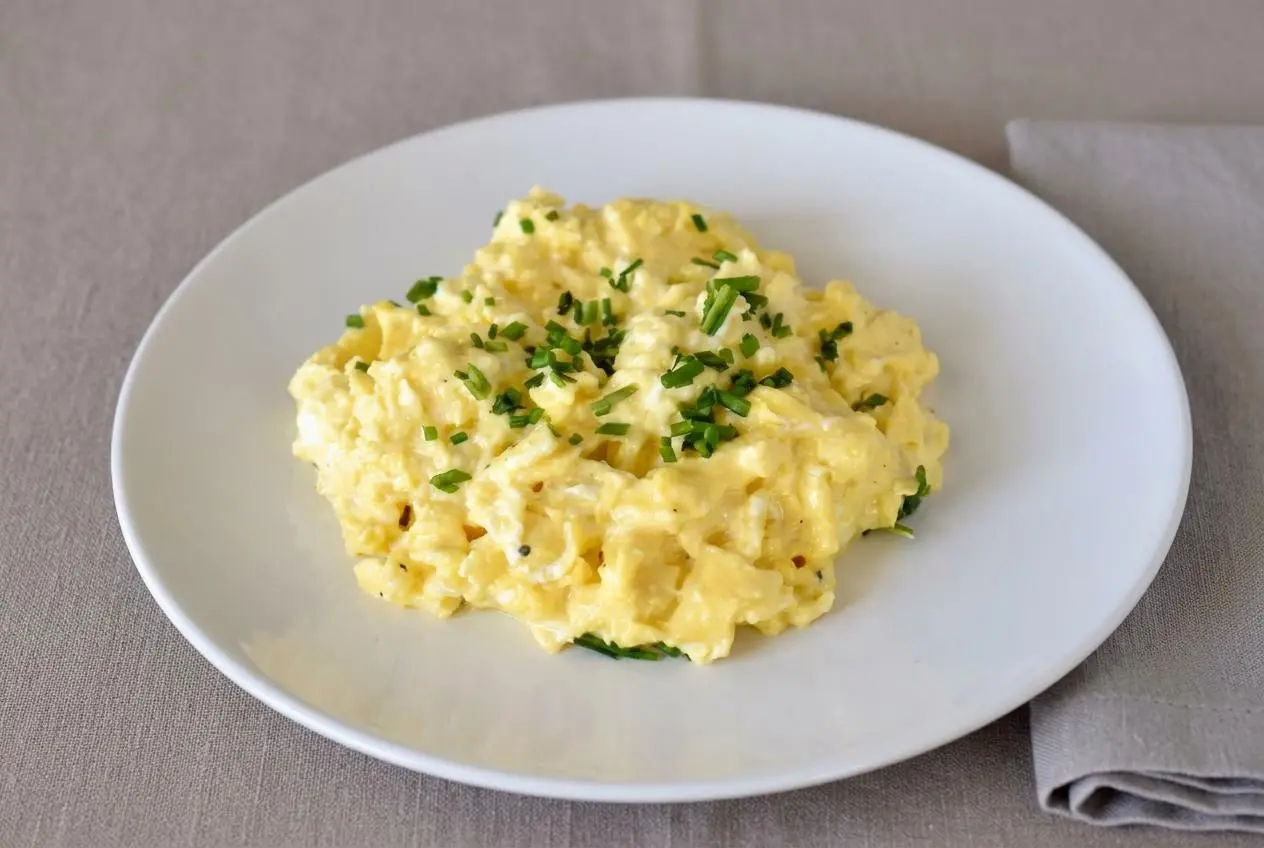
- Savory Version: Leave out the vanilla and add herbs like chives or thyme. This version is especially good with cheese or bacon on top.
Tips for the Perfect Puffy German Pancake
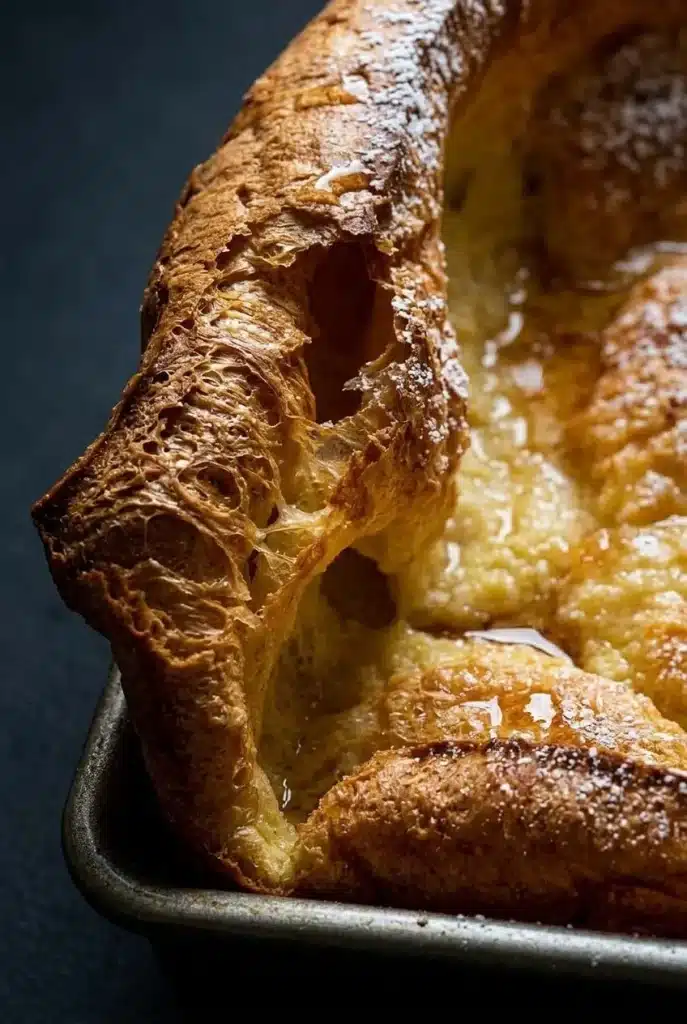
A German pancake is easy, but a few details make the difference between mildly puffed and gloriously dramatic. Most problems trace back to heat, batter texture, or pan choice.
The Importance of a Hot Pan
This is the biggest one. When cool batter hits a very hot, buttered pan, it creates a burst of steam that helps lift the batter fast before the structure sets.
If the pan is only warm, the batter spreads and starts cooking too gently. You’ll still get a baked pancake, but the signature high edges and crisp sides will be much less impressive.
Choosing Your Pan: Skillet vs. Baking Dish
Metal and cast iron give the best puff because they conduct heat quickly and evenly.
- 9×13 metal baking dish: Great for feeding a group and gives broad, crisp edges with a flatter center.
- 10- to 12-inch cast iron skillet: Often gives the tallest rise and a slightly deeper golden edge because it holds heat so well.
- Glass baking dish: It works, but it usually produces a gentler rise and slightly softer edges than metal or cast iron.
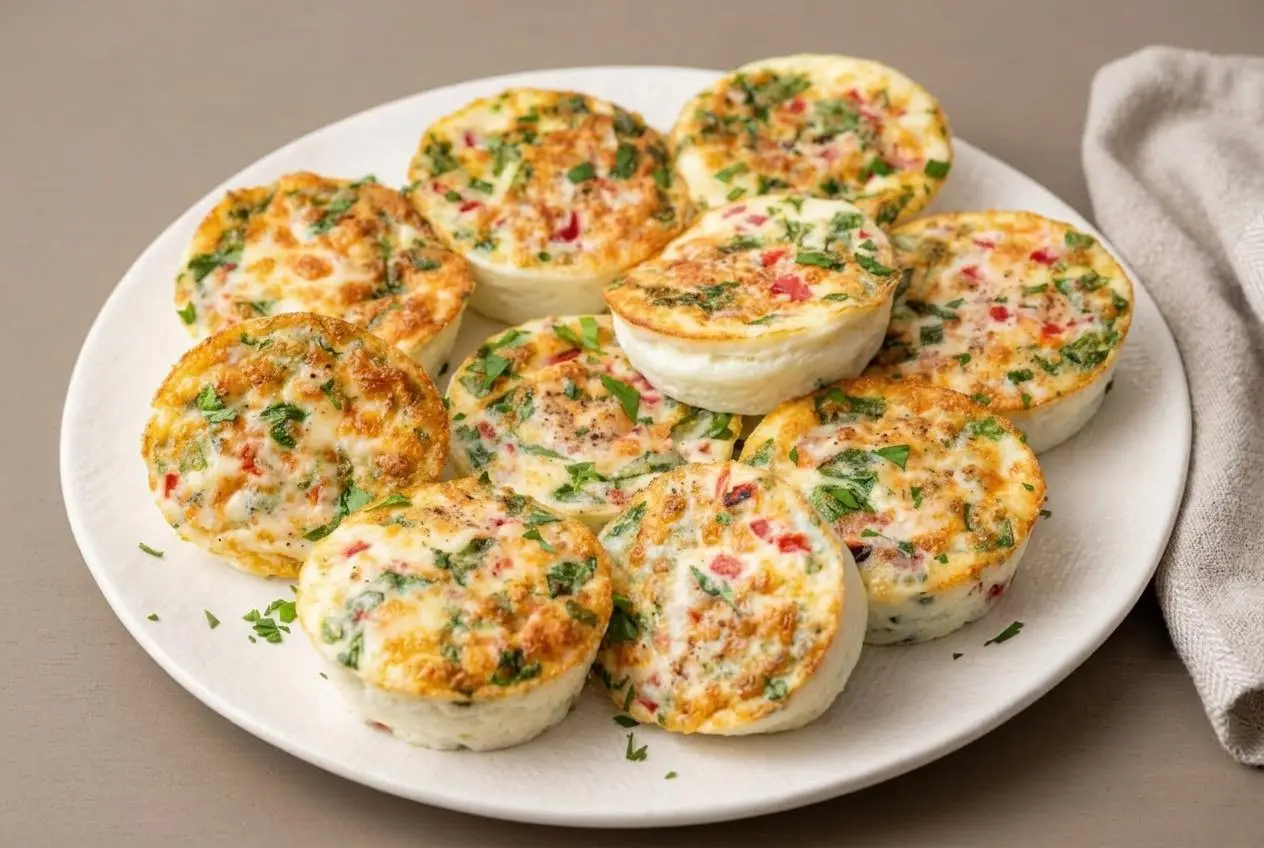
If you like hands-off baked breakfasts, oven-baked egg muffins are another good option for busy mornings.
More Tips for Success
- Use a blender: A blender smooths out the batter and whips in a bit of air, which helps the pancake rise more evenly.
- Start with room temperature ingredients: Eggs and milk blend more easily when they’re not cold, which helps avoid a heavy or streaky batter.
- Keep the oven door closed: A sudden drop in heat can interrupt the rise and make the pancake collapse early.
- Don’t use egg substitutes: This recipe depends on real eggs for structure, so swaps usually lead to a much flatter result.
Troubleshooting Common Issues
If your pancake didn’t come out tall, crisp, and golden, the fix is usually pretty simple. Here’s how to spot what went wrong and adjust next time.
- It didn’t puff: The pan probably wasn’t hot enough, the oven wasn’t fully preheated, or the batter stayed lumpy. Heat the dish with the butter, blend until smooth, and pour the batter in as soon as the pan is ready.
- It rose a little, then fell early: Opening the oven door can drop the temperature fast. Leave it closed until the pancake looks deeply puffed and browned.
- The center is soggy or too eggy: It likely needs more baking time. Keep going until the center looks set instead of wet, and make sure the ingredient amounts are measured accurately.
- The edges are burnt but the middle is still raw: Your oven may run hot in spots, or you may be using a dark pan that browns faster. Rotate the pan midway if needed and watch the color near the end.
- The batter baked up dense: Hand-mixed batter can stay slightly lumpy and heavier. A blender gives a smoother, lighter base with better lift.
Topping and Serving Ideas
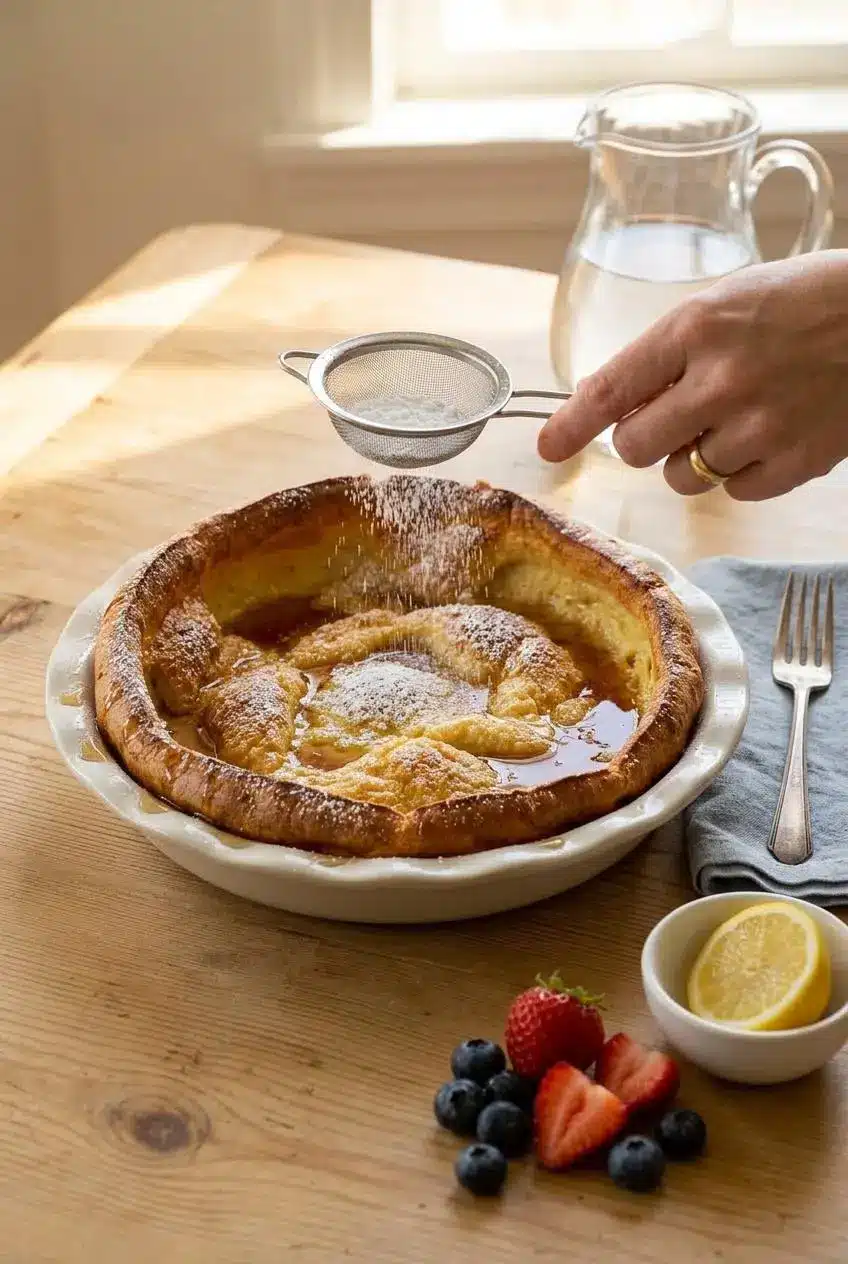
This pancake is best served right away while the edges are still high and crisp. Once it comes out of the oven, move fast with the toppings because it starts settling almost immediately.
- The classic: Powdered sugar and a squeeze of fresh lemon give you the bright, sweet-tart finish that makes the rich center pop.
- Sweet and fruity: Maple syrup, buttermilk syrup, fresh berries, sliced bananas, or warm sautéed apples all work beautifully. If berries are your favorite breakfast move, classic blueberry pancakes are worth making another morning.
- Dessert-style: Add whipped cream or a scoop of vanilla ice cream when you want it to feel more like a warm skillet dessert.
- Savory: Try crisp bacon, a little cheese, or fresh herbs if you made the savory version without vanilla.
Bananas are especially good with the custardy center and crisp edges. If that flavor combination is your thing, you might also like banana pancakes.
How to Store and Reheat
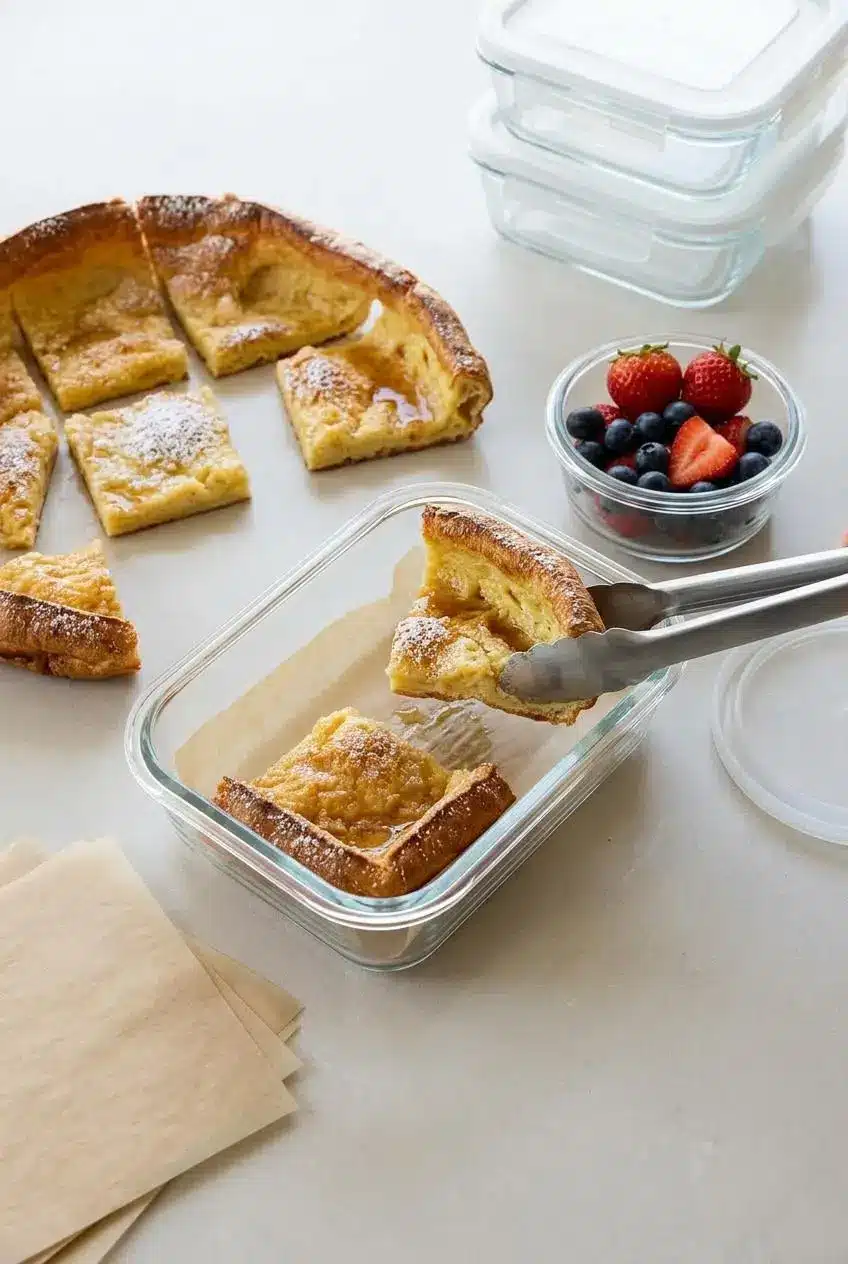
German pancakes are at their best fresh, but leftovers are still worth saving. Let the pancake cool completely, then cover it well or place it in an airtight container and refrigerate it. For egg-based leftovers, 3 to 4 days in the refrigerator and 2 to 3 months in the freezer is a useful guide.
To reheat, use a lightly buttered skillet over medium-low heat or warm it in the oven or toaster oven until heated through. That helps bring back some of the edge texture that makes this pancake so good.
The microwave works in a pinch, but it tends to soften the edges and make the center a bit rubbery.
Conclusion
German pancakes are one of the easiest ways to get a breakfast that looks impressive without much effort. Blend, pour, bake, and let the oven do the showy part.
If you remember one thing, make it the hot pan. That single step gives you the best shot at a tall puff, crisp edges, and a warm custardy center worth serving right away.
Frequently Asked Questions (FAQ)
Can I Make German Pancake Batter Ahead of Time?
It’s best baked right after blending for the biggest rise. If you need to prep ahead, keep the batter chilled, then let it warm up a bit and blend again before pouring it into the hot pan.
What’s the Best Pan for German Pancakes?
A 10- to 12-inch cast iron skillet or a 9×13-inch metal baking pan usually gives the best results. Both hold and transfer heat well, which helps create taller puffed edges and better browning than glass.
Why Is My German Pancake Soggy in the Middle?
Most of the time, it simply needs a little more baking. The center should look set rather than wet, and a batter measured off-ratio can also make the middle too loose.
How Do I Make German Pancakes for Two?
Halve the ingredients and bake the batter in an 8-inch or 9-inch oven-safe skillet or an 8×8-inch baking dish. Start checking a bit earlier, since a smaller batch can finish faster.
German Pancakes

Equipment
- 9×13-inch baking dish
- Blender
Ingredients
- 6 large eggs
- 1 cup milk (240 ml)
- 1 cup all-purpose flour (120 g)
- 1 dash salt
- 1 teaspoon vanilla extract (5 ml)
- 5 Tablespoons butter (70 g)
Instructions
- Heat the oven to 425 °F. The oven needs to be fully hot before the batter goes in so the pancake can rise quickly.
- Place the butter in an un-greased 9×13-in. metal baking dish and set it in the oven just until the butter melts. You want melted butter and a hot pan, not browned butter or a smoking dish.
- Blend the eggs, milk, flour, salt, and vanilla until the batter is completely smooth, then pour it into the hot dish over the melted butter. The batter should hit the pan with a soft sizzle and smell lightly buttery right away.
- Bake for 22 to 27 minutes, until the edges are deeply puffed and golden brown. Within the first part of baking, the batter should start climbing the sides of the pan and the center should look set by the end.
- Serve with a generous shower of powdered sugar and syrup. The pancake will deflate quickly once it leaves the oven, and that dramatic collapse is completely normal.