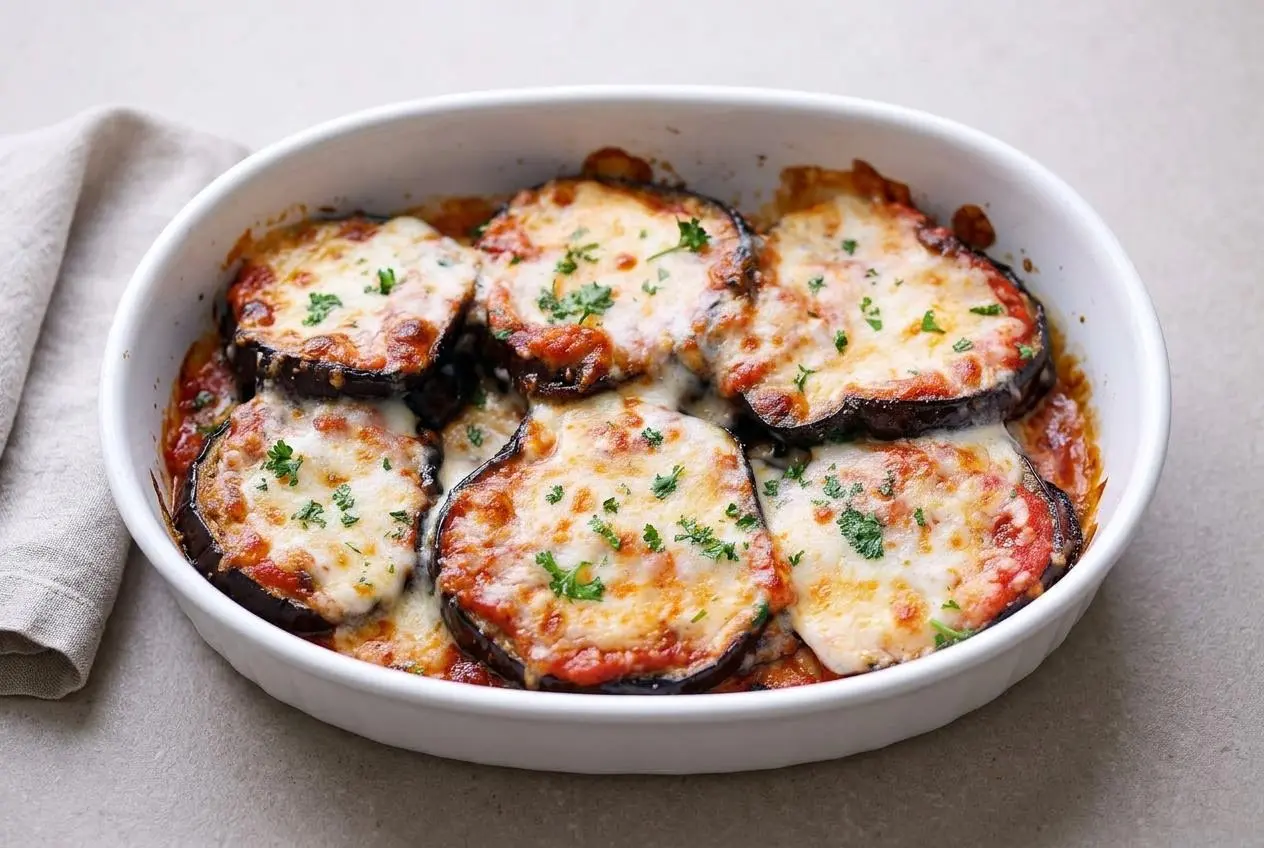
This Eggplant Casserole gives you tender roasted eggplant, marinara, and bubbly cheese without the usual watery mess. Roasting first concentrates flavor, helps the slices hold their shape, and makes the final bake rich, savory, and sliceable.
Eggplant casserole is one of those dishes that can go gloriously cheesy or sadly soggy depending on a few small choices. This version keeps the process straightforward and focuses on the steps that matter most.
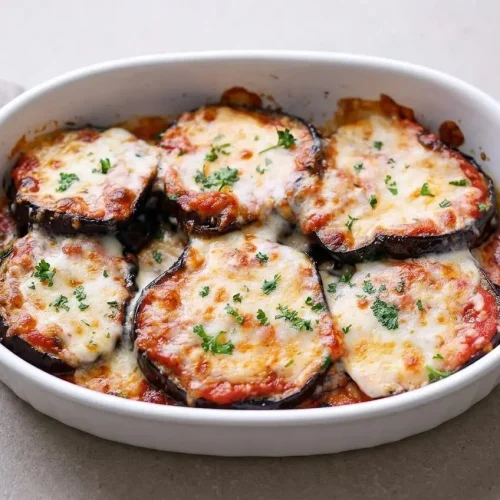
You get browned edges, a soft center, and enough sauce and cheese for comfort without burying the eggplant. The roasting step does the heavy lifting.
Slice the eggplant as evenly as you can so every piece roasts at the same pace.
Why This Eggplant Casserole Recipe Works
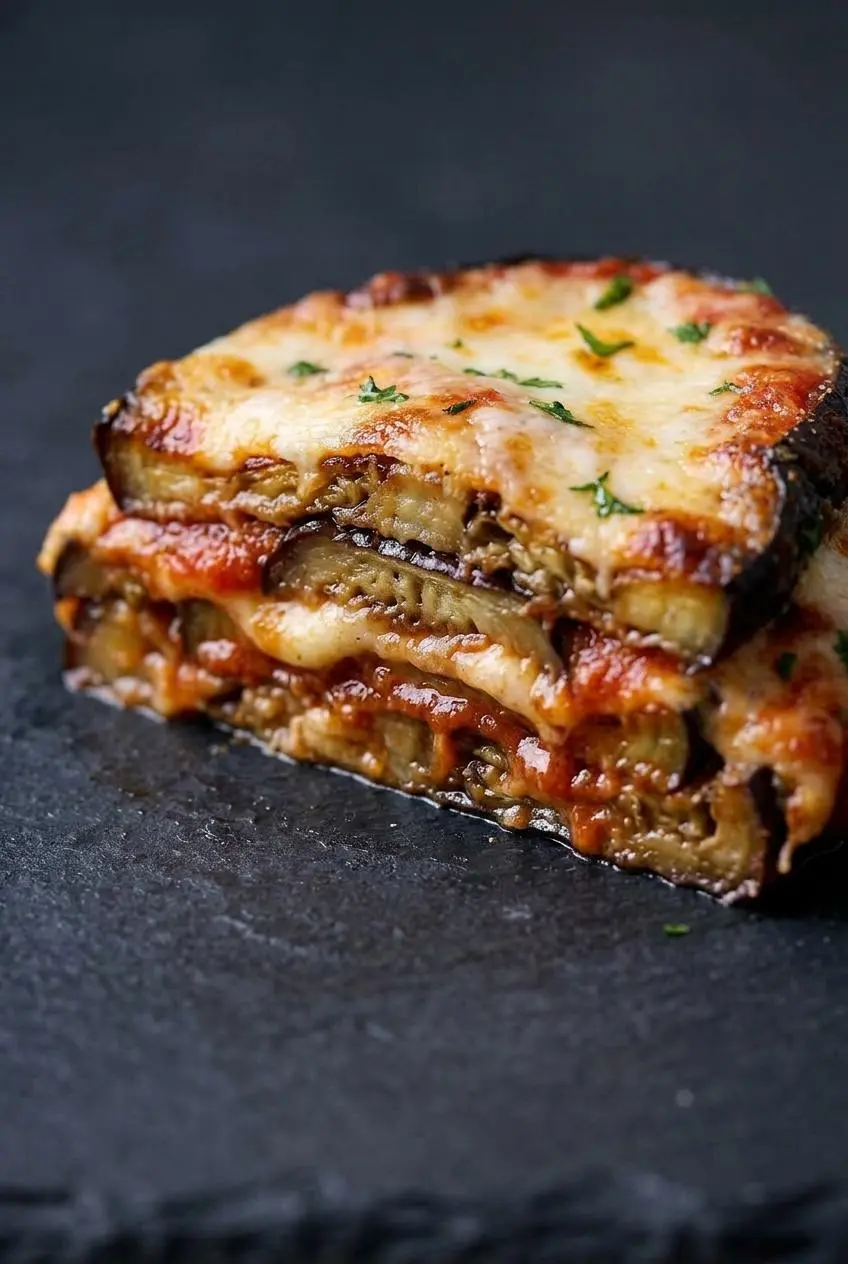
This version works because it solves the two big eggplant problems right away: excess moisture and uneven texture. Instead of layering raw slices into the dish, you roast them first at high heat so they brown, lose surface moisture, and develop a deeper savory flavor.
It also keeps the ingredient balance tight. There is enough marinara to add moisture and tang, enough mozzarella for that stretchy melt, and just enough Parmesan for a sharper finish. Because the eggplant is not breaded or fried, the casserole feels lighter than classic Eggplant Parmesan while still landing squarely in comfort-food territory.
Leaving the skin on helps the slices stay intact, and resting the casserole after baking gives the layers time to settle so you can serve neat portions instead of a cheesy landslide.
Ingredients You’ll Need
Each ingredient pulls its weight here, building structure, savory depth, melt, and just enough sauce to keep the casserole tender without making it loose.
- Avocado oil spray (for pan)
- 1 large eggplant (1 1/4 pound, unpeeled)
- 1/4 teaspoon Diamond Crystal kosher salt
- 1/4 teaspoon black pepper
- 1/4 teaspoon garlic powder
- 1/2 cup marinara sauce
- 1 cup mozzarella (shredded, part-skim, divided; 4 ounces)
- 1 tablespoon Parmesan (grated)
The eggplant is the backbone of the dish, and keeping it unpeeled helps the rounds hold together as they roast and bake. Marinara brings acidity and a little sweetness, which keeps the casserole from tasting flat.
Part-skim mozzarella is especially useful here because it melts well without shedding as much moisture as fresh mozzarella can. Parmesan adds a salty, nutty top note, so the finished casserole tastes more rounded with very little extra effort.
I always choose an eggplant that feels firm and heavy with smooth, glossy skin because it usually roasts up with better texture and less bitterness.
How to Make Eggplant Casserole Step by Step
- Heat the oven to 500°F, line a large rimmed baking sheet with high-heat-resistant parchment paper or nonstick foil, and coat it with avocado oil spray.
The lined pan prevents sticking and gives the eggplant a clean surface for fast roasting. - Cut the eggplant into 1/4-inch slices, arrange them in a single layer on the baking sheet, spray with oil, and season with kosher salt, black pepper, and garlic powder.
Keeping the slices even helps them roast at the same rate instead of leaving you with a mix of mushy and underdone pieces. - Roast the slices for 15 minutes.
At this stage the eggplant should start looking softer and slightly golden around the edges. - Turn each slice, spray the second side with oil, and roast for about 10 minutes more.
They are ready when the surfaces are browned and the centers feel fully tender when pierced with a fork. - Take the baking sheet out and lower the oven temperature to 425°F.
This brings the oven down to a better temperature for melting the cheese and bubbling the sauce without scorching the top. - Grease a 1-quart casserole dish, then layer in half of the roasted eggplant, half of the marinara sauce, and half of the mozzarella.
Building the casserole in layers gives you balanced bites instead of all the sauce or cheese sitting in one spot. - Finish with the remaining eggplant, the rest of the marinara sauce, the remaining mozzarella, and the Parmesan.
The top should look evenly covered so it bakes into a golden, cheesy lid. - Bake for about 15 minutes, then let the casserole rest for 10 minutes before serving.
It is ready when the edges are bubbling energetically and the cheese is melted and lightly golden.
That high-heat roast is the main reason this casserole tastes fuller and cuts more cleanly. It removes extra moisture, deepens the flavor of the eggplant, and keeps the finished dish from slipping into mush.
Pro Tips for Success
A few small choices make a big difference here, especially if you want slices that stay tender instead of watery or rubbery.
- Use uniform slices. A mandolin is handy if you have one. Even 1/4-inch rounds roast more predictably and layer more neatly.
- Do not crowd the pan. If slices overlap too much, they steam instead of brown. Browned eggplant tastes better and carries less moisture into the casserole.
- Try a crisp topping if you want contrast. Mix a little panko and Parmesan with melted butter, toast it separately, and scatter it over the casserole for the last few minutes of baking. That keeps it crisp instead of soaking into the sauce.
- Rest before slicing. Ten minutes matters. If you cut too soon, the layers slide apart and the cheese runs everywhere.
If you prefer a smoky edge, you can grill the eggplant instead of roasting it before layering. The goal is the same either way: cook off moisture first, then bake the casserole.
Troubleshooting: How to Avoid Watery or Bitter Eggplant
If eggplant casserole has ever turned out soupy, bitter, or oddly chewy, the fix is usually in the prep. Most problems start before the casserole even goes into the baking dish.
The Secret to Non-Soggy Casserole
The most dependable way to reduce excess moisture is to salt the sliced eggplant before cooking it. Lay the slices in a colander or on towels, sprinkle them lightly with salt, and let them sit for 15 to 30 minutes. You will see beads of moisture rise to the surface.
After that, pat the slices very dry with paper towels. Be thorough here. Roasting dry slices works much better than roasting wet ones, and this step can also soften any slight bitterness in the eggplant.
If you add other vegetables in a variation, cook them first too. Mushrooms, zucchini, onions, and peppers all release water, so they should hit the pan before they hit the casserole.
Other Common Problems & Fixes
| Problem | Fix |
|---|---|
| Watery casserole | Salt and dry the eggplant first, roast the slices before layering, and use low-moisture mozzarella instead of fresh. |
| Bitter eggplant | Choose eggplant that feels firm with smooth skin, then salt the slices before cooking to pull out bitter juices. |
| Rubbery or tough texture | Cut the slices evenly and roast until fully tender before assembling. Undercooked eggplant stays chewy in the center. |
| Casserole falls apart | Let it rest after baking so the layers can settle and the melted cheese can firm up slightly. |
Popular Eggplant Casserole Variations
The classic version is vegetarian and cheesy, but it adapts well if you want something heartier, creamier, or more rustic. Keep these as optional spins on the main method rather than a whole separate production.
| Variation | What to Change | Best For |
|---|---|---|
| Ground beef | Add cooked seasoned beef between the layers with the sauce. | A more filling main dish |
| Creamy old-fashioned | Swap the marinara for cream of mushroom soup or a simple white sauce. | A softer, richer casserole |
| Southern mashed style | Boil, drain, and mash the eggplant, then mix it with sautéed vegetables and buttery crackers. | A cozy, spoonable texture |
| Veggie-loaded | Add pre-cooked zucchini, mushrooms, or bell peppers to the layers. | Extra vegetables without losing structure |
Eggplant Casserole with Ground Beef
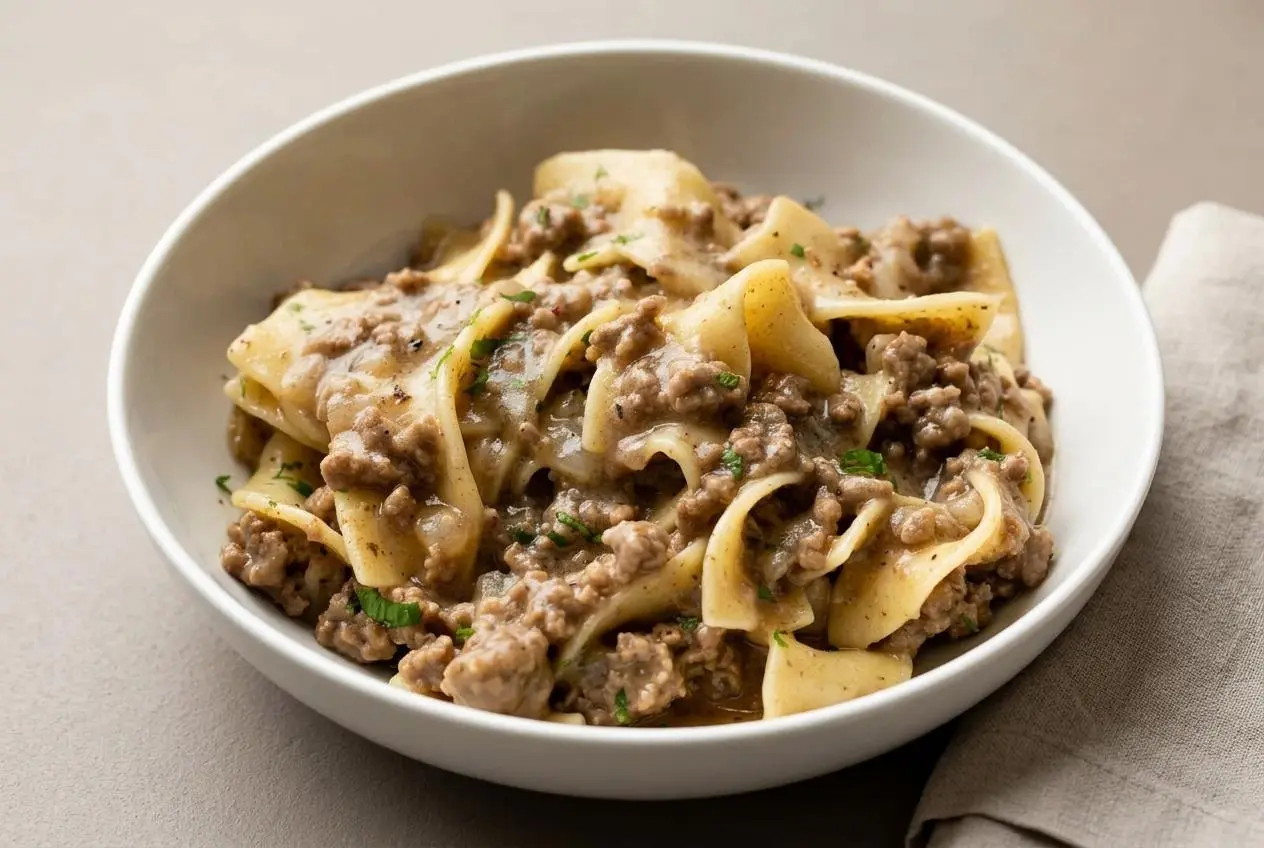
To turn this into a hearty main dish, brown ground beef with onion and garlic, then drain off the fat before layering it with the marinara. Add the beef in thin layers so it stays integrated with the eggplant rather than forming one heavy block in the middle.
If you enjoy this kind of cozy baked dinner, cheesy hamburger casserole is another good one to keep in your weeknight rotation.
Creamy Old-Fashioned Eggplant Casserole
For a more old-school casserole feel, replace the marinara with cream of mushroom soup or a quick béchamel. The result is milder, creamier, and less tangy, with a softer baked texture that leans more casserole and less Italian-style bake.
If you like that plush, spoonable texture, creamy mashed potato casserole has a similarly comforting vibe.
Southern-Style Mashed Eggplant Casserole
This variation takes the dish in a totally different direction. Instead of roasting slices, boil the eggplant until soft, drain it very well, then mash it and mix it with sautéed onion, bell pepper, and buttery crackers before baking. The key is squeezing out as much water as possible so the casserole bakes up rich instead of loose.
For another comfort-food classic from the same family of dishes, Southern cornbread casserole fits right in.
Veggie-Loaded Eggplant Casserole
If you want more vegetables in the mix, layer in sautéed mushrooms, zucchini, or bell peppers. Cook them first and season lightly. Raw vegetables dump too much moisture into the casserole, which undoes all the good work of roasting the eggplant.
A pinch of red pepper flakes in the marinara is a nice optional move if you want a little heat.
What to Serve with Eggplant Casserole
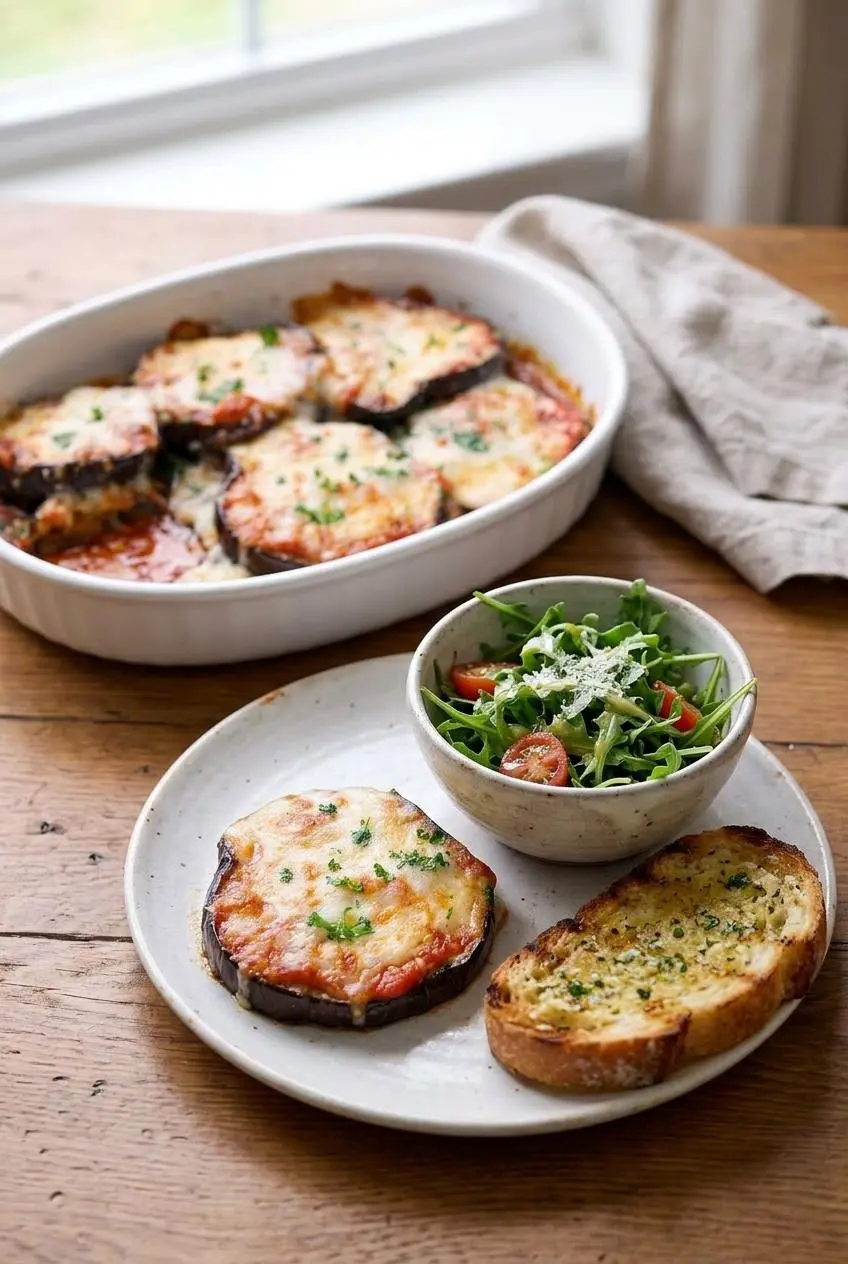
This casserole can be dinner on its own or part of a bigger spread, depending on how you serve it.
- As a vegetarian main, pair it with an arugula salad dressed with lemony vinaigrette and some garlic bread.
- As a side dish, serve it with roasted chicken or grilled fish.
- For a fuller comfort-food meal, add a plain pasta tossed with olive oil and garlic so the casserole stays the star.
Storage and Reheating
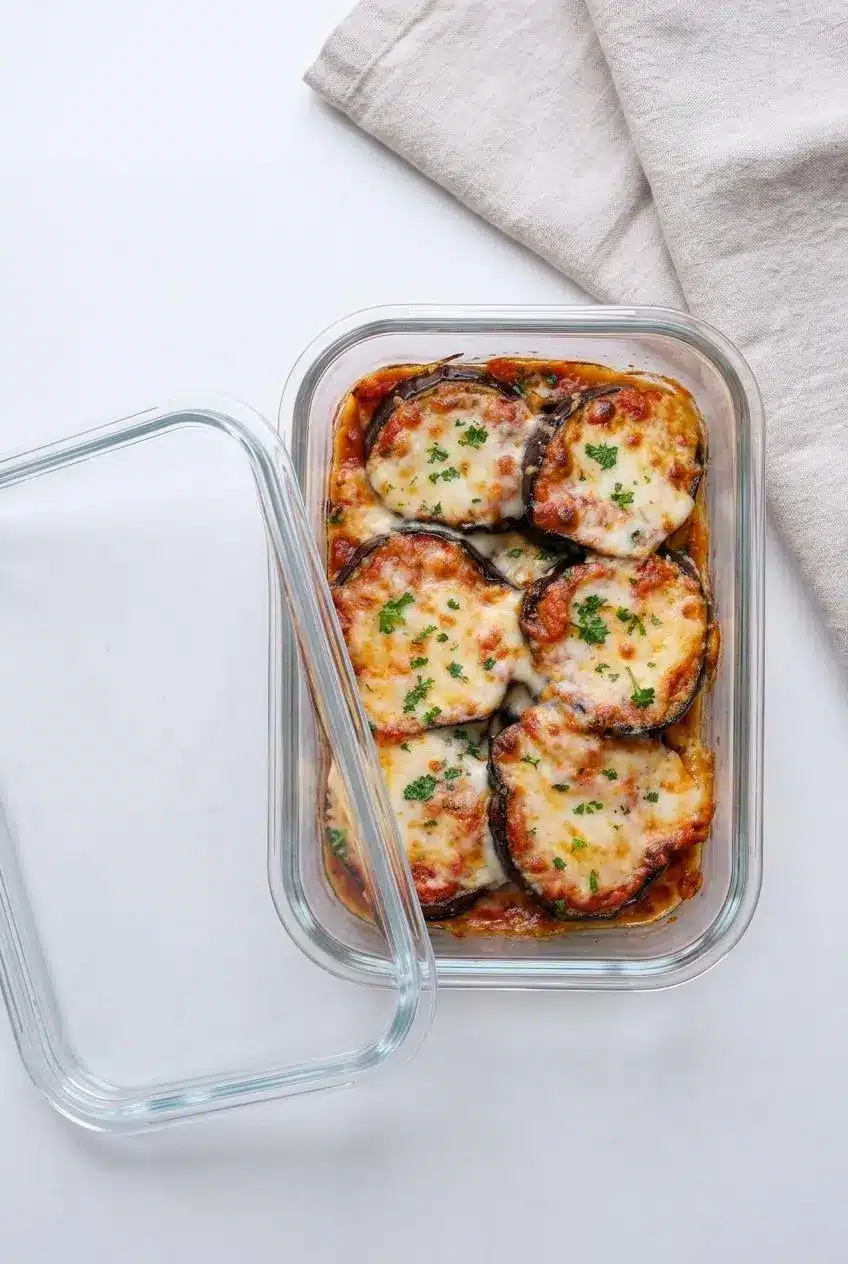
This casserole keeps best when you cool it, cover it well, and reheat it gently so the cheese remelts without turning rubbery.
How to Store and Reheat Leftovers
Transfer leftovers to an airtight container and refrigerate them once cooled. For the best texture, reheat portions in a 350°F oven until heated through. A microwave works for speed, though the eggplant will be softer and the cheese less stretchy.
If your version includes ground beef, chill leftovers promptly and handle them with the same care you would use for any cooked meat dish. The USDA page on leftovers and food safety is a helpful reference for cooling and storing cooked foods.
Make-Ahead Instructions
You can roast the eggplant and assemble the casserole in advance, then keep it covered in the refrigerator until you are ready to bake. If it goes into the oven cold, expect it to need a little extra time so the center gets fully hot and the cheese bubbles evenly.
For the freshest texture, wait to bake until close to serving time. That keeps the layers more defined and the top from softening too much during storage.
Make-Ahead & Storage Quick Guide
| Method | How to Handle It | Best Result |
|---|---|---|
| Leftovers | Cool, cover, and refrigerate in an airtight container. | Reheat in the oven for the best texture |
| Assembled ahead | Build the casserole, cover it, and refrigerate before baking. | Add extra baking time if starting cold |
| Roasted eggplant ahead | Roast the slices first, then assemble later. | Easier prep with less last-minute work |
Conclusion
A really good eggplant casserole comes down to texture control. Roast the eggplant first, layer it thoughtfully, and give the baked dish a short rest before serving.
Once you have that base down, you can keep it classic or swing it toward meaty, creamy, or Southern-style. Either way, the bubbly top is worth the wait.
Frequently Asked Questions
How do I keep my eggplant casserole from being watery?
Salt the slices and let them sit for 15 to 30 minutes before cooking. Pat them very dry, then roast or grill them before layering. Use low-moisture mozzarella and pre-cook any extra vegetables you plan to add.
Should you peel eggplant before making a casserole?
No, peeling is optional. The skin softens as it cooks and helps the slices keep their shape. If you want a softer, more uniform texture, you can peel it first.
Can I assemble eggplant casserole the day before?
Yes. You can assemble it ahead and keep it covered in the refrigerator before baking. If it is cold from the fridge, it will usually need a bit more oven time. Roasting the eggplant ahead is another smart way to break up the work.
What’s the best cheese for eggplant casserole?
A mix of cheeses gives the best result. Low-moisture mozzarella melts smoothly and helps keep the casserole from getting too wet. Parmesan adds a sharper salty flavor, and provolone also works well if you want a different melt.
Eggplant Casserole

Equipment
- Large, rimmed baking sheet
- 1-quart casserole dish
Ingredients
- Avocado oil spray for pan
- 1 large eggplant (1 1/4 pound, unpeeled)
- 1/4 teaspoon Diamond Crystal kosher salt
- 1/4 teaspoon black pepper
- 1/4 teaspoon garlic powder
- 1/2 cup marinara sauce
- 1 cup mozzarella shredded, part-skim, divided; 4 ounces
- 1 tablespoon Parmesan grated
Instructions
- Heat the oven to 500°F, line a large rimmed baking sheet with high-heat-resistant parchment paper or nonstick foil, and coat it with avocado oil spray. The lined pan prevents sticking and gives the eggplant a clean surface for fast roasting.
- Cut the eggplant into 1/4-inch slices, arrange them in a single layer on the baking sheet, spray with oil, and season with kosher salt, black pepper, and garlic powder. Keeping the slices even helps them roast at the same rate instead of leaving you with a mix of mushy and underdone pieces.
- Roast the slices for 15 minutes. At this stage the eggplant should start looking softer and slightly golden around the edges.
- Turn each slice, spray the second side with oil, and roast for about 10 minutes more. They are ready when the surfaces are browned and the centers feel fully tender when pierced with a fork.
- Take the baking sheet out and lower the oven temperature to 425°F. This brings the oven down to a better temperature for melting the cheese and bubbling the sauce without scorching the top.
- Grease a 1-quart casserole dish, then layer in half of the roasted eggplant, half of the marinara sauce, and half of the mozzarella. Building the casserole in layers gives you balanced bites instead of all the sauce or cheese sitting in one spot.
- Finish with the remaining eggplant, the rest of the marinara sauce, the remaining mozzarella, and the Parmesan. The top should look evenly covered so it bakes into a golden, cheesy lid.
- Bake for about 15 minutes, then let the casserole rest for 10 minutes before serving. It is ready when the edges are bubbling energetically and the cheese is melted and lightly golden.