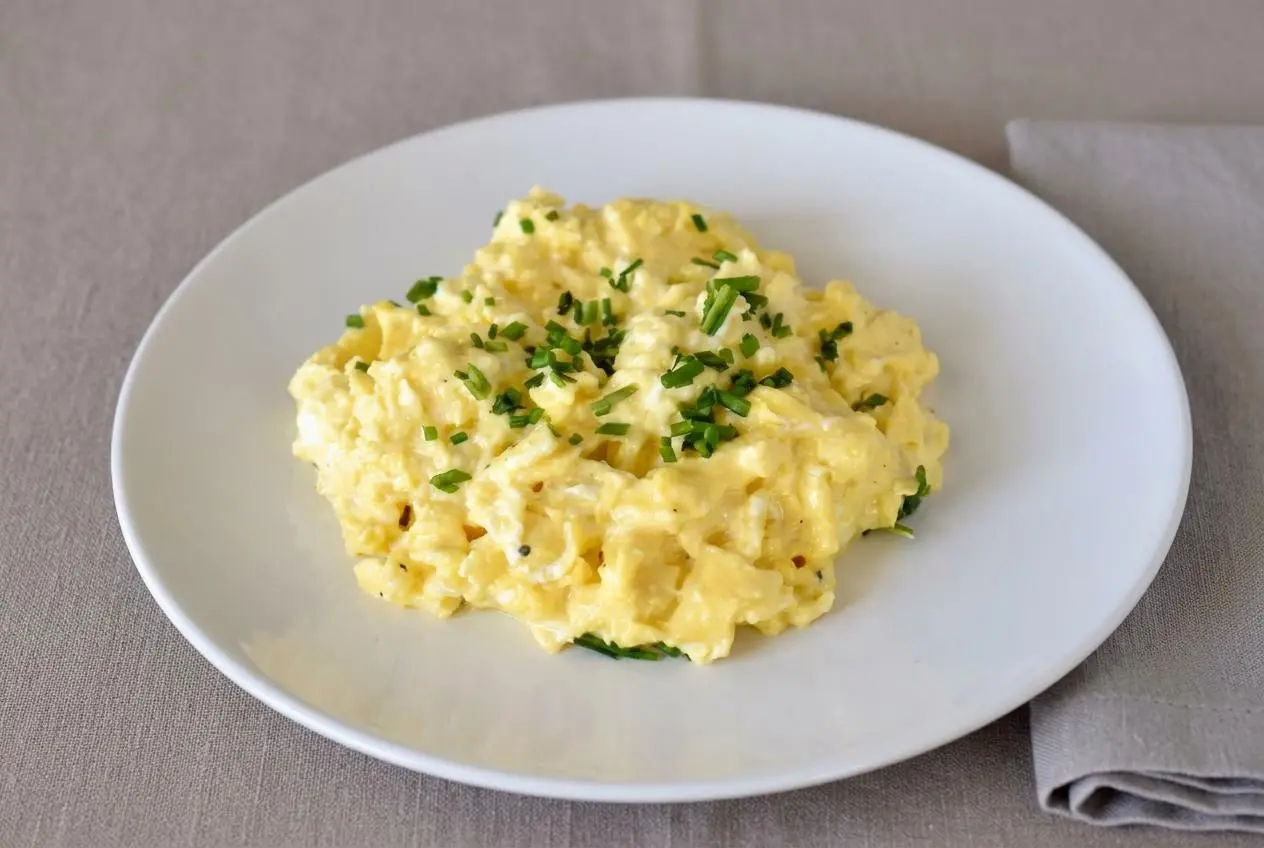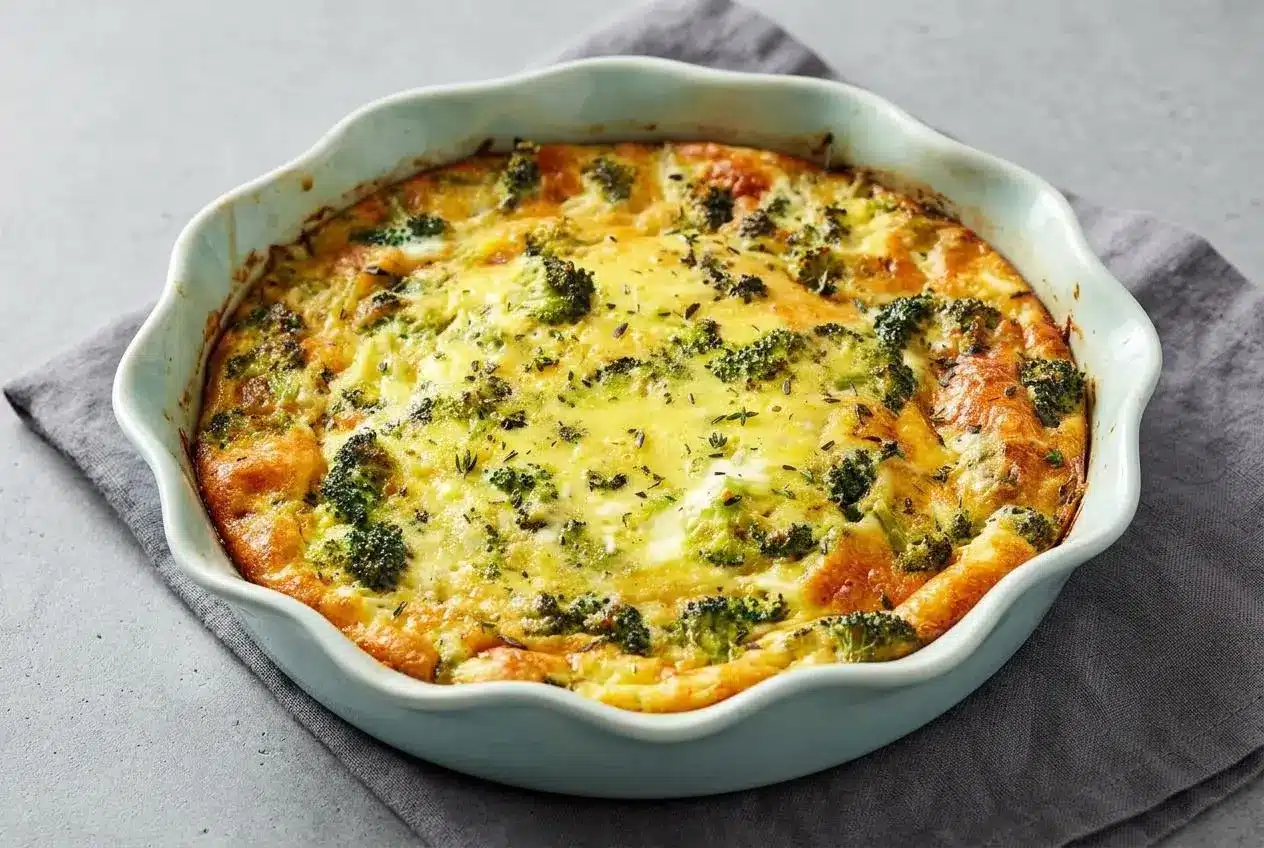
A crustless quiche is a savory egg custard baked in a greased pie dish without pastry, giving you a silky, custardy center and a golden top with less fuss than a traditional quiche.
Crustless quiche is ideal when you want the comfort of quiche without rolling dough. You still get tender eggs, melty cheese, and a satisfying slice that works for breakfast, brunch, or a light dinner.
Fresh from the oven, the center is delicate, the edges turn lightly golden, and the herbs warm up the whole kitchen. The trick is handling the vegetables properly.
Set your oven rack near the center so the custard bakes evenly and the top colors without drying out.
Understanding Crustless Quiche vs Frittata
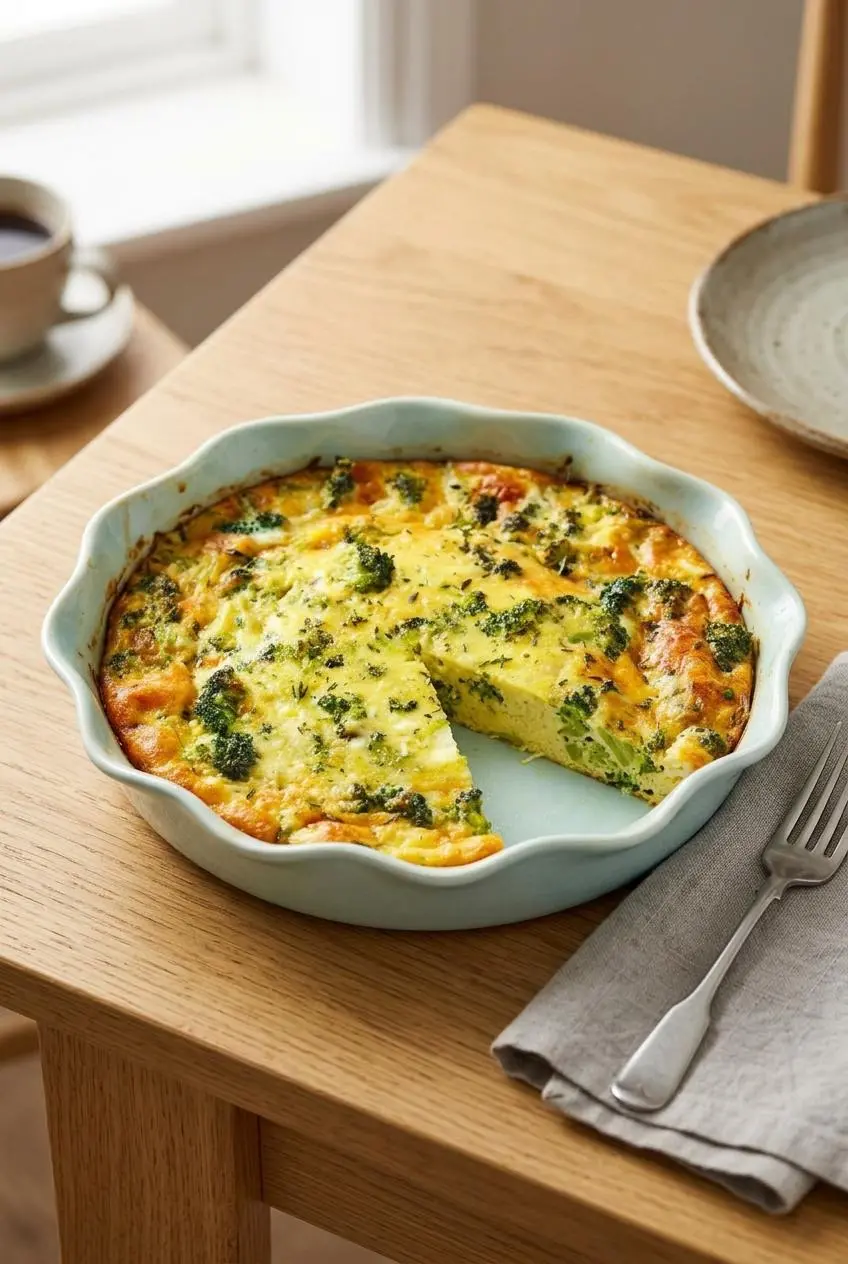
These dishes start with eggs, but they cook and eat differently. If you want a soft custard that slices neatly, you’re making quiche territory, even without the crust.
A crustless quiche uses more dairy in relation to the eggs, so the finished texture is softer and more delicate. A frittata usually contains less milk or cream, which makes it firmer, slightly springier, and more clearly egg-forward.
The cooking method matters too. A crustless quiche bakes fully in the oven, usually in a pie dish, so the heat surrounds the custard gently. A frittata often starts on the stovetop and may finish in the oven or under the broiler, which gives it a denser set.
That’s why a good crustless quiche has a subtle wiggle in the center when it’s done, while a frittata tends to feel more solid from edge to middle. If you’re after a silky slice rather than something closer to egg casserole, this style is the better fit.
Essential Ingredients and the Perfect Ratio
Each ingredient has a real job here, from building a tender custard to adding savory depth, moisture balance, aroma, and a top that bakes up golden instead of flat.
Official Recipe Ingredients
- 6 large eggs
- 1/2 cup milk
- 1/2 teaspoon sea salt, plus more to taste
- Freshly ground black pepper
- 1 tablespoon extra-virgin olive oil, plus more for the pie dish
- 2 shallots, thinly sliced (2/3 cup)
- 3 cups small broccoli florets, 6 ounces
- 1/4 cup water
- 1 cup grated Gruyere cheese, 2 ounces
- 1 tablespoon fresh thyme leaves or chopped fresh chives
Eggs create the structure, while milk loosens that structure enough to keep the center tender instead of rubbery. Shallots add sweetness, broccoli brings texture and a fresh green bite, Gruyere melts smoothly and deepens the savory flavor, and thyme or chives lift the whole quiche with a warm herbal finish.
For this recipe, 6 eggs to 1/2 cup milk gives you a firm enough custard to slice while still keeping that soft quiche texture. It is not as loose as a cream-heavy French-style filling, but it is much gentler than a frittata.
The liquid you choose changes the final set. Whole milk gives a balanced custard that feels light but still rich enough to support the cheese. Heavy cream makes the filling richer, softer, and a little more luxurious, while lower-fat liquids create a leaner texture that sets more firmly and can feel less silky if overbaked.
Unsweetened almond milk can work as an option if you need it, but expect a slightly lighter custard with less richness. Since it has less fat than cream or whole milk, it will not cushion the eggs in quite the same way.
Cheese also affects structure, not just flavor. Good melting cheeses such as Gruyere, cheddar, and Swiss help bind the filling gently as they melt into the egg mixture. If you already know you love the broccoli and cheese combination, a broccoli cheese quiche is a nice crust-on comparison.
I like to grate the Gruyere fresh instead of using pre-shredded cheese because it melts more smoothly and keeps the custard from feeling grainy.
The Role of Egg and Dairy Ratios
Think of dairy fat as a buffer for the eggs. More fat softens the way the proteins tighten in the oven, which is why cream-based quiches taste richer and feel silkier. Milk still works beautifully here because the cheese adds extra fat and body, but if you reduce the fat too much, the custard can go from tender to bouncy faster than you expect.
This is also why baking temperature and timing matter. Eggs set gently, then go dry in a hurry if left too long. A modest oven temperature helps the center cook through before the outer ring gets tough.
How to Make Crustless Quiche
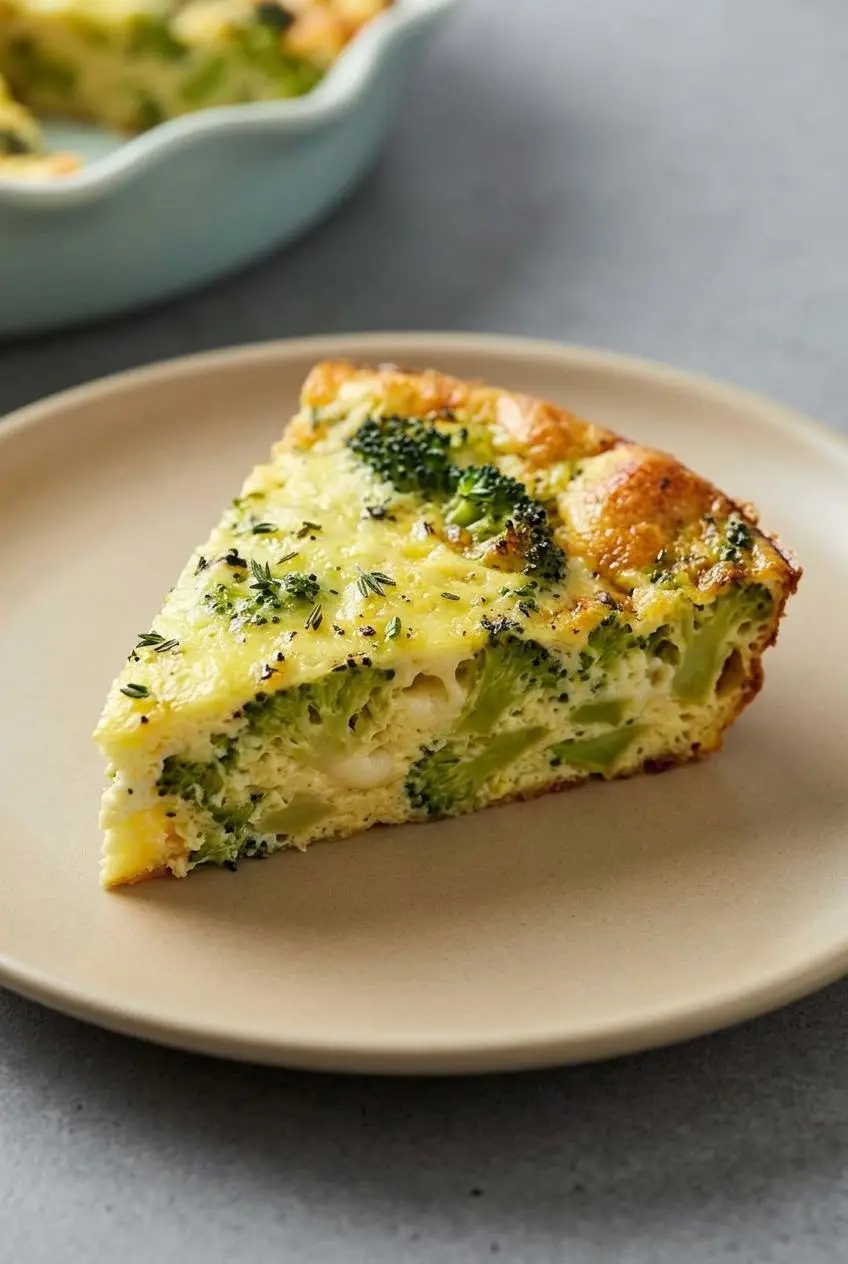
Official Recipe Instructions
- Heat the oven to 350 °F and coat a 9-inch or 9.5-inch pie dish generously with oil.
The dish should be thoroughly greased so the baked eggs release more easily after resting. - Crack the eggs into a large bowl, add the milk, salt, and several grinds of black pepper, then whisk until fully blended.
The mixture should look evenly yellow and lightly fluid, with no streaks of egg white left behind. - Warm the olive oil in a large skillet over medium heat, then cook the shallots with a pinch of salt for 4 to 5 minutes until softened before adding the broccoli and water.
Keep stirring for about 4 minutes more, until the water cooks off and the broccoli turns bright green with its raw bite just gone. - Spread the cooked vegetables in the prepared dish, scatter the Gruyere over them, pour in the egg mixture, and gently shake the pan so everything settles evenly before topping with thyme.
Bake for 30 to 40 minutes, until the edges are set and lightly golden and the center no longer looks wet.
Keys to Baking Success
The vegetables go into the dish first so they stay evenly distributed instead of floating. Cheese on top of the vegetables helps create little pockets of savory richness through the custard.
When the quiche is done, the outer edge should be puffed and lightly golden, while the center should still have a tiny, delicate wiggle when you gently nudge the pan. It should move like soft custard, not slosh like liquid.
If you like checking with a knife, insert it near the center. It should come out mostly clean, without loose egg coating the blade.
Don’t worry if the quiche sinks a little as it cools. Baked eggs naturally puff in the oven from trapped steam, then settle back as that steam escapes. That little collapse is completely normal.
Give it 5 to 10 minutes before slicing. That short rest helps the custard finish settling so the slices come out cleaner instead of spreading across the plate.
How to Prevent a Watery Crustless Quiche
Most watery quiche problems come from one thing: too much moisture in the mix-ins. The egg base can only hold so much liquid before the custard loosens and the bottom turns damp.
The fix starts in the skillet. Fresh vegetables such as broccoli, mushrooms, zucchini, onions, or peppers should be cooked before they meet the eggs so their moisture evaporates first. In this recipe, the shallots soften and the broccoli cooks until the added water disappears, which keeps the filling flavorful without flooding the dish.
Salt helps here too. A small pinch during sautéing pulls moisture to the surface, where it can cook away instead of staying trapped in the vegetables.
Frozen spinach is a common troublemaker. After thawing, squeeze it very firmly in a clean kitchen towel until it feels almost surprisingly dry. If it still drips, keep squeezing. That step alone can save the whole quiche.
- Watery center: vegetables went in too wet. Cook them longer before baking.
- Soggy bottom: moisture collected under the filling. Spread cooked vegetables evenly so steam can escape better in the oven.
- Spongy texture: the quiche likely baked too long. Pull it when the center still has a gentle jiggle.
- Bland flavor: vegetables may have been underseasoned. Salt them lightly while sautéing so the filling tastes seasoned all the way through.
The Breadcrumb Trick for a Non-Stick Bottom
If sticking has been a problem, grease the dish generously, then add a very light dusting of dry breadcrumbs before the filling goes in. The crumbs form a thin barrier between the custard and the pan, which helps protect the bottom and makes slices easier to lift.
Use only a small amount. You want a subtle shield, not a noticeable crust.
Classic Flavor Variations
This base is flexible, which is part of its charm. Keep the main recipe as written when you want the broccoli and Gruyere version, or borrow one of these flavor directions for your next bake.
- Swap herbs to change the mood. Chives make it milder, thyme brings warmth, and dill leans brighter with feta.
- Change the cheese for a different finish. Swiss is nutty, cheddar is sharper, and ricotta softens the filling when used as an add-in for certain vegetable versions.
- Pre-cook any meat or watery vegetable before adding it. That rule saves a lot of disappointment.
Crustless Quiche Lorraine
For a classic French bistro direction, use crisp cooked bacon bits with Swiss or Gruyere for a deeper, savory profile. If you want the traditional inspiration behind that combination, classic Quiche Lorraine is the flavor reference to keep in mind.
Because bacon brings salt and rendered fat, season the egg mixture a little more carefully. A few chives work nicely here too.
Spinach and Feta Greek Style
Wilted spinach, crumbled feta, and fresh dill or parsley turn this into a brighter Mediterranean-style version. A spoonful of ricotta can make the filling feel creamier and softer without changing the whole personality of the quiche.
The key is moisture control. Cook the spinach first if it is fresh, or squeeze it thoroughly dry if it is frozen.
Ham and Cheese Clean-Out-the-Fridge Style
Diced leftover ham and cheddar make this version especially family-friendly. It is a smart use for small bits of cooked vegetables too, as long as they are already dry and well-cooked.
This variation is great when you want the feel of breakfast-for-dinner without much planning. No gold star for tossing in wet broccoli, though.
How to Store and Reheat
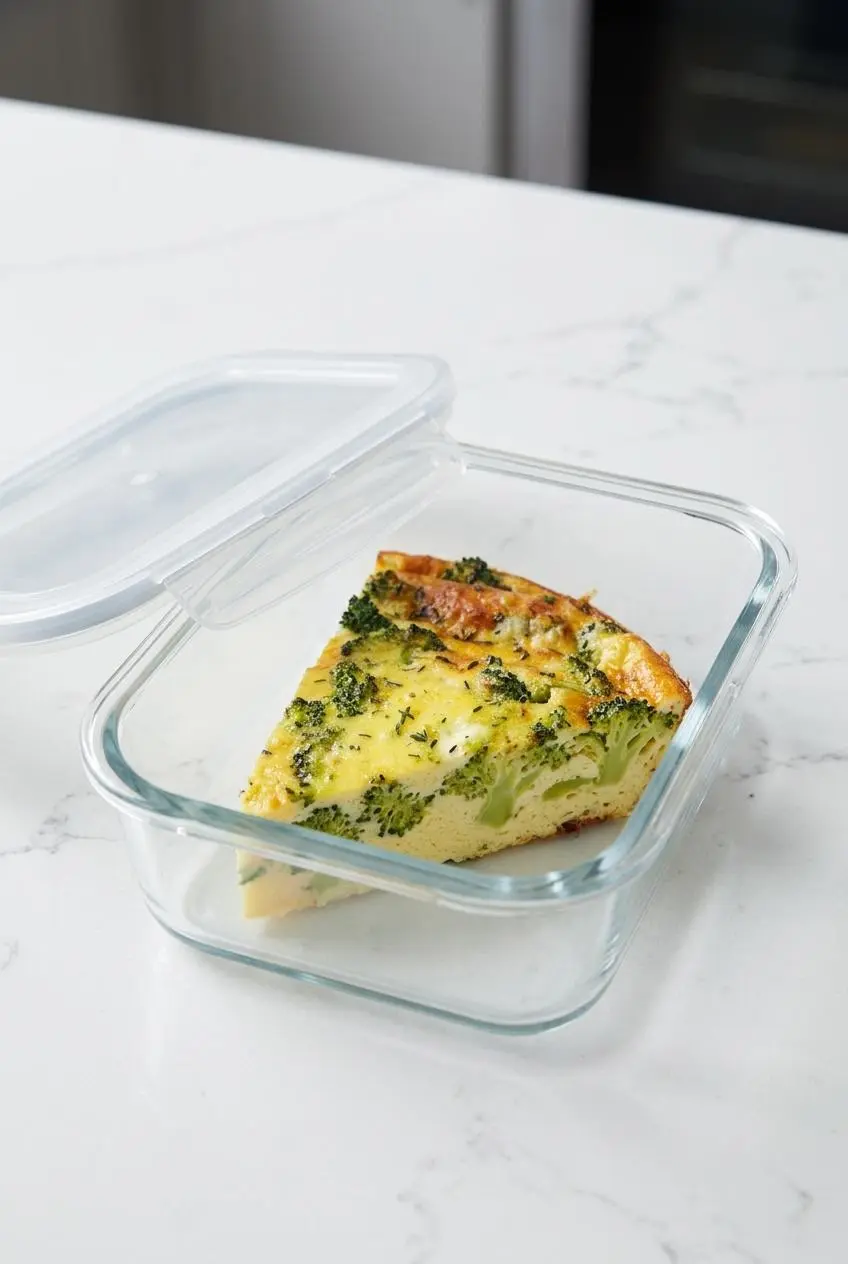
Once baked, let the quiche cool before covering and chilling it. Keep leftovers refrigerated in a well-sealed container or wrap the pie dish tightly so the custard stays from absorbing fridge odors.
For general perishable food storage, keep your refrigerator at or below 40 °F for refrigerated dairy products and other chilled foods. That helps protect both texture and food safety.
To reheat, warm slices in the oven or toaster oven until heated through. This gives the custard the best chance of staying tender. A microwave works too if you use short, gentle bursts instead of one long blast, which can make eggs rubbery.
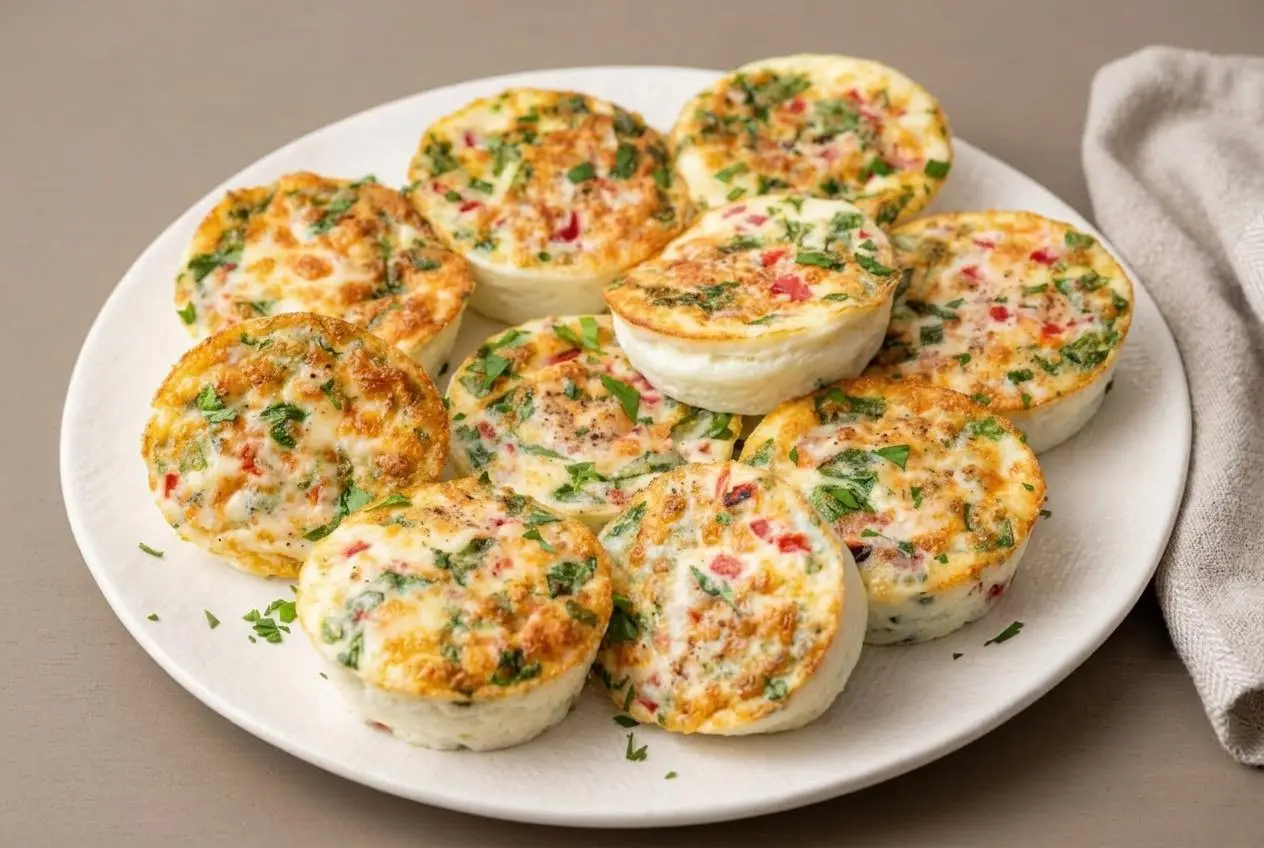
If you mainly want something portioned for grab-and-go mornings, savory egg muffins are another practical route.
Baking Pan Sizes and Recipe Scaling
Pan depth changes the bake more than most people expect. A 9-inch dish gives you a deeper custard, so the center takes a little longer to set. A wider or shallower dish spreads the filling thinner, which can shorten the bake and reduce that creamy middle if you don’t watch it closely.
If you move up to a 10-inch dish, start checking earlier because the custard layer will likely be thinner. If you use a square baking pan, look for the same visual cues instead of relying only on the clock: set edges, a lightly puffed top, and that small center wiggle.
When doubling the recipe, keep the same balance of eggs to liquid instead of guessing. That ratio is what protects the texture. A much deeper pan will need more baking time, while a larger shallow pan may bake faster, so let the look and feel of the custard guide you.
If you want a little more structure than fully crustless but still want to skip pastry, a potato crust quiche can be a nice middle ground.
Conclusion
A good crustless quiche gives you all the comfort of quiche with less work, plus a tender, silky center that feels right at home at brunch or dinner.
If you remember one thing, let it be this: cook the vegetables until their extra moisture is gone. Once that part is handled, the golden top and clean slices come much easier.
Frequently Asked Questions
Why did my crustless quiche deflate after baking?
Baked eggs puff as steam builds in the oven, then settle as they cool. A little deflation is normal and does not mean the quiche failed. If the texture still feels tender and the center is set, you’re in good shape.
Can I use unsweetened almond milk instead of cow milk?
Yes, unsweetened almond milk can work in this style of quiche. The filling will usually taste a little lighter and less rich than one made with whole milk or cream. Watch the bake closely so the lower-fat custard does not overcook.
Why is my quiche sticking to the pie pan?
Egg custards cling easily to an ungreased or lightly greased dish. Coat the pan generously with oil, butter, or spray before adding the filling. If sticking is a recurring issue, add that thin breadcrumb layer for extra insurance.
How do I know when the center is completely baked?
The edges should look puffed and lightly golden. The center should be set but still have a tiny jiggle when you gently shake the pan. If you insert a knife near the middle, it should come out clean or nearly clean rather than coated with loose egg.
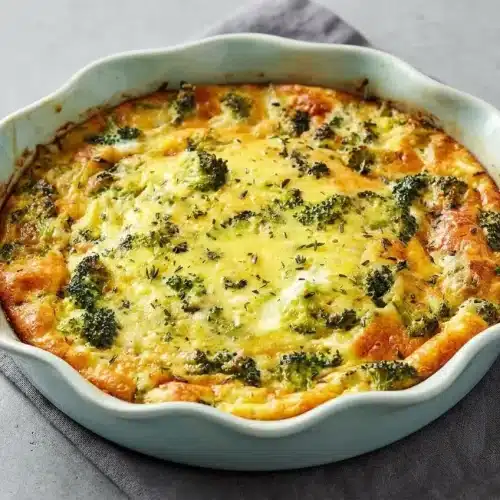
Crustless Quiche

Equipment
- Pie Dish
- Mixing Bowls
- Whisk
- Nonstick skillet
Ingredients
- 6 large eggs
- 1/2 cup milk
- 1/2 teaspoon sea salt plus more to taste
- Freshly ground black pepper
- 1 tablespoon extra-virgin olive oil plus more for the pie dish
- 2 shallots thinly sliced (2/3 cup)
- 3 cups small broccoli florets 6 ounces
- 1/4 cup water
- 1 cup grated Gruyere cheese 2 ounces
- 1 tablespoon fresh thyme leaves or chopped fresh chives
Instructions
- Heat the oven to 350 °F and coat a 9-inch or 9.5-inch pie dish generously with oil. The dish should be thoroughly greased so the baked eggs release more easily after resting.
- Crack the eggs into a large bowl, add the milk, salt, and several grinds of black pepper, then whisk until fully blended. The mixture should look evenly yellow and lightly fluid, with no streaks of egg white left behind.
- Warm the olive oil in a large skillet over medium heat, then cook the shallots with a pinch of salt for 4 to 5 minutes until softened before adding the broccoli and water. Keep stirring for about 4 minutes more, until the water cooks off and the broccoli turns bright green with its raw bite just gone.
- Spread the cooked vegetables in the prepared dish, scatter the Gruyere over them, pour in the egg mixture, and gently shake the pan so everything settles evenly before topping with thyme. Bake for 30 to 40 minutes, until the edges are set and lightly golden and the center no longer looks wet.