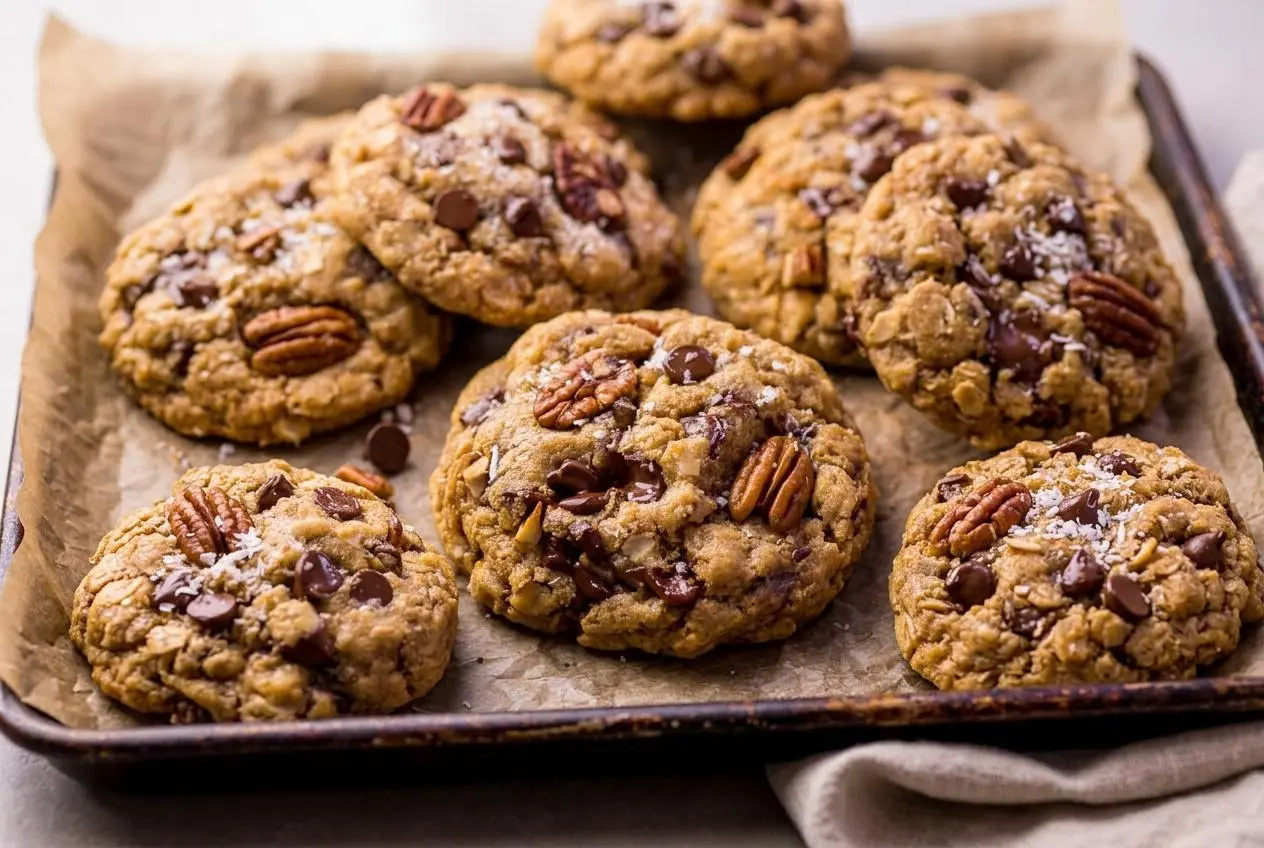
Authentic cowboy cookies are thick, chewy oatmeal cookies filled with browned butter, pecans, shredded coconut, cinnamon, and semi-sweet chocolate chips.
This cowboy cookies recipe brings together nutty oats, caramel-like brown sugar, coconut, and melted chocolate in a hearty cookie with crisp edges and a soft middle.
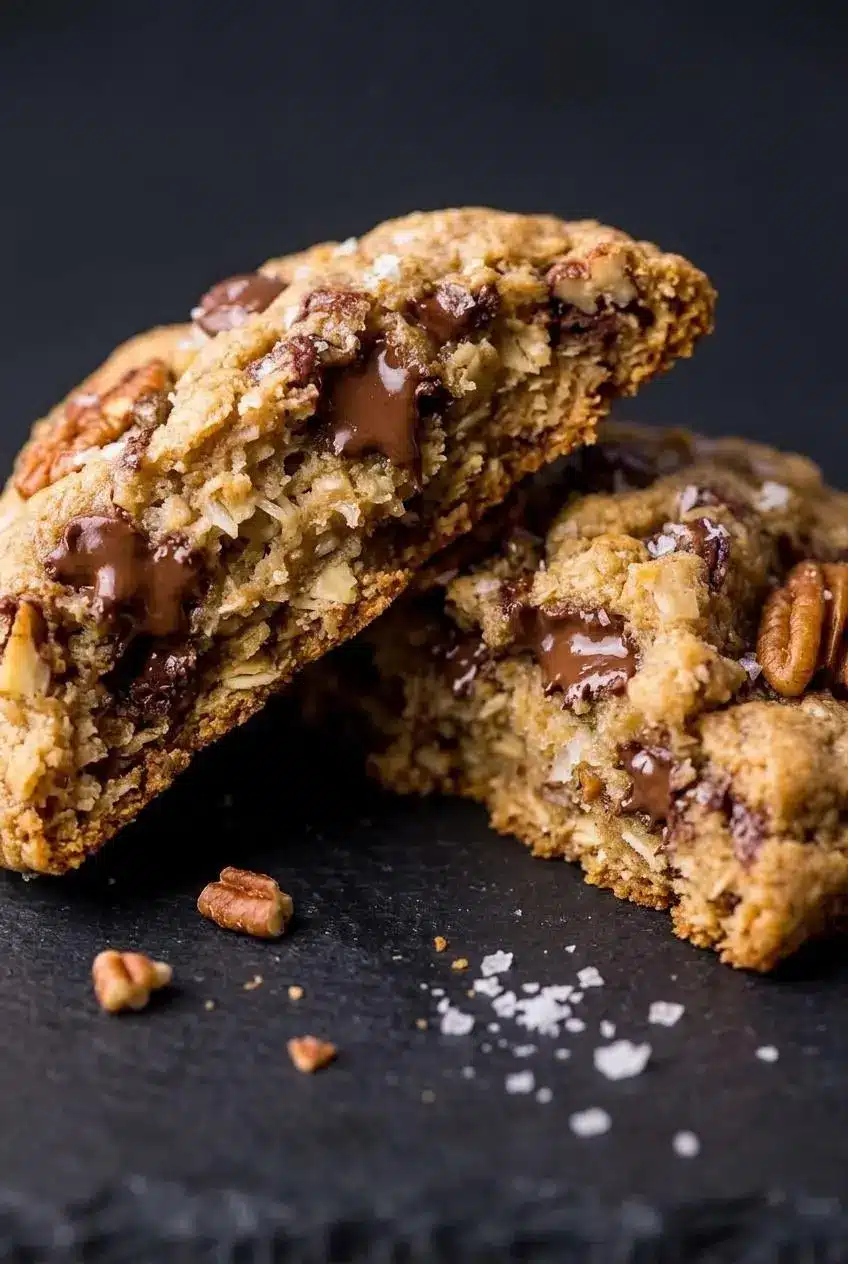
Toasty butter and cinnamon make the kitchen smell especially inviting while these bake. The pale center is the key to that satisfying chew.
Let the browned butter cool briefly before whisking it with the sugars so the eggs blend smoothly into the dough.
What Makes an Authentic Cowboy Cookie
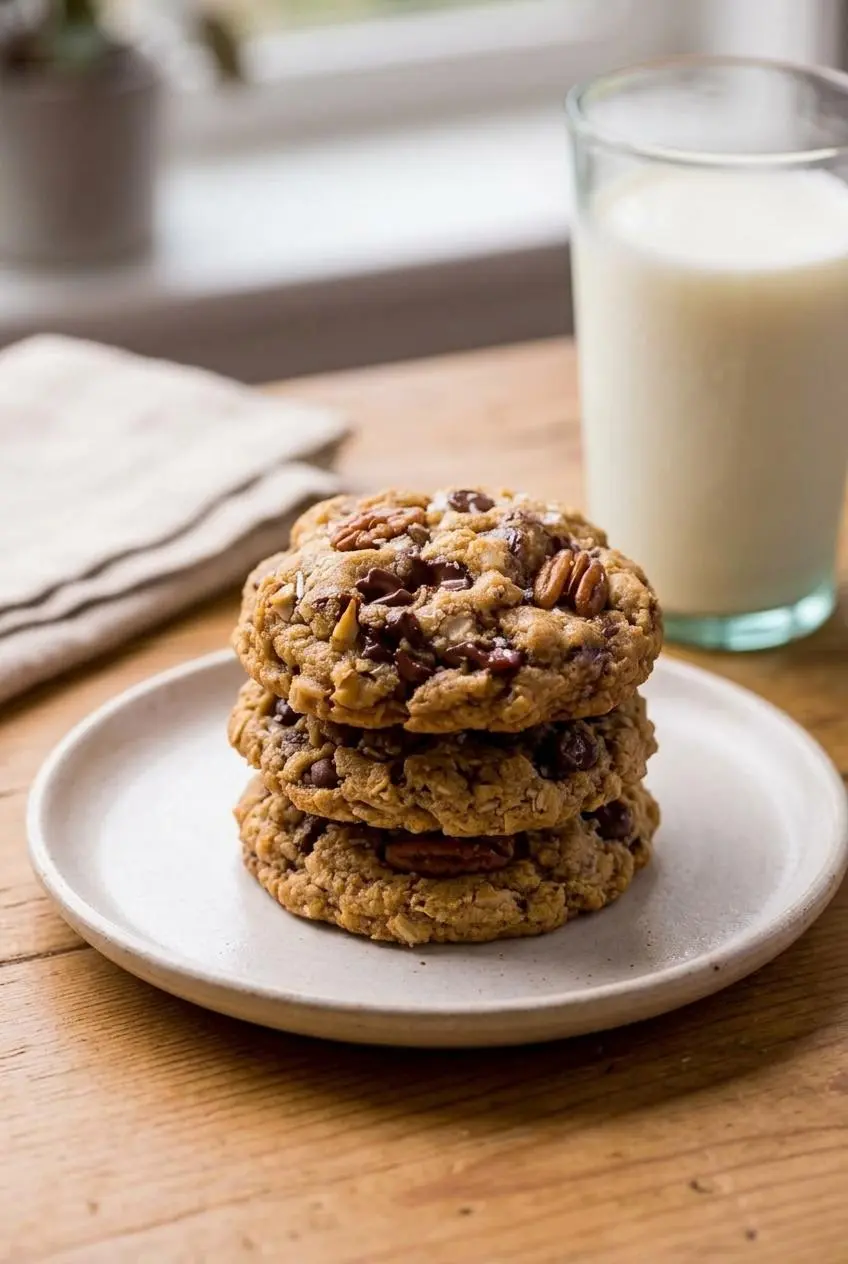
Cowboy cookies are defined by their hearty mix of oats, nuts, coconut, chocolate, and cinnamon. They have more texture than a standard chocolate chip cookie, with a sturdy bite that still stays pleasantly chewy through the center.
Old-fashioned rolled oats give the dough substance without making it cakey. Pecans add buttery crunch, sweetened coconut brings soft, lightly crisp strands, and semi-sweet chocolate chips melt into rich pockets throughout the cookie. Cinnamon quietly ties everything together, keeping the sweetness from tasting flat.
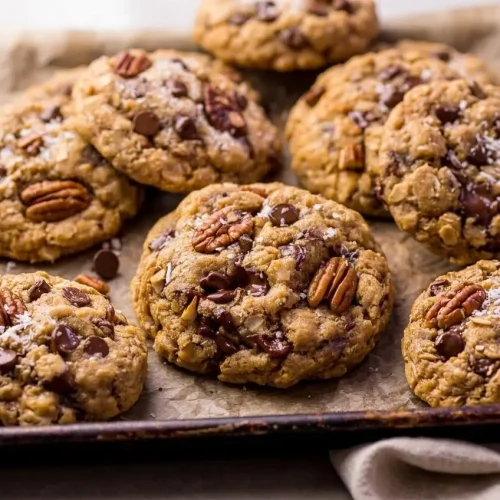
The finished cookie should have lightly crisp, golden edges and a center that feels tender rather than fully firm. Brown sugar and browned butter deepen the flavor, while the oats and mix-ins make each bite feel substantial.
Compared with classic oatmeal cookies, cowboy cookies lean harder into chocolate, coconut, pecans, and warm spice. Ranger cookies are close cousins, but they traditionally use crispy rice cereal for a lighter crunch instead of relying mainly on the dense oat-and-nut texture found here.
Essential Ingredients for This Cowboy Cookies Recipe
Each ingredient supports the cookie’s rich flavor, chewy structure, caramel aroma, nutty crunch, and soft chocolate pockets.
- 1 cup (227 grams) unsalted butter (melted until browned. )
- 1 and 1/2 cups (319 grams) light brown sugar, packed
- 1/2 cup (99 grams) granulated sugar
- 2 large eggs (at room temperature)
- 1 large egg yolk (at room temperature)
- 2 and 1/2 teaspoons pure vanilla extract
- 2 and 1/3 cups (270 grams) all-purpose flour
- 1 teaspoon baking soda
- 1 teaspoon ground cinnamon
- 1/2 teaspoon salt
- 1 and 3/4 cups (156 grams) old-fashioned oats
- 3/4 cup (60 grams) sweetened flaked coconut
- 1/2 cup (64 grams) pecans, roughly chopped (plus more for decorating )
- 12 ounces (340 grams) semi-sweet chocolate chips
- 1 teaspoon flaky sea salt (optional)
The extra egg yolk enriches this dense dough and helps the centers stay tender. Packed light brown sugar adds moisture and deeper caramel notes, while room-temperature eggs combine more smoothly with the cooled browned butter.
I swirl browned butter often as it cools, making sure the golden milk solids are carried into the dough because they provide the deepest toffee-like flavor.
The Power of Browned Butter
Browning butter changes the flavor of these cookies before the dough is even mixed. As the butter cooks, its water content reduces and the milk solids toast, creating a nutty aroma that echoes the flavor of the pecans.
Use a light-colored saucepan if possible so you can watch the change. The butter will foam actively at first, then the bubbling becomes quieter and tiny amber flecks collect on the bottom. Remove it from the heat once it smells warm and nutty, rather than letting those flecks turn dark.
Because the butter is melted, its temperature matters. Let it cool enough that it is warm rather than hot before adding the eggs. Hot fat can make the mixture look greasy and can affect how the cookies spread.
Selecting the Right Oats
Use old-fashioned rolled oats for the chewy, substantial texture that cowboy cookies are known for. Their larger flakes hold their shape in the dough and create distinct oat pockets after baking.
- Old-fashioned rolled oats: Keep their structure and provide a satisfying chew.
- Quick oats: Absorb moisture faster and can make the dough denser and the cookies more crumbly.
- Instant oats: Break down too much for this particular thick, textured cookie.
If the dough seems especially stiff, resist the urge to swap oat types. Rolled oats need a moment to absorb moisture, but the finished cookie should still spread into a thick round with softly defined edges.
Nuts, Coconut, and Chocolate Mix-Ins
Pecans, coconut, and chocolate each contribute a different texture. The pecans stay crisp and buttery, coconut brings delicate chew, and semi-sweet chips keep the cookie from becoming overly sugary.
For a toastier flavor, you may warm the chopped pecans and coconut in a dry skillet over medium heat until fragrant, stirring constantly so neither scorches. Let them cool before they meet the dough. This is optional, but it gives the cookies a deeper roasted flavor and a little extra crunch.
Step-by-Step Baking Method With Doneness Cues
These cookies bake best one sheet at a time, with room for the dough to spread and even heat circulating around each portion. Keep an eye on the edges, not the center, when judging doneness.
- Heat the oven to 350 °F and line two large baking sheets with parchment paper.
Set the racks so one baking sheet can sit in the center of the oven for even browning. - Whisk the cooled browned butter with the light brown sugar and granulated sugar for about 2 minutes.
The mixture may look slightly loose or separated, but the sugars should be evenly moistened. - Add the eggs, egg yolk, and vanilla, then whisk for about 45 seconds until blended.
The mixture should look smoother and glossier once the eggs are fully incorporated. - Combine the flour, baking soda, cinnamon, salt, oats, coconut, pecans, and chocolate chips in a separate large bowl.
Distribute the baking soda and cinnamon through the dry mixture before it goes into the wet ingredients. - Fold the dry mixture into the butter mixture just until no dry flour remains.
Stop as soon as the dough comes together to keep the cookies tender rather than tough. - Portion the dough into 2-inch balls on the prepared baking sheets, leaving 2 inches between them.
Give each mound open space so it can spread without running into another cookie. - Bake one sheet at a time for 12 minutes.
Take the pan out when the edges are golden and set but the centers remain pale and slightly soft. - Press extra chocolate chips and pecans over the hot cookies if desired, then add flaky sea salt if using.
The residual heat will soften the added chocolate and help the toppings adhere. - Leave the cookies on the baking sheet for 10 minutes, then move them to a wire rack.
The warm pan finishes setting the centers while preserving their soft, chewy texture.
Raw dough contains flour and eggs, so avoid tasting it and wash hands, bowls, utensils, and counters after handling it. Unbaked flour and egg dough can carry harmful bacteria, so bake the cookies before serving.
Troubleshooting Common Baking Issues
A few small handling details make the difference between thick, chewy cookies and cookies that spread too far or bake up dry.
- Cookies spread too thin: The browned butter was likely still too hot when the dough came together. Let it cool until warm, then mix with the sugars so the dough has a better chance to hold its shape.
- Cookies stay overly thick: Too much flour can prevent proper spread. Spoon flour into the measuring cup and level it off instead of scooping directly from the bag.
- Cookies seem dry or crumbly: Quick oats can absorb moisture too quickly, and overmeasuring flour makes the problem worse. Use old-fashioned rolled oats and measure flour gently.
- Cookies feel tough: Overmixing after the flour is added develops more gluten. Fold only until the dry streaks disappear.
- Cookies turn hard after cooling: They likely baked too long. Pull them when the edges are set and lightly browned while the center still looks soft.
- Cookies bake unevenly: Bake one sheet at a time on the center rack. Crowding the oven can leave some cookies pale while others become too crisp.
- Cookies break when moved: Give them the full 10-minute rest on the baking sheet. That brief pause lets the warm centers firm up enough for the wire rack.
Storage and Dough Handling
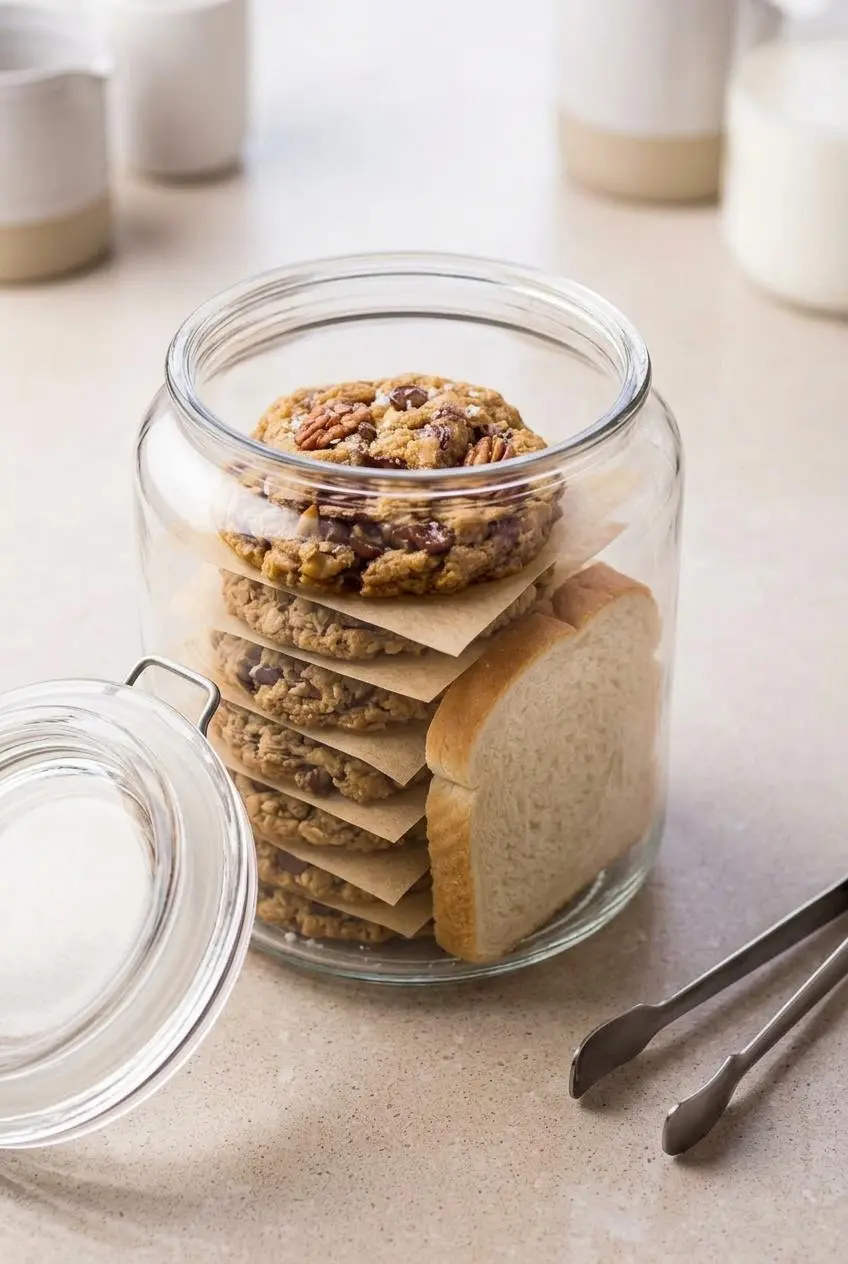
Cool the cookies completely before placing them in an airtight tin or glass container at room temperature. A plain slice of white bread in the container can help maintain a softer texture by sharing moisture with the cookies.
Avoid storing baked cowboy cookies in the refrigerator unless there is a separate reason to chill them. Cold air tends to firm the butter and can leave the cookies less tender. To bring back a softer middle, warm a cookie gently in the oven only until the chocolate begins to soften.
Handling Extra Cookie Dough
This recipe does not include tested freezer directions, so the most dependable approach is to portion and bake the dough as directed. If you need to pause before baking, keep the dough covered and handle it cleanly, then return to the recipe’s baking method when ready.
For even cookies, use the same 2-inch dough portions throughout the batch. Consistent sizing helps each cookie reach the golden-edge, soft-center stage at the same time.
Keeping Baked Cookies Soft
Store fully cooled cookies in a tightly closed container at room temperature, away from heat and humidity. Layer parchment between them if you are stacking the cookies, especially while the chocolate is still soft.
The bread trick works best when the bread remains soft. Replace it when it becomes dry, and keep the container sealed between servings so the cookies hold onto their chewy centers.
Delicious Recipe Variations
Keep the main dough intact, then choose one optional change if you want a different flavor direction.
- Walnut and dark chocolate swap: Replace the pecans with toasted walnuts and use dark chocolate chunks for a deeper, less sweet cookie with an earthy finish.
- Dried cranberry or raisin addition: Fold in dried cranberries for tart contrast or raisins for familiar sweetness and extra chew alongside the chocolate chips.
- Ranger cookie cereal variation: Replace part of the rolled oats with crisp puffed rice cereal for a lighter, airier crunch that moves the cookie closer to ranger-cookie territory.
If coconut and chocolate are your favorite part of the combination, Almond Joy cookies offer another nutty, chocolate-forward bake to try.
Conclusion
Browned butter, rolled oats, pecans, coconut, and chocolate turn these cowboy cookies into a richly textured treat with crisp edges and a soft, chewy center.
Watch for golden edges and a pale middle, then give the cookies their full pan rest. That little bit of patience pays off in every warm, chocolatey bite.
Frequently Asked Questions
What Makes a Cookie a Cowboy Cookie?
A cowboy cookie is a hearty oatmeal cookie packed with rolled oats, chopped pecans, shredded coconut, semi-sweet chocolate chips, and cinnamon. The combination creates a thick cookie with nutty crunch, chewy oat texture, and rich chocolate throughout.
What Is the Difference Between Cowboy Cookies and Ranger Cookies?
Cowboy cookies emphasize rolled oats, pecans, coconut, chocolate, and cinnamon. Ranger cookies often include crispy rice cereal, which gives them a lighter, crunchier texture than the dense oat-and-nut profile of cowboy cookies.
Can I Use Quick Oats Instead of Rolled Oats?
Old-fashioned rolled oats are the better choice for this dough. They provide the distinct chewy bite and sturdy texture that define these cookies. Quick oats absorb moisture more rapidly and can make the cookies denser, drier, and more crumbly.
Can I Freeze Cowboy Cookie Dough?
This recipe does not provide tested freezer directions for the dough, so bake it using the method above for the most dependable result. If you need flexibility, portion the dough evenly, keep it covered, and bake it when you are ready for fresh cookies.
How Do I Prevent My Cowboy Cookies From Turning Hard?
Remove the cookies when the edges are lightly golden and set but the centers still look pale and soft. They continue to firm up during the 10-minute rest on the baking sheet. Also measure flour with a spoon-and-level method, mix only until combined, and keep cooled cookies in an airtight container at room temperature.
Cowboy Cookies Recipe

Equipment
- Whisk
- large bowl
- Baking Sheets
- Parchment Paper
- Wire rack
Ingredients
- 1 cup unsalted butter melted until browned. (227 grams)
- 1 1/2 cups light brown sugar packed (319 grams)
- 1/2 cup granulated sugar (99 grams)
- 2 large eggs at room temperature
- 1 large egg yolk at room temperature
- 2 1/2 teaspoons pure vanilla extract
- 2 1/3 cups all-purpose flour (270 grams)
- 1 teaspoon baking soda
- 1 teaspoon ground cinnamon
- 1/2 teaspoon salt
- 1 3/4 cups old-fashioned oats (156 grams)
- 3/4 cup sweetened flaked coconut (60 grams)
- 1/2 cup pecans roughly chopped, plus more for decorating (64 grams)
- 12 ounces semi-sweet chocolate chips (340 grams)
- 1 teaspoon flaky sea salt optional
Instructions
- Heat the oven to 350 °F and line two large baking sheets with parchment paper. Set the racks so one baking sheet can sit in the center of the oven for even browning.
- Whisk the cooled browned butter with the light brown sugar and granulated sugar for about 2 minutes. The mixture may look slightly loose or separated, but the sugars should be evenly moistened.
- Add the eggs, egg yolk, and vanilla, then whisk for about 45 seconds until blended. The mixture should look smoother and glossier once the eggs are fully incorporated.
- Combine the flour, baking soda, cinnamon, salt, oats, coconut, pecans, and chocolate chips in a separate large bowl. Distribute the baking soda and cinnamon through the dry mixture before it goes into the wet ingredients.
- Fold the dry mixture into the butter mixture just until no dry flour remains. Stop as soon as the dough comes together to keep the cookies tender rather than tough.
- Portion the dough into 2-inch balls on the prepared baking sheets, leaving 2 inches between them. Give each mound open space so it can spread without running into another cookie.
- Bake one sheet at a time for 12 minutes. Take the pan out when the edges are golden and set but the centers remain pale and slightly soft.
- Press extra chocolate chips and pecans over the hot cookies if desired, then add flaky sea salt if using. The residual heat will soften the added chocolate and help the toppings adhere.
- Leave the cookies on the baking sheet for 10 minutes, then move them to a wire rack. The warm pan finishes setting the centers while preserving their soft, chewy texture.