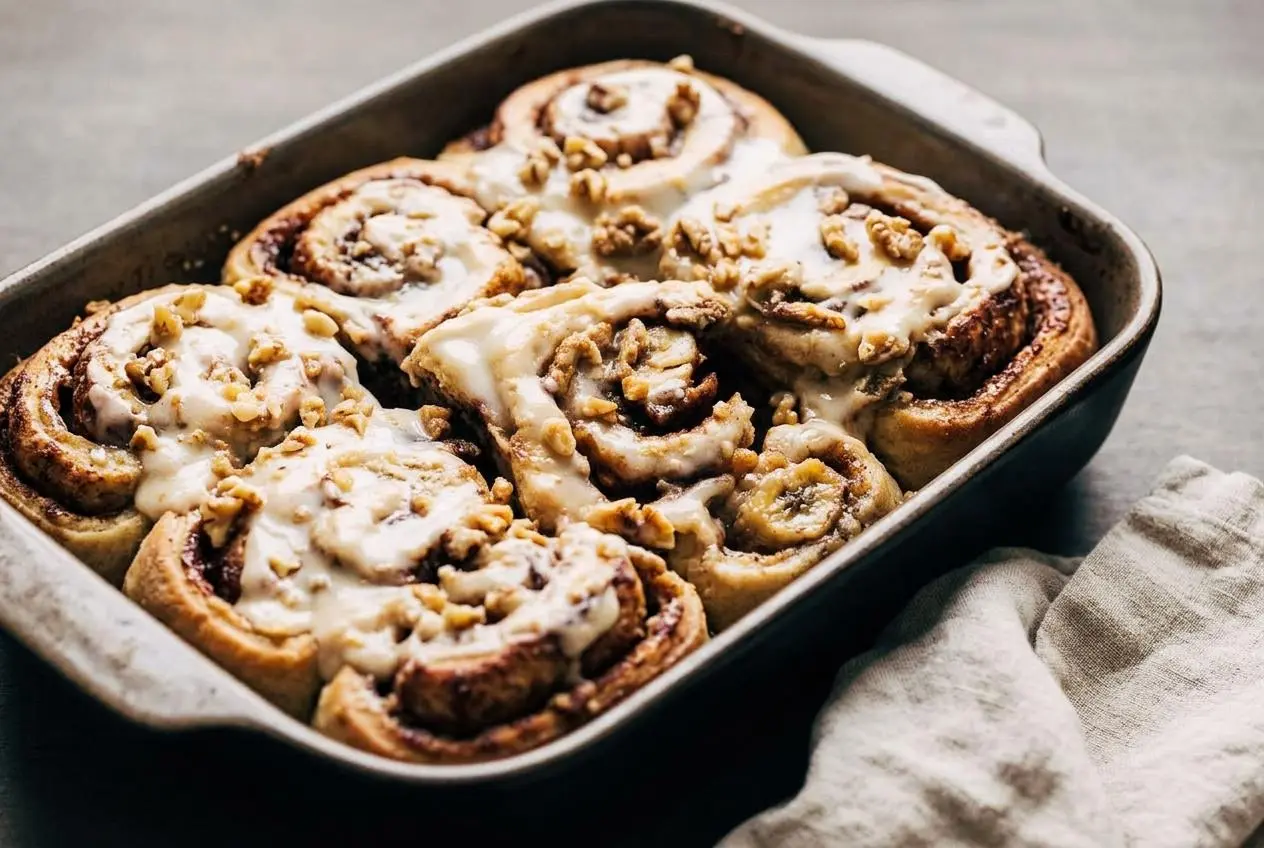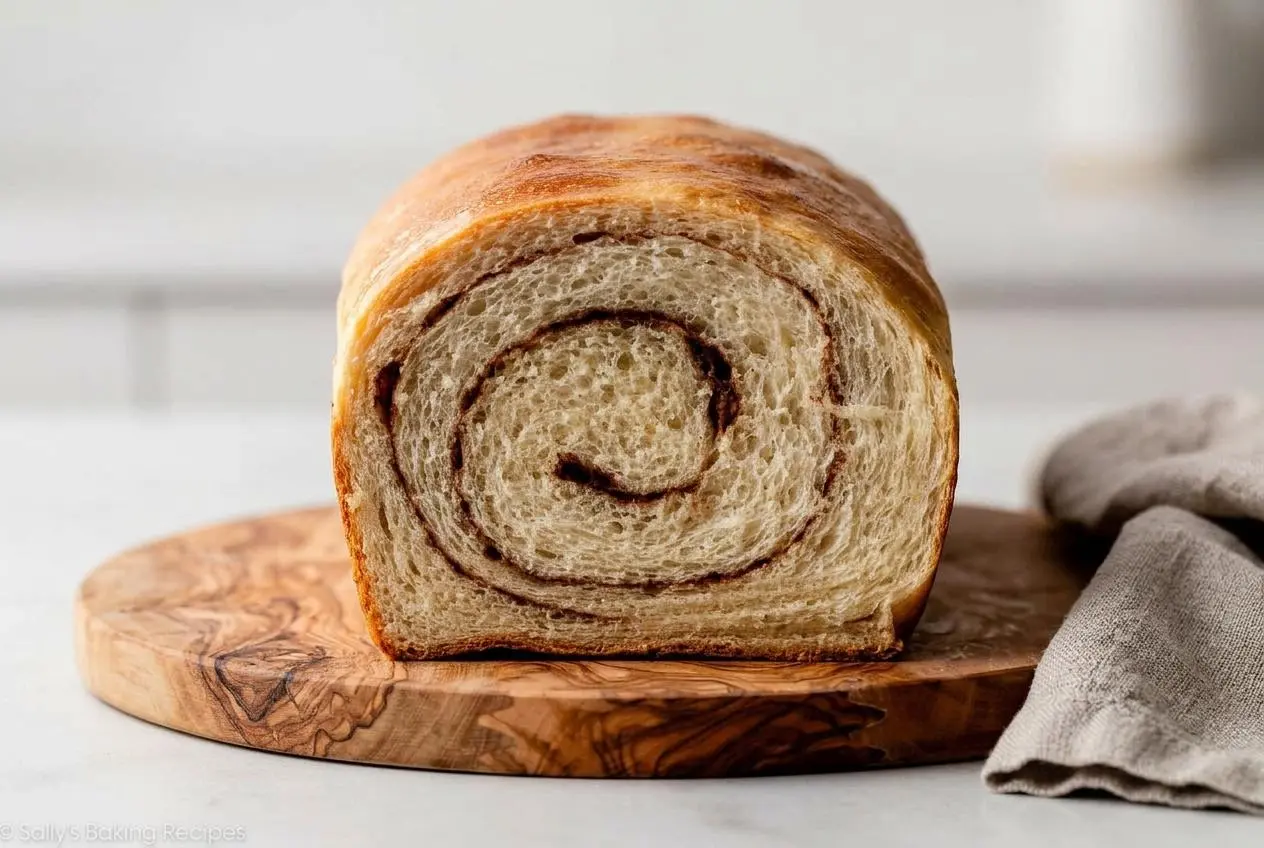
Cinnamon swirl bread is a soft, buttery yeast loaf with a ribbon of cinnamon sugar through the center. This version gives you a fluffy crumb, a defined swirl, and clear tips to help prevent those big empty gaps.
This cinnamon swirl bread is built on an enriched dough, so it bakes up tender and sliceable with a cozy bakery smell that fills the kitchen fast. It also gives you a reliable shaping method, smart troubleshooting, and flexible make-ahead options.
The best part is that once you know what the dough should feel like, this loaf gets much less intimidating.
Keep your milk and water warm, not hot. If they feel pleasantly warm on your wrist, you’re in good shape for the yeast.
Why This Is the Best Cinnamon Swirl Bread Recipe
If you want a homemade loaf that feels worth the rise time, this one delivers. Bread flour gives the dough enough strength to rise tall and stay fluffy, while milk and butter keep the crumb soft instead of chewy in a crusty-bread way.
The swirl matters just as much as the bread itself. This method uses a binder between the dough and filling, plus a tight rolling technique, so you get that gooey cinnamon ribbon without one giant hollow running through the loaf.
A lot of home bakers ask the same things here: why did the swirl gap, why is the center gummy, and why did the top brown too fast? You’ll find those answers below, along with practical storage guidance and ways to prep the dough ahead when your schedule is doing the most.
Ingredients for Cinnamon Swirl Bread
Each ingredient has a job here, from building a strong dough to creating a moist crumb, fragrant swirl, and glossy golden top.
- 1/2 cup (120ml) water, warmed to about 110°F (43°C)
- 1/2 cup (120ml) whole milk, warmed to about 110°F (43°C)
- 2 and 1/4 teaspoons (7g) instant or active dry yeast (1 standard packet)
- 1/4 cup (50g) granulated sugar, divided
- 4 Tablespoons (1/4 cup; 56g) unsalted butter, softened to room temperature and cut in 4 pieces
- 3 cups (390g) bread flour (spooned & leveled), plus more as needed
- 1 teaspoon salt
For the Swirl & Topping
- 1 egg white, beaten
- 1/4 cup (50g) granulated sugar
- 2 teaspoons ground cinnamon
- 1 Tablespoon (14g) unsalted butter, melted
I always make sure the butter for the dough is truly soft, because firm pieces take longer to work in and can make the dough feel rough before it smooths out.
How to Make Cinnamon Swirl Bread
- Whisk the warm water, warm milk, yeast, and 2 Tablespoons of sugar in the bowl of a stand mixer fitted with the dough hook, then cover loosely and let it stand for 5 to 10 minutes.
The surface should look foamy and frothy, which tells you the yeast is awake and ready to work. - Add the remaining sugar, the softened butter pieces, 1 cup of flour, and the salt, then mix on low speed for 30 seconds and scrape the bowl.
The mixture will look rough at first, and a few butter bits may still be visible. - Mix in the second cup of flour on medium speed, then add the remaining flour and continue mixing until the dough gathers and starts pulling away from the sides, about 2 minutes.
The dough should feel soft and a little tacky, not wet and loose, and you can add more flour 1 Tablespoon at a time only if needed to make it workable. - Knead the dough for 8 to 10 minutes in the mixer or by hand on a lightly floured surface, adding flour by the teaspoon only if it becomes too sticky to handle.
When ready, the dough should feel elastic, slightly tacky, and slowly spring back when poked. - Transfer the dough to a lightly greased bowl, turn it once to coat, cover, and let it rise in a warm spot for 1.5 to 2 hours.
It should become puffy and roughly double in size. - Grease a 9×5-inch loaf pan and stir together the 1/4 cup sugar and cinnamon in a small bowl.
Having the pan and filling ready makes shaping much smoother once the dough is rolled out. - Press down the risen dough, then roll it on a lightly floured surface into an 8×20-inch rectangle.
The shape does not need to be perfectly sharp at the corners, but aim for an even thickness so the loaf bakes evenly. - Brush the dough with the beaten egg white, sprinkle the cinnamon sugar over the surface, and leave a 1-inch border uncovered around the edges.
The coating should look even from end to end so every slice gets a good swirl. - Roll the dough into an 8-inch log, place it seam-side down in the prepared pan, and sprinkle any escaped filling over the top instead of tossing it.
The loaf should sit snugly in the pan with the seam tucked underneath. - Cover the pan and let the shaped loaf rise for 1 hour.
It should rise to about 1 inch above the rim of the pan and look noticeably lighter and puffier. - Set an oven rack in a lower position and heat the oven to 350°F (177°C).
Baking the loaf lower in the oven helps the top color more gently. - Brush the top of the loaf with the melted butter and bake for 35 to 45 minutes, tenting loosely with foil halfway through if the top is browning too quickly.
The bread is ready when the crust is golden brown and the loaf sounds hollow when gently tapped. - Cool the bread in the pan for a few minutes, then remove it and finish cooling on a rack for at least 10 minutes before slicing.
If you wait longer before cutting, the slices stay neater and the center is less likely to feel gummy.
The Secret to a Perfect, No-Gap Swirl
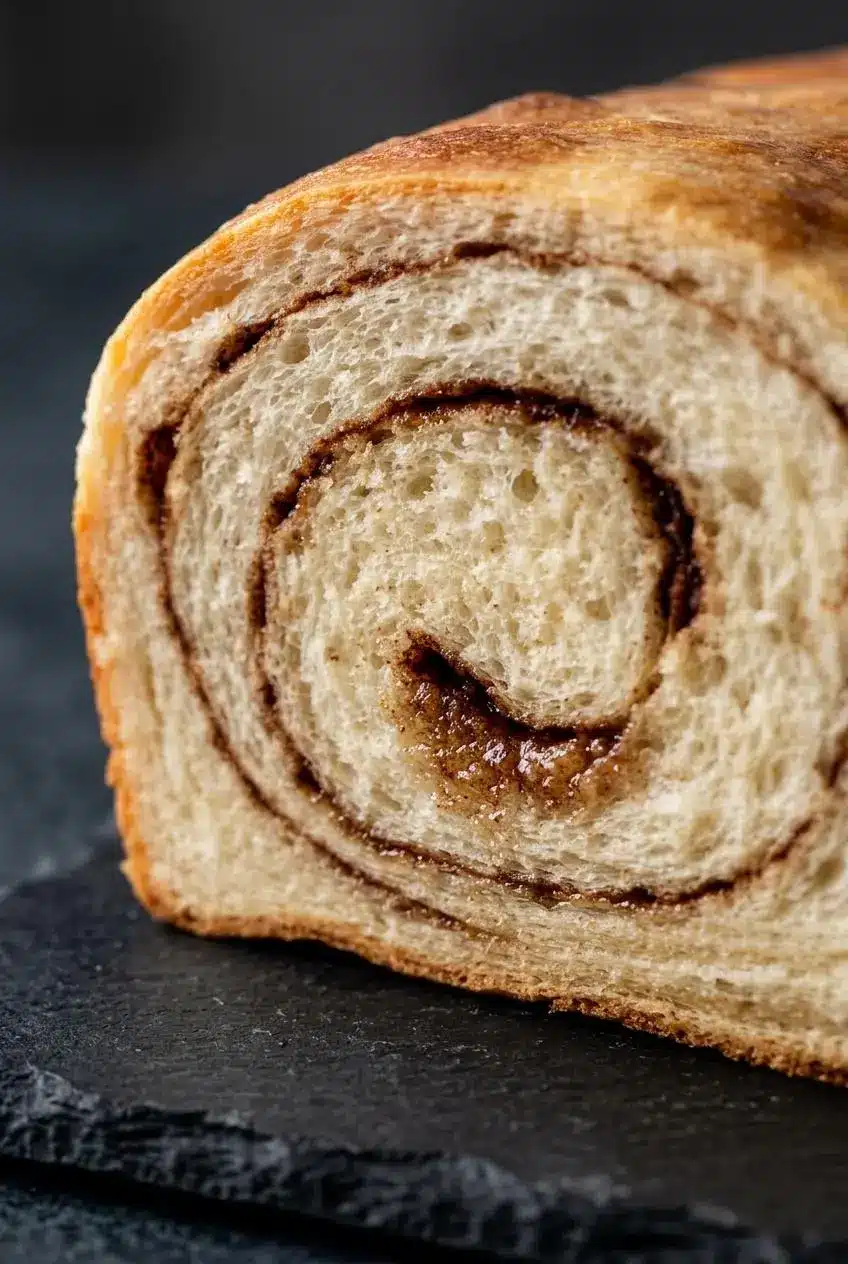
This is the part most people want help with, and for good reason. A big tunnel inside the loaf usually comes from the filling separating from the dough as it bakes, so the fix is all about adhesion, tension, and steam control.
Why Gaps Form in Your Bread
Dry cinnamon sugar doesn’t naturally cling to soft dough very well. As the bread heats up, the sugar melts, moisture turns to steam, and that loose layer can pull away and create an empty pocket.
Cinnamon can also dry out the filling area a bit, which makes separation easier. That’s why a binder helps so much. It gives the cinnamon sugar something to hold onto instead of sliding around once the loaf starts expanding in the oven.
Three Ways to a No-Gap Swirl
There are a few good ways to help the filling stick, and each one changes the texture a little.
| Method | How It Works | Best Part | Watch For |
|---|---|---|---|
| Egg white wash | A thin layer of egg white acts like glue between the dough and cinnamon sugar. | Clean, defined swirl and great adhesion with the official recipe. | Use a light coating so the filling doesn’t get slippery. |
| Water mist | A very light mist softens the sugar mixture so it grips the dough better. | Easy and quick if you want a lighter touch. | Too much moisture can make the filling run. |
| Cinnamon paste | A spreadable mixture of cinnamon, sugar, and a little butter creates a more stable layer. | Usually the most reliable option for reducing gaps and keeping the swirl cohesive. | Spread it thinly so it doesn’t squeeze out while rolling. |
If you want the safest bet for a tight, bakery-style swirl, the cinnamon paste approach usually wins. The official loaf uses egg white and works very well, but if you’ve had repeat gap problems in the past, a thin paste is the optional upgrade I’d try first.
You can also poke one or two tiny vents in the top of the shaped loaf before baking if your swirls tend to separate badly. It gives steam a place to escape instead of forcing its way into one dramatic cavern.
How to Roll a Tight Log
Start rolling from one short end, not the long side, so the finished loaf fits the pan and gives you a taller swirl. Use your fingertips to tuck the dough in as you go, keeping the roll firm without pressing so hard that the filling all squishes out.
After each turn, pull the log gently back toward you to keep tension on the outer layer. Seal the seam well and place it seam-side down in the pan. Loose rolling is one of the biggest causes of gaps, so this is not the moment to be casual.
Understanding Key Ingredients
Knowing why these ingredients are here makes the whole recipe easier to troubleshoot. When a yeast bread goes sideways, the answer is usually in the flour choice, dough texture, or rise.
Bread Flour vs. All-Purpose Flour
Bread flour is the better choice for this loaf because it has more protein than all-purpose flour. More protein means stronger gluten development, and stronger gluten means the dough can rise higher, hold its shape better, and support the swirl without turning flimsy.
| Flour | What It Does | What to Expect |
|---|---|---|
| Bread flour | Builds a stronger dough with more stretch and structure. | A taller loaf, chewier bite, and cleaner slices. |
| All-purpose flour | Makes a softer dough with less strength. | A more delicate loaf that may bake up a bit flatter and feel less sturdy around the swirl. |
Can you use all-purpose flour? Yes. But if you want that soft yet lofty texture, bread flour really earns its place here. It gives the loaf enough backbone to stay fluffy instead of slumping.
The Role of Yeast, Milk, and Butter
Yeast is what lifts the loaf. The sugar in the dough helps feed it, and the warm liquid gets everything moving. If you’re using active dry yeast instead of instant, this recipe already gives it a warm liquid step up front, so you’re covered.
Milk and butter turn this into an enriched dough, which means softer crumb, richer flavor, and a more tender bite than a lean loaf made with just water, flour, salt, and yeast, like classic French bread.
Cinnamon matters too. Stronger cinnamons such as Vietnamese or cassia taste bolder and warmer, while milder cinnamon gives a softer background flavor. Any ground cinnamon works, but fresher cinnamon gives the swirl a much better aroma.
Troubleshooting Common Problems
When cinnamon bread misses the mark, the fix is usually pretty straightforward. This table covers the issues that come up most often.
| Problem | Likely Cause | Solution |
|---|---|---|
| Large gap in the swirl | Dry filling, loose rolling, or trapped steam. | Use the egg white layer or an optional cinnamon paste, roll tightly, and vent the top lightly if this keeps happening. |
| Dense or heavy bread | Too much extra flour, not enough kneading, or underproofing. | Keep the dough slightly tacky, knead until elastic, and let it rise until genuinely puffy rather than stopping early. |
| Gummy center | Underbaking or slicing while too warm. | Bake until the loaf is deeply golden and sounds hollow, then cool longer before slicing. |
| Top browned too fast | Loaf baked too high in the oven or the crust colored early. | Use a lower rack position and tent with foil during the second half of baking if needed. |
Creative Variations and Add-Ins
This loaf is lovely as written, but it also handles a few extras very well. Keep them optional so the base dough and method stay the same.
Cinnamon Raisin Swirl Bread
Scatter 3/4 to 1 cup of raisins over the cinnamon sugar before rolling the loaf. If your raisins feel dry, soak them briefly in warm water first and pat them dry so they stay plump instead of pulling moisture from the dough.
Nut Swirl Bread
Chopped pecans or walnuts add crunch and a deeper toasted flavor to the swirl. Toasting them first helps a lot. If pecan-filled loaves are your thing, sweet pecan bread is another cozy direction to try.
Orange-Cinnamon Swirl Bread
Add the zest of one orange to the dough with the wet ingredients for a bright citrus note that cuts through the richness nicely. If you love that flavor combination, cranberry orange bread is a great next bake.
How to Store, Freeze, and Reheat
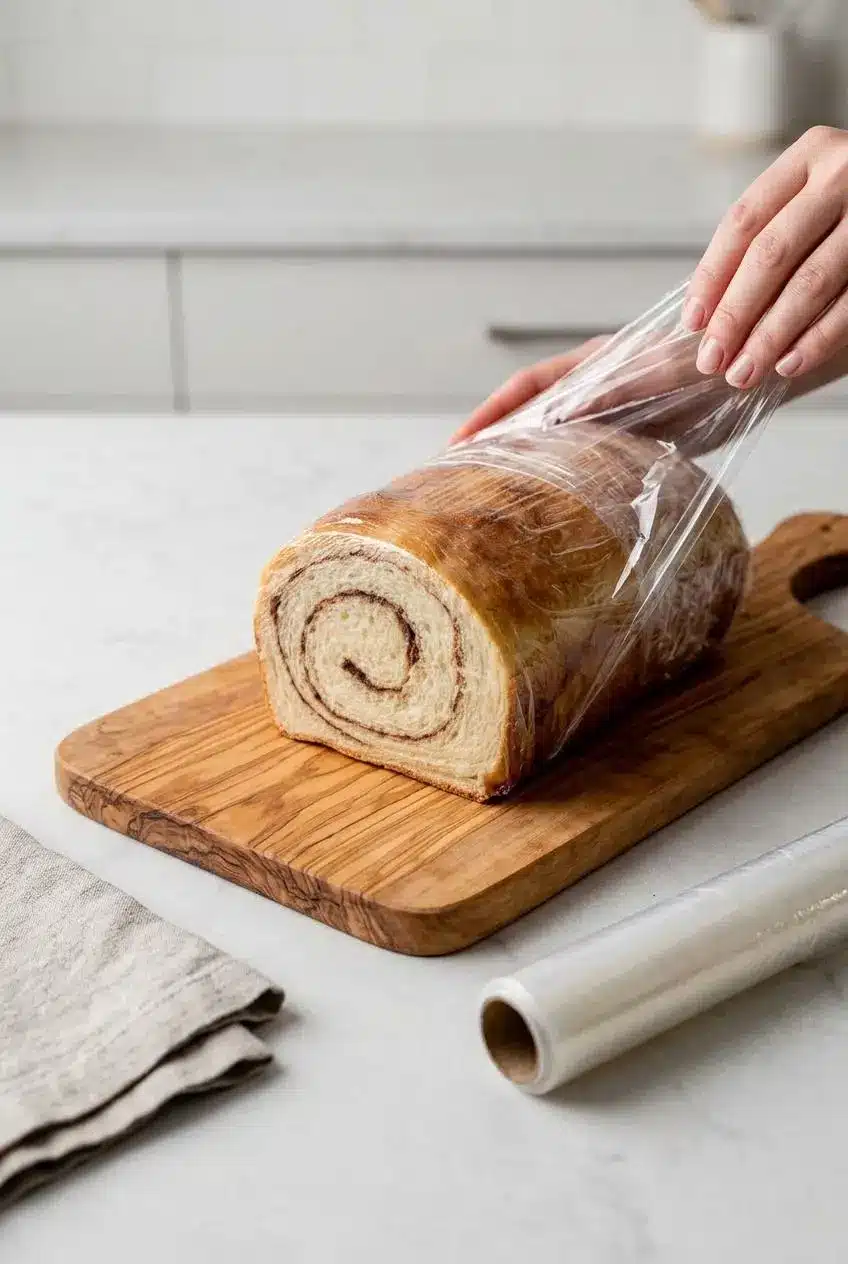
Homemade bread stays at its best when you let it cool completely before wrapping. Trapped steam softens the crust too much and can make the crumb feel damp.
For room temperature storage, keep the loaf tightly wrapped or in an airtight container. The official recipe notes up to 6 days at room temperature, and that fits within university extension guidance for keeping bread well wrapped in cupboard storage.
If you prefer refrigeration, wrap it very well so it doesn’t dry out. The texture is usually nicest at room temperature or gently rewarmed before serving.
| Method | How to Do It | Time |
|---|---|---|
| Freeze baked loaf, whole | Cool completely, wrap tightly, and freeze. | Up to 3 months |
| Freeze baked loaf, sliced | Cool completely, slice, wrap well, and freeze so you can pull out individual pieces. | Up to 3 months |
| Freeze dough before first rise | Prepare the dough, wrap it well before the rise, and thaw in the refrigerator before continuing. | Up to 3 months |
| Freeze shaped dough | Shape the loaf, wrap the pan well, then thaw and let it finish rising before baking. | Up to 3 months |
Those freezing timeframes line up with university extension freezing guidance for maintaining quality in frozen foods. For the best texture, thaw wrapped bread before unwrapping so condensation forms on the wrapper, not the loaf.
To refresh slices, toast them lightly or warm them briefly until the swirl softens again. A whole loaf perks up nicely with a short warm-up in the oven once thawed.
Serving Suggestions
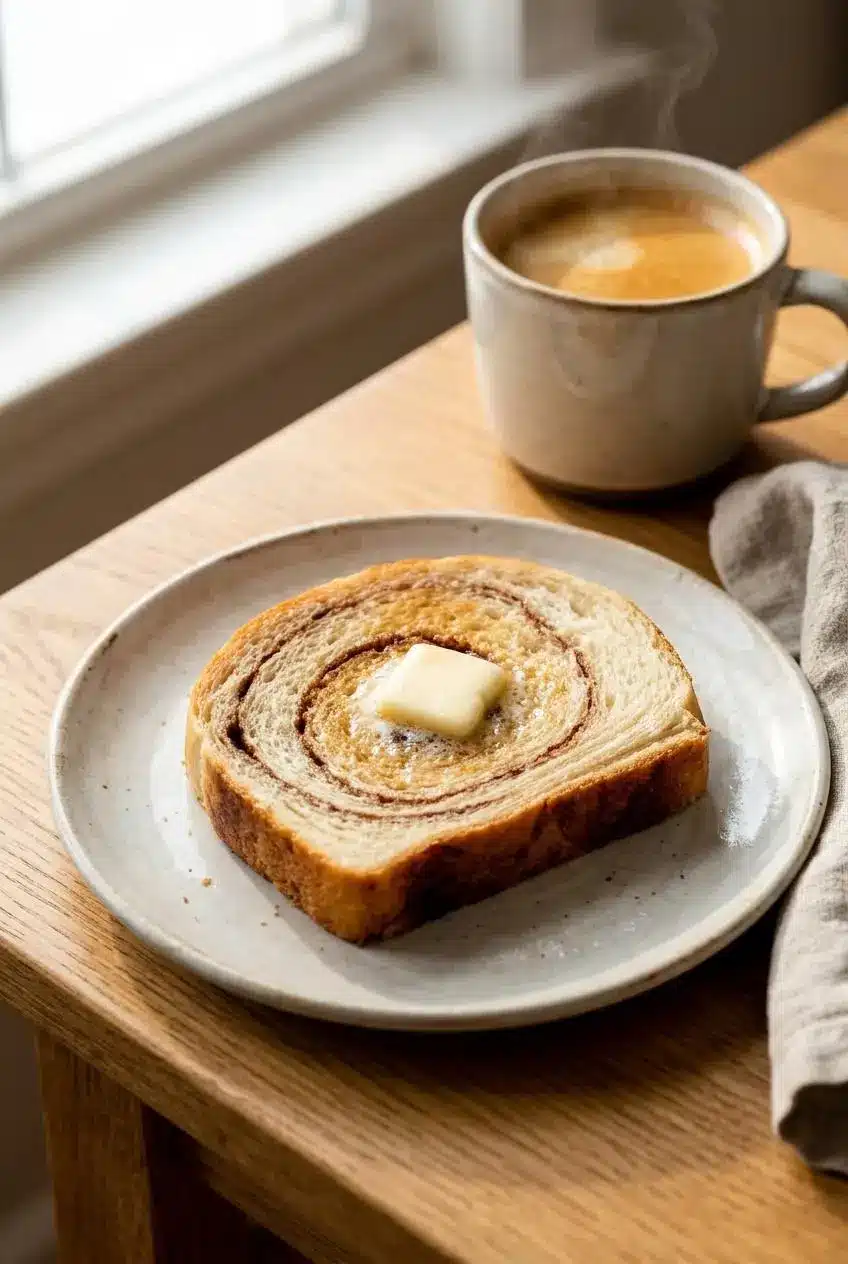
Serve thick slices toasted with salted butter if you want the cinnamon flavor to really pop. Cream cheese is great too, especially if you like a tangy contrast against the sweet swirl.
Honey butter is a very good move here. And if you end up with day-old slices, turn them into French toast or bread pudding while they still have that rich cinnamon aroma.
Conclusion
This loaf gives you everything you want from cinnamon swirl bread: soft crumb, buttery flavor, and a swirl that looks as good as it tastes. Once you understand the dough texture and shape it tightly, the process gets much easier.
If you’ve struggled with that big hollow gap before, focus on the binder and the roll. Do that, and you’re very close to a loaf you’ll want to make again.
Frequently Asked Questions
Why did my cinnamon swirl bread have a large gap inside?
Usually the filling was too dry or the dough was rolled too loosely. Use a binder such as the egg white in the recipe, or try a thin cinnamon paste if you want an optional extra layer of insurance. Roll the log firmly and keep the seam tucked underneath so the swirl stays close to the dough as it bakes.
Can I use all-purpose flour instead of bread flour?
Yes, you can. That said, bread flour gives the loaf better structure, more height, and a slightly chewier bite that supports the swirl well. With all-purpose flour, expect a softer and potentially flatter loaf.
What’s the best way to store homemade cinnamon bread?
Let it cool fully before wrapping so steam does not soften the crumb too much. Store it tightly covered at room temperature or refrigerate it if you prefer a colder storage option. For longer keeping, freeze the loaf whole or sliced and thaw as needed.
Can I make this dough the night before?
Yes. The first rise can happen in the refrigerator overnight. The next day, let the dough lose some of its chill before shaping so it rolls more easily and rises more evenly. If the dough feels stiff straight from the fridge, give it a little time on the counter before you press and roll it.
How do I know when my cinnamon bread is done baking?
Look for a nicely browned top and a loaf that sounds hollow when tapped gently. The center should feel set, not squishy, and the kitchen will smell deeply buttery and cinnamon-rich near the end of baking. If the top colors too quickly before the loaf feels done, tent it loosely with foil and keep baking.
Can I make this recipe without a stand mixer?
Yes, absolutely. Knead the dough by hand on a lightly floured surface for 8 to 10 minutes, adding only tiny amounts of extra flour if it gets too sticky to manage. You’re looking for dough that feels soft, slightly tacky, and elastic enough to stretch without tearing right away.
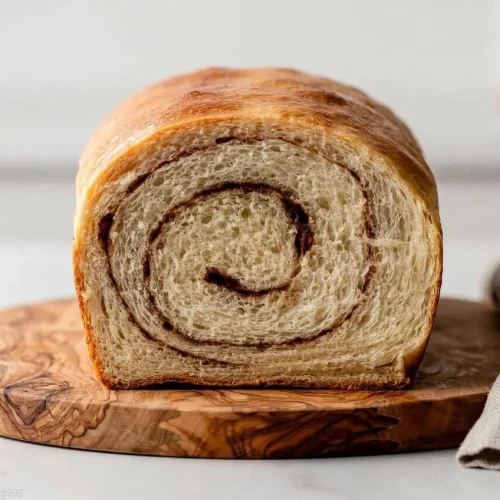
Cinnamon Swirl Bread

Equipment
- Electric stand mixer
- Glass Mixing Bowl
- Wooden Spoon or Silicone Spatula
- Rolling Pin
- Pastry brush
- 9×5-inch Loaf Pan
- Instant-read thermometer
- Cooling Rack
Ingredients
- 1/2 cup (120ml) water, warmed to about 110°F (43°C)
- 1/2 cup (120ml) whole milk, warmed to about 110°F (43°C)
- 2 and 1/4 teaspoons (7g) instant or active dry yeast (1 standard packet)
- 1/4 cup (50g) granulated sugar, divided
- 4 Tablespoons (1/4 cup; 56g) unsalted butter, softened to room temperature and cut in 4 pieces
- 3 cups (390g) bread flour (spooned & leveled), plus more as needed
- 1 teaspoon salt
For the Swirl & Topping
- 1 egg white, beaten
- 1/4 cup (50g) granulated sugar
- 2 teaspoons ground cinnamon
- 1 Tablespoon (14g) unsalted butter, melted
Instructions
- Whisk the warm water, warm milk, yeast, and 2 Tablespoons of sugar in the bowl of a stand mixer fitted with the dough hook, then cover loosely and let it stand for 5 to 10 minutes. The surface should look foamy and frothy, which tells you the yeast is awake and ready to work.
- Add the remaining sugar, the softened butter pieces, 1 cup of flour, and the salt, then mix on low speed for 30 seconds and scrape the bowl. The mixture will look rough at first, and a few butter bits may still be visible.
- Mix in the second cup of flour on medium speed, then add the remaining flour and continue mixing until the dough gathers and starts pulling away from the sides, about 2 minutes. The dough should feel soft and a little tacky, not wet and loose, and you can add more flour 1 Tablespoon at a time only if needed to make it workable.
- Knead the dough for 8 to 10 minutes in the mixer or by hand on a lightly floured surface, adding flour by the teaspoon only if it becomes too sticky to handle. When ready, the dough should feel elastic, slightly tacky, and slowly spring back when poked.
- Transfer the dough to a lightly greased bowl, turn it once to coat, cover, and let it rise in a warm spot for 1.5 to 2 hours. It should become puffy and roughly double in size.
- Grease a 9×5-inch loaf pan and stir together the 1/4 cup sugar and cinnamon in a small bowl. Having the pan and filling ready makes shaping much smoother once the dough is rolled out.
- Press down the risen dough, then roll it on a lightly floured surface into an 8×20-inch rectangle. The shape does not need to be perfectly sharp at the corners, but aim for an even thickness so the loaf bakes evenly.
- Brush the dough with the beaten egg white, sprinkle the cinnamon sugar over the surface, and leave a 1-inch border uncovered around the edges. The coating should look even from end to end so every slice gets a good swirl.
- Roll the dough into an 8-inch log, place it seam-side down in the prepared pan, and sprinkle any escaped filling over the top instead of tossing it. The loaf should sit snugly in the pan with the seam tucked underneath.
- Cover the pan and let the shaped loaf rise for 1 hour. It should rise to about 1 inch above the rim of the pan and look noticeably lighter and puffier.
- Set an oven rack in a lower position and heat the oven to 350°F (177°C). Baking the loaf lower in the oven helps the top color more gently.
- Brush the top of the loaf with the melted butter and bake for 35 to 45 minutes, tenting loosely with foil halfway through if the top is browning too quickly. The bread is ready when the crust is golden brown and the loaf sounds hollow when gently tapped.
- Cool the bread in the pan for a few minutes, then remove it and finish cooling on a rack for at least 10 minutes before slicing. If you wait longer before cutting, the slices stay neater and the center is less likely to feel gummy.