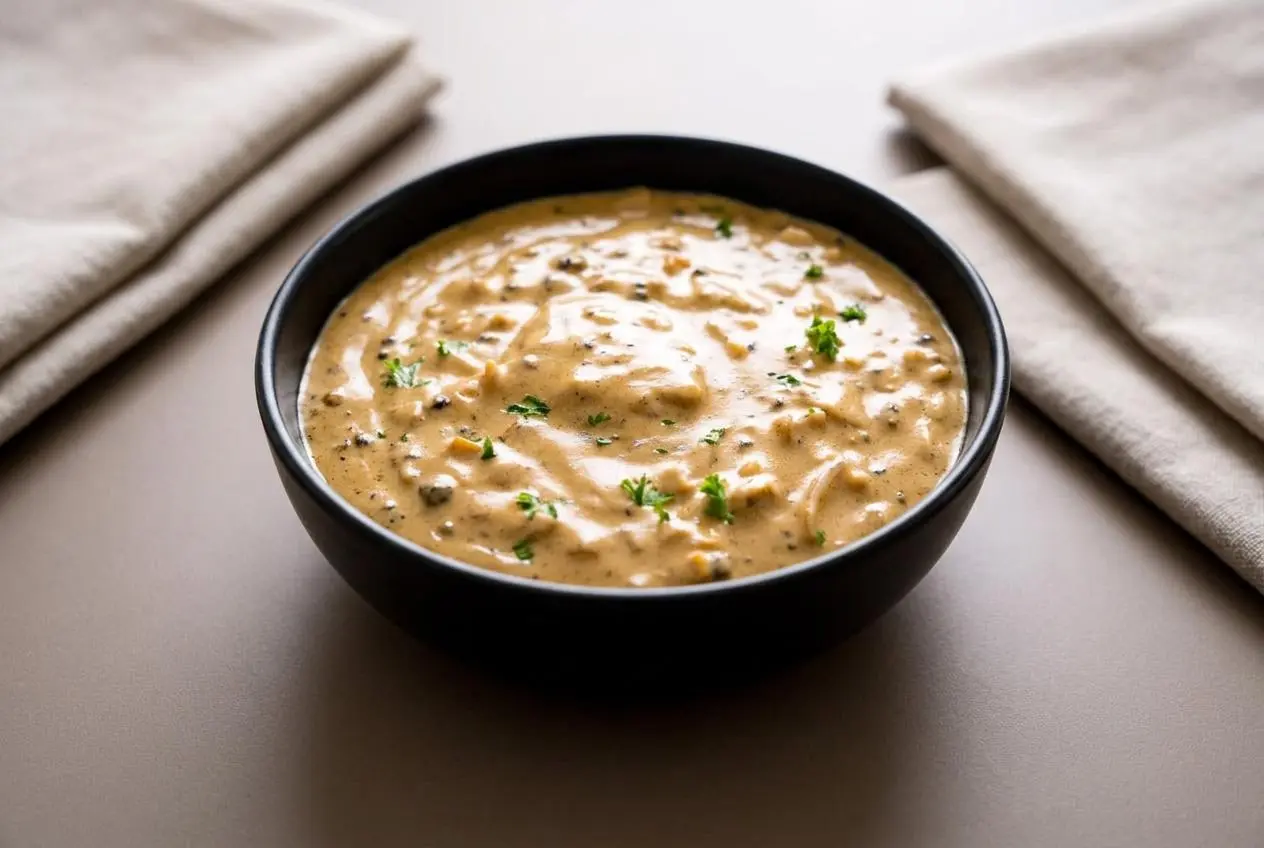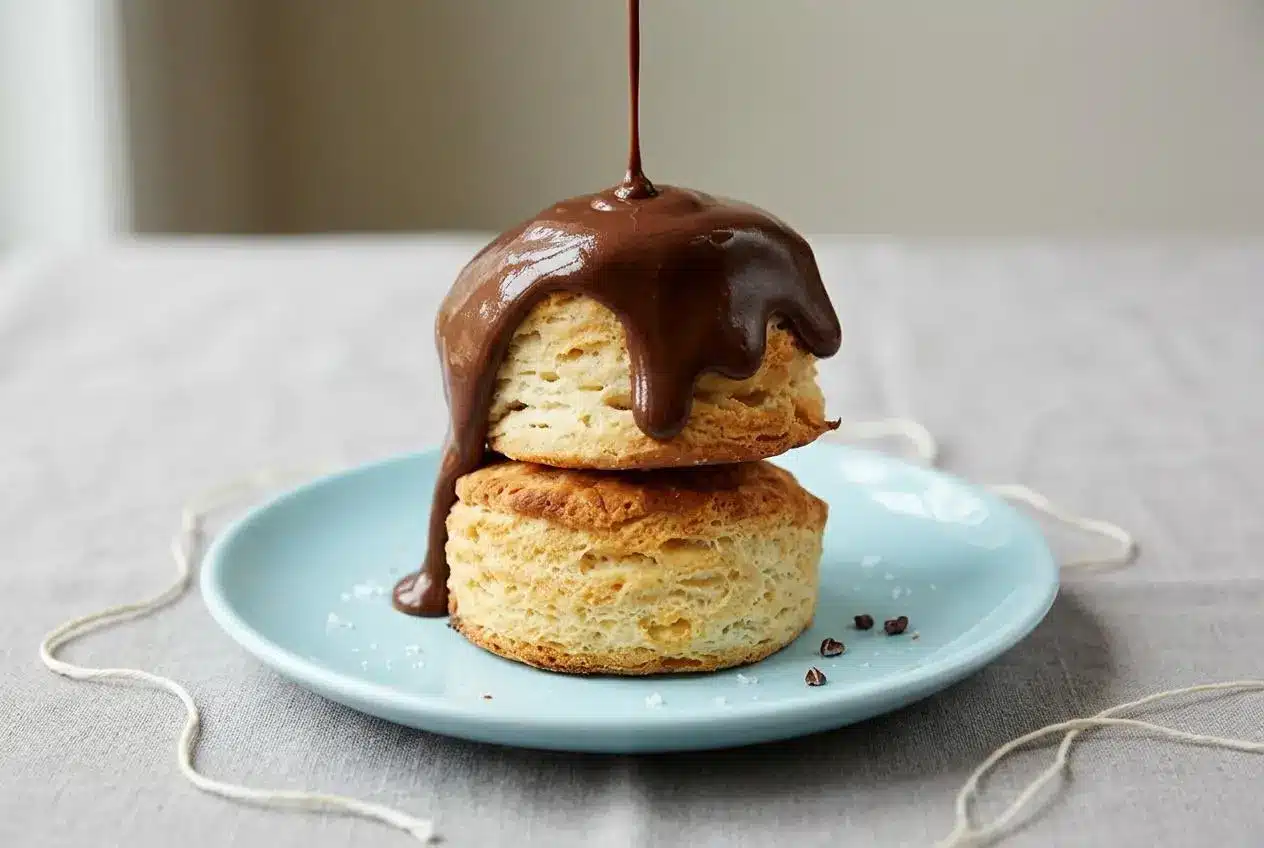
Southern chocolate gravy is a warm cocoa-and-milk gravy thickened with flour on the stovetop, then finished with butter and vanilla for a glossy, pourable topping.
This chocolate gravy recipe turns everyday breakfast into something cozy, rich, and deeply chocolatey without using melted chocolate or heavy cream.
It comes together quickly, but steady whisking makes all the difference. Watch for those slow, glossy bubbles.
Set out the butter and vanilla before heating the pan so you can stir them in immediately when the gravy thickens.
Essential Ingredients for Authentic Chocolate Gravy
Each ingredient shapes the finished gravy: cocoa brings depth, flour gives structure, milk makes it pourable, and butter plus vanilla create a smooth, fragrant finish.
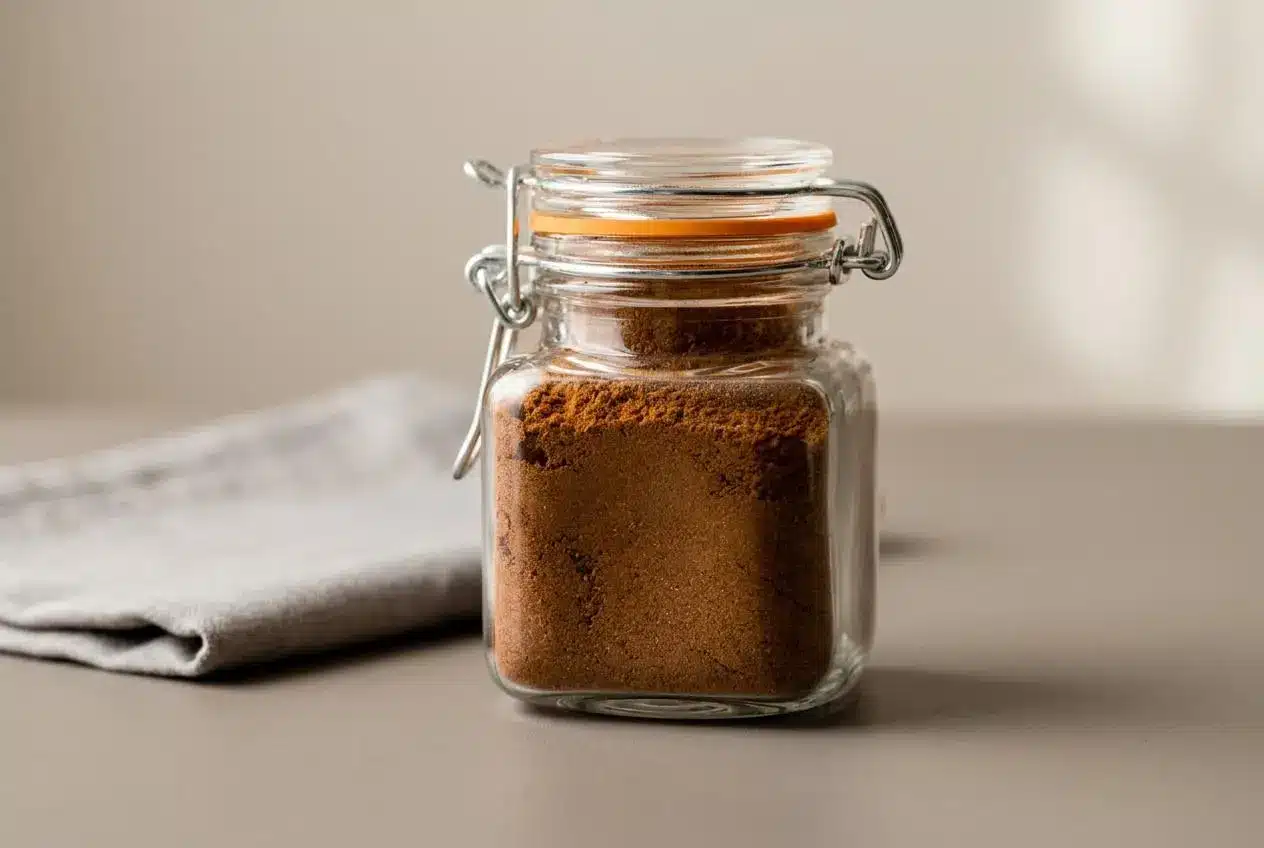
- 1/3 cup unsweetened cocoa powder
- 3 tablespoons all-purpose flour
- 1 cup sugar
- 1 pinch salt
- 1 1/2 cups milk
- 3 tablespoons butter
- 1 teaspoon vanilla extract
Unsweetened cocoa powder gives the gravy its dark chocolate flavor without extra sweetness. Sugar rounds out cocoa’s slight bitterness, while the pinch of salt keeps the flavor from tasting flat. Milk provides the creamy liquid base, and butter softens the texture after cooking. Vanilla adds a warm bakery-like aroma at the end.
I whisk the cocoa, flour, sugar, and salt together until the color looks even before adding milk, because dry pockets are much harder to smooth out once the pan is hot.
Flour vs. Cornstarch for Gravy Body
All-purpose flour gives chocolate gravy its characteristic soft, velvety body. As it cooks with the milk, the flour thickens the mixture gradually, creating a texture that feels closer to a pourable pudding than a thin chocolate syrup.
Cornstarch can thicken chocolate mixtures, but it creates a shinier, more gel-like finish. It also thickens more abruptly and can lose its smooth texture if overheated. For the classic Southern style served over biscuits, flour gives the gentler, more gravy-like consistency.
Selecting the Best Cocoa Powder
Choose unsweetened cocoa powder rather than sweetened hot cocoa mix. Cocoa mix already contains sugar and often powdered dairy ingredients, which can throw off the balance of this recipe. Unsweetened cocoa gives you full chocolate flavor while the measured sugar and milk create the right sweetness and richness.
Natural cocoa’s slight tang also keeps the dairy-forward gravy from tasting overly heavy. Its flavor deepens as the gravy cooks, shifting from a pale brown froth to a darker, glossy chocolate color.
How to Make Chocolate Gravy on the Stovetop
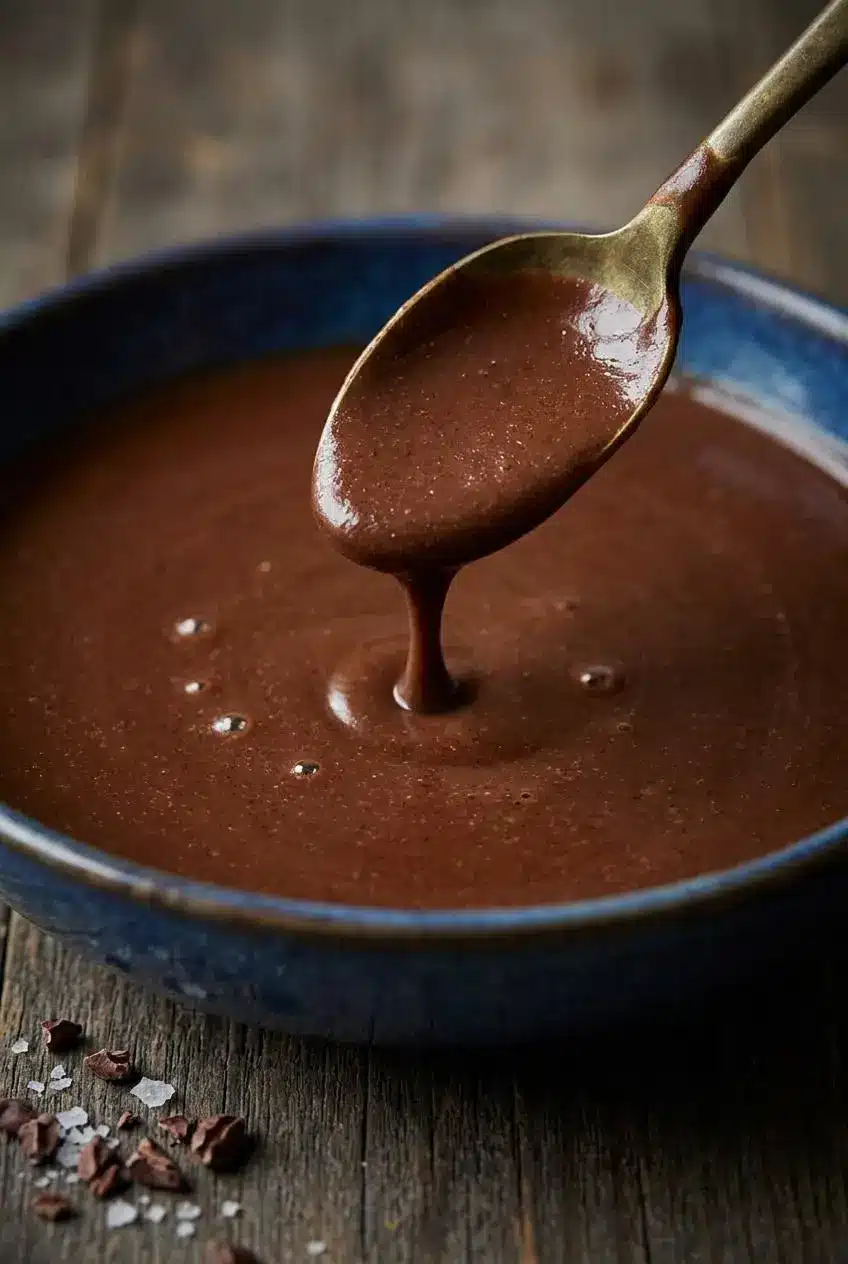
A medium saucepan and a whisk are all you need. Keep the heat at medium and stay at the stove, because the milk and cocoa can catch quickly if the bottom of the pan is ignored.
- Combine the cocoa powder, flour, sugar, and salt in a medium saucepan, then whisk until the dry mixture is evenly blended.
Add the milk gradually while whisking until the mixture looks smooth and no dry flour remains around the pan edges. - Cook over medium heat for 5 to 7 minutes, whisking continuously and scraping across the bottom and into the corners of the saucepan.
The gravy will move from thin and foamy to darker, thicker, and glossy, with large slow bubbles beginning to break at the surface. - Take the saucepan off the heat and stir in the butter and vanilla extract until the butter melts completely.
The finished gravy should coat the back of a spoon and offer gentle resistance as the whisk moves through it.
Pull the pan from the heat as soon as the gravy reaches that thick, bubbling stage. Letting it boil aggressively can scorch the milk and leave a bitter edge behind.
Skillet vs. Saucepan Heat Dynamics
A heavy-bottomed saucepan is the easiest choice because its taller sides limit splatter and its narrower base slows evaporation. It also helps you keep the whisk moving through the full depth of the gravy.
A cast iron skillet can work, but its broad surface exposes more gravy to heat and can make it thicken faster. Use a gentle heat level, whisk constantly, and sweep the corners often. Those edges are where flour and cocoa tend to settle first.
Troubleshooting Common Chocolate Gravy Issues
Most chocolate gravy problems come down to heat and whisking. The good news is that texture issues are usually easy to catch early.
- Too thick: Remove the pan from the heat and whisk in a small splash of milk until the gravy returns to a smooth, pourable consistency.
- Too thin: Keep cooking gently while whisking. Flour needs time at a simmer to build its thickened structure.
- Grainy texture: Make sure the dry ingredients are thoroughly blended before the milk goes in, then keep the whisk moving around the bottom and sides.
- Burnt flavor: Lower the heat at the first sign of sticking. A harsh cocoa smell or dark residue on the pan bottom means the milk is scorching.
How to Fix Runny Gravy
Runny gravy almost always means it came off the heat before the flour had enough time to thicken the milk. Return it to medium-low heat and whisk steadily until it reaches a gentle simmer and begins forming broad, lazy bubbles.
Do not sprinkle raw flour directly into hot gravy. It will form stubborn lumps and leave a floury taste. Patient cooking is the better fix: keep stirring, scrape the pan bottom, and wait for the whisk to leave a brief trail through the mixture.
Smoothing Out Lumps and Scorched Spots
If small lumps appear, take the pan off the heat and whisk firmly around the edges. For larger lumps, pass the gravy through a fine-mesh strainer or use an immersion whisk until smooth.
If you notice dark flecks collecting on the bottom, immediately transfer the smooth upper portion to a clean saucepan without scraping up the scorched layer. Continue cooking gently in the clean pan. Once a burnt taste spreads through the whole batch, it is difficult to hide.
Flavor Twists and Customizations
Keep the classic version as written, then use one of these optional changes when you want a different flavor direction.
- Brown sugar chocolate gravy: Replace the white sugar with packed brown sugar for a deeper caramel and molasses flavor. The gravy will taste warmer and slightly more rounded.
- Dairy-free chocolate gravy: Use plain oat milk or almond milk with plant-based butter. The texture may be a little lighter, but the flour still provides the familiar gravy body.
- Espresso powder: Whisk a pinch into the dry cocoa mixture for a fuller chocolate flavor without making the gravy taste like coffee.
- Cocoa blooming: Whisk the cocoa with a little hot water before adding it to the saucepan if you prefer a deeper, more intense cocoa flavor. This is optional and changes the routine, not the core method.
Delicious Ways to Serve Chocolate Gravy
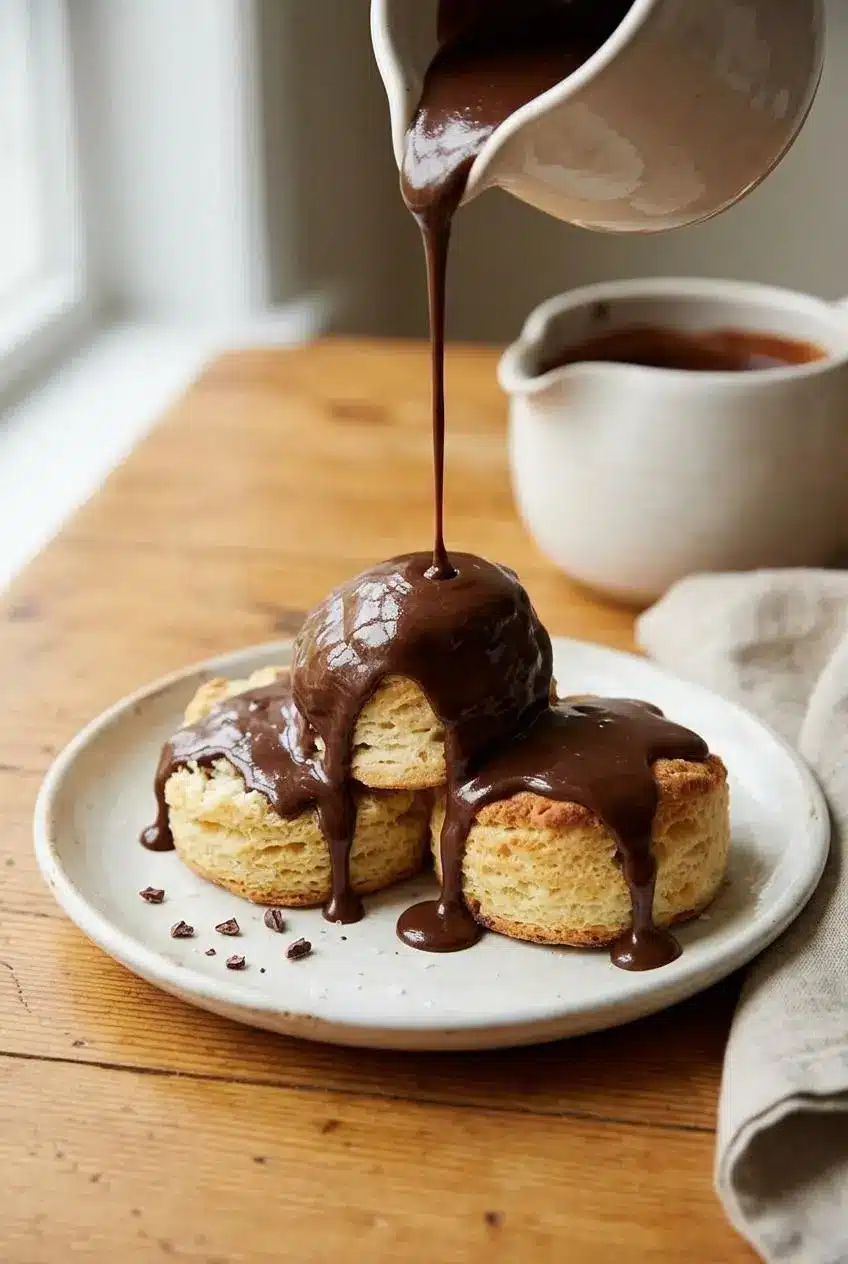
Warm split buttermilk biscuits are the traditional choice, especially when the gravy is freshly made and still glossy. Chocolate gravy is part of the comforting breakfast traditions of the Ozarks and Appalachia, where sweet biscuit toppings have long had a place at the morning table.
- Ladle it over tender buttermilk or sour cream biscuits.
- Drizzle it across pancakes or waffles and add fresh berries for brightness.
- Spoon it over toasted pound cake for an easy warm dessert.
- Serve it over creamy chocolate ice cream when you want a hot-and-cold dessert with a fudge-like finish.
- Pair it with breakfast pastries and sliced strawberries or raspberries for a brunch spread.
For biscuits, serve the gravy while it is warm enough to flow into the split center. If it sits for a while, give it a quick whisk before ladling so the top looks smooth again.
Storing and Reheating Chocolate Gravy
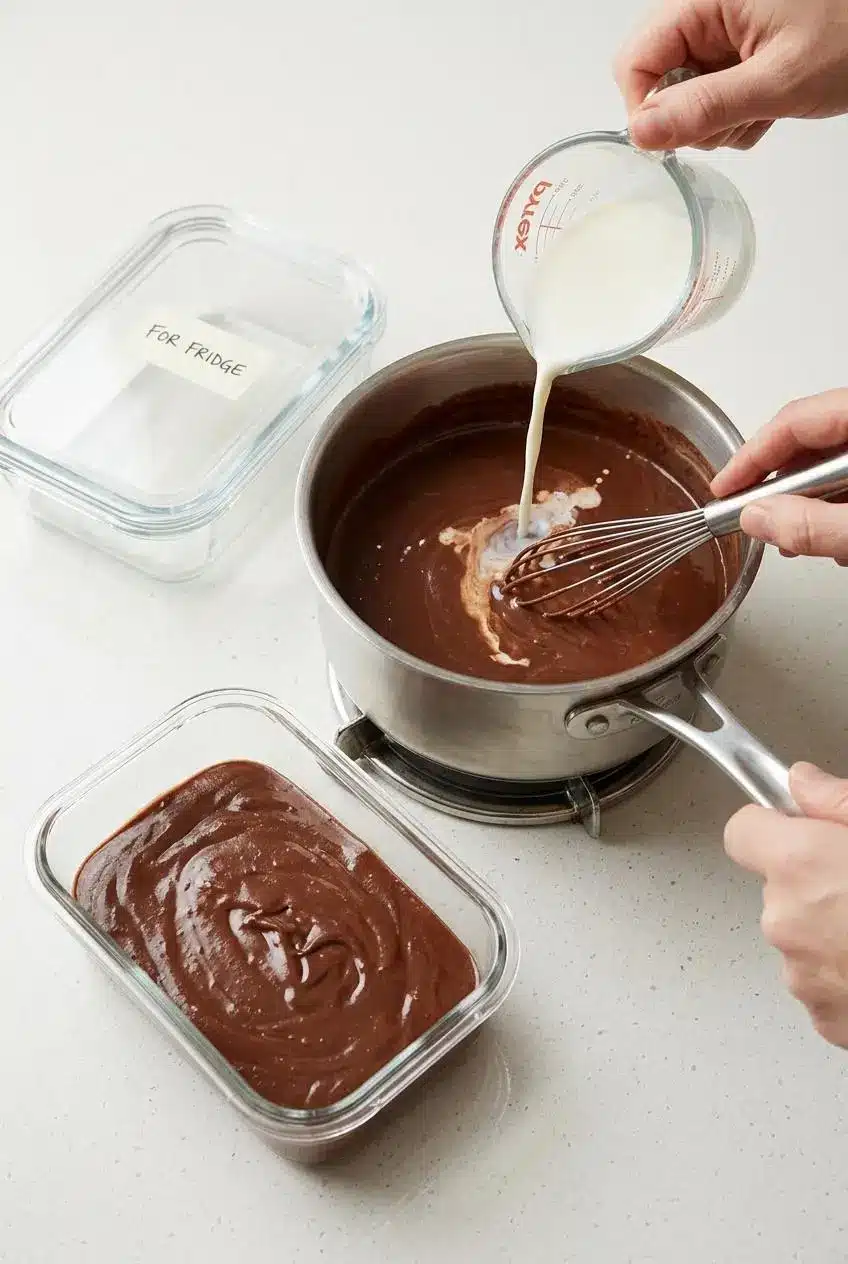
Chocolate gravy firms up as it chills. Transfer leftovers to a covered airtight container after they have cooled, keep them chilled, and reheat only the portion you plan to serve.
For the stovetop, warm the gravy slowly over low heat and whisk often. Add a splash of milk as needed to loosen the texture until it pours smoothly. Avoid high heat, which can make the milk base separate or stick to the pan.
For the microwave, heat in short intervals and whisk between each interval. The center can warm faster than the edges, so stirring often helps the gravy return to an even, velvety consistency.
This gravy is best made close to serving time for the silkiest texture. If preparing it earlier, keep the butter-and-vanilla finish in mind: reheating gently preserves that glossy character far better than a hard boil.
Conclusion
Chocolate gravy delivers warm chocolate comfort in about 12 minutes, with a texture that belongs somewhere between a breakfast gravy and a silky dessert sauce.
Whisk steadily, watch for slow surface bubbles, and add the butter and vanilla off the heat. A warm biscuit and a spoonful of glossy chocolate gravy can make an ordinary morning feel special.
Frequently Asked Questions
What Is the Difference Between Chocolate Gravy and Chocolate Sauce?
Chocolate gravy uses flour and milk to create a soft, thickened body. It is cooked like a sweet stovetop gravy and has a gentle, velvety texture. Chocolate sauce usually relies on melted chocolate, cream, sugar syrup, or corn syrup. It tends to be shinier and thinner, especially when served warm.
Why Is My Chocolate Gravy Not Thickening?
It likely needs more time over gentle heat. Keep whisking for the full 5 to 7 minutes until the mixture reaches a simmer and large, slow bubbles rise to the surface. Also check the heat level. If the pan is too cool, the flour will take longer to thicken the milk. If it is too hot, the bottom may scorch before the gravy thickens evenly.
Can I Make Chocolate Gravy Ahead of Time and Reheat It?
Yes. Keep it covered and chilled, then warm it gently when you are ready to serve. The chilled gravy will be thicker than it was fresh. Whisk in a splash of milk as it warms to restore a smooth, pourable texture. Low heat and steady stirring help preserve the creamy finish.
Can I Use Cornstarch Instead of All-Purpose Flour?
Cornstarch can thicken the mixture, but it changes the texture. Use about half as much cornstarch as flour if making the swap. The result will be shinier and more pudding-like rather than the soft, traditional body that flour gives Southern chocolate gravy.
Chocolate Gravy Recipe

Equipment
- Medium saucepan
- Whisk
Ingredients
- 1/3 cup unsweetened cocoa powder
- 3 tablespoons all-purpose flour
- 1 cup sugar
- 1 pinch salt
- 1 1/2 cups milk
- 3 tablespoons butter
- 1 teaspoon vanilla extract
Instructions
- Combine the cocoa powder, flour, sugar, and salt in a medium saucepan, then whisk until the dry mixture is evenly blended. Add the milk gradually while whisking until the mixture looks smooth and no dry flour remains around the pan edges.
- Cook over medium heat for 5 to 7 minutes, whisking continuously and scraping across the bottom and into the corners of the saucepan. The gravy will move from thin and foamy to darker, thicker, and glossy, with large slow bubbles beginning to break at the surface.
- Take the saucepan off the heat and stir in the butter and vanilla extract until the butter melts completely. The finished gravy should coat the back of a spoon and offer gentle resistance as the whisk moves through it.