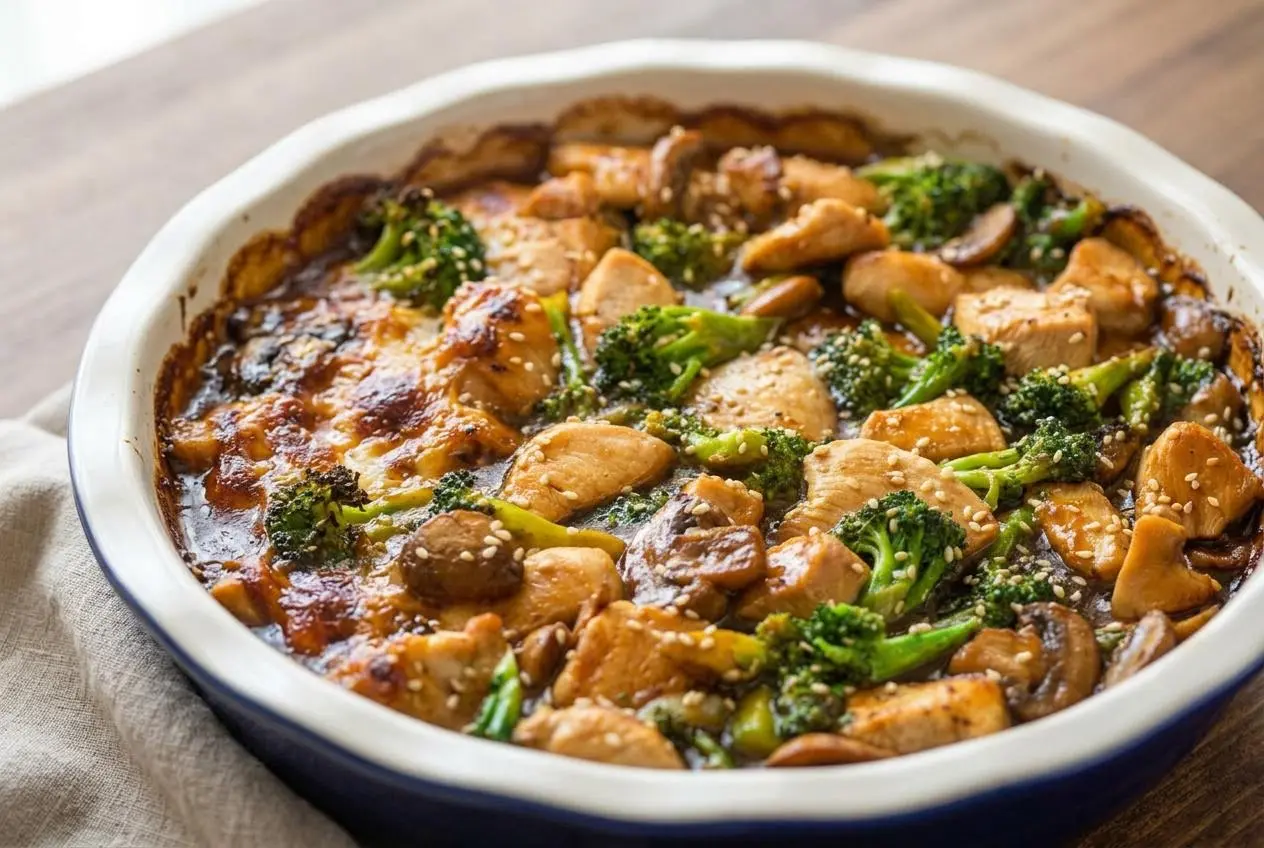
Chicken and Broccoli Stir Fry is a fast, reliable dinner with tender chicken, crisp broccoli, mushrooms, onion, and a glossy savory sauce that comes together in about 30 minutes.
This is the kind of weeknight stir fry that feels a little better than takeout because you control the texture. The chicken stays juicy, the broccoli keeps some bite, and the sauce clings instead of pooling at the bottom of the plate.
It also uses familiar ingredients and one pan, which is always a win on a busy night. A hot pan and a little patience with browning do most of the heavy lifting. That’s the trick.
Have everything chopped and the sauce whisked before the pan heats up, because once the sizzle starts, this recipe moves fast.
Ingredients
These are the exact ingredients for the base recipe, grouped the way you’ll use them in the kitchen.
Chicken and Broccoli
- 1 lb chicken breast, (boneless skinless), cut into 3/4″ pieces
- 2 Tbsp cooking oil, (I used extra light olive oil), divided
- 1 lb broccoli, cut into florets (about 5 cups)
- 1 small yellow onion, sliced into strips
- 1/2 lb white button mushrooms, thickly sliced
Stir Fry Sauce Ingredients
- 2/3 cup low sodium chicken broth
- 3 Tbsp low sodium soy sauce, (use Tamari for gluten free), or added to taste
- 2 Tbsp light brown sugar, packed (or honey to taste)
- 1 Tbsp corn starch
- 1 Tbsp sesame oil
- 1 tsp fresh ginger, peeled and grated (lightly packed)
- 1 tsp garlic (2 small cloves), grated
- 1/4 tsp black pepper, plus more to season chicken
Ingredient notes that matter
A few ingredients do a lot of work here. Soy sauce brings salt and savory depth, while brown sugar smooths out the sharp edges so the sauce tastes balanced instead of harsh. Corn starch gives the sauce that glossy, lightly thickened finish that coats the chicken and broccoli without turning gummy.
Sesame oil is the final layer that makes the sauce smell like stir fry the second it hits the heat. Fresh ginger and garlic matter more than people think. They’re small amounts, but they wake up the whole pan.
You can use Tamari in place of soy sauce if you need a gluten free option. Honey can stand in for the brown sugar if you prefer that flavor. If you’re used to stir fries with oyster sauce or Shaoxing wine, those are common in other versions, but they are not part of this base recipe.
For soy sauce alternatives, here’s the quick version:
| Option | What to expect |
|---|---|
| Soy sauce | Classic savory flavor with a balanced salty edge |
| Tamari | Very similar, usually a bit deeper tasting and good for gluten free cooking |
| Coconut aminos | Milder and sweeter, so the sauce will taste less salty and a little softer overall |
Kitchen note
I always try to cut the chicken pieces as evenly as possible here. Small, matching pieces cook fast and stay much more tender. I also like broccoli florets that are close in size, because one giant floret and five tiny ones is how you end up with both mushy and raw in the same skillet.
How to Make Chicken and Broccoli Stir Fry
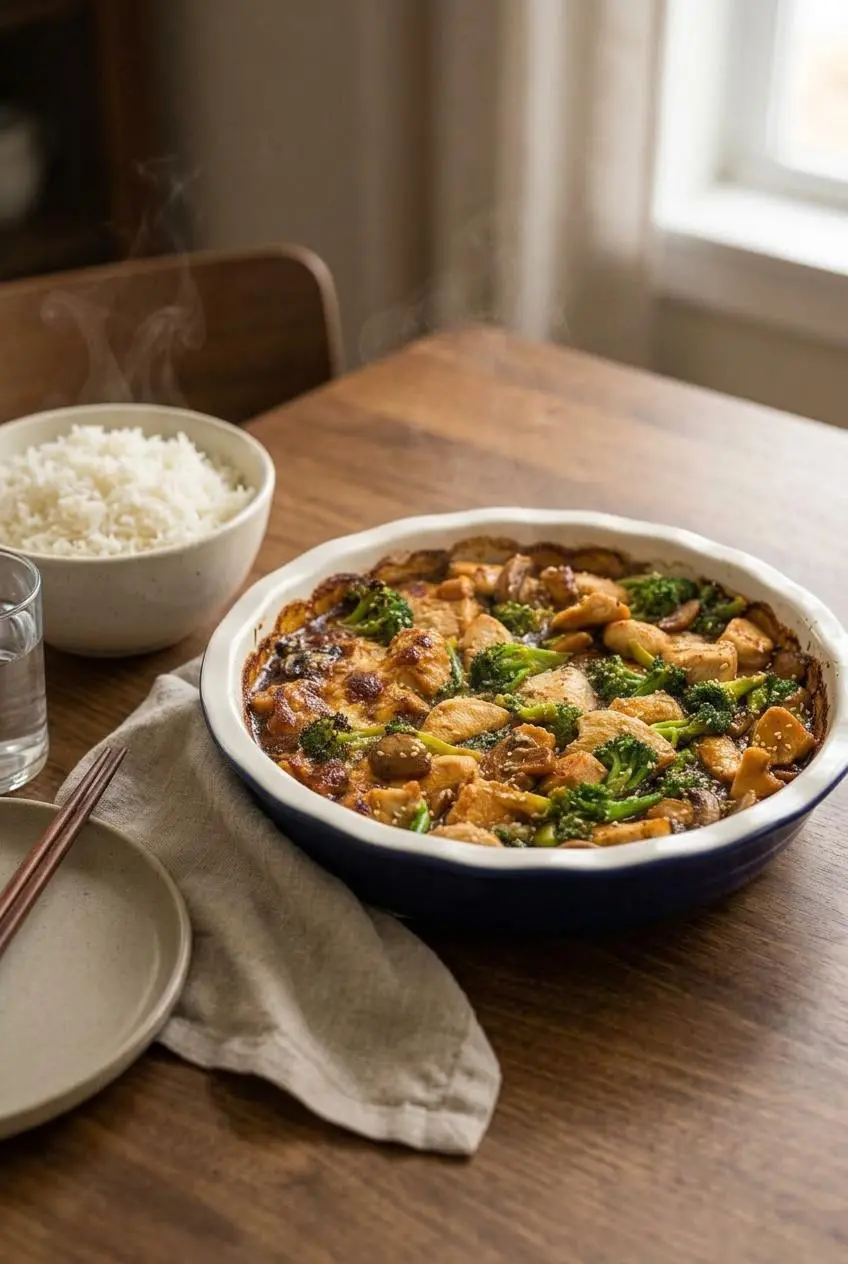
This method is simple, but the texture depends on timing. Keep the pan hot, avoid crowding, and watch for visual cues more than anything else.
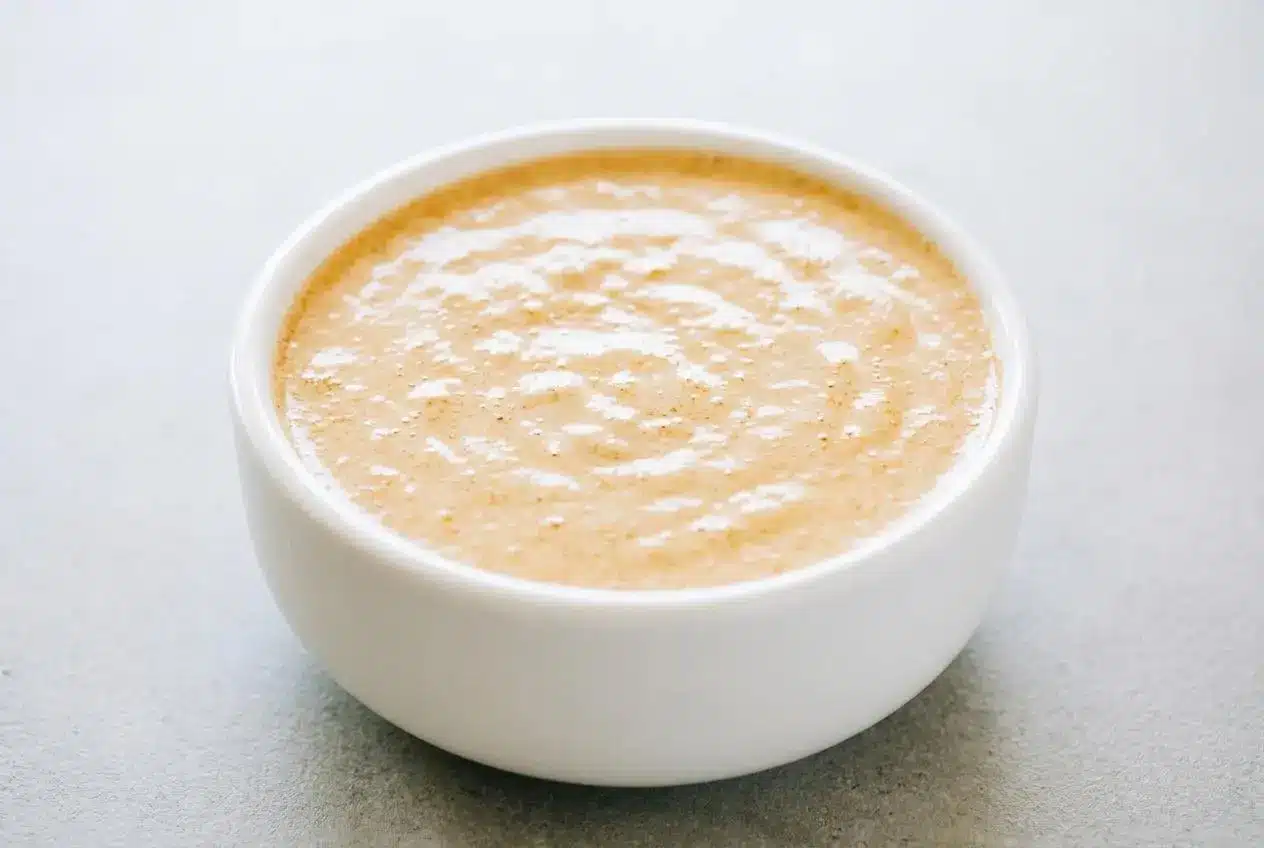
- In a small bowl, combine all of the sauce ingredients and whisk to dissolve sugar and corn starch (warm broth will help dissolve the sugar faster). Set sauce aside. You want the mixture smooth, with no starch hiding at the bottom. I like to give it a final whisk until it looks evenly tan and glossy.
- Cut chicken into small bite-sized pieces (no more than 3/4” thick) and season lightly with pepper. Heat a large heavy skillet or wok over medium-high heat. Add 1 Tbsp oil. Add chicken in a single layer and let it sit undisturbed for 1 minute to get a good sear then stir fry for another 5 minutes or until golden brown just cooked through then remove to a bowl and loosely cover to keep warm. You should hear a steady sizzle when the chicken hits the pan. If you don’t, the pan needs another moment. For food safety, chicken should reach 165°F. See this food safety guidance if you want the official temperature chart.
- In the same skillet, add another 1 Tbsp oil along with broccoli florets, sliced onion and sliced mushrooms. Stir fry 3 minutes or until mushrooms are softened and broccoli is crisp-tender then reduce heat to medium/low. The mushrooms will give off some moisture first, then the pan will look drier again as things cook down. That’s normal. Crisp-tender is the goal, not soft.
- Give the sauce a quick stir in case there was any settling of starch and pour all of it over the vegetables. Simmer 3-4 minutes or until sauce is thickened and garlic and ginger are mellowed in flavor. To thin the sauce, add water a tablespoon at a time. You’ll know it’s ready when the sauce looks glossy and lightly coats the vegetables instead of running like broth.
- Return chicken to the pan and stir another 30 seconds or until heated through. Add more soy sauce to taste if needed and serve over hot rice. This final step is quick, so don’t wander off. Once the chicken is back in, dinner is basically done.
Optional pro tip for better texture
If you want extra control over the broccoli, you can blanch it separately before stir frying. That optional move helps keep the florets bright green and crisp-tender, especially if your stovetop runs a little cool or your skillet tends to steam vegetables before it browns them.
Secrets to tender chicken and crisp broccoli
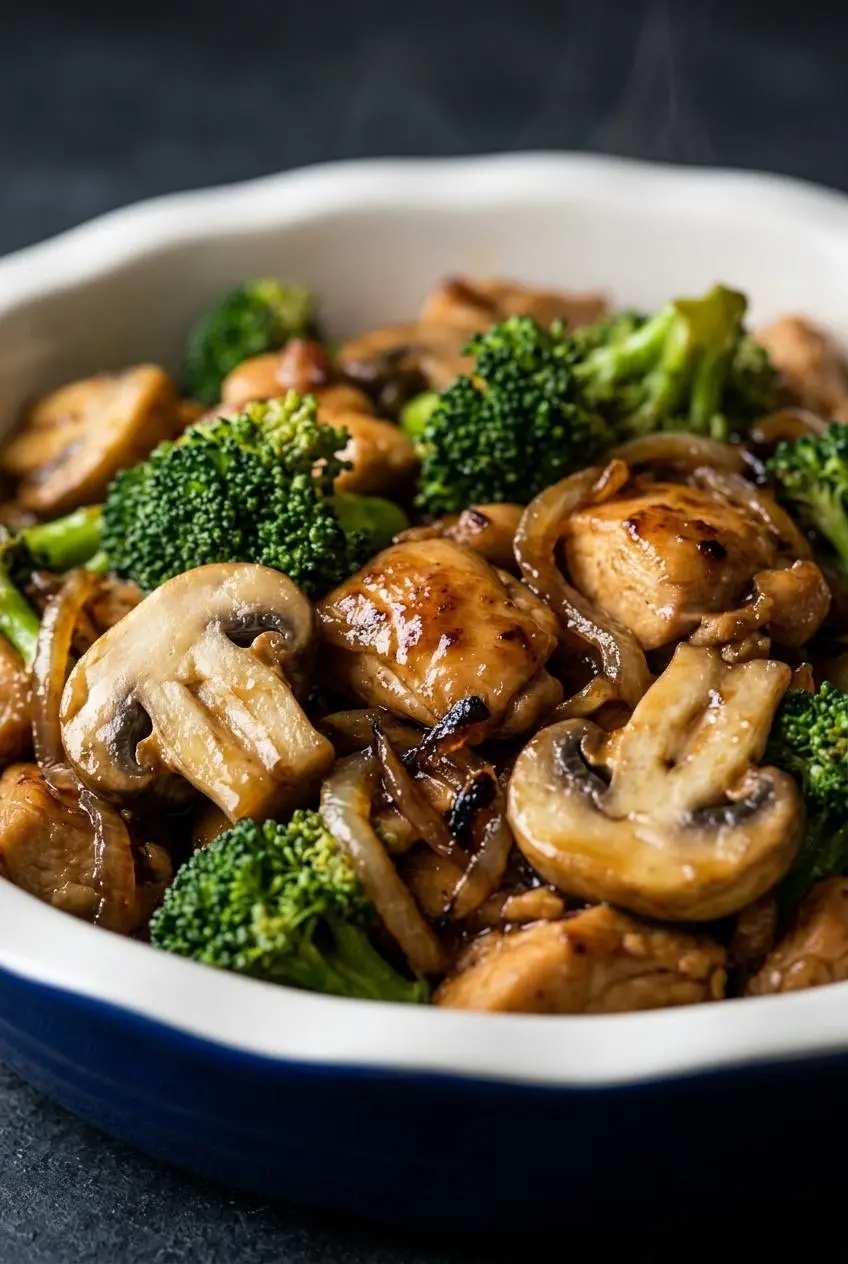
This is where stir fry usually goes right or wrong. A few small choices change everything.
Cut the chicken evenly so it cooks at the same speed. Use fairly high heat. Spread the chicken in a single layer so the surface can brown instead of turning pale and damp. If the pan looks crowded, cook in batches. Honestly, that one choice fixes half of all stir fry problems.
A lot of home cooks ask about velveting chicken. It’s a restaurant technique that can make chicken breast extra tender, and you can try it if you like, but it is optional and not part of this base recipe. Even without it, this recipe turns out beautifully if you keep the pieces small and avoid overcooking.
Why broccoli can turn soft fast
Broccoli loses its bite when it cooks too long or gets trapped under too much moisture. In a crowded pan, it steams instead of stir fries, and that bright green snap disappears fast.
The sweet spot is crisp-tender. You want broccoli that’s cooked through but still has a little resistance when you bite into it. If you like more control, separate blanching or a quick steam before it hits the skillet can help. That extra step is optional, but it’s handy if soggy broccoli has broken your heart before.
Wok versus skillet
Both work. The real goal is a pan that gets hot and gives the ingredients enough room to brown.
A wok heats fast and makes tossing easy, especially if you cook stir fry often. A large heavy skillet is great too, and for many home kitchens it’s actually easier to manage because the flat surface keeps more ingredients in direct contact with the heat. Just don’t use a small pan and expect magic. Steam will win.
Sauce tips and easy substitutions
The sauce is simple, but it has good balance. It should taste savory first, then lightly sweet, with ginger, garlic, and sesame oil rounding everything out.
What makes the sauce taste balanced
Chicken broth gives the sauce body without making it heavy. Soy sauce adds salt and depth. Brown sugar softens that salty edge, while sesame oil brings a toasted finish that smells amazing the second it warms up. Ginger and garlic add freshness and punch, and the corn starch ties it all together into a glossy coat.
You’re not looking for a thick, sticky takeout glaze here. You want a lighter stir fry sauce that clings to the chicken and vegetables. If you like that savory-sweet profile, you might also enjoy this homemade Teriyaki Chicken on another night.
Soy sauce swaps at a glance
If you’re choosing between soy sauce, Tamari, and coconut aminos, think about salt first. Soy sauce gives the most familiar flavor for this recipe. Tamari is the closest substitute and works well for gluten free cooking. Coconut aminos are milder and sweeter, so the finished sauce will be softer and less punchy.
That doesn’t make one better than another. It just means you may want to taste at the end and decide whether the pan needs a little more soy sauce, as the recipe already allows.
If the sauce is too thin or too salty
If the sauce stays thin, the most common culprit is settled corn starch. Stir the sauce well right before pouring it in, then give it enough simmering time to activate the thickening. A sauce that looks watery at first often catches up after another minute or two.
If it tastes too salty, thin it slightly with water, a tablespoon at a time, just as the recipe directs. Then taste again before adding any extra soy sauce at the end. Small adjustments matter here.
Common stir fry mistakes and how to fix them
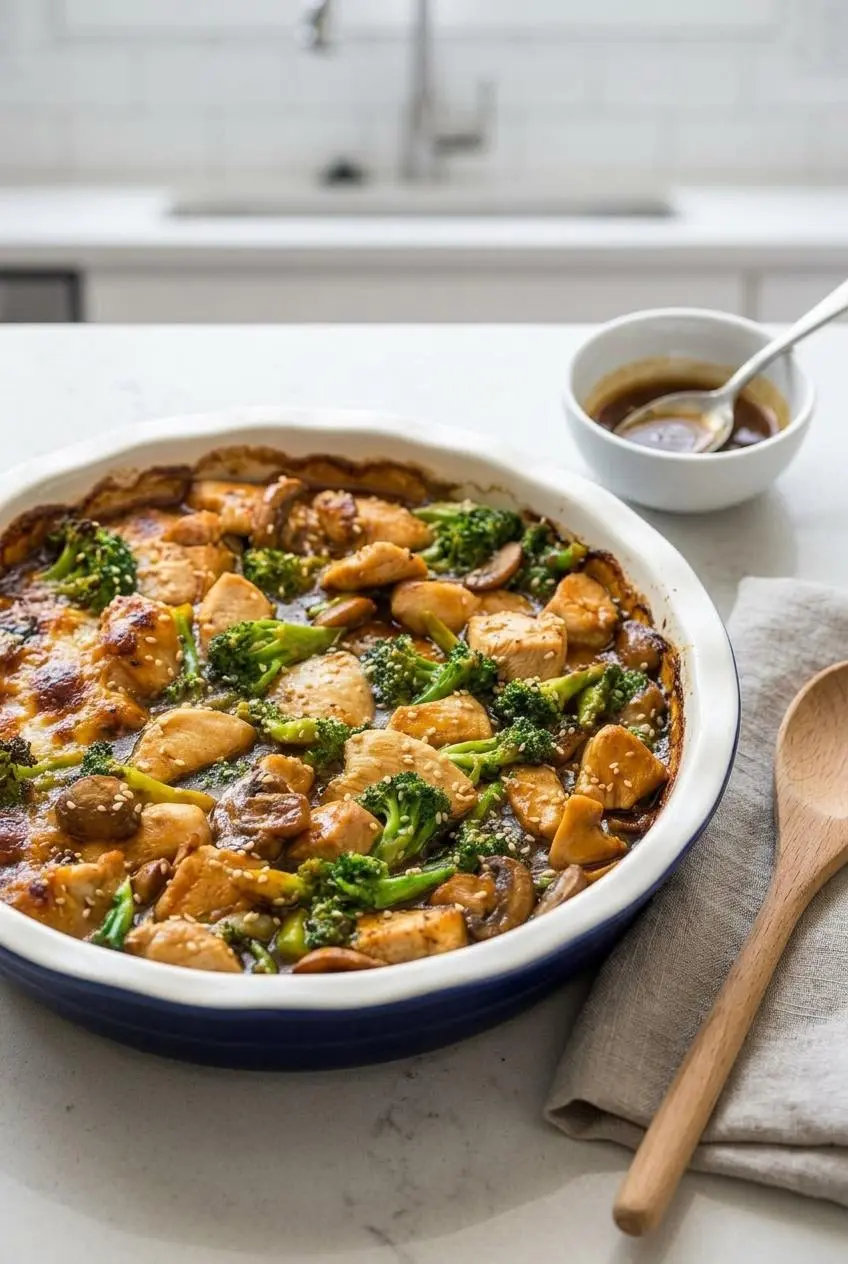
This section is your rescue plan. Most stir fry issues come down to heat, crowding, or timing.
Chicken turned tough
Tough chicken usually means one of three things: the pieces were cut too large, the pan heat was too low to brown quickly, or the chicken stayed on the heat too long. Chicken breast is lean, so it doesn’t need much extra time before it starts drying out.
Keep the pieces no more than 3/4 inch thick, listen for that strong sizzle, and pull the chicken as soon as it’s golden and just cooked through. If you want to experiment later, velveting is an optional technique some cooks use for an even softer texture, but it’s separate from this recipe.
Vegetables released too much water
This usually happens when the pan is crowded, the heat is too low, or the vegetables go in while still very wet. Mushrooms naturally release moisture, so if the pan is already overloaded, everything slides from stir fry territory into steamed vegetable territory fast.
Cook in batches if needed and have every ingredient ready before you start. I personally love the speed of stir fry, but it definitely punishes hesitation. Once the vegetables go in, keep them moving and keep the heat working for you.
Sauce did not thicken well
Corn starch settles quickly, so the sauce needs a good stir right before it hits the pan. If it still seems loose, let it simmer until it turns glossy and lightly coats the vegetables. Thickening happens as it heats, so don’t judge it too early.
| Problem | Likely cause | Quick fix |
|---|---|---|
| Tough chicken | Pieces too big or cooked too long | Cut smaller and pull as soon as it’s just done |
| Watery vegetables | Pan overcrowded or heat too low | Use a roomy hot pan and cook in batches if needed |
| Thin sauce | Corn starch settled or sauce did not simmer long enough | Stir before pouring and simmer until glossy |
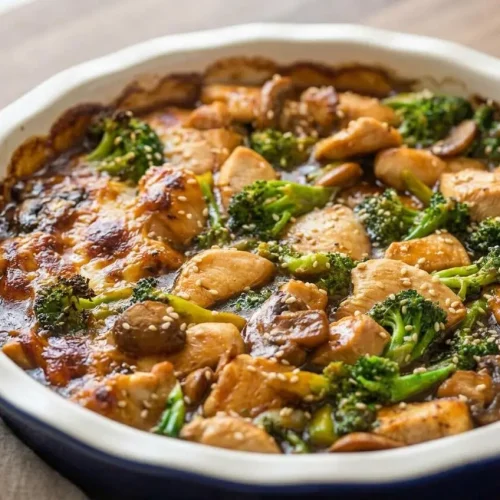
Chicken and Broccoli Stir Fry

Equipment
- large heavy skillet
- wok
- Small bowl
- Whisk
Ingredients
Chicken and Broccoli
- 1 lb chicken breast (boneless skinless), cut into 3/4″ pieces
- 2 Tbsp cooking oil (I used extra light olive oil), divided
- 1 lb broccoli cut into florets (about 5 cups)
- 1 small yellow onion sliced into strips
- 1/2 lb white button mushrooms thickly sliced
Stir Fry Sauce Ingredients
- 2/3 cup low sodium chicken broth
- 3 Tbsp low sodium soy sauce (use Tamari for gluten free), or added to taste
- 2 Tbsp light brown sugar packed (or honey to taste)
- 1 Tbsp corn starch
- 1 Tbsp sesame oil
- 1 tsp fresh ginger peeled and grated (lightly packed)
- 1 tsp garlic (2 small cloves), grated
- 1/4 tsp black pepper plus more to season chicken
Instructions
- In a small bowl, combine all of the sauce ingredients and whisk to dissolve sugar and corn starch (warm broth will help dissolve the sugar faster). Set sauce aside. You want the mixture smooth, with no starch hiding at the bottom. I like to give it a final whisk until it looks evenly tan and glossy.
- Cut chicken into small bite-sized pieces (no more than 3/4” thick) and season lightly with pepper. Heat a large heavy skillet or wok over medium-high heat. Add 1 Tbsp oil. Add chicken in a single layer and let it sit undisturbed for 1 minute to get a good sear then stir fry for another 5 minutes or until golden brown just cooked through then remove to a bowl and loosely cover to keep warm. You should hear a steady sizzle when the chicken hits the pan. If you don’t, the pan needs another moment. For food safety, chicken should reach 165°F. See this food safety guidance if you want the official temperature chart.
- In the same skillet, add another 1 Tbsp oil along with broccoli florets, sliced onion and sliced mushrooms. Stir fry 3 minutes or until mushrooms are softened and broccoli is crisp-tender then reduce heat to medium/low. The mushrooms will give off some moisture first, then the pan will look drier again as things cook down. That’s normal. Crisp-tender is the goal, not soft.
- Give the sauce a quick stir in case there was any settling of starch and pour all of it over the vegetables. Simmer 3-4 minutes or until sauce is thickened and garlic and ginger are mellowed in flavor. To thin the sauce, add water a tablespoon at a time. You’ll know it’s ready when the sauce looks glossy and lightly coats the vegetables instead of running like broth.
- Return chicken to the pan and stir another 30 seconds or until heated through. Add more soy sauce to taste if needed and serve over hot rice. This final step is quick, so don’t wander off. Once the chicken is back in, dinner is basically done.
Notes
Nutrition
What readers ask most
These are the questions that come up again and again, especially from home cooks trying to make stir fry taste fresh instead of flat.
Can I use frozen broccoli for stir fry?
Yes, you can. The texture is usually softer than fresh broccoli, and it can release extra moisture into the pan, which makes browning harder.
The fix is simple: don’t overcook it, and give any excess water a chance to cook off before you expect the sauce to cling properly.
Is this a good make ahead meal?
Yes, with one caveat. This dish is at its best right after cooking, when the broccoli still has bite and the chicken is freshly glazed.
The best make-ahead move is prepping the ingredients and whisking the sauce in advance. Then you can cook everything quickly when you’re ready to eat. Leftovers are still good, but the vegetables soften a bit.
What should I serve with it?
Hot white rice is the classic choice because it soaks up every bit of sauce. Brown rice, quinoa, cauliflower rice, and noodles all work well too.
If you want a noodle option, stir fries pair beautifully with ramen-style dishes like Beef and Broccoli Ramen. A sprinkle of sesame seeds or sliced green onions on top is great if you have them around.
Conclusion
This stir fry earns a spot in the regular dinner rotation because it’s fast, dependable, and full of good texture. Tender chicken, crisp broccoli, and a glossy sauce are very doable at home.
If you remember one thing, make it this: use a hot pan and don’t crowd it. And if you want even brighter broccoli, that optional blanching trick is worth trying next time.
FAQ
How do I get my chicken so tender in a stir fry?
Cut it evenly, keep the pieces small, and cook over fairly high heat so it browns quickly. Avoid crowding the pan, and stop cooking as soon as it’s just done. Optional velveting can make it even softer, but it isn’t required for this recipe.
What’s the best way to cook broccoli for stir fry so it stays crisp and green?
Cook it only until crisp-tender and avoid trapping it under too much moisture. Add the sauce after the vegetables have started cooking, not before. If you want extra insurance, blanching the broccoli first can help it stay brighter and firmer.
My stir fry sauce is too thin, how can I fix it?
Stir the sauce well before adding it, because the corn starch can settle in the bowl. Then let it simmer long enough to thicken. If you add water, use it only to thin a sauce that has become too thick.
Can I make chicken and broccoli stir fry ahead of time?
Yes. The best way is to chop the vegetables, cut the chicken, and mix the sauce ahead so the cooking goes quickly later. For the freshest texture, cook it close to serving time.
Is it better to use a wok or a skillet for stir fry?
Either one works well if it gets hot and gives the food enough room to brown. A wok is great for fast tossing, while a large heavy skillet is often easier for home cooks to manage. The key is avoiding crowding in either pan.
What is a good substitute for Chinese cooking wine Shaoxing wine?
This recipe does not use Shaoxing wine, so you don’t need a substitute here. In other stir fries, dry sherry or mirin are common swaps when you want that extra layer of depth.