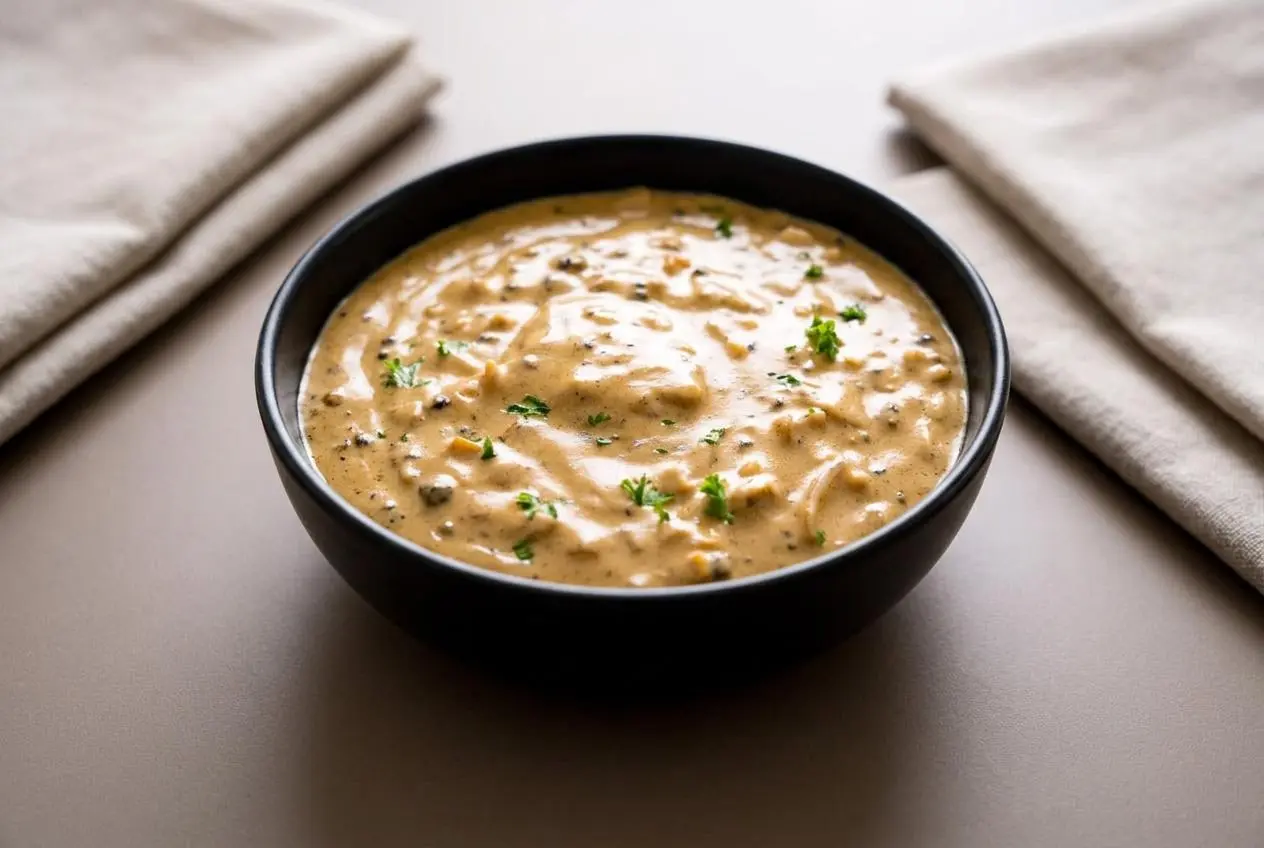
Make this sauce by cooking butter and flour into a quick roux, whisking in milk until thick, then melting freshly grated cheddar off the heat for a smooth finish.
This cheese sauce recipe makes a rich cheddar topping, dip, or pasta sauce in about 10 minutes. The key is gentle heat, which keeps the cheese glossy instead of oily or grainy.
It coats a spoon, clings to vegetables, and brings serious comfort to a baked potato. The off-heat cheese melt makes all the difference.
Set the grated cheddar near the stove before starting so it can go into the warm sauce as soon as the milk base thickens.
Essential Ingredients for Smooth Cheese Sauce
Butter and flour build structure, milk creates a creamy body, and sharp cheddar provides the bold flavor and silky finish that define this sauce.
- 2 tablespoons unsalted butter
- 2 tablespoons all-purpose flour
- 1 cup milk
- 2 cups shredded sharp cheddar cheese
The butter and flour form the roux, a thickening foundation similar to a classic bechamel sauce. Milk loosens that foundation into a creamy base, while sharp cheddar brings the savory flavor and velvety texture.
I grate cheddar from a block just before cooking because it melts more evenly and gives the sauce a cleaner, silkier finish.
Why Freshly Grated Block Cheese Is Non-Negotiable
Block cheddar is the best choice for a smooth stovetop cheese dip. Bagged shredded cheese is often coated with anti-caking ingredients such as cellulose or potato starch to keep the pieces separate in the package. Those coatings can interfere with melting, leaving the sauce slightly gritty or encouraging the fat to separate.
Sharp cheddar gives this sauce a fuller flavor than mild cheddar, though either can melt well when freshly grated. Avoid very aged, dry cheese as the sole cheese in the sauce because it can melt less smoothly. For the glossiest result, use cheddar that feels pliable rather than crumbly when you grate it.
The Butter and Flour Roux Ratio
Equal amounts of butter and flour create a dependable roux. The butter coats the flour particles, and the flour thickens the milk so the finished sauce has enough structure to stay creamy on broccoli, fries, or macaroni.
Cook the roux for about 60 seconds after whisking it together. It should look pale and smooth, with a gentle nutty aroma instead of a raw flour smell. This brief cooking time gives the milk base a cleaner flavor without browning the roux.
Selecting the Right Milk
Whole milk makes a richer, more rounded sauce, while 2 percent milk produces a lighter result with a slightly less luxurious body. Both work, but whole milk is more forgiving if you want a sauce that stays fluid for dipping.
Warm the milk slightly before adding it to the roux. It does not need to simmer. Taking the chill off helps it blend in more smoothly and reduces the chance of stubborn flour lumps.
Step-by-Step Method for Silky Cheese Sauce

Keep the sauce moving as the milk thickens, then let residual warmth melt the cheddar. This approach creates a creamy Mornay-style sauce without pushing the cheese too hard.
- Melt the unsalted butter in a medium saucepan over medium-high heat.
The butter should be fully melted and lightly foamy, without browning. - Whisk in the all-purpose flour until it forms a smooth paste, then cook it for about 60 seconds.
The roux should stay pale and smell lightly nutty rather than floury. - Gradually whisk in the milk and continue stirring until the mixture thickens.
When it lightly coats the back of a wooden spoon, the milk base is ready for the cheese. - Take the saucepan off the burner, then stir in the shredded sharp cheddar until melted.
The cheese should dissolve into a glossy sauce that falls from the spoon in smooth ribbons.
Do not boil the sauce after adding cheddar. High heat can make the dairy proteins tighten and release fat, which is how a smooth sauce can turn grainy or broken in a hurry.
Troubleshooting Common Cheese Sauce Mistakes
Most cheese sauce problems come down to heat, cheese choice, or thickness. A calm adjustment usually works better than turning up the burner.
- Lumpy milk base: The milk was added too quickly or straight from the refrigerator. Whisk steadily, and press any small lumps against the side of the pan as the sauce warms.
- Oily or separated sauce: The cheese got too hot. Remove the pan from heat immediately and whisk gently to bring the sauce back together.
- Thin sauce: The milk base did not thicken enough before the cheese went in. Let the milk and roux simmer gently first, then remove it from heat before adding cheddar.
- Raw flour taste: The roux needed more time. Cook the butter and flour together until the aroma shifts from raw flour to light toastiness.
How to Fix Grainy or Curdled Sauce
Graininess usually means the cheddar overheated or the cheese contained melting inhibitors. Take the saucepan off the heat, then whisk in a small splash of warm milk. The extra moisture can help loosen the sauce and smooth its texture.
If the sauce remains gritty, use an immersion blender briefly while it is warm, keeping the blade submerged to avoid splashing. This can help rebind a separated sauce, though it cannot fully remove the texture caused by heavily coated pre-shredded cheese.
Adjusting Sauce Consistency
For sauce that becomes too thick, whisk in warm milk one tablespoon at a time over low heat until it pours the way you want. Add each spoonful gradually so the sauce does not become watery.
If it seems thin, hold the cheddar back and let the milk base cook gently until it thickens. Cheese adds flavor and body, but the roux and milk need to do the main thickening work first.
Delicious Variations and Serving Suggestions

Once the cheddar sauce is smooth, you can shift the flavor toward a snack dip, a pub-style pretzel sauce, or a gluten-free meal topper without changing the core method.
Spicy Nacho Cheese Sauce
For an optional nacho-style version, stir diced pickled jalapeños, a little jalapeño brine, and a pinch of cayenne into the finished sauce. The brine adds tang while the cayenne gives a slow warmth that still lets the cheddar lead.
Serve it with tortilla chips, or take the game-day direction further with a warm chili cheese dip when you want a heartier snack.
Gluten-Free Cheddar Sauce
Use a 1-to-1 gluten-free all-purpose flour blend in place of the all-purpose flour. Keep the same measurement and cooking approach, but whisk carefully because different blends can thicken at slightly different rates.
Choose a blend intended for cooking or baking, rather than a single starch. It will give the roux more stable body and help the sauce stay spoonable instead of turning pasty.
White Cheddar Pub Sauce
Swap the yellow sharp cheddar for aged white cheddar for a sharper, pub-style flavor. A pinch of dry mustard powder adds savory depth without making the sauce taste strongly of mustard.
For a smokier version, use smoked gouda in place of part of the cheddar. Keep the cheese freshly grated and melt it off the heat, since smoked cheeses can release oil if pushed too hard.
Best Ways to Serve Cheese Sauce
- Drizzle it over steamed broccoli or roasted cauliflower when vegetables need a little extra encouragement.
- Spoon it over baked potatoes for a fast, cozy dinner side.
- Serve it warm with soft pretzels, tortilla chips, or French fries for dipping.
- Toss it with cooked macaroni, or turn it into a fuller dinner with shells and cheese.
- Pour a little over warm cheeseburger sliders for a rich party-food finish.
Storing and Reheating Cheese Sauce
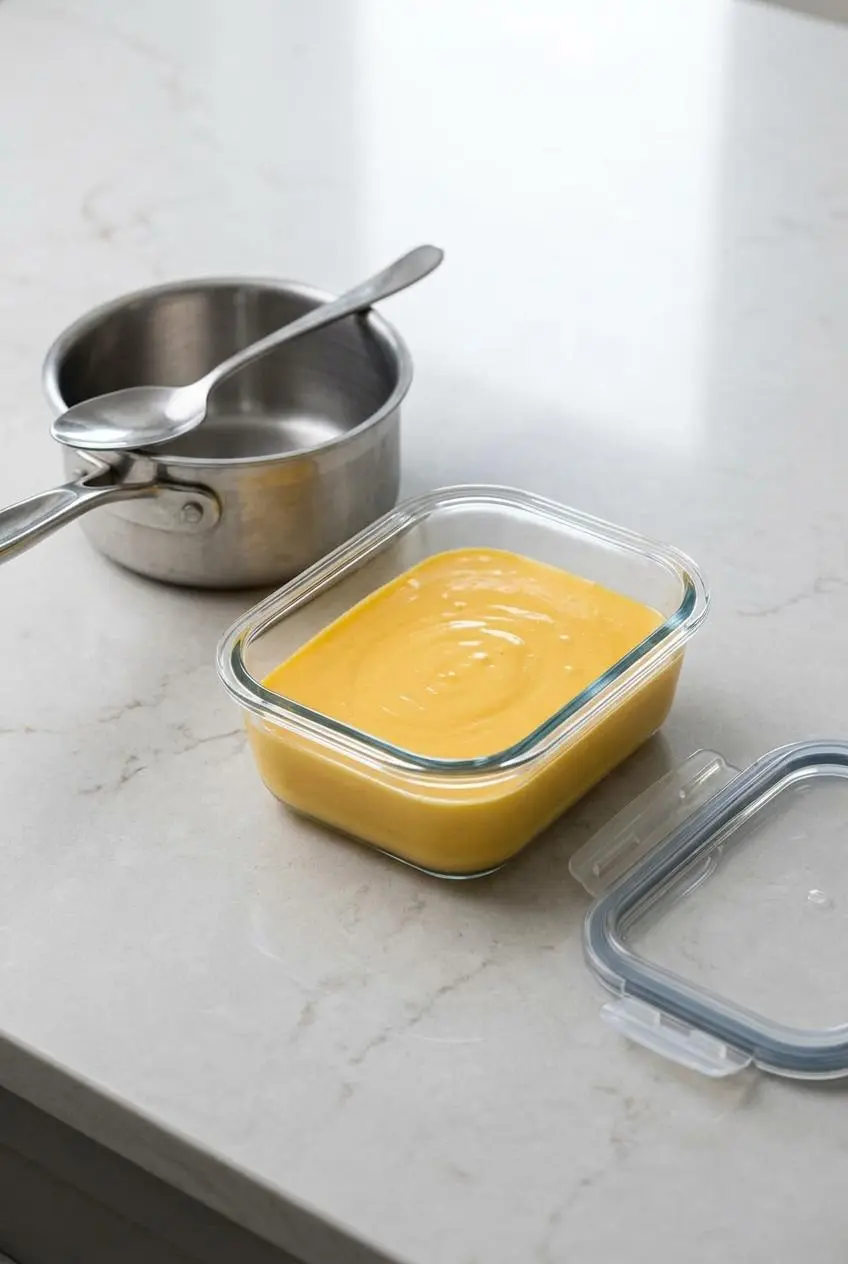
Cool leftover sauce promptly, transfer it to an airtight container, and keep it chilled. Keep the refrigerator at 40 °F or below for perishable foods, as outlined in refrigerator temperature guidance for perishable foods.
Reheat the sauce gently in a saucepan over low heat, whisking in a splash of milk if it has thickened. Avoid a hard simmer, since gentle warmth helps the cheddar return to a smooth consistency.
For the microwave, use low power and heat in short 15-second bursts, stirring between each burst. Stop as soon as the sauce is warm and fluid. High heat can make the cheese separate.
Conclusion
This quick cheddar sauce turns butter, flour, milk, and cheese into a glossy, comforting finish for vegetables, pasta, potatoes, and snack plates.
Grate the cheddar fresh, let the milk base thicken, and melt the cheese away from direct heat. That small pause is what keeps every spoonful smooth.
Frequently Asked Questions
Why Is My Cheese Sauce Grainy?
Grainy sauce usually comes from overheating the cheese or using pre-shredded cheese with anti-caking coatings. Remove the pan from heat before adding cheddar. Use freshly grated block cheese whenever possible. Whisk in a small splash of warm milk if the sauce starts to look rough.
Can I Use Pre-Shredded Cheese for This Recipe?
It is better to avoid it. Pre-shredded cheese commonly contains cellulose or potato starch, which can prevent smooth melting and leave the sauce gritty. Freshly shredded cheddar creates a noticeably creamier finish.
How Do I Fix a Cheese Sauce That Is Too Thick?
Warm the sauce over low heat and whisk in warm milk one tablespoon at a time. Stop when the sauce returns to a pourable consistency. Add the milk gradually so the cheddar flavor stays concentrated.
How Long Does Homemade Cheese Sauce Last in the Fridge?
Keep it covered in an airtight container and chilled. Reheat only the portion you plan to serve, using low heat and a little milk if needed to restore its creamy texture.

Cheese Sauce Recipe

Equipment
- Medium saucepan
- Whisk
Ingredients
- 2 tablespoons unsalted butter
- 2 tablespoons all-purpose flour
- 1 cup milk
- 2 cups shredded sharp cheddar cheese
Instructions
- Melt the unsalted butter in a medium saucepan over medium-high heat. The butter should be fully melted and lightly foamy, without browning.
- Whisk in the all-purpose flour until it forms a smooth paste, then cook it for about 60 seconds. The roux should stay pale and smell lightly nutty rather than floury.
- Gradually whisk in the milk and continue stirring until the mixture thickens. When it lightly coats the back of a wooden spoon, the milk base is ready for the cheese.
- Take the saucepan off the burner, then stir in the shredded sharp cheddar until melted. The cheese should dissolve into a glossy sauce that falls from the spoon in smooth ribbons.