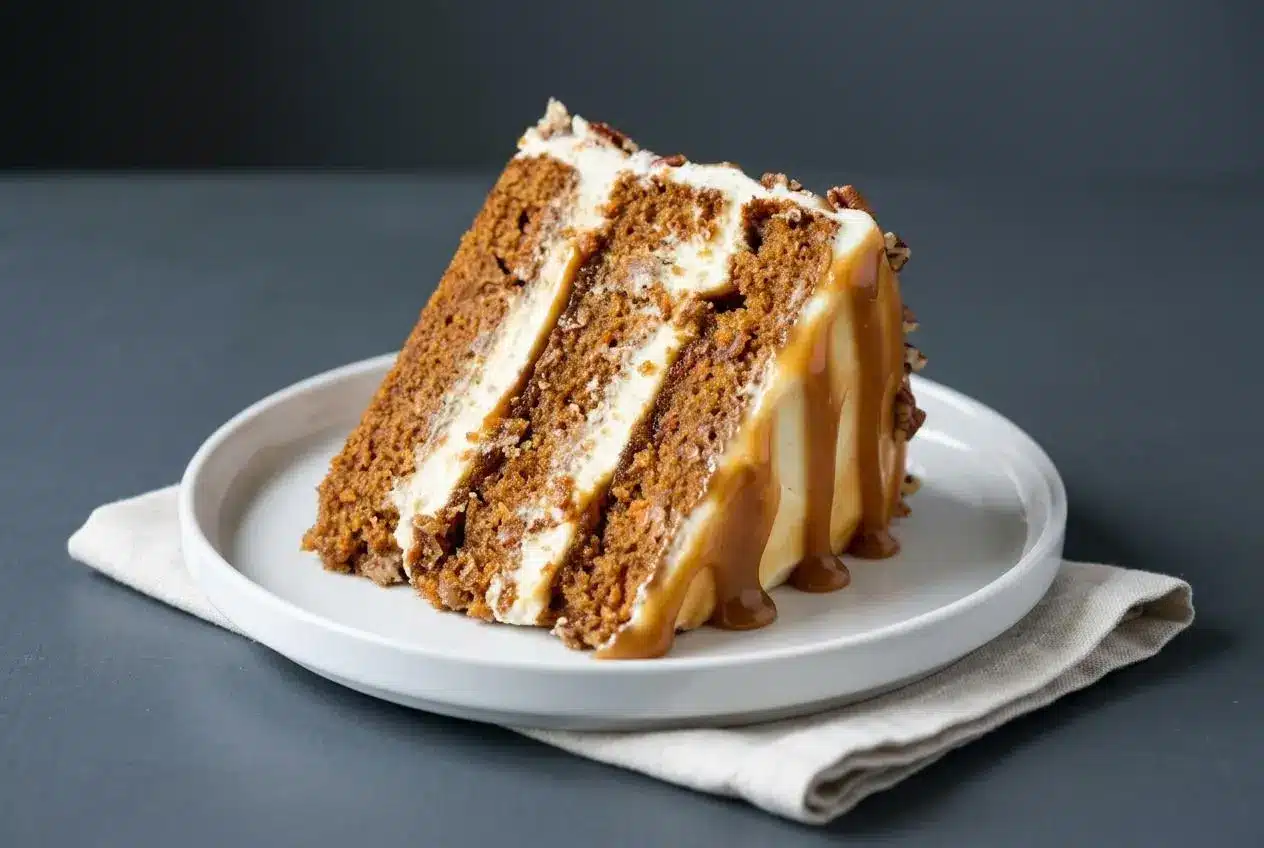
Make caramel carrot cake by baking warmly spiced carrot layers, cooking a deep amber salted caramel, and stacking everything with thick cream cheese frosting for a moist crumb and rich flavor. The kitchen smells incredible the whole time.
This is a tall, bakery-style layer cake with dark brown sugar, grated carrots, gentle spice, and caramel tucked between the layers. It bakes up softer and looser than many classic cakes because the batter carries a lot of moisture.
The payoff is big flavor without complicated technique, as long as you respect temperature and cooling. The caramel stage is where the magic happens.
Grate the carrots fresh right before mixing so they stay juicy and fold easily into the batter.
Ingredients for the Ultimate Carrot Cake
Each ingredient pulls its weight here, building moisture, structure, spice, richness, and that deep caramel tone that makes the finished cake taste rounded instead of overly sweet.
For the carrot cake layers
- 300 g soft dark brown sugar
- 300 ml vegetable oil
- 4 large eggs
- 100 ml buttermilk
- 2 teaspoons vanilla extract
- 400 g plain flour
- 1.5 teaspoons baking powder
- 1 teaspoon baking soda
- 2 teaspoons ground cinnamon
- 1 teaspoon ground ginger
- 1/2 teaspoon cardamom powder
- 1/4 teaspoon ground nutmeg
- 350 g freshly grated carrots
For the salted caramel
- 300 g granulated sugar
- 100 g unsalted butter, softened
- 200 ml double cream, hot (heat it in your microwave for 30-60 seconds)
- 2 teaspoons vanilla extract
- 1/4 teaspoon salt (you can adjust this amount to taste)
For the cream cheese frosting
- 300 g unsalted butter, softened
- 300 g icing sugar
- 2 teaspoons vanilla extract
- 600 g full fat cream cheese
Extras
- Some chopped pecans or walnuts, to decorate (optional)
Freshly grated carrots matter here because they release moisture into the batter as the cakes bake. Bagged pre-shredded carrots are usually thicker, drier, and a little tough, so they do not melt into the crumb the same way.
Vegetable oil keeps the layers soft even after chilling, while buttermilk brings gentle tang and helps the batter stay tender. Dark brown sugar adds depth that echoes the caramel, so the cake tastes connected from crumb to filling.
The spice mix is balanced rather than loud. Cinnamon leads, ginger brightens, cardamom adds warmth with a slightly floral edge, and nutmeg fills in the background without taking over.
These weight measurements in grams are worth following closely. In a cake with this much moisture, accurate scaling makes the batter more predictable and the layers more even.
I always grate carrots on the fine side for this cake because they disappear more neatly into the crumb and keep each slice soft instead of stringy.
Whisking the spices into the dry ingredients before mixing helps distribute them evenly and prevents little pockets of cinnamon in the finished layers.
How to Make Caramel Carrot Cake
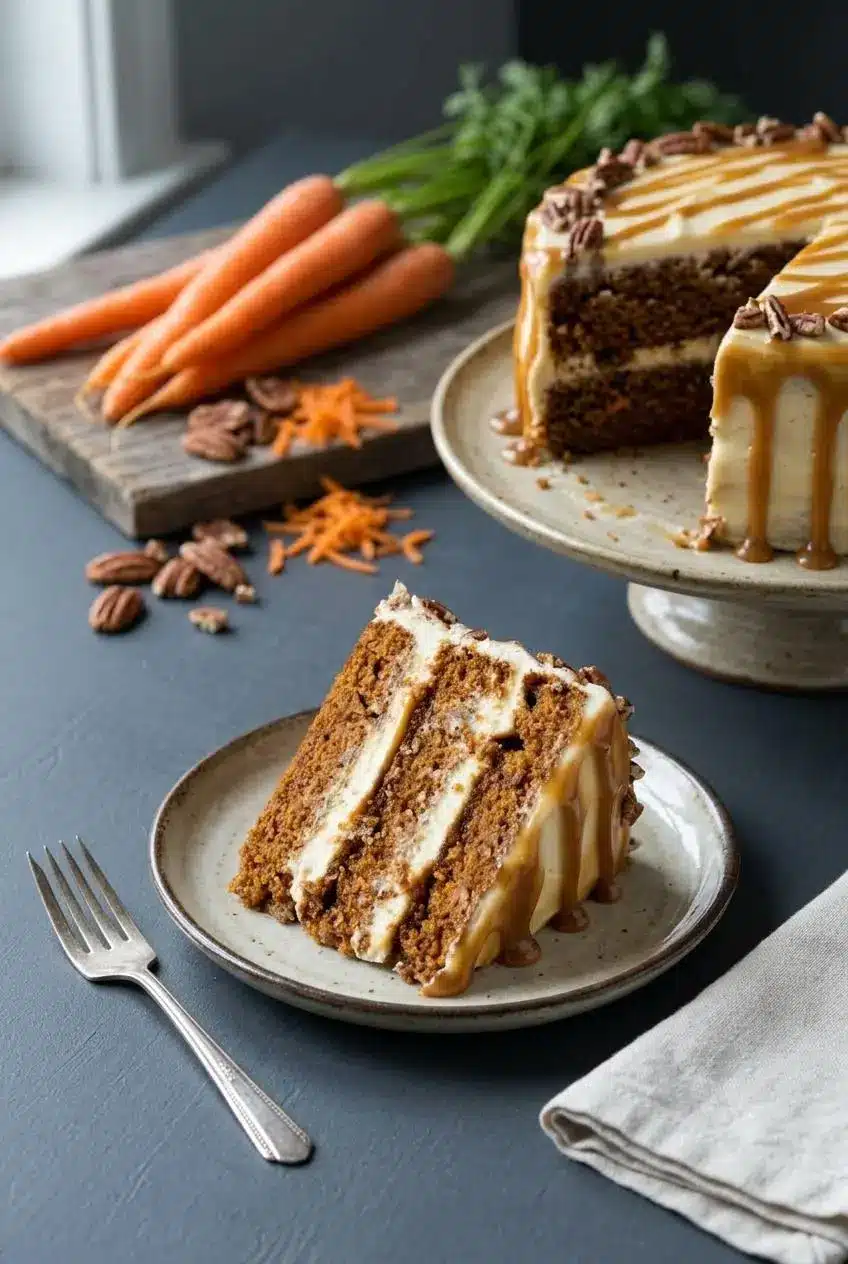
This method works best when you think in stages: bake the layers, make the caramel, whip the frosting, then assemble only after everything has cooled properly.
Making the cake layers
- Heat the oven to 180c and grease and line three 8 inch cake tins.
The pans should be ready before you mix so the batter can go straight in without losing lift. - Whisk the sugar, oil, eggs, buttermilk and vanilla in a large bowl until the mixture looks glossy and evenly blended.
You should not see streaks of yolk or pockets of oil at this stage. - In another bowl, whisk together the flour, baking powder, baking soda, cinnamon, ginger, cardamom powder and nutmeg, then add the dry mix to the wet ingredients and whisk just until smooth.
Stop as soon as the batter comes together and looks thick but fluid. - Fold in the grated carrots until they are evenly distributed through the batter.
The batter will look looser and more textured than a plain cake batter, which is exactly right. - Divide the batter between the prepared tins and bake for 35-40 minutes.
The cakes are done when a toothpick inserted into the center comes out clean. - Cool the layers completely before moving on.
Warm cake will steam under frosting and make assembly slippery.
Making the salted caramel
- Place the sugar in a pot or pan over medium heat and let it begin melting.
Watch closely as the edges turn clear first and the center starts to loosen. - Continue heating until the sugar has fully melted and turned a deep amber color.
The smell shifts from sweet to rich and toasted right before it gets too dark, so stay close. - Take the pan off the heat, whisk in the softened butter, then slowly pour in the hot cream while whisking.
Use care because the mixture will bubble up fiercely and hot sugar can burn. - Whisk in the vanilla extract and salt.
The caramel should look glossy and smell buttery and warm. - Return the pan to low heat and simmer for 1-2 minutes to thicken slightly.
The sauce should coat the spoon a little more heavily but still pour. - Strain the caramel through a sieve and let it cool completely.
This removes any tiny lumps and gives you a smoother finish for filling and topping.
Making the cream cheese frosting
- Wait until both the cake layers and caramel are fully cool before making the frosting.
Cool components keep the frosting thick instead of slippery. - Beat the softened butter, icing sugar and vanilla together until combined, then continue beating for 5 minutes.
The mixture should lighten in color and look fluffy before the cream cheese goes in. - Add the full fat cream cheese and beat just until the frosting becomes smooth and thick.
Stop once it holds shape well, because overbeating can soften it too much.
Assembling and decorating
- Trim the tops from the cake layers if you want flatter stacking, then place the first layer on a plate or cake board.
Chilled layers feel firmer and cleaner to cut, almost slightly springy rather than fragile. - Spread frosting over the first layer, then pipe a border of frosting around the edge and spoon a thin layer of cooled caramel into the center.
That border acts like a wall and helps keep the caramel from escaping. - Repeat with the second layer, then add the final layer on top.
Press lightly so the stack feels level without squeezing the filling outward. - Chill the stacked cake for 20 minutes before finishing the outside.
A short chill firms the layers and makes the final frosting coat much easier. - Cover the cake with the remaining frosting, spoon some caramel over the top, and press chopped pecans or walnuts onto the sides if using.
If you like a sharper sweet-salty balance, a small pinch of flaky salt on the caramel works beautifully. - Finish decorating and serve once the cake is set and neat enough to slice.
You should see clear layers with caramel held inside rather than spilling over the edges.
How to Make Perfect Salted Caramel
Homemade caramel is the part that scares people most, but it becomes much easier once you know what to watch for.
The color change matters more than the clock. First the sugar looks patchy and wet, then pale gold, then a richer honey shade, and finally deep amber. Stop at deep amber with a toasted, almost nutty smell. One shade darker and it can tip bitter fast.
Keep the butter softened and the cream hot, exactly as written. Cold dairy hitting melted sugar can make the caramel tighten and clump almost instantly, which is frustrating and completely avoidable.
If you struggle with grainy caramel, one helpful habit is to avoid aggressive stirring while the sugar is first melting. Once most of it has liquefied, you can whisk more confidently to smooth it out.
- If the caramel seizes after the cream goes in, return it to low heat and keep whisking gently until the hard bits melt back down.
- If it still looks rough, add a small splash of warm cream and whisk again until smooth.
- If you see tiny sugar crystals at the end, strain the warm caramel through a fine-mesh sieve.
- If it tastes flat, add a touch more salt after cooling, not while it is still boiling hot.
The goal is a pourable sauce that cools into a thick, spoonable consistency. Too thin and it runs out of the cake. Too thick and it tears the layers when you spread it.
Tips for the Perfect Cream Cheese Frosting
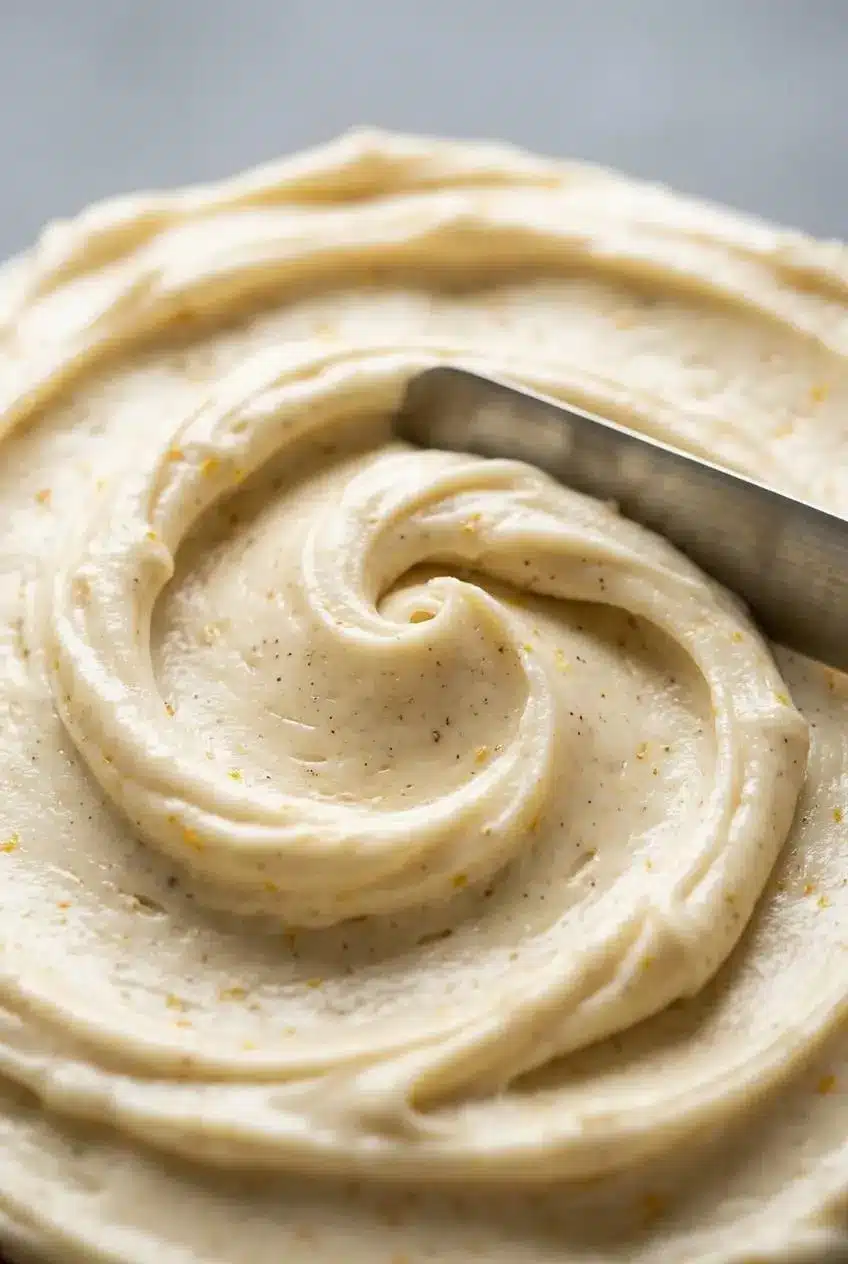
This frosting needs structure because it has to hold soft caramel between cake layers, not just sit on top.
Use full-fat block cream cheese. Low-fat tubs and spreadable cream cheese hold more water, so the frosting turns loose and soupy instead of pipeable.
Beat the butter, icing sugar, and vanilla thoroughly before adding the cream cheese. That first stage creates the body of the frosting, which means you only need a brief mix once the cream cheese goes in.
- If the frosting looks slack, chill it briefly and then stir or beat it again just until it firms up.
- If warm weather is softening it, keep the cake layers cold during assembly and return the bowl to the fridge as needed.
- If it is still too loose, a small spoonful of cornstarch can help absorb extra moisture without making the frosting overly sweet.
- If it looks curdled, the butter and cream cheese were likely too far apart in temperature. Let the bowl sit briefly, then beat gently until it smooths out.
The best finished texture is thick, silky, and easy to spread, with enough firmness to hold sharp ridges from a piping bag.
Mastering the Stacking and Frosting
This is where the cake goes from delicious layers to a clean, sliceable centerpiece.
Start with fully cooled cake and cooled caramel. If either one is warm, the frosting slips, the caramel runs, and the whole stack can lean like it has had a long day.
After trimming, check that each layer sits flat. When the cakes are chilled, the domes slice off more neatly and the crumb stays tighter, which gives you straighter layers with less tearing.
The frosting dam is the key step. Spread frosting across the surface first, then pipe a thicker ring around the outer edge before adding the caramel. Keep the caramel thinner in the center than you think you need. Once the next layer goes on, it spreads outward on its own.
After the second layer goes on, repeat the same pattern rather than eyeballing it. Even stacking keeps the cake level, and repeating the same amount of filling makes each slice cleaner.
That 20 minute chill is worth it. It helps the layers set in place so the final coat goes on smoother and the caramel stays where you put it.
Troubleshooting Common Baking Issues
Most carrot cake problems come down to moisture, mixing, or temperature. The fixes are usually straightforward once you know the likely cause.
Why Carrots Turn Green
Green patches usually show up when the baking soda is not evenly mixed through the batter, creating alkaline pockets during baking.
- If you notice green streaks, the cake is still usually fine to eat, but the color is not ideal.
- Whisk the baking powder, baking soda, flour, and spices very thoroughly before combining with the wet ingredients.
- Fresh orange carrots are less likely to give surprising color changes than purple carrots, which can react more dramatically in batter.
- Do not add extra baking soda. This recipe already has the amount it needs.
Fixing Runny Frosting
Runny frosting usually comes from the wrong cream cheese or mixing at the wrong temperature.
- If you used low-fat or spreadable cream cheese, the frosting will likely stay loose because of the higher water content.
- Chill the bowl and frosting for a bit, then mix again briefly instead of adding a lot of extra sugar.
- Beat the butter and icing sugar fully before the cream cheese goes in, since that creates the structure.
- If needed, add a small amount of cornstarch to help tighten the texture without making it cloying.
Rescuing Seized Caramel
Seized caramel looks lumpy or grainy because the sugar tightened back up.
- This often starts when the sugar is stirred too much early on or when cold butter or cream hits the hot syrup.
- Put the pan back over low heat and whisk gently so the hardened bits have time to melt.
- A splash of warm cream can help loosen stubborn caramel and bring it back together.
- Straining the finished sauce is a smart final fix if a few crystals remain.
If your cake sinks in the center, the usual causes are underbaking, opening the oven too early, or overmixing once the flour goes in. Bake until the toothpick comes out clean and the center springs back lightly when touched.
How to Store and Freeze Cake Layers
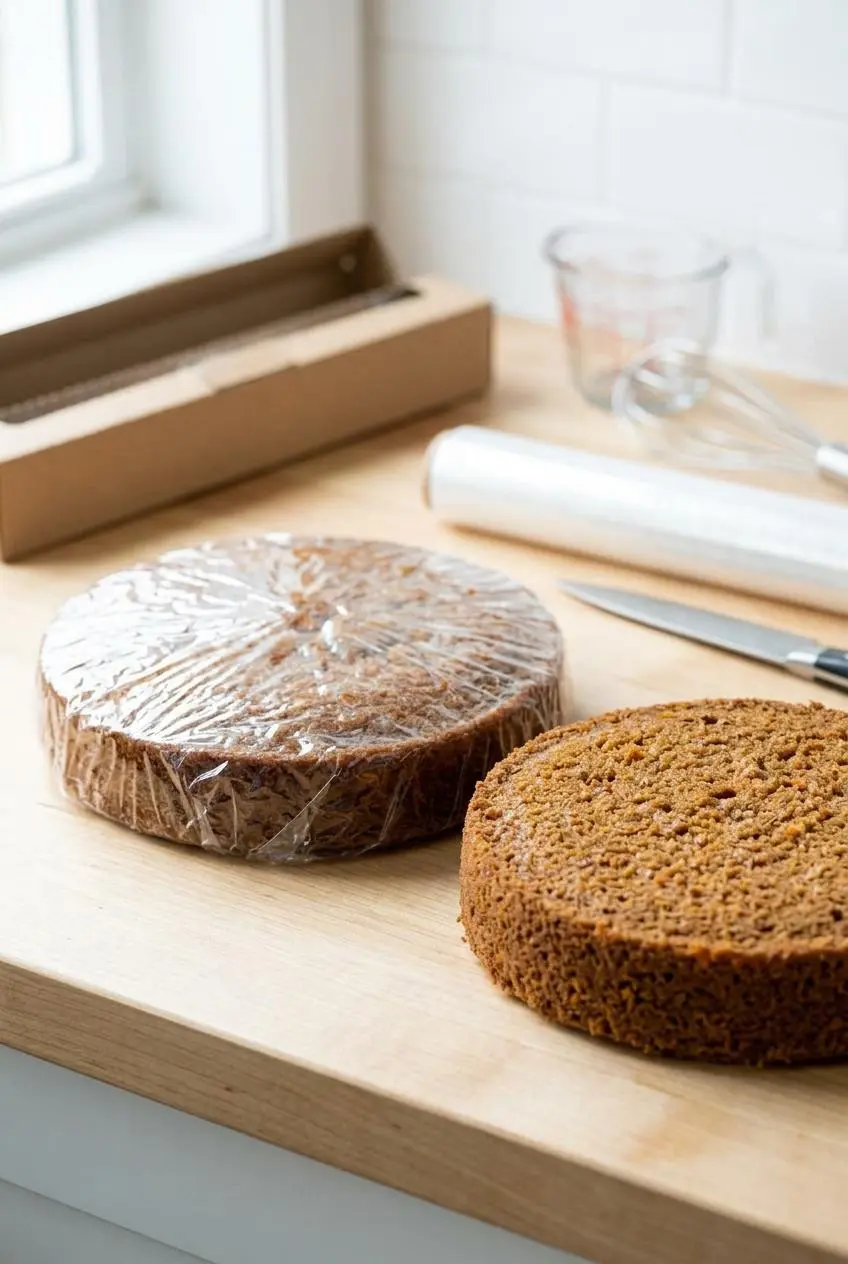
If you want the best texture, store the parts separately when possible and keep the finished cake chilled because the frosting contains dairy.
Once the layers are completely cool, wrap each unfrosted layer well before chilling or freezing. This recipe’s own method supports freezing the unfrosted layers, and the same goes for keeping caramel and frosting separate until you are ready to assemble.
You can freeze unfrosted cake layers wrapped in plastic for up to 3 months. Thaw them while still wrapped so condensation stays on the outside rather than soaking into the crumb.
The finished cake should be refrigerated because of the cream cheese frosting, and perishable dairy ingredients should not sit above 40 °F for more than two hours for safe refrigeration of dairy ingredients.
If you are planning ahead, baking the layers first is the easiest move. Assemble only when the caramel is cool and the frosting feels thick enough to spread cleanly.
Carrot Cake Alternatives and Shortcuts
This flavor combination adapts well when you want something easier, cozier, or more flexible for different diets.
The Saucy Baked Pudding Alternative
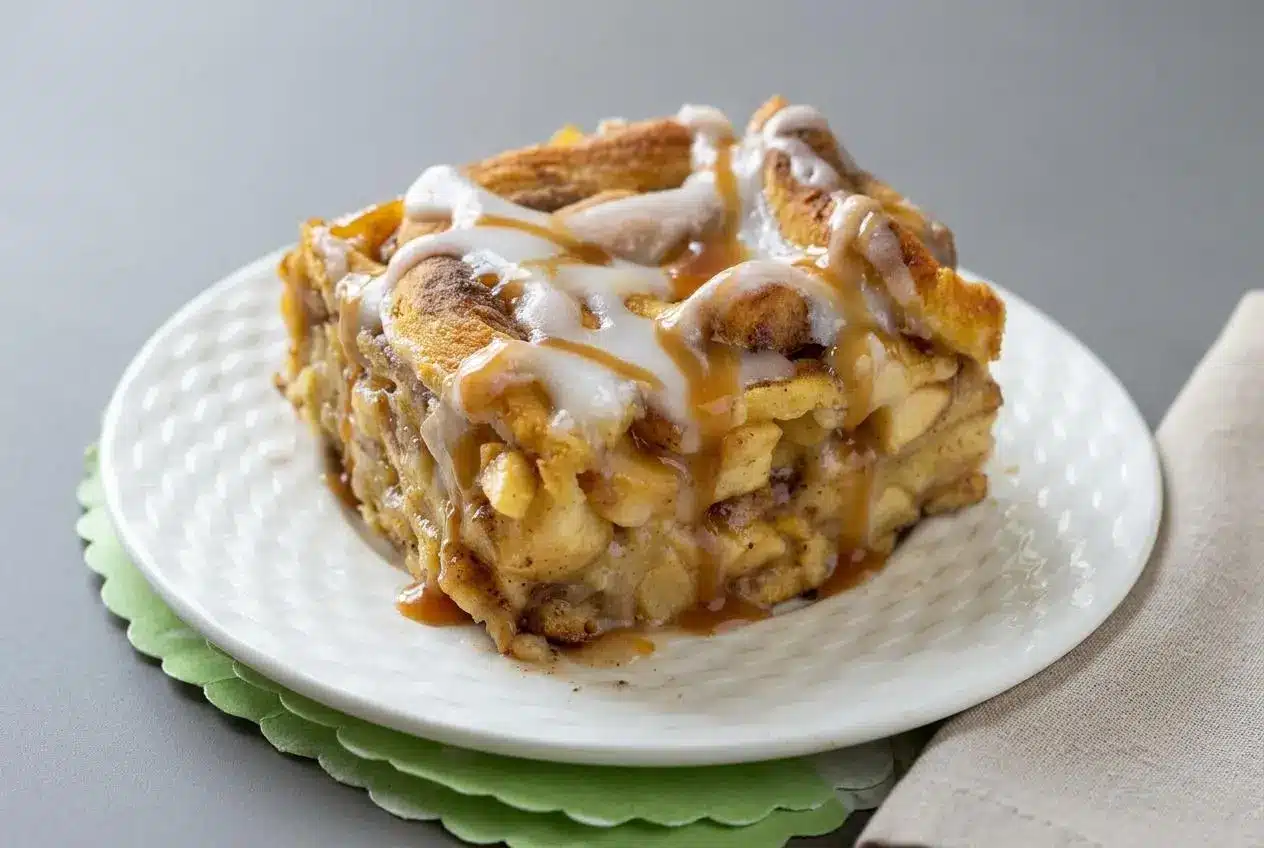
For a spoonable dessert, turn the idea into a warm pudding-style bake instead of a stacked cake. Pour caramel into the baking dish first, add the carrot cake batter over it, and bake until the top is set but the bottom stays saucy.
This version is softer, gooier, and best served warm with vanilla ice cream. It leans more comfort dessert than celebration layer cake.
Baking as a Sheet Cake
A sheet cake is the easiest crowd version because you skip trimming, stacking, and piping. Bake the batter in one larger pan, let it cool fully, then spread the frosting over the top and drizzle with caramel.
Metal pans usually bake cakes more evenly than glass, which tends to heat more slowly and hold heat longer. Start checking a sheet cake earlier than the full layer-cake timing because the batter depth changes.
If you want an even simpler single-pan format with the same warm spice profile, a spiced carrot cake loaf is a great pick for casual slicing.
The Box Mix Shortcut Method
If you need a faster version, use a boxed yellow cake mix as the base, then fold in freshly grated carrots and keep the homemade caramel and cream cheese frosting. You still get the caramel carrot cake feel, but with less measuring.
Choose a mix with a vanilla-forward flavor and avoid overmixing once the carrots go in. If you want a scratch-style reference point for that base, this classic yellow cake is a helpful comparison.
Vegan and Dairy-Free Swaps
You can take this in a dairy-free direction, but treat it as a variation rather than a direct one-to-one promise. Use an oat milk buttermilk substitute, plant-based butter, and vegan cream cheese, then expect a slightly softer frosting and a less rich caramel finish.
For the most stable result, this variation works especially well as a sheet cake instead of a tall layer cake. That way the softer frosting does not have to hold heavy caramel between multiple tiers.
A maple-infused caramel also fits beautifully here if you want a warmer fall profile, though it will change the flavor from the original salted caramel direction.
Conclusion
This cake lands in a very happy place between classic carrot cake and full dessert-table drama, with warm spice, rich caramel, and a velvety cream cheese finish in every slice.
Give the layers and caramel enough time to cool before you build the cake, and the whole thing becomes much easier to frost, stack, and serve neatly. Patience pays off here.
Frequently Asked Questions
Why did the carrots in my cake turn green?
Uneven baking soda is the usual reason. It can create alkaline spots in the batter that affect the carrot color during baking. Whisk the dry ingredients very thoroughly, and avoid adding extra baking soda.
Can I use store-bought caramel sauce instead?
Yes, as long as it is a thick caramel sauce rather than a very thin dessert syrup. Warm it slightly before drizzling so it flows smoothly. For layering, keep the amount modest so it stays inside the frosting border.
How do I stop my caramel from leaking out of the cake?
Pipe a firm ring of cream cheese frosting around the outer edge of each layer first. Add the caramel only in the center and keep it in a thin layer. Chilling the stacked cake before the final coat also helps hold everything in place.
Can I freeze caramel carrot cake?
Yes. Unfrosted cake layers can be frozen wrapped in plastic for up to 3 months. Caramel and frosting can be kept separate for later assembly. Thaw the layers while wrapped, then frost once everything is fully cool and the frosting is thick.
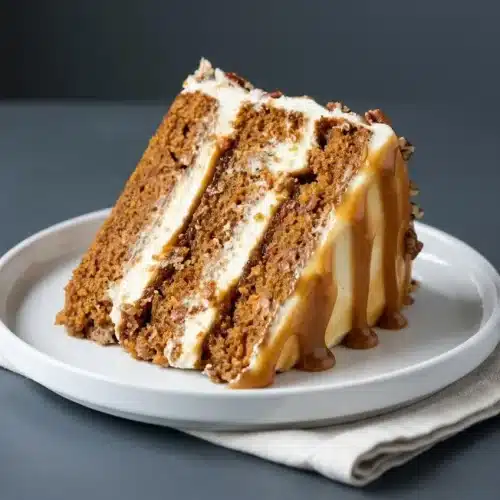
Caramel Carrot Cake

Equipment
- three 8 inch cake tins
- pot or pan
- Sieve
- large bowl
Ingredients
For the carrot cake layers
- 300 g soft dark brown sugar
- 300 ml vegetable oil
- 4 large eggs
- 100 ml buttermilk
- 2 teaspoons vanilla extract
- 400 g plain flour
- 1.5 teaspoons baking powder
- 1 teaspoon baking soda
- 2 teaspoons ground cinnamon
- 1 teaspoon ground ginger
- 1/2 teaspoon cardamom powder
- 1/4 teaspoon ground nutmeg
- 350 g freshly grated carrots
For the salted caramel
- 300 g granulated sugar
- 100 g unsalted butter, softened
- 200 ml double cream, hot (heat it in your microwave for 30-60 seconds)
- 2 teaspoons vanilla extract
- 1/4 teaspoon salt (you can adjust this amount to taste)
For the cream cheese frosting
- 300 g unsalted butter, softened
- 300 g icing sugar
- 2 teaspoons vanilla extract
- 600 g full fat cream cheese
Extras
- Some chopped pecans or walnuts, to decorate (optional)
Instructions
Making the cake layers
- Start by pre-heating your oven to 180c. Also grease and line three 8 inch cake tins, leave these aside.
- In a large bowl, whisk together the sugar, oil, eggs, buttermilk and vanilla.
- In a separate bowl, whisk together the flour, baking powder, baking soda and all the spices. Add this into the wet ingredients and whisk everything together just until you get a smooth batter.
- Add the grated carrots and mix these in.
- Pour this into your prepared cake tins and bake in your pre-heated oven for around 35-40 minutes, or until a toothpick inserted into the centre of them comes out clean.
- Once baked, leave them to cool completely.
Making the salted caramel
- In a pot or pan, add the sugar and place this over medium heat.
- Keep heating this, whiles constantly stirring, until all the sugar has melted and turned a deep amber colour.
- Take this off the heat and add the butter, whisk this in. Then whiles still whisking, pour in the hot cream.
- Now mix in the vanilla and salt.
- Place this onto low heat and let the caramel simmer for about 1-2 minutes, just so it can thicken slightly.
- Pour this through a sieve to get out any lumps, then leave aside to cool down too.
Making the cream cheese frosting
- Once your cake layers and the caramel have both cooled down, make the cream cheese frosting.
- In a large bowl, add the softened butter, icing sugar and vanilla. Mix these together, then once combined, beat for 5 minutes.
- Add the cream cheese and beat until you get a smooth, thick frosting.
Assembling and decorating
- I started by cutting the top of my cake layers off, so I have more flat even layers, but this part is optional.
- Place one of your cake layers down onto a plate or cake board, spread some of the frosting on top of this, then pipe a border of the frosting around the edge of the cake. Add a thin layer of the cooled caramel in the middle of this.
- Add a second layer of cake, more frosting and caramel, then the final layer of cake.
- Leave this in your fridge to set up for 20 minutes, then you can decorate it however you want.
- I just covered the cake in the frosting, added some of the caramel on top, then covered the sides with chopped pecans.
- Once decorated, it is done. Enjoy!