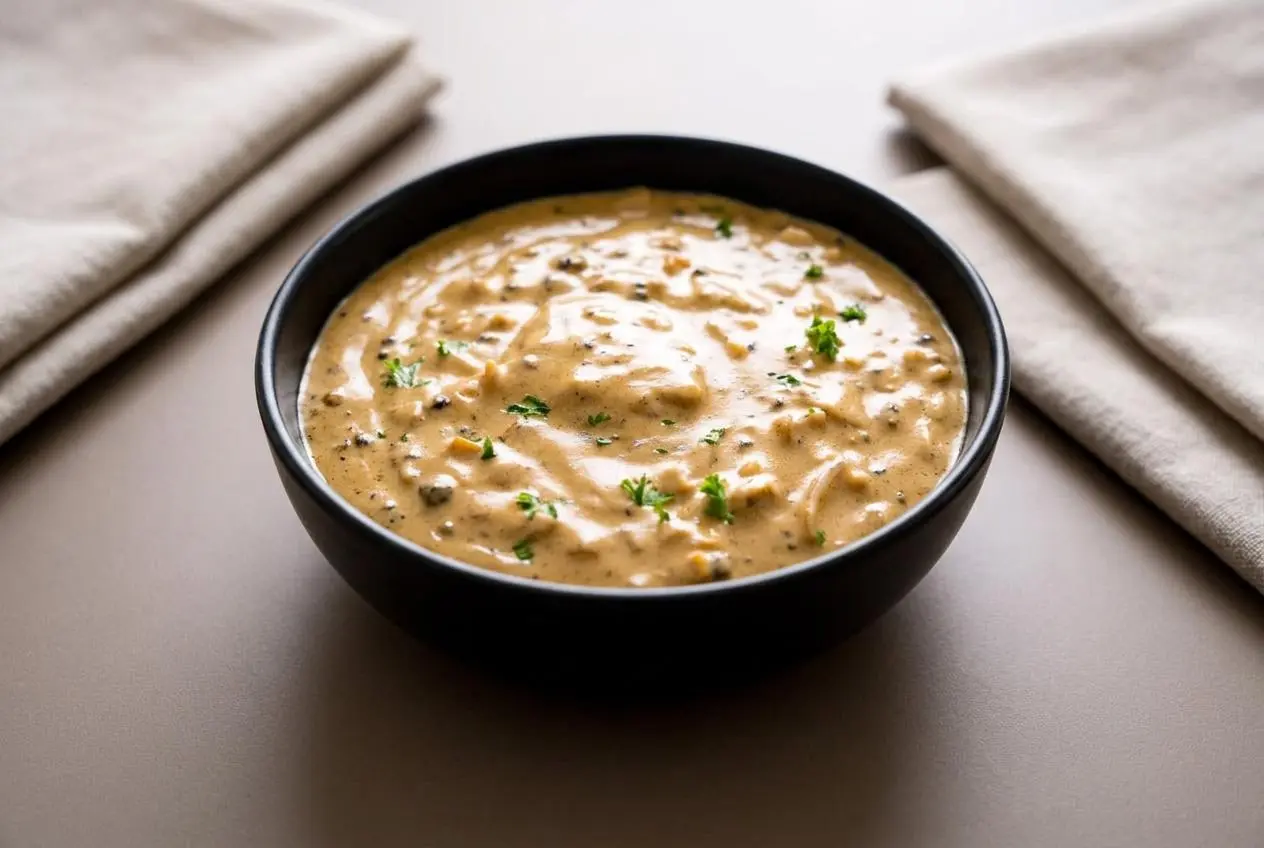
When my kitchen needs a quick jolt of brightness, I reach for the flavors I fell in love with through Southeast Asian cuisine, citrusy, sweet-tart, and impossibly refreshing. This Calamansi Vinaigrette is the kind of salad dressing that makes everyday greens taste like something you would happily order at your favorite spot.
If you are new to calamansi, it is a Philippine lime (often called calamondin) with a perfume that hints at lemon, lime, and a little mandarin. In the US, I often spot it as frozen juice packets at local Asian grocers, and it works beautifully for vinaigrette.
Why You’ll Love This Recipe
Bright, clean flavor: Calamansi brings a floral pop that makes this vinaigrette taste lively, not flat, especially when it hits crisp greens and juicy fruit.
Sweet-tart balance: The honey and sugar round out the citrus and fish sauce, giving you that craveable sweet and sour harmony that reminds me of the comfort of sweet and sour flavors, but in a lighter, salad-ready form.
The secret creamy texture: In my kitchen, 1 teaspoon of Dijon mustard is the little “binder” that turns fast-separating oil and citrus juice into a stable emulsion that looks velvety and tastes cohesive.
Smoother acidity option: Although the classic version uses white vinegar, unseasoned rice vinegar softens the bite, and it lets the Calamansi, fish sauce, and olive oil play nicely without drowning out those delicate citrus notes.
Ingredients and Substitutions

This dressing is all about contrast, citrus juice for sparkle, fish sauce for umami, and oil for body, with a touch of sweetness to make it feel rounded and “restaurant smooth.”
Ingredients
- 1/4 cup calamansi juice
- 3/4 cup olive oil or canola oil
- 2 tbsp white vinegar
- 2 tbsp honey
- 1 tbsp sugar
- 2 tbsp fish sauce
- 1 tsp grated garlic
- 1 pinch salt to taste
- 1 pinch ground black pepper to taste
Ingredient Notes & Substitutions
Dijon mustard: Add 1 tsp Dijon mustard even though it is not in the classic list, it is my “don’t skip it” trick for a creamy emulsion that stays together longer than a simple oil-and-citrus shake.
White vinegar vs. unseasoned rice vinegar: The recipe calls for white vinegar, but I strongly prefer unseasoned rice vinegar for a gentler tang that suits Southeast Asian cuisine, especially alongside fish sauce and Calamondin-like citrus.
Calamansi juice substitute: When calamansi is hard to find, I mimic its sweet-bright profile with a blend of 2 parts fresh lemon juice to 1 part orange juice, and then measure out the same amount you need for the recipe.
Sweeteners: Honey gives a soft, floral sweetness, while agave nectar makes it a little cleaner and lighter on the palate. Palm sugar is also lovely if you want a deeper, caramel note that reads very natural with citrus.
Olive oil or canola oil: Canola oil stays neutral and lets the Philippine lime character shine, while extra virgin olive oil makes a richer, more Mediterranean-style vinaigrette, pick one that is not aggressively peppery so it does not mask the citrus.
How to Make Calamansi Vinaigrette
Combine the Base
- Add the calamansi juice, oil, vinegar, honey, sugar, fish sauce, grated garlic, and the Dijon mustard to a bowl or a glass jar with a tight-fitting lid. You want everything in one place before you start mixing, because once the oil meets the citrus, it will try to separate quickly.
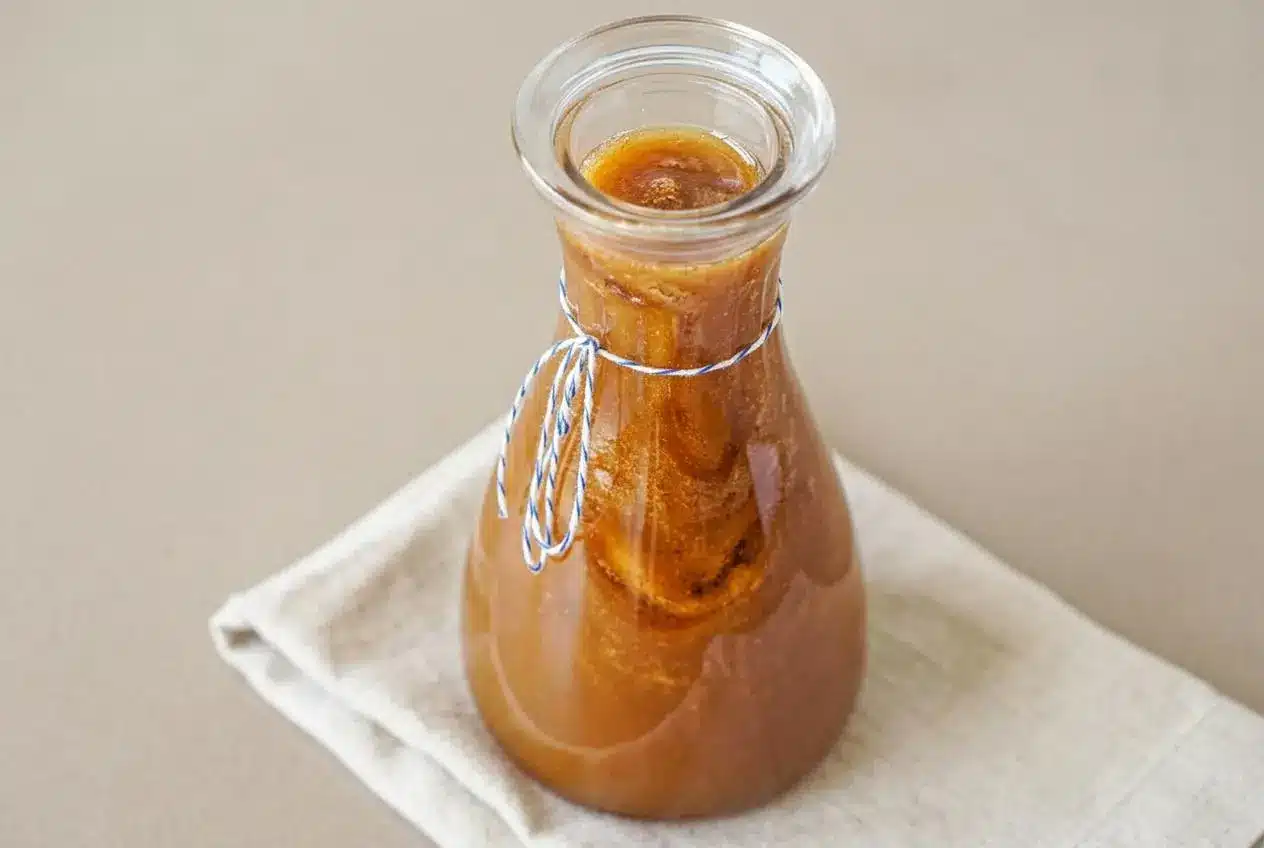
- Mix vigorously, or seal the jar and shake hard, until the dressing turns cloudy and creamy-looking. When it is properly emulsified, it should look like a pale, glossy tan and feel slightly thicker as it coats a spoon.
Season to Taste
Taste, then adjust with the salt and ground black pepper to taste, aiming for a “bright first sip” followed by a gentle sweetness and a savory, umami finish from the fish sauce.
Let the Flavors Meld
Let the vinaigrette macerate for 5 minutes before serving, the garlic softens, the fish sauce rounds out, and the citrus becomes more aromatic and balanced.
Chef’s Secrets for a Perfect Emulsion

Calamansi juice (citrus juice) and oil are natural enemies, they split fast, and you will see a slick of oil rise almost immediately if you just stir lazily.
Dijon mustard is the quiet hero here because it contains mucilage, which helps bind water-based ingredients to fat, creating a more stable emulsion that stays creamy longer in the fridge and on the table.
Flavor-wise, I think of it as a triangle: calamansi for sparkle, rice vinegar for softer acidity, and fish sauce for an umami backbone. That savory note makes the Philippine lime taste even more “itself,” brighter and more complex rather than simply sour.
Pro Tips & Troubleshooting
Pro Tips
- Use a glass jar with a tight-fitting lid, shaking hard creates a fast emulsion without needing a whisk, and it is easier to store.
- Choose a high-quality extra virgin olive oil if you go the olive oil route, since the oil is the main flavor “canvas” of the vinaigrette.
- If you squeeze fresh calamansi, remove every seed, even one can add a sharp bitterness that lingers.
- Let it sit for 5 minutes before serving, that short maceration makes the garlic and fish sauce taste integrated, not harsh.
Common Mistakes to Avoid
- Skipping the mustard, without an emulsifier, separation happens quickly and the dressing tastes oily in one bite and sour in the next.
- Squeezing calamansi too aggressively, pressing hard extracts bitter oils from the rind and dulls the floral notes.
- Using a very pungent olive oil, it can overpower the delicate Calamondin-like citrus aroma.
Serving & Storage

Serving Ideas
I love tossing this Calamansi Vinaigrette with mixed greens, sliced pears, and candied walnuts, it is bright, a little sweet, and ridiculously refreshing.
It also shines on warm grain salads, especially farro with baby arugula and roasted butternut squash. Heartier grains like wild rice pilaf soak up the dressing in the best way, so each forkful tastes seasoned all the way through.
As a marinade, it is fantastic for grilled chicken or fresh seafood, the citrus and vinegar gently tenderize while fish sauce adds deep savory flavor.
For variations, a small splash of soy sauce plus a touch of toasted sesame oil leans more East Asian, while chopped basil or cilantro gives it a garden-fresh lift.
Storage and Make-Ahead
Store the vinaigrette in a clean, tightly sealed jar in the fridge for up to 5 days, and give it a quick smell check before using, it should smell bright and garlicky, not funky.
If the olive oil solidifies after chilling, let the jar sit at room temperature for 10 to 15 minutes, then shake vigorously until it returns to that cloudy, creamy emulsion.

Calamansi Vinaigrette

Equipment
- Glass jar with tight-fitting lid
- Measuring cups and spoons
Ingredients
- 1/4 cup calamansi juice
- 3/4 cup olive oil or canola oil
- 2 tbsp white vinegar
- 2 tbsp honey
- 1 tbsp sugar
- 2 tbsp fish sauce
- 1 tsp grated garlic
- 1 pinch salt to taste
- 1 pinch ground black pepper to taste
Instructions
Combine the Base
- Add the calamansi juice, oil, vinegar, honey, sugar, fish sauce, grated garlic, and the Dijon mustard to a bowl or a glass jar with a tight-fitting lid. You want everything in one place before you start mixing, because once the oil meets the citrus, it will try to separate quickly.
- Mix vigorously, or seal the jar and shake hard, until the dressing turns cloudy and creamy-looking. When it is properly emulsified, it should look like a pale, glossy tan and feel slightly thicker as it coats a spoon.
Season to Taste
- Taste, then adjust with the salt and ground black pepper to taste, aiming for a bright first sip followed by a gentle sweetness and a savory, umami finish from the fish sauce.
Let the Flavors Meld
- Let the vinaigrette macerate for 5 minutes before serving. The garlic softens, the fish sauce rounds out, and the citrus becomes more aromatic and balanced.
Notes
Nutrition
Conclusion
This Calamansi Vinaigrette is bright, sweet-tart, and savory in the same bite, with Dijon mustard doing the behind-the-scenes work to keep it creamy and cohesive.
Pour it on salads, spoon it over grains, or use it as a marinade, then tweak it with herbs or a little sesame to make it yours.