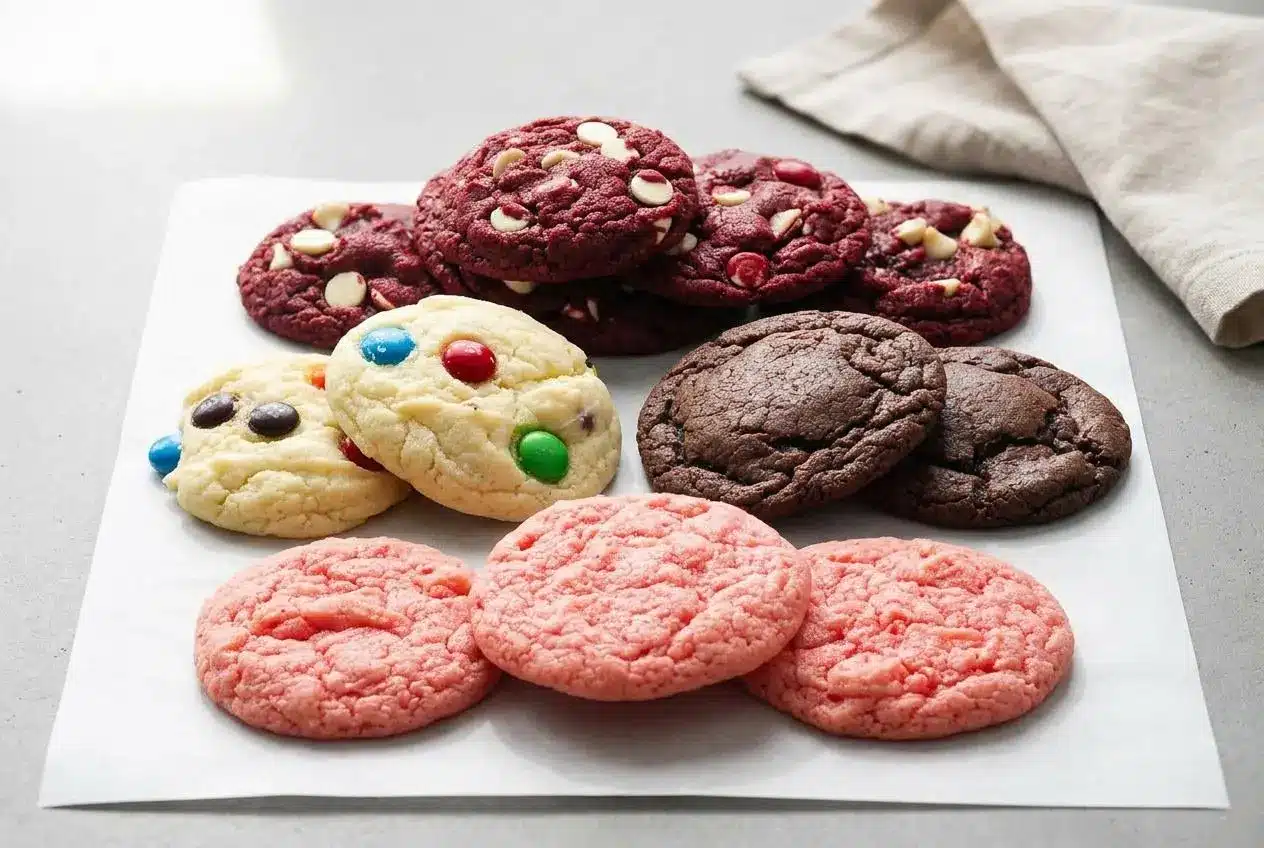
To make cake mix cookies, stir one standard box of dry cake mix with vegetable oil or melted butter and two large eggs until a thick dough forms. Portion the dough onto a lined baking sheet and bake at 350°F for 9 to 11 minutes until edges set. Transforming a boxed mix into bakery-style treats requires only a single bowl and twenty minutes from start to finish.
This cake mix cookies recipe delivers an ultra-tender center with delicately crisp edges, offering the rich flavor of traditional cookies without measuring flour, sugar, or leaveners from scratch. Whether you need a quick after-school snack, a festive holiday platter, or a midnight treat, this method adapts seamlessly to any cake flavor you have in your cupboard.
The secret to perfection lies in understanding the balance of fat and bake time to lock in that coveted bakery chew. Always check that your baking sheet has cooled completely to room temperature before dropping down the next round of dough balls.
Essential Ingredients for Cake Mix Cookies
Every component in this formula serves a distinct structural and culinary purpose, balancing moisture, binding power, and fat to create the ideal chewy cookie texture.
- 1 (15.25-ounce) box cake mix
- 1/2 scant cup vegetable oil, or 8 TB melted butter
- 2 large eggs
The boxed cake mix acts as the complete dry foundation, containing pre-sifted flour, sugar, salt, and balanced leavening agents like baking powder or baking soda. The fat coats the flour proteins to prevent excess gluten development, ensuring the finished cookie stays soft and tender rather than rubbery.
Whole eggs provide the necessary liquid to hydrate the starches while supplying proteins and natural emulsifiers that bind the crumb into a cohesive, sliceable structure. Never add the water, milk, or extra oil listed on the commercial box packaging, as those liquid ratios are formulated specifically for airy, pourable cake batter rather than thick cookie dough.
When blending the mixture, I always watch for a thick, glossy dough that pulls away cleanly from the sides of the bowl before I begin portioning.
How to Make Cake Mix Cookies
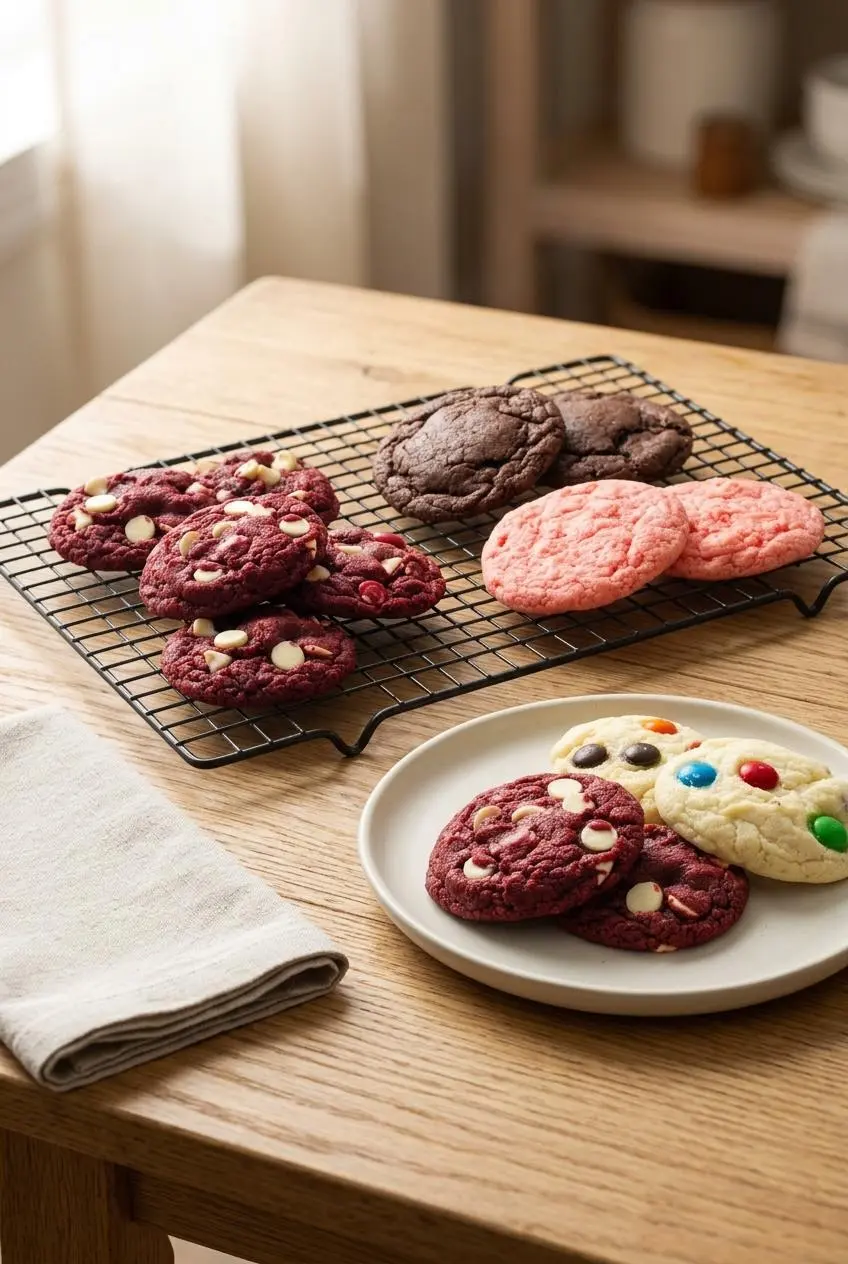
- Set your oven to 350°F and prepare a sturdy baking sheet with parchment paper or a silicone baking liner.
Arranging the pan in advance prevents raw dough from resting too long at room temperature once shaped. - Combine the dry cake mix, chosen fat, and eggs in a large mixing bowl using a sturdy spatula, then chill the mixture in the refrigerator for 15 to 20 minutes.
A brief rest in the refrigerator reduces surface stickiness and makes the dense dough far easier to handle. - Portion rounded balls of dough onto the lined baking sheet using a medium cookie scoop, adding your favorite toppings if desired, and bake for 9 to 11 minutes.
The cookies are ready when the outer edges look firm and matte, even while the center remains pale and tender. - Allow the cookies to settle on the warm pan for two minutes before transferring them to a wire cooling rack.
Leaving them on the sheet briefly lets residual pan heat set the soft centers without drying out the base.
Essential 3-Ingredient Base and Equipment
Understanding the simple science behind this pantry method guarantees consistent results across various box brands and oven styles.
The Core 3-Ingredient Formula
The standard 15.25-ounce box of cake mix contains roughly three cups of dry ingredients. By combining this volume with two whole eggs and half a cup of fat, you dramatically reduce the hydration level compared to standard cake batter. This concentrated ratio limits steam production during baking, creating a dense, fudgy crumb structure instead of an open, airy sponge.
The natural sugars inside the mix melt and caramelize slightly against the hot baking pan, producing pleasant golden bottoms with soft, pillowy tops.
Butter vs. Oil: Which is Better?
Choosing between vegetable oil and melted butter depends entirely on your desired flavor profile and final texture goals:
- Vegetable Oil: Creates an exceptionally soft, pillowy center with uniform moisture that lasts for days. Because vegetable oil remains liquid at room temperature, it keeps the baked crumb supple and tender.
- Melted Butter: Infuses the cookie with rich, dairy notes and produces slightly crisper, chewier edges due to milk solids and water evaporation during baking.
- Alternative Textures: For bakers exploring lighter or egg-free adaptations, making Cool Whip cookies provides an airy, crinkled variation using whipped topping as the primary fat source.
Essential Kitchen Tools
A few basic kitchen tools ensure professional-level consistency across every batch:
- Medium Cookie Scoop: A two-tablespoon spring-loaded scoop guarantees uniform portioning, which ensures every cookie bakes at the exact same rate.
- Heavy-Gauge Baking Sheets: Light-colored, thick aluminum pans distribute oven heat evenly, preventing scorching on the cookie bottoms.
- Parchment Paper or Silicone Liners: Lining your baking sheets prevents sticking and eliminates the need for greasy cooking sprays that can cause dough to spread excessively.
- Wire Cooling Rack: Elevating baked goods allows air to circulate freely beneath each cookie, preventing trapped steam from softening the crisp outer bottom.
Baking Tips and Troubleshooting
While this recipe is remarkably forgiving, mastering a few basic temperature and dough controls will elevate your baking results.
How to Prevent Cookies from Spreading Too Thin
Excessive spreading typically happens when the fat in the dough melts before the flour proteins and egg structure have set in the oven. To prevent flat cookies, chill the mixed dough in the refrigerator for 15 to 20 minutes before scooping. Furthermore, never place raw dough balls onto a warm baking sheet straight from a previous batch; allow the metal pan to return fully to room temperature before loading it again.
Managing Sticky Dough
Because cake mix dough contains high sugar levels and minimal added flour, it naturally feels stickier than traditional drop cookie dough. Chilling the bowl is the most effective way to firm up the fat. If you are working in a warm kitchen, lightly mist your cookie scoop or fingertips with nonstick oil spray to ensure clean, rounded scoops that release effortlessly onto the sheet.
Spotting Visual Doneness Cues
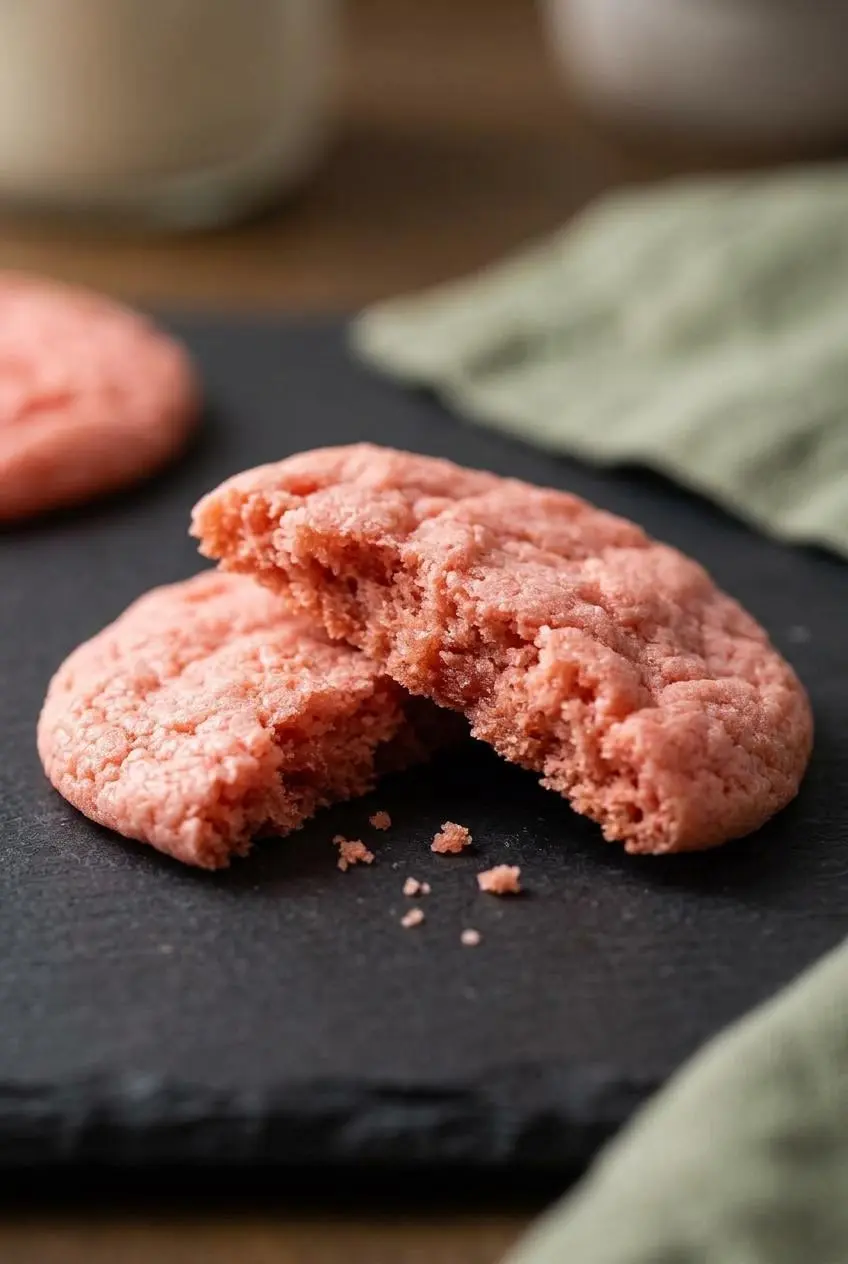
The most common mistake when making cake mix cookies is overbaking. Because cake flour is delicate, these cookies will turn dry and crunchy if left in the heat until golden brown. Look for firm, matte edges and slight puffiness across the top. The center should still look soft and underdone when you pull the sheet from the oven. Residual pan heat during the two-minute rest will finish setting the centers into a tender, chewy masterpiece.
Delicious Flavor Variations and Mix-ins
One master base opens the door to endless custom flavor combinations by switching the box mix variety and folding in up to one cup of your favorite add-ins.
Chocolate Peanut Butter Bliss
Use a rich devil’s food or dark chocolate cake mix as your base. Fold in half a cup of creamy peanut butter chips and a quarter cup of semi-sweet chocolate morsels. The intense cocoa dough contrasts beautifully with the salty sweetness of melted peanut butter pockets.
Red Velvet and White Chocolate
Start with a vibrant red velvet cake mix and gently fold in white chocolate chips. The subtle cocoa and buttermilk notes of the red velvet base complement the sweet, milky vanilla flavors of the white chocolate chunks, making them a stunning choice for celebrations.
Citrus Lemon Burst
Brighten your dessert spread by starting with a tangy citrus base. Rolling chilled dough portions in confectioners’ sugar before baking creates stunning lemon cake mix cookies with crackled crusts and zesty centers. You can also fold in white chocolate chips or fresh lemon zest for extra aromatic punch.
Funfetti Birthday Cake
Combine a classic white or yellow cake mix with a generous measure of rainbow jimmies folded directly into the dough. For extra celebration flair, press a few additional sprinkles onto the top of each portioned mound right before sliding the baking sheet into the oven.
Storage, Freezing, and Make-Ahead Instructions
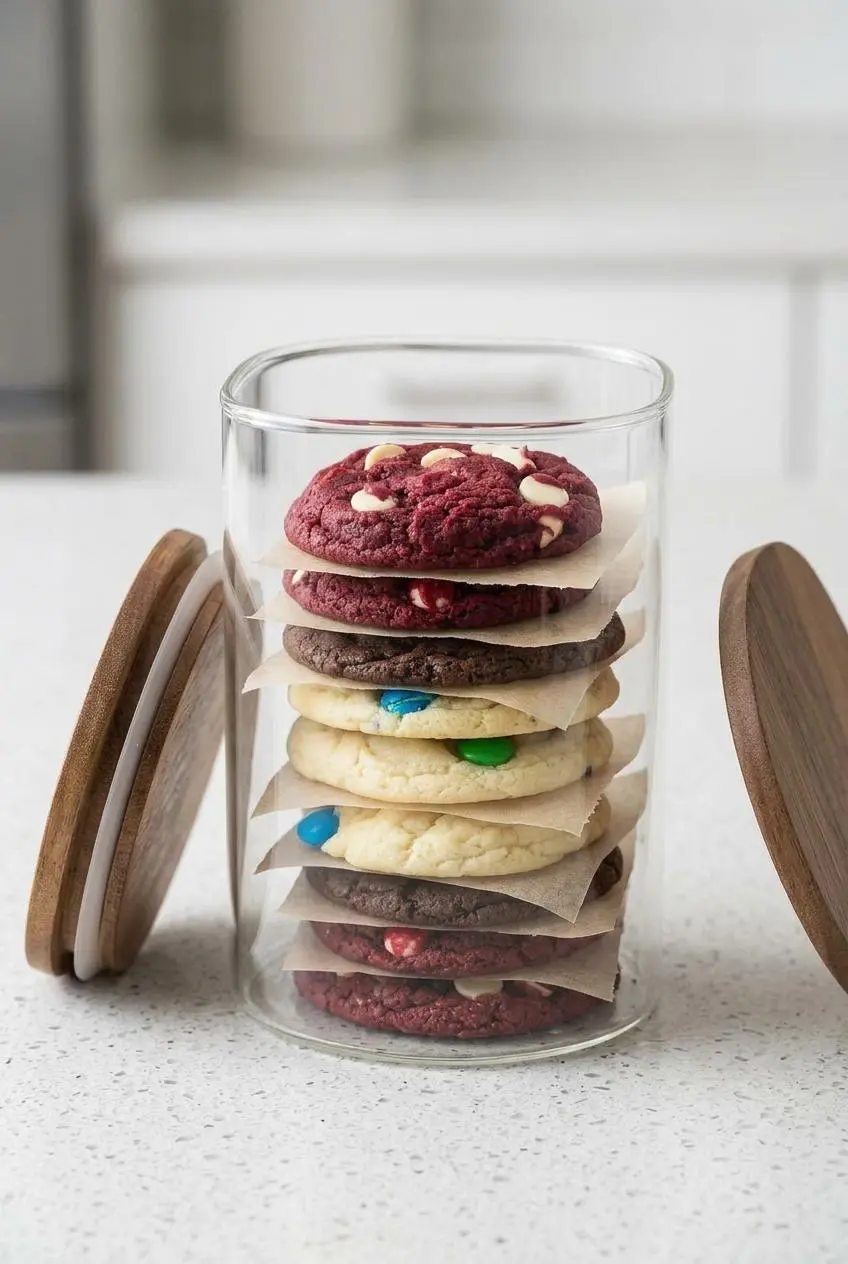
Proper storage techniques protect moisture levels and ensure your cookies taste freshly baked long after they leave the oven.
Room Temperature Storage
Allow the cookies to cool completely on a wire rack before packing them away. Storing them while even slightly warm creates condensation inside your container, leading to soggy, sticky surfaces. Place the fully cooled treats into an airtight container, placing sheets of wax paper between layers to keep them from adhering to one another. Keep the container in a cool, dry pantry area to maintain freshness.
Freezing Dough Balls and Baked Cookies
Following proper food storage procedures to maintain safe egg cooking practices ensures your unbaked and baked items remain wholesome. To freeze unbaked dough, portion the mixture into balls onto a parchment-lined baking tray and place the tray in the freezer for thirty minutes until the rounds are solid. Transfer the frozen dough balls into an airtight freezer-safe bag.
When ready to enjoy, place the frozen dough balls directly onto a lined baking sheet and bake at 350°F, adding one to two extra minutes to the total baking time without thawing. Fully baked cookies can also be frozen in airtight containers; simply let them thaw on the counter at room temperature for fifteen minutes before serving.
Conclusion
This effortless baking method transforms everyday boxed mix into thick, bakery-worthy cookies with unbeatable chew and vibrant flavor. Requiring just three core ingredients and twenty minutes from bowl to cooling rack, it offers the ultimate stress-free shortcut for home bakers of all skill levels.
Keep a couple of your favorite cake mix boxes in the pantry alongside fresh eggs and butter, and you will always be ready to whip up a warm, homemade batch whenever sweet cravings strike.
Frequently Asked Questions
Do I prepare the cake mix according to the box directions?
No. Completely disregard the water, milk, and extra oil quantities listed on the back of the commercial packaging. Use only the dry cake mix powder combined with two large eggs and half a cup of oil or melted butter to create a thick cookie dough.
Can I use butter instead of vegetable oil?
Yes. You can swap the half cup of vegetable oil with eight tablespoons of melted, slightly cooled unsalted butter. Melted butter yields a richer dairy flavor with slightly chewier edges, while oil produces a softer, more pillowy center.
Why did my cake mix cookies come out flat?
Cookies flatten when the dough is too warm or when dropped onto hot baking pans between batches. Chilling your dough in the refrigerator for 15 to 20 minutes and letting baking sheets cool completely to room temperature before reusing them will prevent excess spreading.
How do I freeze cake mix cookie dough?
Scoop the mixed dough into individual balls and place them on a parchment-lined sheet pan in the freezer for thirty minutes until firm. Once solid, transfer the dough portions into an airtight freezer storage bag. Bake directly from frozen, adding an extra minute or two to the standard bake time.

Cake Mix Cookies Recipe

Equipment
- Baking Sheet
- Silicone mat or parchment paper
- large bowl
- Medium Cookie Scoop
- Cooling Rack
Ingredients
- 1 (15.25-ounce) box cake mix
- 1/2 scant cup vegetable oil or 8 TB melted butter
- 2 large eggs
Instructions
- Set your oven to 350°F and prepare a sturdy baking sheet with parchment paper or a silicone baking liner. Arranging the pan in advance prevents raw dough from resting too long at room temperature once shaped.
- Combine the dry cake mix, chosen fat, and eggs in a large mixing bowl using a sturdy spatula, then chill the mixture in the refrigerator for 15 to 20 minutes. A brief rest in the refrigerator reduces surface stickiness and makes the dense dough far easier to handle.
- Portion rounded balls of dough onto the lined baking sheet using a medium cookie scoop, adding your favorite toppings if desired, and bake for 9 to 11 minutes. The cookies are ready when the outer edges look firm and matte, even while the center remains pale and tender.
- Allow the cookies to settle on the warm pan for two minutes before transferring them to a wire cooling rack. Leaving them on the sheet briefly lets residual pan heat set the soft centers without drying out the base.