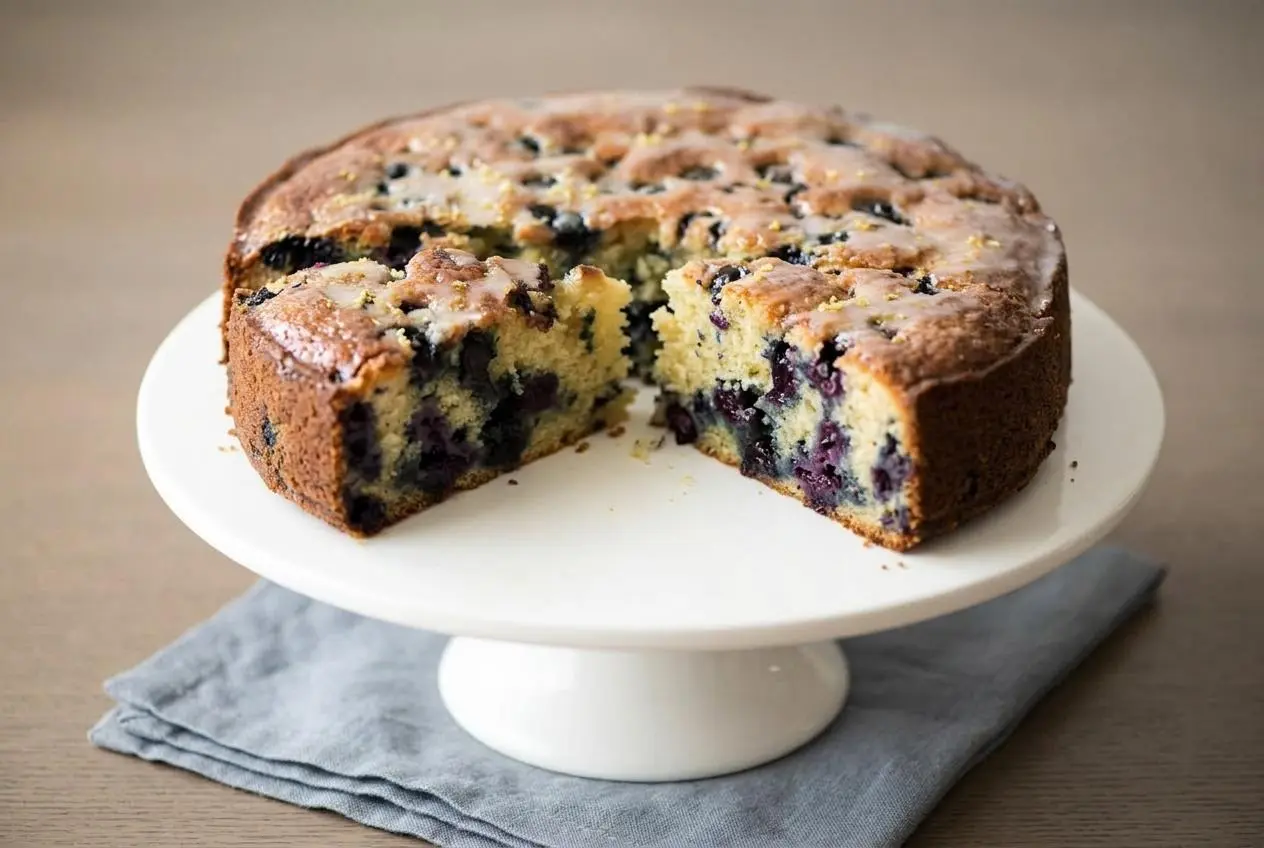
To make a great Blueberry Lemon Yoghurt Cake, whisk the wet ingredients, fold in the dry ingredients and flour-coated blueberries, then bake until the crumb is set and the lemon aroma turns bright and fragrant.
Blueberry Lemon Yoghurt Cake is a soft, fruit-filled cake with a tender yogurt crumb, fresh lemon flavor, and bursts of blueberries throughout. It bakes up beautifully in a springform pan and slices cleanly once cooled.
The best part is how practical it is. No mixer, no fussy creaming step, and the thick batter helps keep the berries where they belong. That flour toss really earns its keep.
Use the lower-middle oven rack for the most even rise and to help the center bake through before the top gets too dark.
Essential Ingredients and Their Roles
Each ingredient has a job here, from lifting the crumb to carrying lemon aroma, holding moisture, and helping the berries stay suspended instead of sinking.
Blueberries
- 375 g / 12 oz blueberries, fresh, divided (3 punnets)
- 1 tbsp plain flour (all purpose flour)
Wet
- 1 1/4 cups / 275g white sugar, preferably caster / superfine
- 2/3 cup / 165ml vegetable or canola oil
- 2 eggs
- 1 1/2 tbsp grated lemon rind
- 1/4 cup / 65 ml lemon juice
- 1 cup / 250 g plain yoghurt (I use Greek)
Dry
- 2 1/4 cups / 335g plain flour (all purpose flour)
- 4 tsp baking powder
- Pinch of salt
Greek yogurt does a lot of heavy lifting in this cake. Its thickness gives the batter body, which helps support the blueberries, and its tang keeps the crumb tasting fresh instead of flat. Full-fat yogurt also brings enough richness to keep the texture soft and tender. Low-fat or nonfat yogurt tends to make the cake less plush and a bit drier.
The baking powder is what gives this cake its lift, and the yogurt’s acidity helps that rise happen in a lively, even way. That matters because this batter carries a lot of fruit. You want enough structure to hold the berries up without turning the cake tough.
Lemon zest is more important than bottled juice here. The juice adds brightness, but the zest carries the deeper lemon perfume that makes the cake smell incredible as it bakes. Fresh zest gives you that clear citrus aroma that bottled products simply do not match.
Blueberries bring moisture and little jammy pockets of flavor, but they can also cause trouble if they go in wet and bare. Tossing most of them with flour gives the fruit a light coating that helps it grip the batter rather than slide straight to the bottom.
If you like baking with tangy dairy, sour cream coffee cake is another good example of how richer cultured dairy creates a tender crumb.
Gently wash your fresh blueberries and make sure they are completely dry before tossing them with flour so they suspend perfectly in the batter.
Oil vs Butter: Which Is Best for Moisture?
This cake uses oil for a very practical reason. Oil stays liquid at room temperature, so the crumb keeps feeling soft even after the cake has cooled completely.
Butter brings great flavor, but in a cake like this it firms up as it cools. That can make slices feel tighter and a little heavier, especially when the cake is loaded with fruit. Oil keeps the texture more relaxed and more reliably moist.
It also suits the yogurt style of batter. Since there is no butter creaming step, the method stays quick and straightforward. You whisk, fold, bake, and get a tender result without pulling out a mixer or waiting for butter to soften.
If you enjoy the flavor combination of blueberry and lemon in a butter-based brunch bake, a lemon dutch baby leans into that richer, buttery side of things.
Cake Flour vs All-Purpose Flour
All-purpose flour is the better fit for this cake because it gives the batter enough strength to carry the berries and still rise well.
Cake flour would make the crumb softer and more delicate, but that is not always an advantage when you are folding in a generous amount of fruit. A weaker flour can leave the structure too fragile, which makes sinking berries and uneven pockets more likely.
The goal here is tender, not flimsy. All-purpose flour gives you that balance. Once it is mixed gently with the yogurt and oil, it bakes into a soft crumb that still holds a clean slice.
This is also why overmixing matters. All-purpose flour can turn dense if worked too much, so stop mixing as soon as the dry streaks disappear and the batter looks thick with a few small lumps.
How to Make Blueberry Lemon Yoghurt Cake
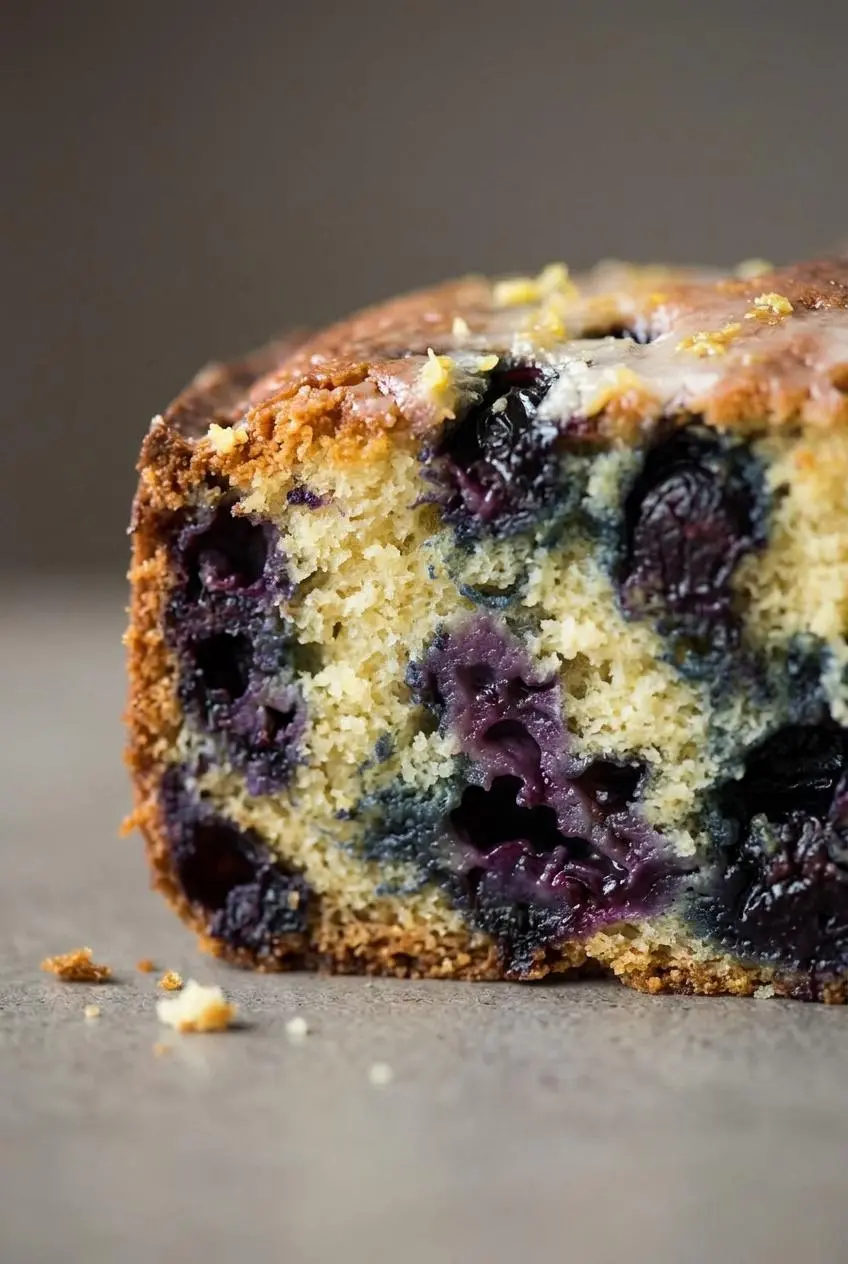
This method is easy, but the texture depends on a few small details. Keep the batter thick, leave a few small lumps alone, and avoid chasing a perfectly smooth mixture.
- Heat the oven to 200C / 390F for a standard oven or 180C / 350F for fan / convection, then grease a 22 cm / 9 inch springform pan with butter and line the base with baking paper.
The prepared pan should be ready before the batter is mixed so the baking powder can go straight to work once combined. - Rinse the blueberries and shake off the extra water without patting them dry, then set aside about one-third for the top and toss the rest with the flour.
The light flour coating helps the berries cling to the batter, and the topping portion gives the finished cake a more berry-packed surface. - Whisk the sugar, oil, eggs, grated lemon rind, lemon juice, and yoghurt in a large bowl until smooth and evenly blended.
The mixture should look glossy and pale yellow, with the lemon zest flecked throughout and a fresh citrus scent rising from the bowl. - Add the flour and salt, then sprinkle the baking powder over the top and whisk only until the batter comes together.
The batter should look thick and slightly lumpy rather than silky, which is exactly what helps hold the fruit in place. - Fold in the floured blueberries along with any loose flour left in the bowl, then scrape the batter into the pan and scatter the reserved berries over the top.
The fruit should be evenly distributed, and the batter will feel substantial enough that the top berries sit on the surface instead of sinking immediately. - Place the pan on the lower-middle rack, reduce the oven to 180C / 350F for a standard oven or 160C / 320F for fan / convection, and bake for 50 minutes.
The cake is ready when a skewer comes out clean and the kitchen smells strongly of lemon with sweet berry notes. - Remove the springform sides, cool the cake on a rack, and once fully cool, remove the base before dusting with icing sugar and serving.
The crumb sets as it cools, so waiting gives you neater slices and keeps the fruit pockets from tearing.
Choosing Your Baking Pan: Round vs Loaf
Pan shape changes more than looks. It affects how quickly the center sets, how high the batter rises, and how the blueberries settle through the crumb.
Baking in a Springform Pan
A 9-inch springform pan gives you the classic version of this cake. The wider shape spreads the batter out, which helps it bake evenly and gives you more top surface for those extra blueberries to sit proudly on top.
It also makes for a lighter-feeling slice because the cake is not as deep through the center. Once it comes out of the oven, remove the sides carefully and let the cake cool on a rack so steam does not get trapped around the edges.
This version is ideal if you want something that feels like a proper cake rather than a quick bread. It also shows off the berry topping best.
Baking in a Standard Loaf Pan
You can bake the same batter in a standard 9 x 5 inch loaf pan at 350F (180C) for 50 to 60 minutes. Expect a taller, deeper loaf with slices that feel slightly more compact through the center.
This shape is great for everyday slicing, lunchbox pieces, or a brunch table where you want neat rectangular slices. Because the batter sits deeper in the pan, start checking near the earlier end of the range but give it the full time it needs if the center is still wet.
If you enjoy that slice-and-serve style, lemon pound cake has a similar loaf-friendly feel, though it leans richer and denser.
You can also use a 10-cup Bundt pan as an optional variation and bake until a skewer comes out clean. Since the shape is deeper and more detailed, keep a close eye on browning and wait until the cake is fully cooled before unmolding.
Troubleshooting Common Baking Issues
If this cake gives you trouble, it is usually one of a few predictable things. The good news is that each one has a clear fix.
How to Stop Sinking Berries
- If the berries drop to the bottom, the batter was likely too thin or the fruit was too wet. Dry the berries well and toss most of them with the tablespoon of flour before folding them in.
- If you used frozen blueberries, keep them frozen until the very last moment. Thawed berries release too much liquid and can drag the batter down with them.
- If you stirred too long after adding the flour, the batter may have loosened and lost some of the thickness that helps support the fruit. Mix just until combined.
- Saving some blueberries for the top also helps. They stay visible and give the finished cake a better berry balance in every slice.
Preventing a Dense, Gummy Center
- If the middle looks wet and heavy, the cake may need more time. Test with a wooden skewer rather than a thin toothpick so you get a better read on the deeper crumb.
- If the bottom stays soggy around the berries, the fruit probably carried in too much water. This is especially common with thawed frozen berries or berries that were not dried well.
- If the cake browns too quickly on top, loosely tent it with foil around the 30-minute mark and keep baking until the center is done. That protects the surface while the middle catches up.
- If slices tear, let the cake cool fully before cutting and use a clean serrated knife. The fruit pockets settle as the crumb cools, so warm cake is much more likely to drag.
- If the texture turns dense instead of tender, overmixing is usually the culprit. A few small lumps in the batter are fine, and honestly, they are a good sign here.
Zesty Lemon Glaze Option
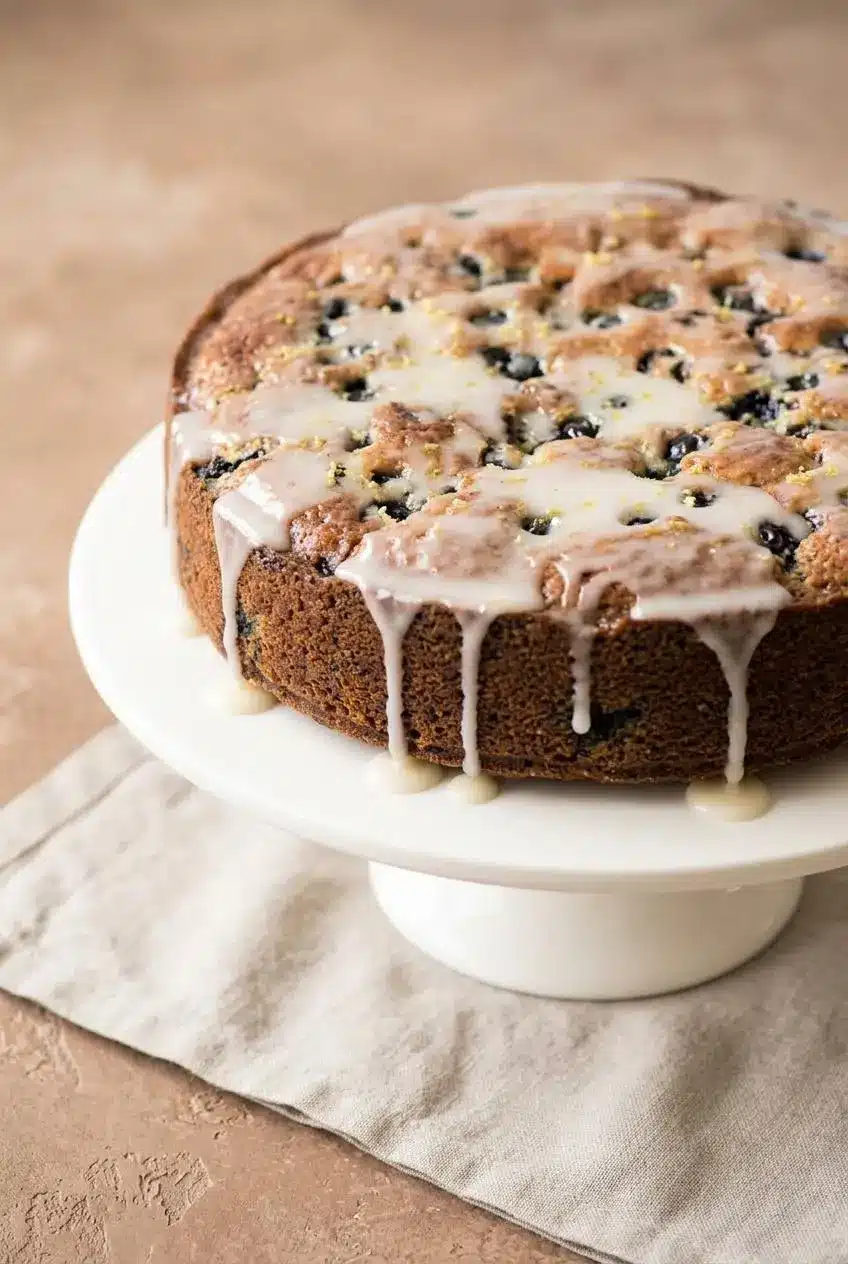
If you want a brighter finish than powdered sugar, a lemon glaze works beautifully here. Keep it optional so the cake still stands on its own.
Stir powdered sugar with fresh lemon juice until the glaze is thick but pourable. It should fall from a spoon in a slow ribbon and hold its shape for a moment before melting back into itself. If it runs like water, it will disappear into the cake instead of sitting on top.
Wait until the cake is completely cool before glazing. On a warm cake, the glaze will soak in too fast and lose that glossy finish. On a cool cake, it sets into a thin citrusy layer that plays really well with the sweet berries.
This version tastes especially good with fresh berries on the side or a scoop of vanilla bean ice cream if you are serving it for dessert.
Storage and Freezing Guidelines
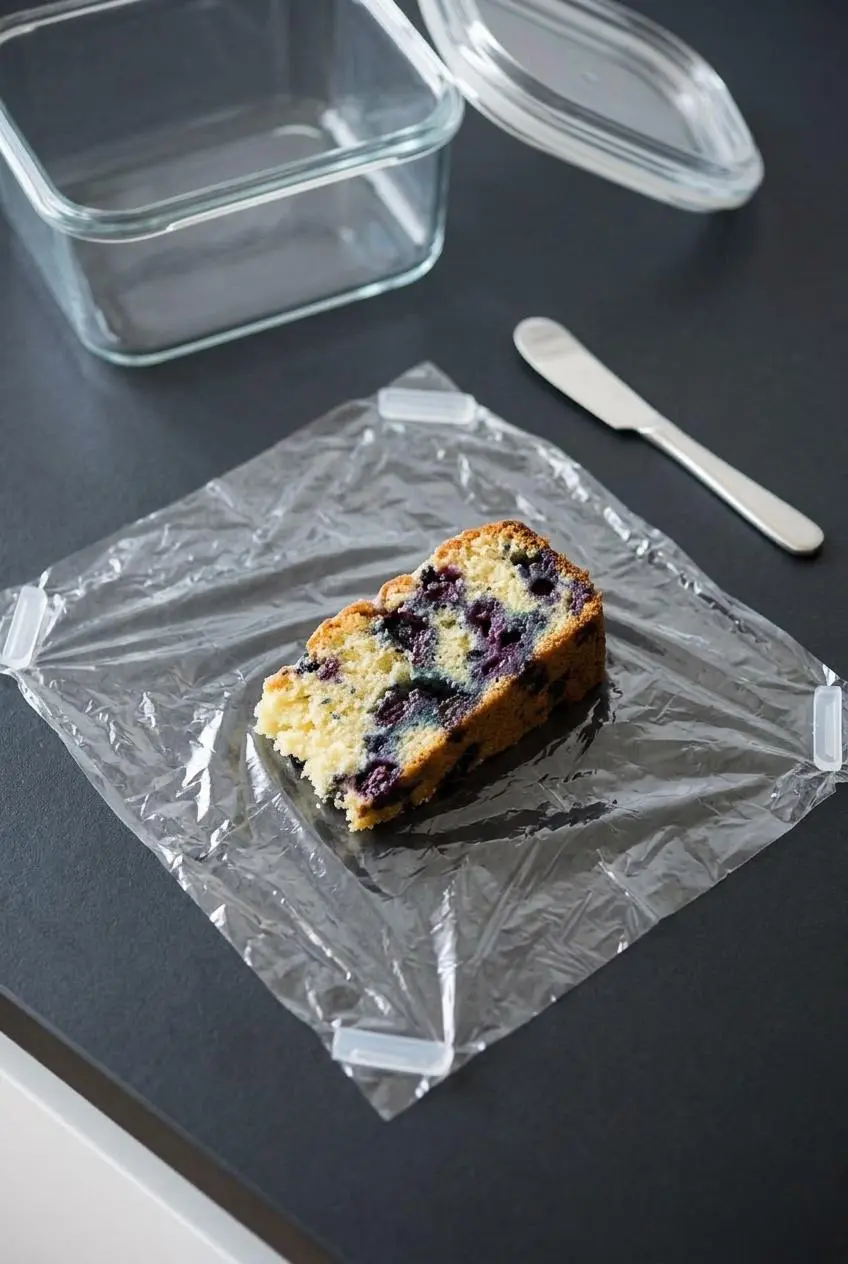
This cake keeps its texture best when it is protected from air and moisture swings. Once fully cool, store it in an airtight container so the crumb stays soft and the berry pockets do not dry out.
At room temperature, the cake usually stays softer than it does in the refrigerator. If your kitchen runs warm or humid, it is better to chill it than leave it out too long. For dairy ingredients and other perishables, keep your refrigerator at 40 °F or below.
If you want to freeze it, cool the cake completely first. Wrap it tightly in plastic wrap, then add a layer of foil to protect the crumb and prevent the surface from drying out.
To thaw, leave the wrapped cake at room temperature until it loses its chill, then unwrap it so condensation does not settle back onto the crust. If you glazed the cake, keep it covered once the glaze has set.
Conclusion
This cake earns a spot in regular baking rotation because it delivers a moist crumb, bright lemon flavor, and juicy blueberry pockets without a complicated method.
Keep the batter thick, stop mixing early, and let the cake cool before slicing. If you want to change it up, try the loaf pan version or finish it with the lemon glaze for a sharper citrus edge.
Frequently Asked Questions
Can I use frozen blueberries instead of fresh?
Yes. Use them straight from the freezer and fold them in right before baking. Do not thaw them first or they can streak the batter purple and add extra moisture. The cake may need a little closer attention near the end of baking, since colder fruit can slow the center slightly.
Why did all my blueberries sink to the bottom?
The usual causes are wet berries or batter that became too loose. Toss the berries in the tablespoon of flour, and make sure the batter stays thick by mixing only until the flour is combined. Overmixing can thin the structure enough for the fruit to slide down during baking.
Can I substitute sour cream for Greek yogurt?
Yes. Full-fat sour cream works well as a 1-to-1 substitute. It gives a similar richness and tang, so the crumb stays tender and moist. If you already love bakes made with cultured dairy, that swap will feel very natural here.
How do I prevent the top of the cake from burning?
If the top is browning too fast, loosely tent the pan with foil around the 30-minute mark. Keep the cake on a lower-middle rack so the center has time to bake through more evenly. That way the top stays golden rather than getting too dark before the middle is done.
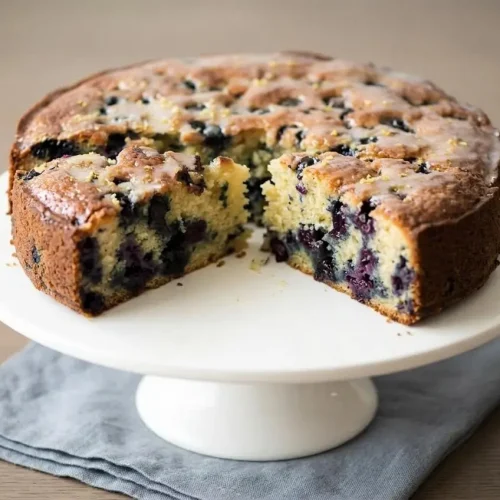
Blueberry Lemon Yoghurt Cake

Equipment
- 22 cm / 9 inch springform pan
- Baking paper
- large bowl
- Whisk
- Wooden Spoon
Ingredients
Blueberries
- 375 g blueberries, fresh, divided (3 punnets) or 12 oz
- 1 tbsp plain flour (all purpose flour)
Wet
- 1 1/4 cups white sugar, preferably caster / superfine or 275g
- 2/3 cup vegetable or canola oil or 165ml
- 2 eggs
- 1 1/2 tbsp grated lemon rind
- 1/4 cup lemon juice or 65 ml
- 1 cup plain yoghurt (I use Greek) or 250 g
Dry
- 2 1/4 cups plain flour (all purpose flour) or 335g
- 4 tsp baking powder
- Pinch salt
Instructions
- Heat the oven to 200C / 390F for a standard oven or 180C / 350F for fan / convection, then grease a 22 cm / 9 inch springform pan with butter and line the base with baking paper. The prepared pan should be ready before the batter is mixed so the baking powder can go straight to work once combined.
- Rinse the blueberries and shake off the extra water without patting them dry, then set aside about one-third for the top and toss the rest with the flour. The light flour coating helps the berries cling to the batter, and the topping portion gives the finished cake a more berry-packed surface.
- Whisk the sugar, oil, eggs, grated lemon rind, lemon juice, and yoghurt in a large bowl until smooth and evenly blended. The mixture should look glossy and pale yellow, with the lemon zest flecked throughout and a fresh citrus scent rising from the bowl.
- Add the flour and salt, then sprinkle the baking powder over the top and whisk only until the batter comes together. The batter should look thick and slightly lumpy rather than silky, which is exactly what helps hold the fruit in place.
- Fold in the floured blueberries along with any loose flour left in the bowl, then scrape the batter into the pan and scatter the reserved berries over the top. The fruit should be evenly distributed, and the batter will feel substantial enough that the top berries sit on the surface instead of sinking immediately.
- Place the pan on the lower-middle rack, reduce the oven to 180C / 350F for a standard oven or 160C / 320F for fan / convection, and bake for 50 minutes. The cake is ready when a skewer comes out clean and the kitchen smells strongly of lemon with sweet berry notes.
- Remove the springform sides, cool the cake on a rack, and once fully cool, remove the base before dusting with icing sugar and serving. The crumb sets as it cools, so waiting gives you neater slices and keeps the fruit pockets from tearing.