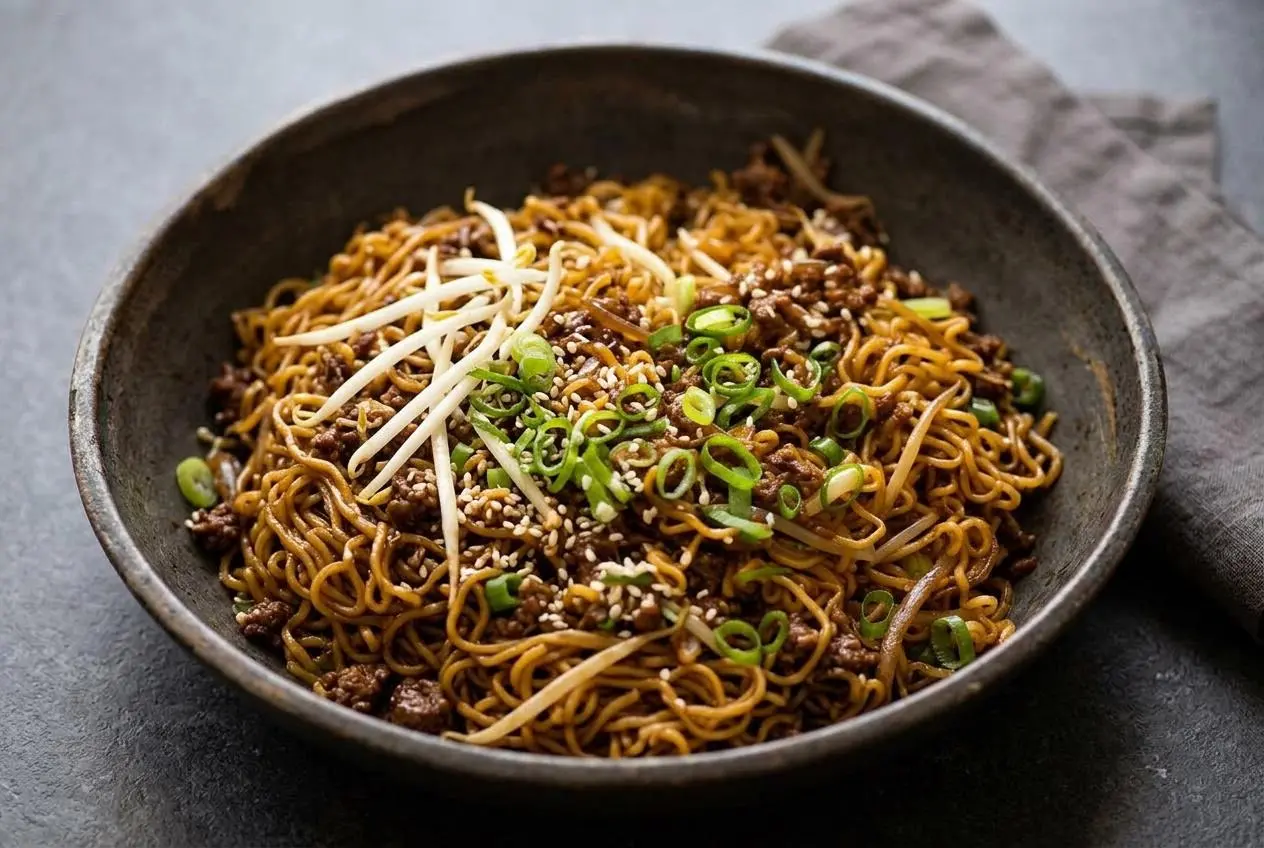
Beef Ramen Noodles are a fast one-pan dinner with caramelized ground beef, tender ramen, and a savory-sweet sauce, all ready in about 15 minutes.
These Beef Ramen Noodles are stir-fry style, not a brothy ramen bowl, so you get glossy noodles and rich beefy flavor in every bite. It’s a smart way to turn instant noodles into a real dinner without much cleanup.
You get a lot from a small window of time here: sizzling onion and garlic, browned beef, and noodles that finish right in the pan so the sauce clings instead of pooling. That glaze is the whole game.
Set the sauce ingredients near the stove before you start, because once the beef begins to brown, this recipe moves quickly.
Why You’ll Love This Beef Ramen Recipe
This is the kind of weeknight meal that earns a repeat spot fast.
- It’s ready in 15 minutes from start to finish.
- The whole dish cooks in one pan, which keeps cleanup light.
- Cooking the noodles in the skillet helps their starch thicken the sauce naturally.
- Ground beef makes it especially quick, but the flavor still tastes deep and savory.
- You can change the vegetables, protein, or heat level without changing the basic method.
- It lands somewhere between beef stir-fry and upgraded instant ramen, which is a very good place to be.
Ingredients You’ll Need
Each ingredient has a job here, from building savory depth in the sauce to giving the noodles gloss, aroma, and just enough freshness at the end.
Noodles and Beef
- 2 packets ramen or other instant noodles, discard seasoning
- 1 tsp oil
- 2 tsp sesame oil
- 2 garlic cloves, minced
- 1/2 onion, sliced
- 200g / 7oz beef mince (ground beef)
- 1 1/4 cups (315 ml) water, plus more as needed
- Big handful bean sprouts
Sauce
- 1 tbsp dark soy sauce
- 1 tbsp Oyster sauce
- 2 tsp Hoisin sauce
- 1 tbsp mirin
Garnishes
- Finely sliced green onion / shallots
- Sesame seeds
Dark soy sauce gives the noodles their deep color and salty backbone. Oyster sauce adds savory depth, hoisin brings a little sweetness, and mirin rounds it out with gentle tang and shine. Bean sprouts lighten the final bite so the dish doesn’t feel heavy.
I keep dark soy, oyster sauce, hoisin, and mirin around because together they make a quick sauce taste much more layered than the clock suggests.
If you want to add extra vegetables, this recipe handles them well as long as you don’t overcrowd the pan. Bok choy, shredded carrots, broccoli florets, spinach, or cabbage all work, but add them at the right time so the beef can still brown properly.
What Kind of Beef Is Best?
The best beef depends on whether you want speed, chew, or a more soup-style finish.
| Beef option | Best for | What to expect |
|---|---|---|
| Ground beef | Fast weeknight stir-fry | Quick browning, easy mixing, and lots of flavor in the sauce. |
| Steak strips | A chewier, meatier texture | More bite and distinct pieces of beef, especially good with sirloin or flank steak sliced thin. |
| Chuck roast or short rib | Weekend soup-style ramen | Richer, slower-cooked flavor that suits a true broth-based bowl better than this quick stir-fry. |
How to Make Beef Ramen Noodles (Step-by-Step)
This method is built for speed, but the flavor comes from one key move: let the beef actually brown instead of just turning gray.
- Stir the dark soy sauce, Oyster sauce, Hoisin sauce, and mirin together in a small bowl until smooth.
The sauce should look dark and glossy so it coats the beef evenly when it hits the pan. - Heat the oil and sesame oil in a medium skillet over high heat, then add the onion and garlic and cook for 1 1/2 minutes.
You want a lively sizzle and a fragrant aroma, with the onion just starting to turn golden at the edges. - Add the beef mince and break it up as it cooks until it changes from pink to light brown.
Once the meat stops steaming and starts sizzling more sharply, it is beginning to brown instead of just releasing moisture. - Pour in the sauce and keep cooking for 2 to 3 minutes, stirring so the beef caramelizes in it.
The skillet should smell rich and savory, and the beef should look darker with sticky browned bits rather than wet and loose. - Push the beef mixture to one side of the skillet, pour in the water, and lay the noodles in the liquid.
The noodles should sit mostly in the water so they can soften quickly without washing the sauce off the beef. - Leave the noodles for 45 seconds, turn them, then leave them for 30 seconds more before loosening them apart.
They should look pliable but not fully soft, which helps them finish cooking without going mushy. - Toss the noodles through the beef mixture until the strands are separated and coated.
The noodle starch will start to thicken the liquid into a glossy glaze that clings to the noodles instead of running to the bottom of the pan. - Add the bean sprouts and toss for 1 minute, then serve immediately with green onion / shallots and sesame seeds.
The sprouts should just soften while the sauce reduces enough to coat the noodles and the noodles should be fully cooked but still springy.
Using the same pan for the noodles is more than a shortcut. It’s what gives this dish that lacquered, takeout-style finish without needing cornstarch. If the pan looks a little dry before the noodles soften, add a small splash of water. If it looks too loose, keep tossing over high heat for another moment so the sauce can reduce.
For ground beef, cook until it is fully done and no pink remains. If you like using a thermometer for peace of mind, ground beef should reach 160°F for ground meats.
Tips for Perfect Beef Ramen
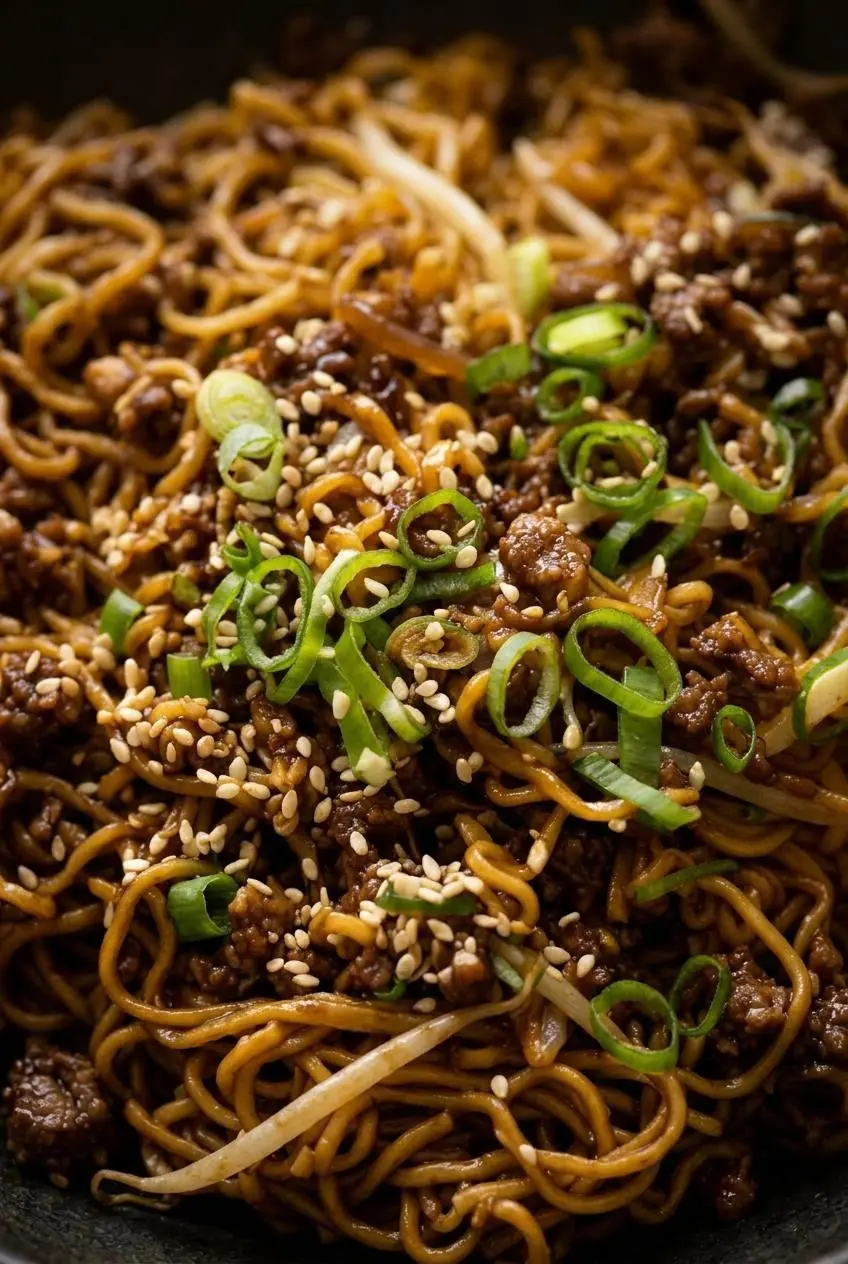
These small choices make the difference between glossy noodles and a pan of soft noodles with watery sauce.
| Problem | Likely cause | Fix |
|---|---|---|
| Beef tastes flat | The pan was not hot enough for browning | Use high heat and let the beef move from steaming to sizzling before expecting deep color. |
| Sauce looks watery | Too much water stayed in the pan | Keep tossing over high heat so the liquid reduces and the noodle starch can tighten it up. |
| Noodles turn mushy | They cooked too long before being tossed with the sauce | Soften them only until pliable, then finish them quickly in the beef mixture. |
| Beef won’t brown | The pan is crowded | Use a roomy high-sided skillet and go easy on added vegetables until the meat has caramelized. |
- Keep the heat high when browning the beef. Fast cooking is good here, but real browning is even better.
- Don’t rush the caramelizing step after adding the sauce. This is where the beef picks up that deeper savory sweet flavor.
- If you want more vegetables, choose wisely. Watery vegetables added too early can steam the pan and dilute the glaze.
- Have your garnishes ready before the noodles go in. Once the ramen softens, you’re on a short runway.
- If doubling the recipe, use a larger skillet so the beef still gets contact with the hot surface.
For Extra Umami: The Miso Secret
If you want the sauce to taste even deeper, stir a small spoonful of red miso into the sauce mixture before cooking. It adds savory complexity and a slightly fuller finish without changing the basic character of the dish. Keep it optional, because the recipe is already well balanced as written.
Recipe Variations
This recipe is easy to customize because the basic method is sturdy: brown the beef, build the sauce, then let the noodles finish in the pan. If you like this sweet-savory direction, Mongolian Beef Noodles are another great spin on the same quick dinner idea.
How to Make It a Soup
To turn this into a quick beef ramen soup, use the same onion, garlic, and beef base, but add more liquid so you end up with broth instead of glaze. Beef broth works especially well here because it keeps the beefy flavor front and center.
Keep the sauce ingredients the same, then add broth in place of part of the water and simmer the noodles in the liquid until tender. The final result should be brothy, not sticky. If you want a more traditional soup experience with a slower-cooked feel, a hearty beef noodle soup is a better lane than trying to push this stir-fry too far in that direction.
For a richer weekend version, thinly sliced mushrooms, a soft-boiled egg, and a spoonful of miso are all good optional add-ons. Slow-braised beef cuts like chuck or short rib fit that style best, but they belong in a separate longer-cooked recipe rather than the 15-minute skillet method here.
Protein and Vegetable Swaps
Ground beef is the fastest choice, but it isn’t the only one. Thin steak strips give a firmer bite, and other proteins work well if you keep the same overall rhythm.
| Option | How it changes the dish | Best use |
|---|---|---|
| Thinly sliced sirloin or flank steak | Chewier, more steakhouse-style texture | Use when you want distinct strips of beef instead of crumbled meat. |
| Ground chicken or turkey | Lighter flavor | Good if you still want the one-pan method and quick cooking time. |
| Ground pork | Richer, slightly sweeter finish | Works well with the same sauce profile. |
| Tofu | Softer texture and a vegetarian-friendly swap if you also change the sauces | Best when you want a different protein style entirely. |
Vegetables matter most for texture, so add them by how quickly they cook. If broccoli is your favorite route, Beef and Broccoli Ramen is a nice dedicated version.
| Vegetable | When to add it | Result |
|---|---|---|
| Carrots | Add with the beef if cut thin | They soften while keeping a little bite. |
| Broccoli florets | Add after the beef starts browning, with a splash of water if needed | Tender-crisp florets that still hold shape. |
| Bok choy | Add stems earlier, leaves near the end | Crisp stems and wilted greens in the same bowl. |
| Shredded cabbage | Add during the last minute or two | Softens slightly without disappearing. |
| Spinach | Toss in at the very end | Wilts quickly and keeps the dish light. |
| Bean sprouts | Add at the end | Fresh crunch and a little contrast to the rich sauce. |
Making It Spicy or Gluten-Free
For heat, drizzle chili oil or chili crisp over the finished noodles, or stir in sriracha or red pepper flakes to taste. Add spicy ingredients at the end if you want more control over the burn.
For a gluten-free version, use gluten-free ramen or rice noodles and swap the soy sauce, hoisin, and oyster sauce for gluten-free versions such as tamari and certified gluten-free alternatives. Rice noodles cook differently, so watch closely and stop as soon as they turn tender.
If you enjoy quick beef noodle dinners in general, classic Beef Lo Mein is another strong option for the next round.
Serving and Topping Ideas
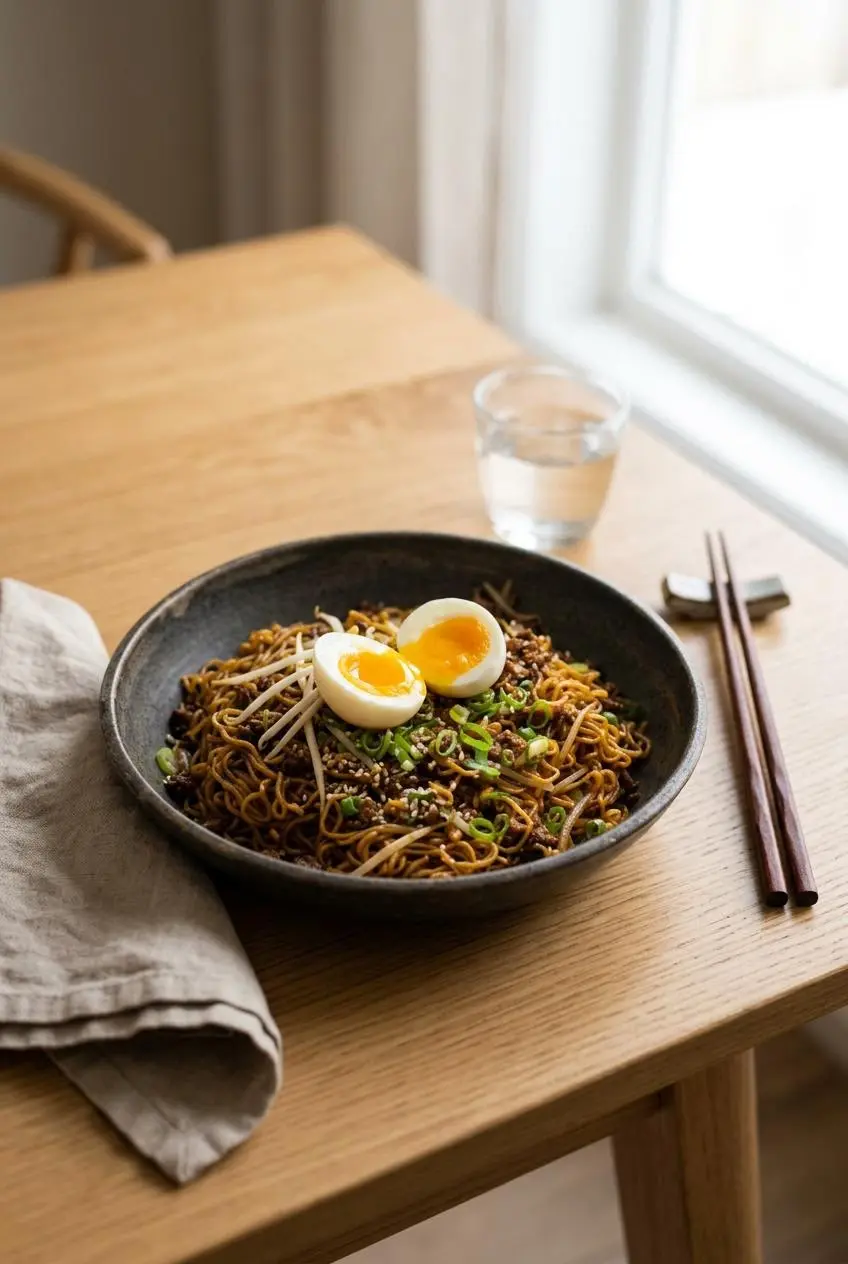
This dish is rich, glossy, and savory, so the best toppings either add freshness, crunch, or a little heat.
- Top each bowl with a jammy soft-boiled egg for extra richness.
- Add chili oil or chili crisp if you want spicy beef ramen without changing the whole pan.
- Scatter chopped peanuts over the top for crunch.
- Squeeze over a little lime juice if you want brightness against the sweet-savory sauce.
- Serve it with steamed edamame or a crisp cucumber salad for a cooler side.
- Finish with extra green onion / shallots if you like a sharper fresh bite.
Because the noodles are bold and satisfying, you usually don’t need much else. For another quick ground beef dinner with a similar fast-payoff feel, Korean Ground Beef Bowls are worth keeping on your radar.
Storage and Reheating
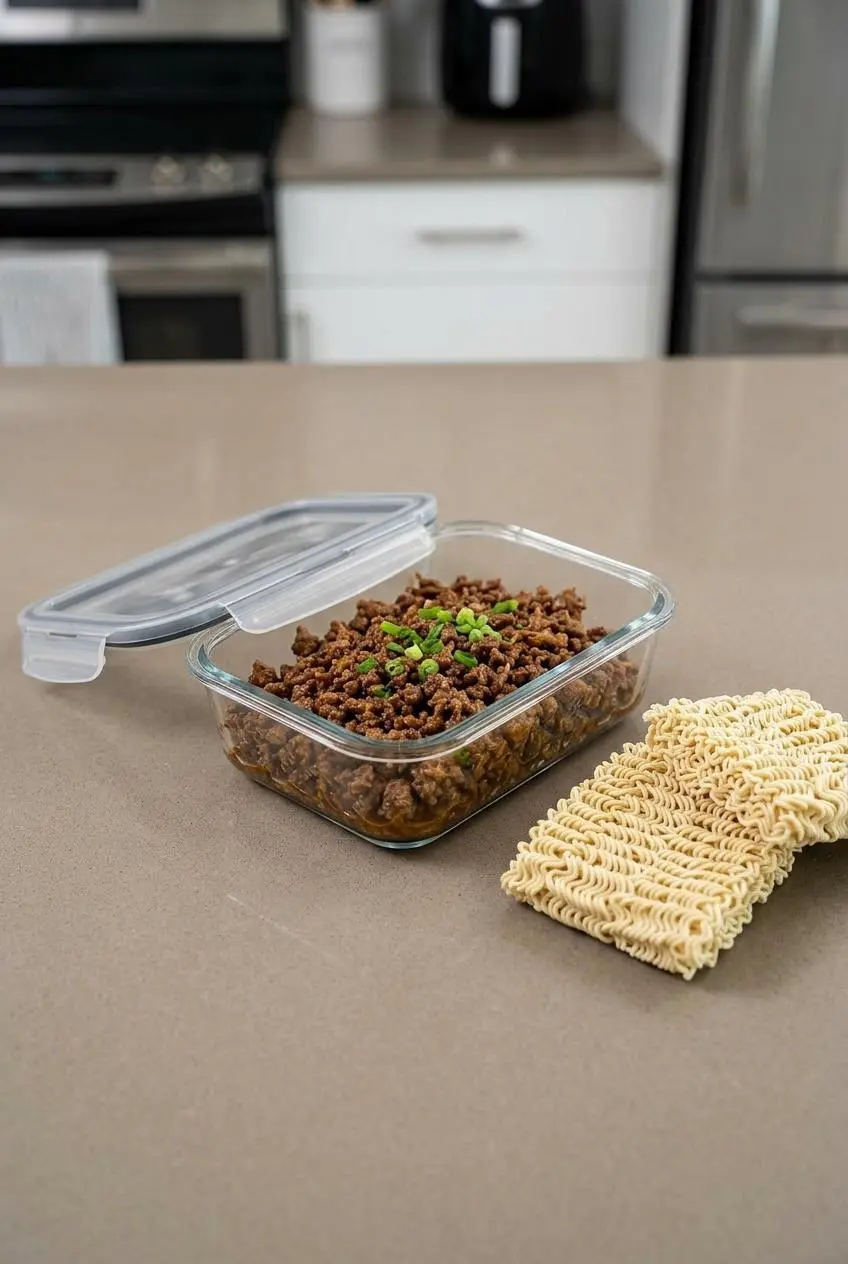
Leftover noodle dishes are mostly a texture question. The best move is to keep the beef and sauce separate from the noodles whenever possible, then combine them when reheating so the noodles don’t keep soaking up liquid.
If the noodles are already mixed in, cool the leftovers promptly and store them covered in the refrigerator. For cooked beef dishes, 3 to 4 days of refrigerated storage for leftovers is the usual limit, and keeping them chilled helps reduce food safety problems.
Reheat gently on the stovetop with a splash of water to loosen the sauce and wake the noodles back up. The microwave works too, but use short bursts and stir between them so the edges do not overcook while the center stays cool.
If you want to make part of the recipe ahead, cook the beef and sauce mixture first and keep the noodles separate until serving. That gives you the best shot at noodles that stay springy instead of soft and tired.
Conclusion
This is a fast, practical dinner that still tastes like you meant it. You get caramelized beef, glossy noodles, and a sauce that feels much bigger than the short cook time.
Once you know the trick is browning the beef well and stopping the noodles at just the right moment, the whole dish becomes very easy to repeat. Keep this one close for busy nights.
Frequently Asked Questions (FAQ)
What Kind of Beef Is Best for Ramen Noodles?
For a quick stir-fry like this, lean ground beef is the easiest and fastest option. If you want more chew, use thinly sliced sirloin or flank steak. For a richer, traditional soup-style bowl, slow-cooked cuts such as chuck roast or short rib are the better fit.
How Do You Keep Ramen Noodles From Getting Soggy?
Cook them only until pliable, not fully soft, because they keep cooking as you toss them in the hot sauce. For leftovers, reheat gently with a splash of water instead of boiling them again. Storing the noodles separately from the beef mixture helps even more.
Can I Prepare This Recipe Ahead of Time?
Yes. The best make-ahead move is to cook the beef and sauce mixture in advance, then cook the noodles fresh when you’re ready to eat. If you do store the cooked beef mixture, keep it chilled and use it within the same safe leftover window given above.
What Can I Substitute for Mirin Hoisin or Oyster Sauce?
For mirin, use dry sherry or add a small pinch of sugar for a similar sweet balance. For hoisin, a bit more oyster sauce works in a pinch, though the flavor will be less sweet. For oyster sauce, use more hoisin or a sweet soy sauce style substitute. The sauce will still work, but the balance may shift slightly sweeter or less savory.
Beef Ramen Noodles

Equipment
- Medium skillet
Ingredients
Noodles and Beef
- 2 packets ramen or other instant noodles, discard seasoning
- 1 tsp oil
- 2 tsp sesame oil
- 2 cloves garlic, minced
- 1/2 onion, sliced
- 200g / 7oz beef mince (ground beef)
- 1 1/4 cups water, plus more as needed (315 ml)
- 1 Big handful bean sprouts
Sauce
- 1 tbsp dark soy sauce
- 1 tbsp Oyster sauce
- 2 tsp Hoisin sauce
- 1 tbsp mirin
Garnishes
- Finely sliced green onion / shallots
- Sesame seeds
Instructions
- Stir the dark soy sauce, Oyster sauce, Hoisin sauce, and mirin together in a small bowl until smooth. The sauce should look dark and glossy so it coats the beef evenly when it hits the pan.
- Heat the oil and sesame oil in a medium skillet over high heat, then add the onion and garlic and cook for 1 1/2 minutes. You want a lively sizzle and a fragrant aroma, with the onion just starting to turn golden at the edges.
- Add the beef mince and break it up as it cooks until it changes from pink to light brown. Once the meat stops steaming and starts sizzling more sharply, it is beginning to brown instead of just releasing moisture.
- Pour in the sauce and keep cooking for 2 to 3 minutes, stirring so the beef caramelizes in it. The skillet should smell rich and savory, and the beef should look darker with sticky browned bits rather than wet and loose.
- Push the beef mixture to one side of the skillet, pour in the water, and lay the noodles in the liquid. The noodles should sit mostly in the water so they can soften quickly without washing the sauce off the beef.
- Leave the noodles for 45 seconds, turn them, then leave them for 30 seconds more before loosening them apart. They should look pliable but not fully soft, which helps them finish cooking without going mushy.
- Toss the noodles through the beef mixture until the strands are separated and coated. The noodle starch will start to thicken the liquid into a glossy glaze that clings to the noodles instead of running to the bottom of the pan.
- Add the bean sprouts and toss for 1 minute, then serve immediately with green onion / shallots and sesame seeds. The sprouts should just soften while the sauce reduces enough to coat the noodles and the noodles should be fully cooked but still springy.