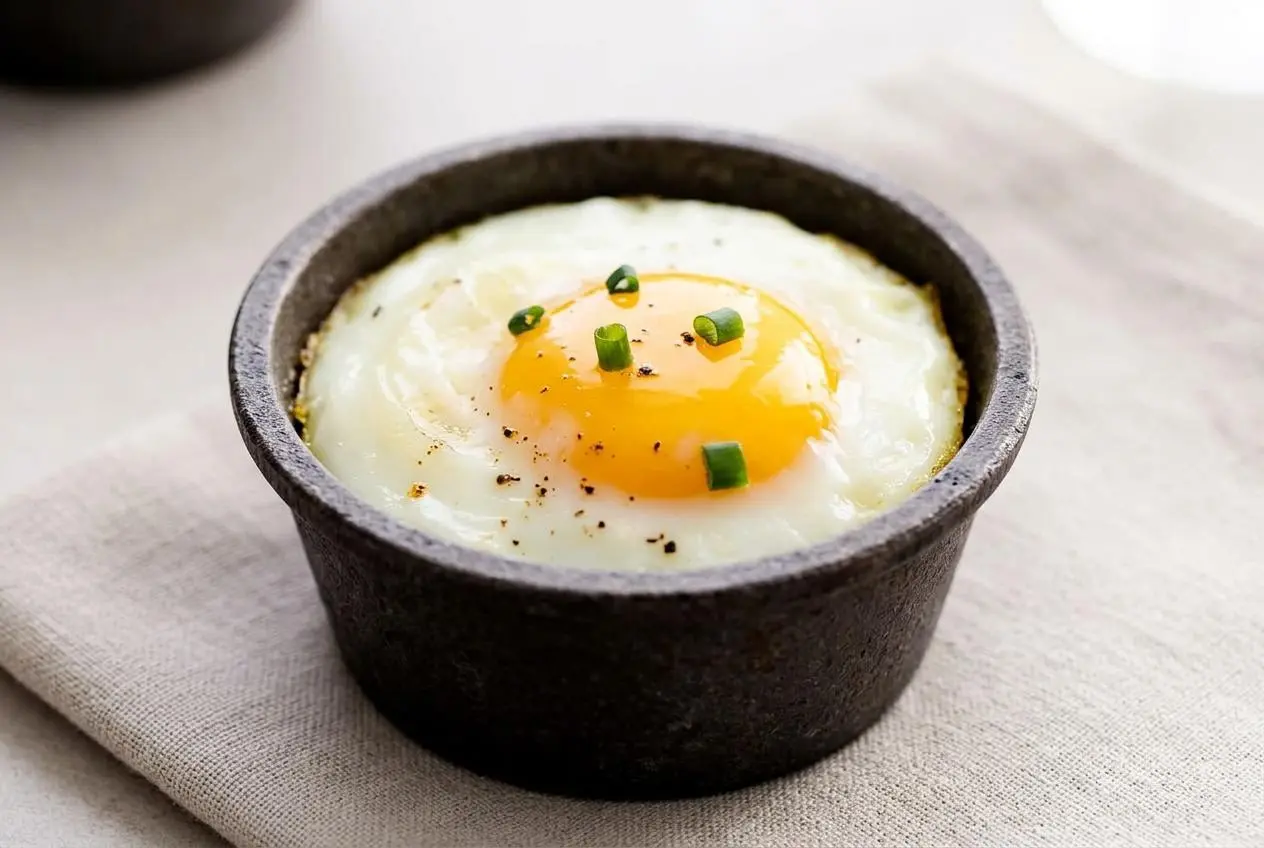
Make baked eggs by cracking large eggs into a well-greased muffin tin, seasoning them, and baking at 350°F until the whites set and the yolks reach your preferred texture, usually 10 to 15 minutes.
Baked eggs deliver warm, tender whites and silky golden yolks without standing over a skillet. The muffin tin keeps each portion neat for breakfast sandwiches, toast, or a quick plate with fruit.
Watch the whites, not just the clock, because the yolks continue to firm after the pan leaves the oven. That little pause makes all the difference.
Set the muffin tin on the center oven rack so heat can circulate evenly around each cup.
Essential Ingredients and Practical Roles
Each ingredient has a clear job: eggs provide structure and rich yolks, cooking spray helps release, and salt and pepper bring balance to every bite.
- 6 large eggs (or however many you want)
- nonstick cooking spray
- Salt and pepper (to taste)
Fresh large eggs tend to have taller yolks and thicker whites, which helps each egg hold a tidy shape in the muffin cup. Coat every well thoroughly with cooking spray, or use melted butter if preferred, to create a barrier between the egg proteins and the pan. Season right before baking so the salt and pepper stay evenly distributed without sitting on the raw whites.
I make sure the spray reaches the bottom and curved sides of every muffin cup, because a fully coated surface lets the delicate whites release without tearing.
Step-by-Step Method for Perfect Oven Baked Eggs
A nonstick muffin tin gives you individual eggs with consistent edges and easy portioning. Grease it generously before cracking the eggs so the finished rounds lift out cleanly.
- Heat the oven to 350°F, then coat each well of a nonstick muffin tin generously with cooking spray.
The pan may give off a faint, gentle sizzle around the rim once the eggs begin baking. - Crack one egg low into each prepared cup and add salt and pepper to taste.
Dropping the egg close to the cup helps keep the yolk centered and intact. - Bake for 10 to 15 minutes, choosing the shorter or longer end of the range for the yolk texture you want.
The whites should turn fully opaque and feel firm around the perimeter. - Let the pan sit briefly, then loosen any catching edges with a thin butter knife.
A flexible knife should glide around the edge and release the egg in one neat round.
Remove the pan when the whites are set but the center still matches your preferred yolk stage. Residual heat continues cooking the eggs after they leave the oven, so a yolk that looks slightly softer than you want can finish nicely on the pan.
Baking Time and Yolk Doneness Guide
At 350°F, a few minutes change the yolk dramatically. Use the timing as a guide, then check the white opacity, center movement, and yolk sheen before pulling the pan.
Runny Dipping Yolks (10 to 11 Minutes)
For a warm, liquid yolk that’s made for toast, bake until the white is opaque and set at the edges while the center has a faint, soft wobble. The yolk should look glossy and remain loose when cut.
Take these out promptly. Carryover heat will firm the whites a little more while keeping the yolk suitable for dipping.
Jammy Medium Centers (12 to 13 Minutes)
At this stage, the yolk develops a partly set outer layer with a soft, velvety center. It works especially well over avocado toast, grain bowls, or greens where you want richness without a fully liquid center.
If you enjoy the same creamy texture in another format, try stovetop jammy eggs for a boiled alternative.
Firm Meal Prep Yolks (14 to 15 Minutes)
For firmer yolks, bake until the center no longer wobbles and the yolk is fully opaque and pale yellow. Pull the eggs once they are set instead of leaving them in the hot pan, which can overcook the whites and dull the yolk texture.
These firmer eggs hold their shape well in breakfast sandwiches and packed morning meals.
Common Troubleshooting and Prevention Checklist
Most baked-egg problems come down to pan preparation, oven heat, or extra moisture. These fixes keep the texture tender and the portions intact.
- Eggs stick to the pan: Egg proteins cling to bare metal as they cook. Spray the bottom and sides of every cup generously, or use lightly greased silicone baking cups. If an edge catches, slide a thin, flexible butter knife or small offset spatula around the rim rather than pulling the egg upward.
- Whites turn rubbery: High heat firms egg proteins too quickly, often before the yolk reaches the texture you want. Keep the oven at 350°F and remove the pan as soon as the whites become opaque and set.
- Eggs have watery tops: Older eggs can have thinner whites that spread more easily. Choose fresh eggs when possible, and keep moisture-rich add-ins out of the main method unless they have been cooked and drained first.
- Yolks cook unevenly: A dark pan, a crowded oven, or eggs placed too close to a heating element can speed up cooking. Use the center rack and begin checking at the earliest doneness point.
Meal Prep Storage and Reheating Instructions
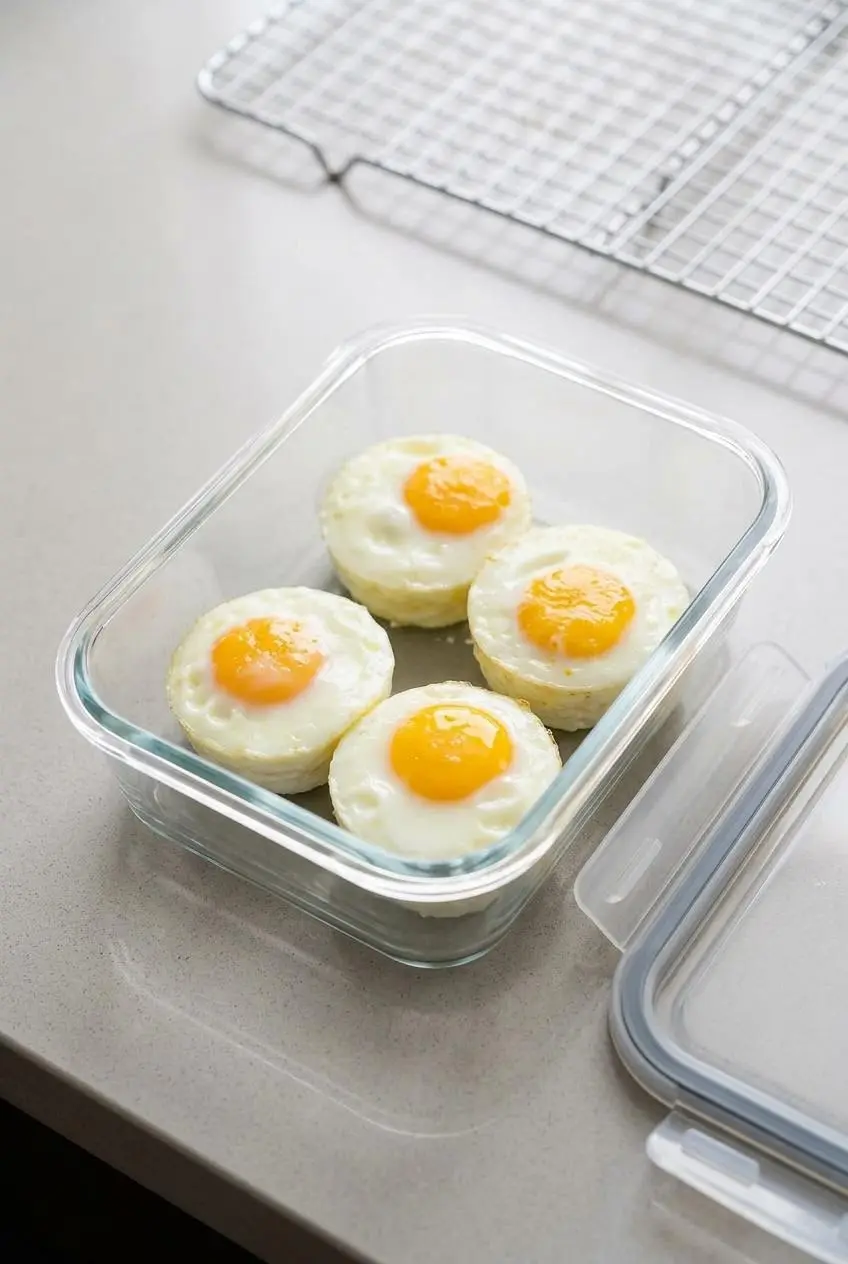
For make-ahead breakfasts, let the baked eggs cool completely on a plate or rack before placing them in an airtight container. This limits trapped steam, which can make the surface damp and the texture less appealing.
Keep the container chilled and reheat one portion at a time using low microwave power. Warm the egg in short bursts only until heated through, pausing between bursts so the proteins do not tighten into a rubbery texture. Careful egg handling and chilled storage are part of safe egg storage and handling.
For the best texture, prepare the eggs close to when you plan to use them and avoid holding them longer than necessary. Firm yolks generally reheat more evenly than runny yolks.
Flavorful Variations and Add-Ins
Keep the main method as written, then customize individual portions with optional additions. Cook and drain vegetables or meats first so extra moisture does not loosen the egg whites.
Shirred Ramekin Baked Eggs
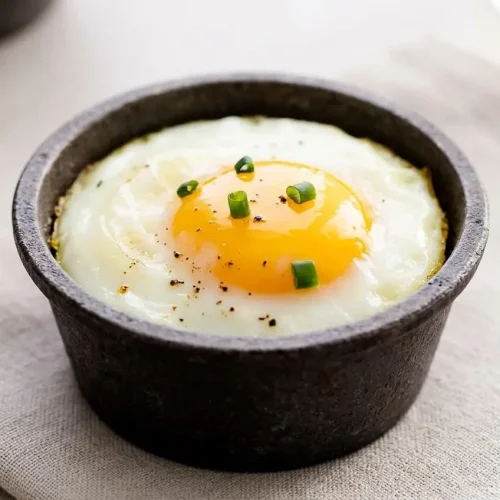
For a brunch-style presentation, use an oven-safe ceramic ramekin instead of a muffin tin. Brush the inside with garlic herb butter, crack in two eggs, and spoon a tablespoon of heavy cream over the whites. Finish with grated Gruyère and bake at 375°F for 12 to 15 minutes, watching closely because thick ceramic dishes can retain heat after baking.
These shirred eggs are especially good with fresh herbs and toast points for scooping up a soft yolk.
Cheesy Breakfast Casserole Bake
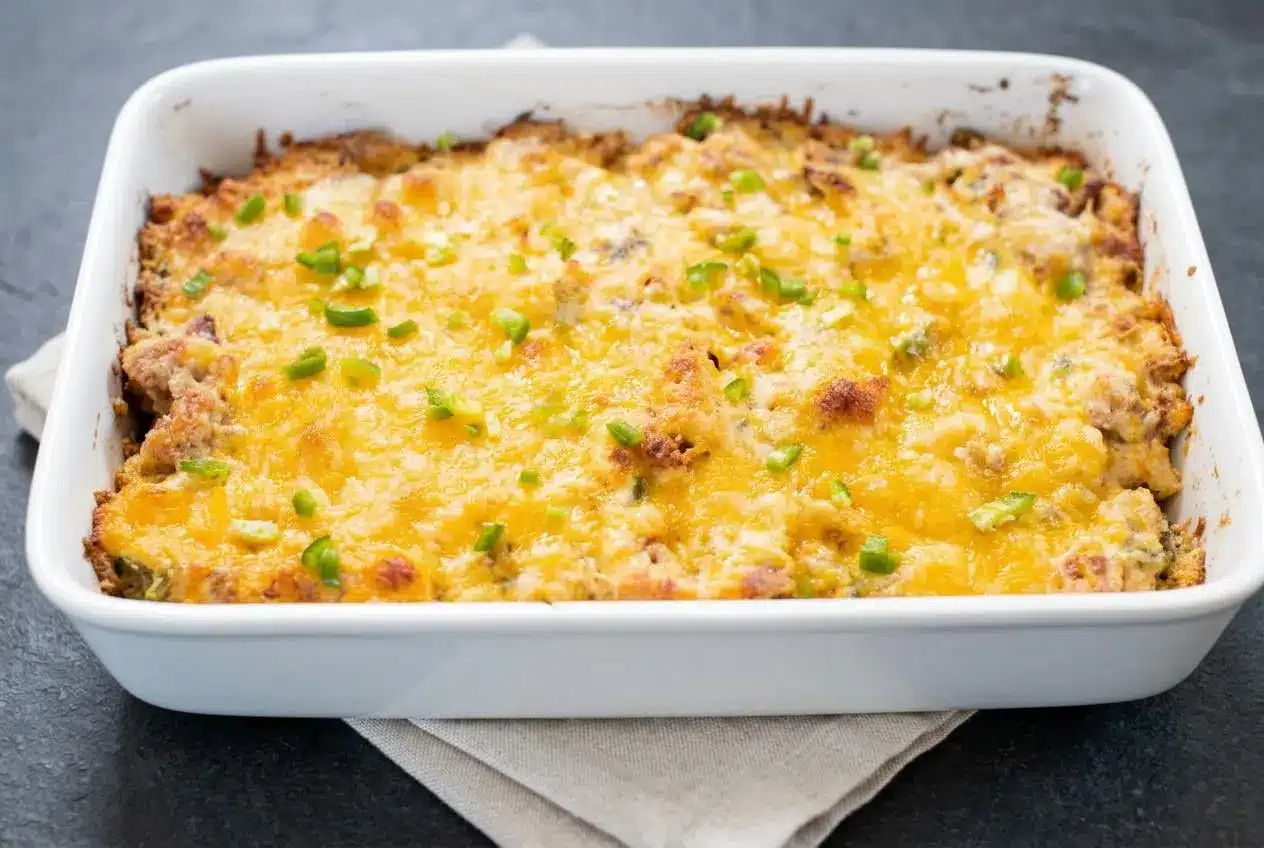
For a family-style option, whisk eggs with cottage cheese, shredded sharp cheddar, and a pinch of black pepper in an 8×8-inch baking dish. Bake until puffed, golden, and set through the center. Cottage cheese adds a soft, creamy structure while cheddar gives the top a savory finish.
For a fuller casserole-style idea, these baked cottage cheese eggs offer another satisfying direction.
Vegetable and Sausage Meal Prep Cups
Add a spoonful of sautéed baby spinach, diced bell peppers, or crumbled cooked breakfast sausage to the bottom of each muffin cup before adding the egg. Each option turns an individual egg into a more filling breakfast portion, but drain cooked vegetables well so they do not release water during baking.
Feta adds a tangy contrast with spinach and mushrooms, while cheddar works well with sausage and peppers. Keep the additions modest so the egg still has room to set around them.
Serving Suggestions for Every Meal
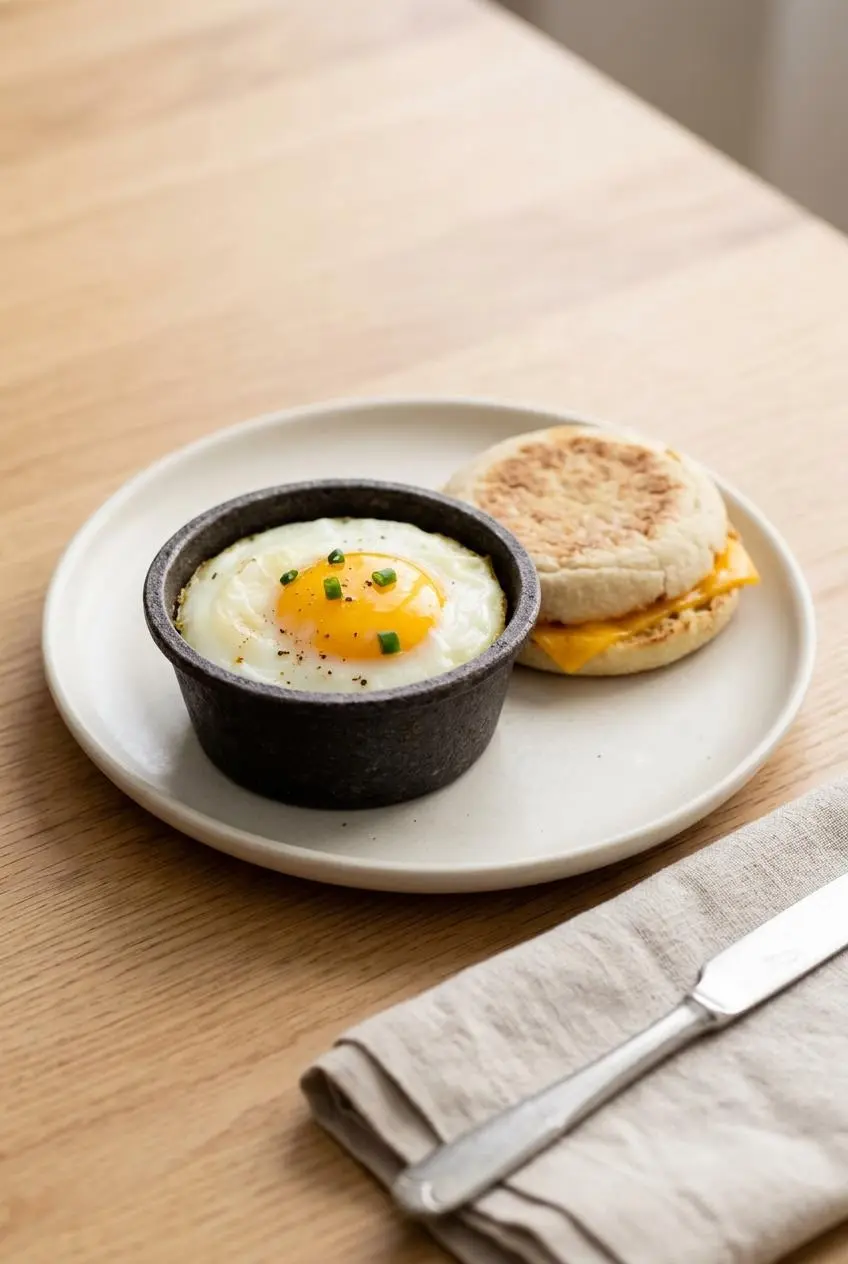
Baked eggs can head in several directions depending on the yolk texture you choose.
- Slide warm eggs into toasted English muffins with melted cheddar and crisp bacon for an easy breakfast sandwich.
- Spoon runny or jammy eggs over a hot sweet potato breakfast hash with sliced avocado and hot sauce.
- Serve ramekin eggs alongside buttered sourdough toast points for dipping.
- Use the neat egg rounds in a brunch spread inspired by classic eggs benedict, with English muffins and your favorite savory toppings.
Conclusion
Baked eggs make breakfast feel calm and organized, whether you are preparing a weekday meal or putting together an easy weekend brunch. A well-greased pan and close attention near the end of baking keep the whites tender and the yolks just where you want them.
Choose your timing, pull the pan before carryover heat takes over, and add herbs or cheese when you want a little extra flavor. Warm yolks and crisp toast are a very good place to start.
Frequently Asked Questions
How Long Do Eggs Take to Bake at 350 Degrees?
Large eggs generally take 10 to 11 minutes for runny yolks, 12 to 13 minutes for jammy medium centers, and 14 to 15 minutes for firm yolks at 350°F. Watch for fully opaque whites, then remember that the yolks continue to set slightly after the pan comes out of the oven.
How Do You Stop Baked Eggs From Sticking to the Pan?
Generously coat a nonstick muffin tin with cooking spray, covering both the bottom and sides of each cup. Melted butter also works as a release layer. Lightly greased silicone muffin liners can help if sticking has been a problem. If an edge catches, loosen it gently with a thin knife around the rim.
Can You Reheat Baked Eggs Without Making Them Rubbery?
Yes. Reheat baked eggs gently at low microwave power, warming only until heated through. Use short bursts and pause between them. High, prolonged heat tightens cooked egg proteins and can make the whites tough.
How Long Do Meal-Prepped Baked Eggs Keep in the Fridge?
Cool baked eggs completely, seal them in an airtight container, and keep them chilled. Prepare portions close to when you plan to eat them for the best quality. Reheat only the portion you need, and keep the remaining eggs covered to protect their texture.
Baked Eggs

Equipment
- nonstick muffin tin
- Cooking spray
Ingredients
- 6 large eggs (or however many you want)
- nonstick cooking spray
- Salt and pepper (to taste)
Instructions
- Heat the oven to 350°F, then coat each well of a nonstick muffin tin generously with cooking spray. The pan may give off a faint, gentle sizzle around the rim once the eggs begin baking.
- Crack one egg low into each prepared cup and add salt and pepper to taste. Dropping the egg close to the cup helps keep the yolk centered and intact.
- Bake for 10 to 15 minutes, choosing the shorter or longer end of the range for the yolk texture you want. The whites should turn fully opaque and feel firm around the perimeter.
- Let the pan sit briefly, then loosen any catching edges with a thin butter knife. A flexible knife should glide around the edge and release the egg in one neat round.